Loading subject page…

Micro-course: Control of Gene Expression
52,415 views
Learn key concepts and earn your certificate.

MicroRNAs


00:00
01:22
Video Summary: What Is Micrornas
Did you know that tiny RNA molecules just 22 nucleotides long can determine whether you develop cancer or heart disease? Micrornas are powerful regulatory molecules that control gene expression without coding for proteins themselves. These molecular switches have revolutionized our understanding of diseases like the BRCA gene mutations linked to breast cancer risk in American women. Understanding what is micrornas reveals how cells fine-tune protein production through post-transcriptional regulation. Watch the full video on JoVE Coach to master this concept with expert-led visuals and step-by-step explanations.
- Understand what is micrornas and their role as non-coding regulatory RNA molecules that control gene expression
- Identify the structural features of microRNA, including their 22-nucleotide length and hairpin precursor origins
- Analyze the mechanism by which micrornas form RISC complexes and bind to target mRNA molecules
- Compare perfect versus imperfect base pairing between micrornas and their mRNA targets
- Evaluate the two main pathways of microRNA-mediated gene silencing: mRNA cleavage and translation inhibition
- Apply knowledge of microRNA dysregulation to understand disease mechanisms in cancer and cardiovascular conditions
- Recognize the significance of post-transcriptional regulation in cellular homeostasis
- Explore the therapeutic potential of targeting microRNA pathways in modern medicine
Understanding What is Micrornas: The Molecular Basics
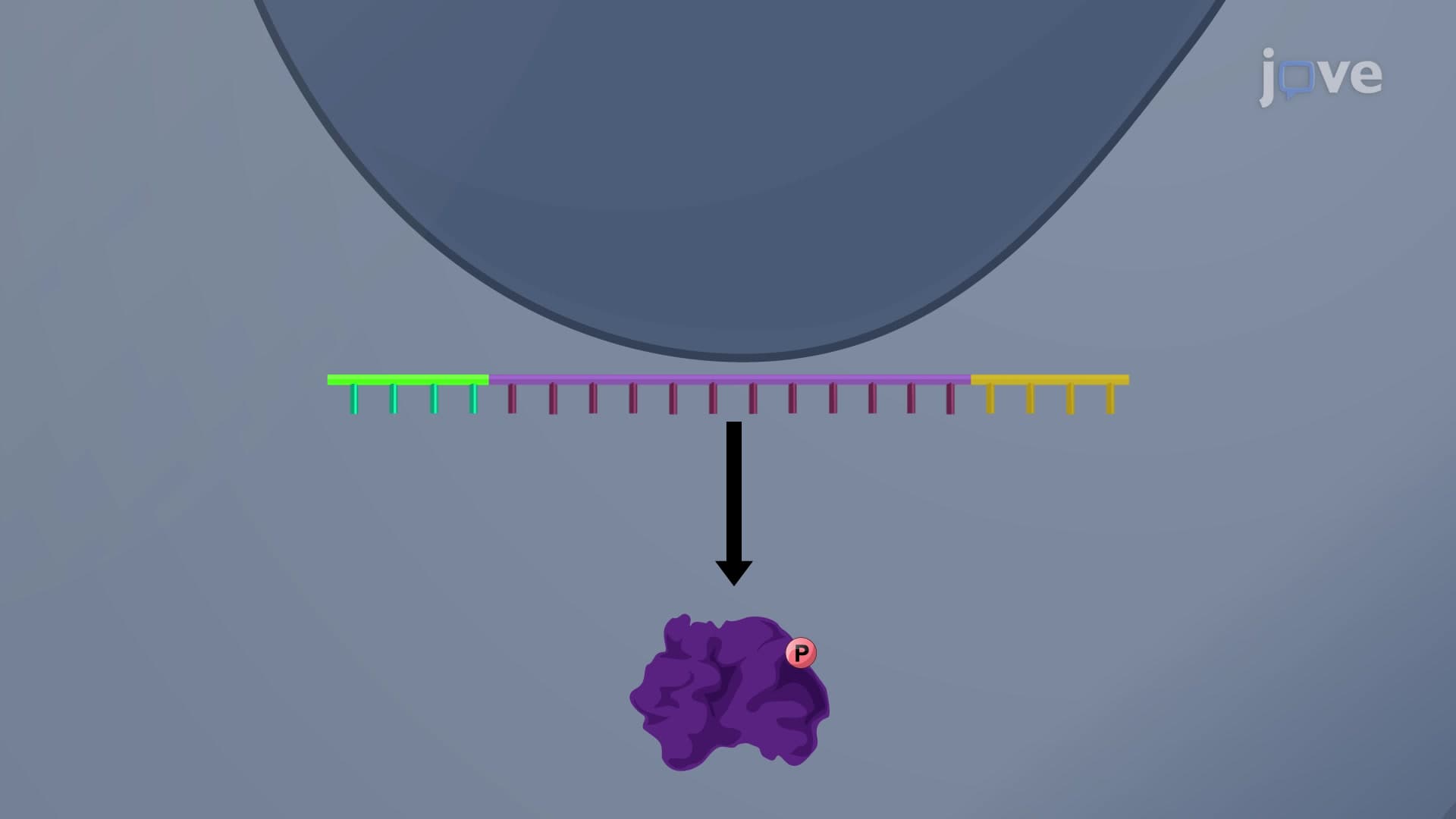
Micrornas represent a revolutionary discovery in molecular biology that has fundamentally changed how we understand gene regulation. These small RNA molecules, typically 22 nucleotides in length, don't code for proteins but instead serve as master regulators of gene expression. Unlike messenger RNA (mRNA) that carries genetic instructions for protein synthesis, micrornas act as molecular switches that can turn genes "on" or "off" at the post-transcriptional level.
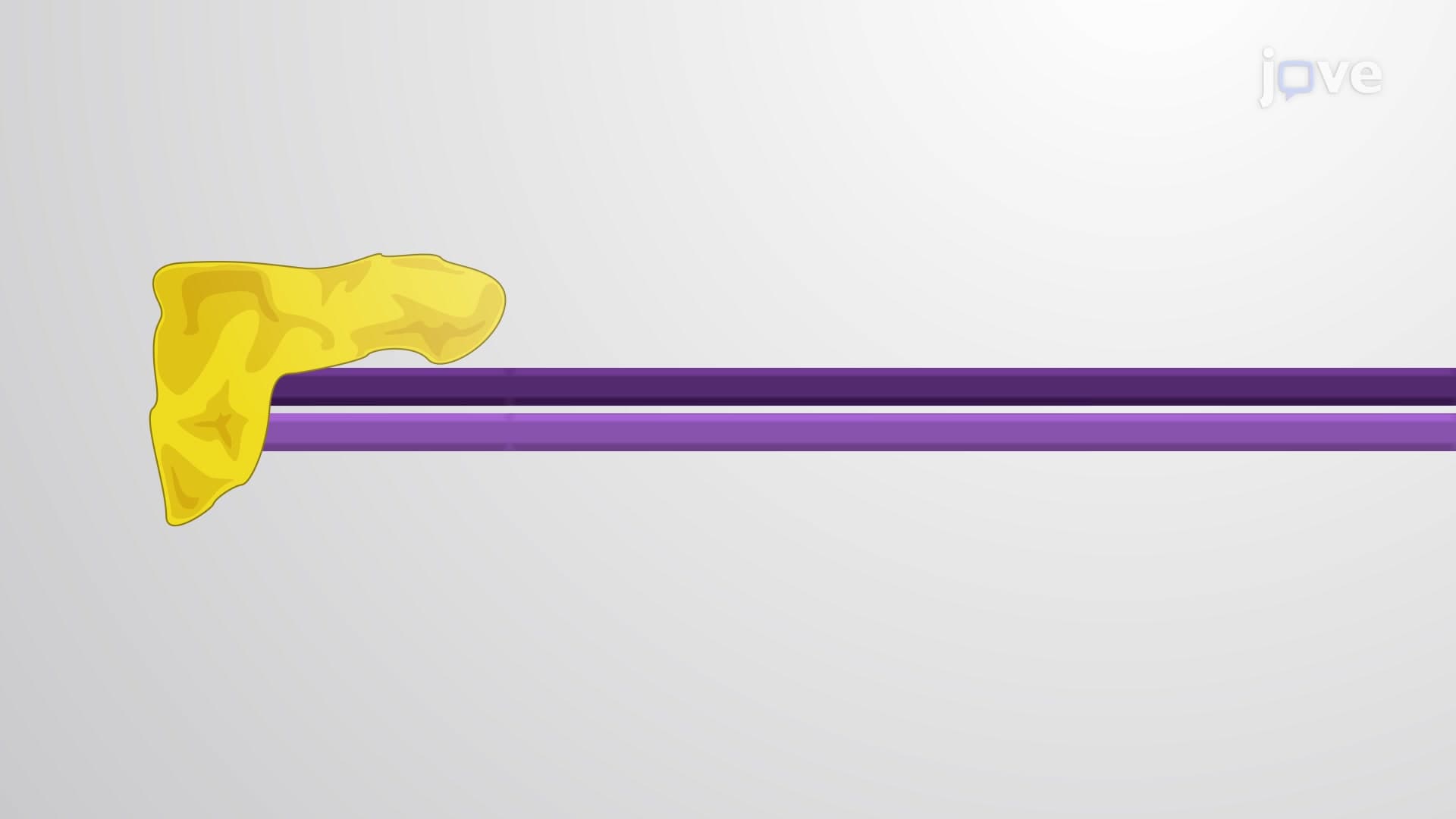
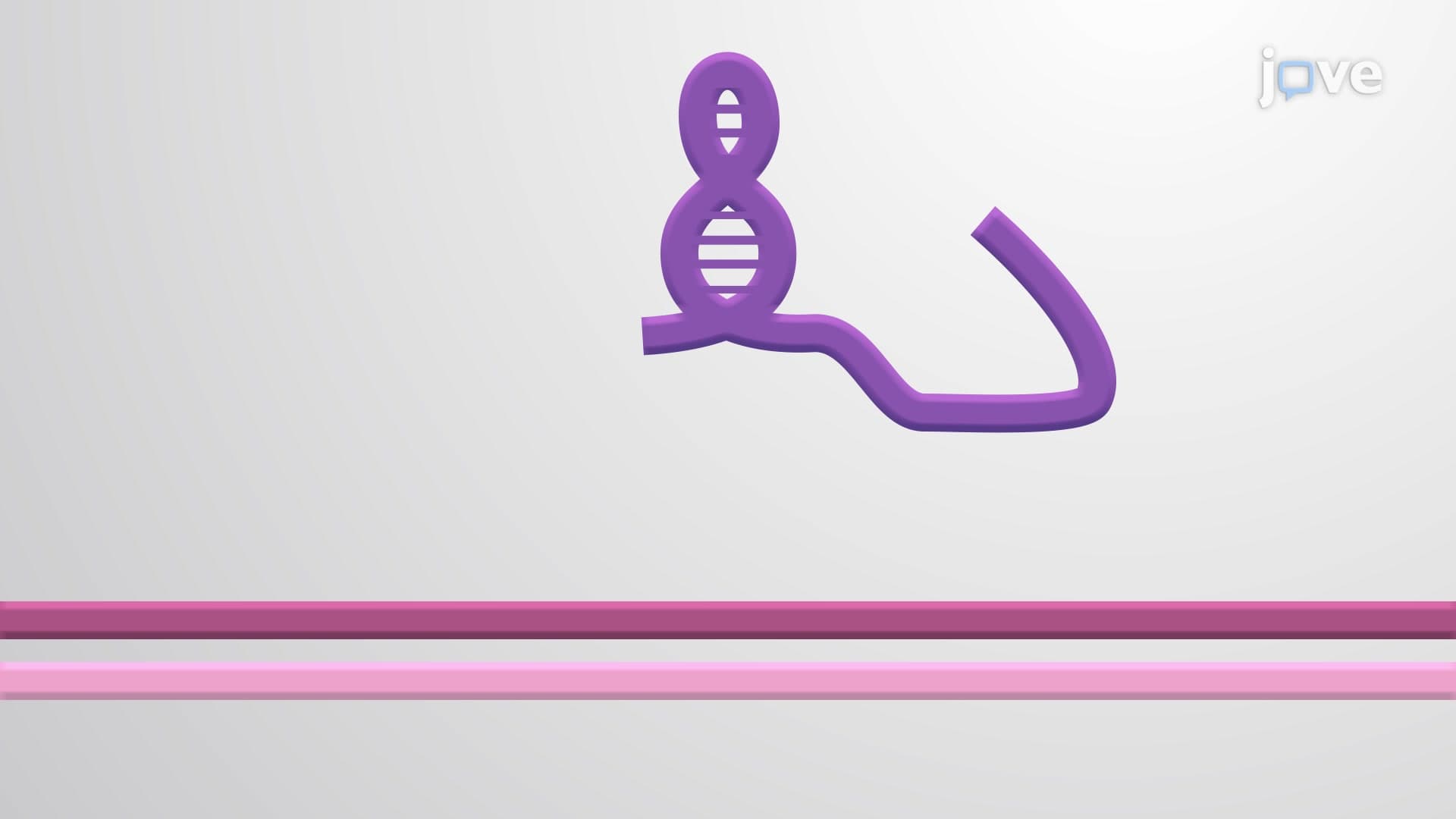
The micrornas biology explained begins with their unique biogenesis pathway. These regulatory molecules originate from longer double-stranded RNA precursors that contain characteristic hairpin-loop structures. Through a series of enzymatic cleavages involving proteins like Dicer, these precursors are processed into mature micrornas. This processing is so precise that even a single nucleotide change can dramatically alter the microRNA's regulatory function.
MicroRNA Mechanism: RISC Complex Formation and Target Recognition
The functional power of micrornas lies in their ability to form the RNA-induced silencing complex (RISC). This sophisticated molecular machine combines the mature microRNA with several proteins to create a highly specific gene-silencing apparatus. The RISC complex acts like a molecular GPS system, using the microRNA as a guide to locate specific target mRNA sequences.
Target recognition occurs primarily through complementary base pairing between the microRNA and sequences located in the 3' untranslated region (UTR) of target mRNAs. Interestingly, this pairing doesn't need to be perfect, partial complementarity is often sufficient for effective gene silencing. This flexibility allows a single microRNA to regulate multiple target genes, creating complex regulatory networks that fine-tune cellular responses.
Clinical Significance and Disease Connections
Micrornas have emerged as critical players in human health and disease, particularly in the United States where personalized medicine approaches increasingly consider microRNA profiles. Dysregulated microRNA expression is associated with numerous conditions affecting Americans, including various cancers, cardiovascular disease, and neurological disorders.
For example, the microRNA miR-21 is frequently overexpressed in American cancer patients, particularly those with breast, lung, and colorectal cancers. Conversely, tumor suppressor micrornas like the miR-200 family are often downregulated in metastatic cancers. Understanding these patterns has led to the development of microRNA-based biomarkers used in clinical trials across major US medical centers like Johns Hopkins and MD Anderson Cancer Center.
Academic and Examination Relevance
Students preparing for AP Biology, MCAT, or college-level molecular biology courses will encounter micrornas as a fundamental concept in gene regulation. The topic frequently appears on standardized tests, particularly in questions about post-transcriptional control mechanisms and disease pathogenesis. Understanding microRNA function is essential for grasping modern therapeutic approaches, including RNA interference (RNAi) technologies currently in clinical trials at institutions like Harvard Medical School and Stanford University.
Frequently Asked Questions
Micrornas are small regulatory RNA molecules (about 22 nucleotides) that control gene expression without coding for proteins. Unlike mRNA that carries genetic instructions or tRNA that helps build proteins, micrornas act as molecular switches that can silence genes after transcription. They're unique because they can regulate multiple target genes simultaneously through partial complementary base pairing.
MCAT questions often focus on microRNA mechanisms, disease connections, and experimental design involving RNA interference. AP Biology typically tests basic microRNA function, their role in gene regulation, and how they fit into the central dogma of molecular biology. Expect questions about RISC complex formation and the difference between transcriptional and post-transcriptional regulation.
Most college biology courses focus on understanding microRNA mechanisms rather than memorizing specific sequences. However, you should know key examples like miR-21 (oncogenic) and tumor suppressor micrornas for disease-related questions. Focus on understanding the general principles of target recognition and gene silencing pathways rather than sequence memorization.
Several US biotech companies are developing microRNA-based therapies currently in clinical trials. For example, some treatments aim to restore tumor suppressor micrornas or block oncogenic micrornas. The FDA has approved microRNA diagnostic tests for certain cancers, and major cancer centers like Memorial Sloan Kettering use microRNA profiling to guide treatment decisions.
Not at all! While microRNA research involves cutting-edge science, the basic concept builds naturally on DNA, RNA, and protein synthesis topics you already know. Think of micrornas as cellular volume controls that can turn gene expression up or down. Start with understanding their basic function, then gradually explore the molecular details as your confidence grows.
Create a flowchart showing microRNA biogenesis from precursor to mature form, then map out the RISC complex mechanism. Practice drawing the target recognition process and explaining how imperfect base pairing still allows gene silencing. Use disease examples to make the concept more memorable, connecting micrornas to real health conditions helps reinforce their biological importance.
For most high school and introductory college courses, emphasize function over detailed structure. Understanding that micrornas are small, regulatory, and work through RISC complexes is more important than memorizing exact nucleotide compositions. However, knowing the 22-nucleotide length and hairpin precursor origin provides helpful context for their unique properties.
Explore other non-coding RNAs like long non-coding RNAs (lncRNAs) and small interfering RNAs (siRNAs) to understand the broader landscape of RNA-based regulation. Study epigenetics to see how gene regulation works at multiple levels, and investigate CRISPR technology to understand how scientists are using RNA-guided systems for gene editing and therapy development.
Related Micro-courses

16 Concepts

14 Concepts