Loading subject page…


52,416 views


Video Summary: What Is Regulated Mrna Transport
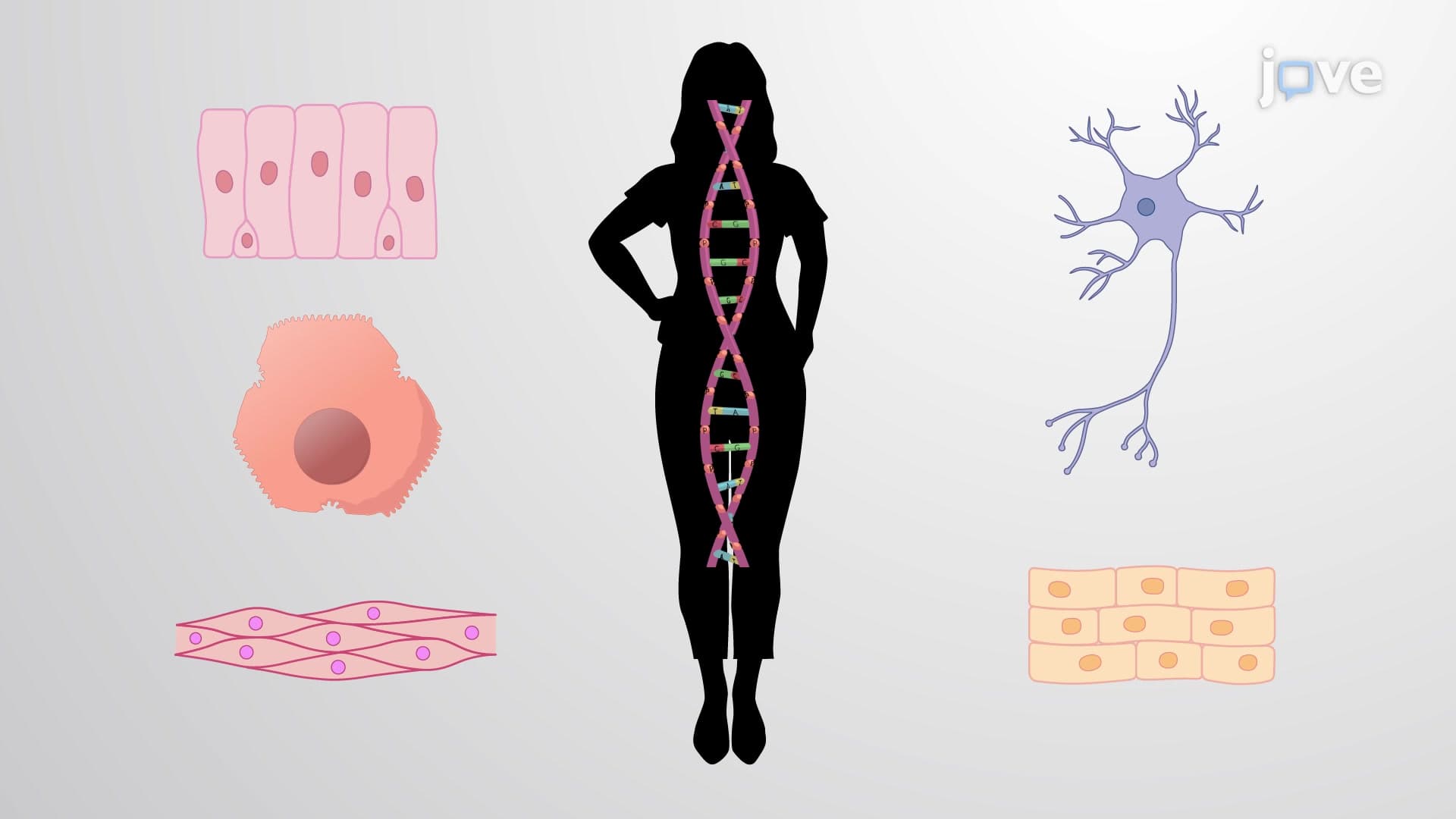
Ever wondered how a single fertilized egg develops into a complex organism with specialized cells? Regulated mRNA transport is the cellular GPS system that ensures proteins are made exactly where and when they're needed. This sophisticated mechanism guides messenger RNA molecules from the nucleus to specific cellular locations, much like how Amazon packages are delivered to precise addresses. In human neurons, this process enables memories to form by localizing specific mRNAs at synapses in your brain. Watch the full video on JoVE Coach to master this concept with expert-led visuals and step-by-step explanations.
Regulated mRNA transport represents one of biology's most elegant quality control systems. Unlike the traditional view of protein synthesis occurring randomly throughout the cytoplasm, cells have evolved sophisticated mechanisms to deliver mRNA transcripts to specific subcellular addresses. This process ensures that proteins appear precisely where cellular functions demand them, creating spatial organization that's essential for life.
The transport system relies on three critical components working in concert. First, specific RNA sequences called localization signals act as molecular zip codes, embedded within the mRNA structure. Second, specialized RNA-binding proteins function as molecular postal workers, recognizing these signals and forming protective ribonucleoprotein complexes. Finally, motor proteins like kinesin and dynein serve as delivery vehicles, using cytoskeletal highways of microtubules and actin filaments to transport their mRNA cargo.
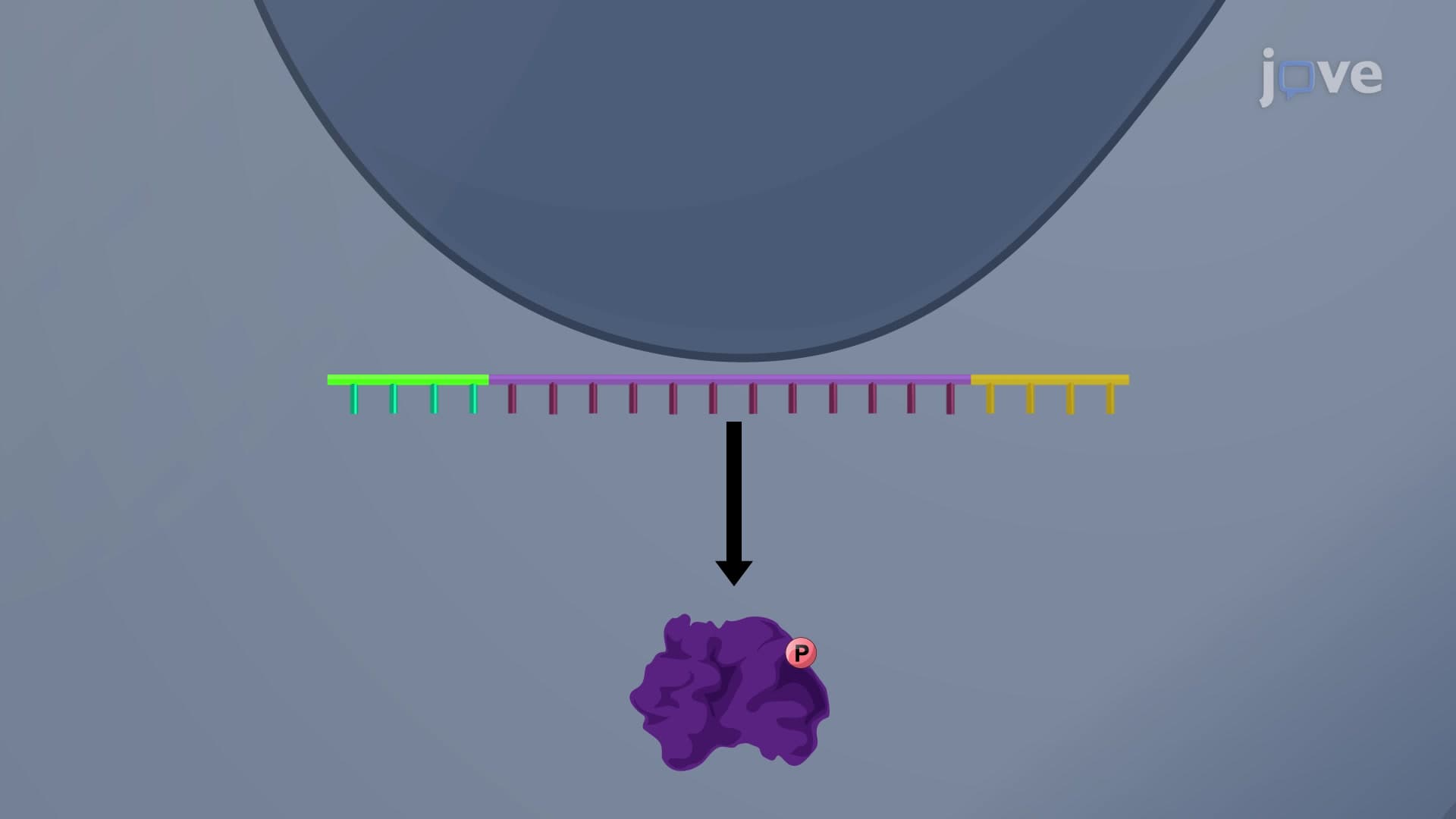
The journey begins when newly transcribed mRNA molecules acquire their localization signals during processing in the nucleus. These sequences, often found in untranslated regions, create unique three-dimensional structures that RNA-binding proteins can recognize with remarkable specificity. Once bound, these proteins recruit additional factors that interface with the cell's transport machinery.
Motor proteins provide the driving force for directional movement. Kinesin typically moves cargo toward cell peripheries (plus-end directed), while dynein travels toward the cell center (minus-end directed). This bidirectional capability allows cells to establish complex protein gradients that drive processes from wound healing to embryonic patterning.
In US medical schools, students studying for the MCAT encounter regulated mRNA transport when learning about developmental biology and neuroscience. The process is particularly crucial in neurons, where local protein synthesis at synapses supports learning and memory formation. Stanford University researchers have shown that disrupted mRNA transport contributes to Alzheimer's disease progression, highlighting the clinical relevance.
During embryonic development, mRNA localization determines cell fate decisions. Classic studies using fruit fly embryos revealed how bicoid mRNA localization establishes head-to-tail body axis, a principle that extends to human development. Cancer research at institutions like Johns Hopkins has identified mRNA transport defects that promote tumor metastasis, making this a active area of therapeutic investigation.
For AP Biology students, understanding regulated mRNA transport connects gene expression concepts with cell biology fundamentals. College-level cell biology courses often test this material through exam questions about experimental design, asking students to predict how disrupting specific transport components would affect cellular function. The topic frequently appears in MCAT passages combining molecular biology with developmental themes, requiring synthesis of multiple biological concepts.
Related Micro-courses