Loading subject page…

- Cell Biology
- Control of Gene Expression
- Small interfering RNAs (siRNA)
Micro-course: Control of Gene Expression
52,415 views
Learn key concepts and earn your certificate.


Small interfering RNAs (siRNA)


00:00
02:30
Video Summary: What Is Small Interfering Rnas Sirna
Did you know that a tiny RNA molecule just 21-23 nucleotides long can completely silence a gene? Small interfering RNAs (siRNA) are revolutionary molecular scissors that cut specific messenger RNA targets, effectively turning off gene expression through a process called RNA interference. Scientists at biotechnology companies like Alnylam Pharmaceuticals in Massachusetts use this technology to develop treatments for diseases ranging from cancer to inherited disorders. Understanding what is Small Interfering RNAS SIRNA opens doors to comprehending one of biology's most precise gene regulation mechanisms. Watch the full video on JoVE Coach to master this concept with expert-led visuals and step-by-step explanations.
- Understand what Small Interfering RNAS SIRNA are and their role as 21-23 nucleotide RNA molecules in gene silencing
- Identify the key components of the RNAi pathway, including Dicer enzyme, RISC complex, and double-stranded RNA precursors
- Analyze how siRNAs guide the RNA-induced silencing complex to target complementary mRNA sequences for degradation
- Compare siRNA-mediated gene silencing to other gene regulation mechanisms in terms of specificity and efficiency
- Evaluate the therapeutic applications of siRNA technology in treating viral infections, cancer, and genetic disorders
- Apply knowledge of siRNA design principles to predict effective target sequences and potential off-target effects
- Recognize the importance of delivery methods and computational algorithms in siRNA research and development
- Explore how siRNA technology has transformed functional genomics research and drug development processes
Understanding Small Interfering RNAs SIRNA: The Molecular Gene Silencers
Small interfering RNAs represent one of nature's most elegant gene regulation systems. These short, double-stranded RNA molecules function as highly specific molecular guides that direct cellular machinery to silence target genes. Unlike traditional gene regulation that occurs at the transcriptional level, siRNAs work post-transcriptionally by directly targeting messenger RNA molecules for destruction.
The RNAi Pathway: From Discovery to Mechanism
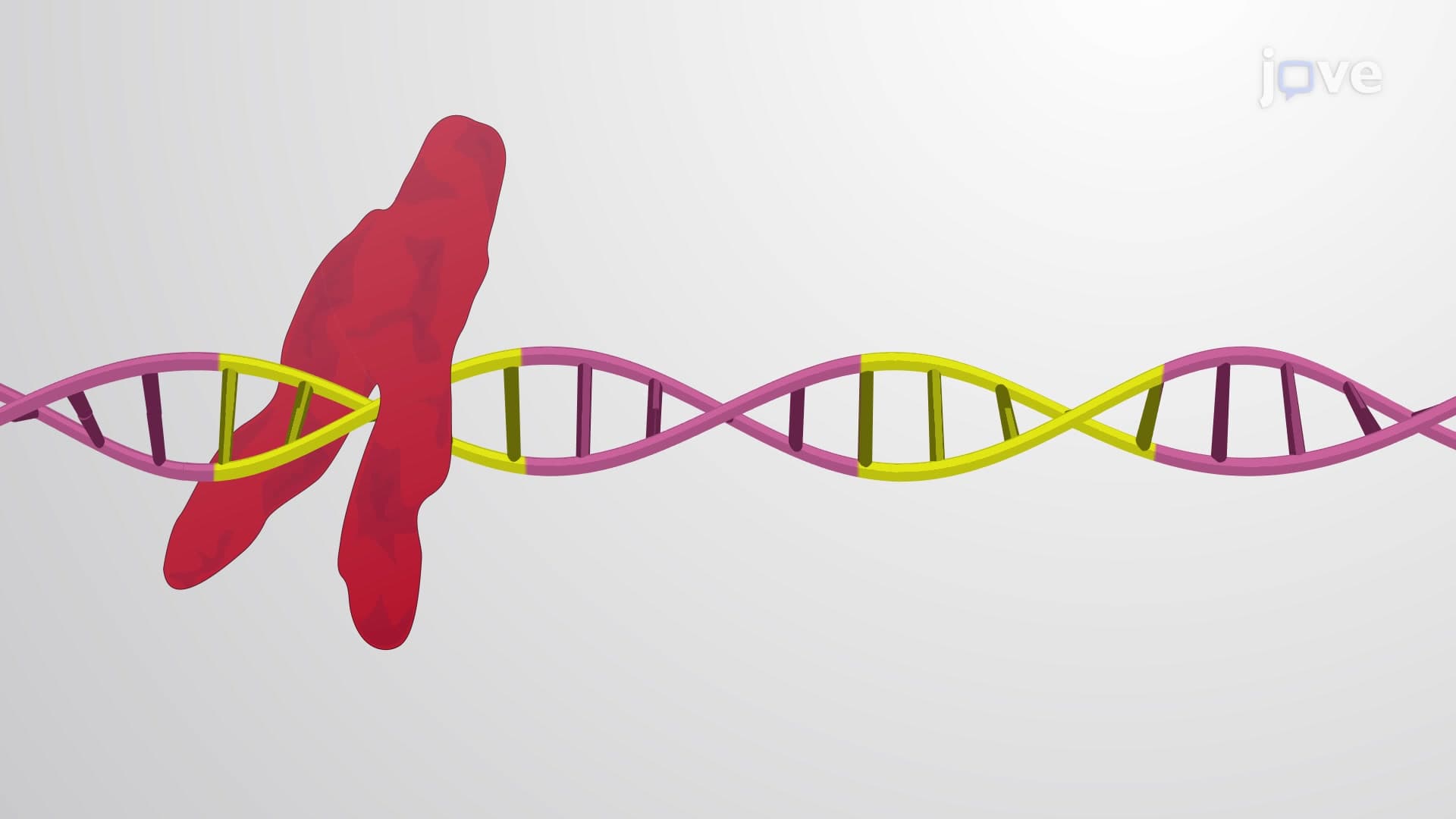
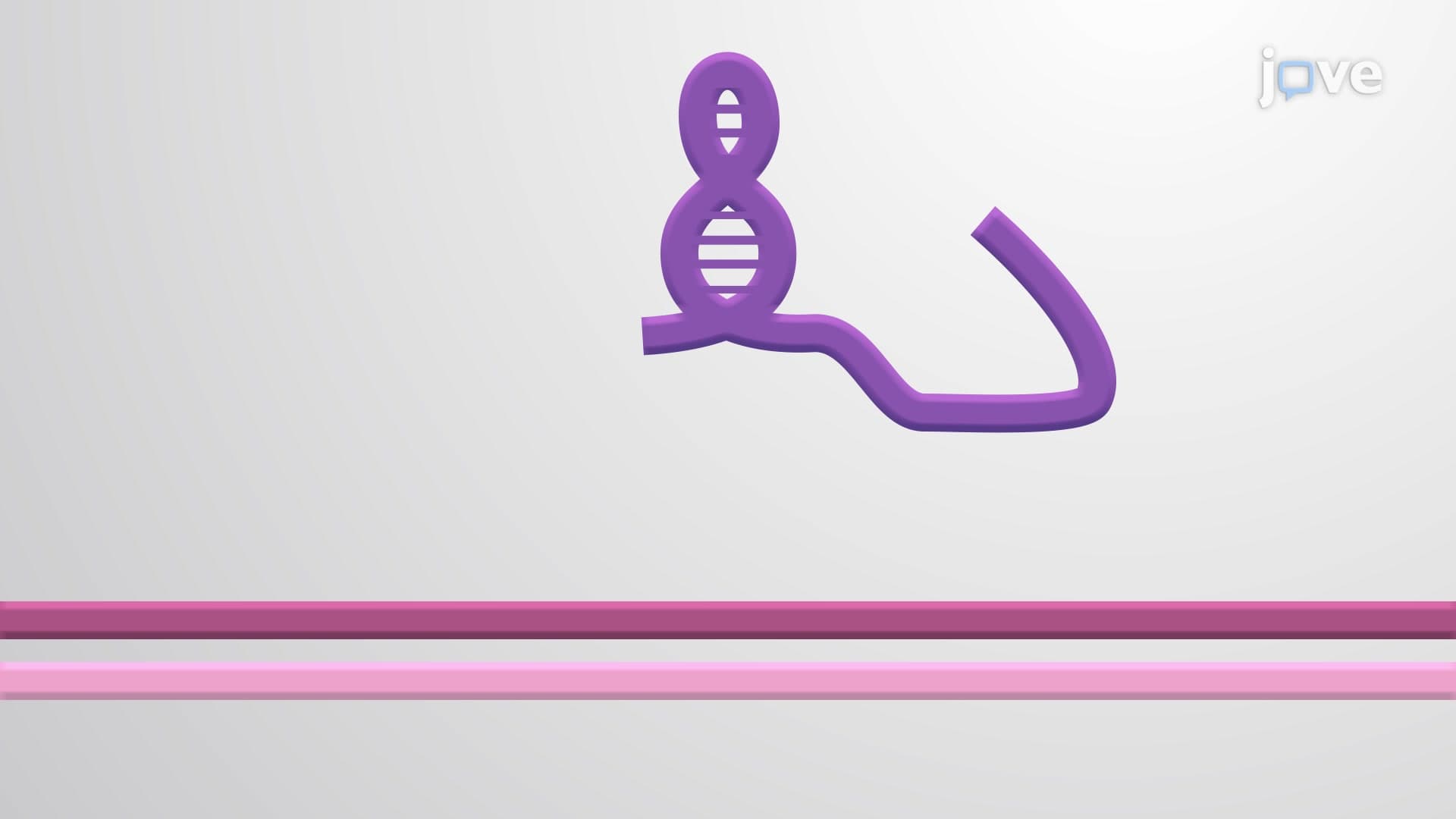
The RNA interference pathway begins when cells encounter long double-stranded RNA molecules, either from viral infections or artificially introduced sources. The enzyme Dicer, functioning like molecular scissors, cleaves these precursors into shorter siRNA duplexes. This discovery, first made in the roundworm *Caenorhabditis elegans* by researchers at Stanford University and other institutions, earned the 2006 Nobel Prize in Physiology or Medicine.
Once generated, siRNAs are loaded into the RNA-induced silencing complex (RISC), where one strand (the guide strand) remains while the other (passenger strand) is degraded. The guide strand then directs RISC to complementary mRNA targets through perfect or near-perfect base pairing, resulting in mRNA cleavage and subsequent degradation.
Clinical Applications and Research Impact
The therapeutic potential of siRNA technology has attracted significant investment from pharmaceutical companies across the United States. The FDA has approved several siRNA-based drugs, including patisiran for hereditary transthyretin amyloidosis and givosiran for acute hepatic porphyria. Research institutions like Harvard Medical School and MIT continue developing innovative delivery systems to overcome challenges such as cellular uptake and tissue targeting.
Academic Relevance and Exam Preparation
For students preparing for standardized tests, siRNA concepts frequently appear on AP Biology exams, MCAT passages, and college-level cell biology courses. Understanding siRNA mechanisms helps students grasp broader concepts of gene regulation, molecular biology techniques, and biotechnology applications. The specificity of siRNA targeting makes it an excellent example for discussing complementary base pairing principles and enzyme function.
Frequently Asked Questions
Small interfering RNAs (siRNA) are short, double-stranded RNA molecules of 21-23 nucleotides that silence gene expression by targeting complementary mRNA for degradation. Unlike messenger RNA that carries genetic information or ribosomal RNA that helps make proteins, siRNAs specifically function to regulate gene expression through the RNA interference pathway. They're distinct from microRNAs in their perfect complementarity to targets and their typical artificial origin in research settings.
The MCAT frequently includes siRNA concepts in biological sciences passages, testing understanding of gene regulation mechanisms and experimental design. Students might encounter questions about RNAi pathway steps, comparing siRNA to other regulatory molecules, or analyzing research data from gene knockdown experiments. AP Biology exams often feature siRNA in free-response questions about gene expression control or as examples in multiple-choice questions about molecular biology techniques.
Create a step-by-step flowchart starting with double-stranded RNA input and ending with mRNA degradation, including Dicer processing, RISC loading, and target recognition. Practice drawing the pathway from memory and use mnemonics like "Dicer Cuts, RISC Loads, Guides Target" to remember the sequence. Connect each step to its biological purpose and review how disrupting any component affects the entire process.
siRNAs enable precise gene silencing for treating diseases caused by overactive or harmful genes, like certain cancers and genetic disorders. Companies like Alnylam Pharmaceuticals have developed FDA-approved siRNA therapeutics, while research institutions use siRNA technology to study gene function and develop new treatments. This precision makes siRNAs valuable tools for both understanding biology and creating targeted therapies with fewer side effects than traditional drugs.
Basic understanding of DNA structure, base pairing rules, and protein synthesis provides sufficient background for learning siRNA concepts. The key is grasping how complementary base pairing guides siRNAs to their targets and understanding enzyme function in the pathway. Most high school biology courses cover the prerequisite knowledge, making siRNA concepts accessible to students with standard molecular biology foundations.
Scientists use computational algorithms to predict siRNA sequences that will effectively target specific mRNAs while minimizing off-target effects. They consider factors like target accessibility, thermodynamic stability, and sequence conservation across species. Effective siRNA design requires analyzing the target mRNA sequence, avoiding repetitive regions, and testing multiple candidate siRNAs to identify the most potent options for gene silencing experiments.
Explore microRNA biology to understand natural gene regulation, CRISPR gene editing for comparison with RNAi approaches, and antisense oligonucleotide therapeutics for alternative gene silencing strategies. Study drug delivery systems to understand how siRNAs reach target tissues, and investigate epigenetic regulation to see how multiple mechanisms control gene expression in coordinated ways.
Related Micro-courses

16 Concepts

14 Concepts