Loading subject page…


52,416 views

Video Summary: What Is the Eukaryotic Promoter Region
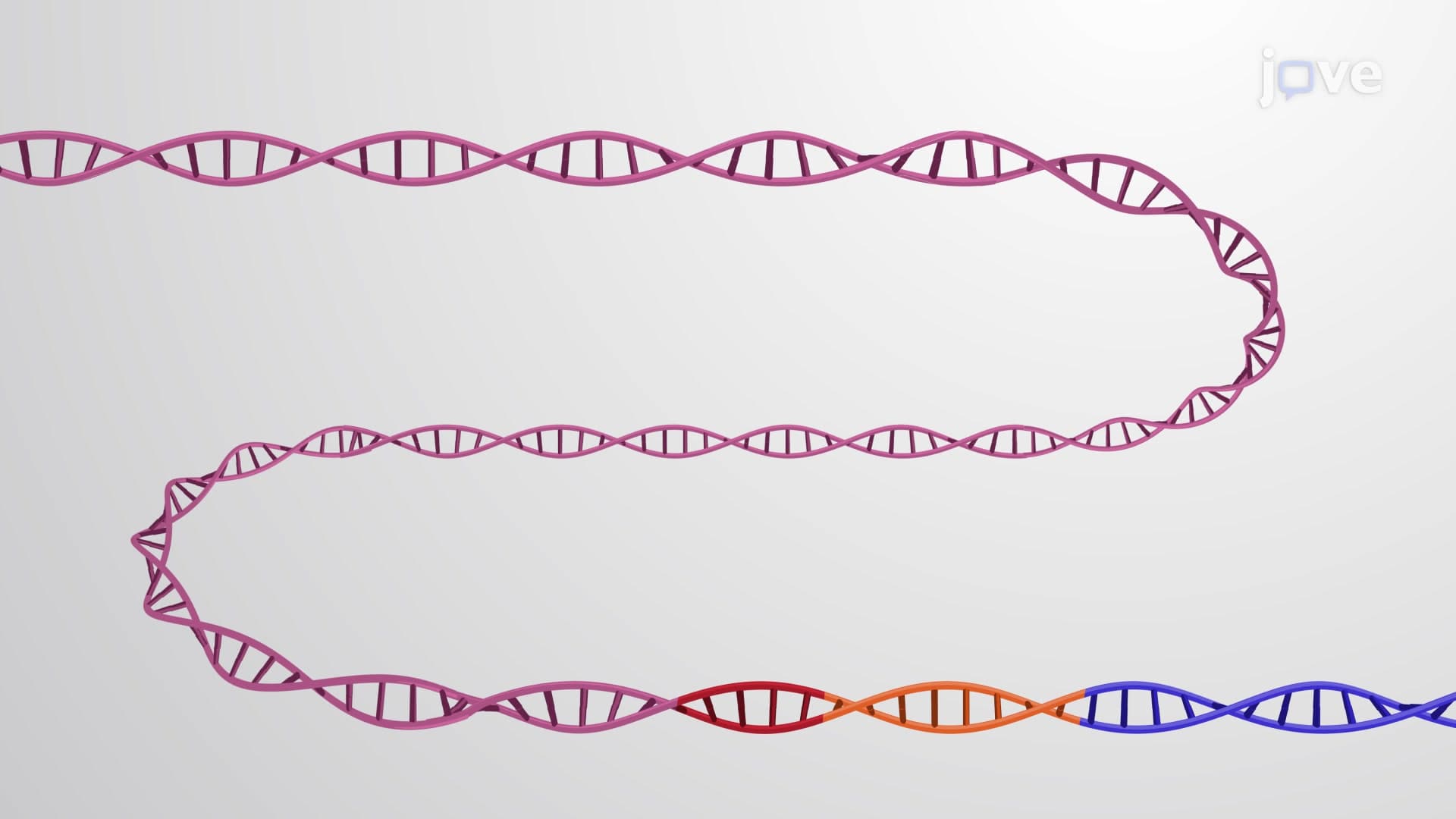
Ever wondered how your cells know exactly when to produce insulin after eating or which genes to activate during wound healing? The eukaryotic promoter region acts as a molecular "on switch" that precisely controls when and where genes are expressed in complex organisms. Unlike the simpler bacterial systems, these DNA sequences upstream of genes contain multiple regulatory elements like the TATA box that work together with transcription factors to initiate gene expression-a process crucial for understanding genetic disorders like Huntington's disease, where promoter mutations disrupt normal gene regulation. Watch the full video on JoVE Coach to master this concept with expert-led visuals and step-by-step explanations.
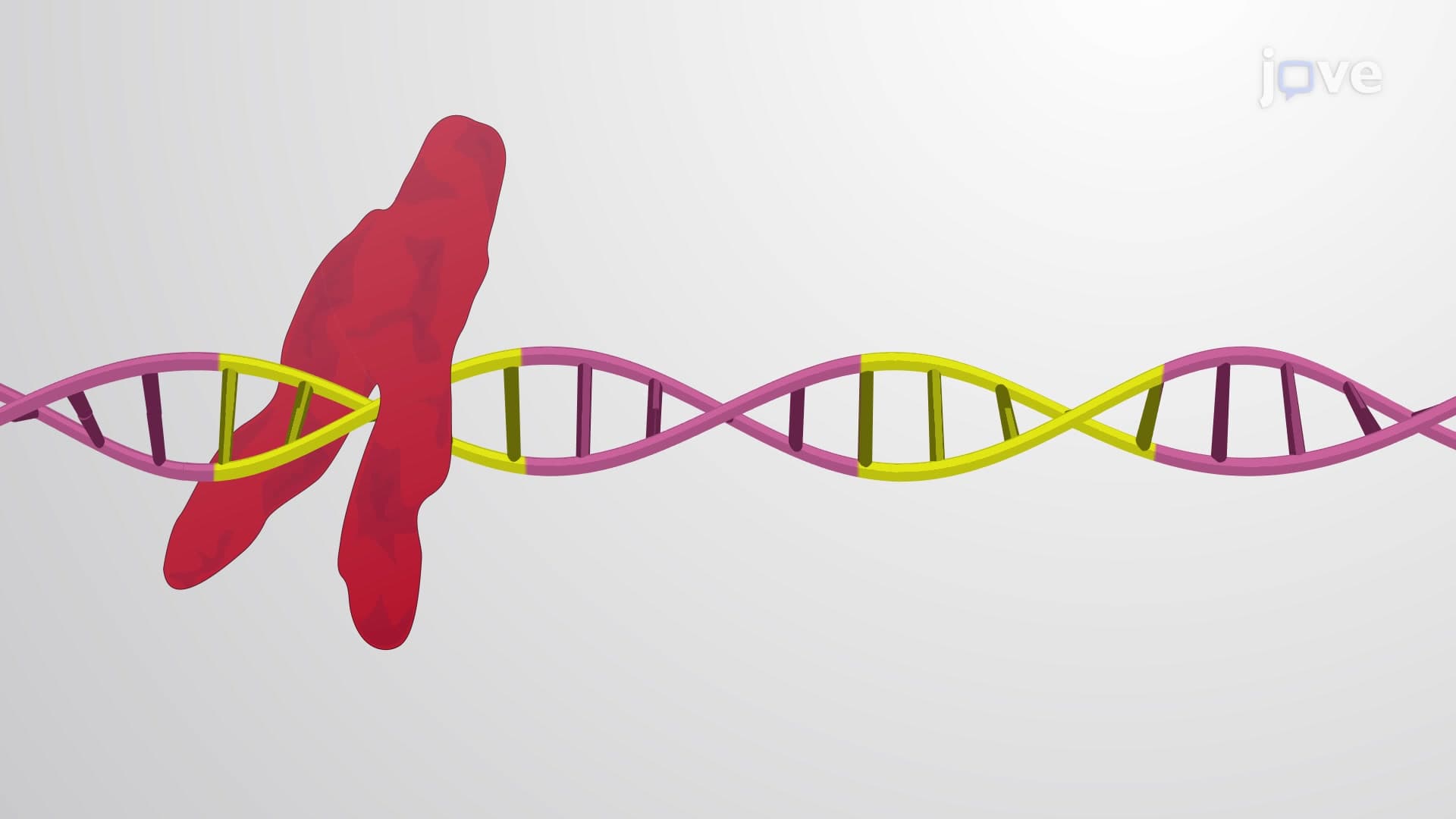
The eukaryotic promoter region represents one of the most sophisticated regulatory mechanisms in molecular biology, orchestrating precise control over gene expression in complex multicellular organisms. Unlike their prokaryotic counterparts, eukaryotic promoters contain multiple regulatory elements that work in concert to ensure genes are expressed at the right time, in the right cells, and at appropriate levels.
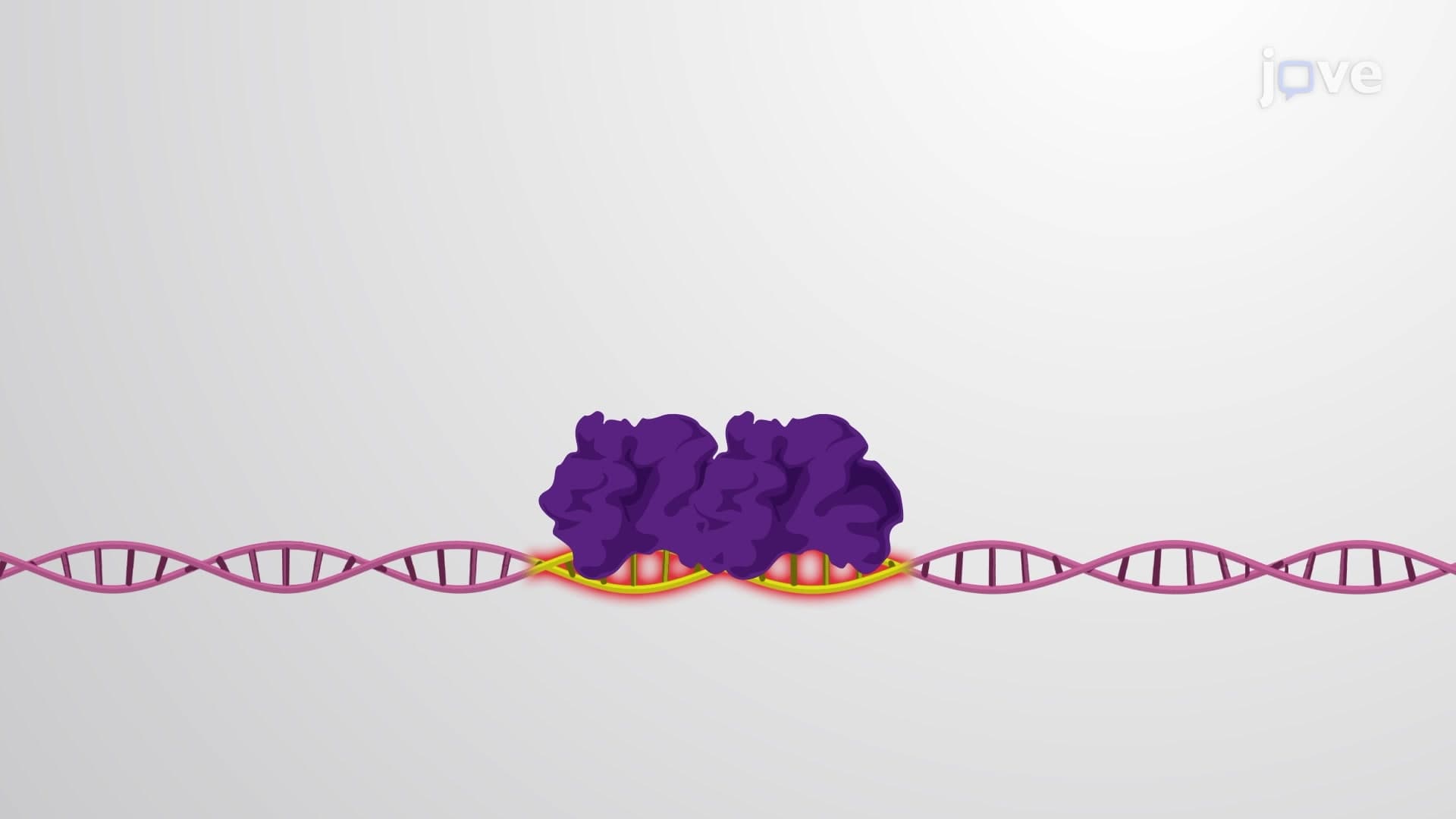
The most well-characterized element is the TATA box, typically positioned 25-30 base pairs upstream of the transcription start site. This AT-rich sequence serves as a landing platform for the TATA-binding protein (TBP), a crucial component of the general transcription factor TFIID. When studying for the AP Biology exam or MCAT, students often encounter questions about this positioning, as it's critical for proper RNA polymerase II placement and transcription initiation.
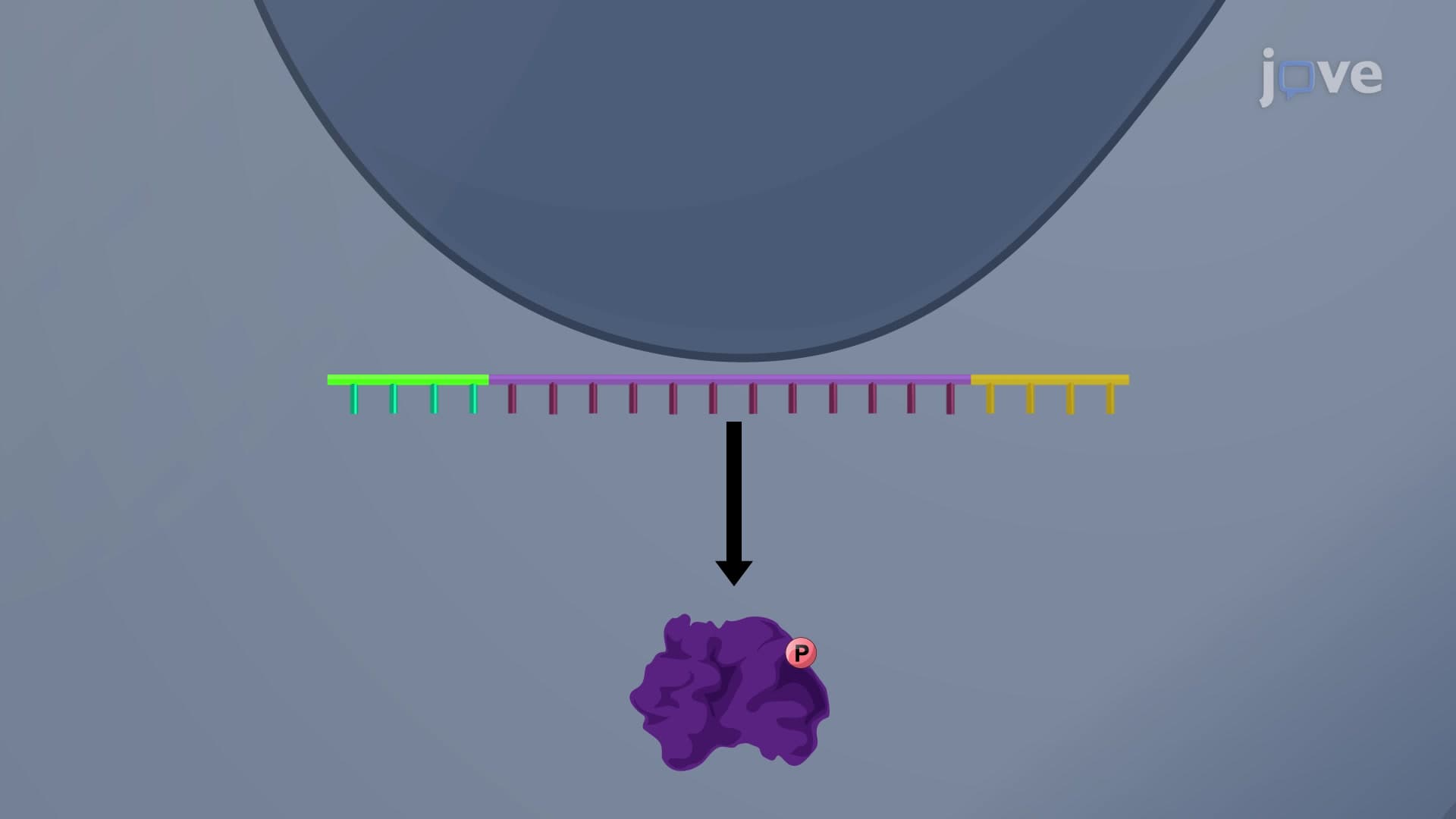
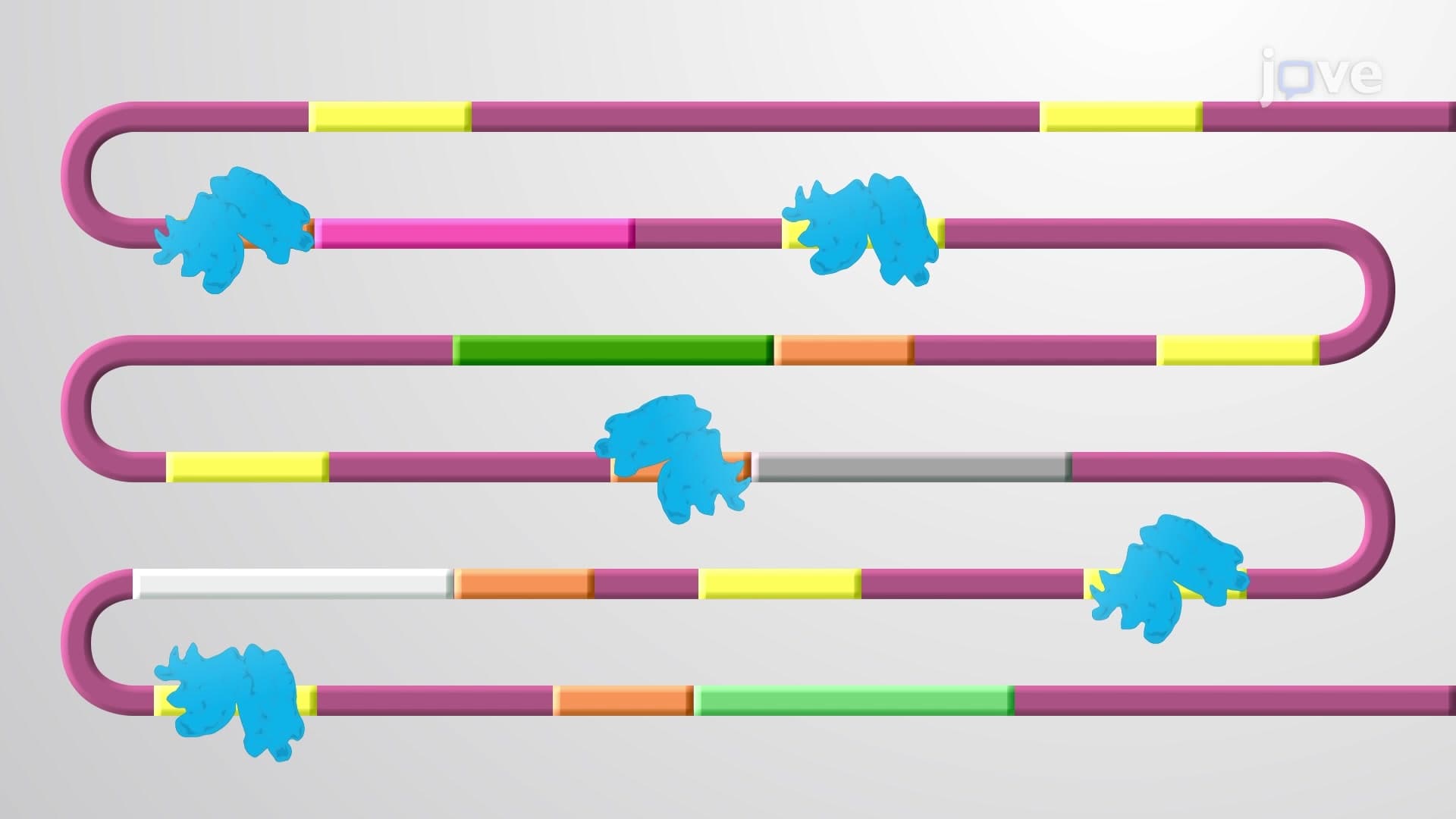
Beyond the TATA box, eukaryotic promoters contain additional core elements including initiator sequences (Inr) that overlap the transcription start site, and downstream promoter elements (DPE) located approximately 28-32 base pairs downstream. These elements work together to recruit the general transcription machinery, including RNA polymerase II and associated transcription factors.
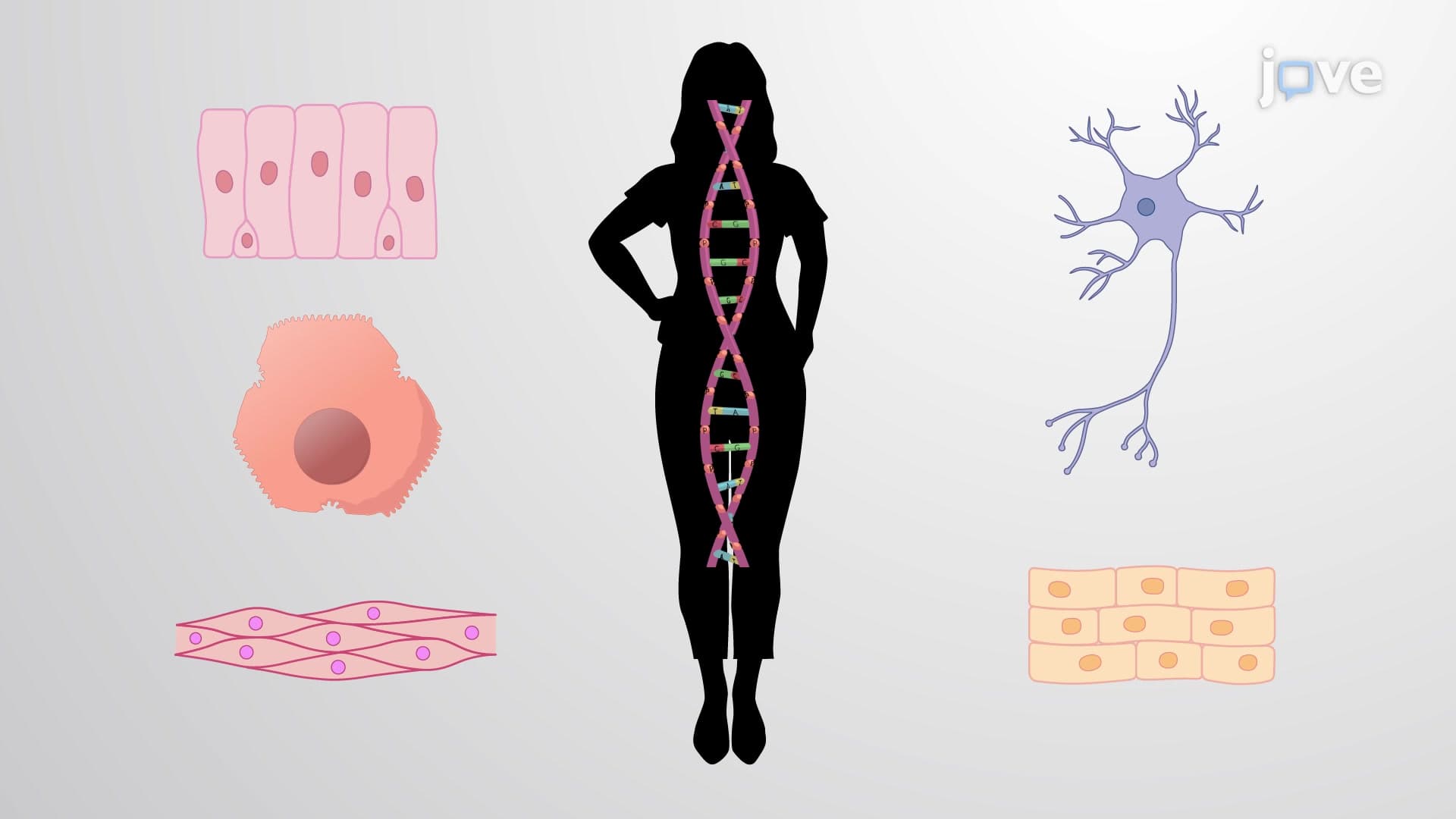
The complexity becomes apparent when considering that not all eukaryotic promoters contain TATA boxes-many genes, particularly housekeeping genes, utilize TATA-less promoters with alternative core elements. This diversity reflects the evolutionary sophistication required for multicellular development, where different cell types must express distinct gene sets despite containing identical DNA.
The clinical relevance of eukaryotic promoters extends far beyond academic study. Mutations in promoter regions underlie numerous genetic disorders, including certain forms of beta-thalassemia where mutations in the beta-globin promoter reduce hemoglobin production. Understanding these mechanisms proves essential for pre-med students preparing for the MCAT or medical students tackling USMLE Step 1, where gene regulation questions frequently appear.
In biotechnology applications, researchers at companies like Genentech and Amgen routinely engineer synthetic promoters to control therapeutic protein production in mammalian cell cultures. The ability to fine-tune expression levels through promoter modification has revolutionized treatments for conditions ranging from diabetes (recombinant insulin) to cancer (monoclonal antibodies).
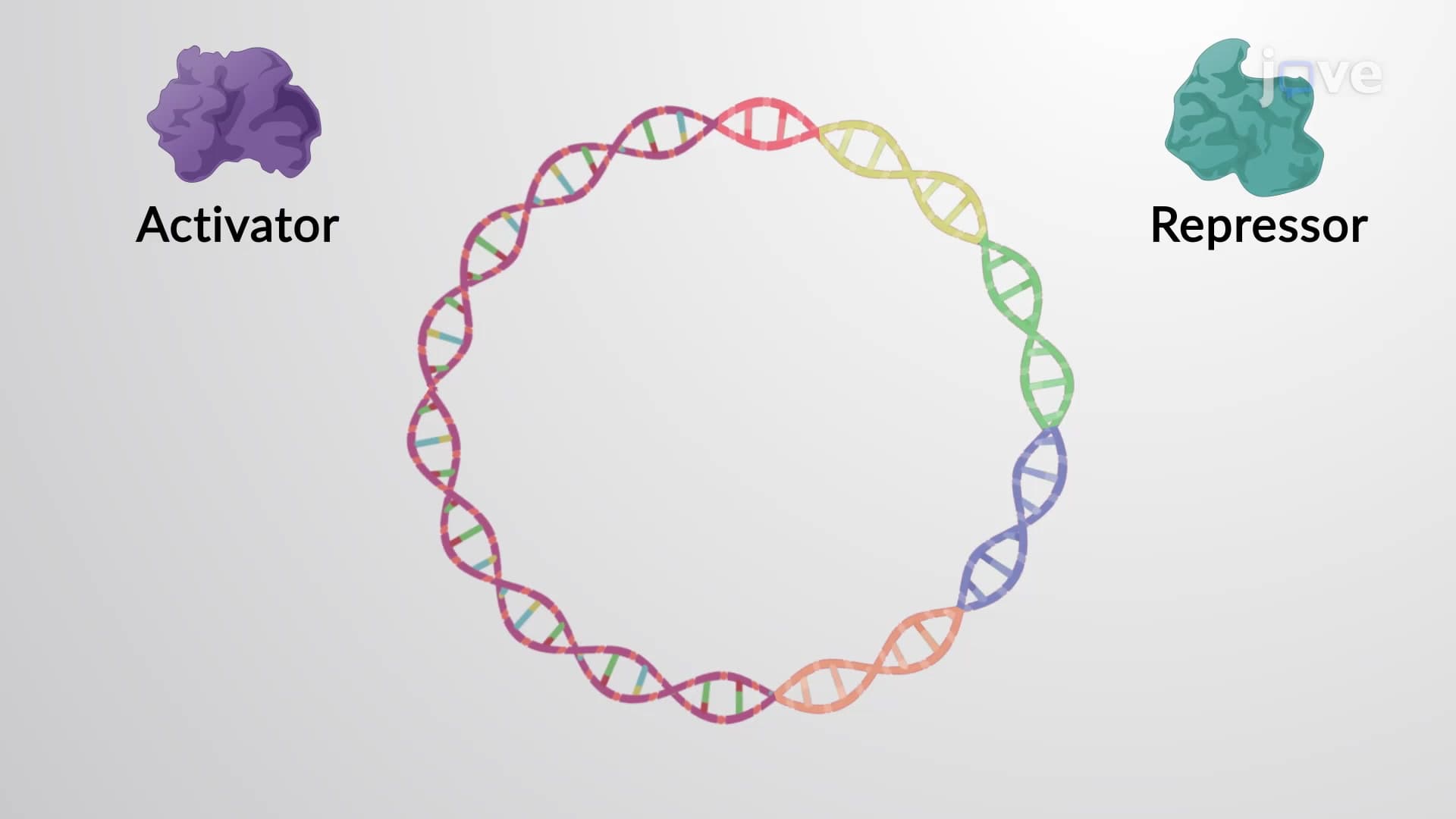
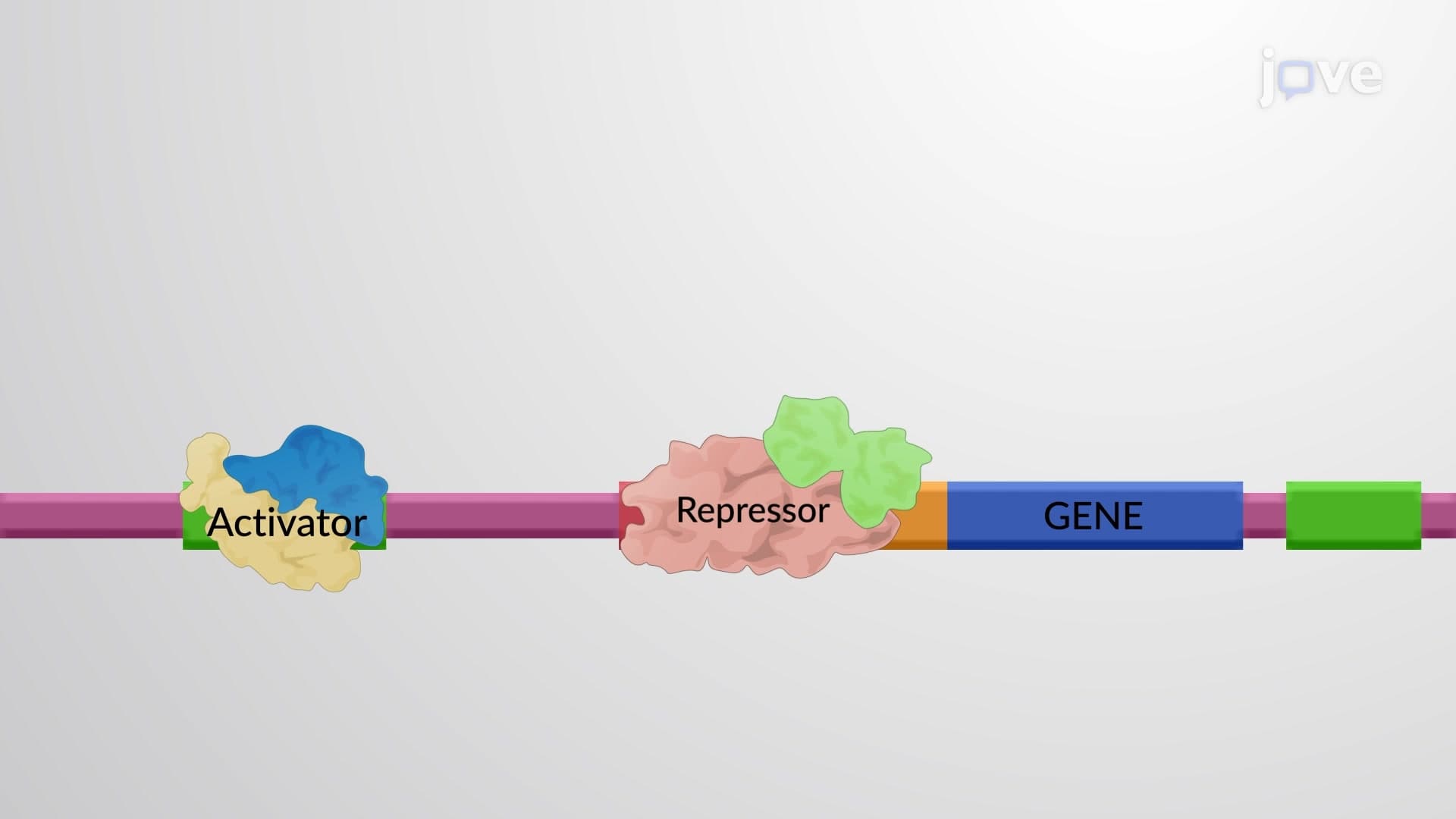
Perhaps the most remarkable aspect of eukaryotic promoters lies in their integration with distant regulatory elements. Enhancers and silencers, sometimes located hundreds of thousands of base pairs away, can influence promoter activity through three-dimensional DNA looping. This architectural complexity enables the precise developmental programs that transform a single fertilized egg into the diverse cell types found in human tissues-a concept central to understanding embryonic development covered in advanced biology courses at institutions like Stanford and MIT.
Related Micro-courses