Loading subject page…

- Cell Biology
- Protein Structure
- Conjugated Proteins
Micro-course: Protein Structure
62,212 views
Learn key concepts and earn your certificate.



Conjugated Proteins

00:00
02:50
Video Summary: What are Conjugated Proteins
Ever wondered how hemoglobin in your blood carries oxygen so efficiently? Conjugated proteins are specialized proteins that combine with non-protein groups called prosthetic groups to perform essential biological functions. These remarkable molecular partnerships enable diverse processes, from oxygen transport in hemoglobin found in American Red Cross blood donations to immune responses. Understanding what are conjugated proteins reveals how nature creates multifunctional biological machines beyond simple protein chains. Watch the full video on JoVE Coach to master this concept with expert-led visuals and step-by-step explanations.
- Understand what are conjugated proteins and how they differ from simple proteins through covalent attachment of prosthetic groups
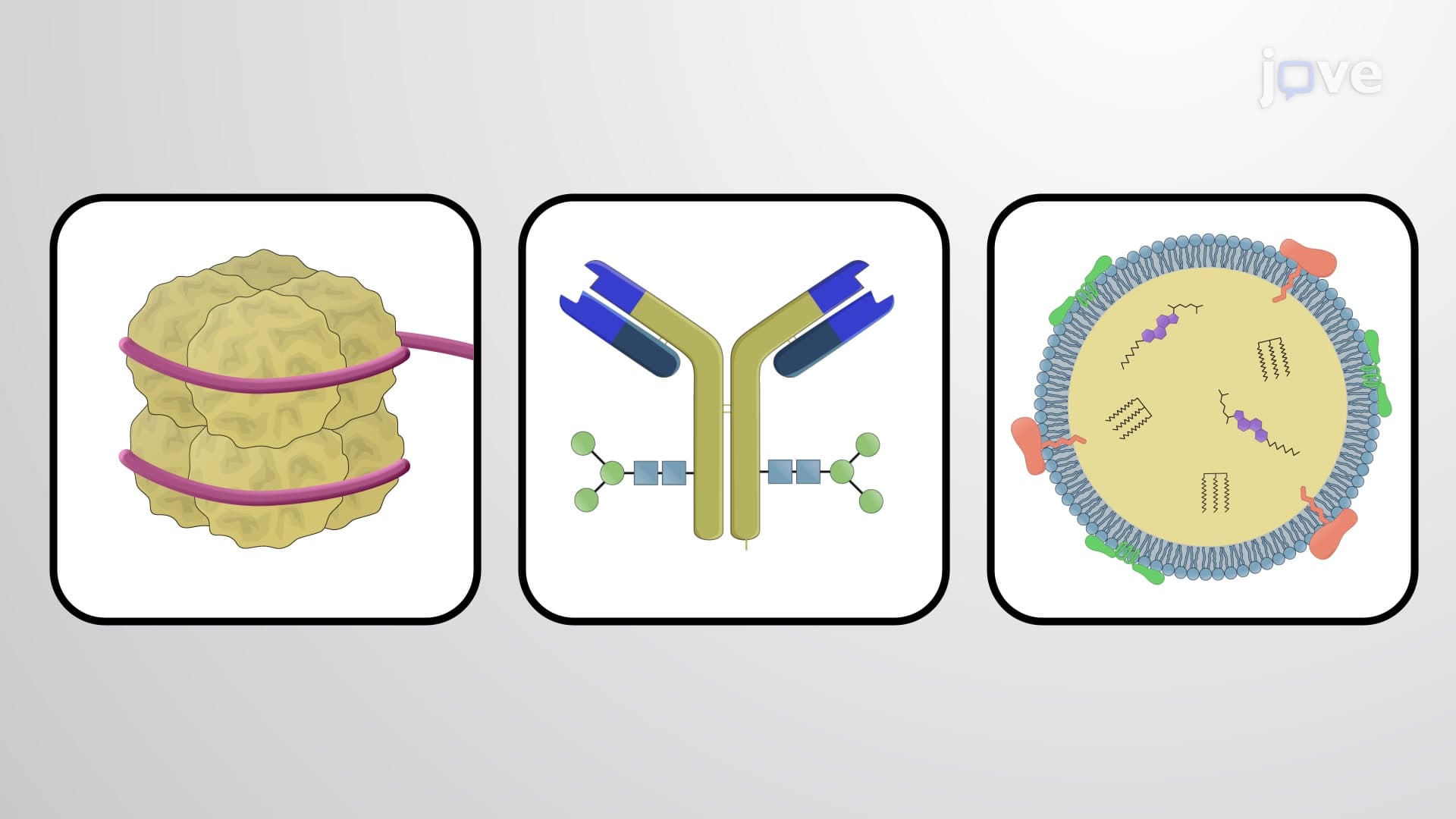
- Identify the four major types of conjugated proteins: glycoproteins, lipoproteins, metalloproteins, and chromoproteins
- Analyze how prosthetic groups contribute to protein stability, specificity, and catalytic activity in biological systems
- Compare the functional roles of different conjugated protein types in physiological processes like transport and immune response
- Evaluate the importance of post-translational modification in conjugated protein formation and function
- Apply knowledge of conjugated protein structure-function relationships to understand disease mechanisms
- Recognize real-world examples of conjugated proteins in human physiology and clinical medicine
- Explore the significance of conjugated proteins in biotechnology applications and pharmaceutical development
Understanding What Are Conjugated Proteins
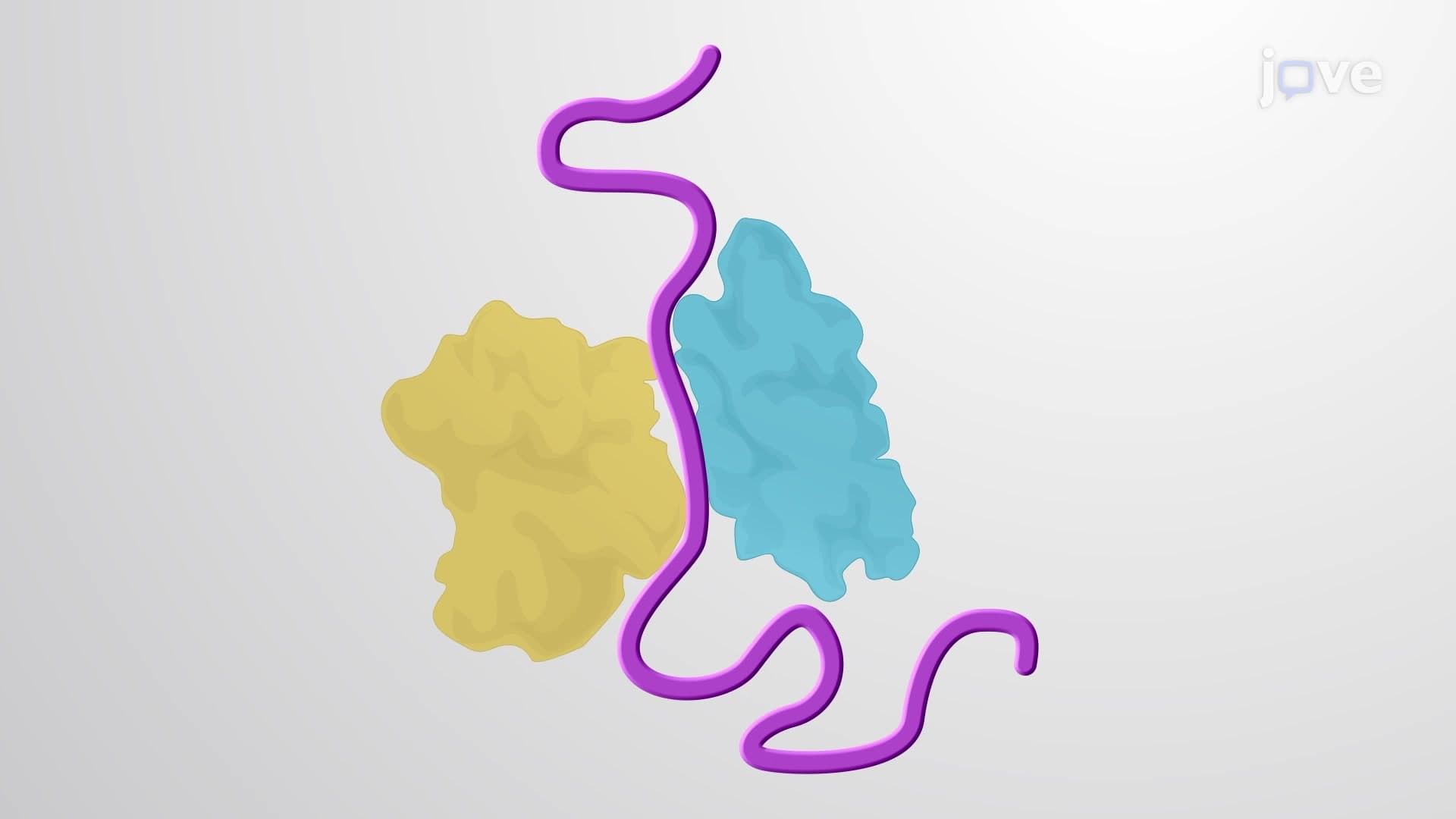
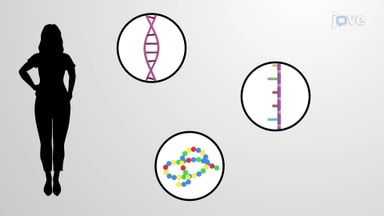
Conjugated proteins represent a sophisticated class of proteins that extend far beyond simple amino acid chains. Unlike simple proteins composed solely of polypeptide sequences, conjugated proteins contain covalently attached non-protein components called prosthetic groups. This molecular partnership creates biological machines with enhanced functionality, combining the structural versatility of proteins with the specialized properties of their attached groups.
The formation of conjugated proteins typically occurs through post-translational modifications, where enzymes attach prosthetic groups to specific amino acid residues after the polypeptide chain is synthesized. This process is crucial for protein maturation and often determines whether the protein will function properly in cellular environments.
Major Categories and Their Clinical Significance
Glycoproteins contain carbohydrate prosthetic groups and play essential roles in cell recognition and immune function. In US clinical settings, glycoproteins like immunoglobulins are routinely measured in blood tests to assess immune system health. The ABO blood typing system relies on glycoprotein differences on red blood cell surfaces.
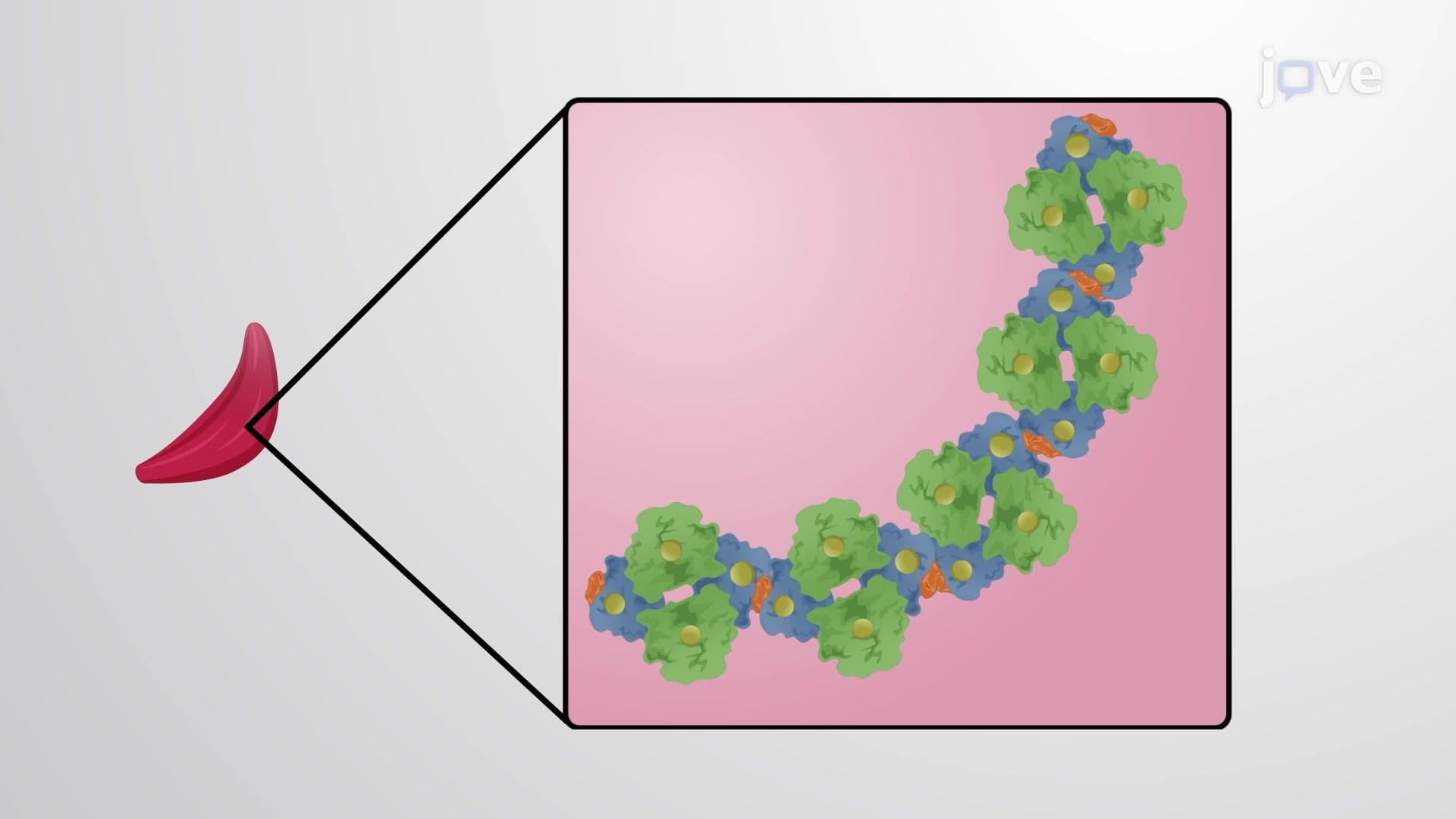
Metalloproteins incorporate metal ions as prosthetic groups, with hemoglobin being the most familiar example. This iron-containing protein enables oxygen transport in human blood, and its dysfunction leads to conditions like sickle cell anemia, affecting approximately 100,000 Americans. Zinc-containing metalloproteins serve as crucial enzymes in metabolic pathways.
Lipoproteins combine proteins with lipid groups, playing vital roles in cholesterol transport. High-density lipoprotein (HDL) and low-density lipoprotein (LDL) measurements are standard components of cardiovascular risk assessment in US healthcare, with target levels established by the American Heart Association.
Exam Relevance and Academic Applications
For students preparing for standardized exams, conjugated proteins frequently appear in AP Biology, MCAT, and college biochemistry assessments. The MCAT particularly emphasizes understanding hemoglobin's cooperative oxygen binding and how prosthetic groups affect protein function. College organic chemistry courses explore the covalent bonding between proteins and prosthetic groups, while physiology courses examine their roles in human body systems.
Understanding conjugated proteins also provides foundation knowledge for advanced topics in molecular biology, including protein engineering and pharmaceutical development, making this concept essential for pre-med and biotechnology students.
Frequently Asked Questions
Conjugated proteins are proteins that contain non-protein components called prosthetic groups covalently attached to their structure. These prosthetic groups are essential for the protein's biological activity and cannot be easily removed without destroying protein function. Examples include hemoglobin with its heme groups and antibodies with their carbohydrate components.
Conjugated proteins differ from simple proteins by having non-protein prosthetic groups permanently attached through covalent bonds. While simple proteins consist only of amino acids, conjugated proteins gain additional functionality from their prosthetic groups, such as metal ions, carbohydrates, or lipids. This combination allows them to perform specialized functions like oxygen transport or immune recognition that simple proteins cannot achieve.
MCAT questions on conjugated proteins typically focus on hemoglobin structure and function, enzyme cofactor requirements, and protein-ligand interactions. You'll need to understand how prosthetic groups affect protein stability and function, particularly in physiological contexts. Practice identifying different types of conjugated proteins and their roles in metabolic pathways and transport processes.
AP Biology exams commonly test hemoglobin's cooperative binding, glycoprotein roles in cell recognition, and how prosthetic groups contribute to enzyme function. Students should understand the relationship between protein structure and function, focusing on how conjugated proteins enable specialized cellular processes. Free response questions may ask you to explain how defects in prosthetic group attachment cause diseases.
US clinical laboratories routinely analyze conjugated proteins in patient samples, including hemoglobin A1C for diabetes monitoring, lipoproteins for cardiovascular risk assessment, and glycoproteins for cancer markers. Understanding these proteins helps interpret test results and understand disease mechanisms. Many FDA-approved diagnostic tests rely on detecting specific conjugated proteins as biomarkers.
Basic understanding of covalent bonding and protein structure is sufficient to grasp conjugated protein concepts. While advanced biochemistry helps with detailed mechanisms, high school chemistry covering molecular bonding provides adequate foundation. Focus on understanding the functional relationships between prosthetic groups and protein activity rather than complex synthetic pathways.
Create concept maps linking each conjugated protein type to its prosthetic group and biological function, using hemoglobin as your primary example. Practice drawing simplified structures showing where prosthetic groups attach and explaining their functional importance. Use clinical examples like blood disorders to reinforce the real-world significance of these proteins.
Conjugated proteins provide foundation for studying protein engineering, drug design, and biotechnology applications. Advanced courses explore recombinant protein production, prosthetic group modifications for therapeutic purposes, and biomarker development. This knowledge is essential for careers in pharmaceutical research, clinical laboratory science, and biotechnology development.
Related Micro-courses

12 Concepts
10 Concepts

17 Concepts