Loading subject page…

- Cell Biology
- Protein Structure
- Intrinsically Disordered Proteins
Micro-course: Protein Structure
62,211 views
Learn key concepts and earn your certificate.




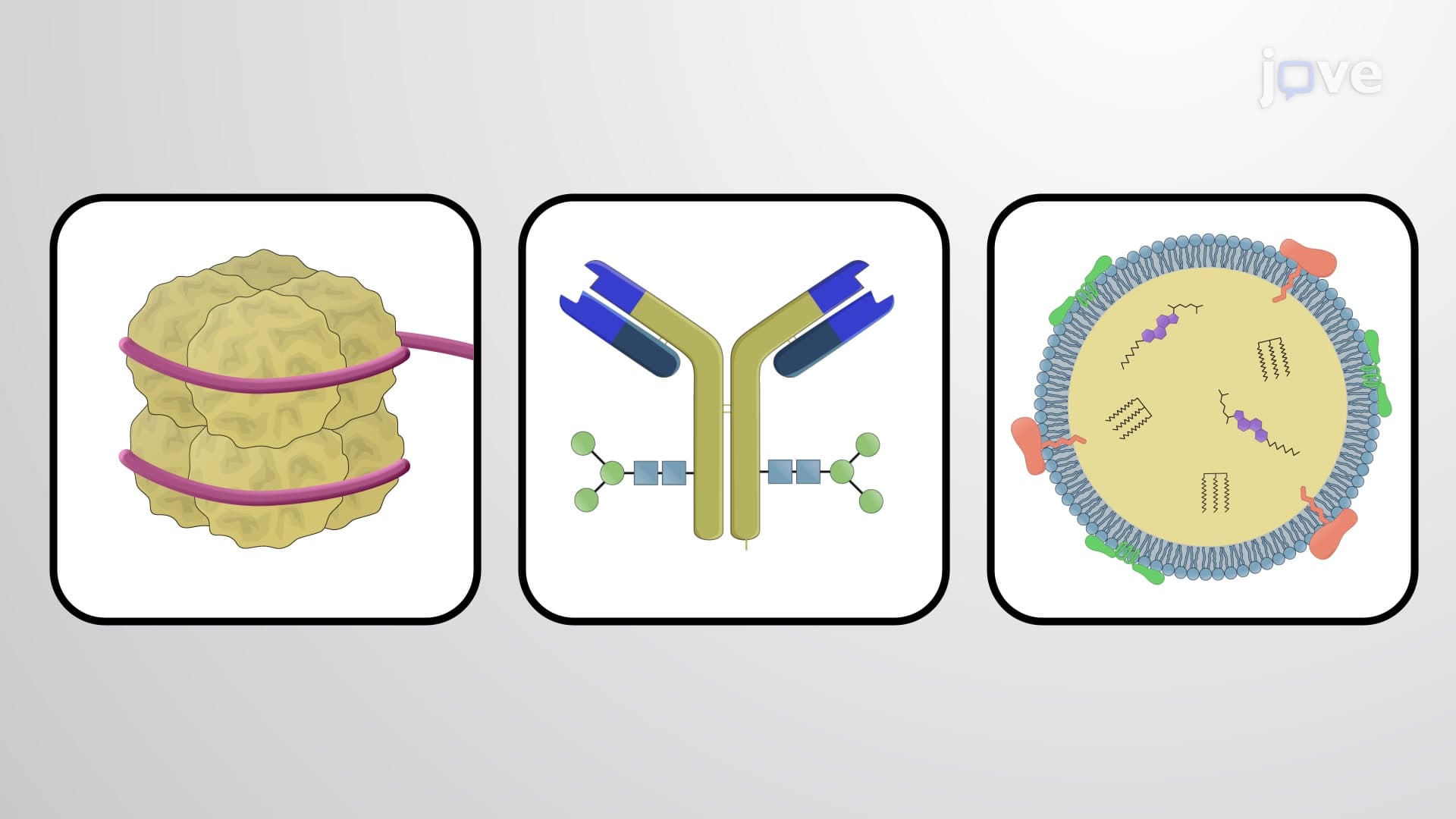
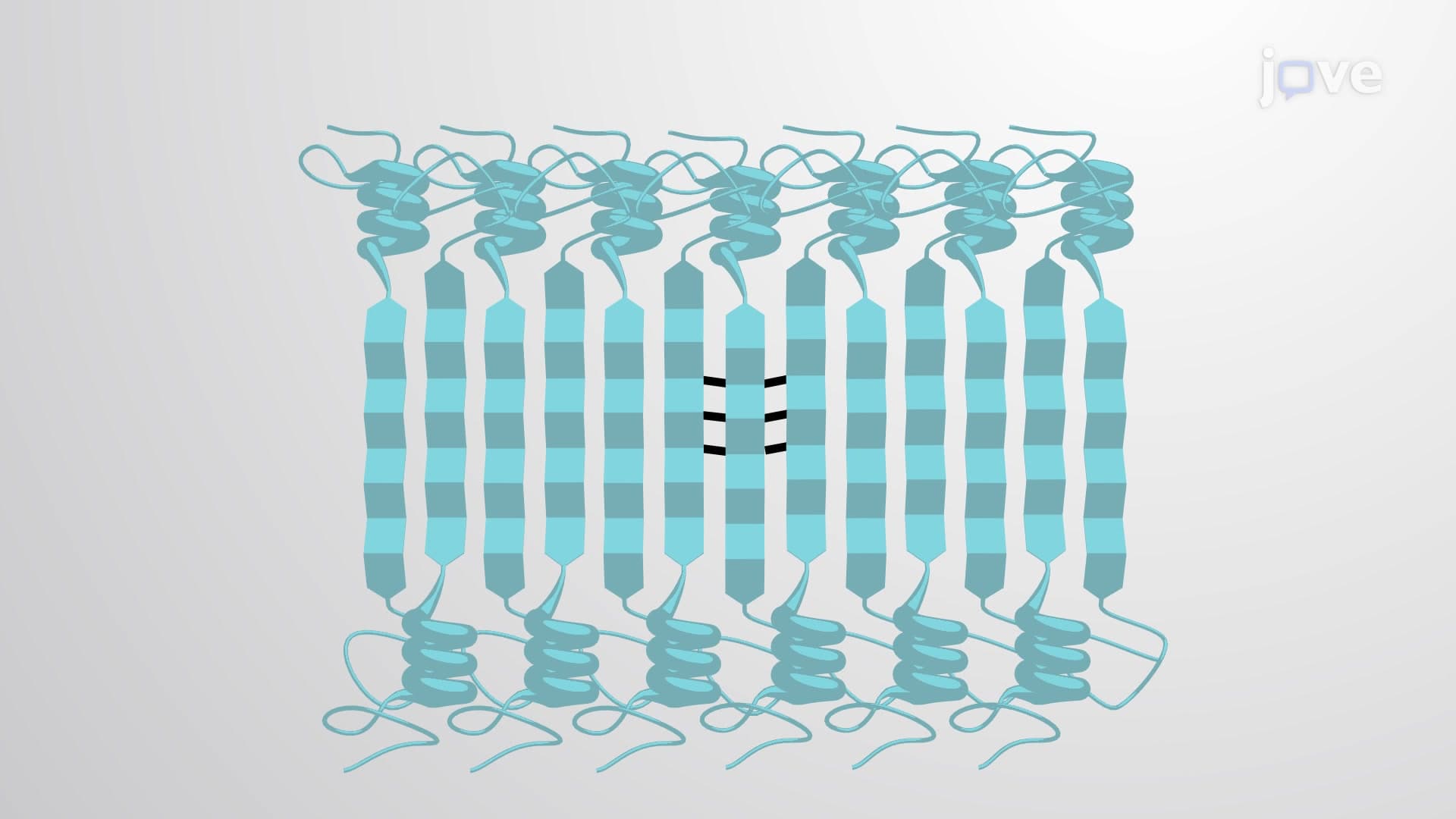
Intrinsically Disordered Proteins
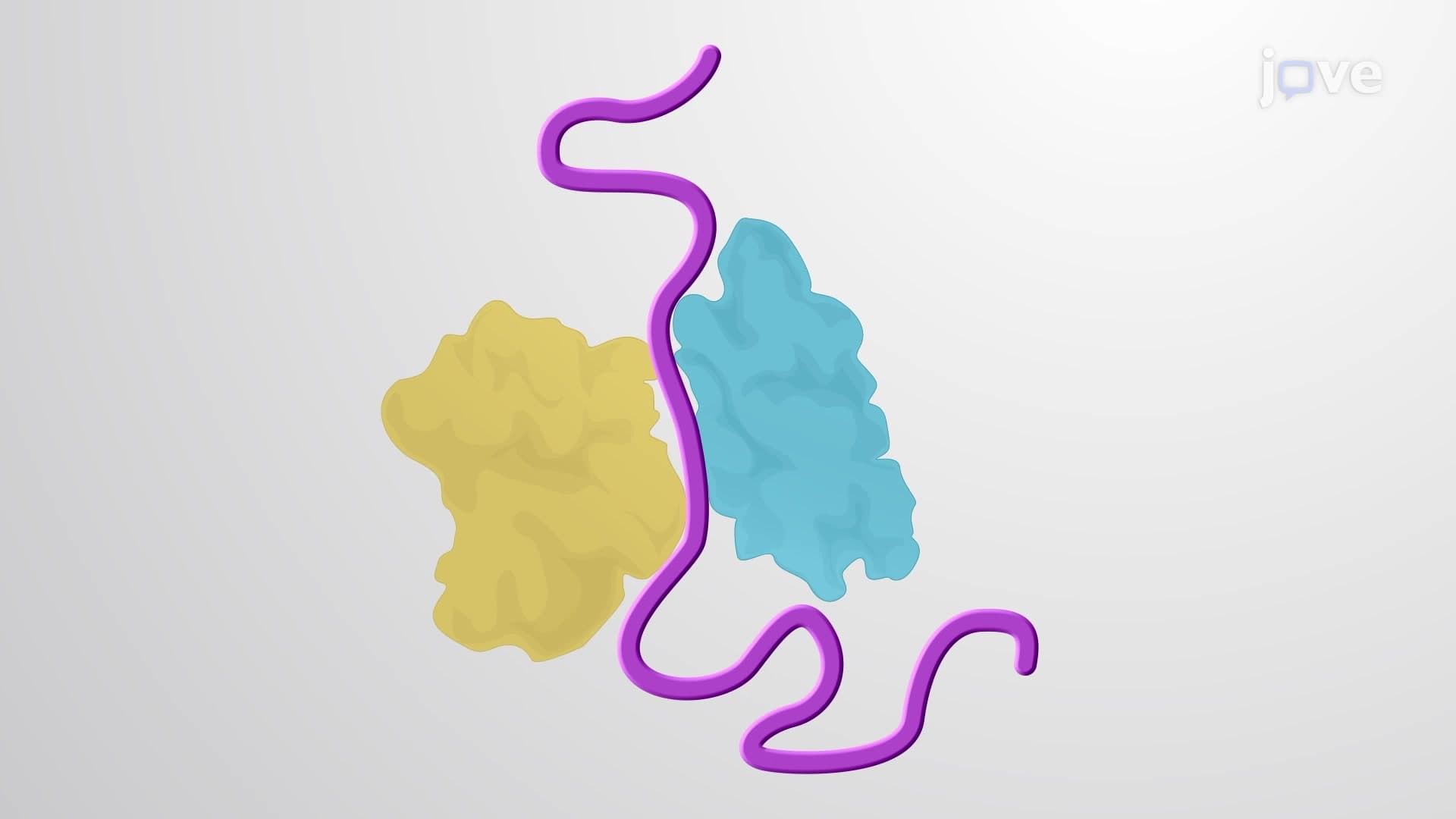

00:00
02:18
Video Summary: What are Intrinsically Disordered Proteins
Did you know that some proteins deliberately avoid having a stable shape? Intrinsically disordered proteins break the traditional rule that protein structure determines function, existing as flexible, shapeshifting molecules that can bind multiple cellular partners. These dynamic proteins are crucial for regulating gene expression in diseases like Huntington's disease, which affects thousands of Americans annually. Watch the full video on JoVE Coach to master this concept with expert-led visuals and step-by-step explanations.
- Understand what are intrinsically disordered proteins and how they differ from traditionally folded proteins in structure and function
- Identify the amino acid composition characteristics that prevent stable folding in disordered proteins
- Analyze the disorder-to-order transition mechanism that occurs when IDPs bind to their cellular targets
- Compare the binding properties of disordered proteins versus structured proteins in terms of specificity and affinity
- Evaluate the biological advantages of structural flexibility in cellular signaling and regulation processes
- Apply knowledge of IDP dysfunction to understand disease mechanisms in cancer and neurodegeneration
- Recognize experimental techniques like NMR spectroscopy used to study dynamic protein structures
- Explore the therapeutic potential of targeting intrinsically disordered protein interactions in drug development
Understanding Intrinsically Disordered Proteins: Redefining Protein Function
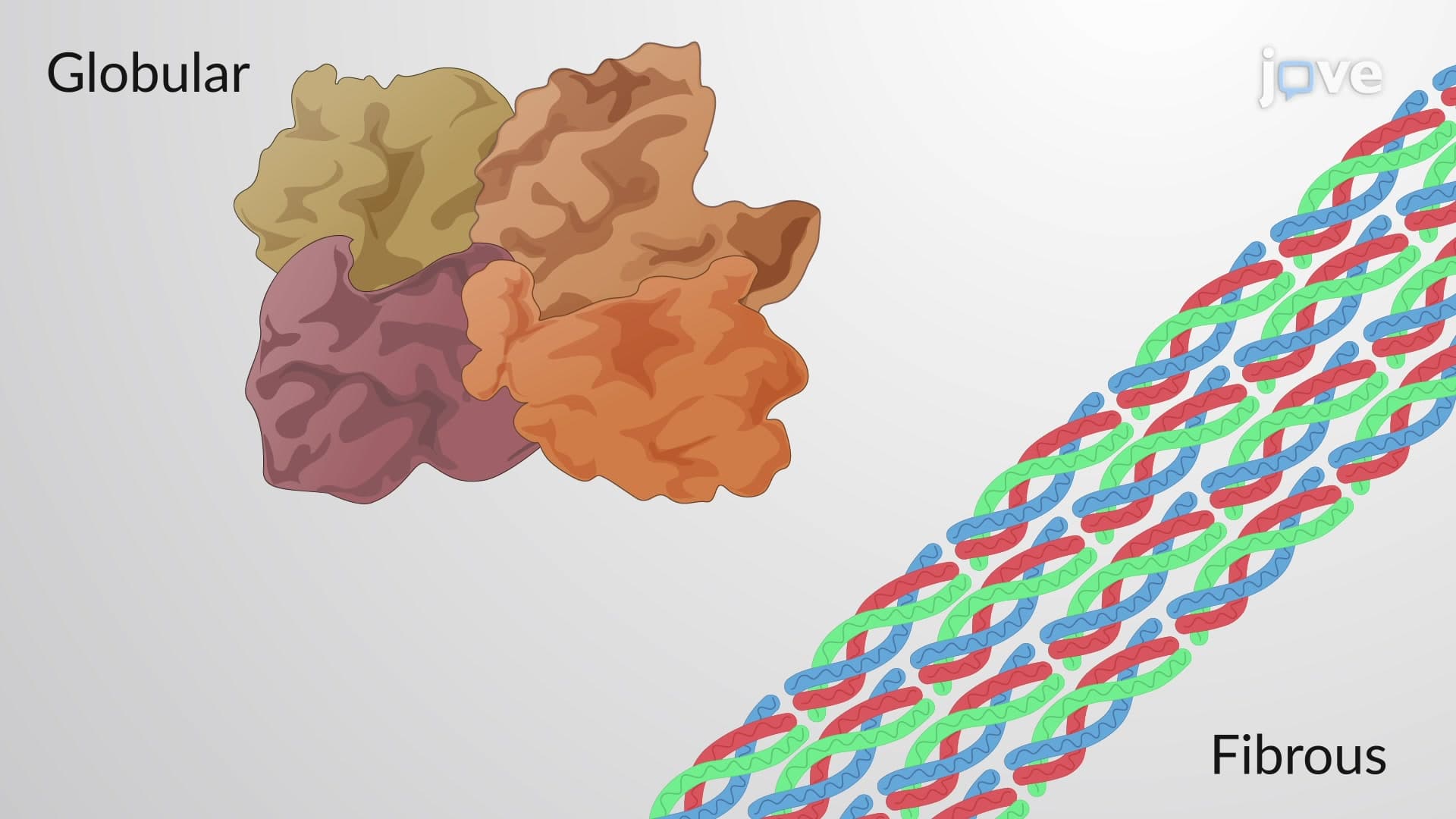
What are intrinsically disordered proteins? They represent a revolutionary discovery that challenges the fundamental "structure equals function" principle taught in introductory biology. Unlike globular proteins such as hemoglobin or insulin that fold into rigid, stable shapes, intrinsically disordered proteins (IDPs) remain flexible and constantly moving under normal cellular conditions. This structural plasticity isn't a defect-it's a feature that enables these proteins to perform unique biological functions.
Molecular Characteristics and Composition
The secret to understanding intrinsically disordered proteins lies in their amino acid composition. These proteins are enriched in polar and charged residues like serine, threonine, lysine, and glutamate, while being depleted in hydrophobic amino acids such as leucine, isoleucine, and phenylalanine. This composition prevents the formation of a stable hydrophobic core-the driving force behind traditional protein folding. Students preparing for the MCAT or AP Biology exams should remember that hydrophobic interactions typically stabilize protein structures, so their absence naturally leads to disorder.
Dynamic Binding and Cellular Functions
Intrinsically disordered proteins excel at molecular recognition through a process called "induced fit" or disorder-to-order transitions. When an IDP encounters its binding partner, it can wrap around the target molecule like a flexible rope, forming specific but relatively weak interactions. This binding mechanism allows one disordered protein to interact with multiple different partners throughout the cell cycle, making them ideal regulatory switches. For example, the tumor suppressor protein p53, crucial in preventing cancer development, contains large disordered regions that enable it to interact with numerous cellular targets involved in DNA repair and cell death pathways.
Disease Implications and Clinical Relevance
The misregulation of intrinsically disordered proteins contributes to several major diseases affecting Americans. In Alzheimer's disease, the tau protein becomes abnormally modified and aggregates into harmful tangles. Similarly, Huntington's disease involves the aggregation of a protein with an expanded disordered region containing repetitive glutamine residues. Understanding these connections helps students grasp why studying IDPs is crucial for developing new therapeutic approaches. Current research at institutions like Harvard Medical School and Johns Hopkins focuses on designing drugs that can modulate IDP interactions without completely blocking them.
Frequently Asked Questions
Intrinsically disordered proteins are functional proteins that lack a stable, fixed three-dimensional structure under normal cellular conditions. Unlike traditional proteins that fold into specific shapes, IDPs remain flexible and dynamic, constantly changing their conformation. This structural flexibility allows them to bind multiple cellular partners and perform regulatory functions that rigid proteins cannot achieve.
MCAT questions often focus on the relationship between amino acid composition and protein stability, asking students to predict which sequences would remain disordered. AP Biology exams may include questions about protein structure-function relationships and how IDPs challenge traditional models. Students should understand the molecular basis of disorder and the biological advantages of structural flexibility.
Understanding IDPs is essential for advanced biochemistry and molecular biology courses at universities like MIT, Stanford, and UC Berkeley. These concepts appear in protein folding units, cell signaling pathways, and disease mechanisms. Many college midterms include questions about the therapeutic targeting of disordered proteins and their role in cellular regulation.
Pharmaceutical companies like Pfizer and Genentech are developing drugs that target IDP interactions for treating cancer and neurological diseases. Research at the National Institutes of Health focuses on understanding how disordered proteins contribute to Alzheimer's and Parkinson's diseases. This knowledge is leading to new therapeutic strategies that could benefit millions of American patients.
Basic understanding of amino acids, protein structure, and chemical bonding is sufficient to grasp IDP concepts. Most high school chemistry and introductory biology courses provide adequate background. The key is understanding that proteins don't always need rigid structures to function-a concept that builds naturally on fundamental structure-function relationships.
Focus on the amino acid composition differences between ordered and disordered proteins, practice identifying which sequences would likely remain unfolded, and understand the biological advantages of structural flexibility. Create concept maps connecting IDPs to cellular processes like transcription regulation and disease mechanisms for comprehensive exam preparation.
Explore protein folding diseases, allosteric regulation, and post-translational modifications. Understanding molecular chaperones and their role in preventing improper protein aggregation provides excellent context. These topics frequently appear together in advanced biology courses and professional school entrance exams.
Related Micro-courses

12 Concepts
10 Concepts

17 Concepts