Loading subject page…


62,212 views

Video Summary: What are Protein Families
Did you know that your oxygen-carrying hemoglobin shares an ancient evolutionary ancestor with the myoglobin storing oxygen in your muscles? Protein families represent groups of proteins that evolved from common origins, sharing similar structures and functions despite potential differences in their specific roles. The globin protein family, found in organisms from humans to dolphins at marine research centers like Woods Hole Oceanographic Institution, exemplifies how evolution conserves successful molecular designs. Watch the full video on JoVE Coach to master this concept with expert-led visuals and step-by-step explanations.
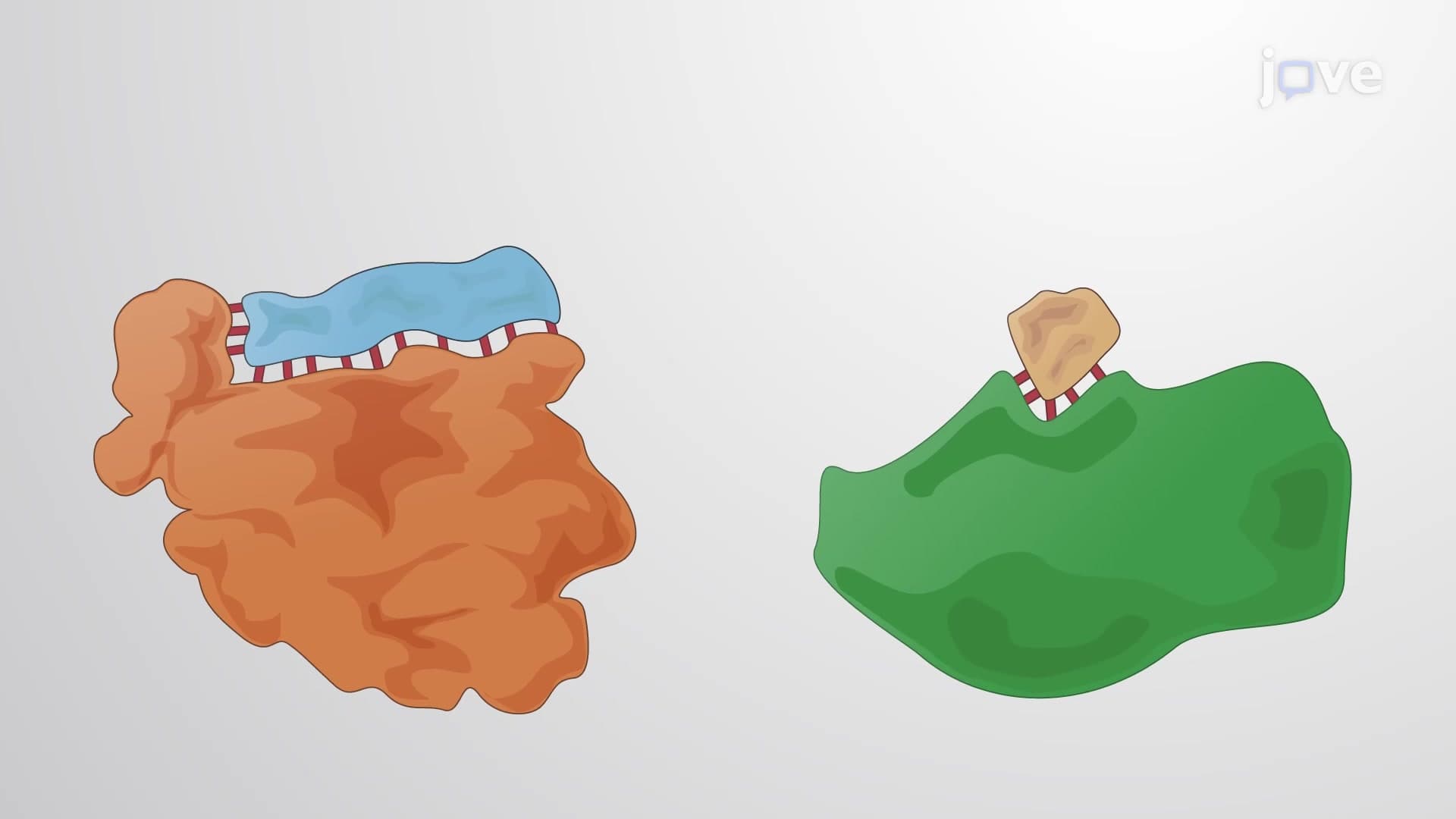
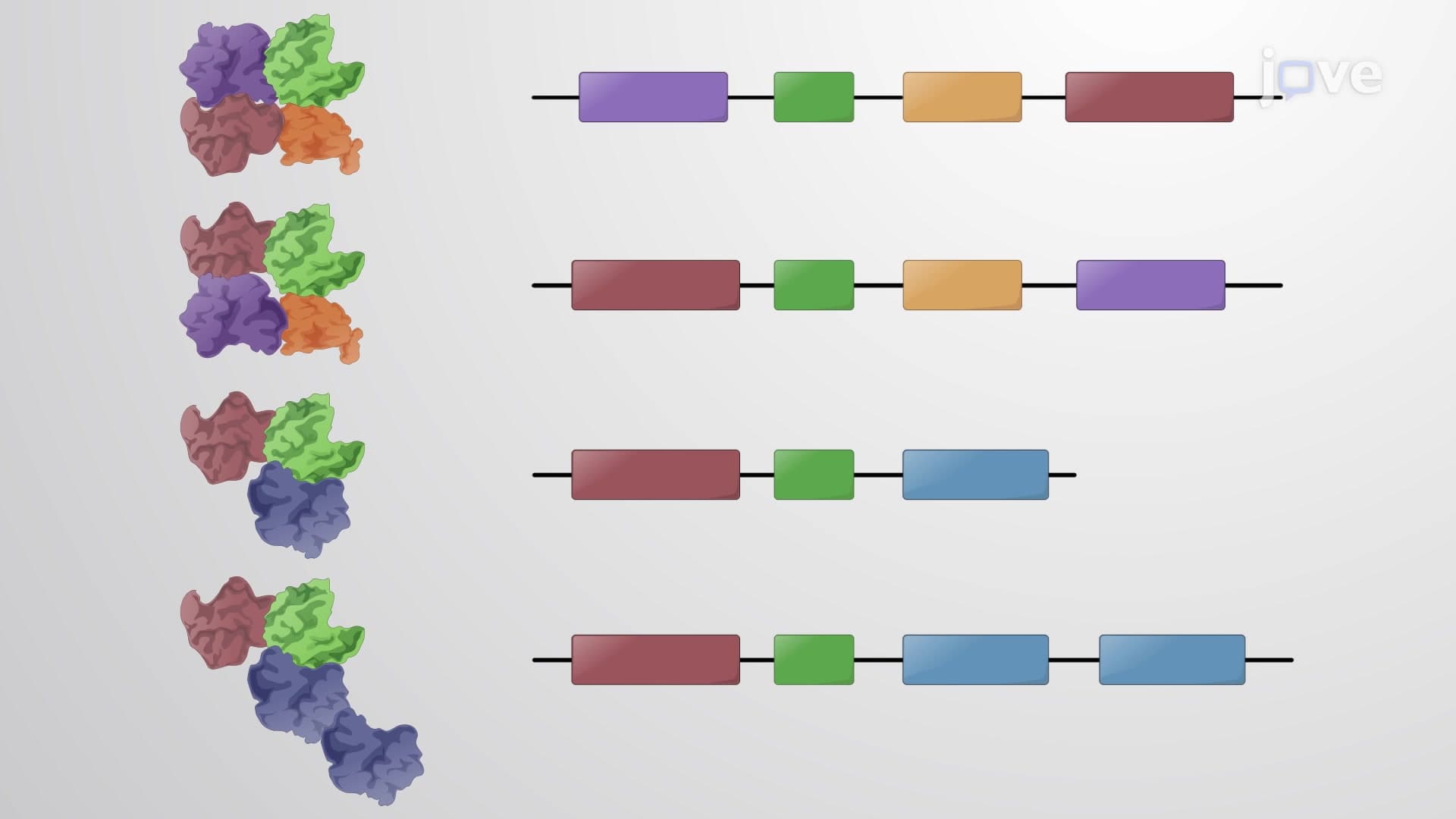
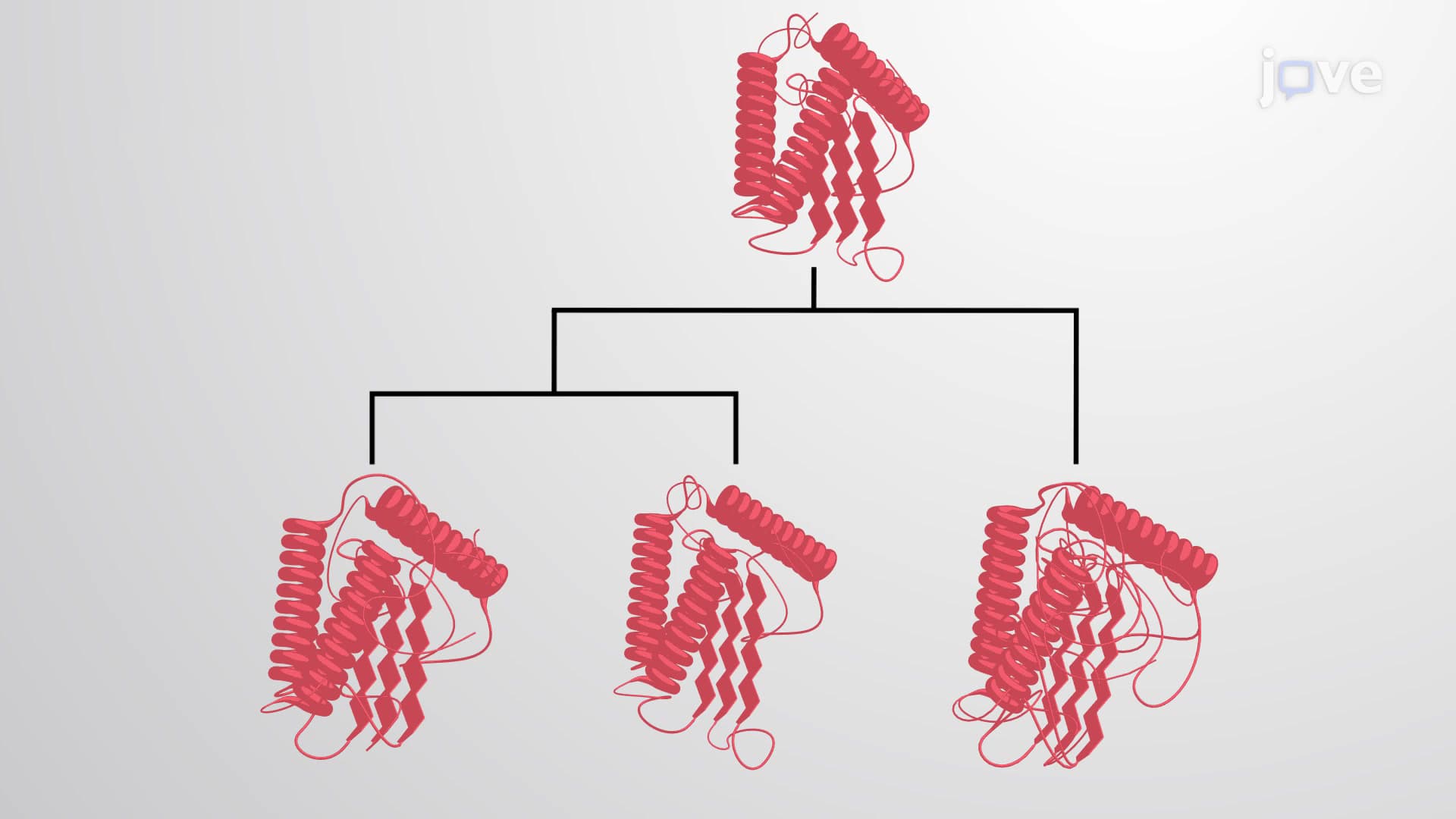
Protein families represent one of biology's most elegant demonstrations of evolutionary conservation and molecular efficiency. These groups consist of proteins that share common ancestry, evidenced by similar amino acid sequences, comparable three-dimensional structures, and often related biological functions. The concept extends beyond simple similarity-family members typically retain core structural motifs and functional domains that reflect their shared evolutionary origin, even as they may have specialized for different cellular roles over millions of years.
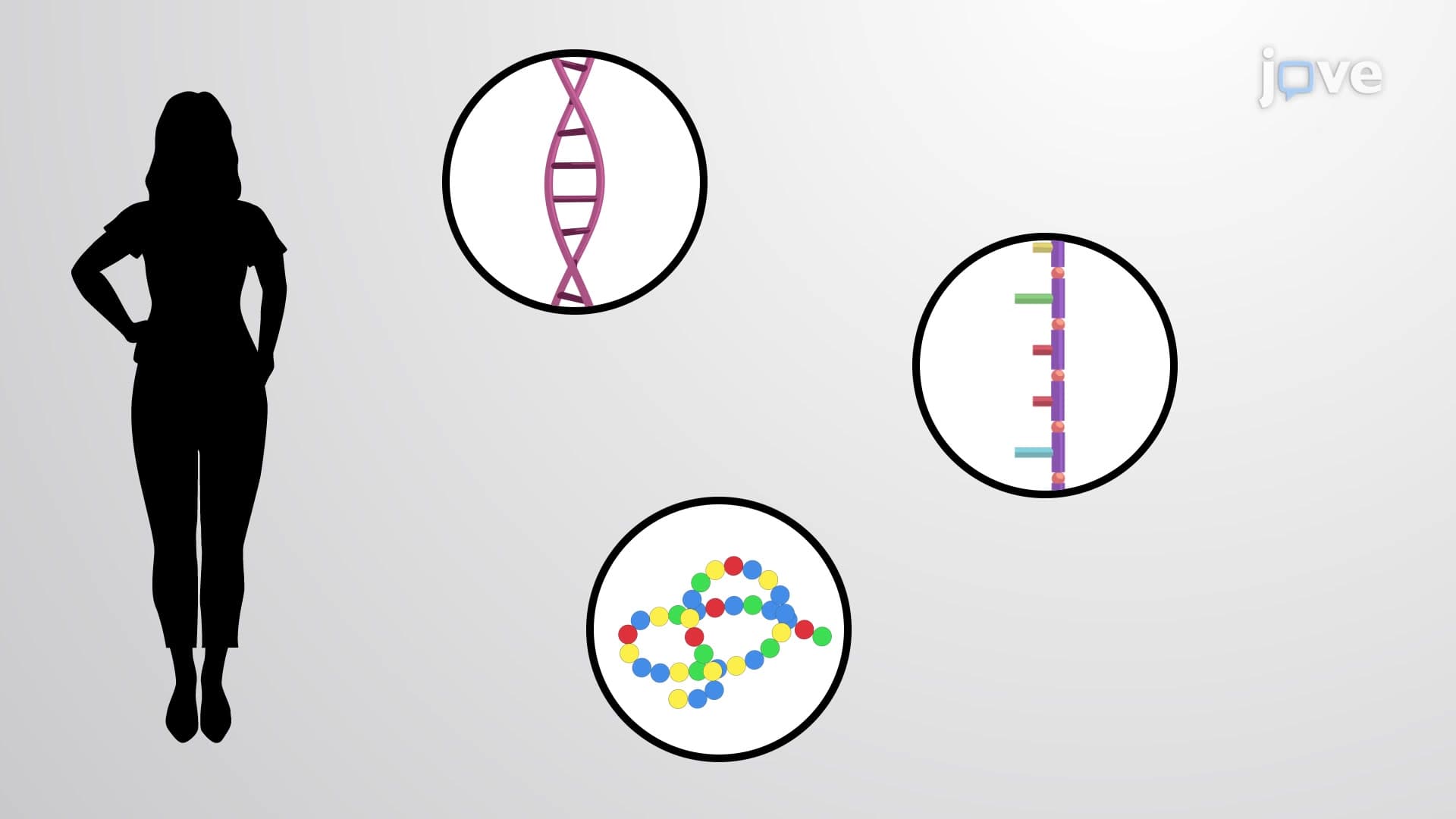
The significance of protein families becomes apparent when considering the human genome's approximately 20,000 protein-coding genes. Rather than each protein being entirely unique, many belong to established families, suggesting evolution's tendency to modify and repurpose successful molecular designs rather than creating entirely novel structures from scratch.
Scientists employ multiple approaches to identify and classify protein families. Sequence alignment algorithms compare amino acid sequences to identify conserved regions, while structural comparison techniques analyze three-dimensional protein folds using X-ray crystallography or NMR spectroscopy data. Functional assays provide additional evidence by demonstrating shared biochemical activities or binding specificities.
This classification system operates hierarchically. Individual protein families group together into superfamilies based on broader structural similarities, which may then be organized into even larger clans. For example, the immunoglobulin superfamily includes not only antibodies but also various cell surface receptors and adhesion molecules that share the characteristic immunoglobulin fold, despite their diverse functions in immune recognition, cell signaling, and tissue development.
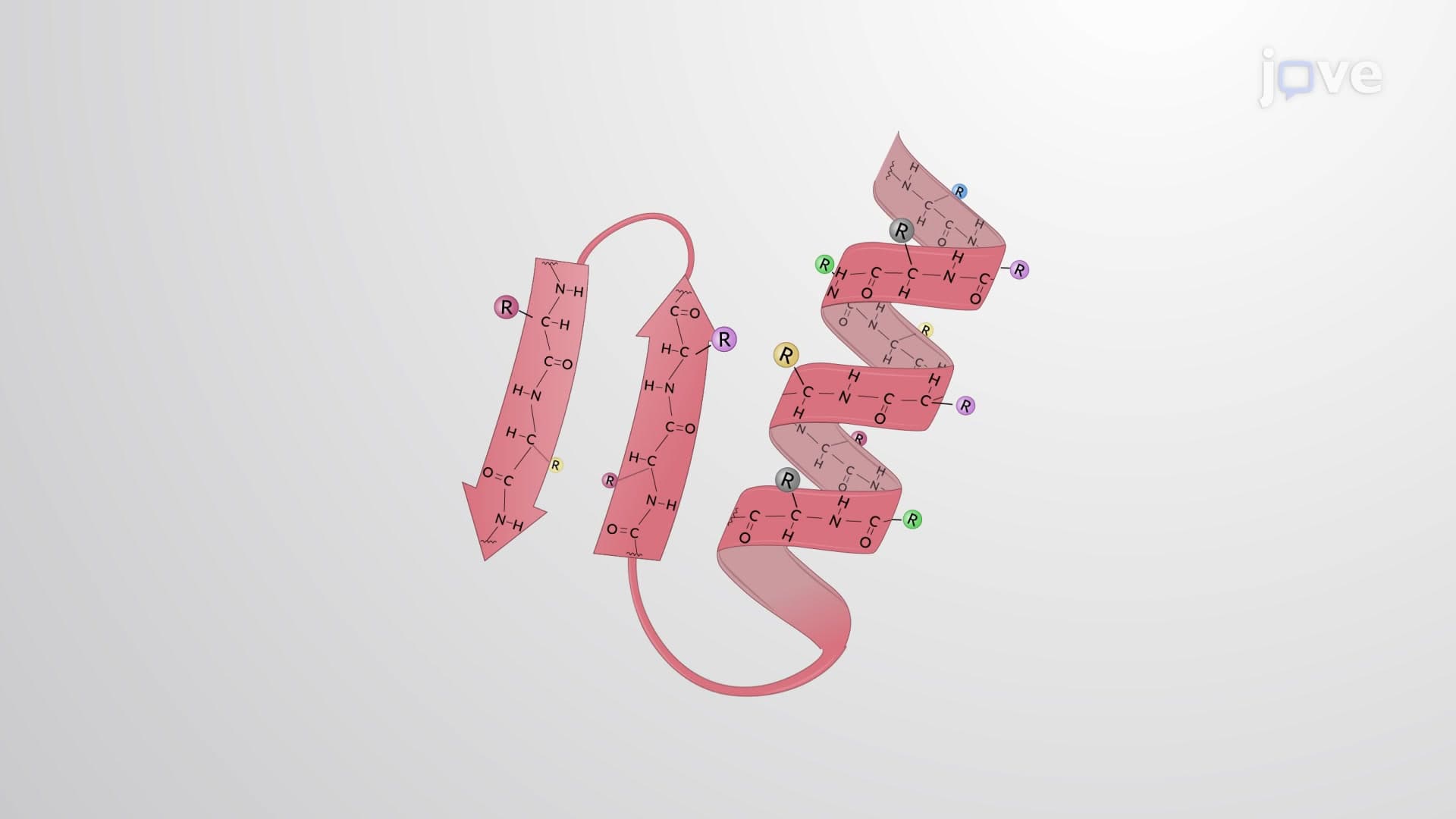
The globin family provides an excellent example of protein family concepts in action. Hemoglobin alpha and beta chains, along with myoglobin, share the globin fold-a characteristic arrangement of eight alpha helices that creates a hydrophobic pocket for heme group binding. This structural conservation enables oxygen binding and transport functions, though hemoglobin specializes in oxygen delivery through circulation while myoglobin focuses on oxygen storage in muscle tissue.
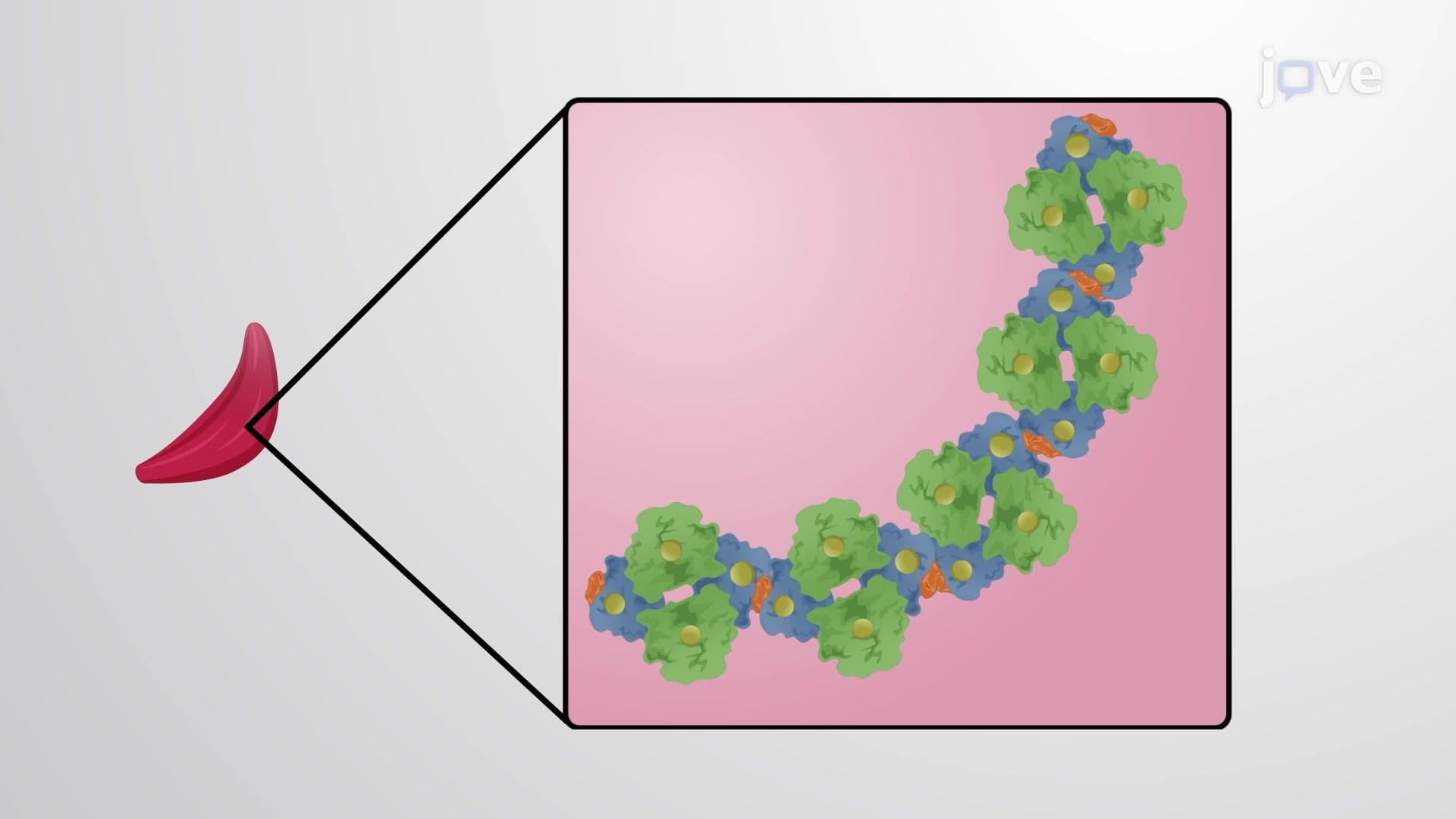
Understanding protein families proves crucial for medical applications. Sickle cell disease results from a single amino acid substitution in the beta-globin chain, demonstrating how even minor changes within a protein family can have profound clinical consequences. Similarly, thalassemias involve defects in globin gene expression, affecting the balance of alpha and beta globin chains in hemoglobin synthesis.
Modern bioinformatics relies heavily on protein family databases such as Pfam, which catalogs protein domains and families, and InterPro, which integrates information from multiple family databases. These resources enable researchers to annotate newly sequenced genomes rapidly, predict protein functions based on family membership, and identify potential therapeutic targets.
In drug discovery, protein families offer opportunities for developing broad-spectrum therapeutics. Targeting conserved domains shared across family members can yield medications effective against multiple related proteins, as seen with kinase inhibitors used in cancer treatment that target the conserved ATP-binding sites found across many protein kinase family members.
For students preparing for advanced coursework, understanding protein families provides essential foundation knowledge for topics covered in AP Biology, college-level biochemistry courses, and medical school curricula. The MCAT frequently tests protein structure and function concepts, including evolutionary relationships and classification systems that organize the molecular diversity of life.
Related Micro-courses