Loading subject page…


62,212 views


Video Summary: What are Proteins Structure Functions and Biological Roles
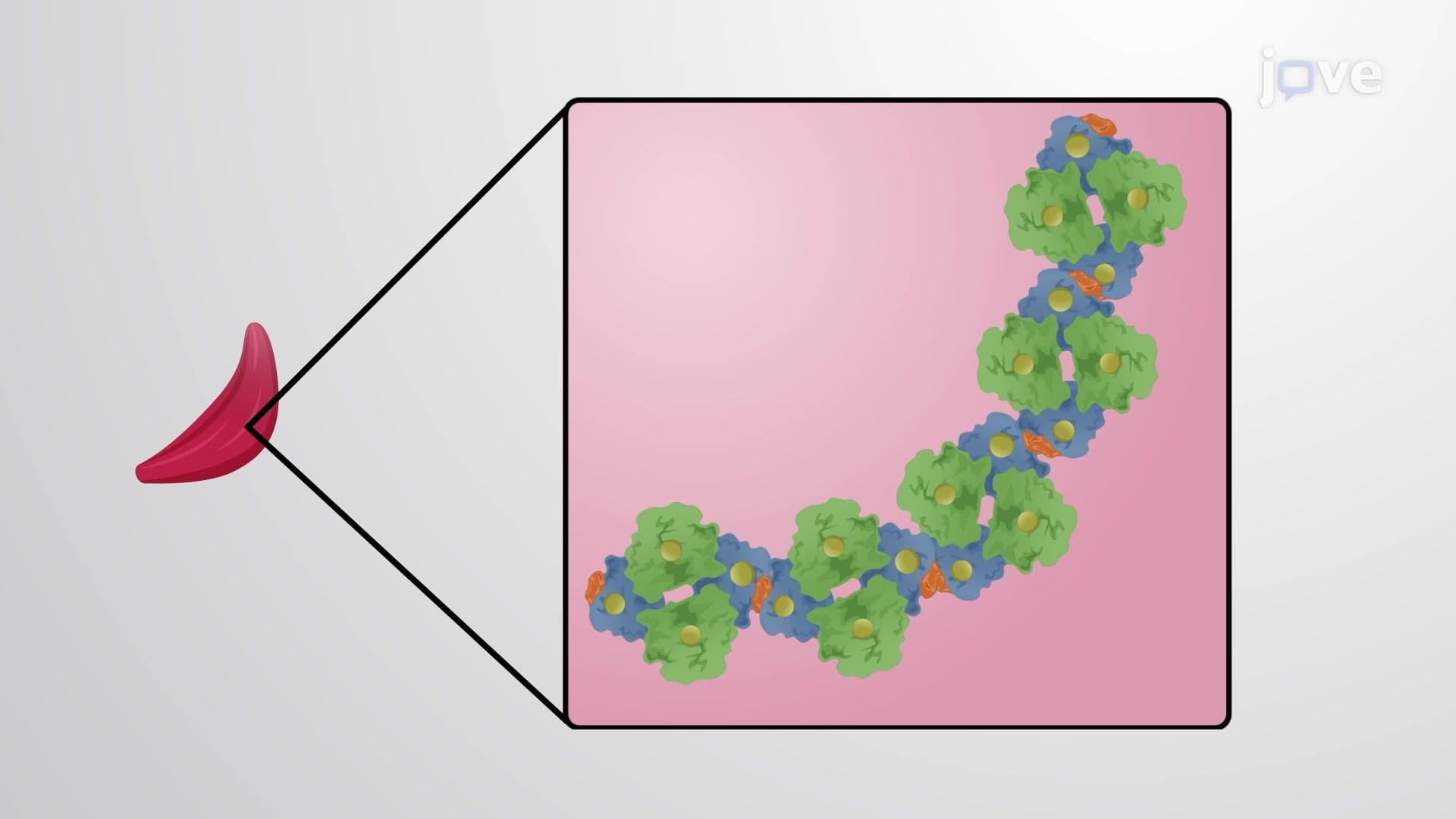
Did you know that your muscles, enzymes, and even the hemoglobin carrying oxygen in your blood are all made of proteins structure types functions? These remarkable molecular machines power every biological process in your body. From the insulin produced by pharmaceutical companies like Eli Lilly to the antibodies protecting you from COVID-19, understanding what are proteins structure types and biological functions is fundamental to biology. Watch the full video on JoVE Coach to master this concept with expert-led visuals and step-by-step explanations.
Proteins represent one of life's most sophisticated molecular systems, serving as the workhorses that enable virtually every biological process. These complex macromolecules are constructed from simple building blocks called amino acids, which link together in specific sequences to create structures capable of remarkable diversity and functionality.
Every amino acid shares a common structural framework: a central carbon atom bonded to an amino group (NH3+), a carboxyl group (COO-), and a unique side chain designated as the R group. This R group determines each amino acid's chemical personality and ultimately influences how proteins fold and function. The 20 standard amino acids fall into four distinct categories based on their side chain properties, creating a sophisticated chemical alphabet for protein construction.
Acidic amino acids like aspartic acid and glutamic acid carry negative charges at physiological pH, making them ideal for binding positively charged ions or creating active sites in enzymes. Basic amino acids such as lysine and arginine bear positive charges, often participating in DNA binding or creating binding pockets for negatively charged substrates. Polar but uncharged amino acids, including serine and threonine, readily interact with water molecules and typically occupy protein surfaces where they can engage with the cellular environment.
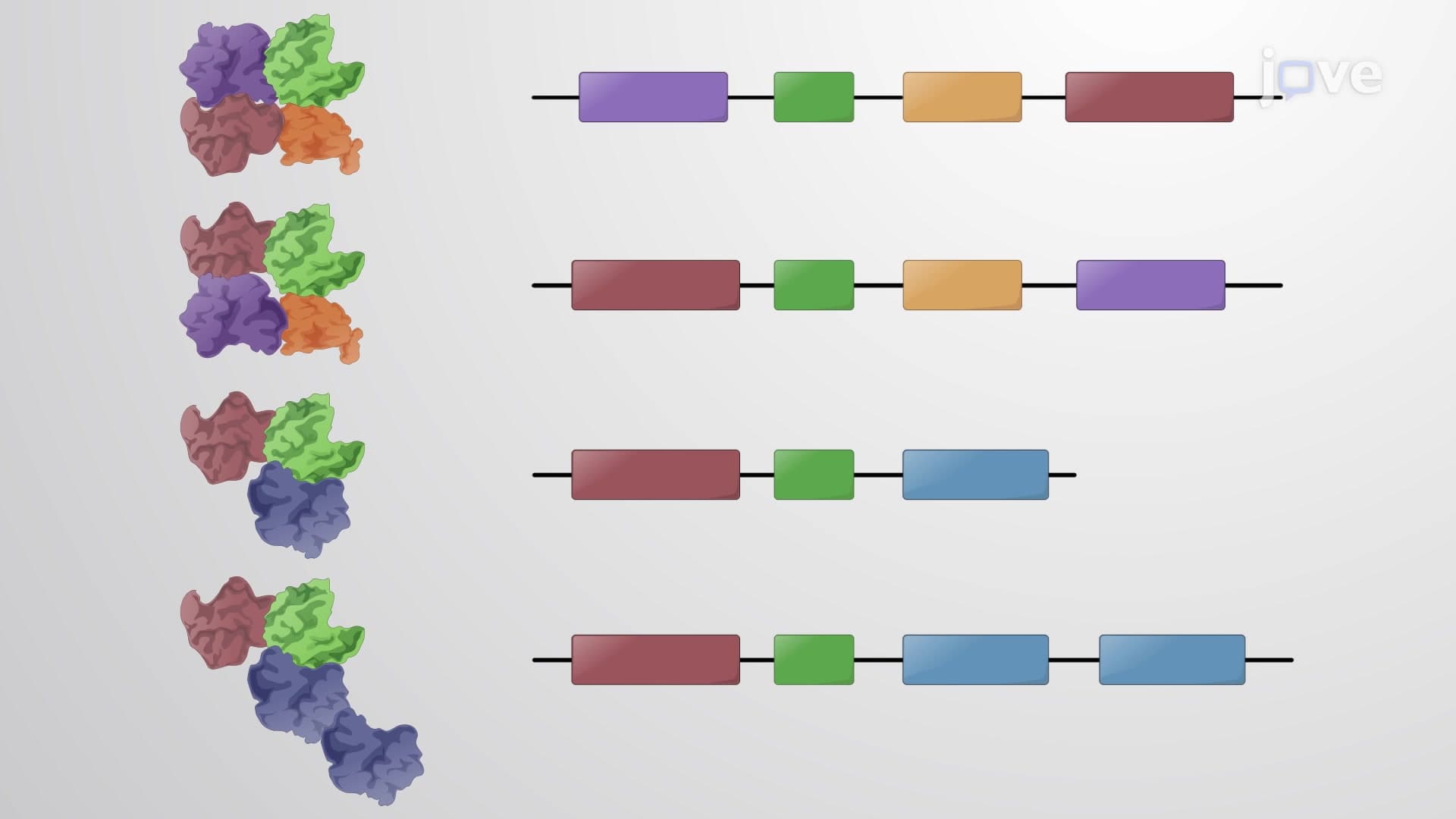
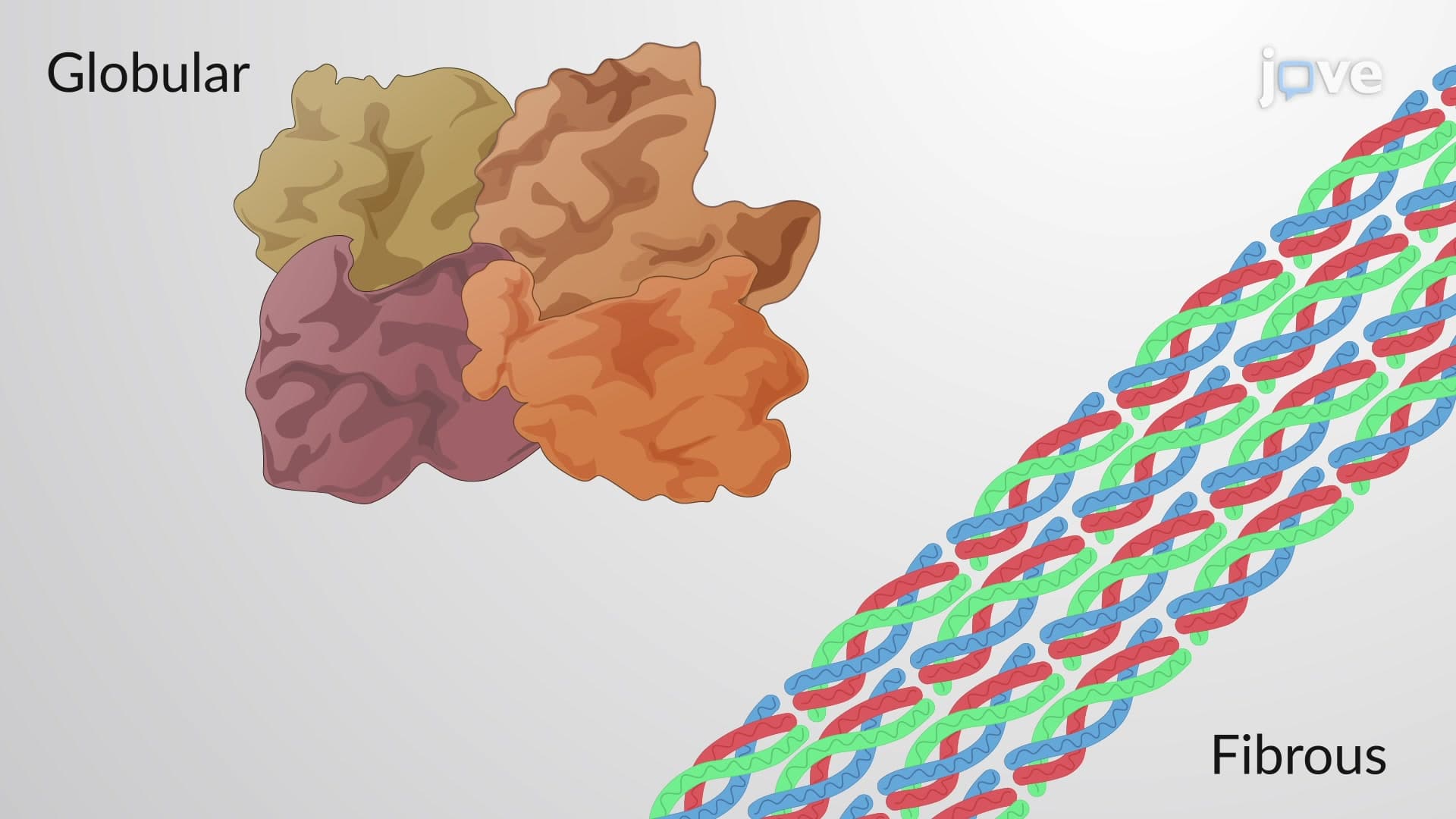
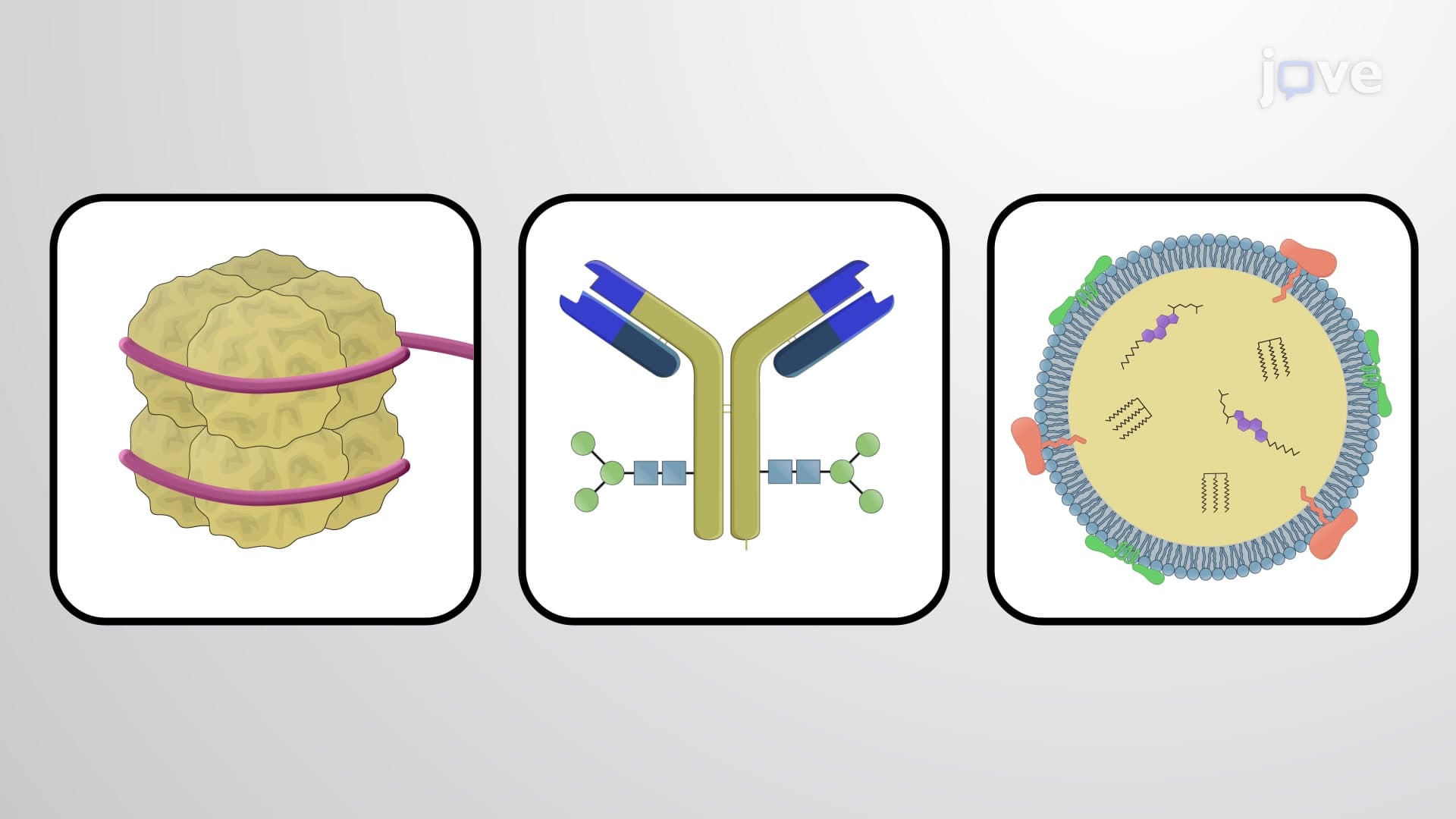
The diversity of protein types reflects their varied biological roles. Structural proteins like collagen provide mechanical support in tissues, while enzymes such as pepsin break down food in your stomach. Transport proteins like hemoglobin carry oxygen throughout your bloodstream, and regulatory proteins including insulin control metabolic processes. This classification system helps students understand how protein structure directly relates to biological function.
For AP Biology students, understanding these protein categories becomes crucial when analyzing cellular processes and metabolic pathways. The MCAT heavily tests protein structure-function relationships, particularly how amino acid properties influence protein behavior in different environments. College biochemistry courses often focus on how pharmaceutical companies exploit these principles to design drugs that target specific proteins.
In the United States healthcare system, protein-based medications represent billion-dollar industries. Companies like Genentech produce recombinant proteins for treating diseases, while diagnostic labs use protein markers to detect conditions from heart attacks to cancer. Understanding amino acid protein structure helps explain why some medications must be injected rather than taken orally, the digestive system would break down protein drugs before they could reach their targets.
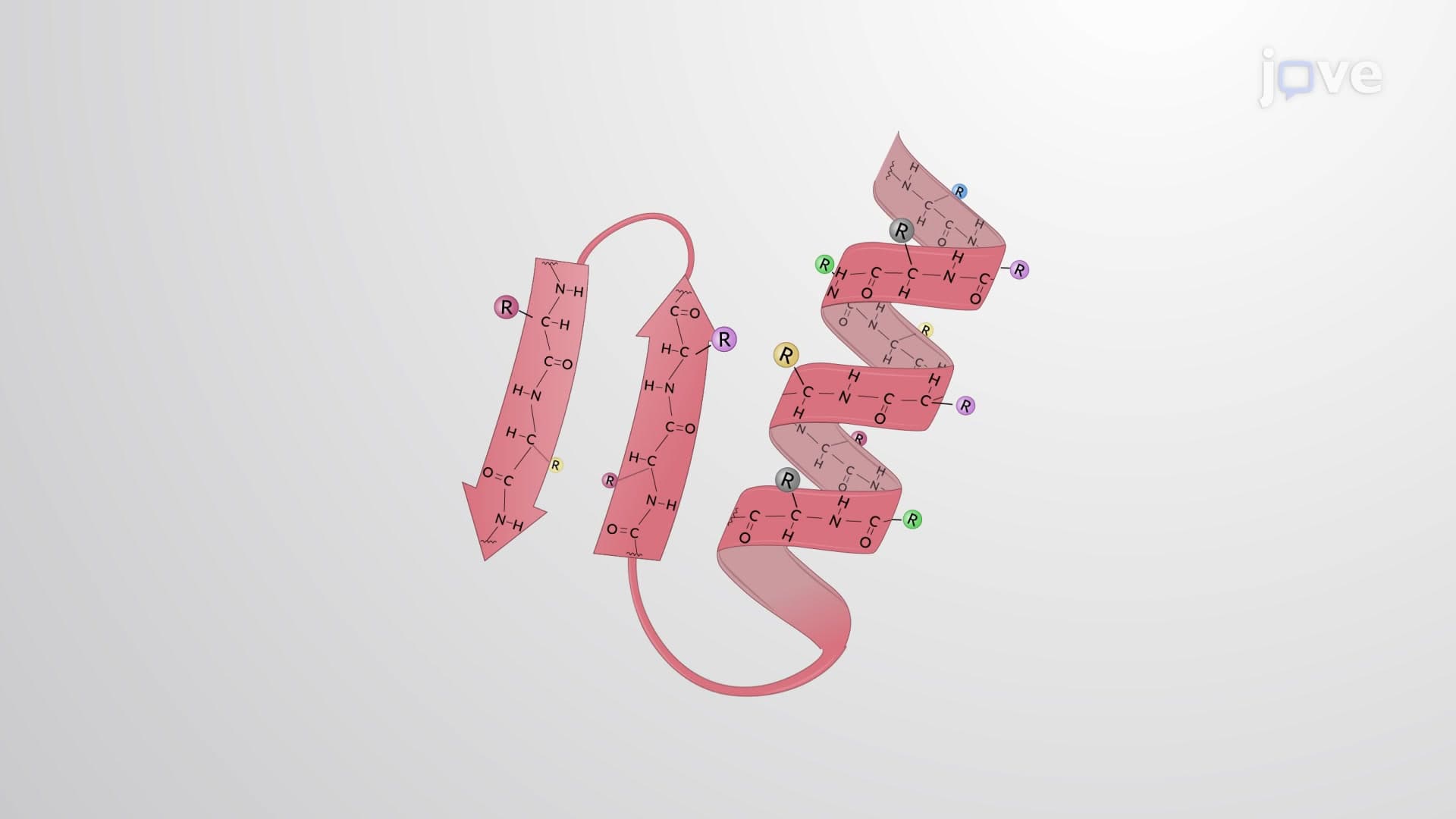
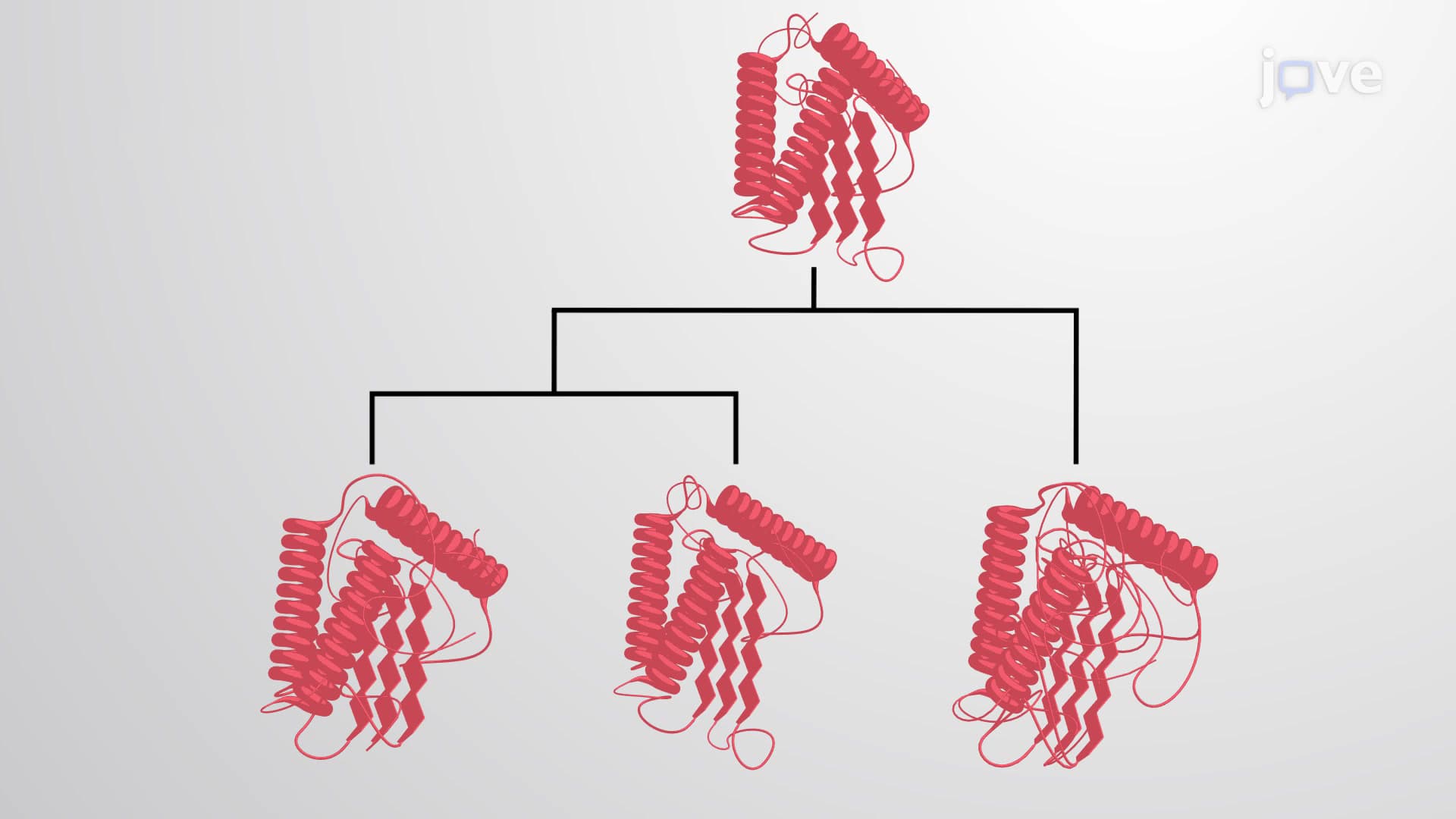
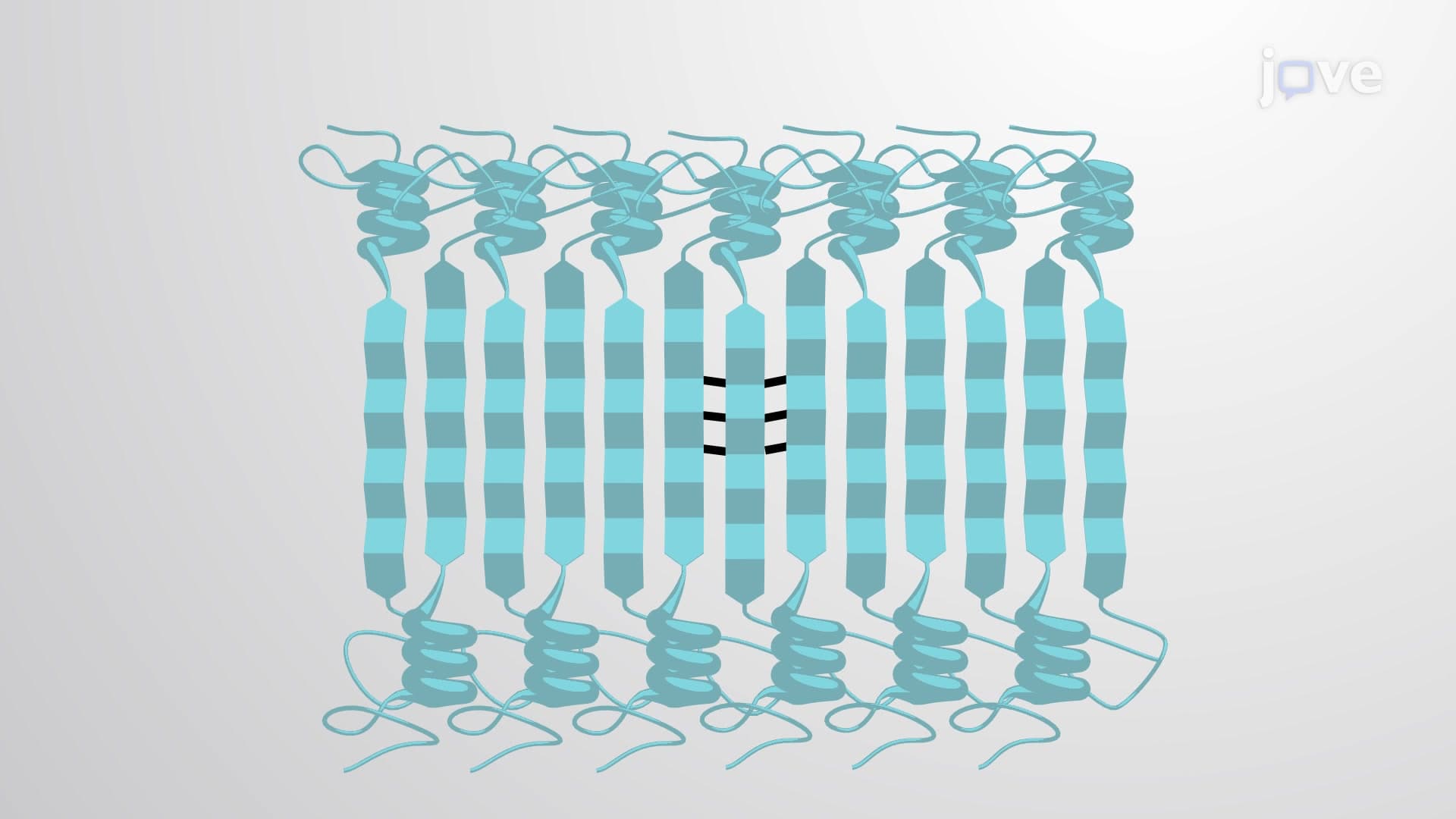
The polypeptide backbone provides the structural framework that allows proteins to fold into complex three-dimensional shapes. This folding process, driven by interactions between amino acid side chains, determines whether a protein functions as an enzyme, hormone, or structural component. Students preparing for standardized tests should focus on how nonpolar amino acids tend to cluster in protein interiors while polar amino acids migrate to surfaces where they can interact with the aqueous cellular environment.
Related Micro-courses