Loading subject page…

- Cell Biology
- Protein Structure
- Protein Folding
Micro-course: Protein Structure
62,212 views
Learn key concepts and earn your certificate.


Protein Folding

00:00
01:25
Video Summary: What Is Protein Folding
Did you know that a single misfolded protein can cause Alzheimer's disease, affecting over 6 million Americans? Protein folding biology explained reveals how amino acid chains transform from linear sequences into complex three-dimensional structures through hydrogen bonding, hydrophobic interactions, and molecular chaperones. Understanding what is protein folding helps explain everything from enzyme function in your digestive system to genetic disorders like cystic fibrosis. Watch the full video on JoVE Coach to master this concept with expert-led visuals and step-by-step explanations.
- Understand what is protein folding and how linear polypeptide chains achieve their native three-dimensional conformations
- Identify the four levels of protein structure and the molecular interactions that stabilize each level
- Analyze the role of hydrogen bonding in forming alpha-helices and beta-sheets during secondary structure formation
- Compare the functions of molecular chaperones and protein disulfide isomerase in assisted protein folding
- Evaluate how hydrophobic and hydrophilic interactions drive the formation of protein cores and surface regions
- Apply knowledge of protein folding mechanisms to predict the effects of amino acid substitutions on protein stability
- Recognize the connection between protein misfolding and human diseases like Huntington's and Parkinson's disease
- Explore the thermodynamic principles that govern spontaneous protein folding versus chaperone-assisted folding
Understanding What is Protein Folding: From Chain to Function
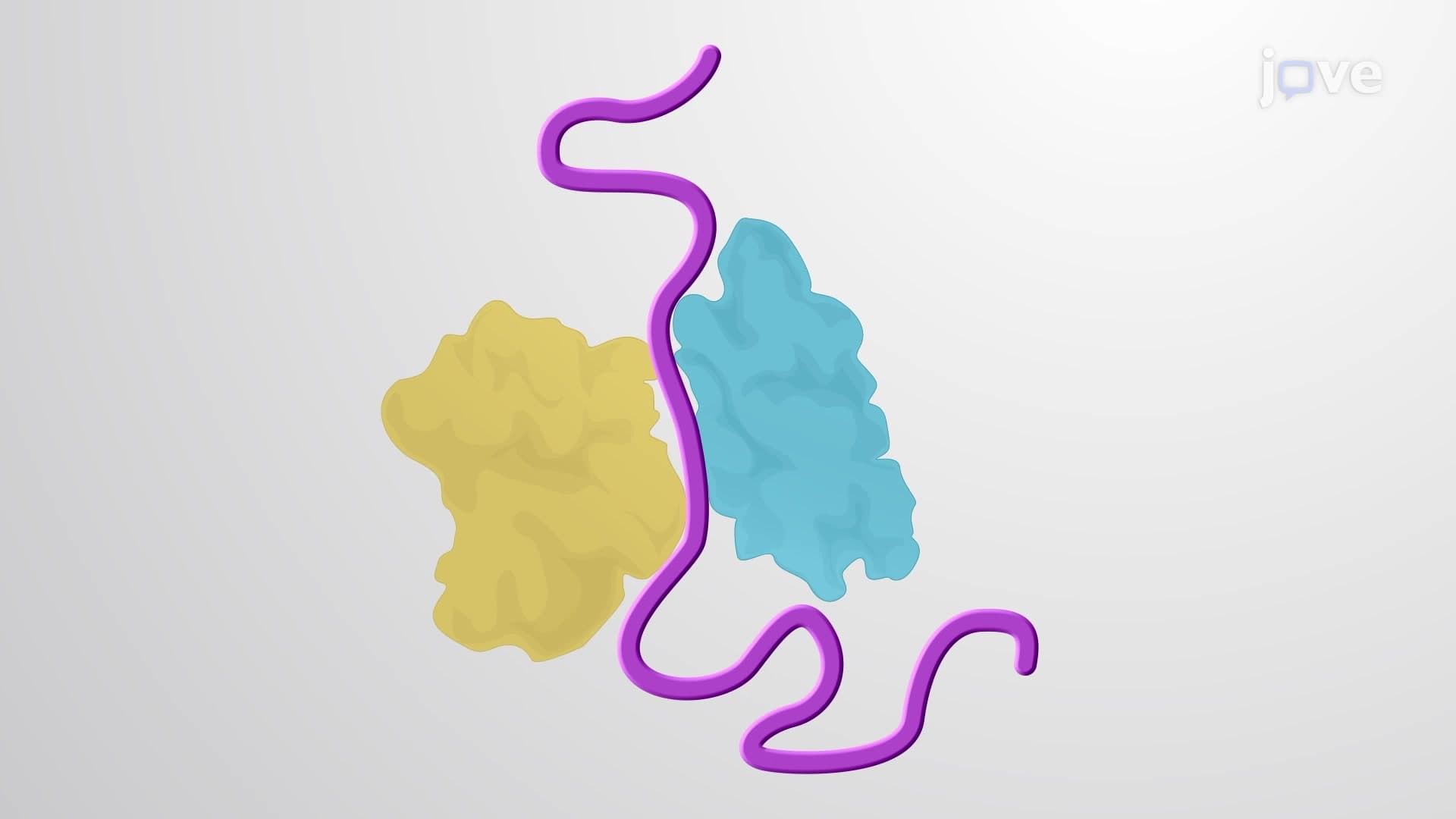
Protein folding biology explained begins with a fundamental principle: structure determines function. When ribosomes complete protein synthesis, they release linear amino acid chains that must fold into precise three-dimensional shapes to become functional. This process, occurring in milliseconds to minutes, represents one of biology's most remarkable transformations.
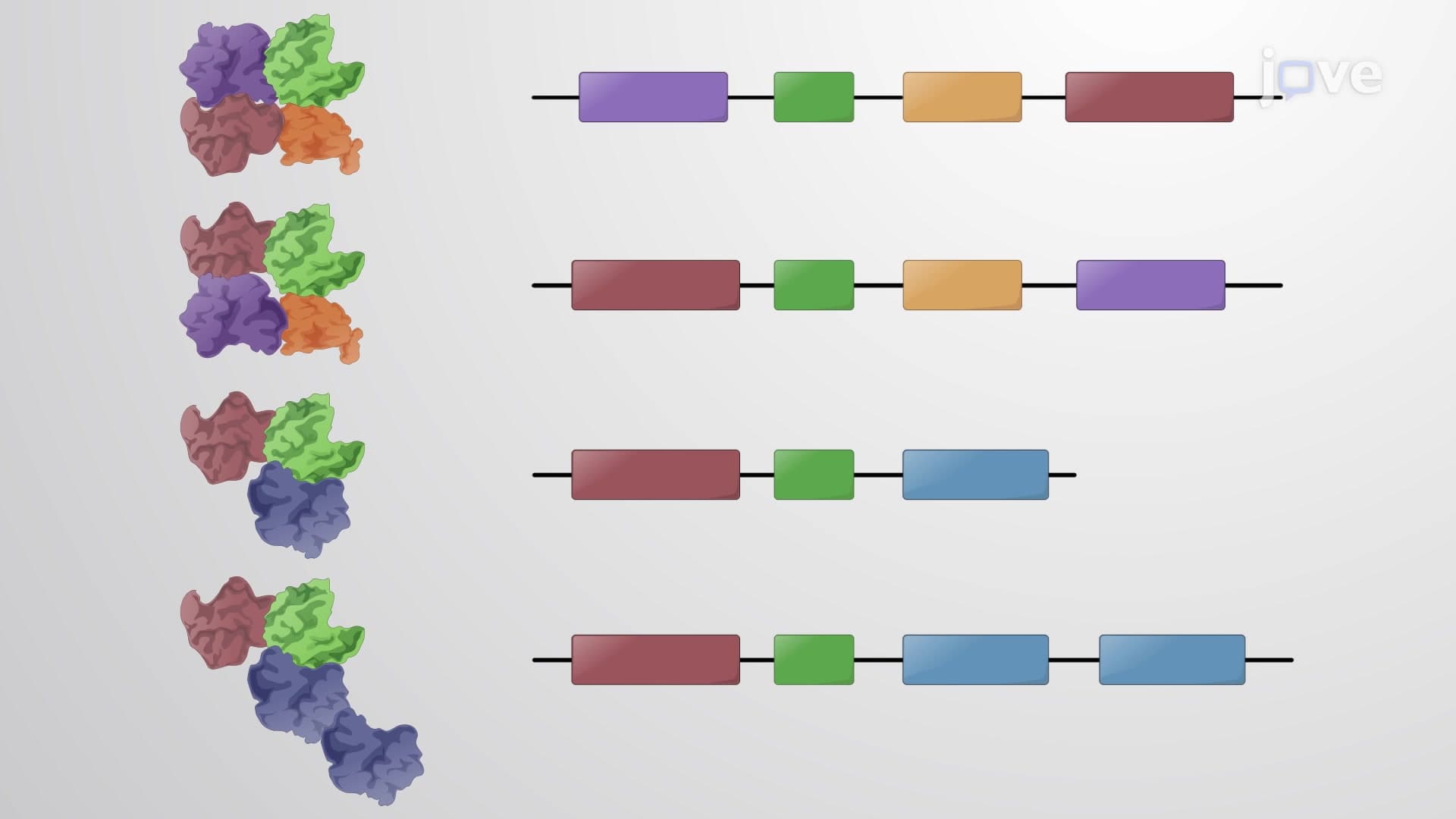
The folding journey starts immediately after synthesis. Primary structure-the amino acid sequence-contains all information needed for proper folding, much like DNA contains genetic instructions. However, how proteins fold explained involves multiple sequential steps that build complexity through specific molecular interactions.
The Four-Stage Folding Mechanism
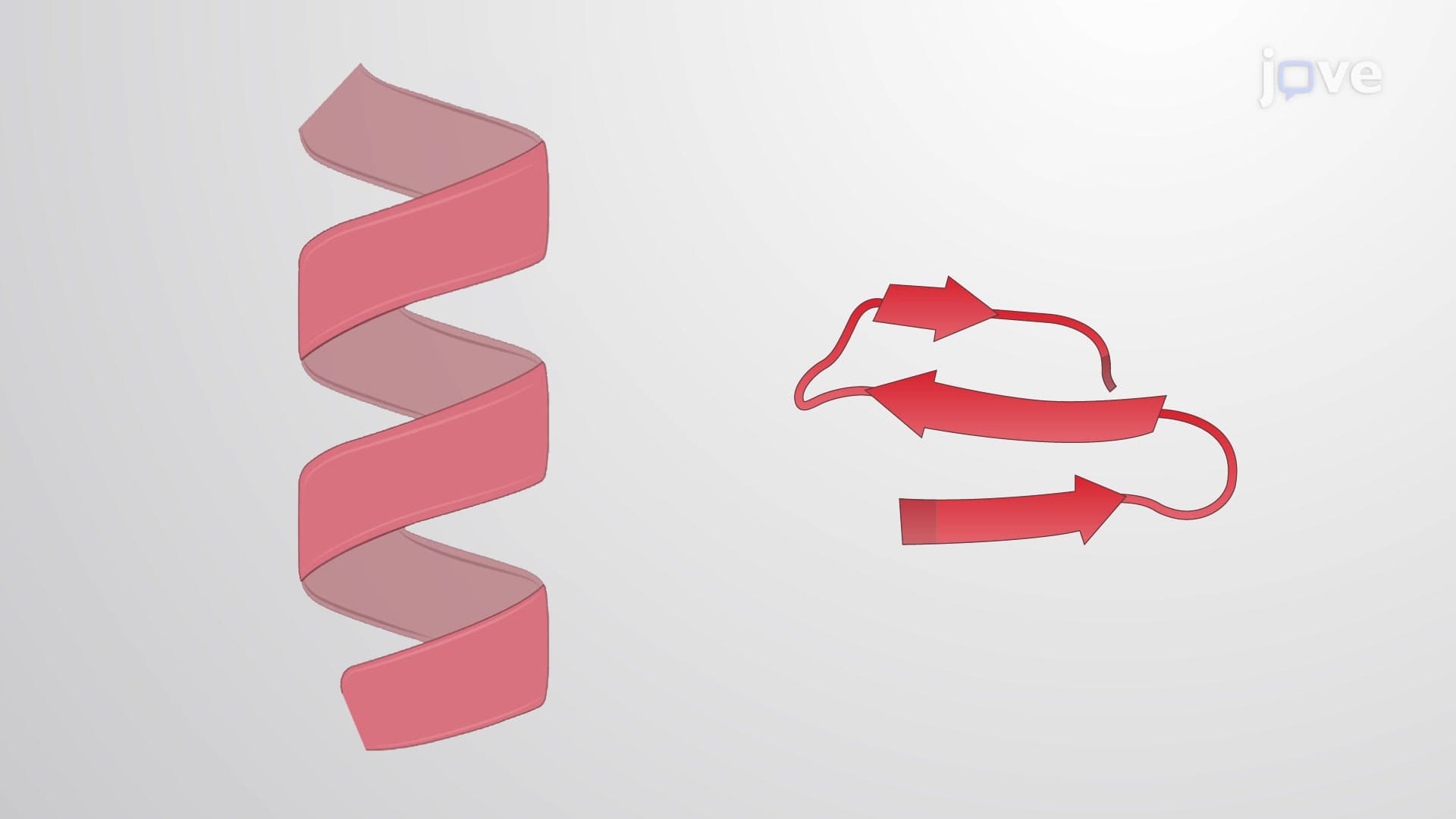
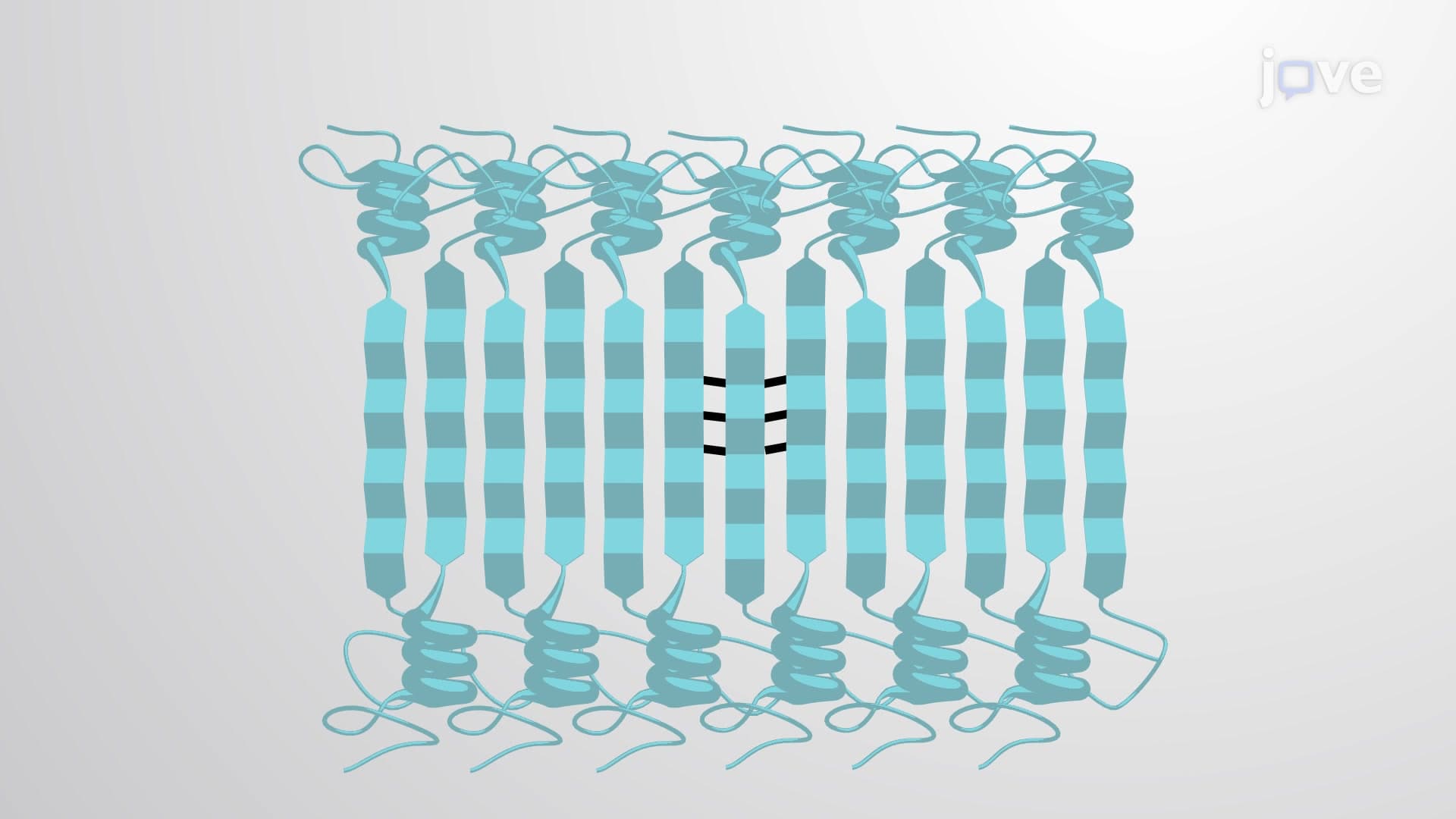
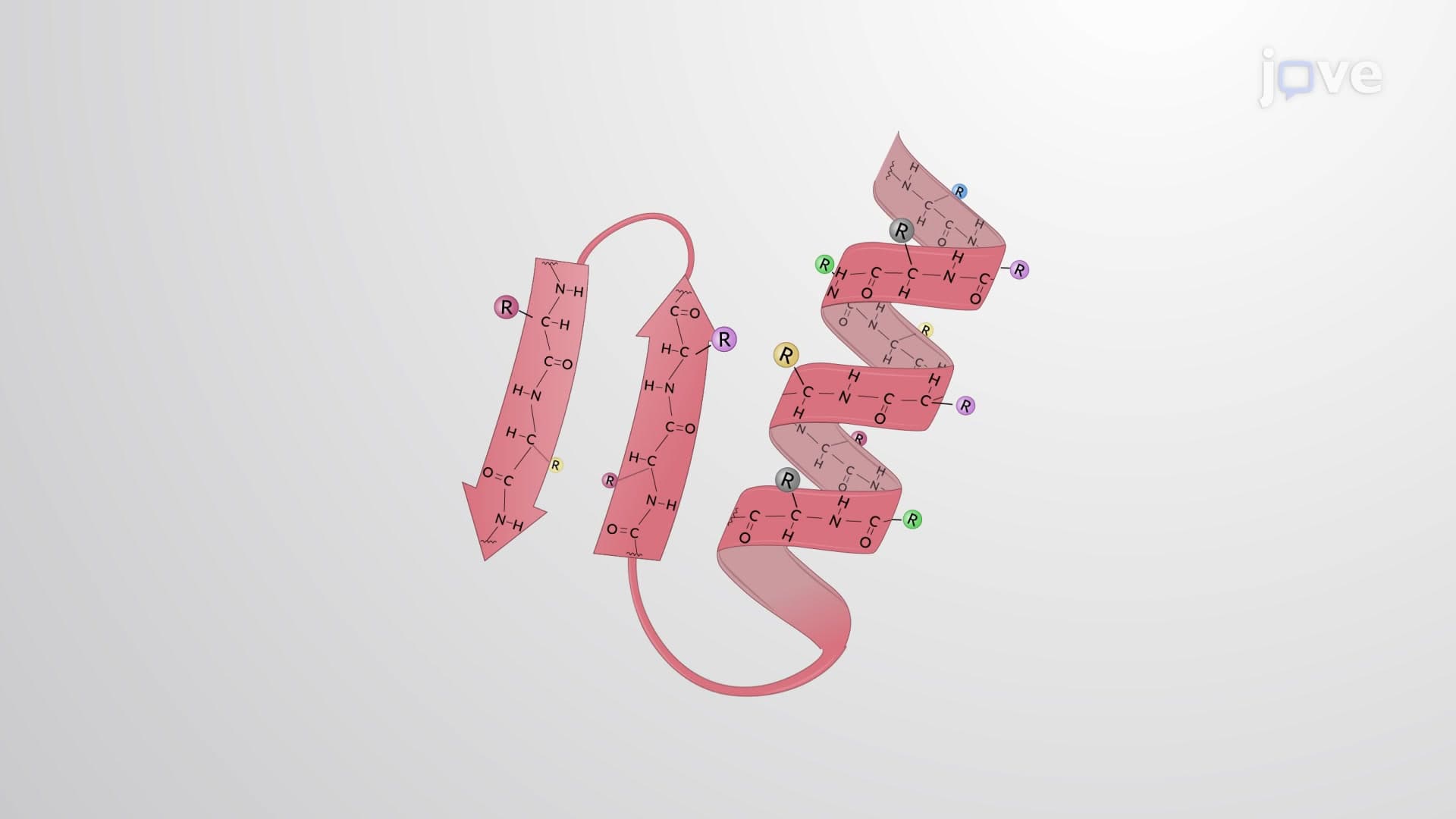
Secondary structure formation occurs first, as hydrogen bonds form between backbone atoms (not side chains) to create alpha-helices and beta-sheets. These regular, repeating structures provide scaffolding for further folding. In alpha-helices, hydrogen bonds form between amino acids four positions apart, while beta-sheets involve hydrogen bonding between adjacent strands.
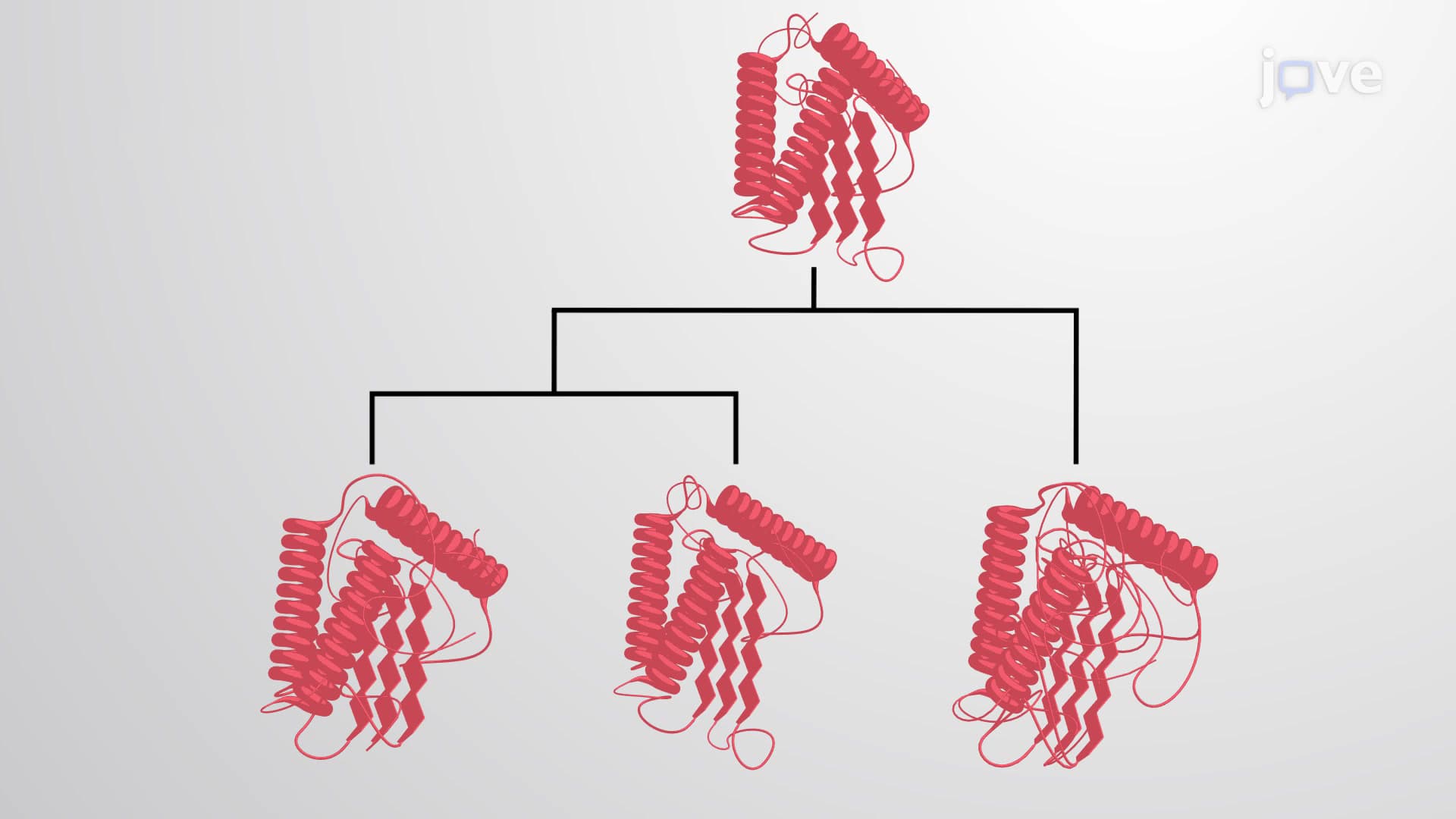
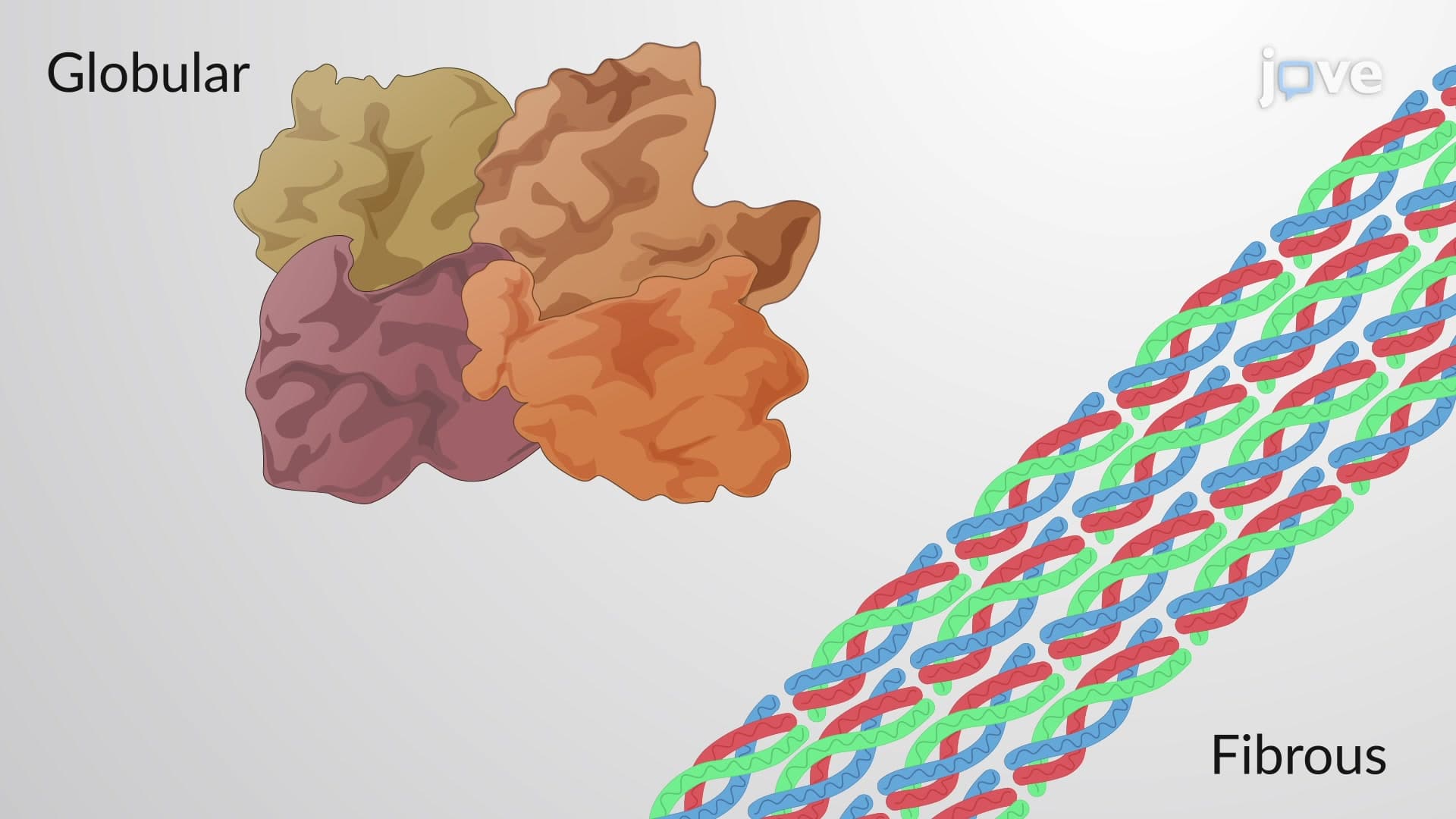
Tertiary structure development follows as the protein adopts its final three-dimensional shape. Hydrophobic amino acids cluster together, excluding water molecules and forming the protein's core-similar to how oil droplets form in water. Meanwhile, hydrophilic residues remain on the protein's surface, interacting favorably with the aqueous cellular environment.
Chaperone protein folding becomes crucial when proteins cannot fold independently. Heat shock proteins (HSPs) and chaperonins provide protected environments where proteins can fold without aggregating with other molecules. These molecular assistants are especially important during cellular stress, such as elevated temperatures that can disrupt normal folding patterns.
Clinical and Academic Relevance
Understanding protein folding proves essential for AP Biology, MCAT preparation, and undergraduate biochemistry courses. The College Board specifically tests protein structure concepts, while the MCAT frequently includes questions about folding thermodynamics and misfolding prion disease mechanisms.
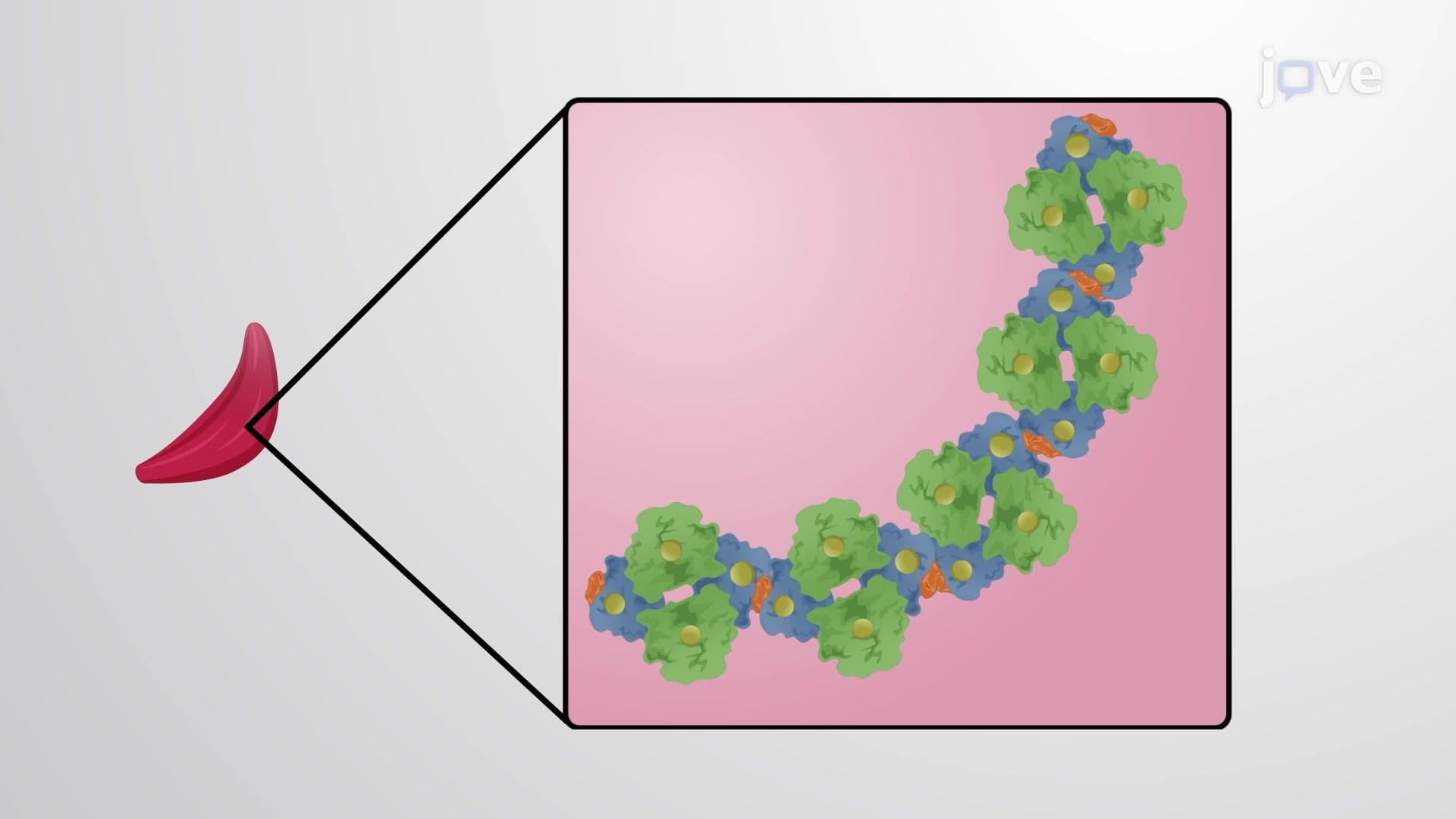
In clinical medicine, protein folding disorders affect millions of Americans. Cystic fibrosis results from CFTR protein misfolding, while sickle cell disease stems from a single amino acid change that alters hemoglobin structure. These examples demonstrate why native conformation folding represents more than academic curiosity-it's fundamental to human health and disease treatment strategies.
Frequently Asked Questions
Protein folding is the process where a linear chain of amino acids spontaneously arranges itself into a specific three-dimensional shape that allows it to function properly. This transformation occurs through various molecular interactions including hydrogen bonding, hydrophobic clustering, and sometimes with help from chaperone proteins. The final folded structure, called the native conformation, determines the protein's biological activity.
The MCAT frequently tests protein folding through thermodynamics questions, asking about entropy changes and Gibbs free energy during folding processes. AP Biology focuses more on structure-function relationships, requiring students to predict how amino acid changes affect protein stability. Both exams emphasize understanding the four levels of protein structure and factors that influence folding efficiency.
Protein misfolding leads to numerous diseases affecting millions of Americans, including Alzheimer's (affecting 6+ million), Parkinson's disease, and Huntington's disease. In cystic fibrosis, the CFTR protein misfolds and gets degraded before reaching cell membranes, causing thick mucus production. These misfolding diseases often involve protein aggregation that disrupts normal cellular functions.
Basic high school chemistry knowledge is sufficient to grasp protein folding fundamentals. Understanding hydrogen bonding, hydrophobic/hydrophilic interactions, and basic thermodynamics provides the necessary foundation. Most introductory biology and biochemistry courses build these concepts progressively, making protein folding accessible to students without extensive chemistry backgrounds.
Prioritize understanding the four levels of protein structure, the role of molecular chaperones, and the relationship between amino acid sequence and final structure. Practice identifying factors that promote or disrupt protein folding, and memorize key examples of folding diseases. Focus on thermodynamic principles governing spontaneous versus assisted folding for advanced exams like the MCAT.
Chaperones like GroEL provide isolated folding chambers where proteins can fold without interference from other cellular components. Heat shock proteins bind to hydrophobic regions of unfolded proteins, preventing aggregation and allowing proper folding pathways to proceed. Some chaperones use ATP energy to actively unfold misfolded proteins, giving them additional chances to achieve correct conformations.
After mastering basic folding mechanisms, explore protein folding kinetics, including folding funnels and energy landscapes. Study co-translational folding (folding during synthesis), membrane protein folding challenges, and protein quality control systems. Advanced students should investigate prion propagation mechanisms and therapeutic approaches targeting protein misfolding diseases.
Related Micro-courses

12 Concepts
10 Concepts

17 Concepts