Loading subject page…


15 Concepts
12 Concepts
22 Concepts
12 Concepts
10 Concepts
12 Concepts
10 Concepts
17 Concepts
18 Concepts
11 Concepts
14 Concepts
16 Concepts
14 Concepts
18 Concepts
20 Concepts
18 Concepts
21 Concepts
17 Concepts
12 Concepts
7 Concepts
12 Concepts
10 Concepts
6 Concepts
6 Concepts
18 Concepts
19 Concepts
11 Concepts
6 Concepts
12 Concepts
11 Concepts
7 Concepts
20 Concepts
17 Concepts
11 Concepts
17 Concepts
6 Concepts
8 Concepts
21 Concepts
13 Concepts
9 Concepts
8 Concepts
8 Concepts
8 Concepts
 13 Concepts
 48.6K Views
 Popular topics





Stem cell biology forms the foundation for understanding how epithelial tissues maintain themselves throughout life. From the initial totipotent cells in early embryonic development to specialized adult stem cells in skin and intestinal tissues, this field explores the mechanisms of self-renewal, differentiation, and tissue homeostasis. Students will discover how stem cell niches regulate cellular behavior, examine clinical applications like cultured epidermal autografts for burn patients, and understand why certain tissues can regenerate while others cannot, providing essential knowledge for careers in medicine, biotechnology, and research across US institutions.
1. Embryonic Development and Stem Cell Formation: The journey begins with a single fertilized zygote that divides to form totipotent stem cells capable of generating an entire organism. The eight-cell stage represents maximum developmental potential, while the 64-cell blastocyst differentiates into the trophectoderm (forming extraembryonic tissues) and inner cell mass (producing the embryo). This foundational process establishes the blueprint for all subsequent tissue development. Understanding embryonic stem cell formation helps explain why these cells have such remarkable regenerative potential compared to adult stem cells. The transition from totipotent to pluripotent to multipotent states demonstrates how developmental restrictions gradually limit cellular potential while enabling specialized tissue formation.
2. Stem Cell Potency Hierarchy and Classification: Stem cells exist in a clear hierarchy based on their differentiation potential. Totipotent cells like zygotes can form complete organisms, while pluripotent embryonic stem cells generate most body cell types but cannot form extraembryonic tissues. Adult stem cells are multipotent, restricted to producing cells within their tissue of origin - for example, mesenchymal stem cells creating bone, muscle, fat, and cartilage cells but not neurons. This classification system helps predict therapeutic applications and explains why embryonic stem cells show greater research promise for treating diverse conditions. The progression from multipotent to oligopotent to unipotent cells represents increasing specialization, with myeloid progenitors exemplifying oligopotent cells that produce blood cell lineages.
3. Stem Cell Niche Architecture and Function: The stem cell niche creates a specialized microenvironment that maintains stem cells in a quiescent state until activation signals trigger differentiation. These niches contain supporting stromal cells, extracellular matrix components, and signaling molecules that work together to preserve stem cell identity. In bone marrow, stromal cells support hematopoietic stem cells; in intestines, Paneth cells provide Wnt signals to intestinal stem cells; in skin, keratinocytes interact with epidermal stem cells. Cell-cell and cell-matrix interactions activate crucial signaling pathways including Notch, Wnt, and BMP that maintain self-renewal capacity. Niche disruption through aging, injury, or disease can lead to stem cell dysfunction and impaired tissue regeneration.
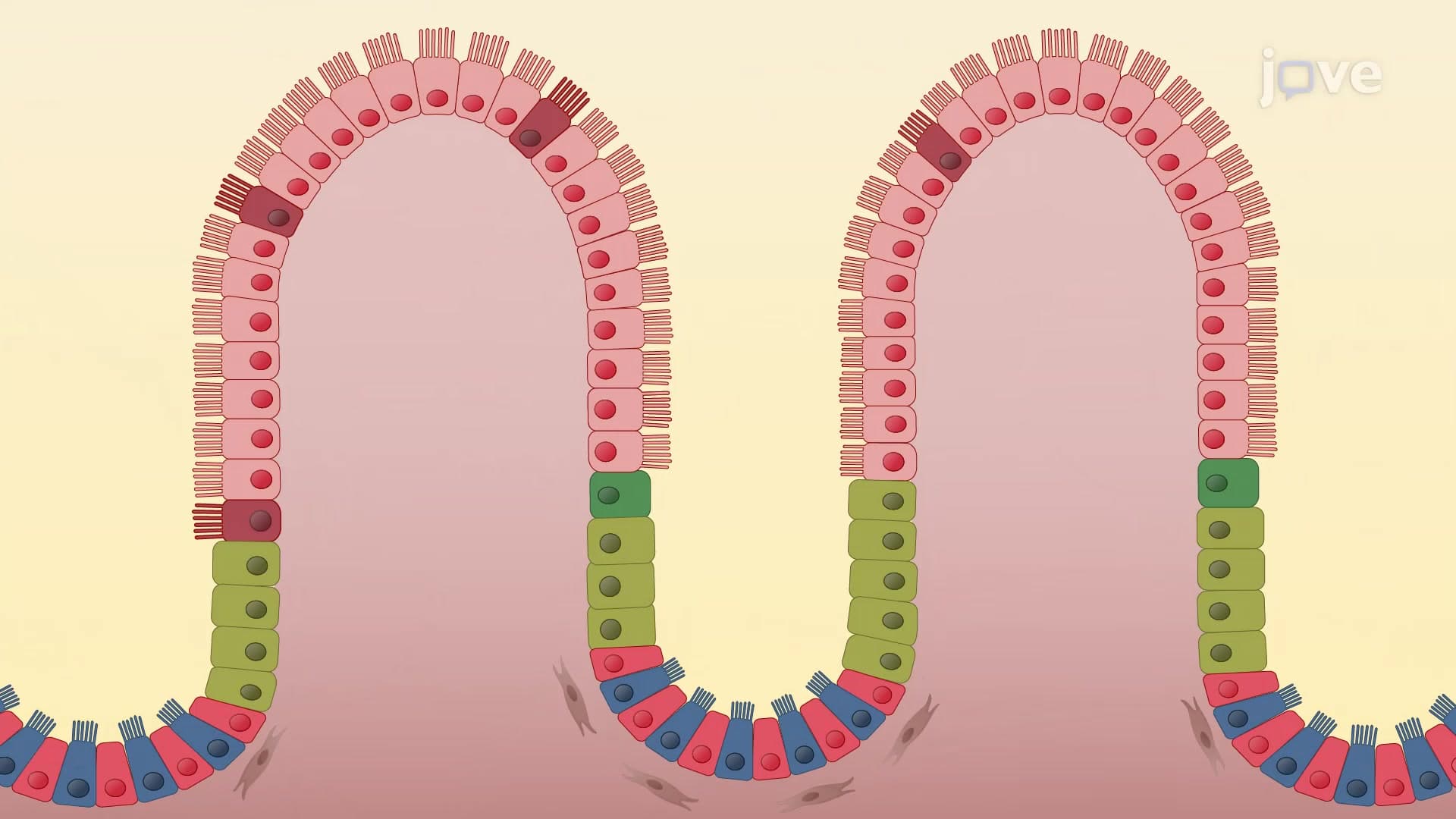
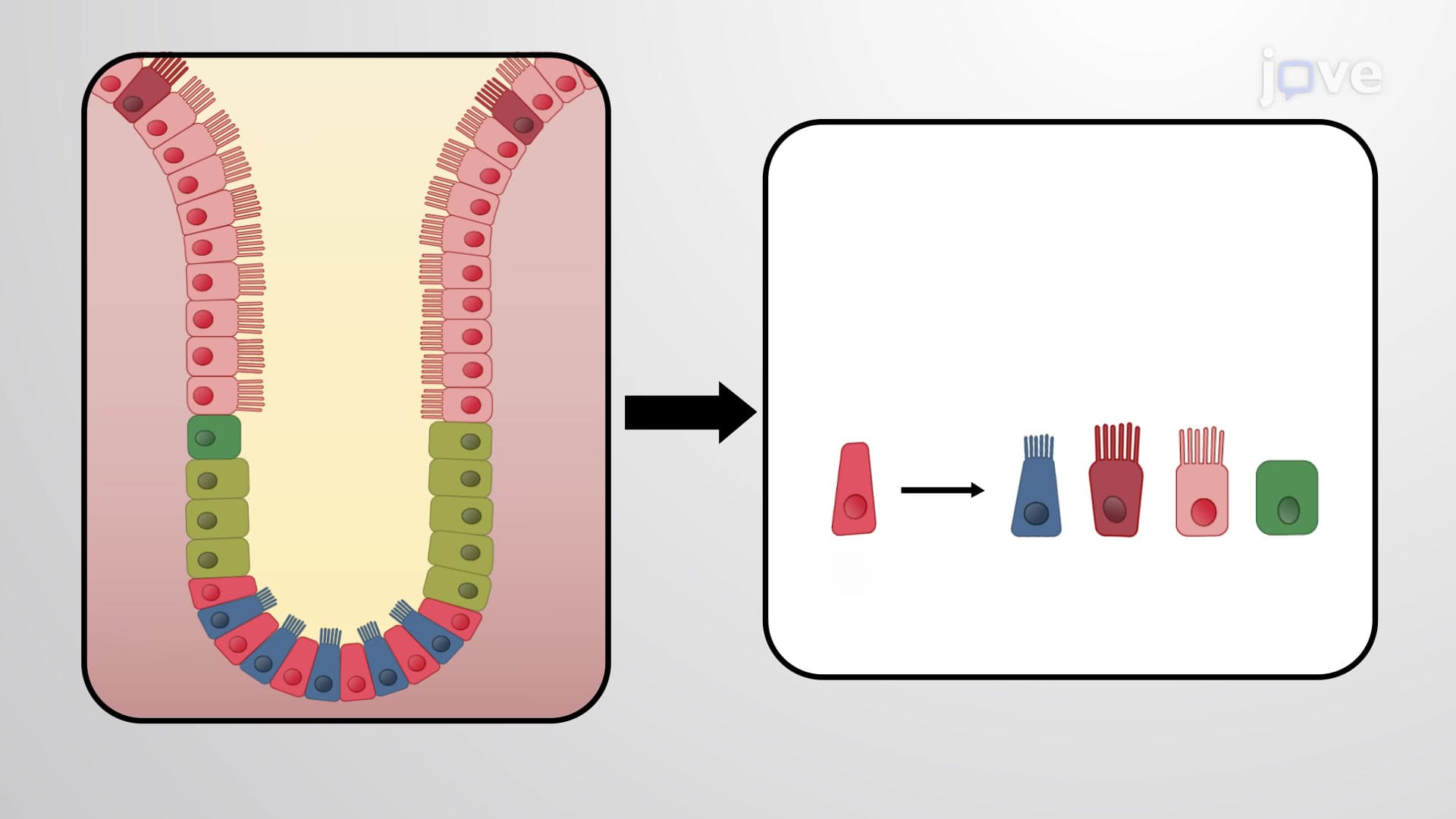
4. Intestinal Epithelial Renewal Mechanisms: The small intestine epithelium represents one of the most rapidly renewing tissues in the human body, completely replacing itself every 3-5 days. Lgr5-positive intestinal stem cells reside at crypt bases, interspersed with Paneth cells that provide essential Wnt signals and R-spondin factors. These signals promote stem cell division and daughter cell migration upward through the crypt-villus axis. Transit-amplifying cells undergo several divisions while differentiating into four main cell types: absorptive enterocytes, mucus-producing goblet cells, hormone-secreting enteroendocrine cells, and antimicrobial Paneth cells. This system demonstrates how stem cell niches coordinate rapid tissue renewal with precise cellular organization, making it an excellent model for studying epithelial biology.
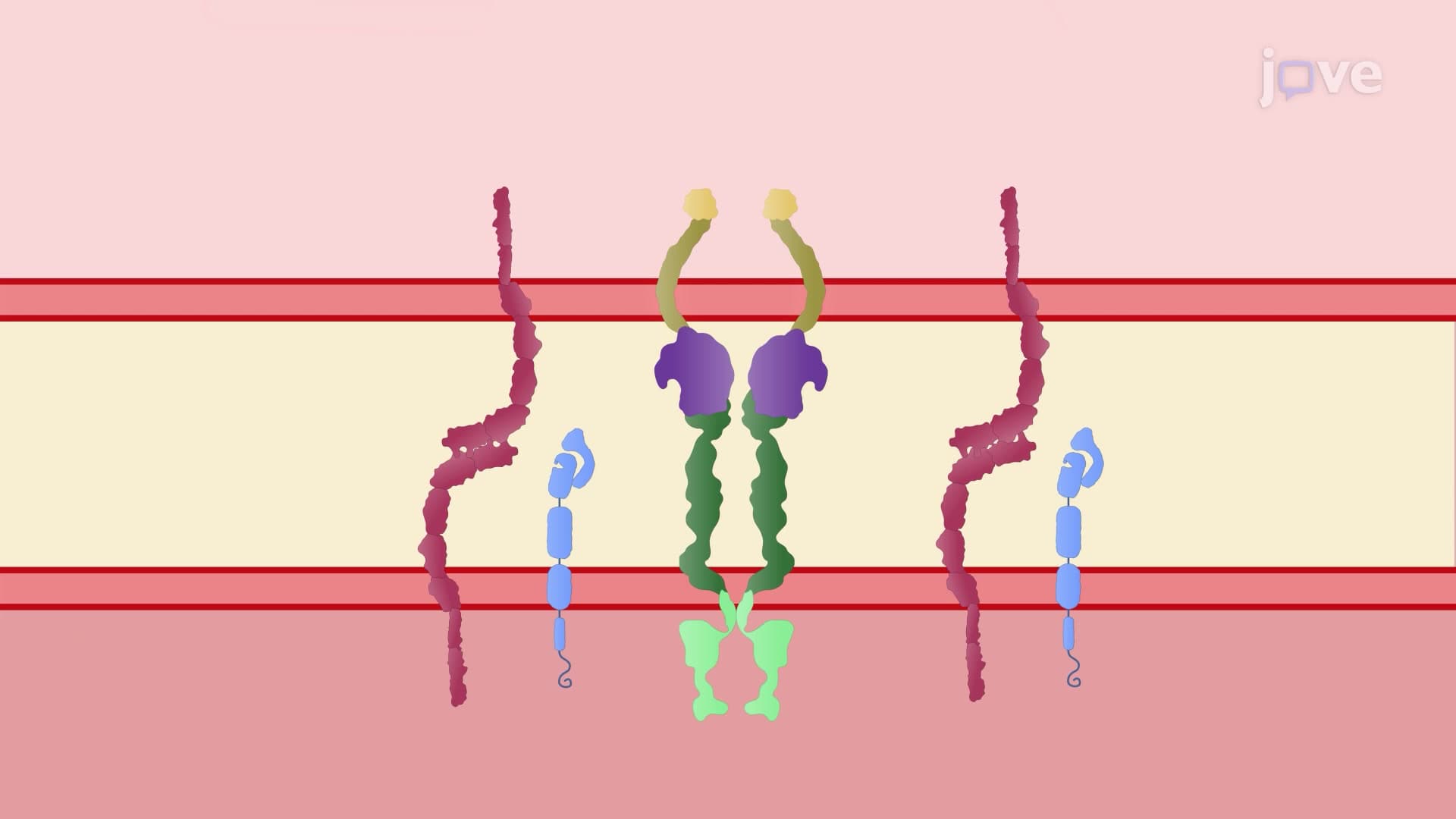
5. Signaling Pathways in Intestinal Stem Cell Control: Two major signaling pathways orchestrate intestinal stem cell behavior and tissue organization. Ephrin-Eph signaling creates positional information along the crypt-villus axis, with Wnt signals inducing EphB receptor expression in stem cells while suppressing EphrinB ligands. As cells differentiate and migrate upward, decreasing Wnt activity reverses this pattern, creating repulsive interactions that prevent stem cells from leaving the crypt. Meanwhile, Notch signaling determines cell fate decisions, with Paneth cell-derived Notch ligands maintaining stem cell identity and later influencing whether transit-amplifying cells become absorptive or secretory lineages. These pathways demonstrate how multiple signaling networks coordinate to maintain tissue architecture while enabling continuous renewal.
6. Epidermal Stem Cell Biology and Skin Renewal: Epidermal stem cells in the basal layer continuously renew the skin's protective barrier through carefully regulated differentiation programs. These cells express integrins that anchor them to the basement membrane, with cell-matrix interactions controlling their proliferation and differentiation decisions. Two models explain epidermal renewal: the hierarchical model proposes asymmetric divisions producing one stem cell and one transit-amplifying cell, while the stochastic model suggests random fate decisions. Regardless of mechanism, epidermal stem cells generate the multi-layered epidermis including spinous cells, granular cells, and keratinized surface cells. This system maintains skin integrity while responding to injury through accelerated proliferation and migration to wound sites.
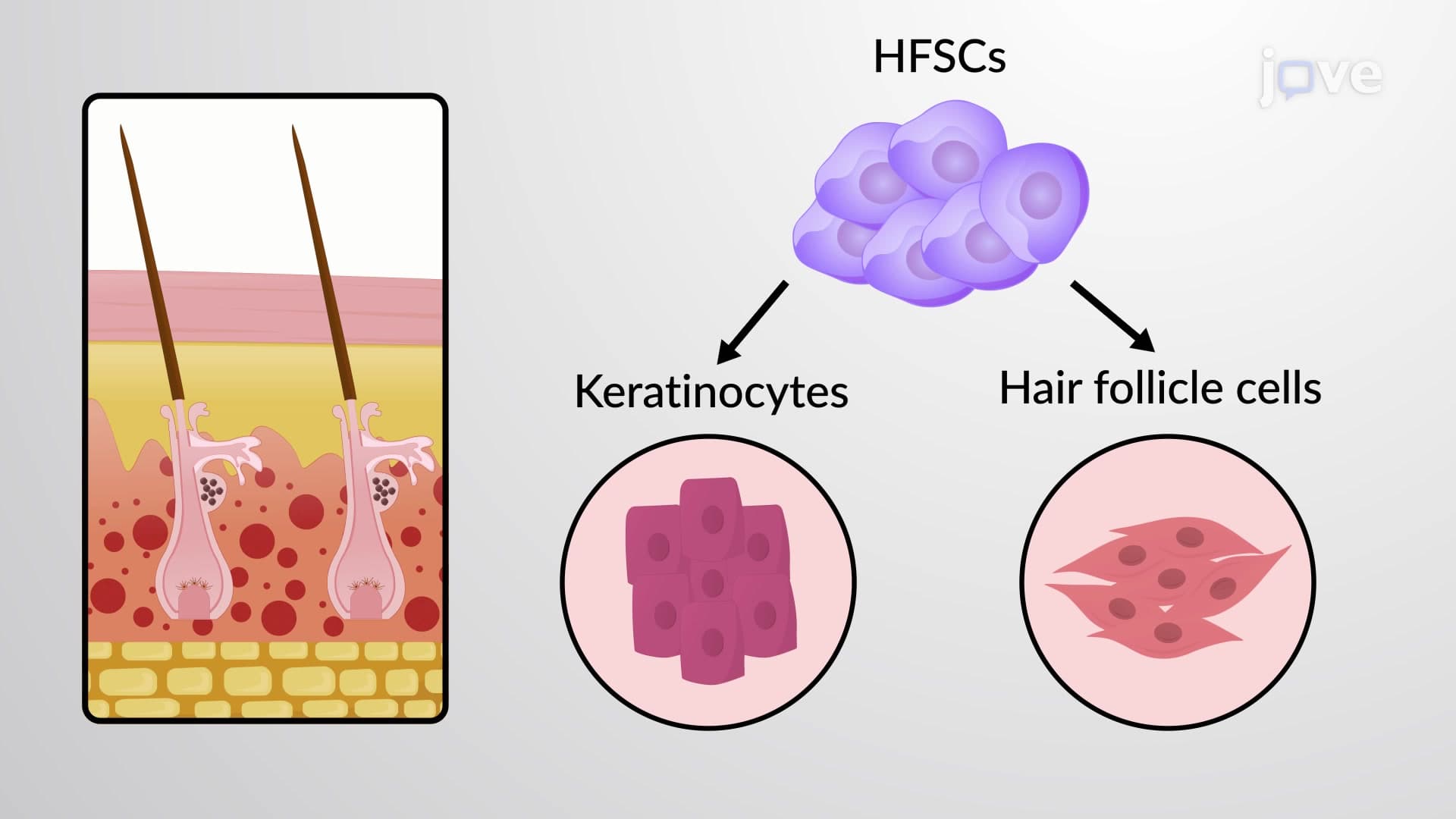
7. Hair Follicle Stem Cells and Multipotency: The hair follicle bulge contains multipotent stem cells capable of regenerating hair follicles and contributing to epidermal repair. These hair follicle stem cells remain dormant until activated by dermal papilla signals during hair cycle initiation. Upon activation, they differentiate into hair shaft components and follicle structures while also providing stem cells for epidermal wound healing. The bulge also houses melanocyte stem cells that produce pigment-forming cells responsible for hair and skin coloration. This system demonstrates how tissue-specific stem cells can contribute to multiple regenerative processes, highlighting the interconnected nature of epithelial maintenance. Understanding hair follicle stem cell biology has implications for treating hair loss and enhancing wound healing.
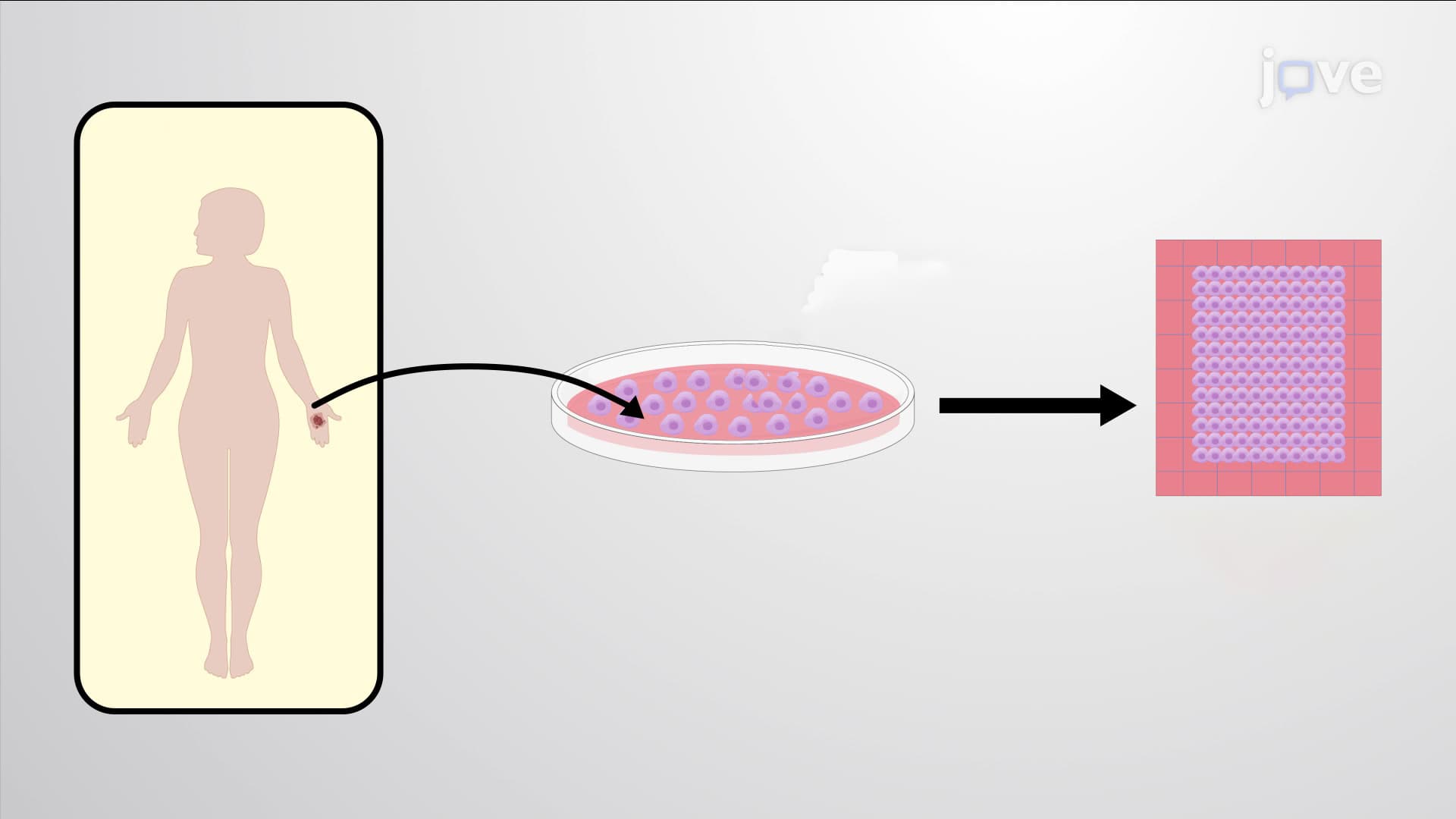
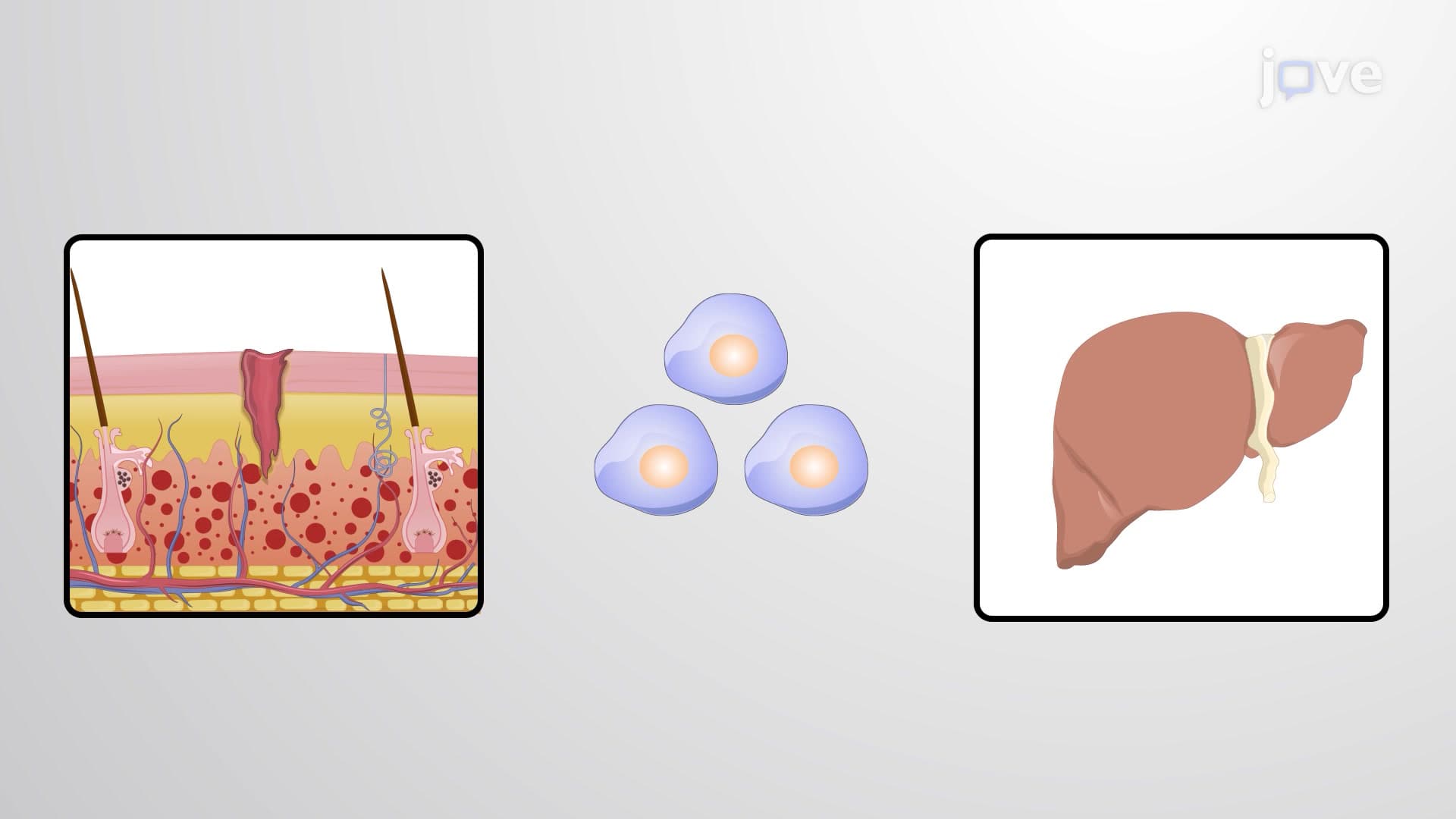
8. Clinical Applications and Therapeutic Potential: Epithelial stem cells have significant clinical applications, particularly in treating severe skin injuries that exceed natural healing capacity. Cultured epidermal autografts represent a major therapeutic advance, where patient-derived epidermal stem cells are expanded on biomaterial scaffolds and transplanted back to treat third-degree burns, diabetic ulcers, and vascular disease wounds. Because these cells originate from the patient's own tissue, immune rejection risks are minimized while promoting effective wound closure without excessive scarring. Research extends beyond skin applications, with studies demonstrating epidermal stem cell potential for corneal regeneration and other epithelial repairs. These therapeutic approaches showcase how basic stem cell biology translates into life-saving medical treatments.