Loading subject page…


131,142 views


Video Summary: Chromatin Structure and RNA Splicing Explained
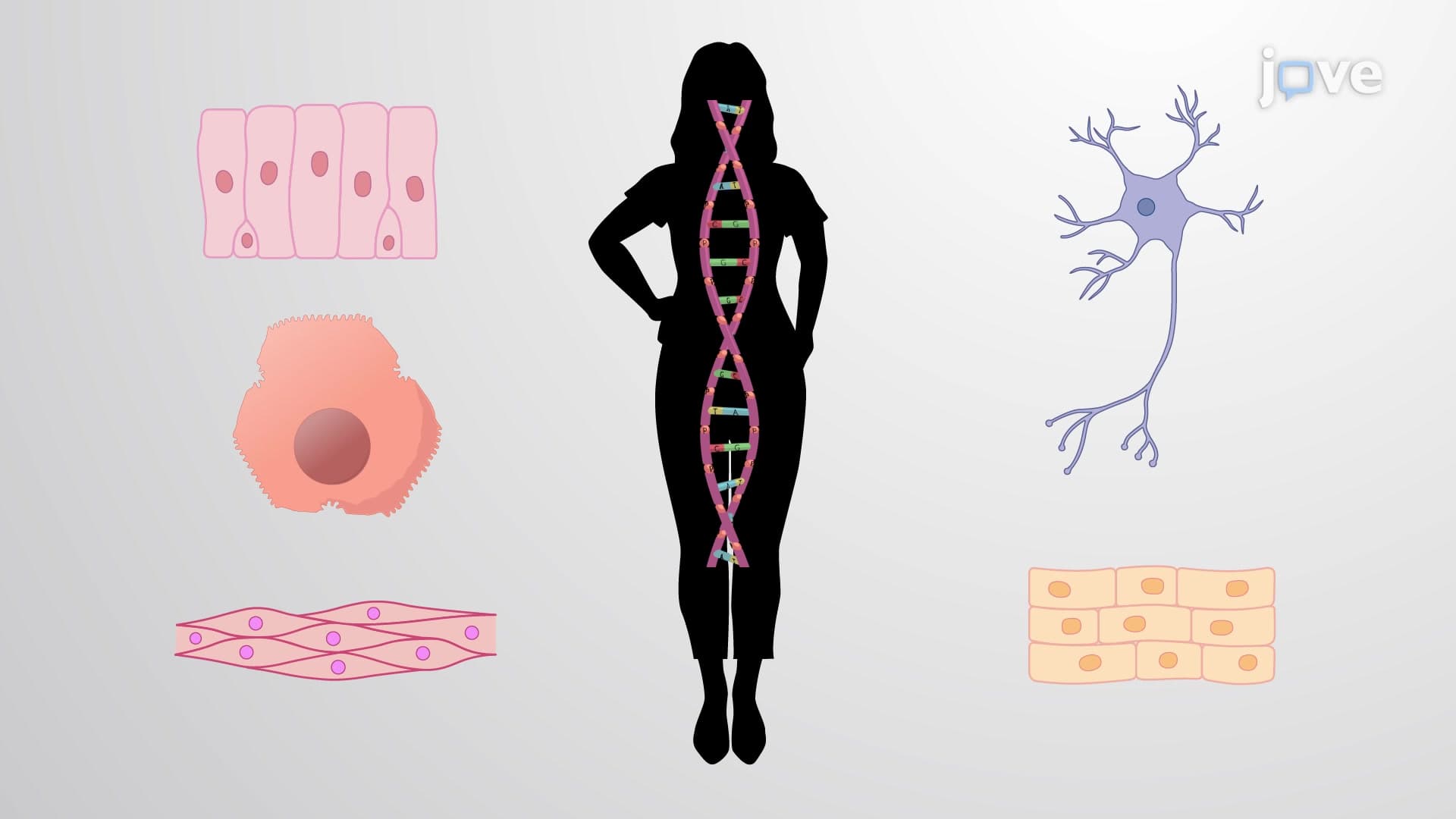
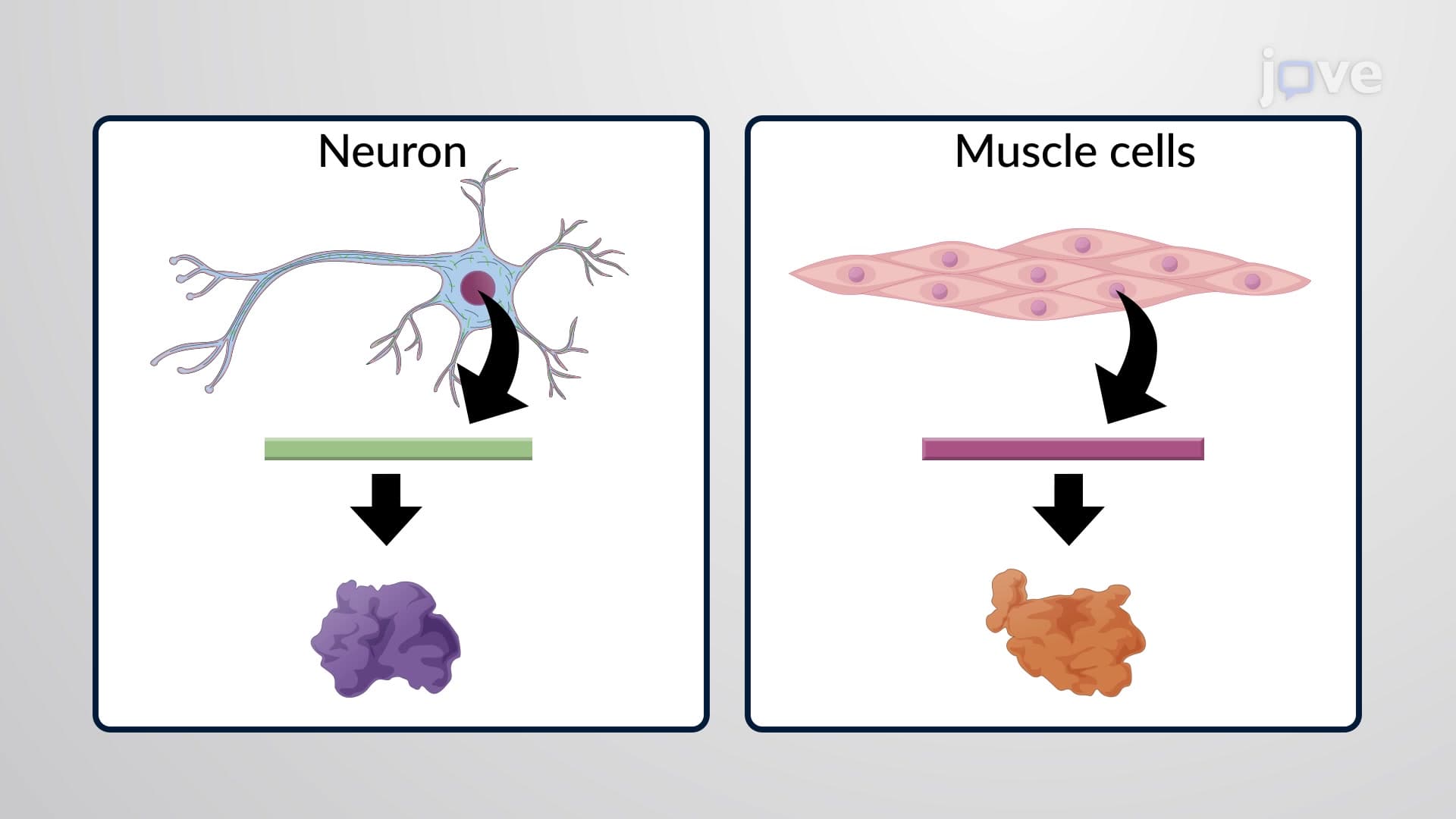
Why can identical twins with the same DNA express different traits? The answer lies in chromatin structure RNA splicing, the intricate process where DNA packaging directly controls which gene segments become functional proteins. At Stanford University, researchers discovered that chromatin modifications can alter splicing patterns in over 40% of human genes, dramatically affecting cellular identity. Chromatin Structure And RNA Splicing Explained reveals how histone modifications and DNA organization create a dynamic regulatory system that determines transcript diversity without changing the underlying genetic code. Watch the full video on JoVE Coach to master this concept with expert-led visuals and step-by-step explanations.
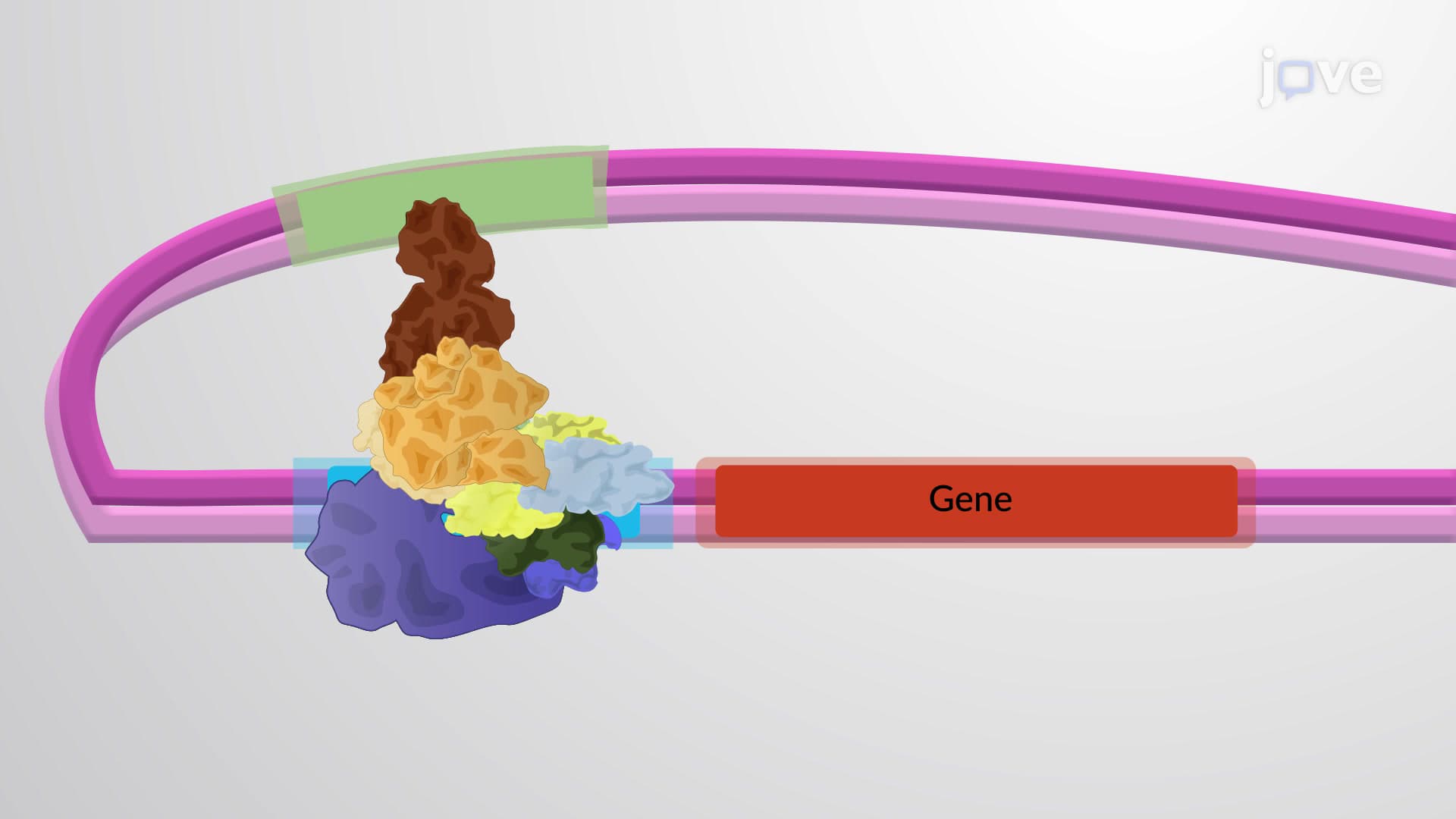
The relationship between chromatin organization and RNA processing represents one of biology's most sophisticated regulatory mechanisms. Unlike the traditional view of splicing as a purely RNA-based process, modern research reveals that chromatin structure actively participates in splice site selection, creating a dynamic interplay between epigenetic modifications and transcript diversity.
Histone acetylation and methylation patterns serve as molecular "zip codes" that direct splicing machinery to specific genomic locations. H3K36me3 methylation, deposited during transcription elongation, recruits splicing enhancers that promote exon inclusion. Conversely, H3K27me3 marks, associated with gene repression, can inhibit splicing factor binding and promote exon skipping. These modifications create chromatin domains that influence splicing decisions across entire gene loci, explaining how single nucleotide changes in histone-modifying enzymes can cause widespread splicing defects in diseases like acute myeloid leukemia.
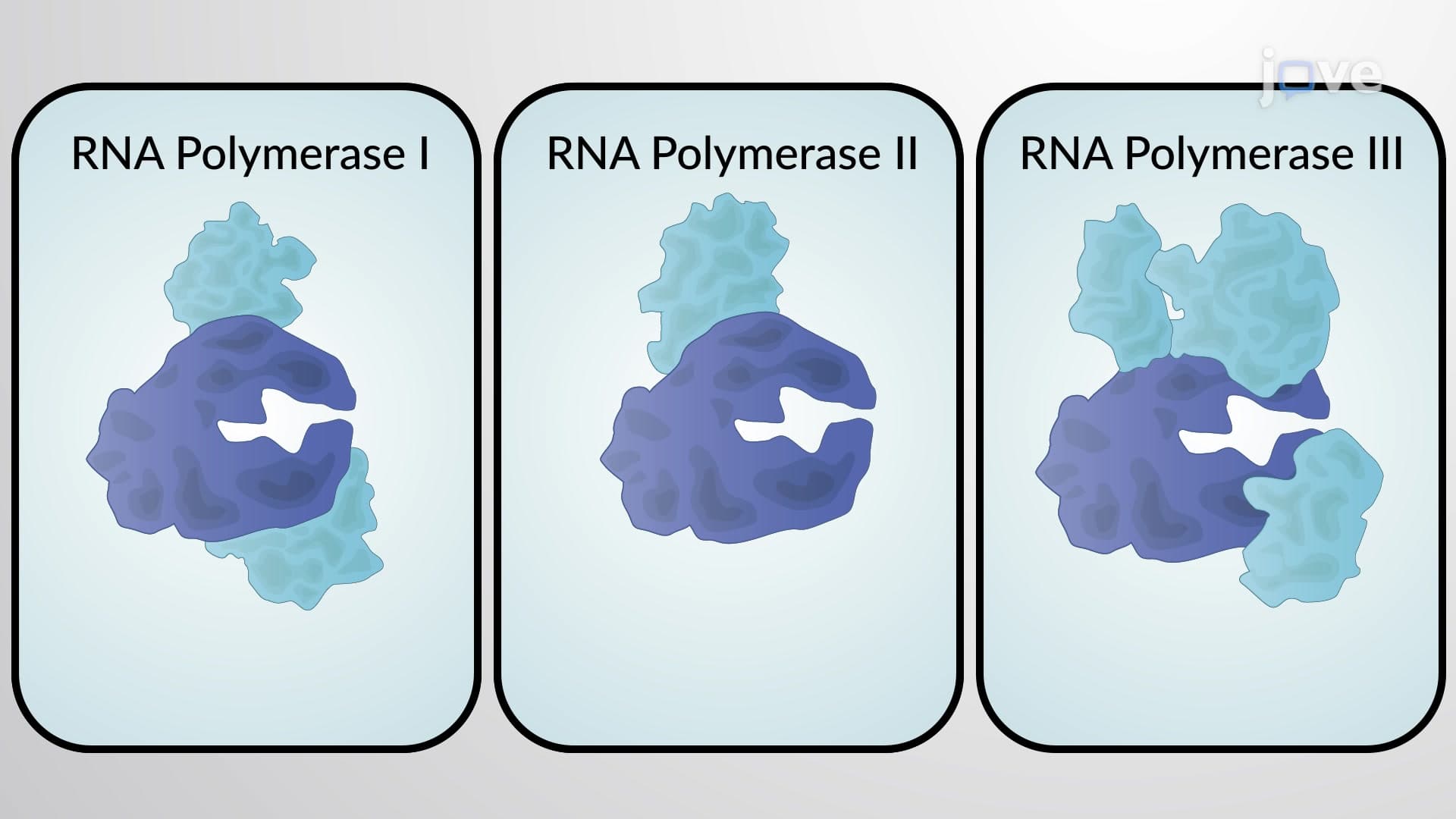
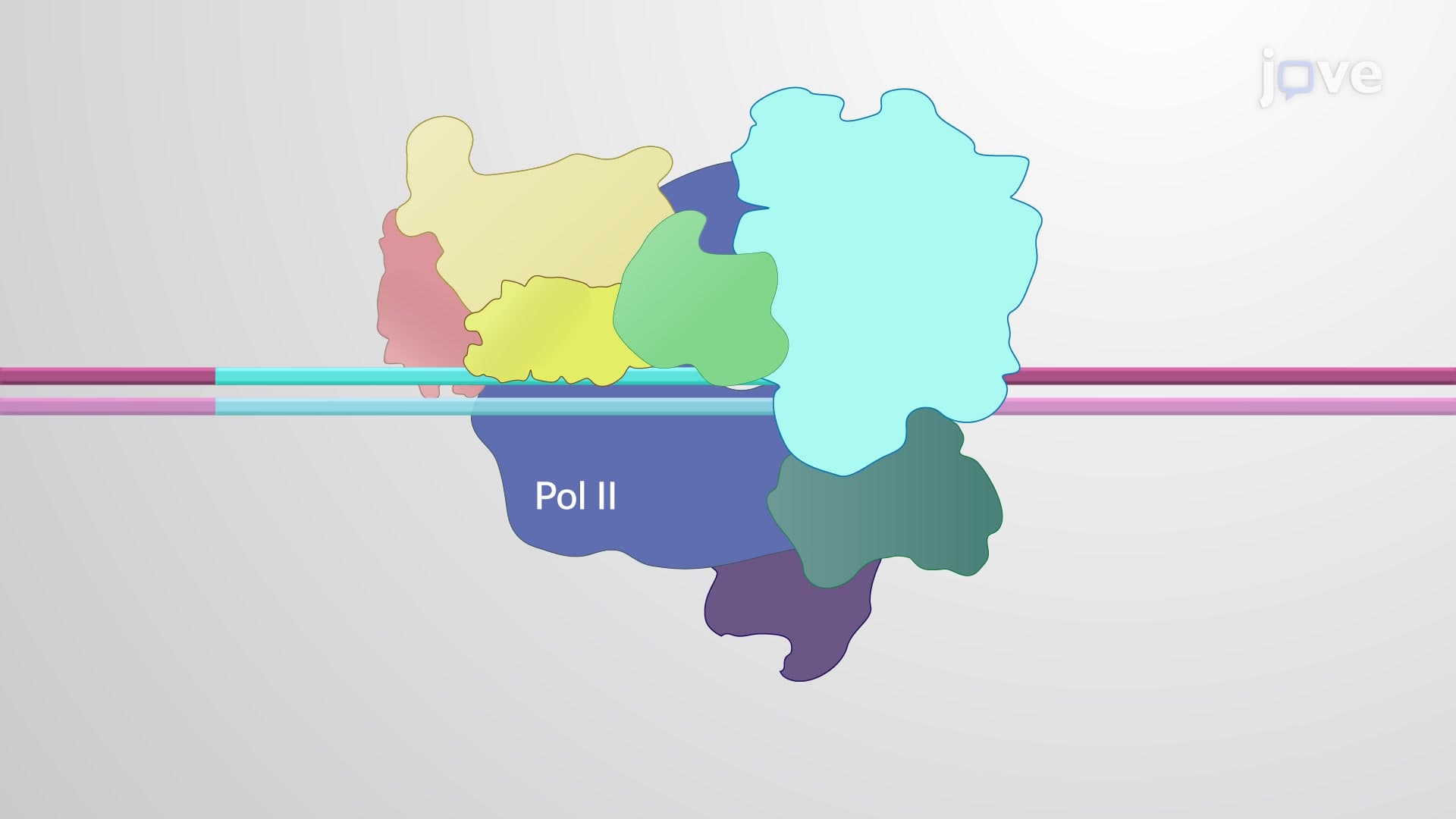
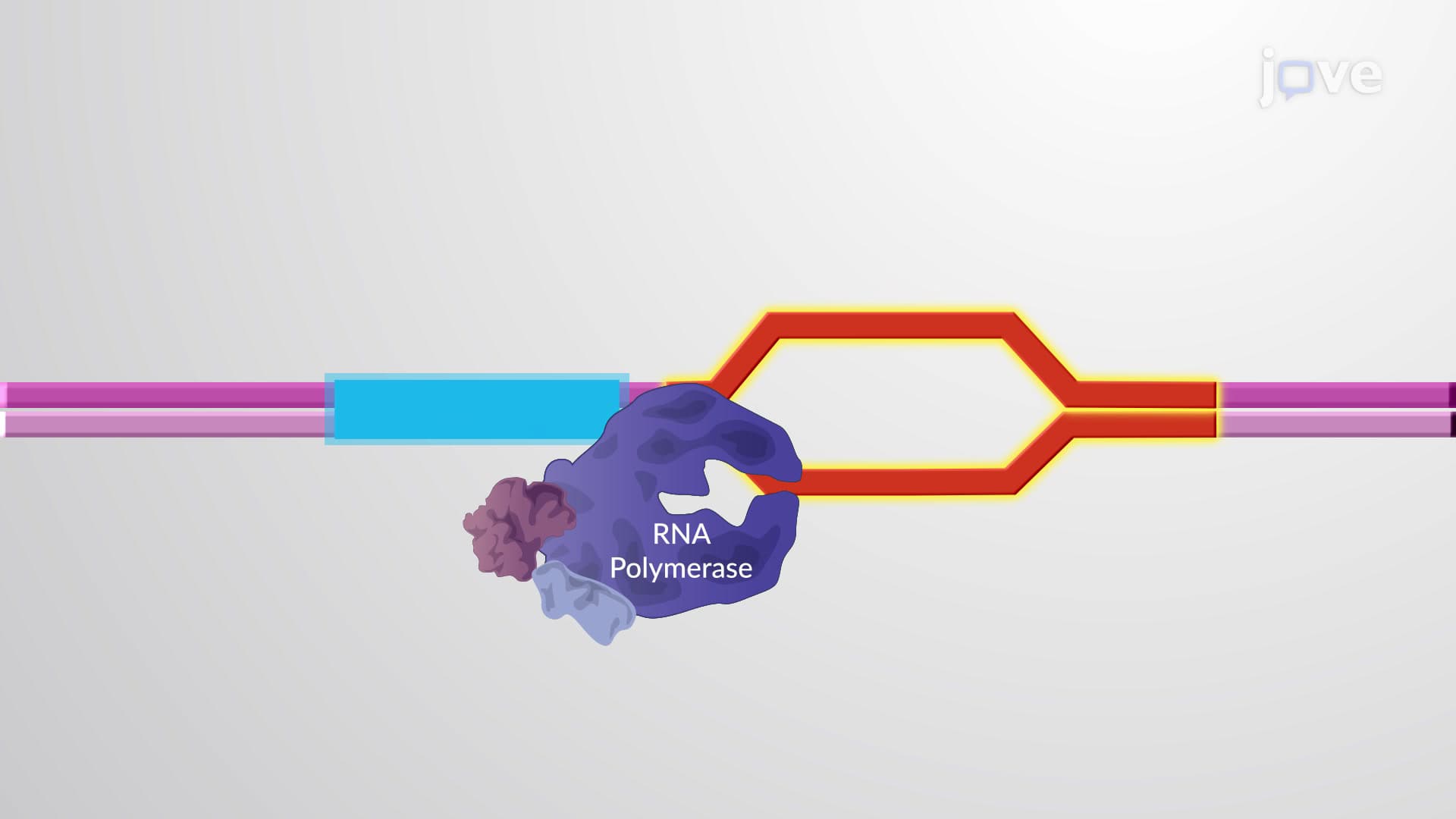
The kinetics of RNA polymerase II directly influence splicing outcomes through a process called kinetic coupling. When polymerase pauses at weak splice sites, it provides additional time for splicing factor assembly, promoting exon inclusion. Fast polymerase elongation favors exon skipping by limiting spliceosome recruitment time. This mechanism explains why chromatin remodeling complexes like SWI/SNF, which alter polymerase processivity, can dramatically shift alternative splicing patterns. Students preparing for AP Biology or college cell biology courses should understand that this represents a key example of how transcription and RNA processing are mechanistically linked.
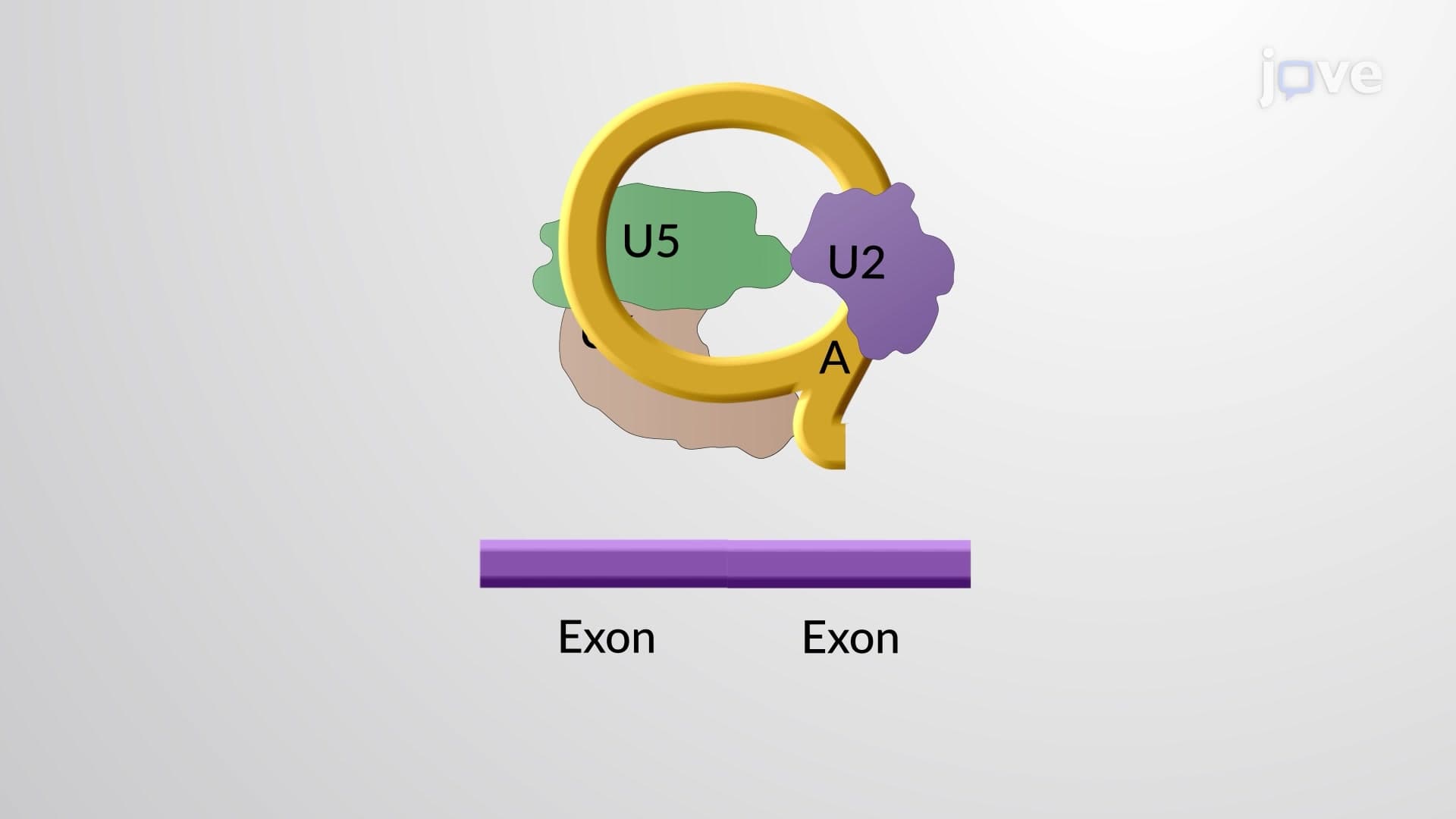
Chromatin-splicing interactions have profound implications for human health and therapeutic development. In spinal muscular atrophy, defective splicing of the SMN2 gene results from chromatin modifications that promote skipping of exon 7. Antisense oligonucleotides designed to alter local chromatin structure have shown promise in clinical trials, demonstrating the therapeutic potential of targeting chromatin-splicing networks. For MCAT preparation, understanding these molecular mechanisms provides essential context for questions about gene regulation and disease pathogenesis.
Related Micro-courses