Loading subject page…


131,141 views


Video Summary: Pre Mrna Processing Modification of Explained
Ever wonder why some genetic diseases like Huntington's disease affect brain cells differently than other tissues? The answer lies in pre mRNA processing modification, a critical cellular mechanism that fine-tunes gene expression in eukaryotic cells. This process transforms newly transcribed pre-mRNA through strategic chemical modifications at both ends of the molecule. In patients with spinal muscular atrophy, a genetic disorder affecting approximately 1 in 11,000 Americans, defective pre mRNA processing modification of survival motor neuron genes leads to progressive muscle weakness. Watch the full video on JoVE Coach to master this concept with expert-led visuals and step-by-step explanations.
Pre mRNA processing modification of newly transcribed RNA represents one of the most sophisticated quality control mechanisms in molecular biology. Unlike prokaryotic mRNA, which can be translated immediately after transcription, eukaryotic pre-mRNA undergoes extensive modifications that transform it into a mature, stable transcript capable of surviving the journey from nucleus to ribosome.
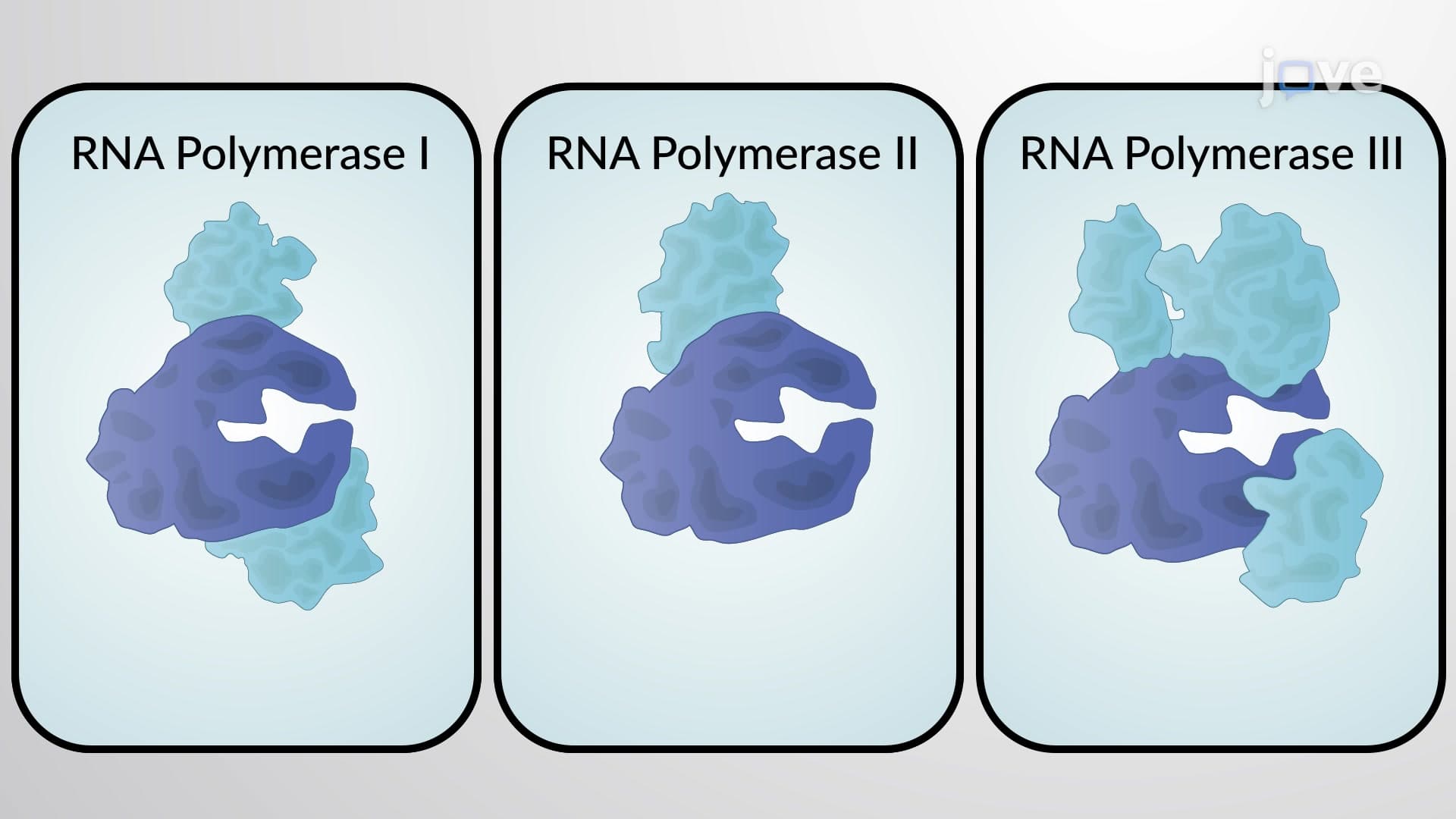
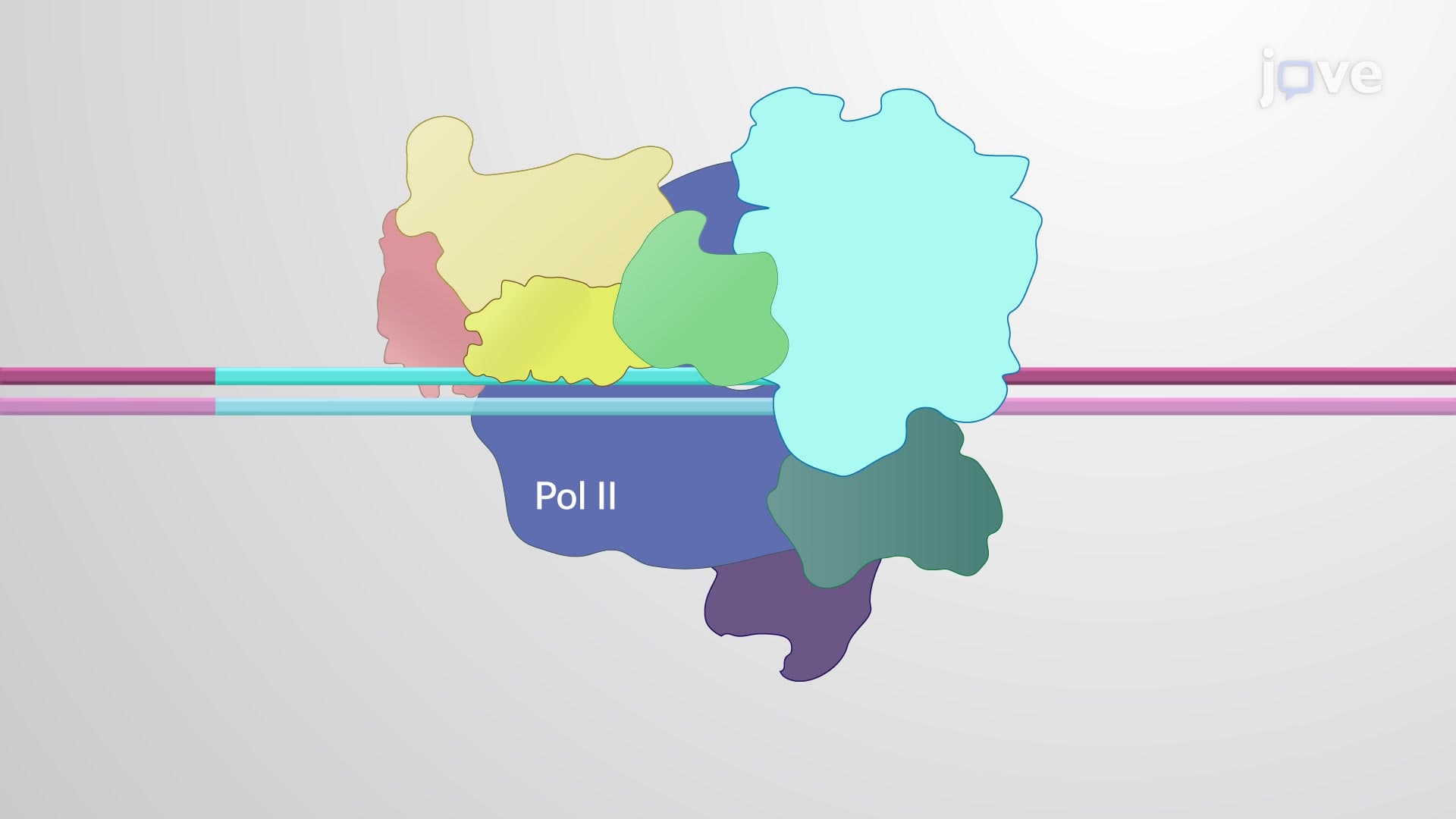
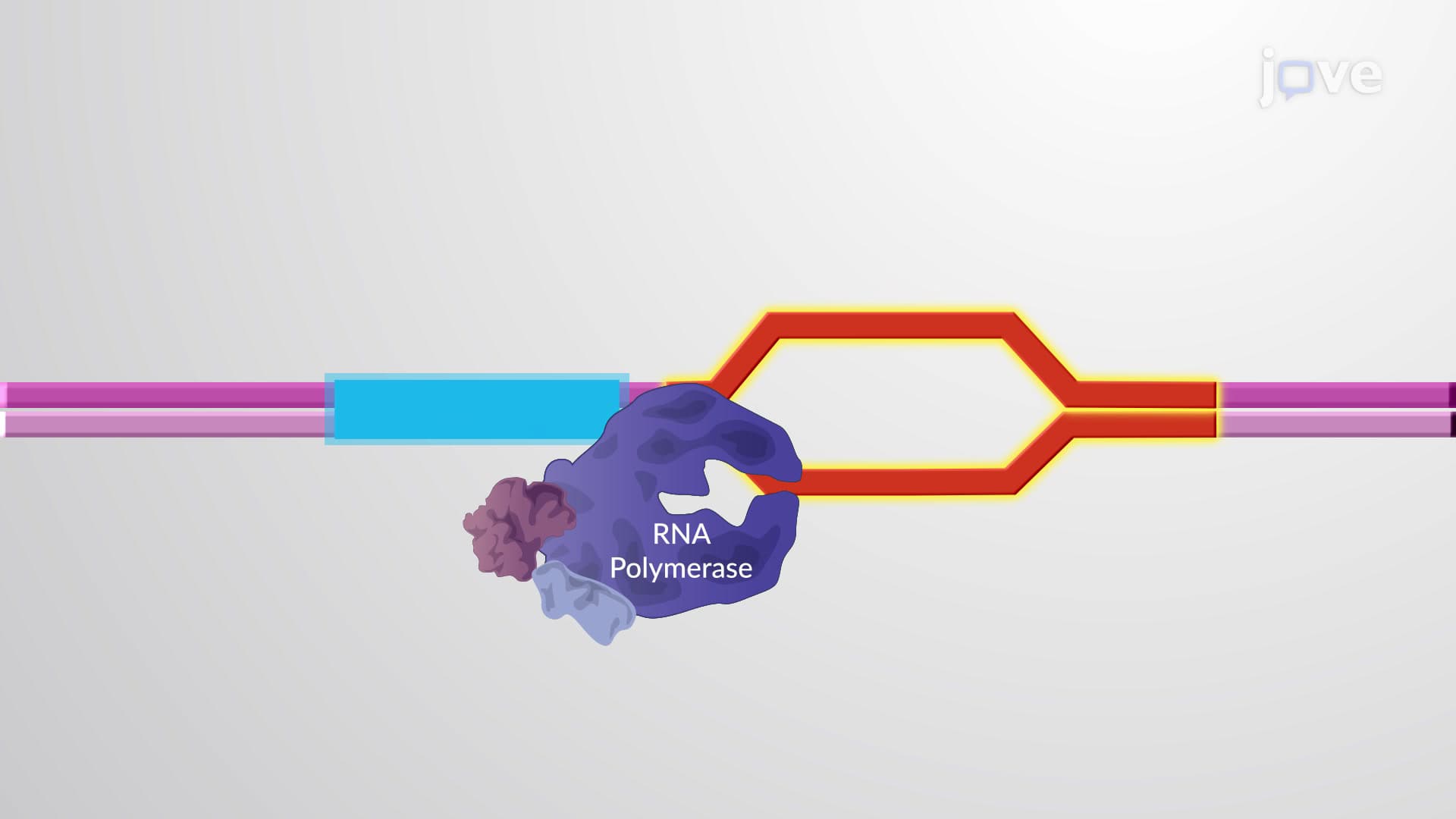
The 5' cap structure represents a unique molecular modification found exclusively in eukaryotic mRNA. This cap consists of 7-methylguanosine connected through an unusual 5'-5' triphosphate linkage to the first transcribed nucleotide. The capping process occurs co-transcriptionally, meaning it happens while RNA polymerase II is still actively transcribing the gene.
This modification serves multiple critical functions. First, it protects the mRNA from 5' to 3' exonuclease activity, which would otherwise rapidly degrade the transcript. Second, the cap structure acts as a molecular beacon that helps ribosomes recognize and bind to mRNA during translation initiation. Students preparing for the MCAT or AP Biology exams should understand that cap-binding proteins facilitate this recognition process.
The 3' end modification involves a complex series of enzymatic reactions initiated by the polyadenylation signal sequence. This hexanucleotide sequence (typically AAUAAA in humans) recruits a multi-protein complex called the cleavage and polyadenylation specificity factor (CPSF). An associated endonuclease cleaves the pre-mRNA downstream of this signal, creating a free 3' hydroxyl group.
Polyadenylate polymerase (PAP) then adds approximately 200-250 adenine residues to form the poly-A tail. This tail length is dynamically regulated and can influence mRNA stability and translation efficiency. In clinical contexts, mutations affecting polyadenylation signals can cause diseases like β-thalassemia, where defective globin mRNA processing leads to severe anemia.
Both modifications work synergistically to ensure mRNA functionality. The combination of 5' cap and 3' poly-A tail creates a "closed loop" structure through protein-protein interactions between cap-binding proteins and poly-A-binding proteins. This structure enhances translation efficiency and mRNA stability.
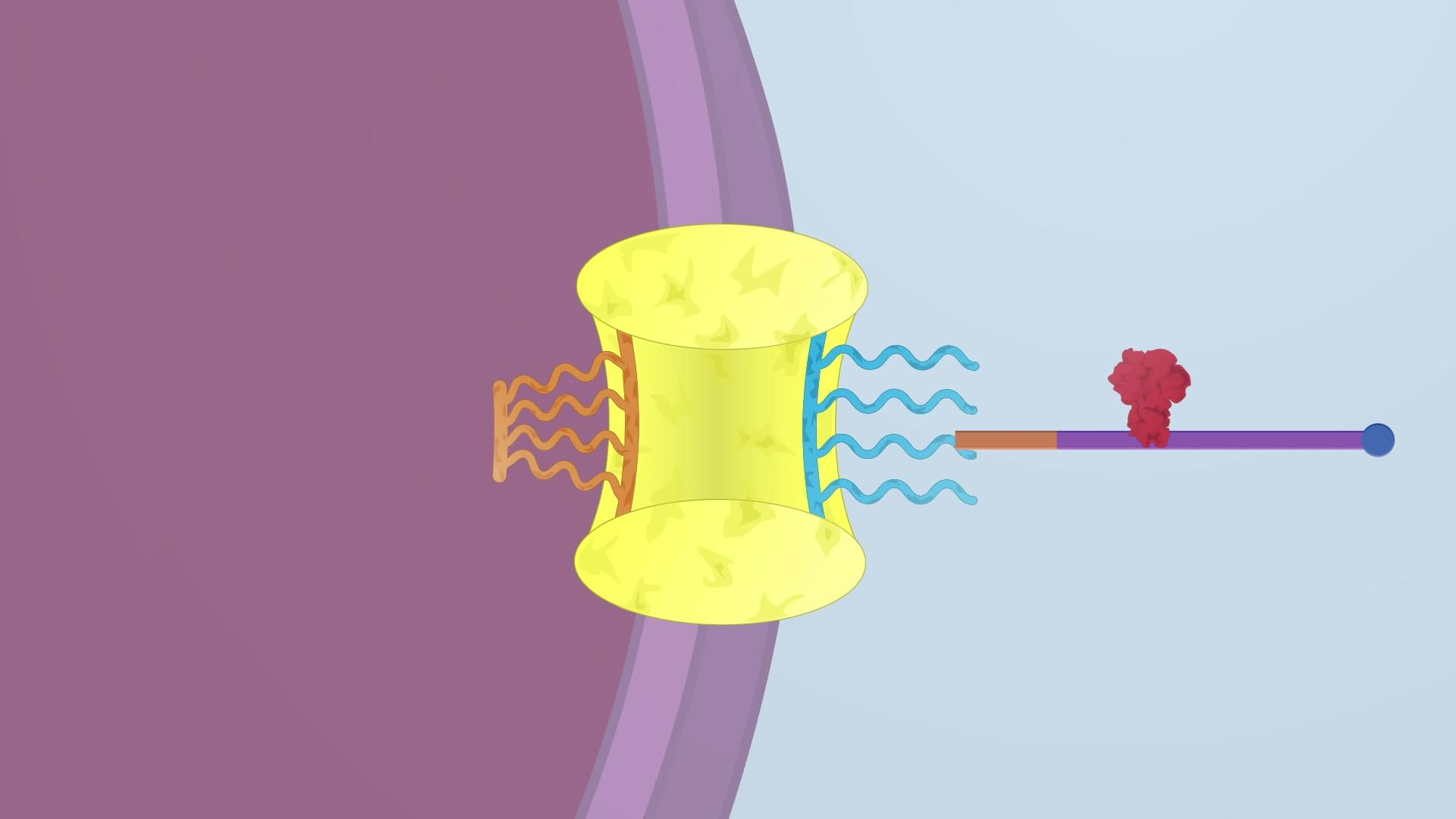
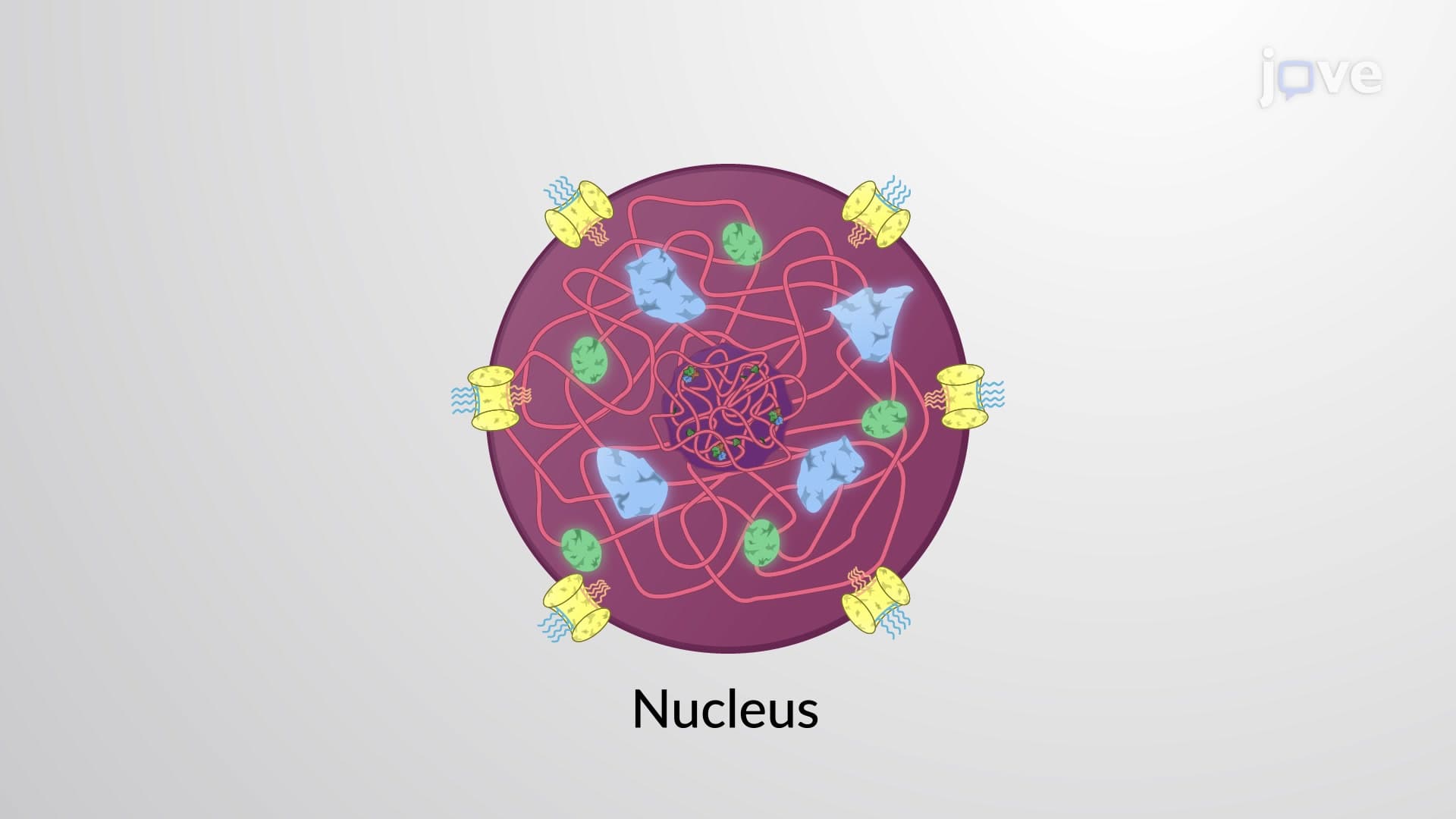
College students studying molecular biology should recognize that these modifications are essential for nuclear export. Only properly processed mRNA can exit the nucleus through nuclear pores, serving as a quality control checkpoint that prevents translation of defective transcripts.
Related Micro-courses