Loading subject page…

- Cell Biology
- Transcription: DNA to RNA
- Pre-mRNA Processing: RNA Splicing
Micro-course: Transcription: DNA to RNA
131,141 views
Learn key concepts and earn your certificate.




Pre-mRNA Processing: RNA Splicing

00:00
01:32
Video Summary: Pre Mrna Processing RNA Splicing Explained
Did you know that your DNA contains "junk" sequences that must be removed before making functional proteins? Pre mRNA processing RNA involves the critical step of splicing, where cells cut out non-coding introns and splice together coding exons to create mature mRNA. Consider how mutations in BRCA1 gene splicing contribute to hereditary breast cancer in thousands of American families annually. Pre MRNA Processing RNA Splicing Explained reveals how this molecular editing process enables one gene to produce multiple protein variants. Watch the full video on JoVE Coach to master this concept with expert-led visuals and step-by-step explanations.
- Understand the fundamental process of Pre MRNA Processing RNA Splicing Explained and distinguish between introns and exons in gene structure
- Identify the key components of the spliceosome complex, including snRNAs and associated proteins that catalyze splicing reactions
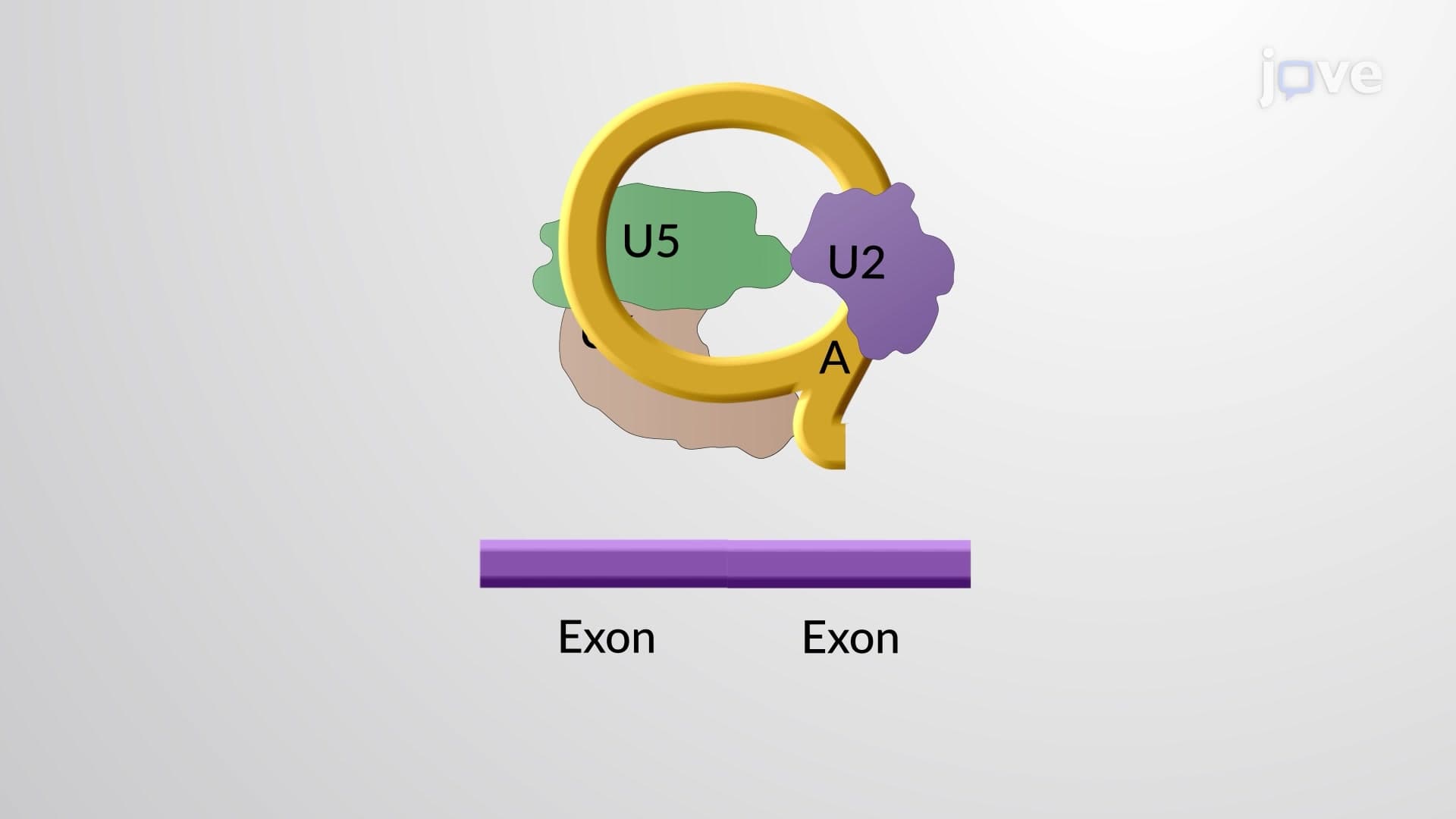
- Analyze the stepwise mechanism of RNA splicing, from splice site recognition through lariat formation to exon ligation
- Compare constitutive splicing with alternative splicing patterns and their roles in generating protein diversity
- Evaluate how regulatory elements and splicing factors influence splice site selection in different cellular contexts
- Apply knowledge of splicing mutations to understand genetic diseases and cancer development
- Recognize the biological significance of RNA splicing in cellular differentiation and developmental processes
- Explore the historical impact of splicing discovery on modern molecular biology and therapeutic development
Understanding Pre MRNA Processing RNA Splicing Fundamentals
Pre MRNA processing RNA splicing represents one of the most sophisticated molecular editing systems in eukaryotic cells. Unlike prokaryotic genes, human genes contain non-coding sequences called introns that interrupt coding sequences (exons). This discovery revolutionized our understanding of gene structure when scientists like Richard Roberts and Phillip Sharp first observed splicing in the 1970s, earning them the Nobel Prize in Physiology or Medicine.
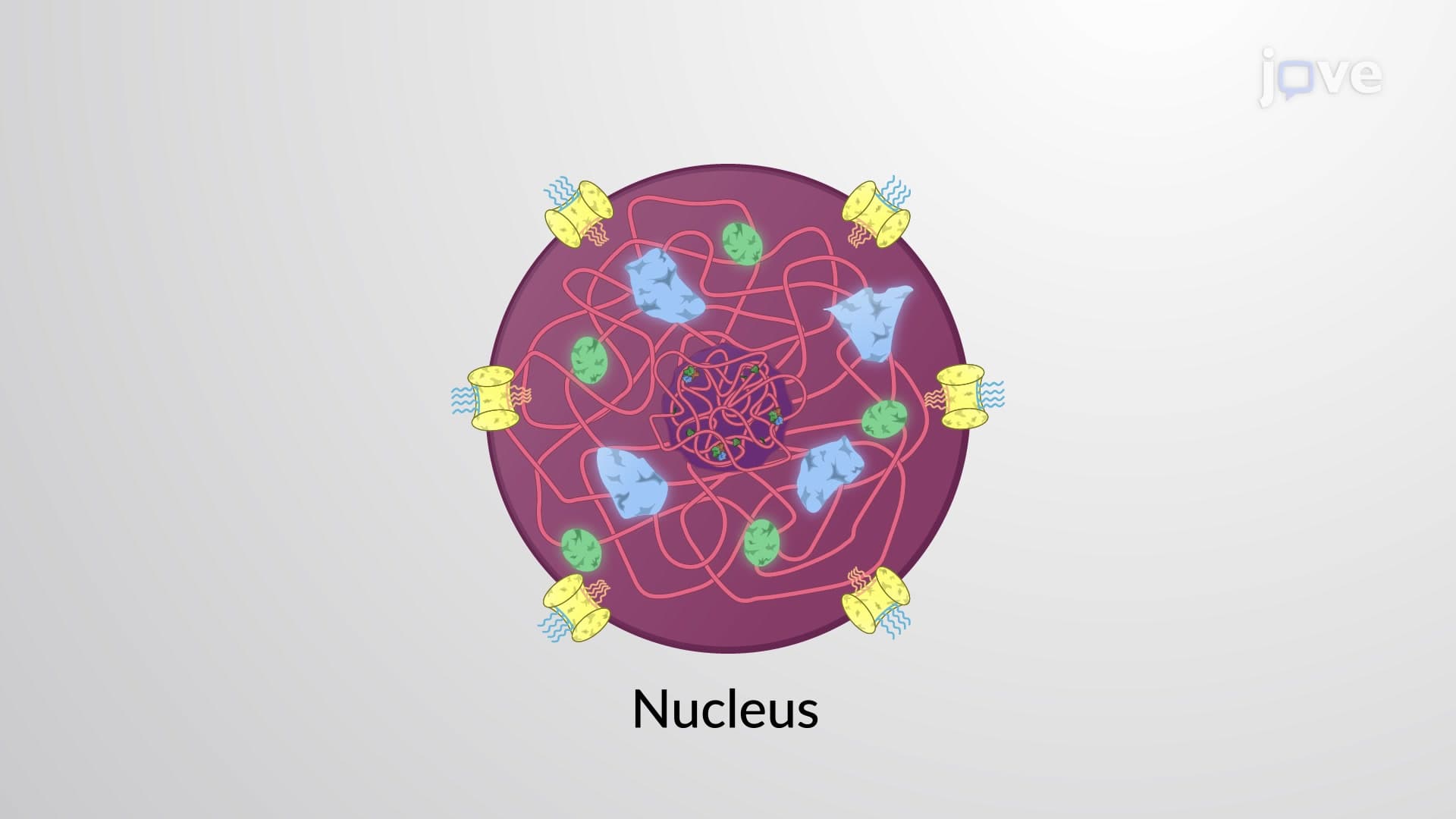
The splicing process occurs in the nucleus immediately after transcription. Pre-mRNA molecules contain both introns and exons, but only exons carry the genetic code for protein synthesis. The cell must precisely remove introns while joining exons in the correct order-a process that's both highly accurate and remarkably complex.
The Spliceosome: Nature's Molecular Editor
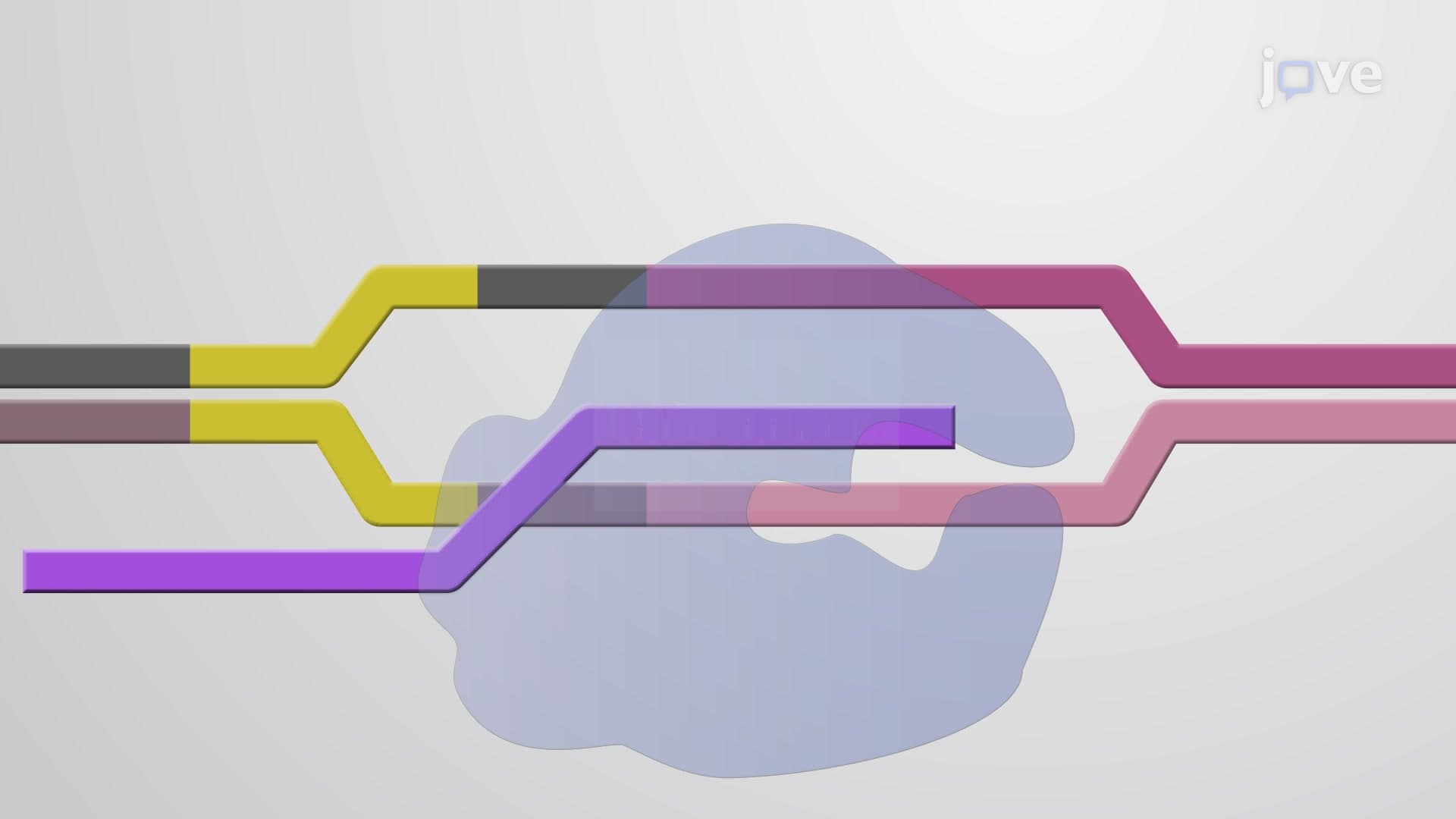
The spliceosome functions as a dynamic ribonucleoprotein machine composed of five small nuclear ribonucleoproteins (snRNPs): U1, U2, U4, U5, and U6. These components assemble on each intron through a carefully orchestrated sequence of interactions. U1 snRNP first recognizes the 5' splice site, while U2 snRNP binds to the branch point sequence within the intron.
This process requires extraordinary precision-consider that the average human gene contains 7-8 introns, and even a single nucleotide error in splicing can cause disease. Tay-Sachs disease, prevalent in Ashkenazi Jewish populations in the United States, often results from splicing mutations in the HEXA gene that prevent normal enzyme production.
Alternative Splicing and Protein Diversity
Alternative splicing allows one gene to produce multiple protein isoforms, dramatically expanding the human proteome. While humans have approximately 20,000 genes, alternative splicing generates over 100,000 different proteins. The DSCAM gene in neural development represents an extreme example, theoretically capable of producing over 38,000 different proteins through alternative splicing.
This mechanism proves crucial for tissue-specific gene expression. For instance, the troponin T gene undergoes different splicing patterns in cardiac versus skeletal muscle, producing proteins optimized for each tissue's contractile requirements. Students preparing for the MCAT or AP Biology exams should understand how alternative splicing contributes to cellular specialization and human physiological diversity.
Clinical Significance and Disease Applications
Splicing errors contribute to approximately 15% of human genetic diseases. The FDA-approved drug nusinersen (Spinraza) exemplifies how understanding splicing mechanisms leads to therapeutic breakthroughs. This antisense oligonucleotide treats spinal muscular atrophy by correcting splicing defects in the SMN2 gene, highlighting the clinical relevance of splicing research for American patients and families.
Frequently Asked Questions
Pre mRNA processing RNA splicing is the cellular mechanism that removes non-coding intron sequences from newly transcribed RNA and joins coding exon sequences together. This process is essential because it converts immature pre-mRNA into functional mature mRNA that can be translated into proteins. Without proper splicing, cells cannot produce the correct proteins needed for survival and function.
MCAT questions often test splicing in the context of gene regulation, protein diversity, and disease mechanisms, particularly in the Biological and Biochemical Foundations section. AP Biology typically includes splicing in free-response questions about gene expression regulation and molecular biology processes. Students should understand both the mechanism and biological significance of alternative splicing for these standardized tests.
Defective RNA splicing can cause genetic diseases when introns aren't properly removed or exons are incorrectly joined. This can result in nonfunctional proteins or proteins with altered functions. Examples include certain forms of beta-thalassemia, cystic fibrosis mutations, and hereditary cancers where splicing mutations disrupt tumor suppressor genes like BRCA1.
The FDA has approved several splice-modulating therapies, including nusinersen (Spinraza) for spinal muscular atrophy and eteplirsen (Exondys 51) for Duchenne muscular dystrophy. These medications work by correcting faulty splicing patterns to restore normal protein production. Antisense oligonucleotide therapy represents a growing field that directly targets splicing mechanisms for treating genetic diseases.
You can grasp the fundamental concepts of RNA splicing with basic knowledge of DNA, RNA, and protein synthesis from introductory biology courses. The key is understanding the relationship between gene structure (introns and exons) and the need for RNA processing before translation. Advanced mechanistic details come later in upper-level molecular biology courses.
Focus on creating concept maps that connect gene structure, splicing mechanism, and biological outcomes. Practice drawing the splicing process step-by-step, including spliceosome assembly and lariat formation. Use active recall by explaining how alternative splicing increases protein diversity and relating splicing errors to specific diseases. Many students find success using spaced repetition for memorizing snRNP components and their functions.
RNA splicing links directly to gene regulation, protein synthesis, and cellular differentiation. It connects to epigenetics through splicing enhancers and silencers, to development through tissue-specific splicing patterns, and to cancer biology through oncogene and tumor suppressor regulation. This makes splicing a central concept for understanding how cells control gene expression in health and disease.
Build on your splicing knowledge by exploring other RNA processing events like 5' capping and 3' polyadenylation, which work together with splicing in mRNA maturation. Then advance to post-transcriptional gene regulation, including microRNA and long non-coding RNA mechanisms. These topics form an integrated understanding of how cells fine-tune gene expression beyond the DNA level.
Related Micro-courses

11 Concepts

14 Concepts

16 Concepts