Loading subject page…


131,141 views
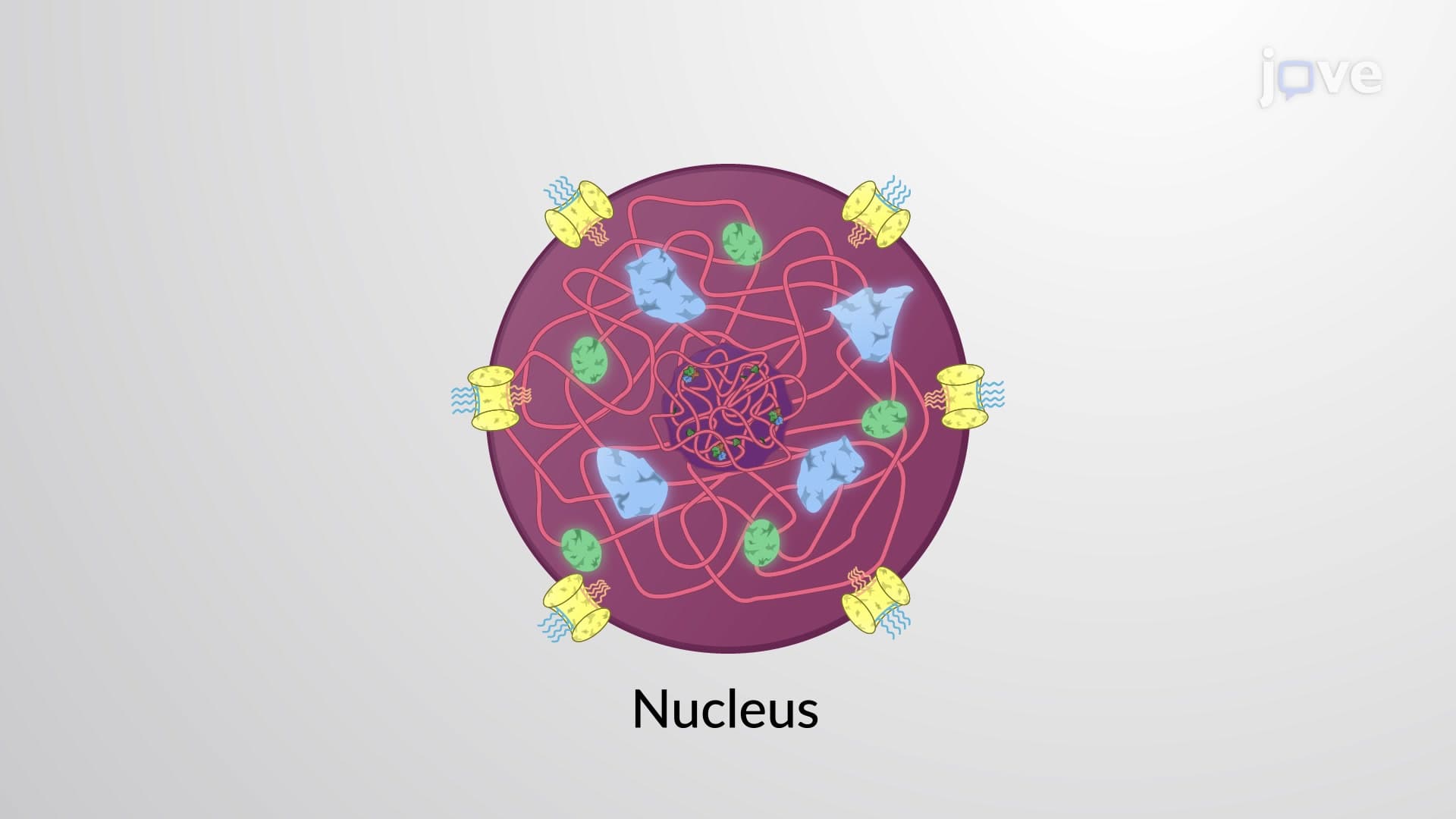

Video Summary: What are Additional Subnuclear Structures
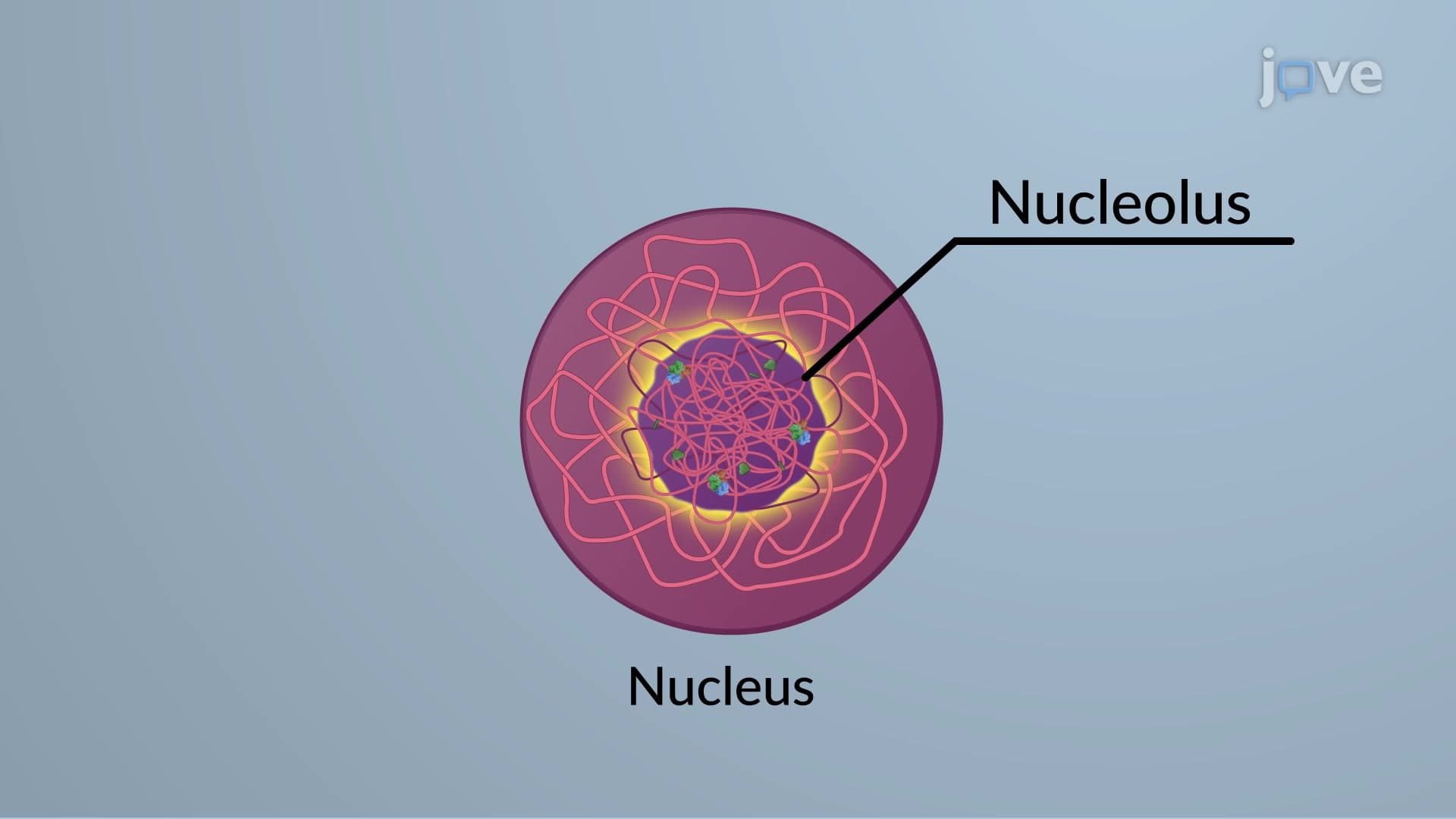
Did you know that your cell nucleus contains specialized compartments that work like tiny factories, each with a unique job? Additional subnuclear structures are membrane-free organelles within the nucleus that organize gene expression and RNA processing beyond the well-known nucleolus. These dynamic structures, including Cajal bodies and nuclear speckles, play crucial roles in diseases like acute promyelocytic leukemia, which affects thousands of Americans annually. Understanding what are additional subnuclear structures reveals how cells maintain precise control over genetic information. Watch the full video on JoVE Coach to master this concept with expert-led visuals and step-by-step explanations.
Additional subnuclear structures represent a paradigm shift in our understanding of nuclear organization. Unlike the traditional view of the nucleus as a uniform space containing only the nucleolus, modern cell biology reveals a highly compartmentalized environment filled with specialized, membrane-free organelles. These structures form through phase separation-a process where specific proteins and RNAs spontaneously organize into distinct compartments, much like oil separating from water.
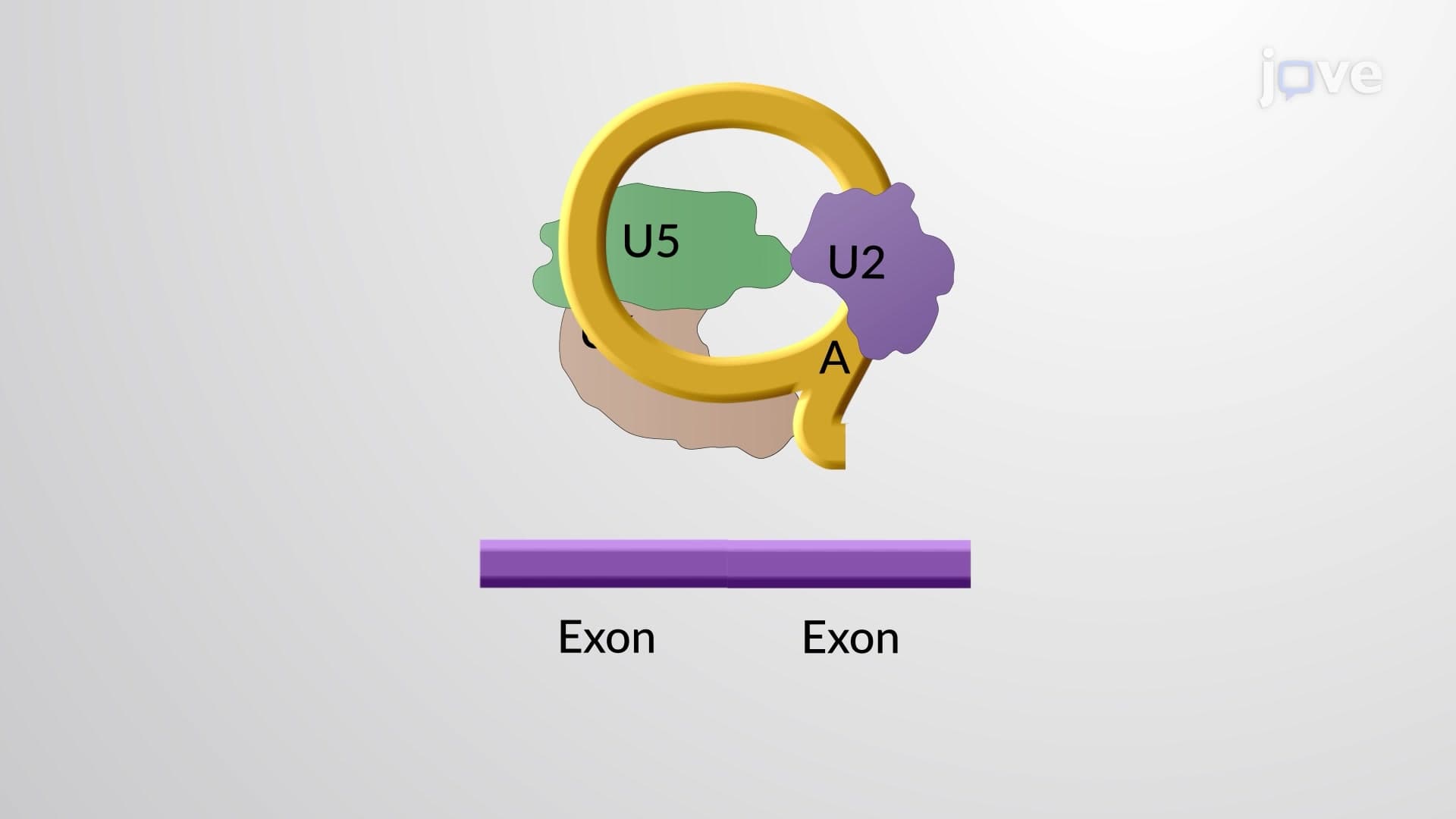
Cajal bodies function as sophisticated assembly and modification centers for small nuclear ribonucleoproteins (snRNPs), the essential components of the spliceosome. Named after Spanish neuroanatomist Santiago Ramón y Cajal, these structures contain approximately 80-200 proteins and numerous RNA species. Students preparing for the MCAT should understand that Cajal bodies ensure proper snRNP maturation through processes like pseudouridylation and methylation of snRNAs. In human cells, typically 2-10 Cajal bodies exist per nucleus, with their number increasing during periods of high transcriptional activity.
Nuclear speckles serve as storage depots for pre-mRNA splicing factors, including SR proteins essential for alternative splicing regulation. These structures become particularly active during tissue development when complex splicing patterns determine cell fate. For AP Biology students, understanding nuclear speckles helps explain how cells produce multiple protein variants from single genes-a concept frequently tested in advanced placement exams.
PML bodies, named after the promyelocytic leukemia protein, represent multifunctional nuclear domains involved in transcriptional regulation, DNA damage response, and apoptosis. The clinical relevance becomes apparent in acute promyelocytic leukemia, where PML-RARα fusion proteins disrupt normal PML body function. This connection exemplifies how basic cell biology knowledge directly applies to understanding disease mechanisms and therapeutic strategies used in major US cancer centers.
Paraspeckles represent the newest addition to the subnuclear structure family, discovered only in 2002. These structures form around long non-coding RNAs and regulate gene expression through RNA editing and retention mechanisms. College students studying molecular biology should appreciate how paraspeckles demonstrate the expanding roles of non-coding RNAs in cellular regulation-a rapidly evolving field with implications for understanding neurological disorders and cancer progression.
Related Micro-courses