Loading subject page…


131,148 views

Video Summary: What are Eukaryotic RNA Polymerases
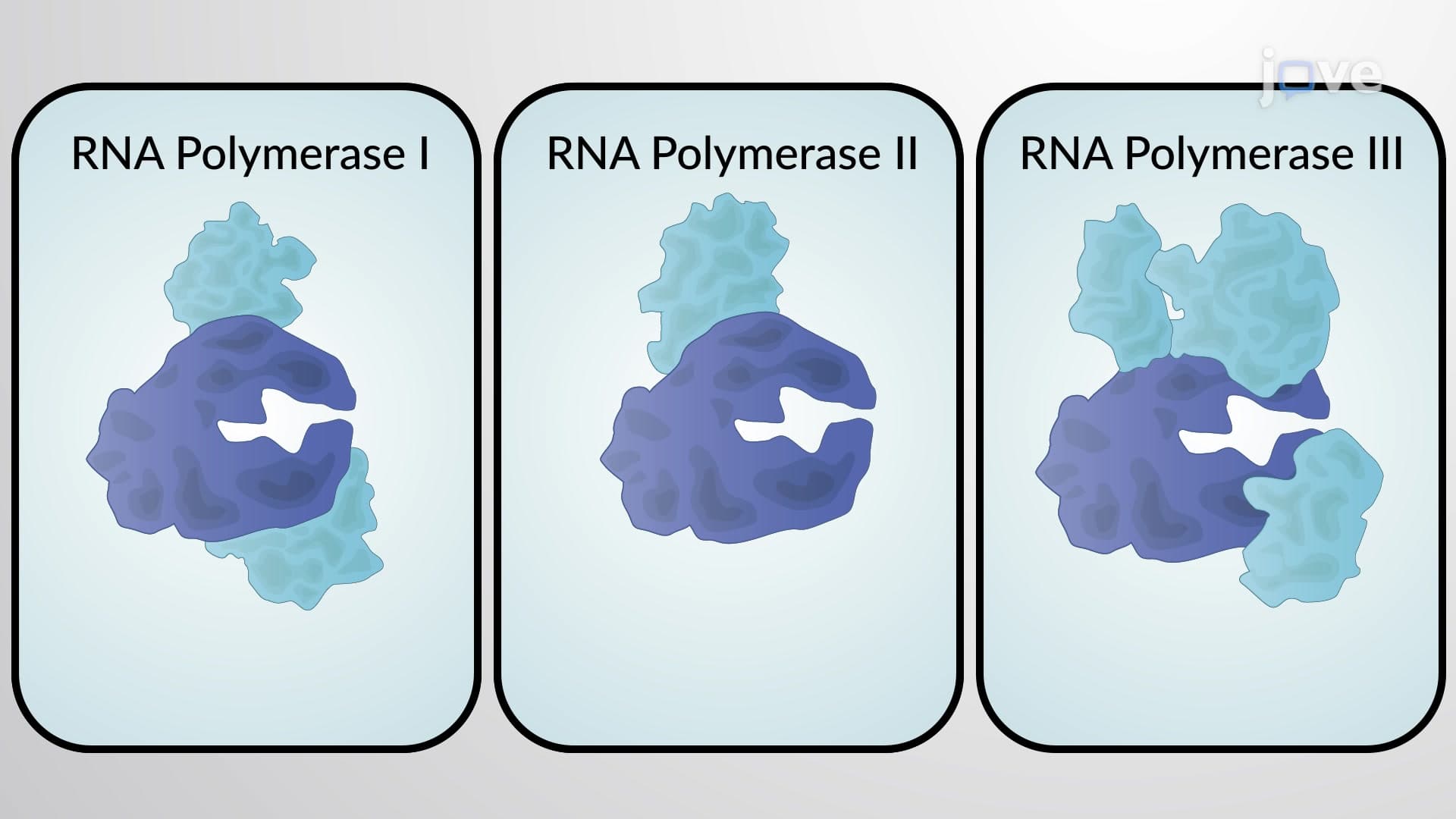
Did you know that while bacteria use just one RNA polymerase for all transcription, human cells employ three specialized molecular machines? Eukaryotic RNA polymerases are three distinct enzymes-RNA polymerase I, II, and III-that each transcribe specific gene types with remarkable precision. For instance, when researchers at Johns Hopkins University study cancer gene expression, they focus heavily on RNA polymerase II dysfunction. Watch the full video on JoVE Coach to master this concept with expert-led visuals and step-by-step explanations.
Eukaryotic RNA polymerases represent one of the most elegant examples of cellular specialization. Unlike the single RNA polymerase found in bacteria like *E. coli*, eukaryotic cells evolved three distinct RNA polymerases, each optimized for transcribing specific gene classes. This specialization allows for more precise gene regulation-a critical advantage for complex multicellular organisms.
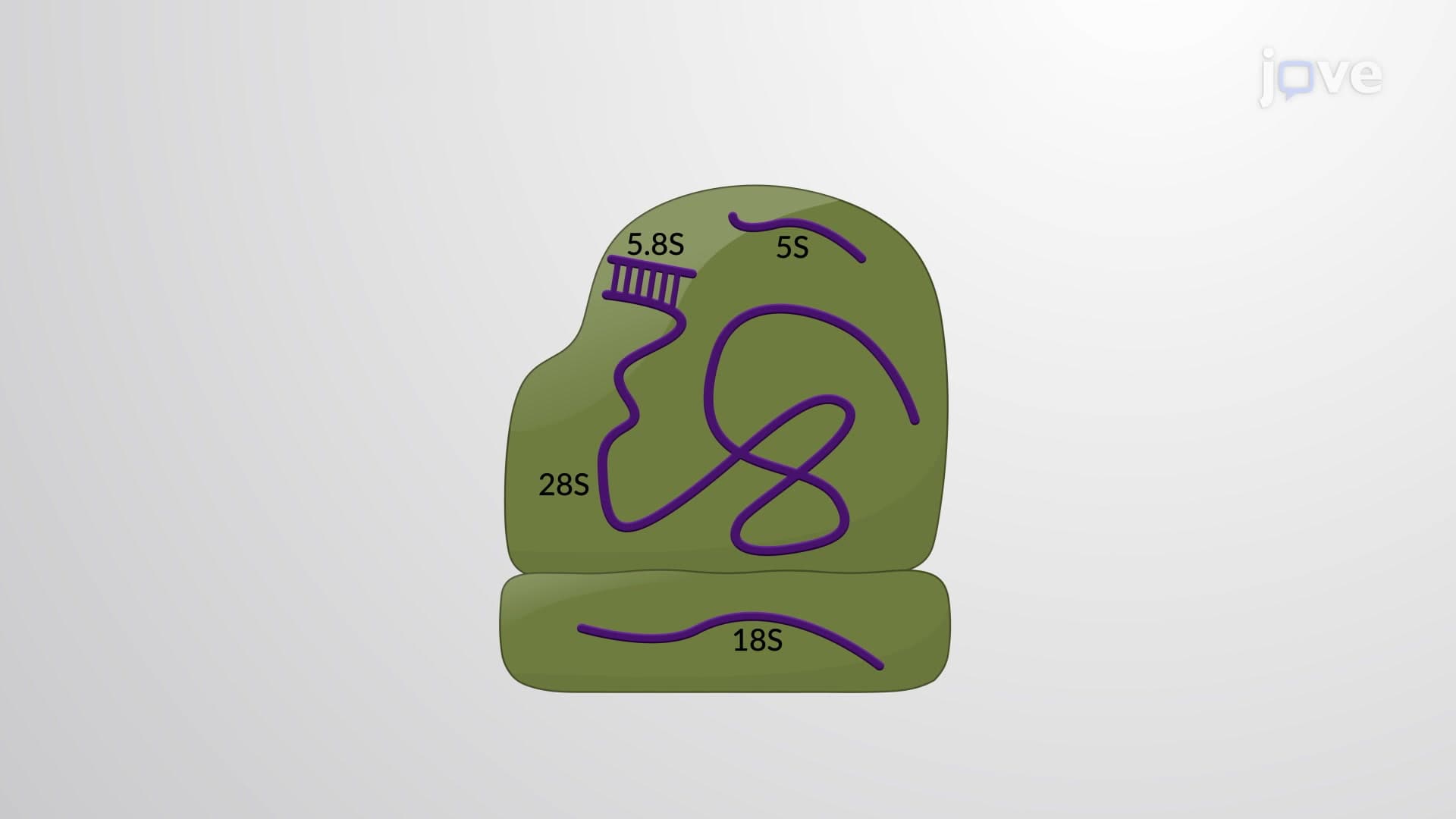
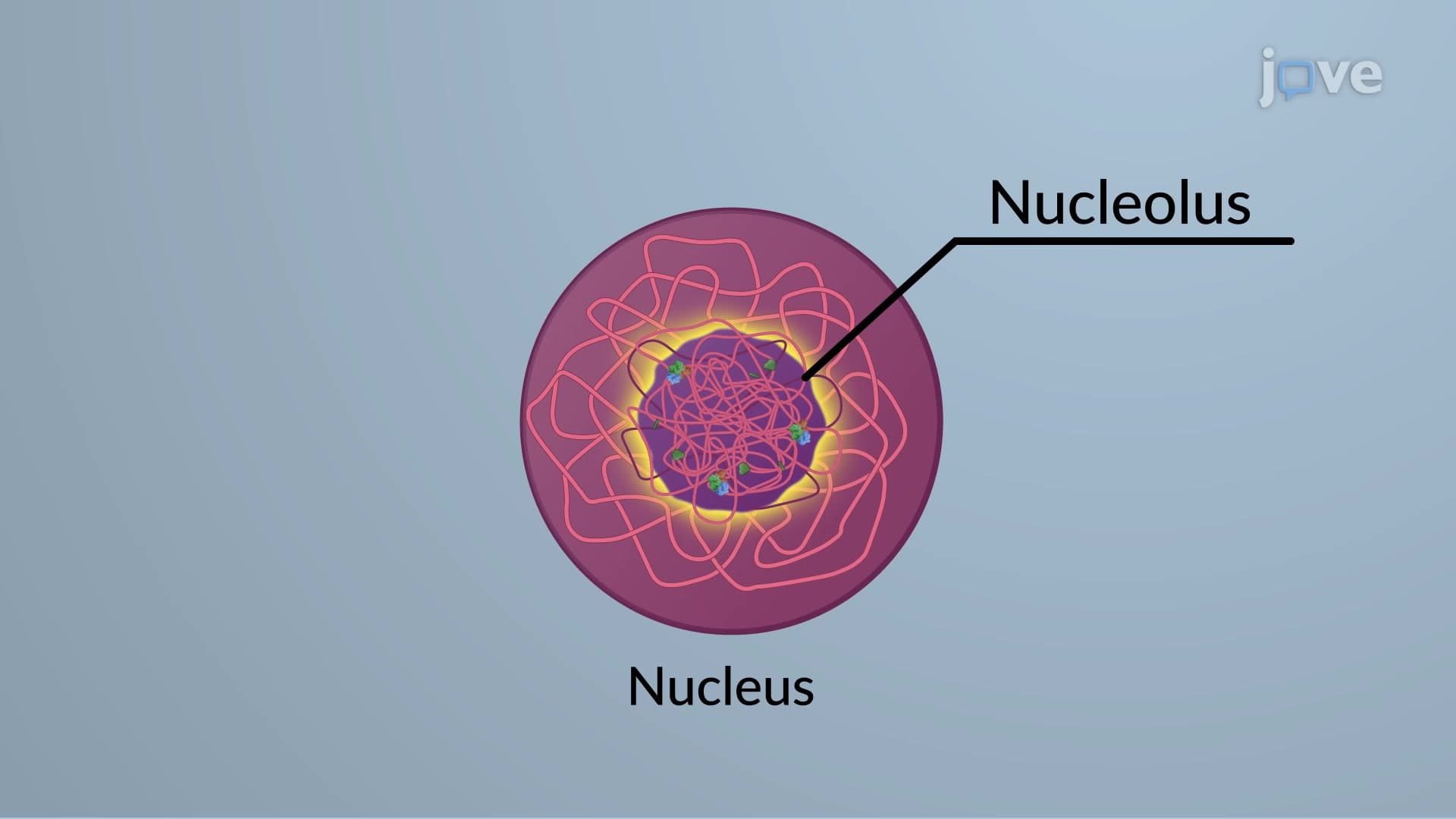
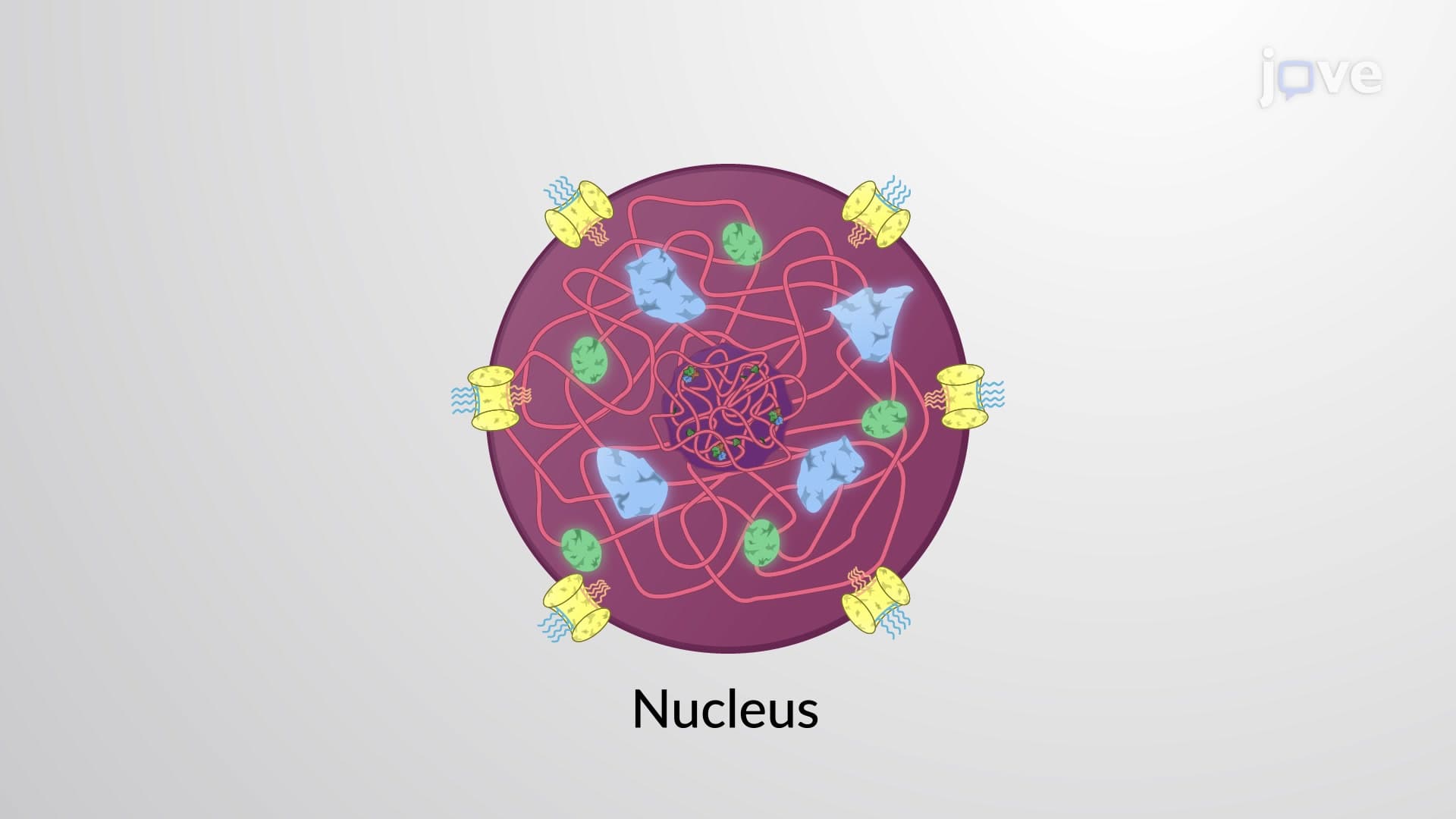
RNA polymerase I (Pol I) operates exclusively in the nucleolus, transcribing the large ribosomal RNA precursor (45S pre-rRNA) that gets processed into 18S, 5.8S, and 28S rRNAs. This polymerase is a molecular powerhouse, accounting for up to 60% of total cellular transcription in rapidly dividing cells. Stanford University researchers have shown that Pol I activity directly correlates with cell growth rates, making it a key target for cancer therapeutics. Students preparing for the MCAT should remember that Pol I dysfunction can lead to ribosomopathies-diseases caused by defective ribosome biogenesis.
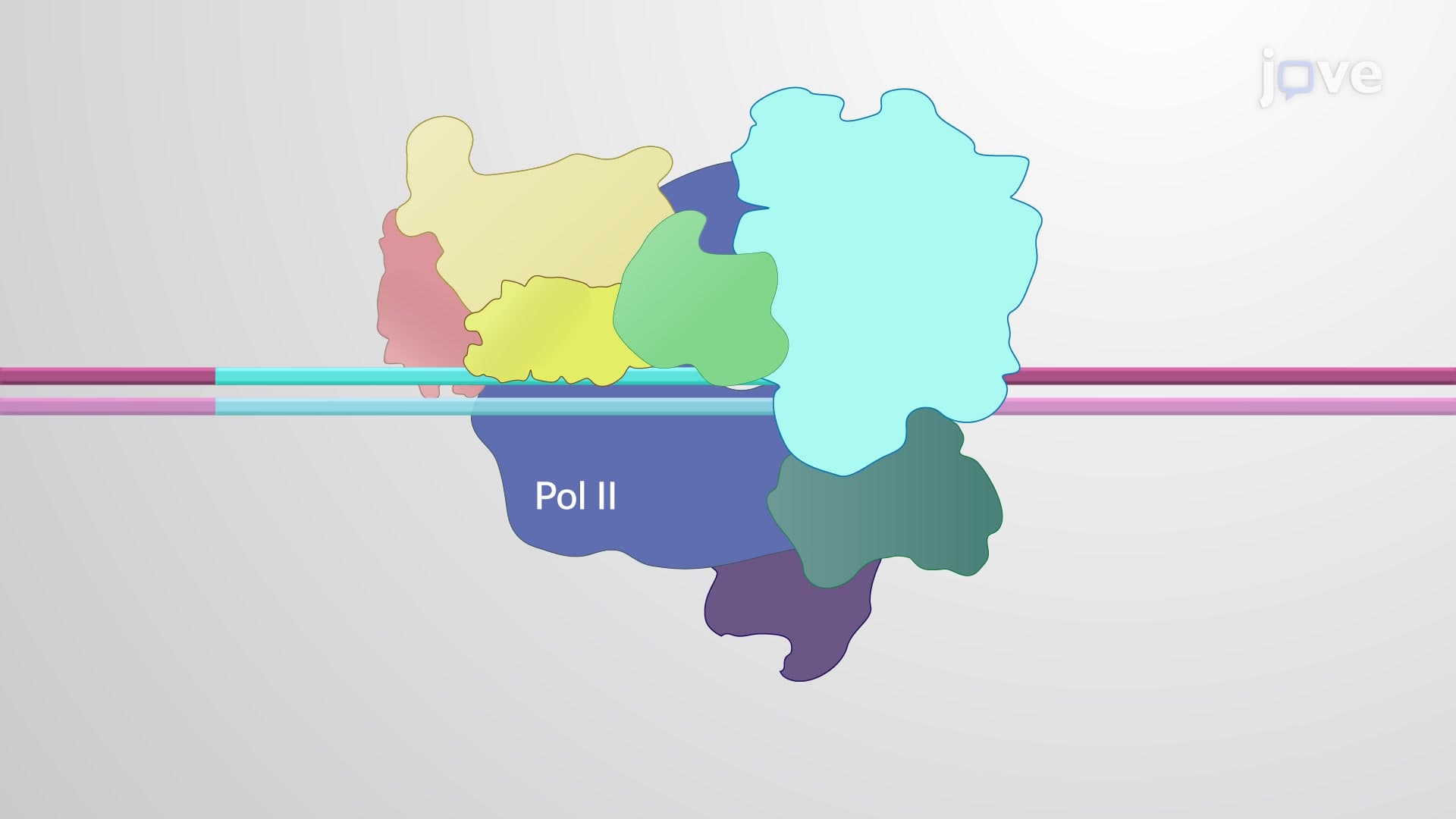
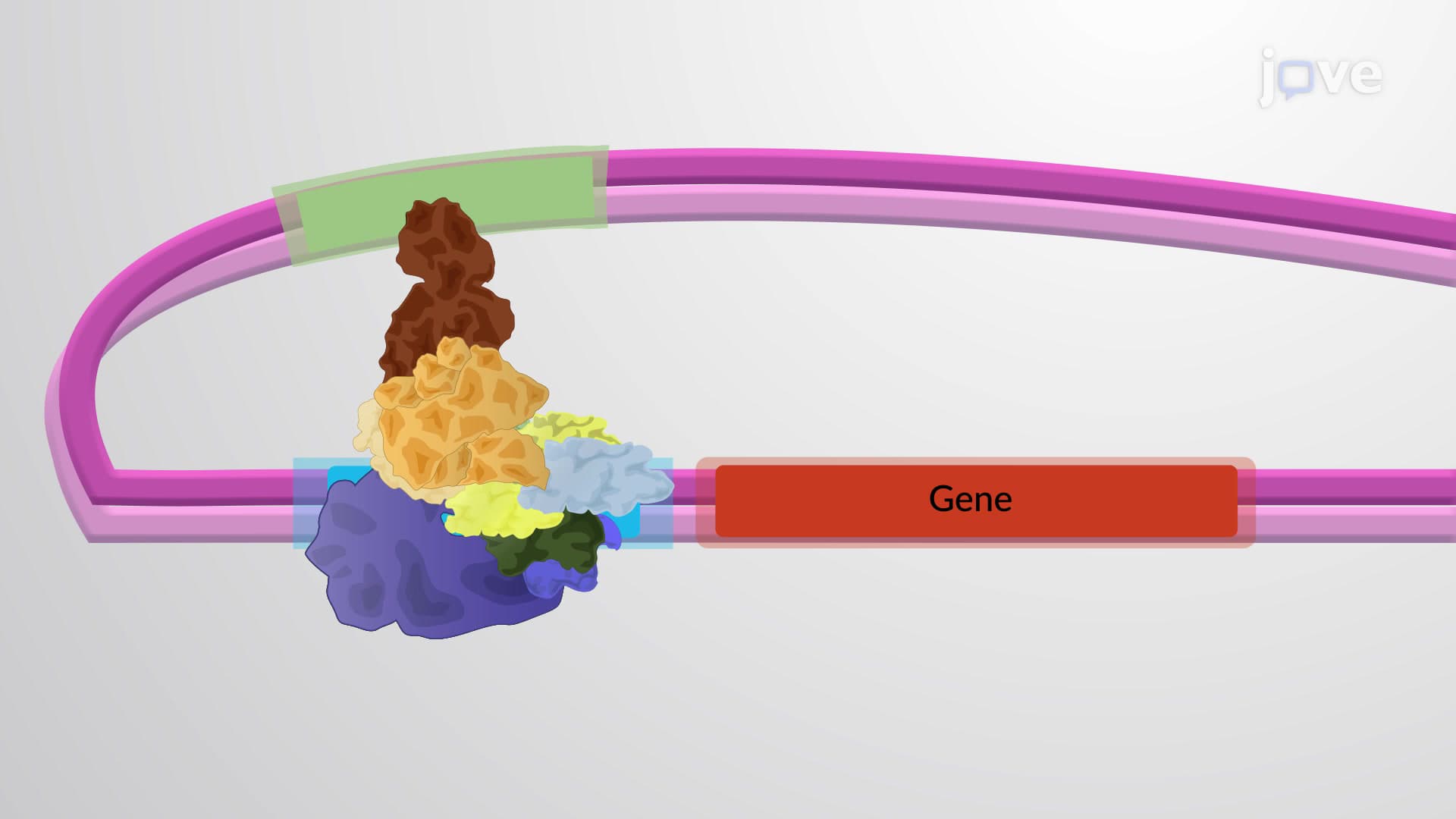
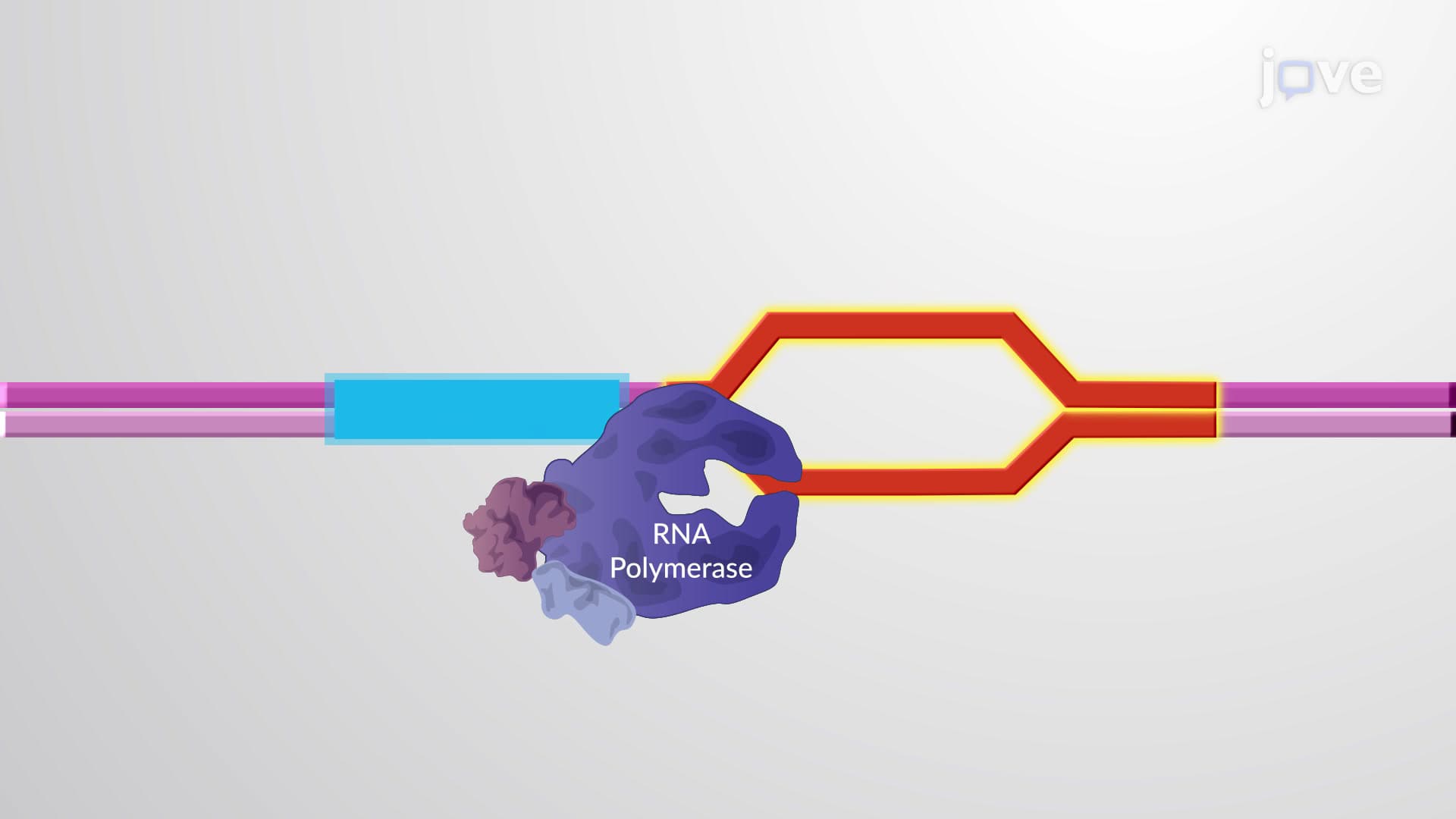
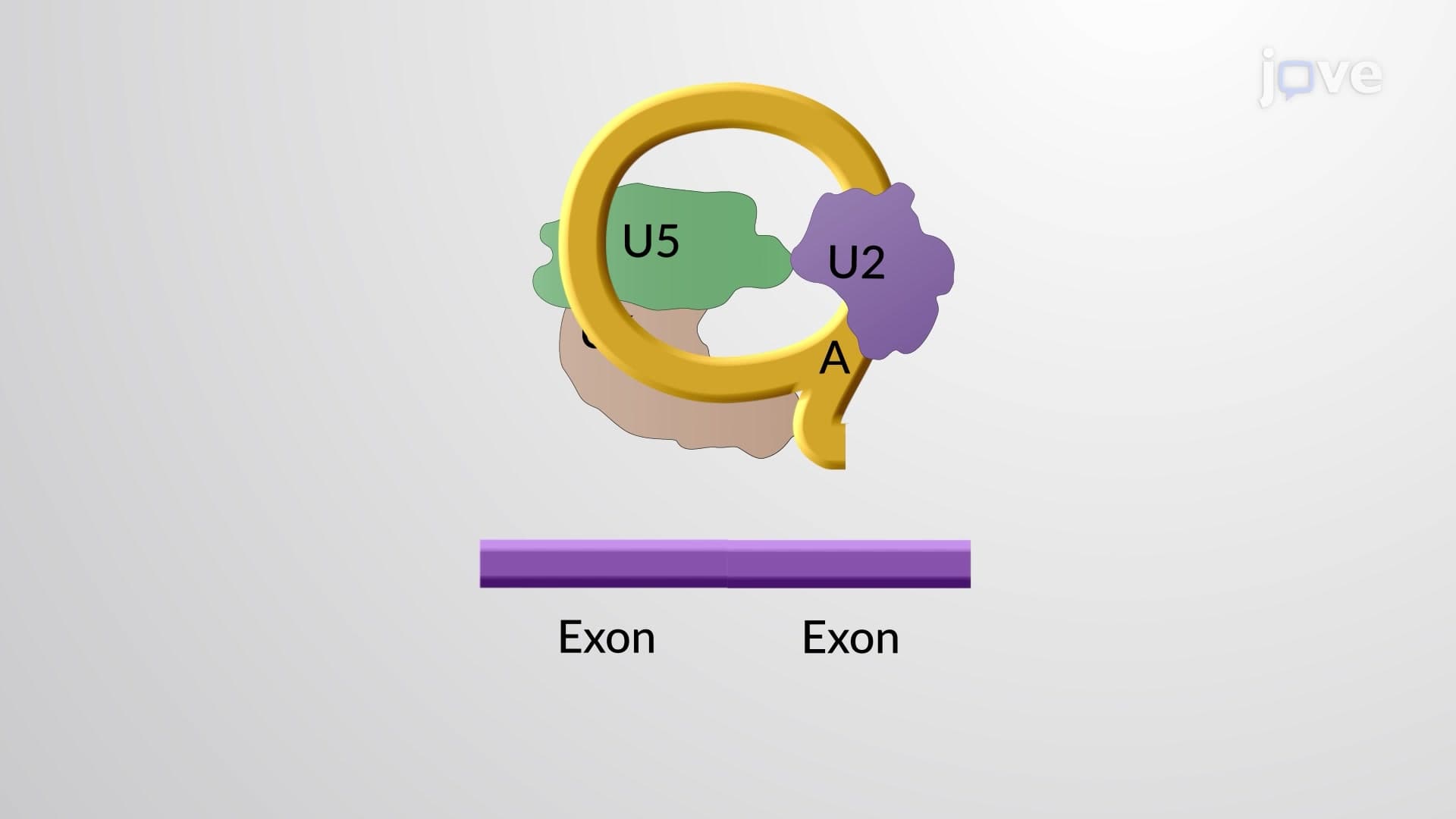
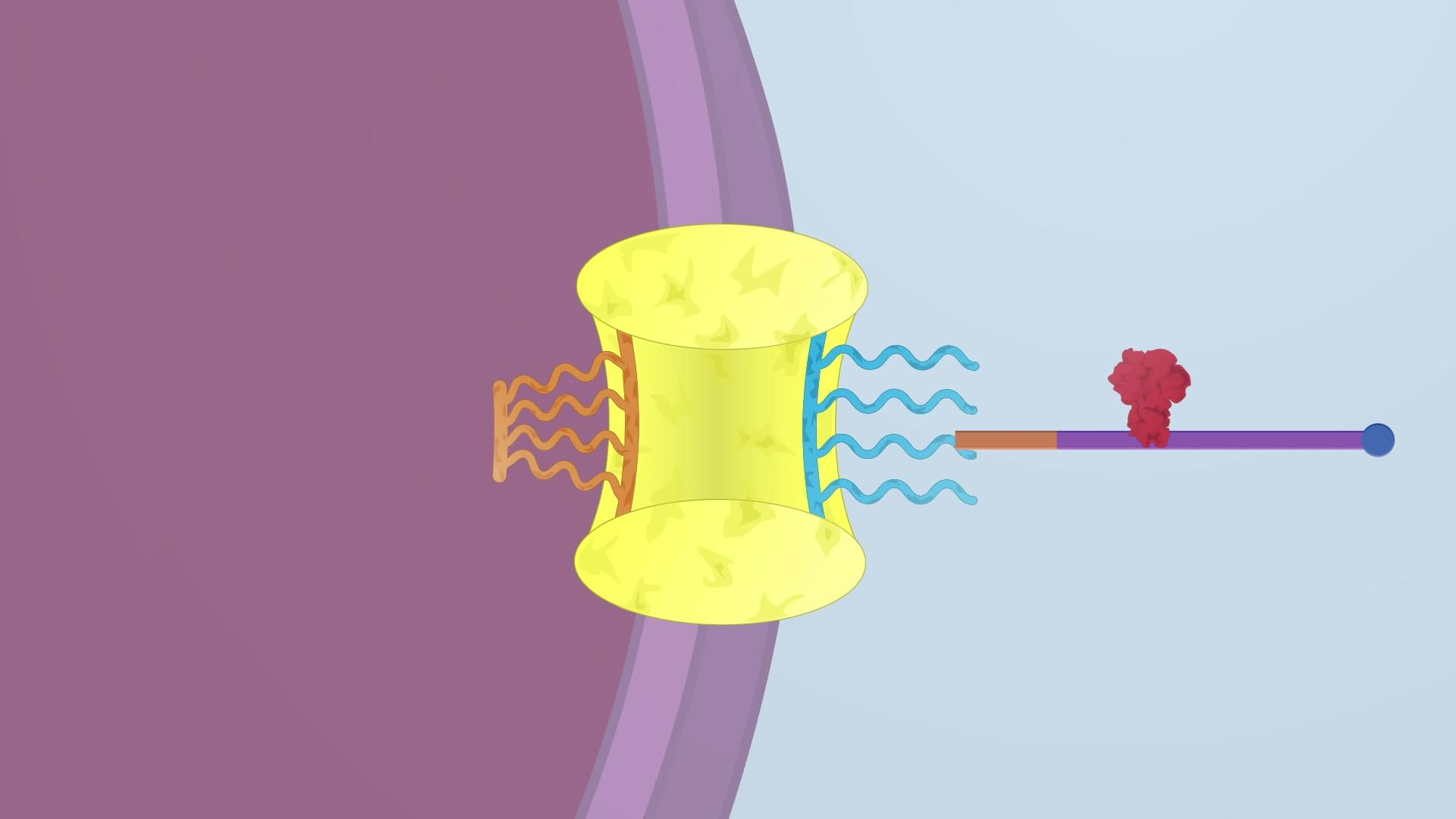
RNA polymerase II (Pol II) transcribes all protein-coding genes, producing mRNAs that undergo extensive processing including 5' capping, 3' polyadenylation, and splicing. This polymerase requires the most complex transcriptional machinery, including general transcription factors TFIIA, TFIIB, TFIID, TFIIE, TFIIF, and TFIIH. The TFIIH complex is particularly important-it possesses both helicase and kinase activities essential for promoter melting and transcription initiation. AP Biology students often encounter questions about Pol II's role in gene expression regulation, especially regarding enhancers and silencers.
RNA polymerase III (Pol III) transcribes transfer RNAs, 5S ribosomal RNA, U6 snRNA, and other small RNAs crucial for cellular function. Pol III genes often contain internal promoters-regulatory sequences located within the transcribed region rather than upstream. This unique feature allows Pol III to maintain high transcription rates even when chromatin structure limits access to upstream regions. College biochemistry courses frequently test students' understanding of how Pol III's internal promoters differ from the upstream promoters used by Pol I and Pol II.
Related Micro-courses