Loading video…


 18 Concepts
 131.2K views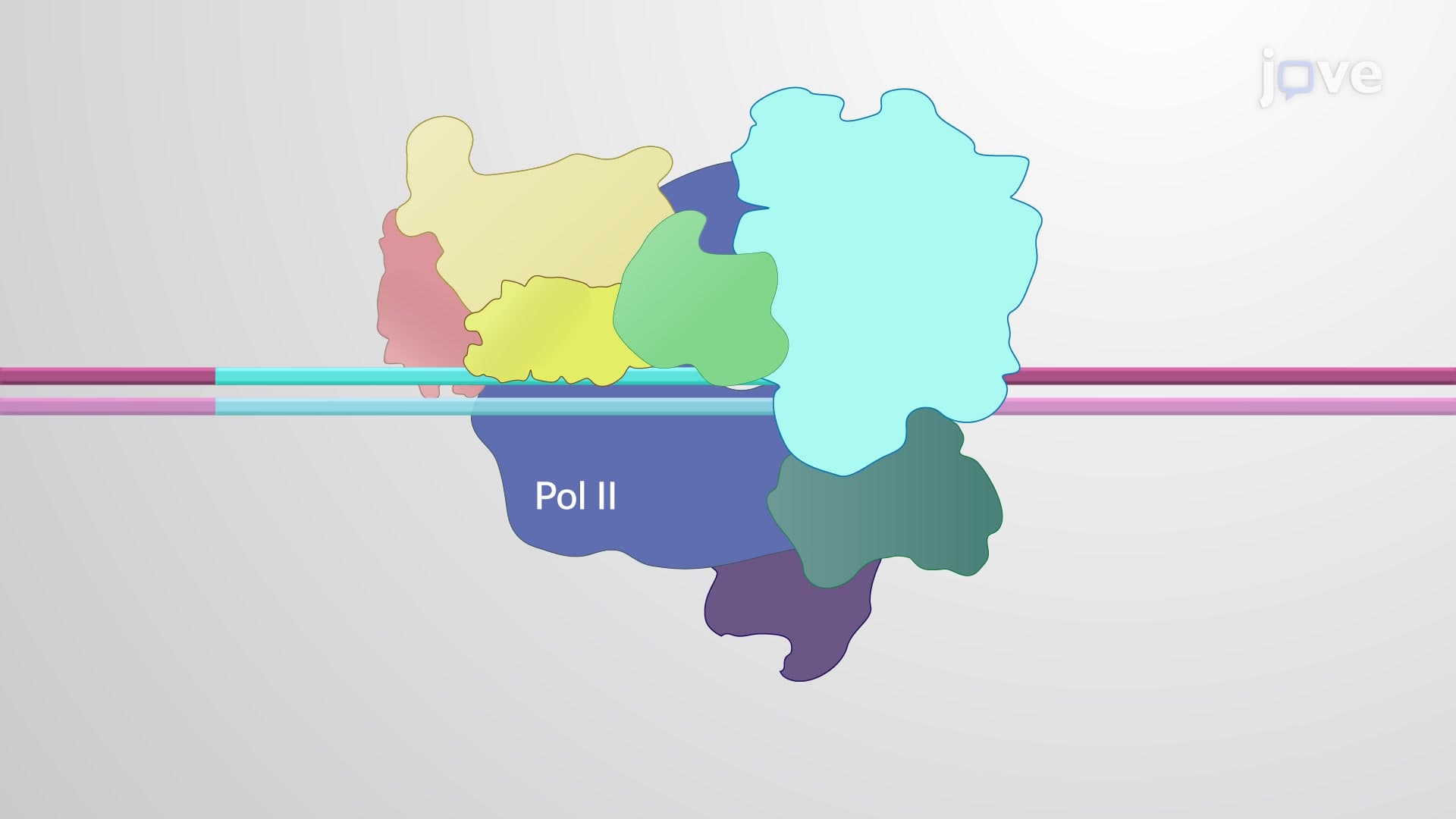

Video Summary: What are General Transcription Factors
Did you know that every time your cells make proteins-from the insulin regulating your blood sugar to the enzymes digesting your lunch-general transcription factors act as molecular switches turning genes on? These essential proteins work like a precisely coordinated team, with each member having a specific role in initiating gene expression in eukaryotic cells. For example, when pancreatic cells need to produce insulin in response to rising glucose levels, general transcription factors must first assemble at the insulin gene's promoter region. Understanding what are general transcription factors is fundamental to grasping how cellular biology controls protein synthesis. Watch the full video on JoVE Coach to master this concept with expert-led visuals and step-by-step explanations.
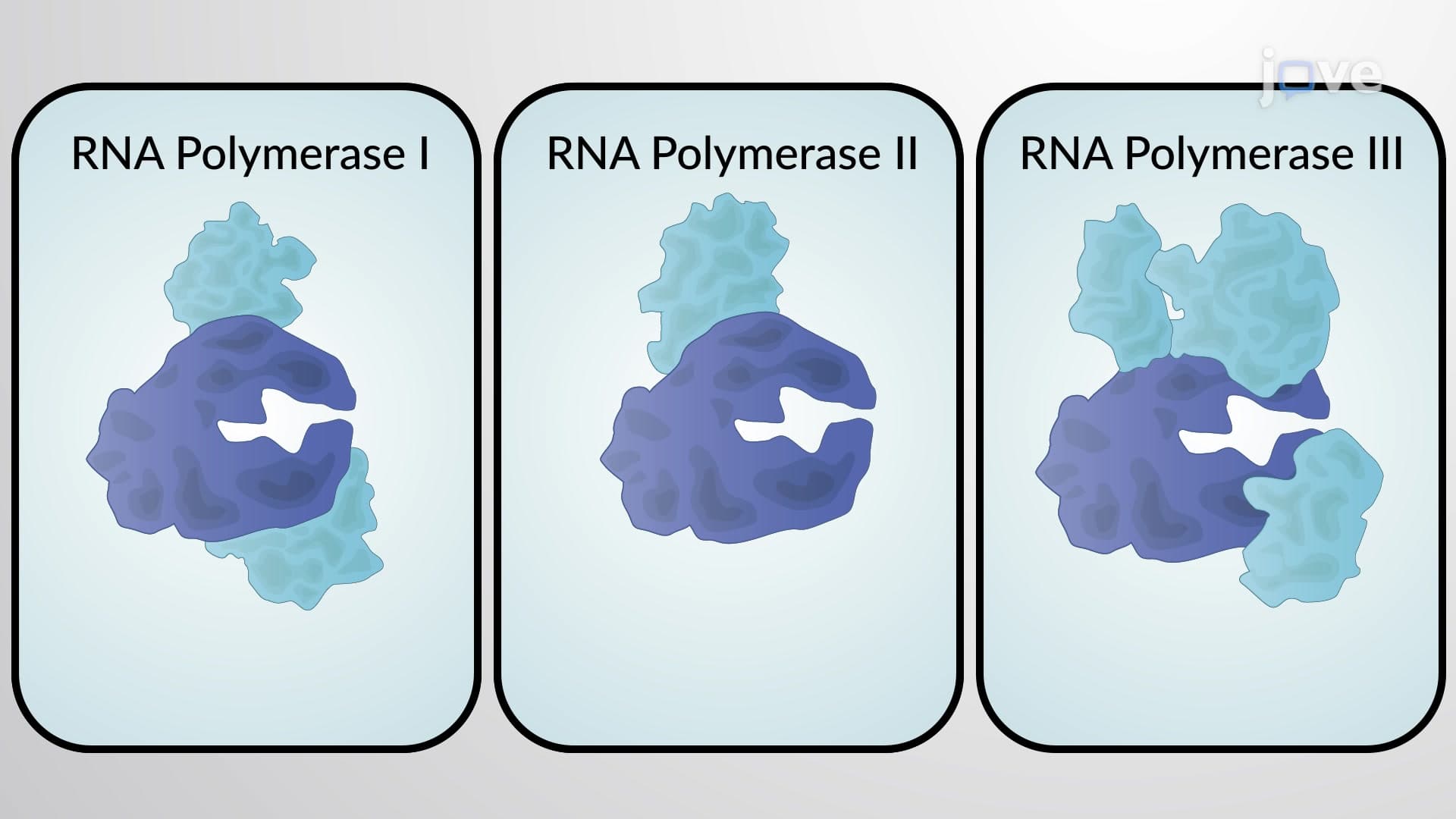
General transcription factors represent a fundamental mechanism by which eukaryotic cells control gene expression. Unlike prokaryotic systems where RNA polymerase can directly bind DNA, eukaryotic RNA polymerase II requires these specialized protein cofactors to initiate transcription. Think of them as essential team members in a molecular assembly line-each with a distinct job that must be completed in the correct sequence.
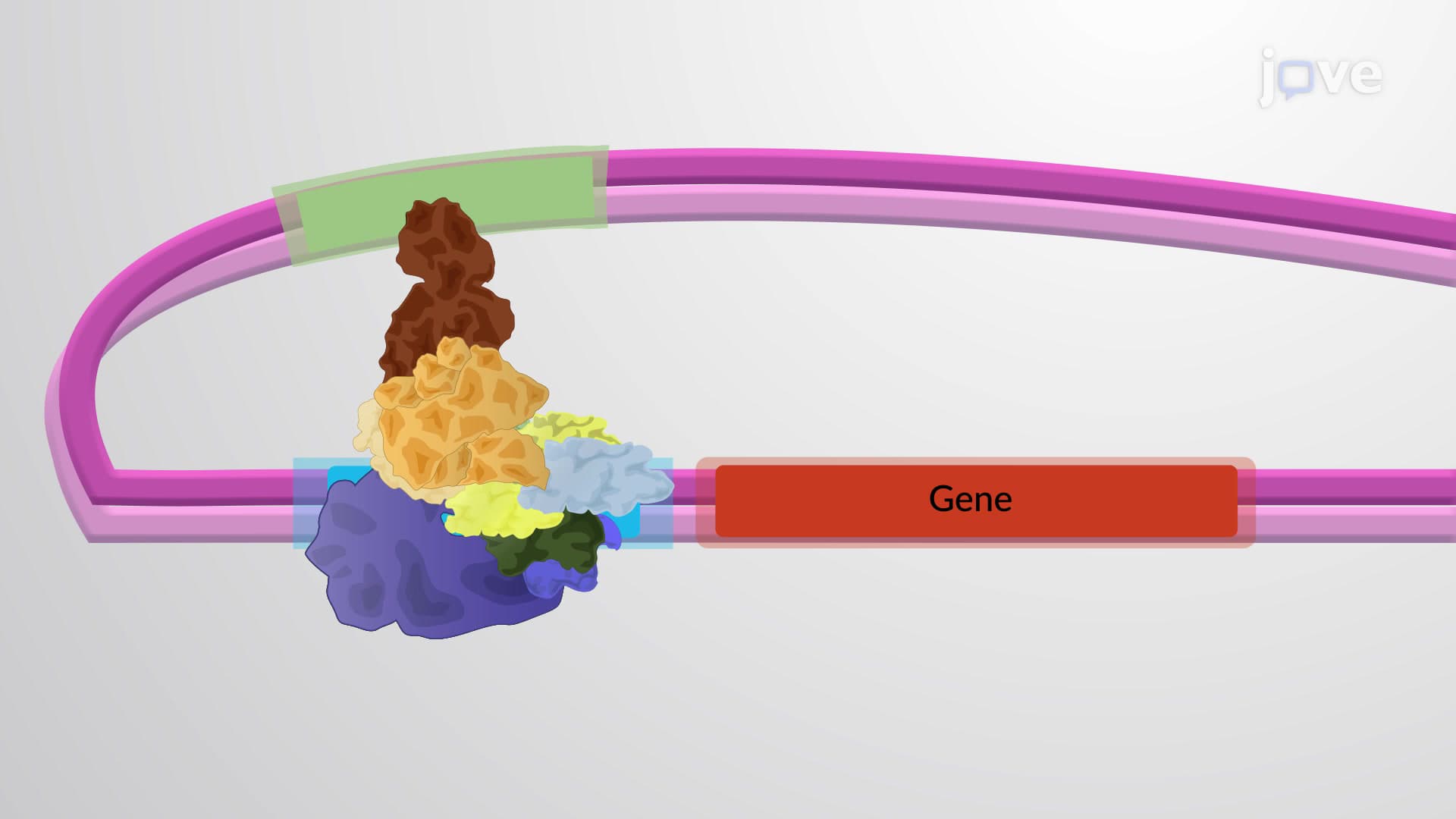
The general transcription factors work in a carefully orchestrated sequence. TFIID serves as the foundation, containing the crucial TATA-binding protein (TBP) subunit that recognizes and binds to TATA box sequences found in approximately 20% of human gene promoters. This initial binding event is like laying the cornerstone of a building-everything else depends on this stable foundation.
TFIIA and TFIIB then join the complex, with TFIIA stabilizing the DNA-protein interaction and TFIIB acting as a molecular bridge. TFIIB is particularly important because it helps position RNA polymerase II correctly at the transcription start site. Students preparing for the AP Biology exam should remember that TFIIB's positioning function is critical-without proper positioning, transcription begins at incorrect locations.
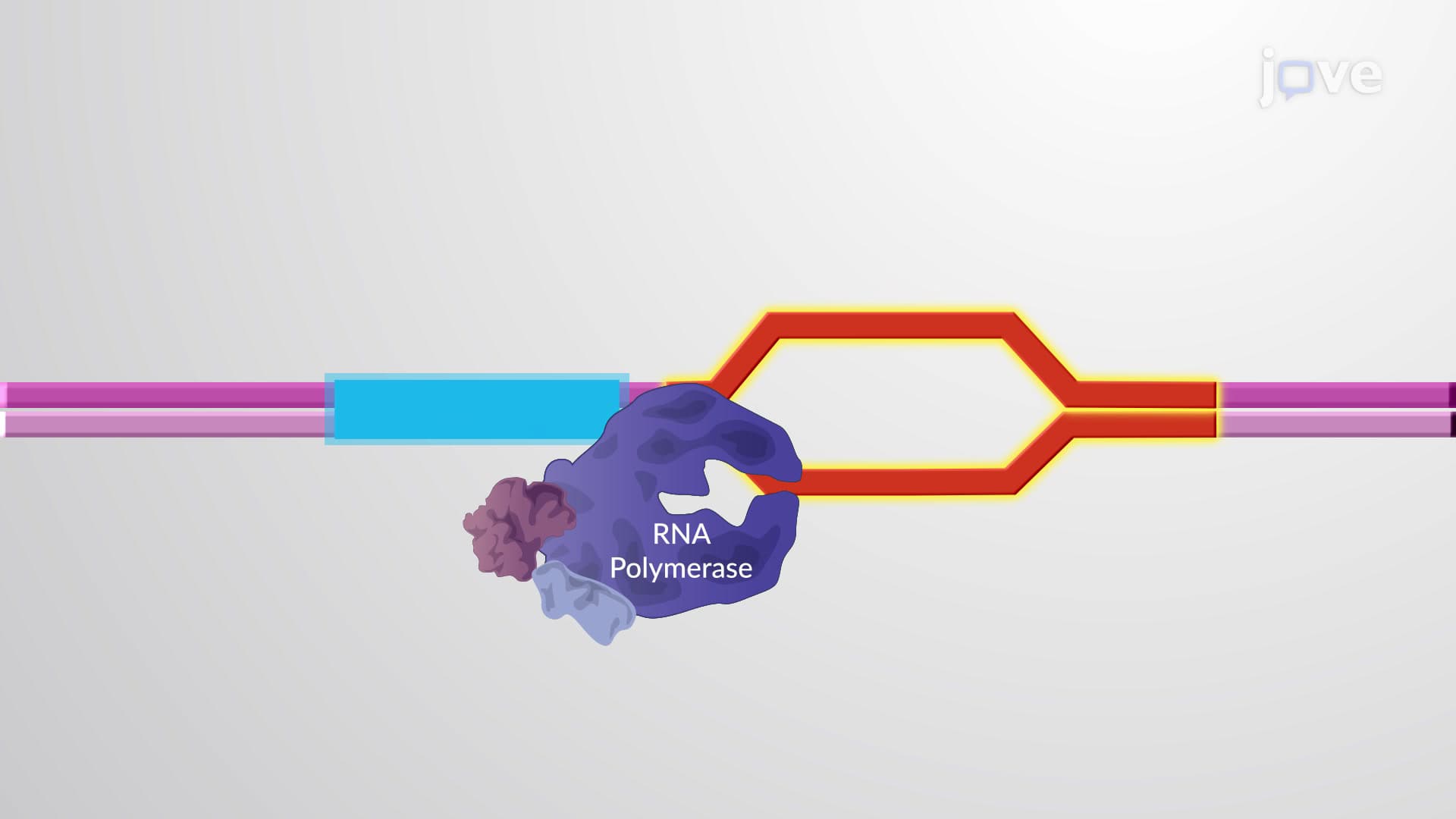
TFIIF escorts RNA polymerase II to the promoter and helps stabilize its interaction with other factors. This is followed by TFIIE recruitment, which then brings in TFIIH-the most complex of the general transcription factors. TFIIH contains both kinase and helicase activities, making it uniquely capable of both phosphorylating RNA polymerase II (triggering its release from the promoter) and unwinding DNA strands to create the transcription bubble.
Understanding general transcription factors has profound implications for medicine and biotechnology. Mutations in TFIIH subunits cause xeroderma pigmentosum, a rare genetic disorder affecting DNA repair that increases skin cancer risk dramatically. Pharmaceutical companies like Pfizer and Merck actively research transcription factor inhibitors as potential cancer treatments, since rapidly dividing cancer cells depend heavily on efficient transcription machinery.
For students taking the MCAT, remember that general transcription factors represent targets for gene therapy approaches. Companies such as Moderna and BioNTech have leveraged understanding of transcription machinery to develop more effective mRNA-based therapeutics and vaccines.
Related Micro-courses