Loading video…


 18 Concepts
 131.2K views

Video Summary: What are Types of RNA
Did you know that without three specific types of RNA, your cells couldn't produce a single protein needed for life? Understanding the types of RNA explained reveals how messenger RNA (mRNA), transfer RNA (tRNA), and ribosomal RNA (rRNA) work together in an intricate cellular dance. Consider how Pfizer's COVID-19 vaccine uses mRNA technology to instruct your cells to produce the spike protein, demonstrating RNA's powerful role in modern medicine. Watch the full video on JoVE Coach to master this concept with expert-led visuals and step-by-step explanations.
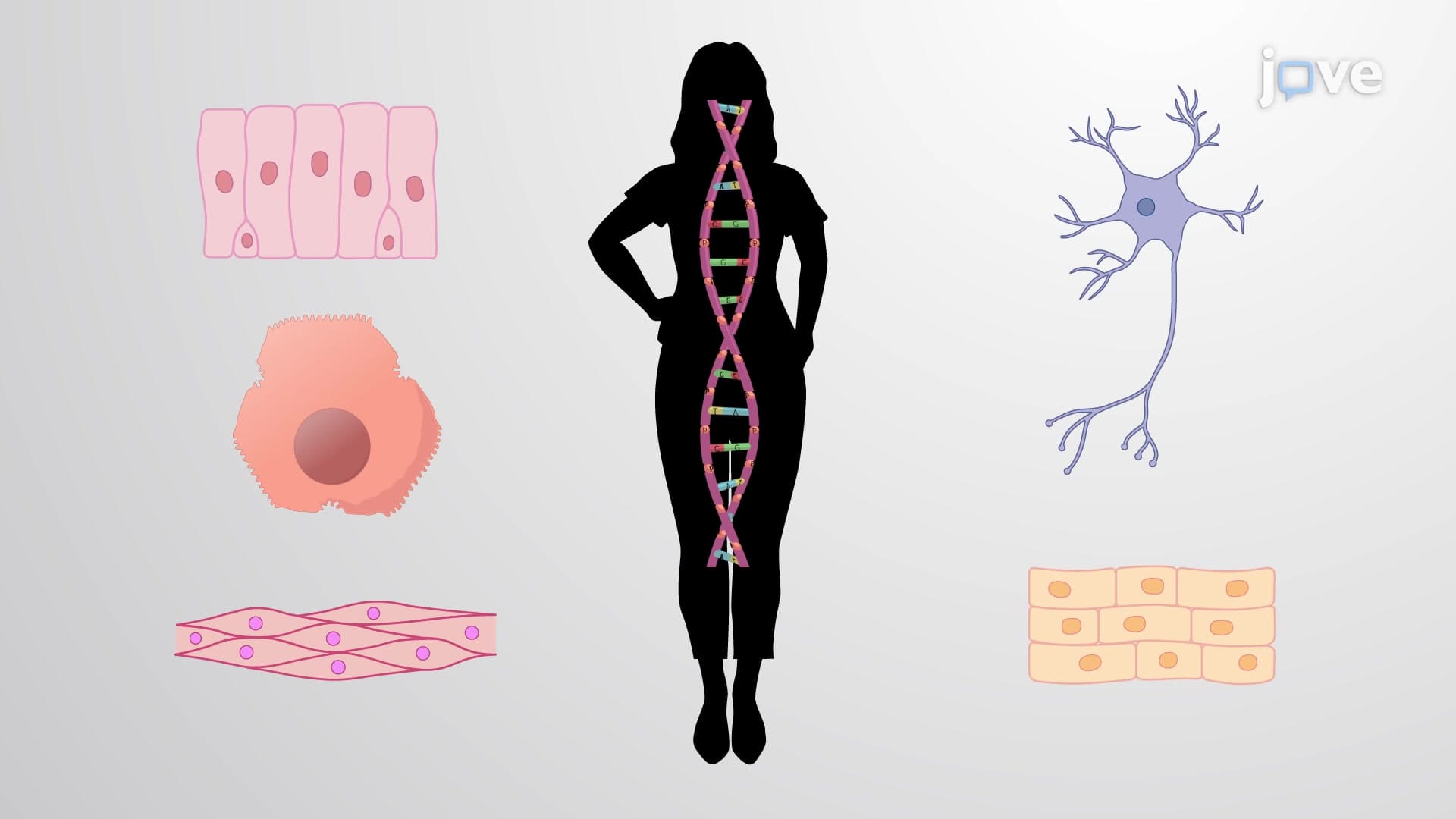
When biology students first encounter types of RNA explained, they often wonder why cells need multiple RNA varieties instead of just one. The answer lies in the sophisticated division of labor required for protein synthesis. Unlike DNA, which serves primarily as a storage molecule, RNA molecules actively participate in the complex process of translating genetic information into functional proteins.
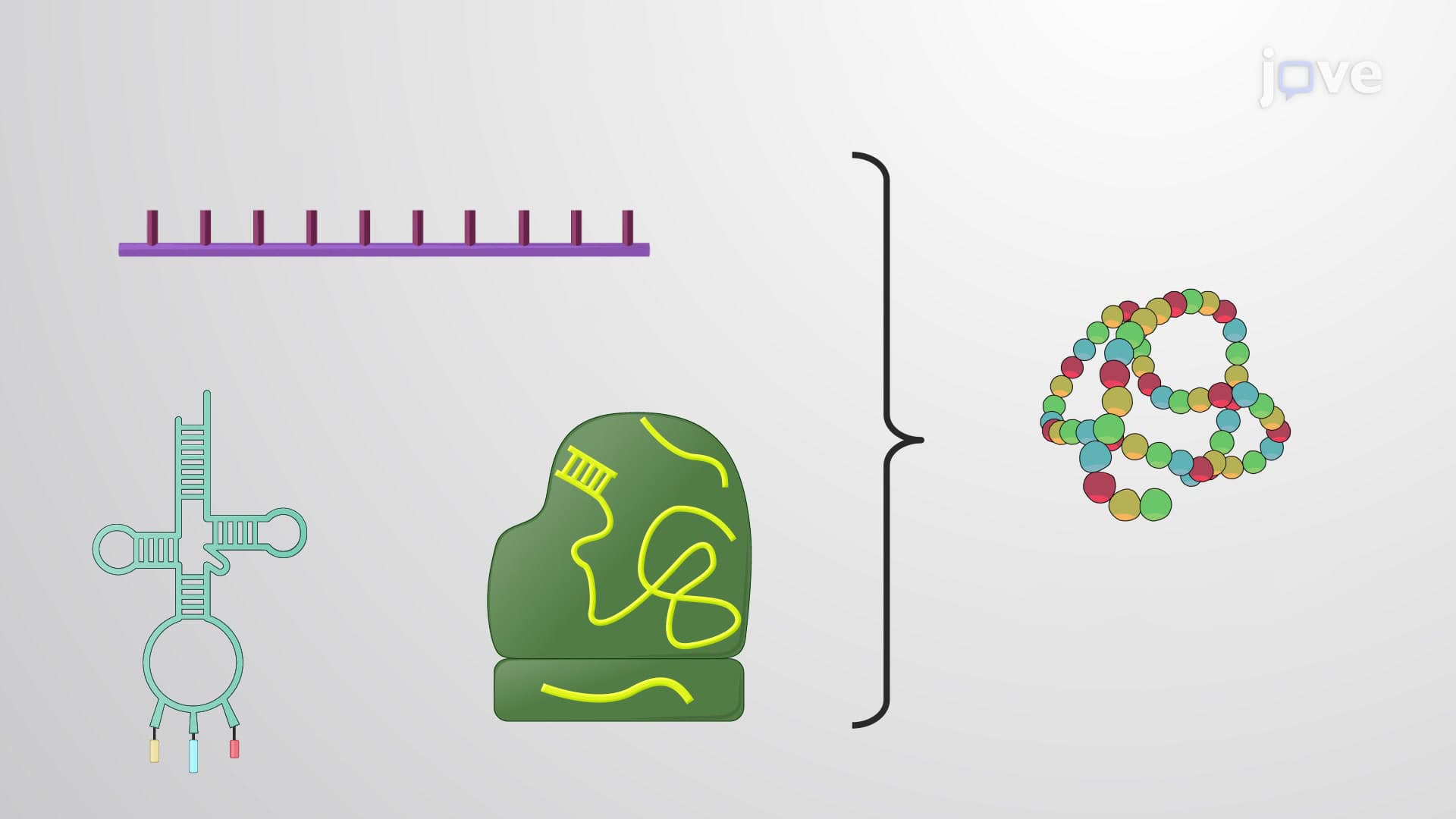
The three major RNA types and functions biology students must master are messenger RNA (mRNA), transfer RNA (tRNA), and ribosomal RNA (rRNA). Each type has evolved specific structural features that enable its unique role in the cellular protein-making machinery. This specialization allows cells to produce thousands of different proteins with remarkable precision and efficiency.
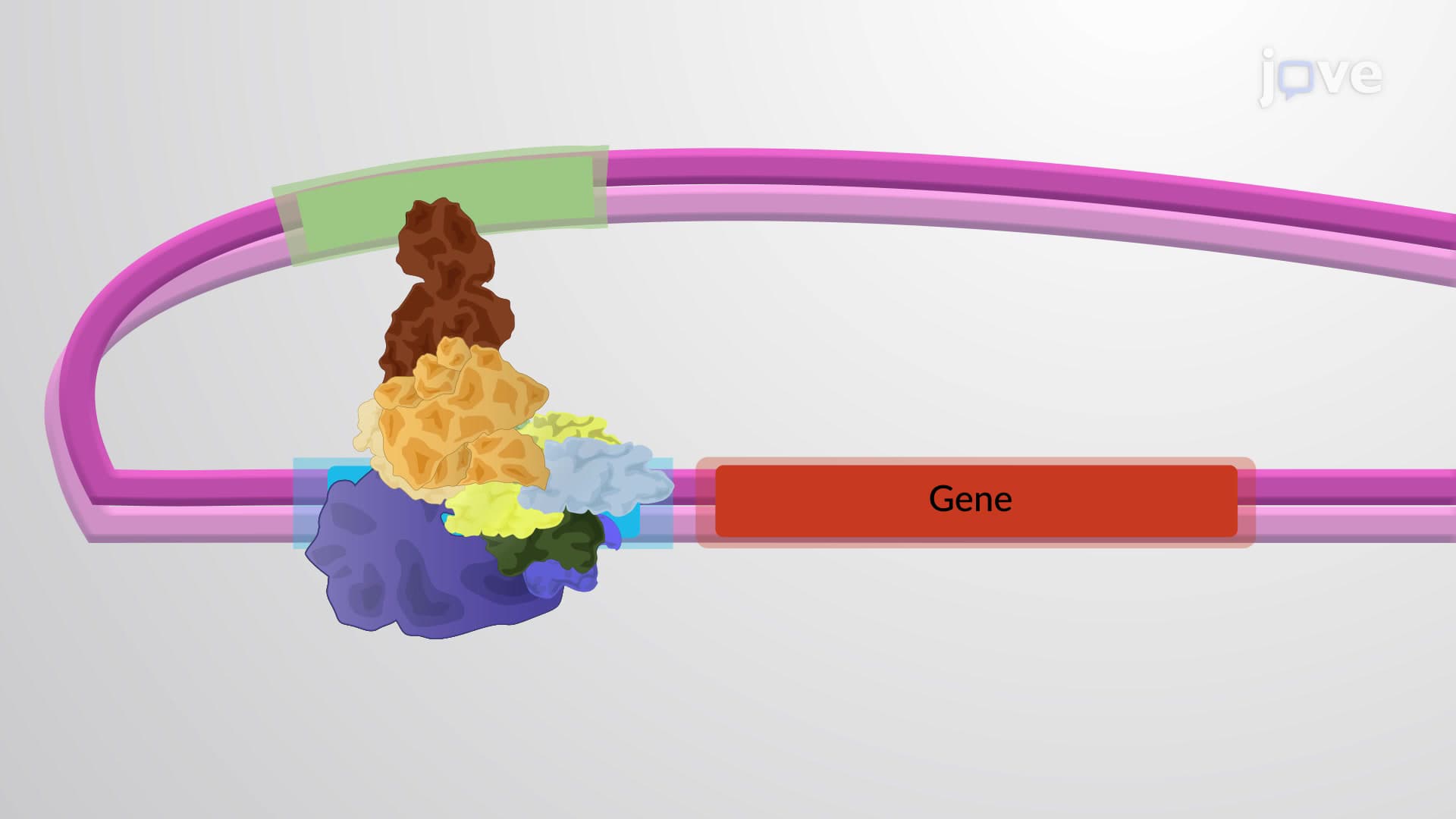
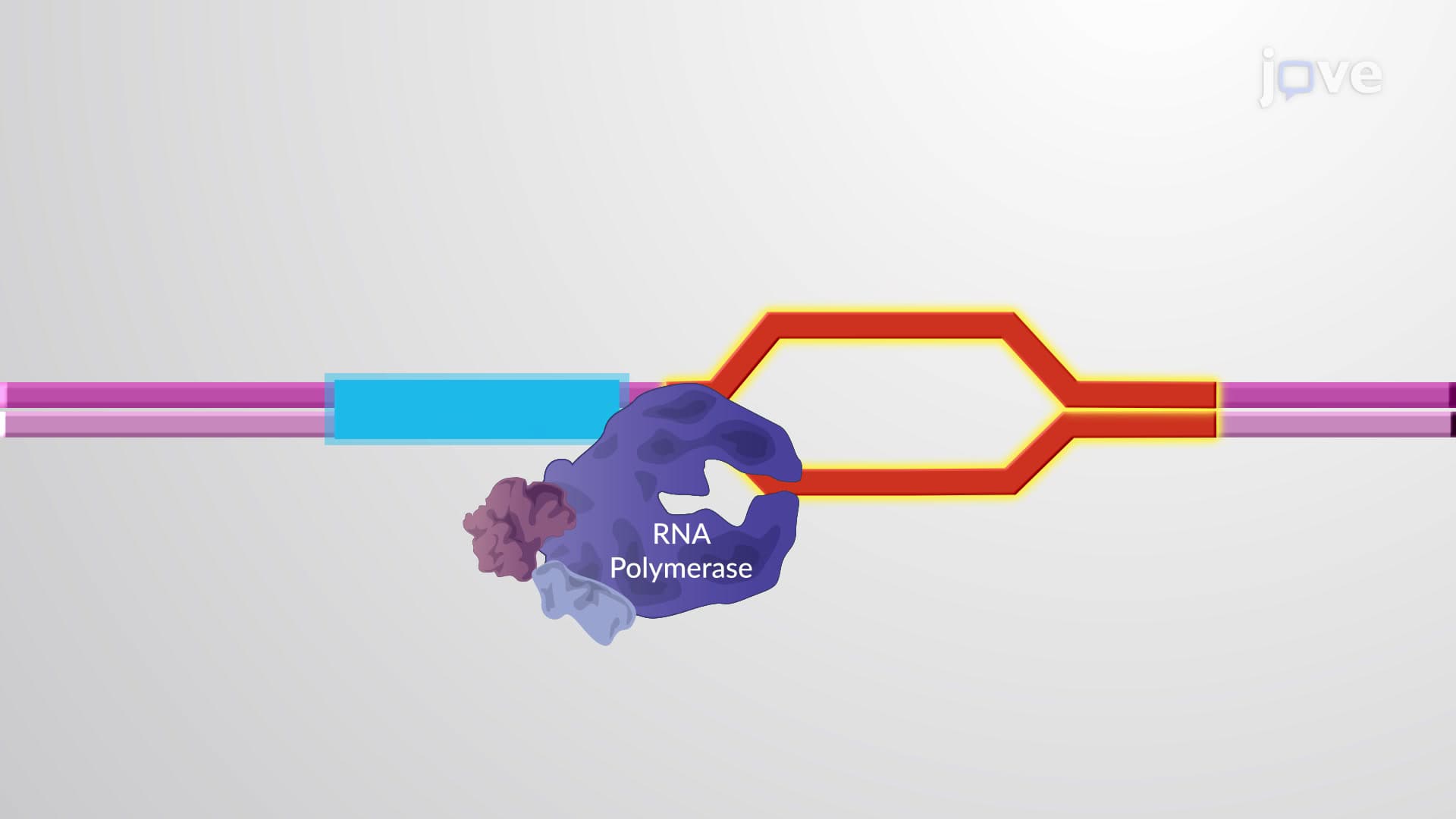
Messenger RNA serves as the crucial intermediary between DNA and proteins. During transcription, mRNA molecules are synthesized by copying specific gene sequences from DNA through complementary base pairing. The resulting mRNA contains codons-three-nucleotide sequences that specify which amino acids should be incorporated into proteins.
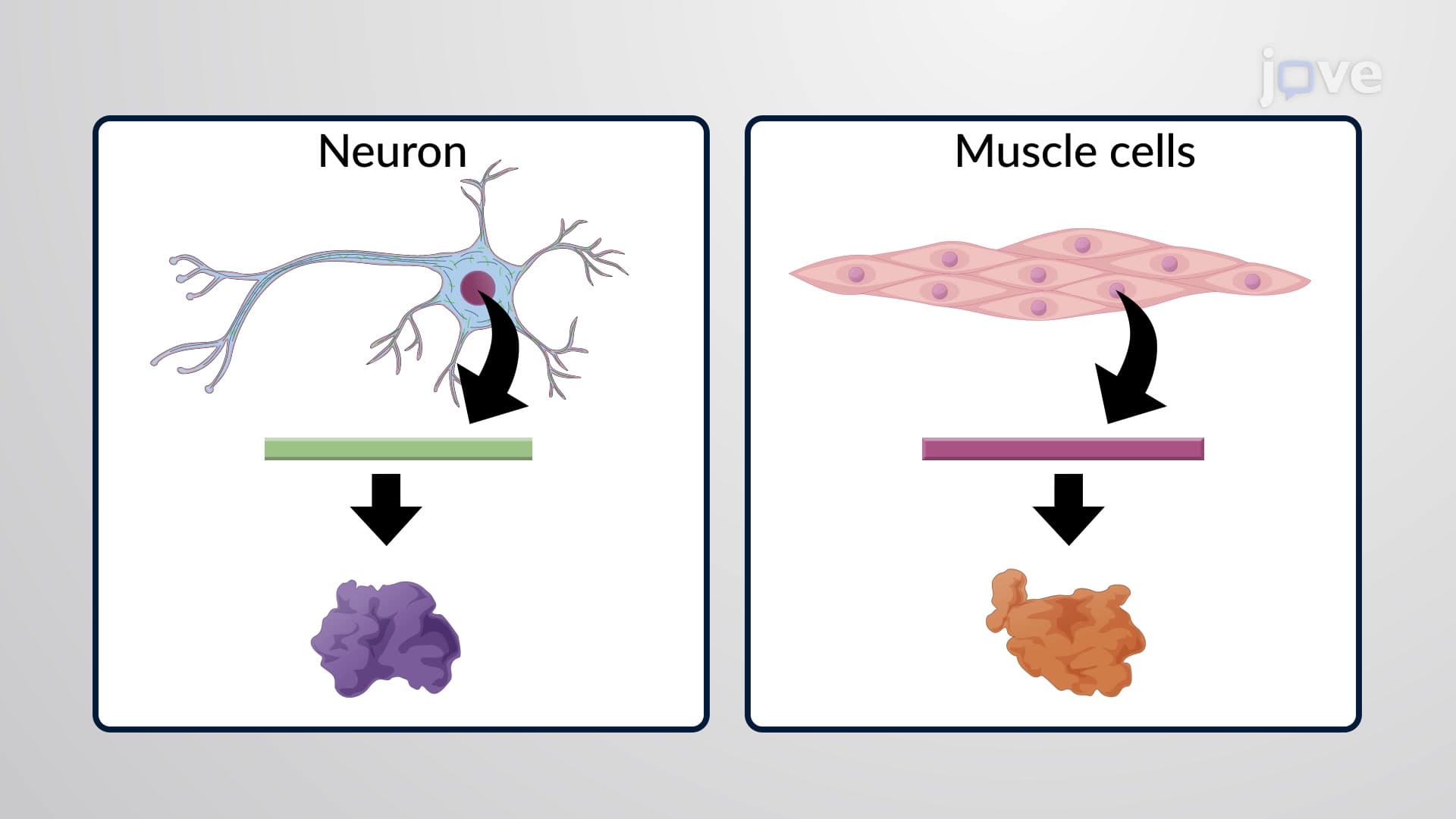
What makes mRNA particularly fascinating is its temporary nature. Unlike DNA, mRNA molecules have relatively short lifespans, allowing cells to quickly adjust protein production based on changing needs. This flexibility proves essential in scenarios like immune responses, where B-cells must rapidly produce antibodies to combat infections.
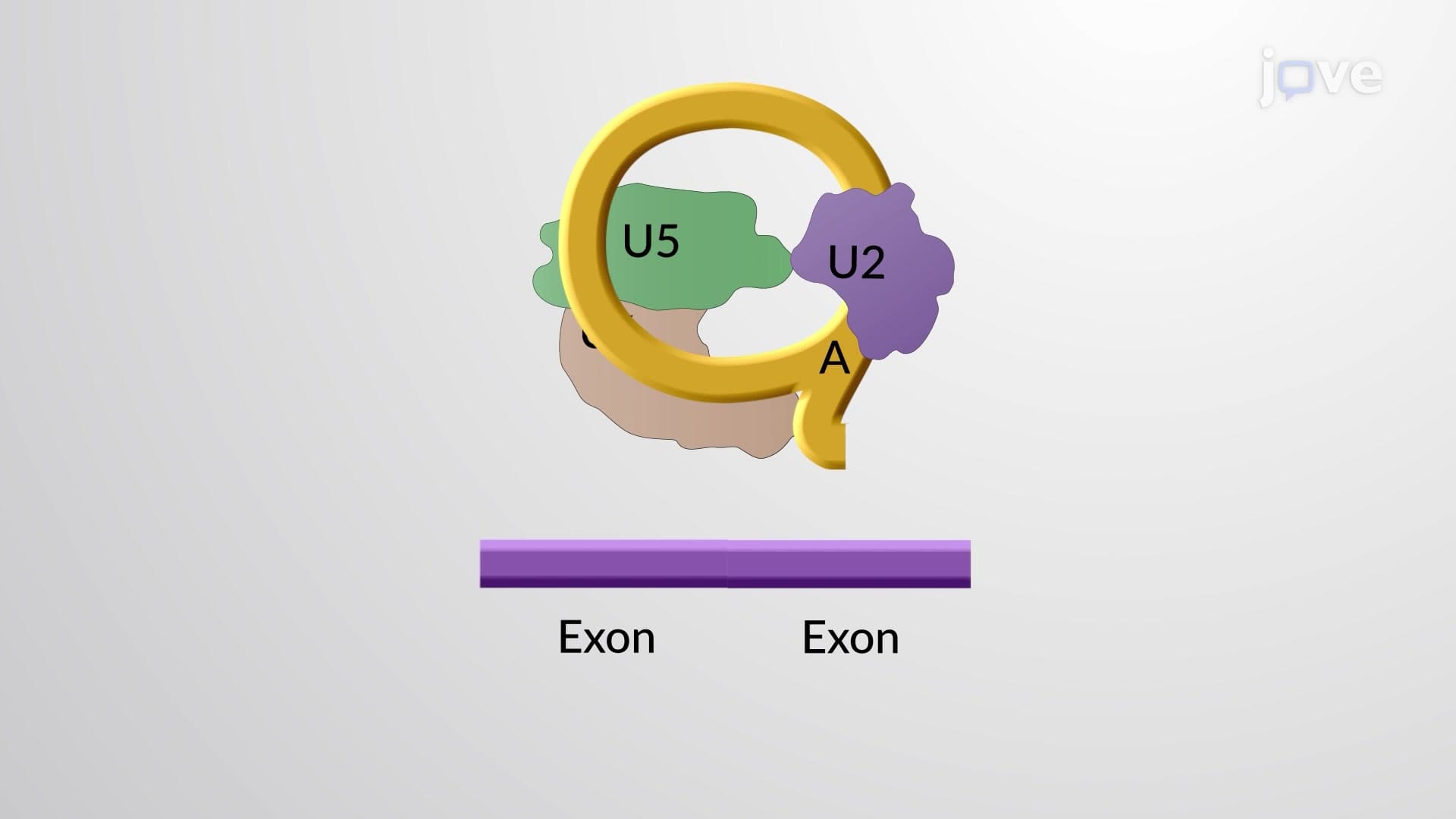
For students preparing for AP Biology or college biochemistry exams, understanding mRNA processing is crucial. In eukaryotic cells, newly transcribed mRNA undergoes modifications including 5' capping, 3' polyadenylation, and splicing to remove introns. These processes frequently appear in MCAT questions and college-level assessments.
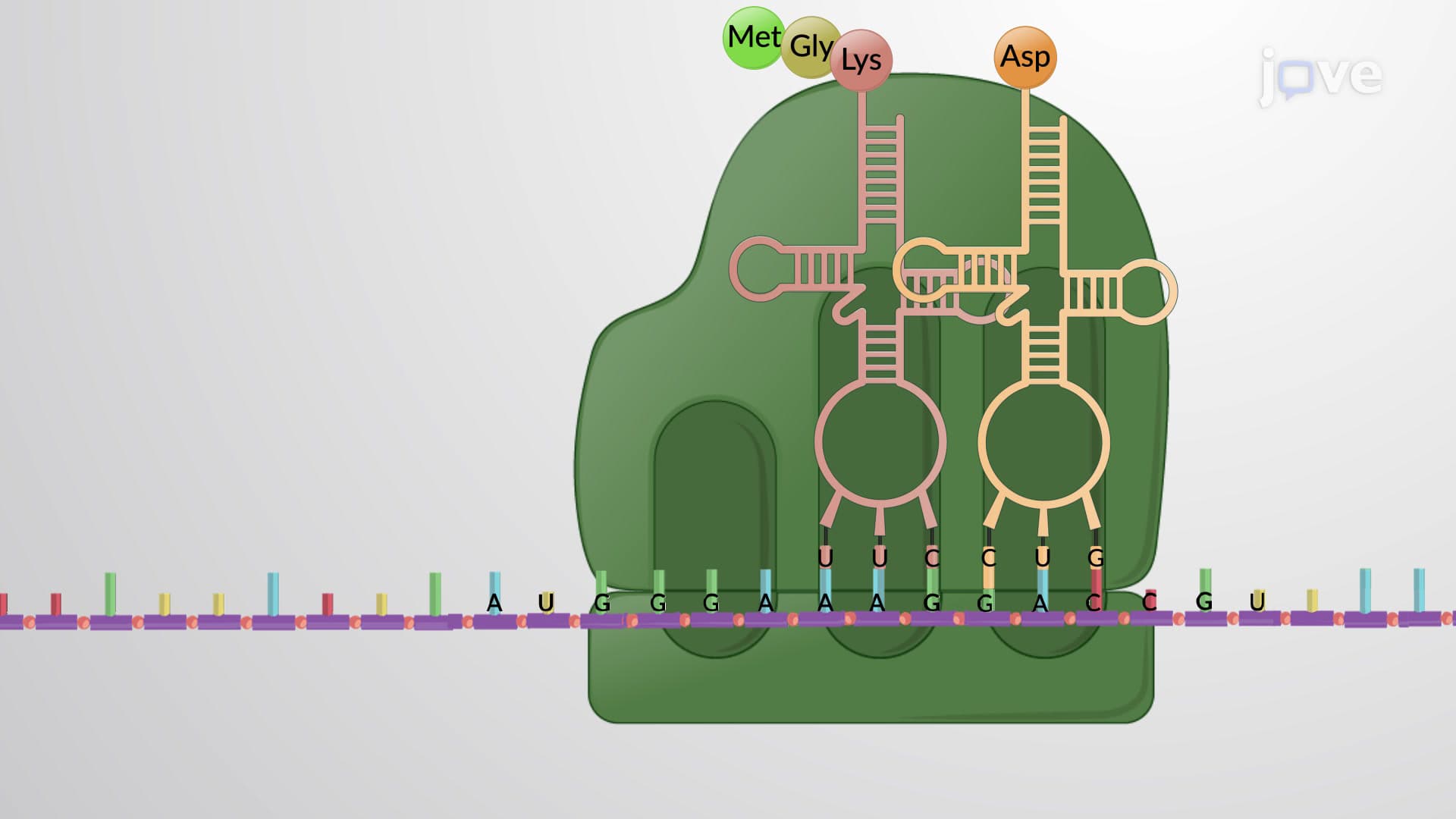
Transfer RNA molecules function as molecular adapters, each carrying a specific amino acid and containing an anticodon that pairs with complementary mRNA codons. The precision of tRNA-mRNA interactions ensures that proteins are assembled with the correct amino acid sequence. Importantly, each tRNA is "charged" with its corresponding amino acid by specific enzymes called aminoacyl-tRNA synthetases.
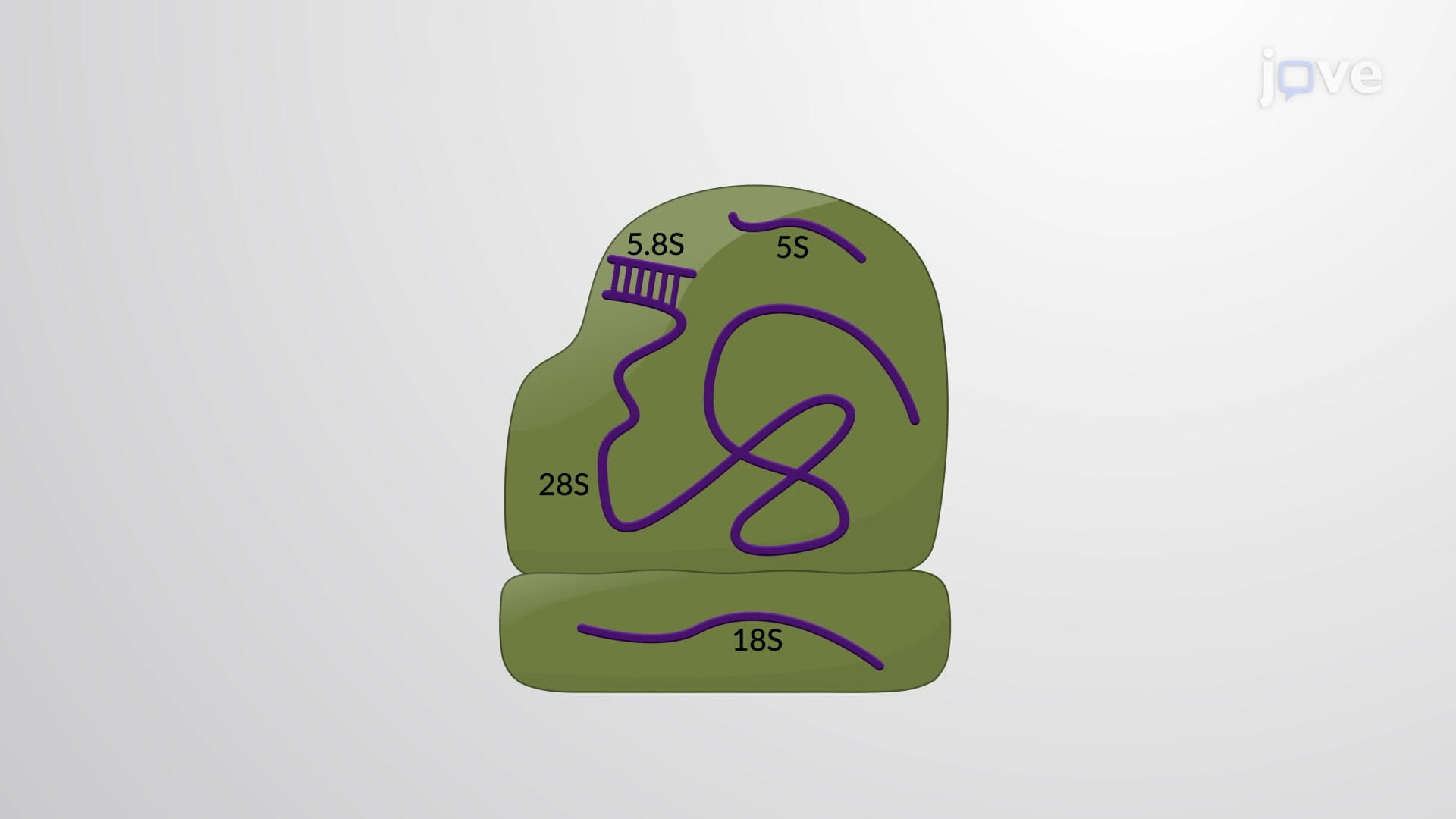
Ribosomal RNA, often overlooked by students, actually performs the catalytic work of protein synthesis. The rRNA in the large ribosomal subunit contains the peptidyl transferase center, which catalyzes peptide bond formation between amino acids. This discovery revolutionized our understanding of ribosomes, revealing them as ribozymes rather than simple protein-based enzymes.
Understanding messenger ribosomal transfer RNA functions has enabled breakthrough medical technologies. The COVID-19 mRNA vaccines developed by Moderna and Pfizer-BioNTech demonstrate how synthetic mRNA can instruct human cells to produce specific proteins. Similarly, researchers at institutions like Harvard Medical School and Stanford University are developing RNA interference (RNAi) therapies that use small RNA molecules to silence disease-causing genes.
Related Micro-courses