Loading subject page…


131,147 views


Video Summary: What Is Alternative RNA Splicing
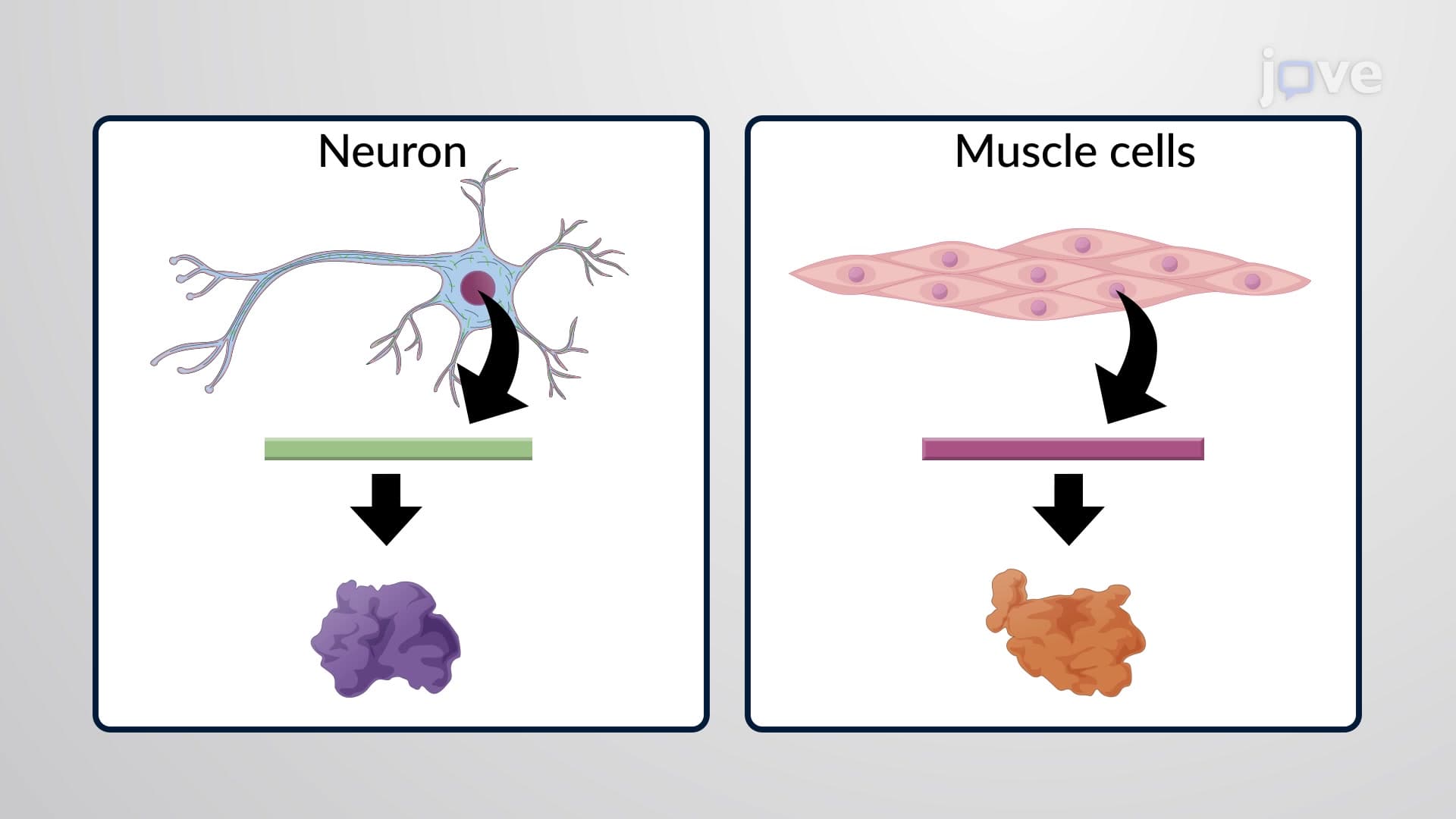
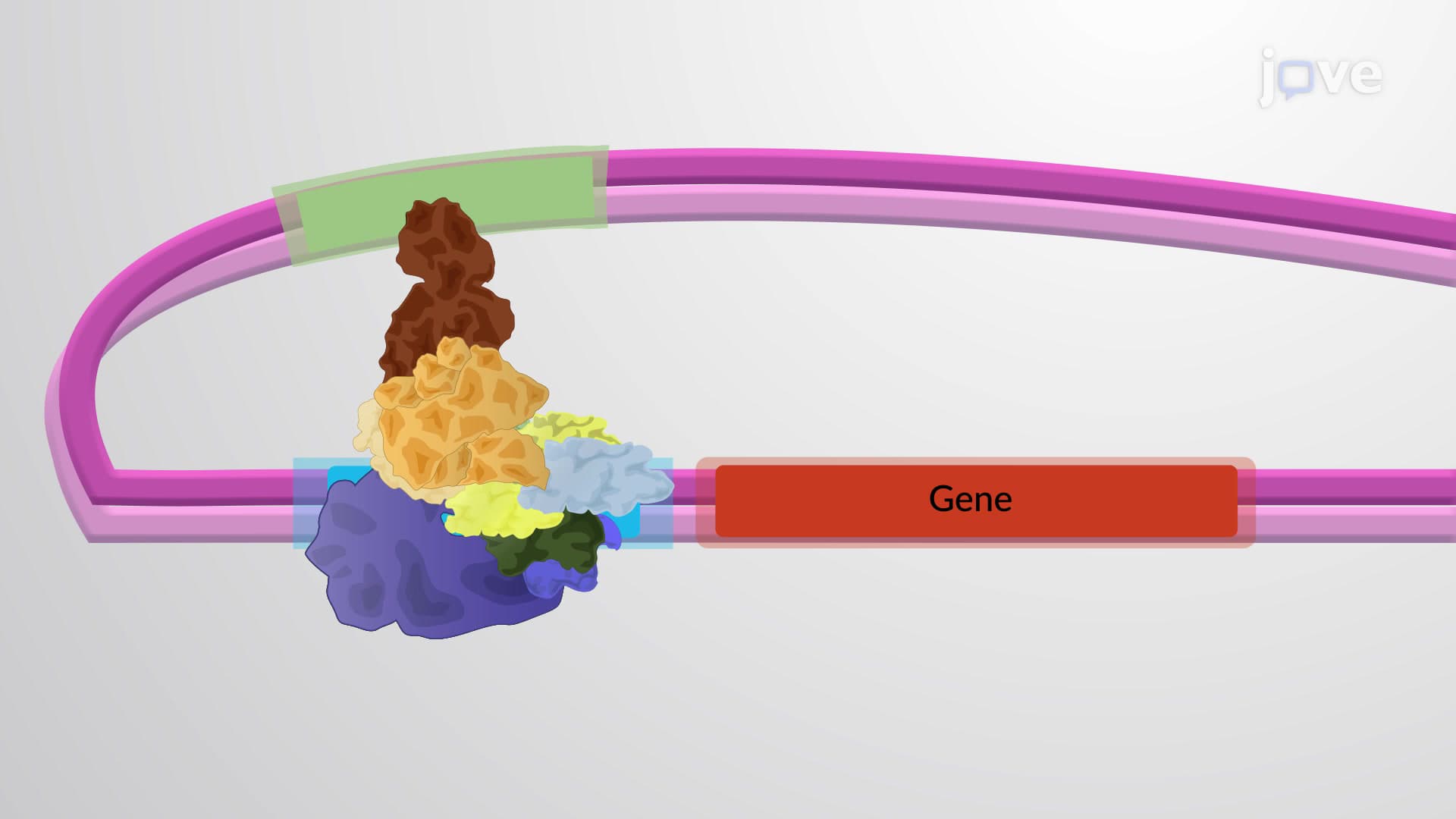
Did you know that humans have only about 20,000 genes, yet produce over 100,000 different proteins? This remarkable feat happens through alternative RNA splicing, a cellular process that creates multiple protein variants from a single gene. Consider how the DSCAM gene in fruit flies can theoretically produce over 38,000 different proteins through this mechanism. What is alternative RNA splicing reveals the sophisticated machinery cells use to maximize genetic diversity without expanding genome size. Watch the full video on JoVE Coach to master this concept with expert-led visuals and step-by-step explanations.
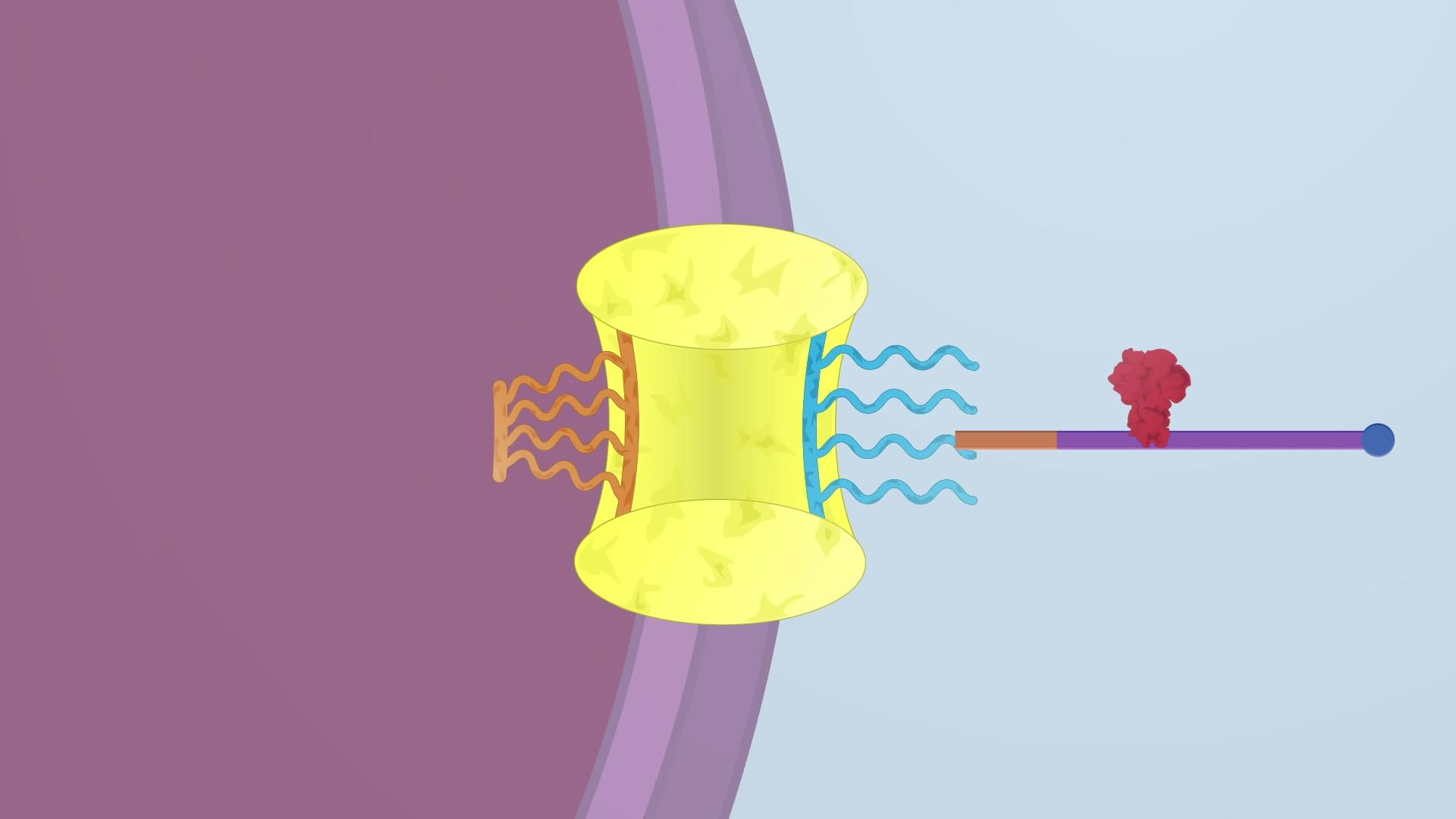
Alternative RNA splicing represents one of biology's most elegant solutions to the complexity paradox-how organisms create vast protein diversity from relatively few genes. This post-transcriptional process allows a single gene to produce multiple mature mRNA molecules by selectively including or excluding specific exonic sequences during pre-mRNA processing.
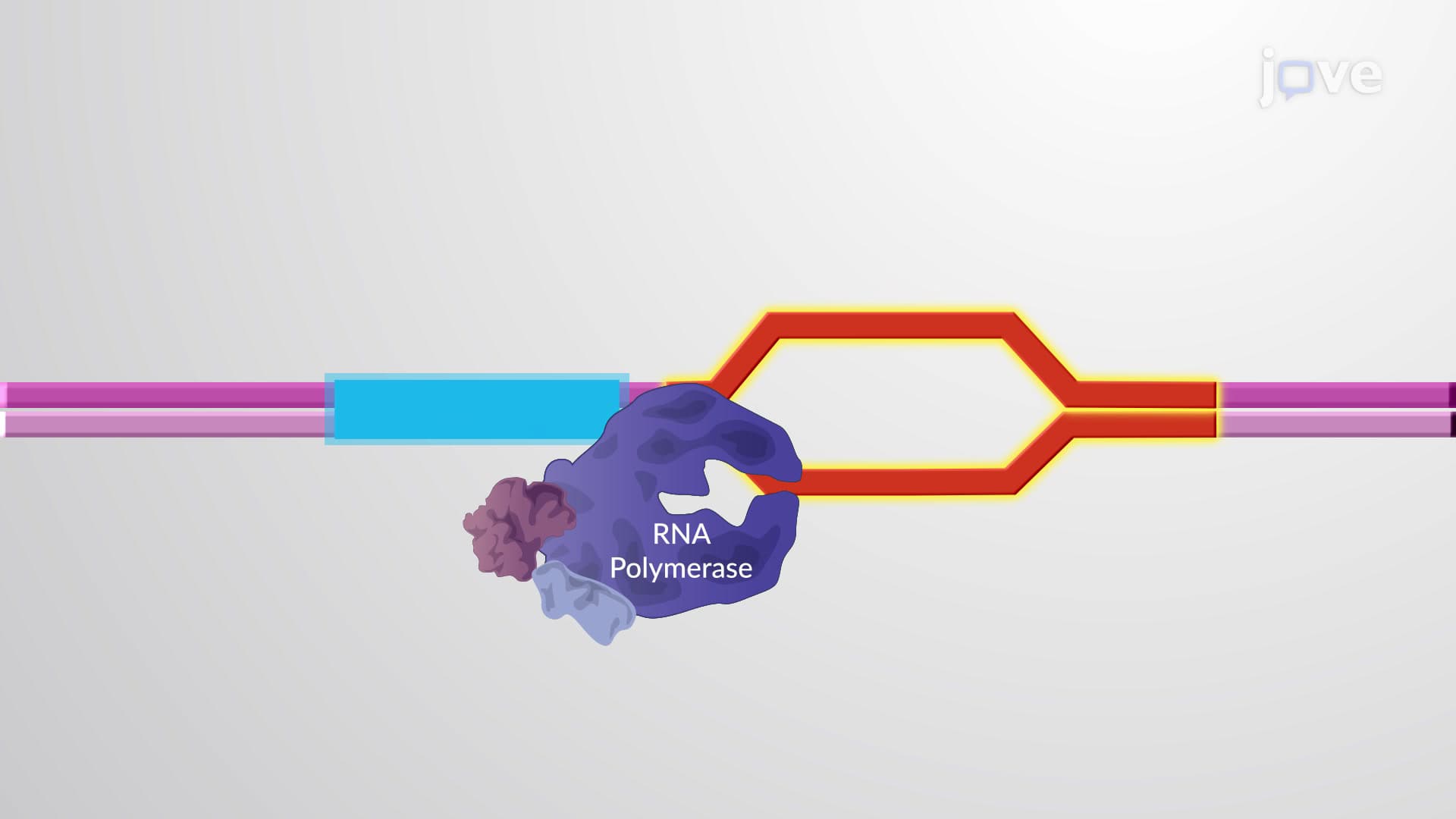
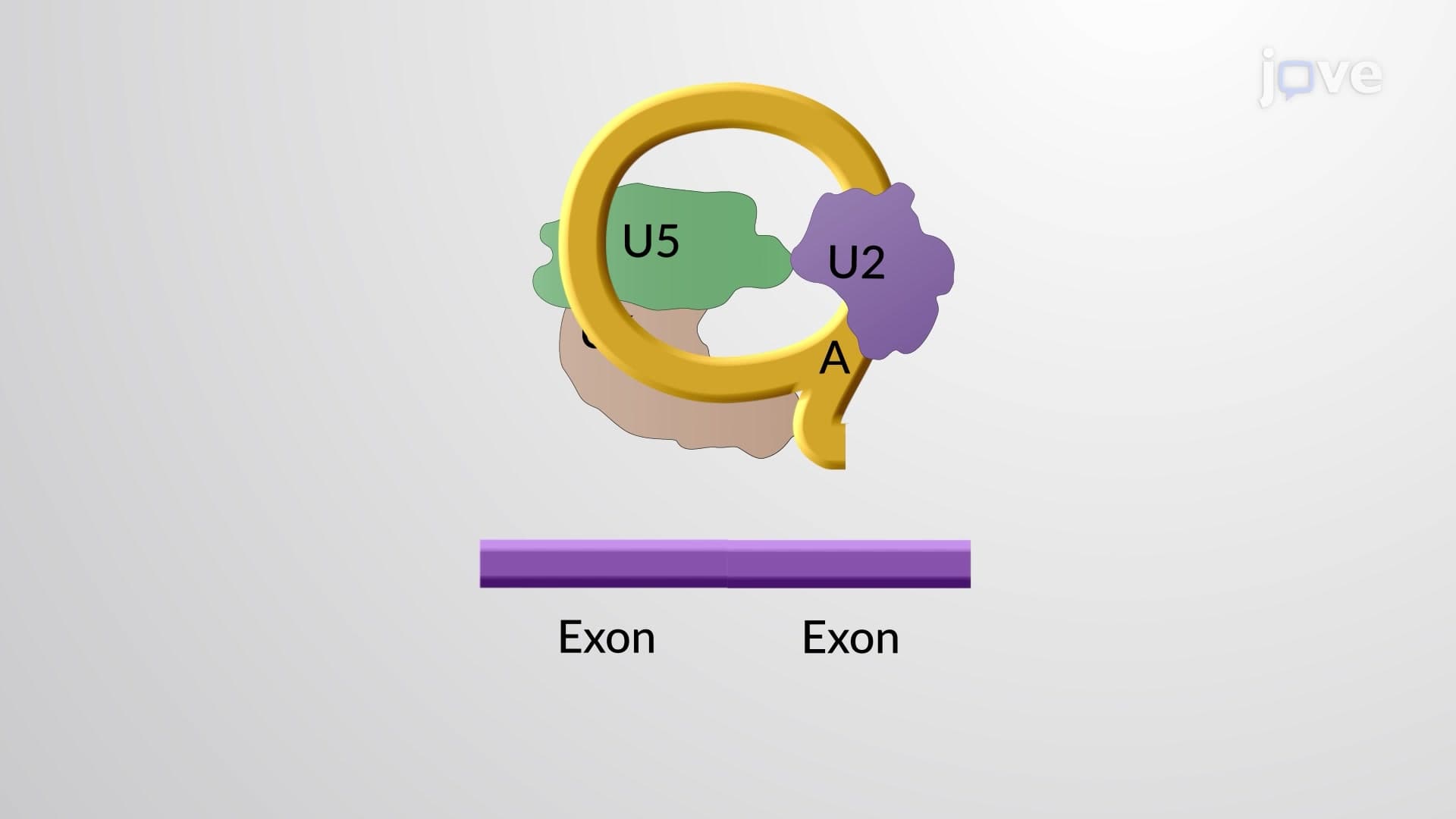
The process begins after transcription when newly synthesized pre-mRNA contains both exons (coding sequences) and introns (non-coding sequences). The spliceosome, a dynamic ribonucleoprotein complex, recognizes splice sites and removes introns while joining exons. However, unlike constitutive splicing where all exons are included, alternative splicing creates decision points where specific exons may be skipped, alternative splice sites chosen, or introns retained.
Five major patterns characterize alternative splicing events. Exon skipping, the most common type in humans, occurs when entire exons are excluded from the final transcript. Mutually exclusive exons involve choosing between two or more exons that cannot coexist in the same transcript. Alternative 5' and 3' splice sites create exons of varying lengths by utilizing different cut points. Finally, intron retention, more common in plants and lower eukaryotes, includes intronic sequences in mature transcripts.
These decisions depend on competing interactions between regulatory elements and splicing factors. Exonic splicing enhancers (ESEs) and silencers (ESSs) within exons, along with intronic splicing enhancers (ISEs) and silencers (ISSs) within introns, create a regulatory code. Trans-acting factors, including SR proteins and heterogeneous nuclear ribonucleoproteins (hnRNPs), recognize these elements and influence spliceosome assembly.
Alternative splicing's medical relevance extends far beyond academic interest. Approximately 15% of disease-causing mutations affect splicing patterns rather than coding sequences directly. Spinal muscular atrophy exemplifies this connection-mutations in the SMN1 gene force reliance on SMN2, which produces insufficient functional protein due to exon 7 skipping.
The FDA-approved drug Spinraza (nusinersen) demonstrates therapeutic potential targeting splicing mechanisms. This antisense oligonucleotide binds to SMN2 pre-mRNA, promoting exon 7 inclusion and increasing functional protein production. Similar approaches show promise for treating Duchenne muscular dystrophy and various cancers where splicing dysregulation drives pathogenesis.
For students preparing for AP Biology exams or college-level genetics courses, understanding alternative splicing connects multiple concepts: gene expression regulation, protein structure-function relationships, and evolutionary biology. MCAT test-takers particularly benefit from grasping how alternative splicing explains the complexity of human physiology despite our relatively simple genome.
Related Micro-courses