Loading video…


 18 Concepts
 131.2K views

Video Summary: What Is Nuclear Export of Mrna
Ever wonder how your cells ensure that genetic instructions reach the protein-making machinery? The nuclear export of mRNA is the critical cellular checkpoint that transports mature messenger RNA from the nucleus to the cytoplasm, much like how the CDC carefully screens and approves vaccines before they reach the public. This tightly regulated process ensures only properly processed genetic messages can direct protein synthesis, preventing cellular chaos. Watch the full video on JoVE Coach to master this concept with expert-led visuals and step-by-step explanations.
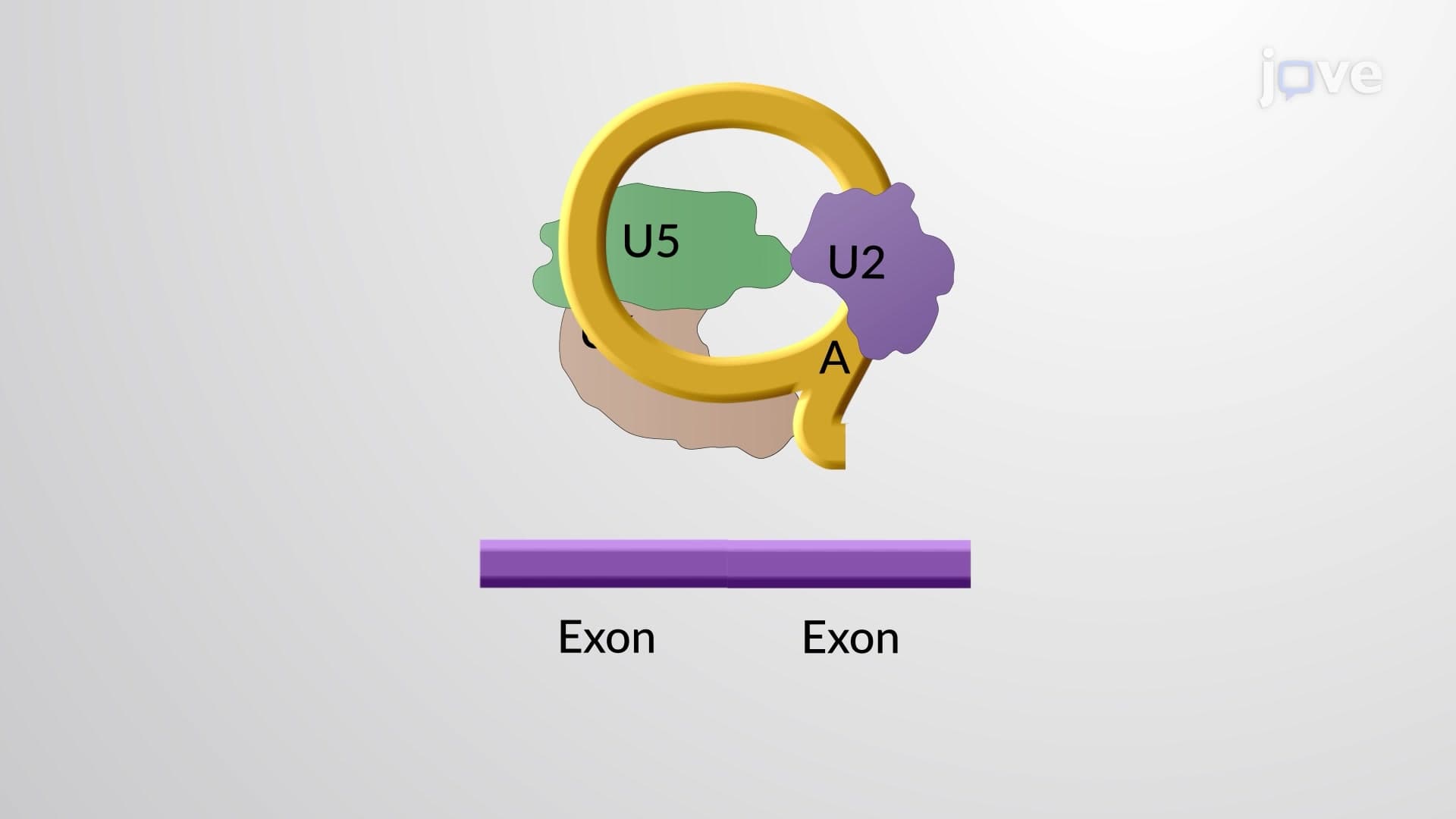
Nuclear export of mRNA represents one of biology's most sophisticated quality control systems. After genes are transcribed into pre-mRNA and undergo extensive processing-including 5' capping, intron splicing, and 3' polyadenylation-the mature mRNA faces a critical checkpoint. Only fully processed, export-ready mRNA molecules can pass through the nuclear envelope to reach ribosomes in the cytoplasm where protein synthesis occurs.
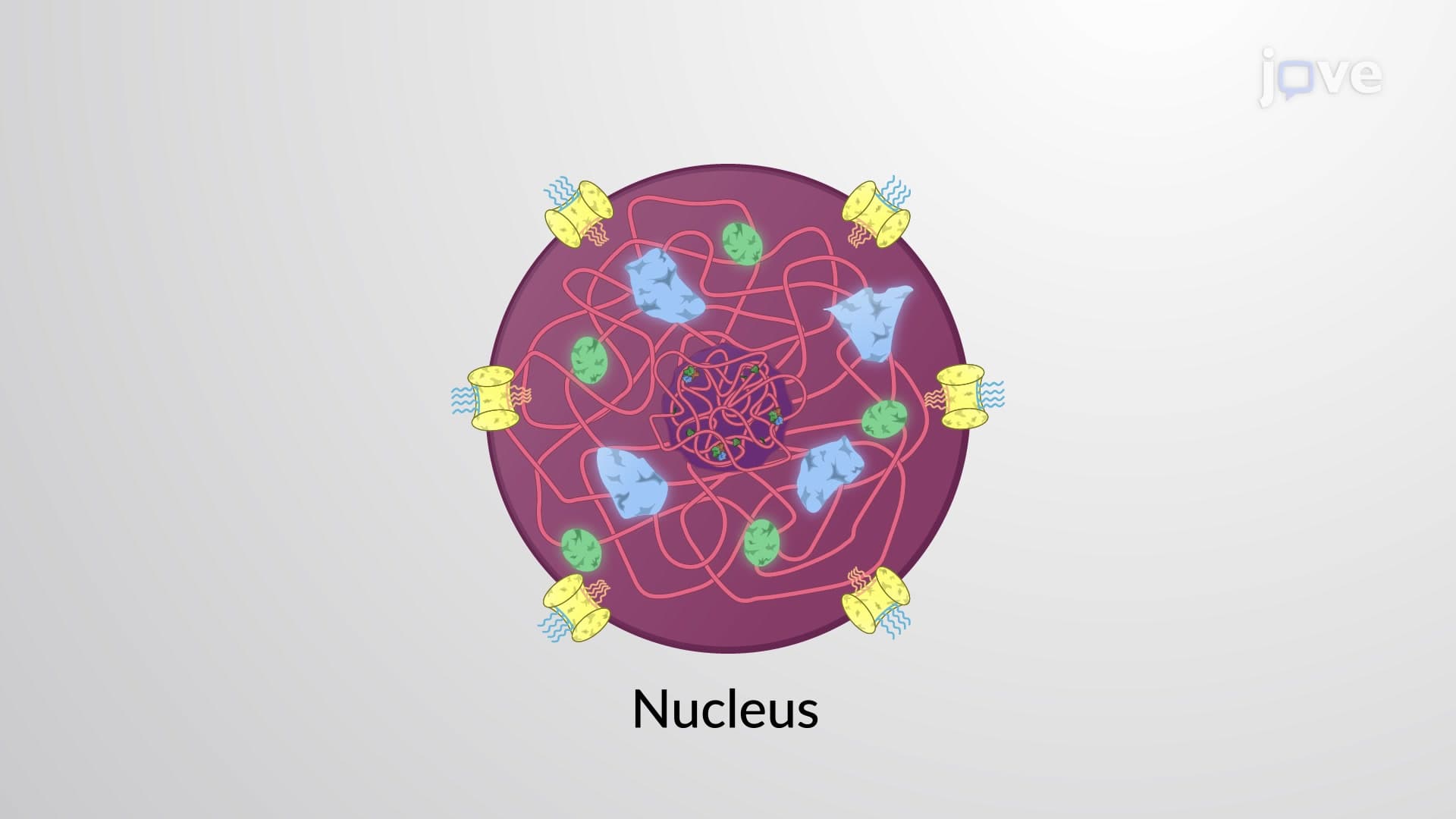
Nuclear pore complexes (NPCs) function as highly selective gatekeepers embedded within the nuclear envelope. These massive protein assemblies, composed of approximately 30 different nucleoporin proteins, create channels roughly 120 nanometers in diameter. The primary mRNA export receptor, TAP/p15 (also called NXF1/NXT1), acts like a molecular escort service, recognizing specific sequences and structural features on mature mRNA molecules bound to proteins (forming mRNPs).
The TAP/p15 heterodimer undergoes conformational changes upon mRNA binding, enabling interaction with specific nucleoporins that facilitate passage through the nuclear pore. This process requires energy in the form of GTP hydrolysis and involves dynamic remodeling of the mRNP structure to accommodate the pore's dimensions.
The nuclear export machinery serves as a final quality checkpoint, preventing incompletely processed or defective mRNA from reaching the translation machinery. This surveillance system is crucial because faulty mRNAs could produce truncated or misfolded proteins, potentially causing cellular dysfunction.
Students preparing for AP Biology or college cell biology courses should understand that mRNA export defects link directly to human diseases. In certain cancers, overexpression of export factors like TAP can lead to increased export of oncogene mRNAs, promoting tumor growth. Conversely, neurodegenerative diseases like amyotrophic lateral sclerosis (ALS) often involve defective mRNA export, leading to protein synthesis disruption in neurons.
Understanding mRNA export mechanisms has proven invaluable in developing mRNA-based therapeutics. The COVID-19 vaccines developed by companies like Pfizer-BioNTech and Moderna rely on optimized mRNA molecules designed to efficiently exit the nucleus and direct synthesis of viral proteins that trigger immune responses. Researchers manipulate mRNA stability, nuclear export signals, and processing elements to enhance therapeutic efficacy.
For MCAT preparation, students should recognize that nuclear export connects transcription and translation, representing a key regulatory point in gene expression. This concept frequently appears in passages discussing gene regulation, cellular stress responses, and disease mechanisms.
Related Micro-courses