Loading video…


 18 Concepts
 131.2K views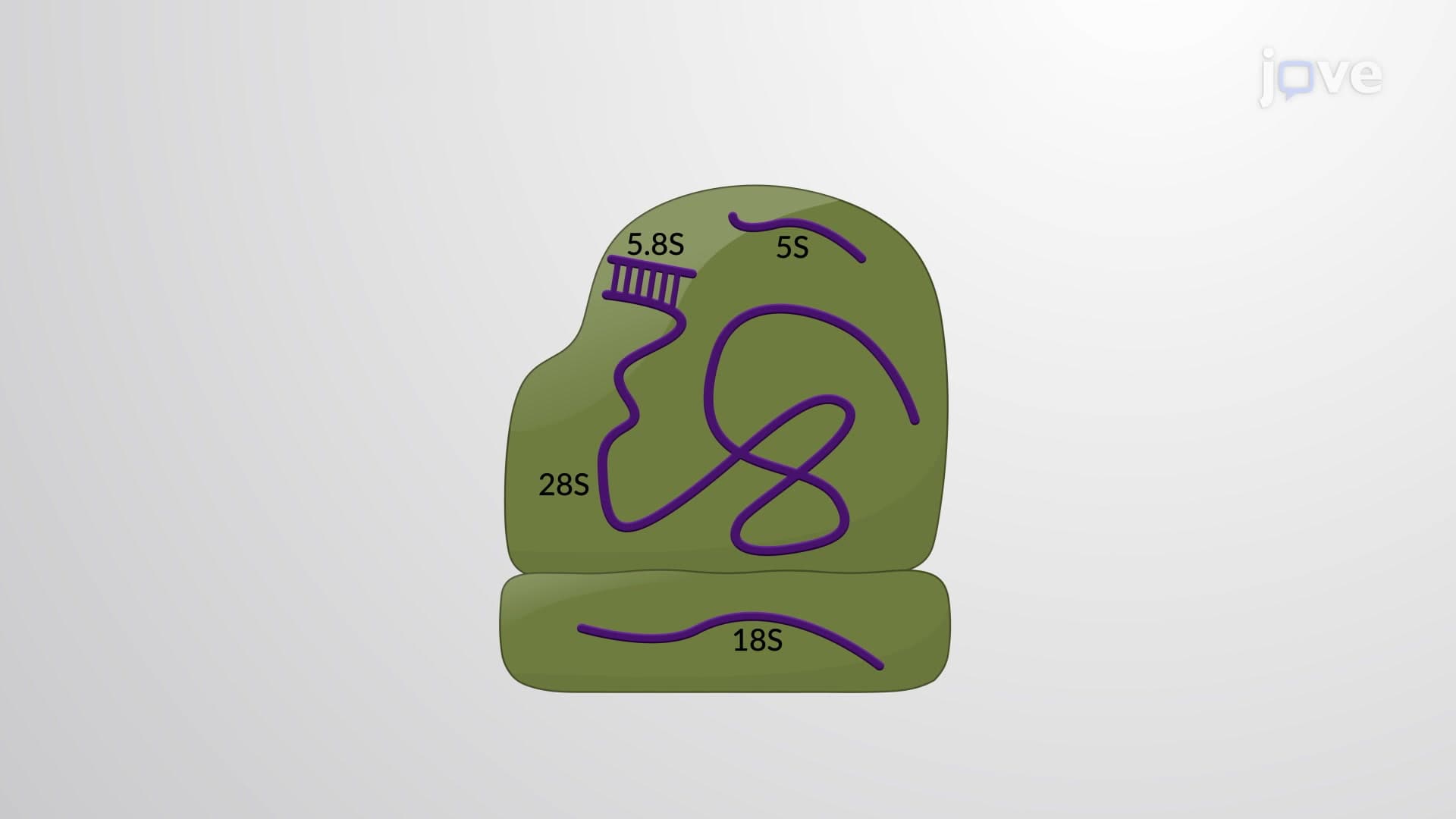

Video Summary: What Is Ribosomal RNA Synthesis
Every second, your cells produce thousands of ribosomes to manufacture the proteins keeping you alive-but how does ribosomal RNA synthesis make this cellular factory possible? This fundamental process occurs in the nucleolus, where specialized RNA polymerases transcribe rRNA genes that become the backbone of protein-making machinery. Understanding ribosomal RNA synthesis is crucial for grasping how cells like those in rapidly growing cancer tumors require massive ribosome production. Watch the full video on JoVE Coach to master this concept with expert-led visuals and step-by-step explanations.
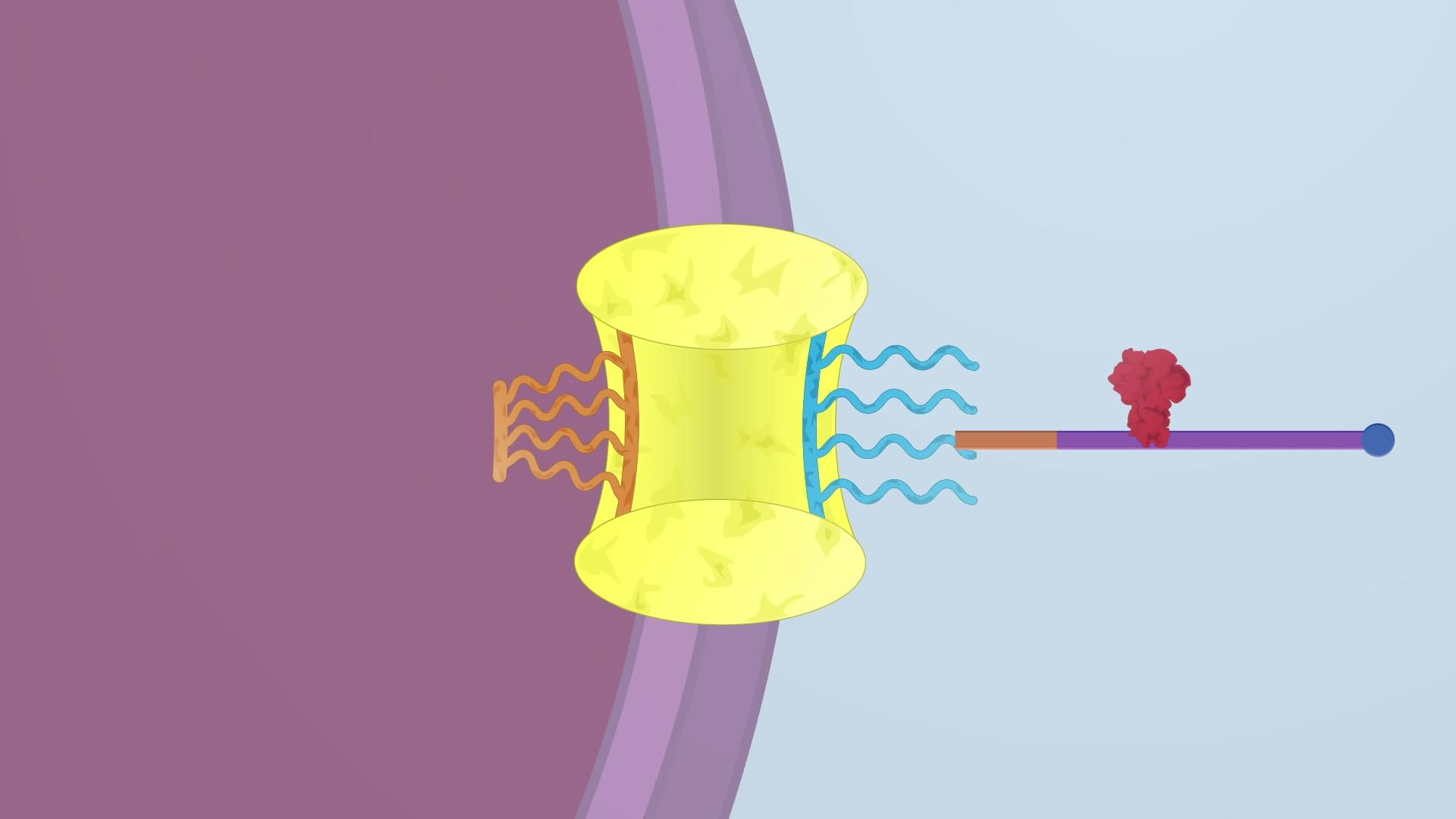
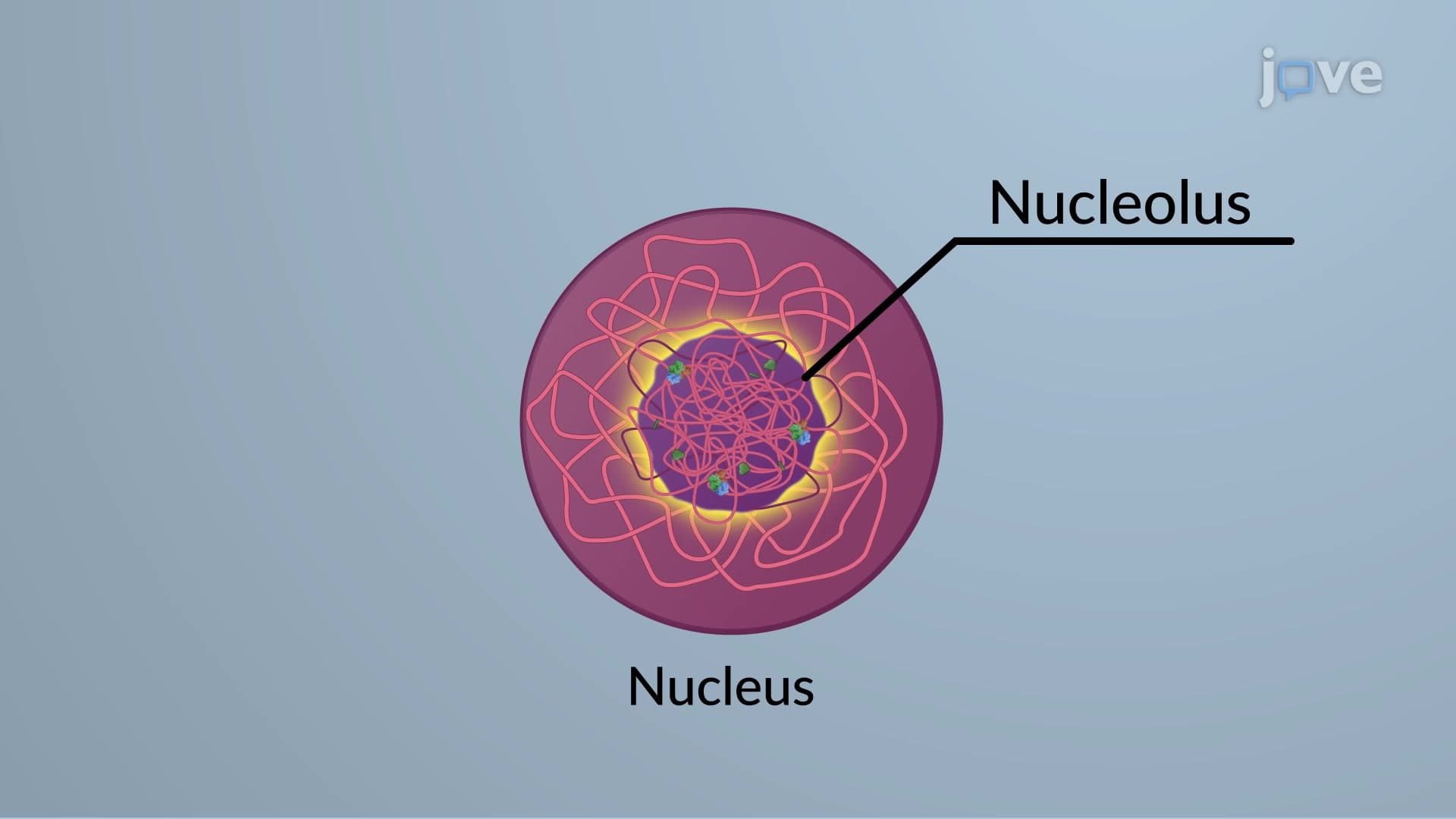
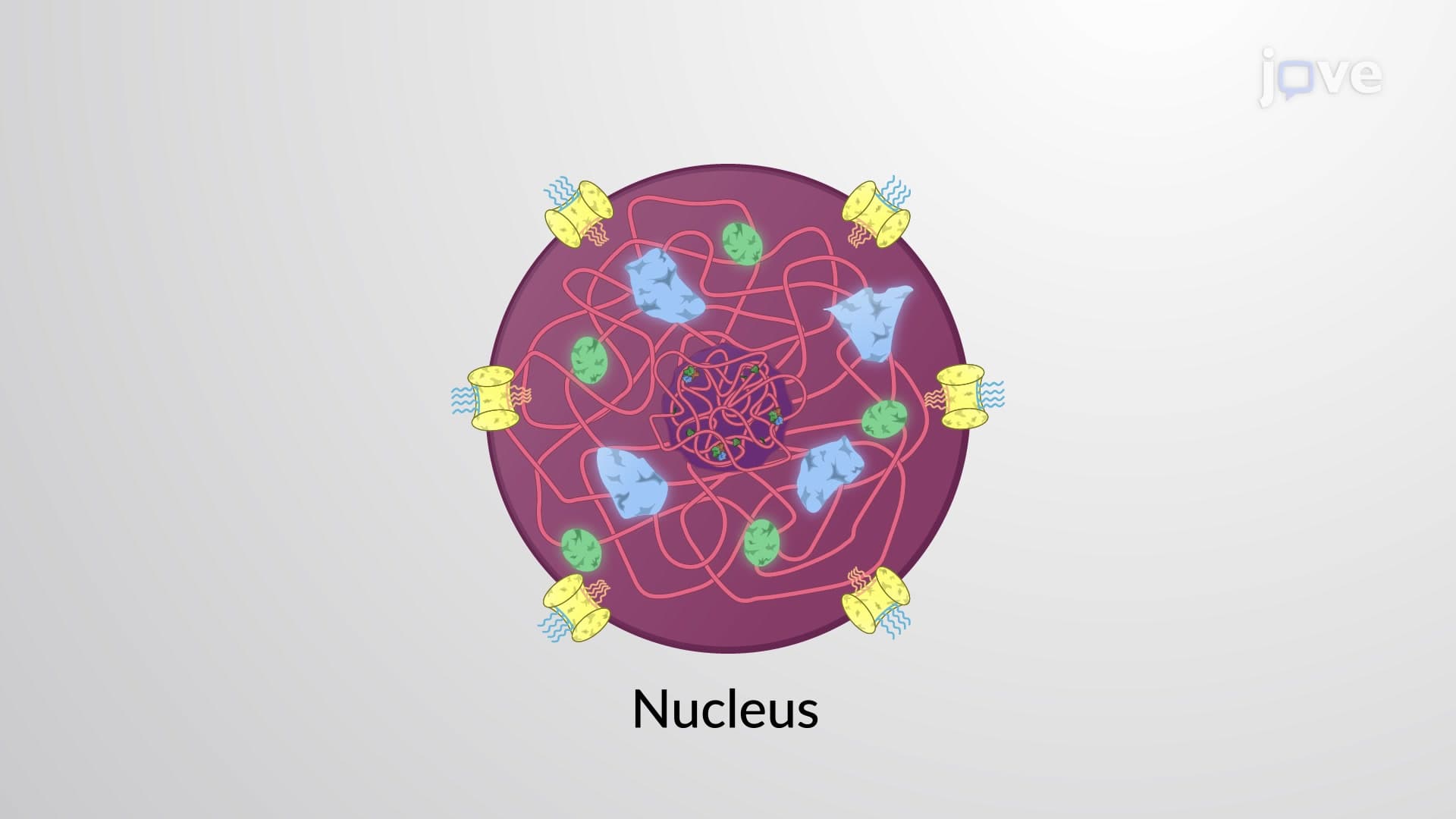
Ribosomal RNA synthesis represents one of the most energy-intensive processes in growing cells, consuming up to 80% of total transcriptional activity. Unlike messenger RNA, ribosomal RNA becomes a structural and catalytic component of ribosomes themselves, making this synthesis pathway uniquely important for cellular function. The process begins in the nucleolus, a distinct subnuclear compartment that forms around clusters of rRNA genes called nucleolar organizing regions.
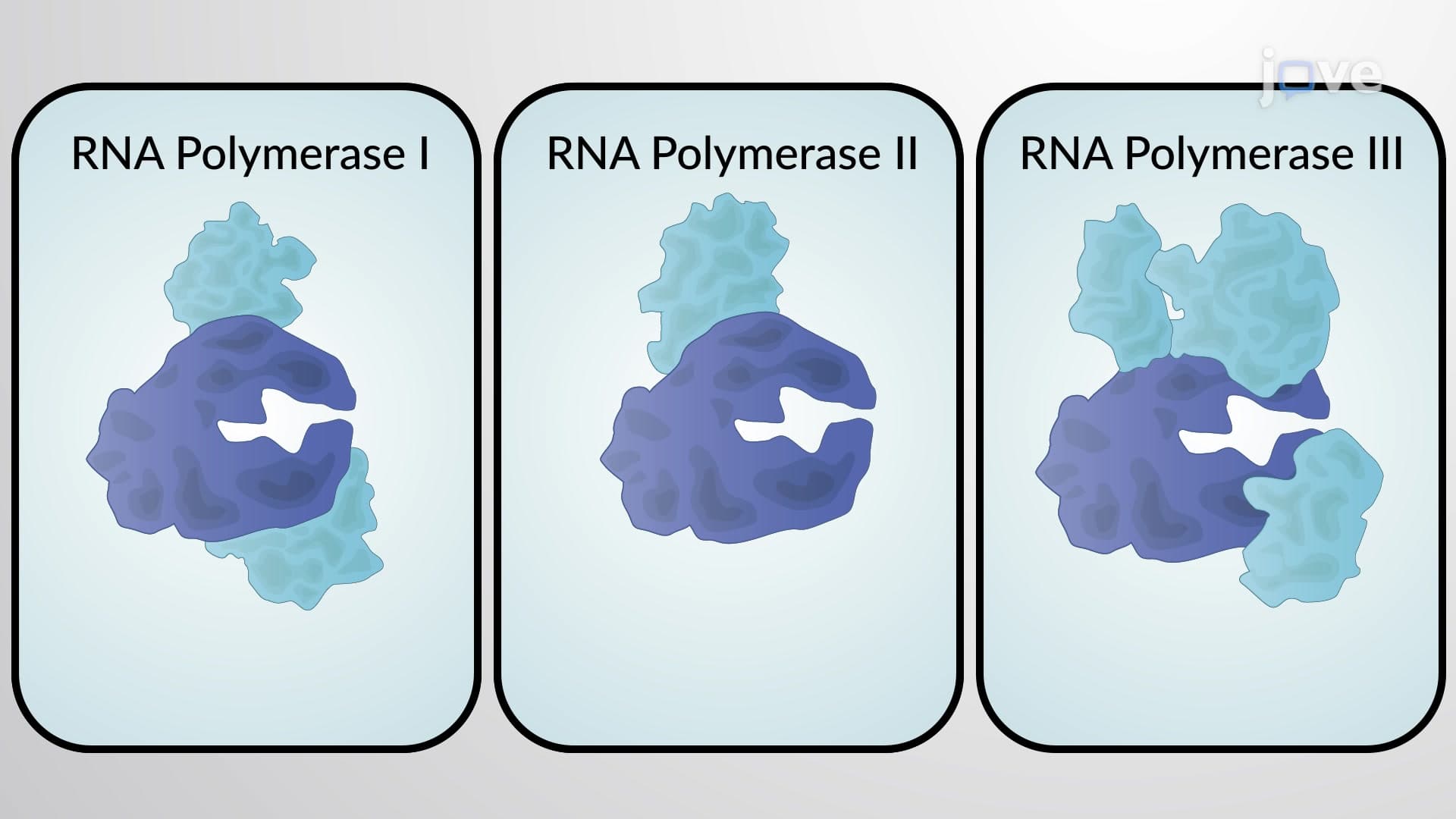
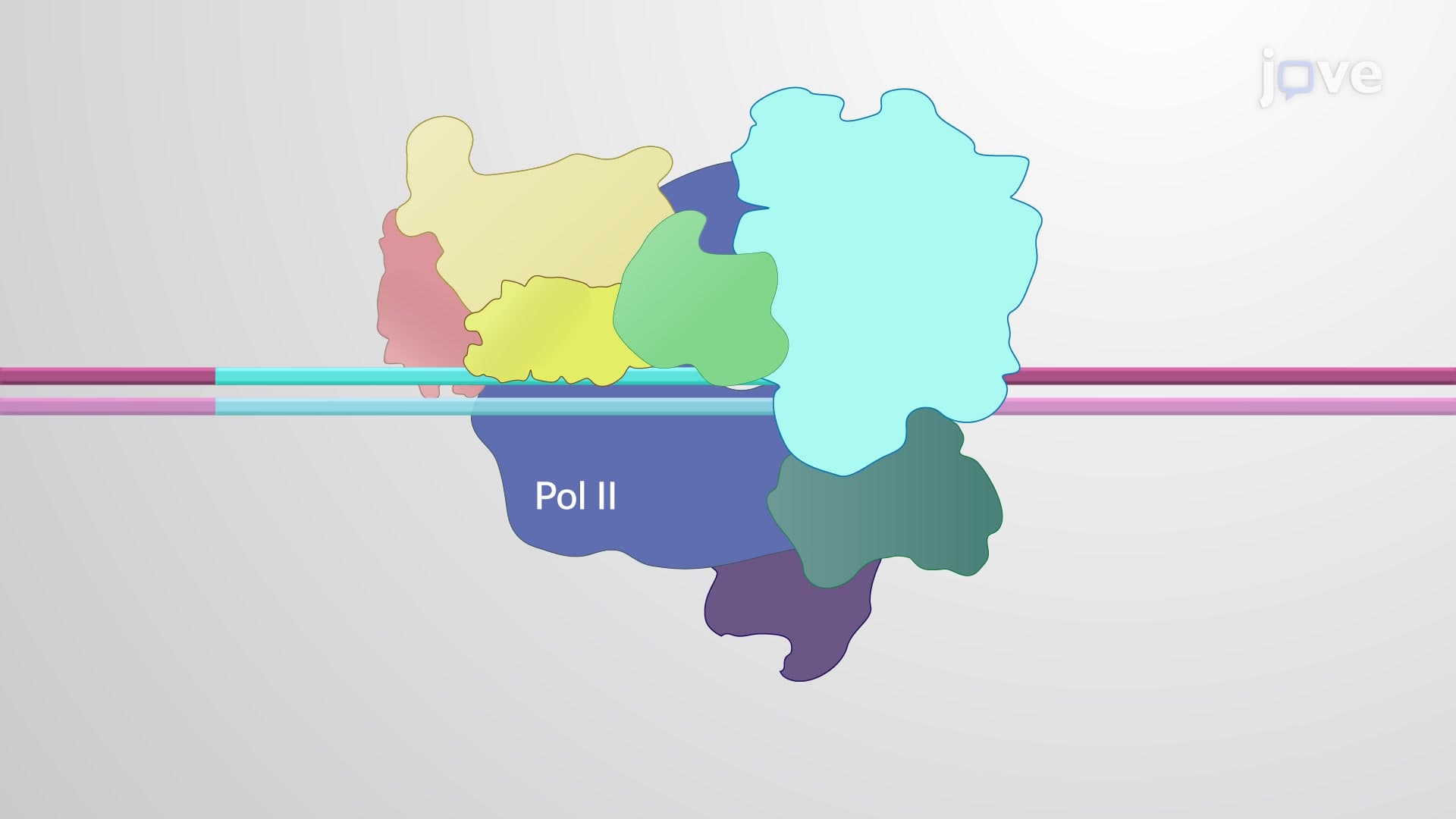
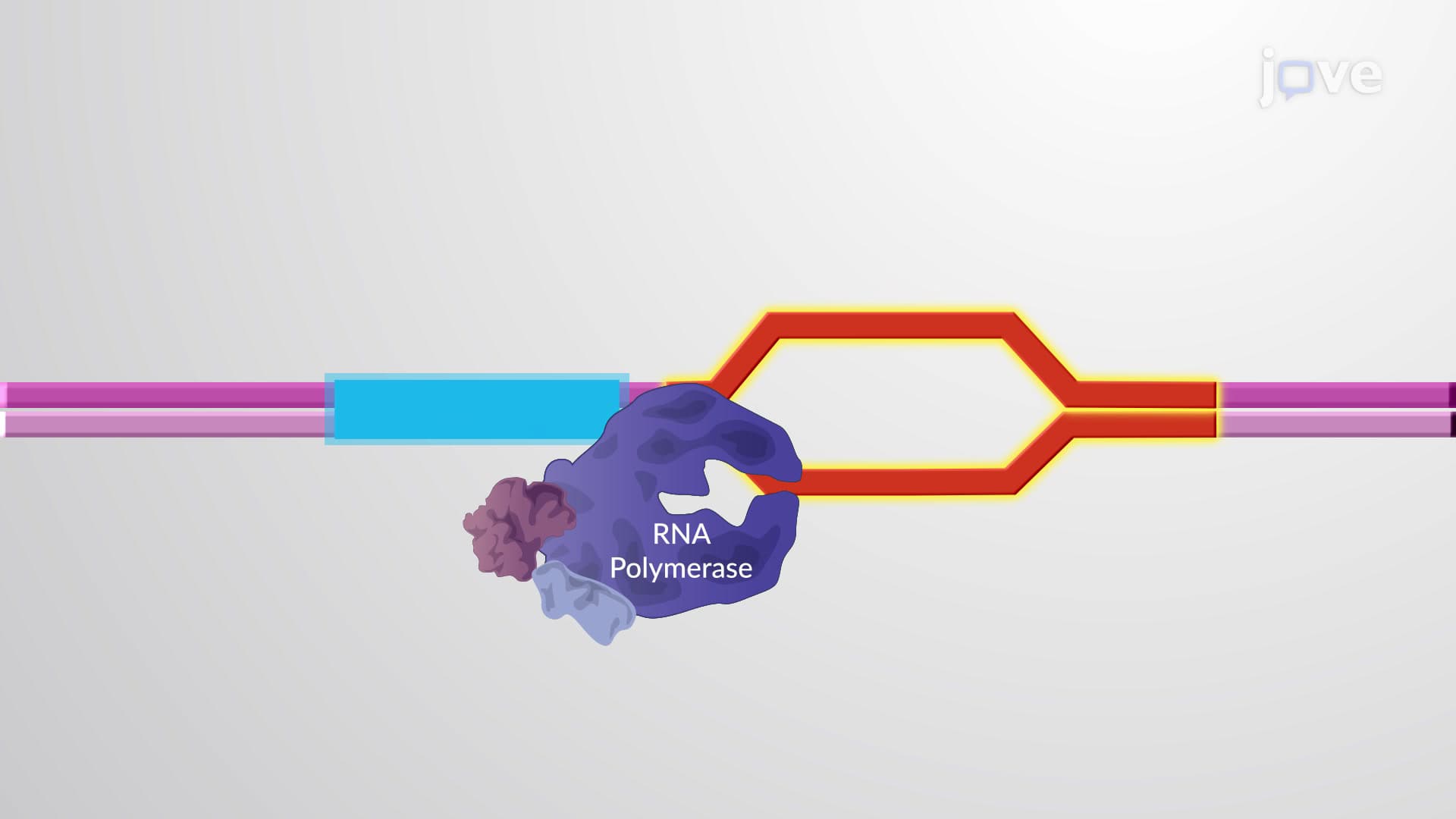
Two specialized RNA polymerases orchestrate rRNA production. RNA polymerase I transcribes the large precursor rRNA (45S pre-rRNA) containing the 18S, 5.8S, and 28S rRNA sequences. Meanwhile, RNA polymerase III independently produces 5S rRNA. This division of labor allows cells to fine-tune production rates-particularly important in rapidly dividing cells like those found in bone marrow or intestinal crypts. Students preparing for the MCAT or AP Biology exams should note that this differs from protein-coding gene transcription, which uses RNA polymerase II.
The initial 45S transcript undergoes extensive modification through a choreographed series of cleavage events and chemical modifications. Small nucleolar RNAs (snoRNAs) guide methylation at specific sites, while other complexes add pseudouridine residues that stabilize rRNA structure. These modifications are critical-defects in this processing machinery cause ribosomopathies like Diamond-Blackfan anemia, where patients experience bone marrow failure due to defective ribosome biogenesis.
Understanding rRNA synthesis has profound medical implications. Cancer cells' dependence on increased protein production makes them vulnerable to RNA polymerase I inhibitors like CX-5461, currently in clinical trials at major US cancer centers including MD Anderson and Memorial Sloan Kettering. Additionally, many antibiotics target bacterial ribosome function-knowledge of rRNA structure and synthesis helps explain why drugs like streptomycin specifically inhibit bacterial protein synthesis without affecting human ribosomes.
Related Micro-courses