Loading subject page…


131,142 views

Video Summary: What Is RNA Structure
Did you know that every COVID-19 vaccine developed by companies like Moderna relies on understanding RNA structure to deliver genetic instructions to your cells? RNA structure forms the foundation of how genetic information flows from DNA to proteins in every living organism. From developing life-saving therapeutics at the NIH to understanding hereditary diseases, mastering What is RNA Structure is essential for anyone pursuing careers in biotechnology, medicine, or molecular biology. Watch the full video on JoVE Coach to master this concept with expert-led visuals and step-by-step explanations.
What is RNA Structure begins with recognizing that ribonucleic acid represents one of life's most versatile molecules. Unlike its more famous cousin DNA, RNA's unique structural features enable it to serve multiple cellular functions, from carrying genetic messages to catalyzing biochemical reactions. Students preparing for the AP Biology exam or college-level molecular biology courses must master these structural distinctions to succeed in advanced coursework.
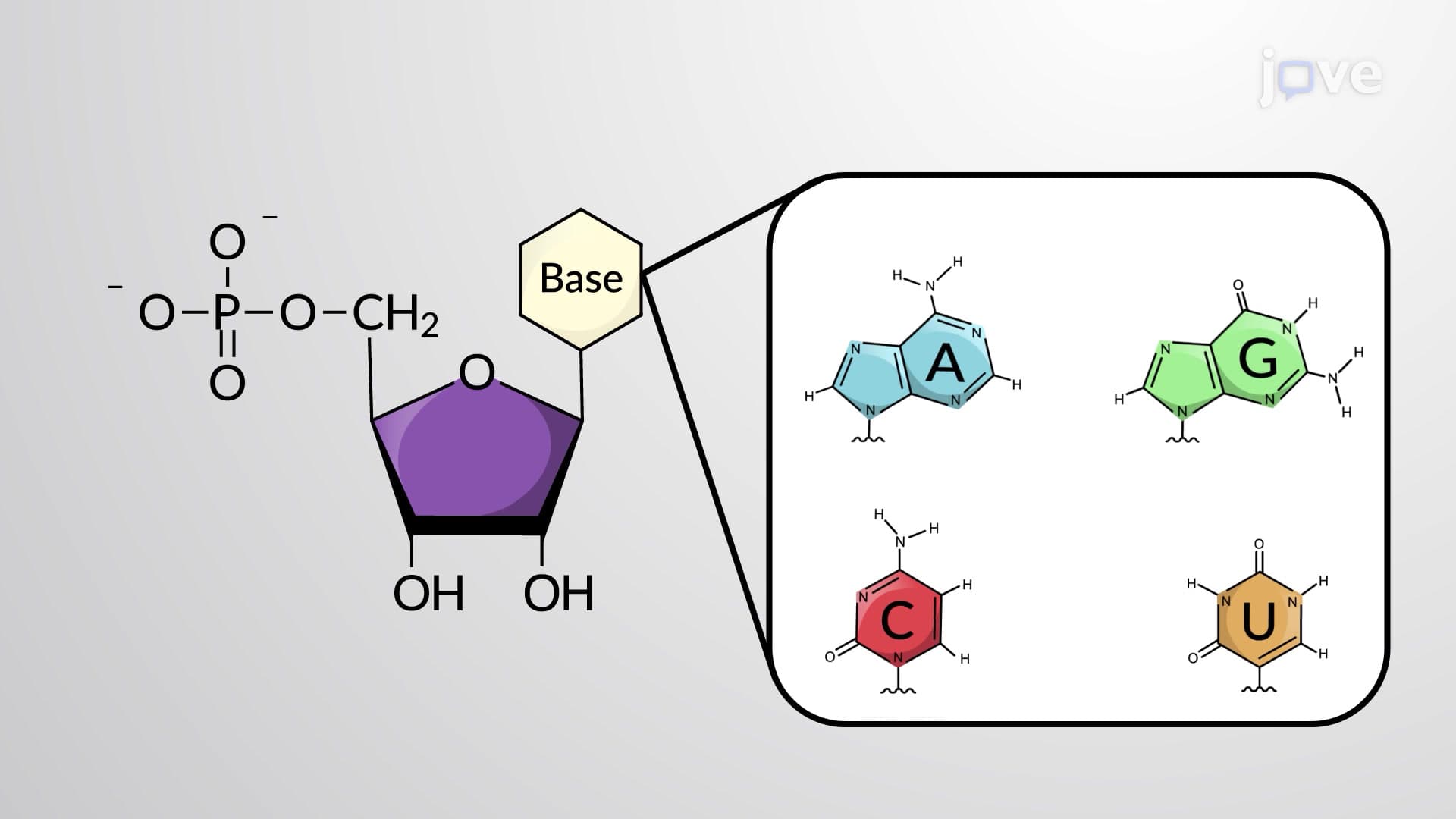
Each RNA nucleotide contains three essential components that define RNA structure biology explained. The ribose sugar differs from DNA's deoxyribose by containing an additional hydroxyl (-OH) group on the 2' carbon, making RNA less chemically stable but more functionally diverse. This structural difference explains why RNA can fold into complex three-dimensional shapes, enabling enzymes like ribozymes to catalyze reactions in cellular processes studied at institutions like Harvard Medical School and Johns Hopkins University.
The four nitrogenous bases-adenine, guanine, cytosine, and uracil-create the informational content of RNA. The substitution of uracil for thymine represents a crucial RNA structure definition concept that frequently appears on MCAT practice exams. During transcription, these bases follow specific pairing rules: adenine pairs with thymine in the DNA template, while guanine pairs with cytosine, ensuring accurate information transfer from genetic blueprint to cellular machinery.
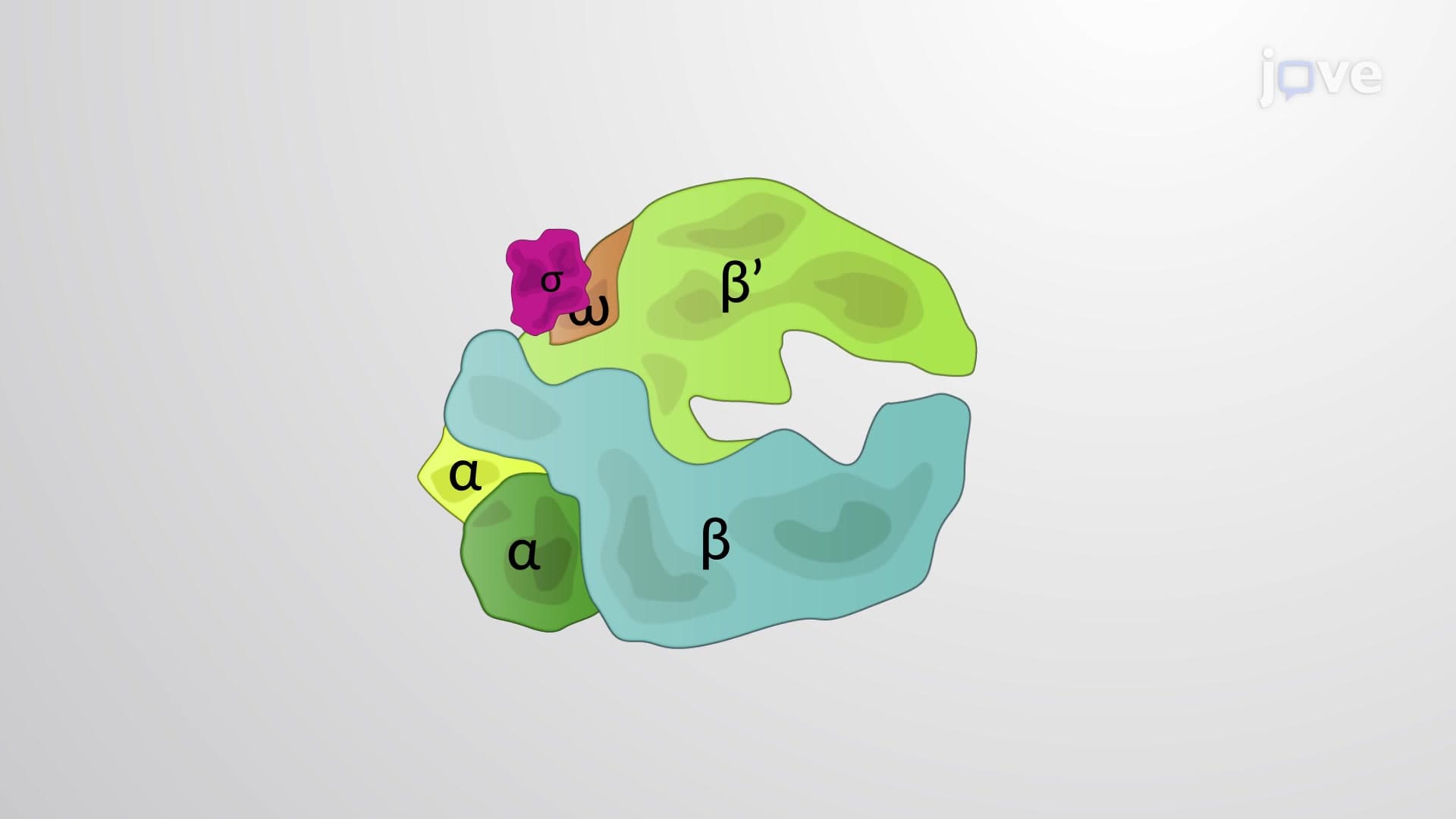
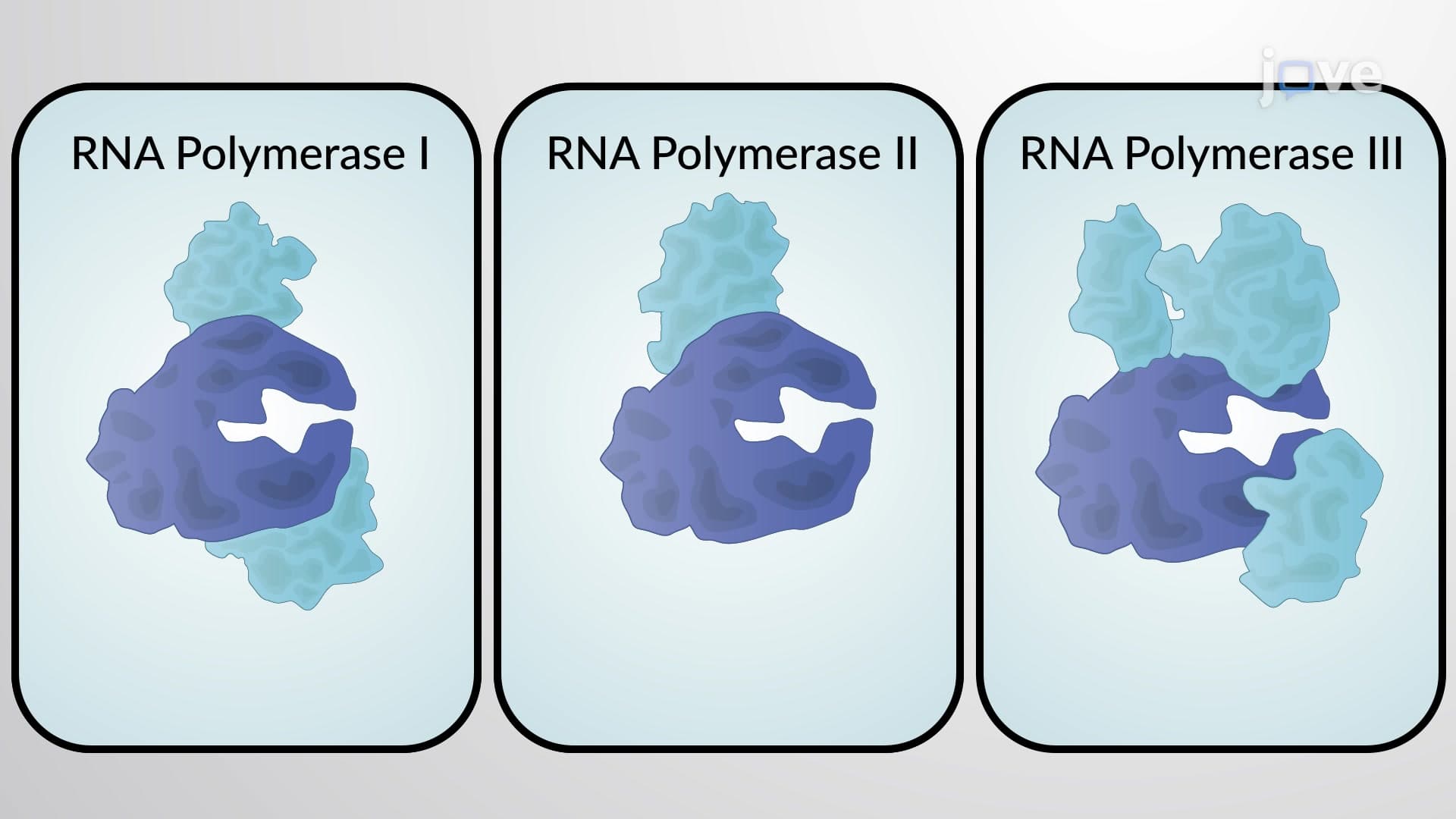
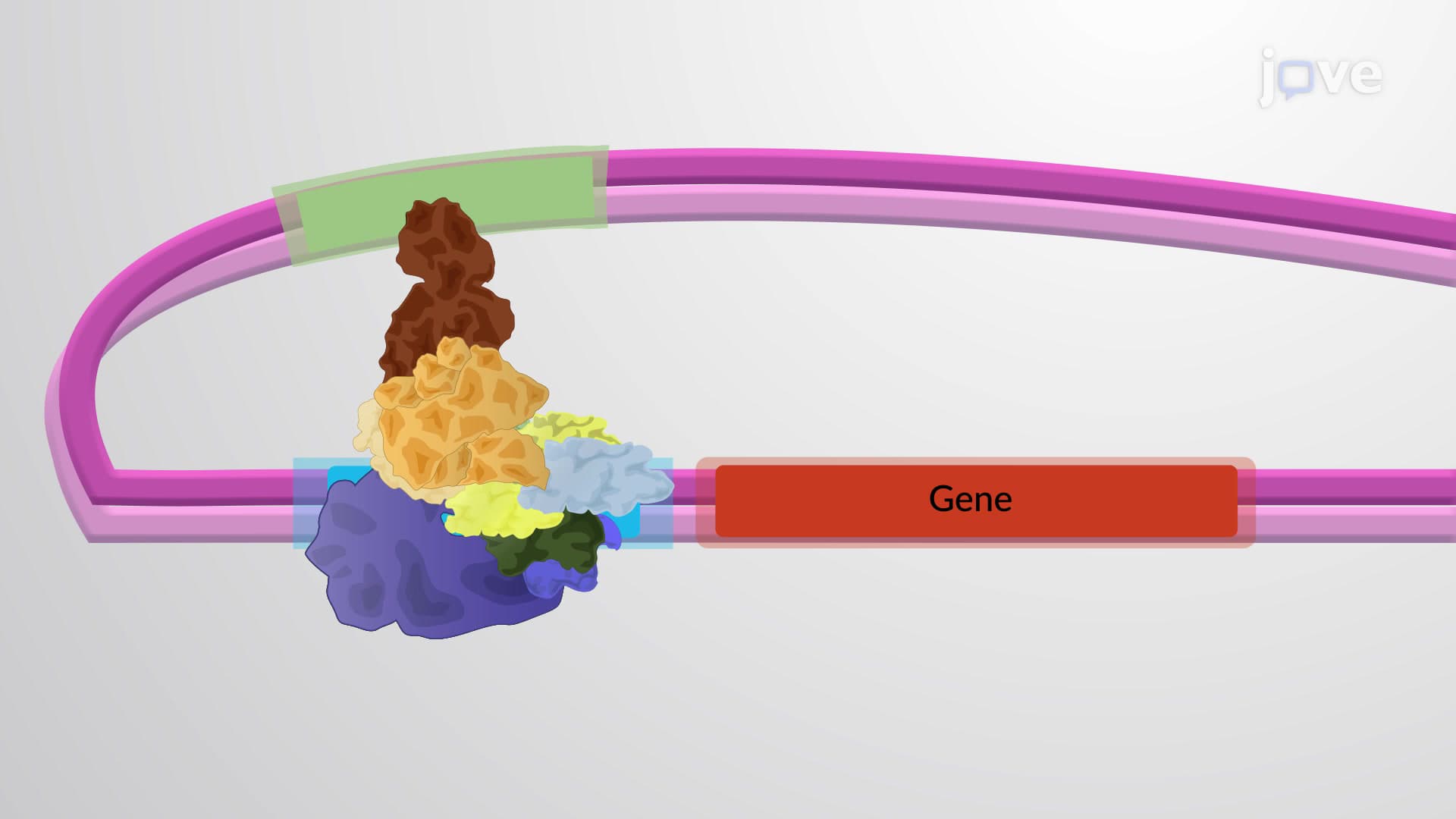
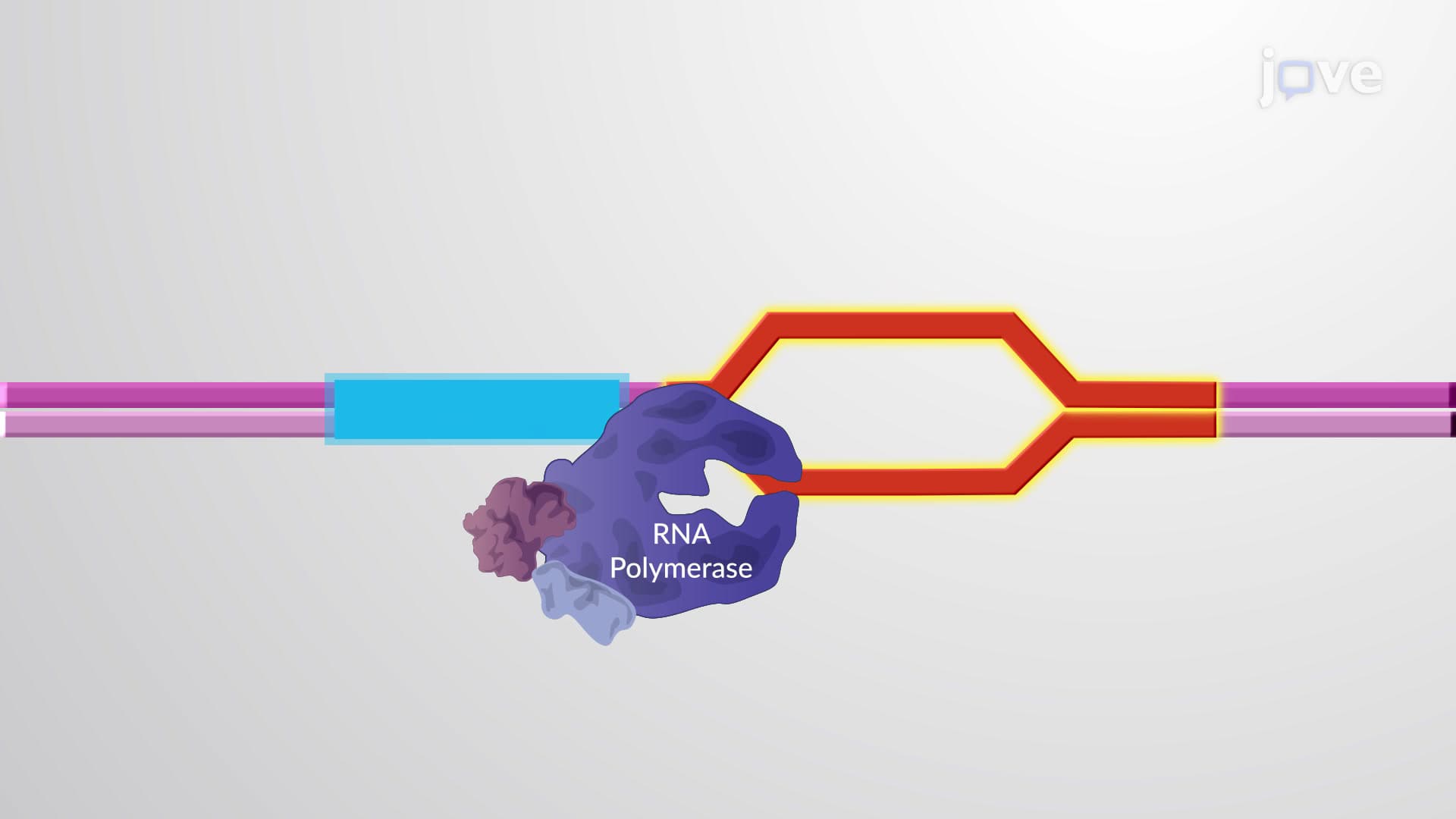
The RNA structure overview reveals how phosphodiester bonds connect individual nucleotides into continuous chains. These bonds form between the 5' phosphate group of one nucleotide and the 3' hydroxyl group of the next, creating the characteristic 5' to 3' directionality essential for RNA synthesis. This directional synthesis, catalyzed by RNA polymerase enzymes, occurs in research laboratories across American universities from MIT to Stanford, where scientists study gene expression mechanisms.
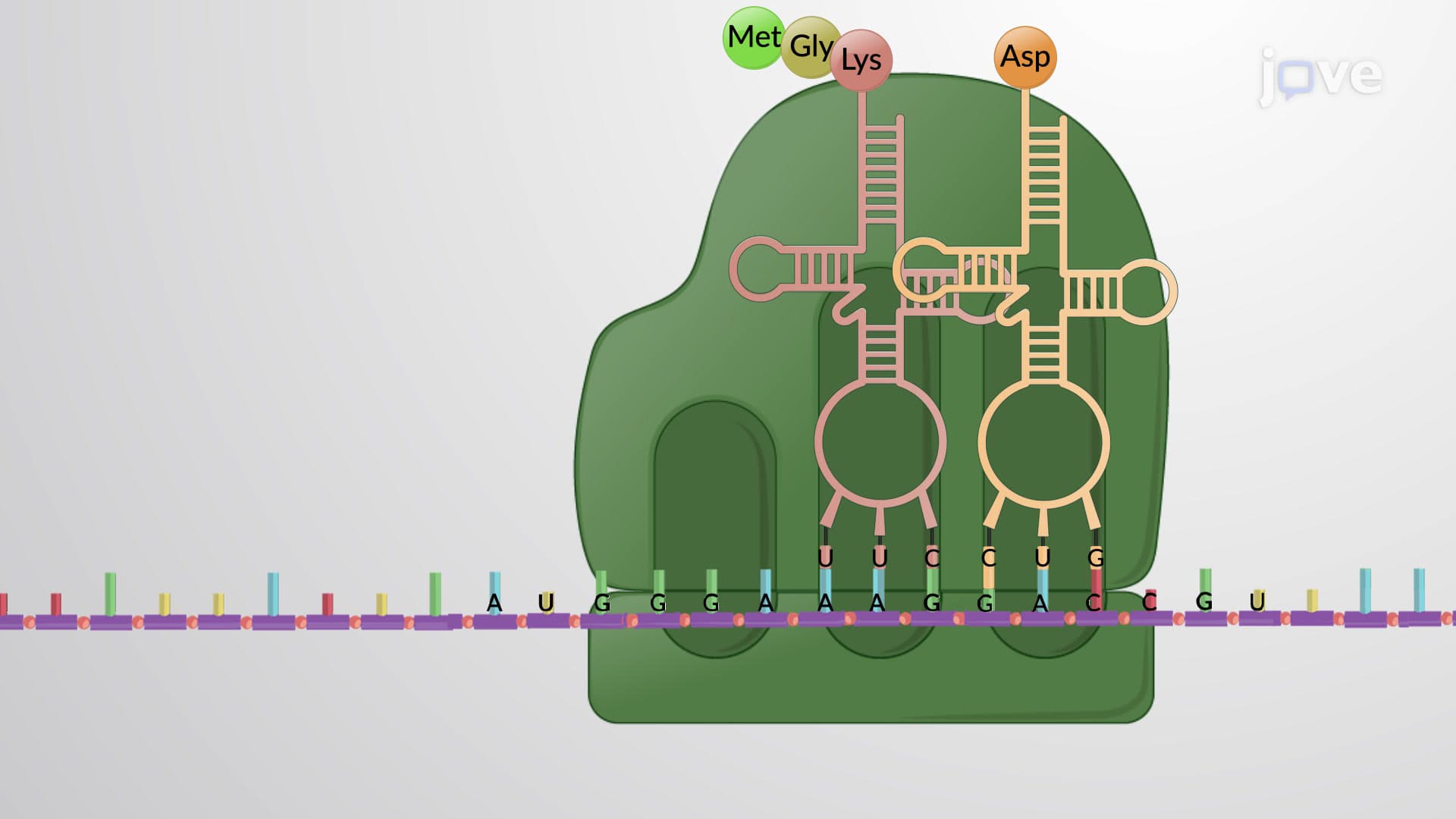
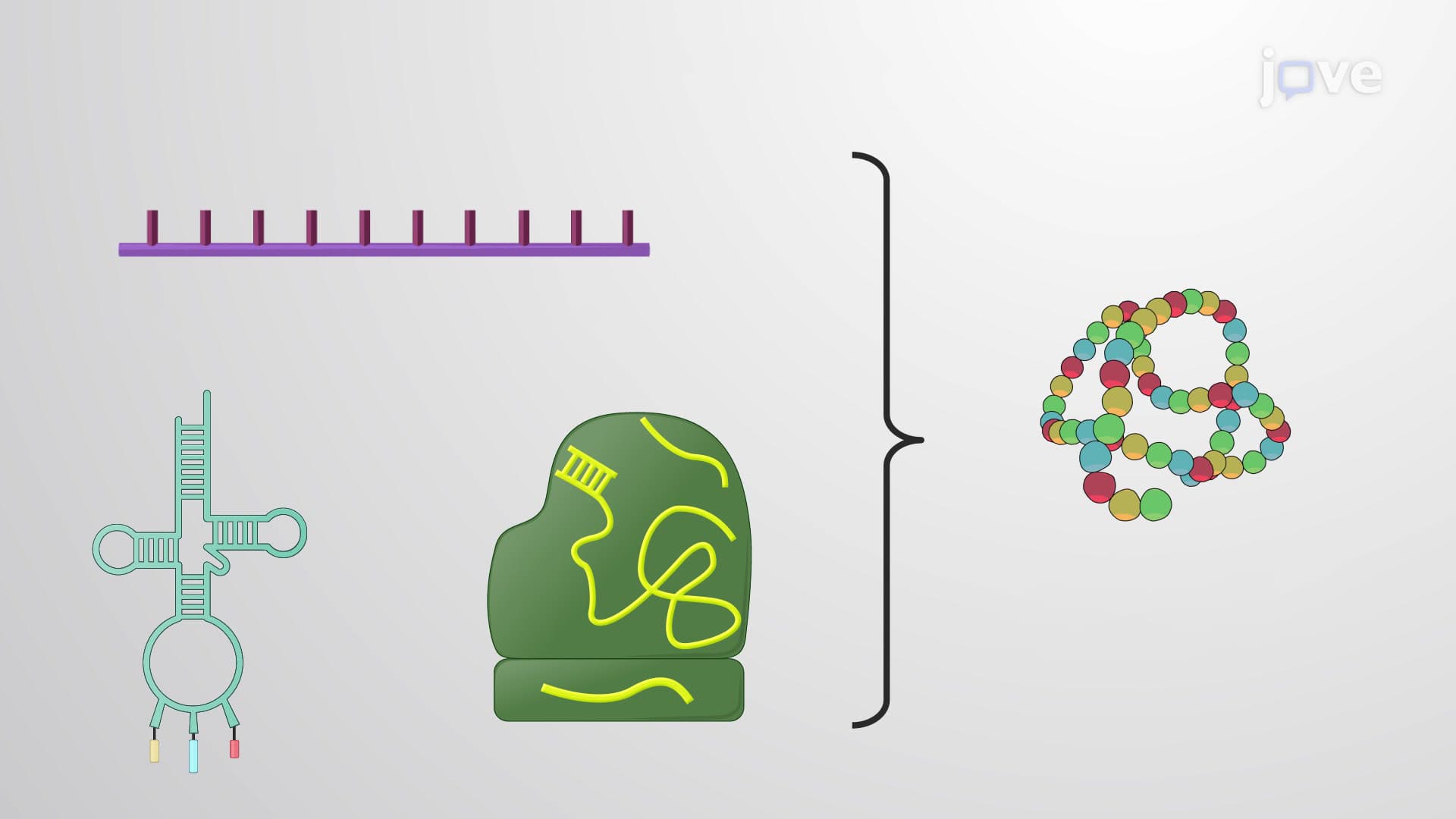
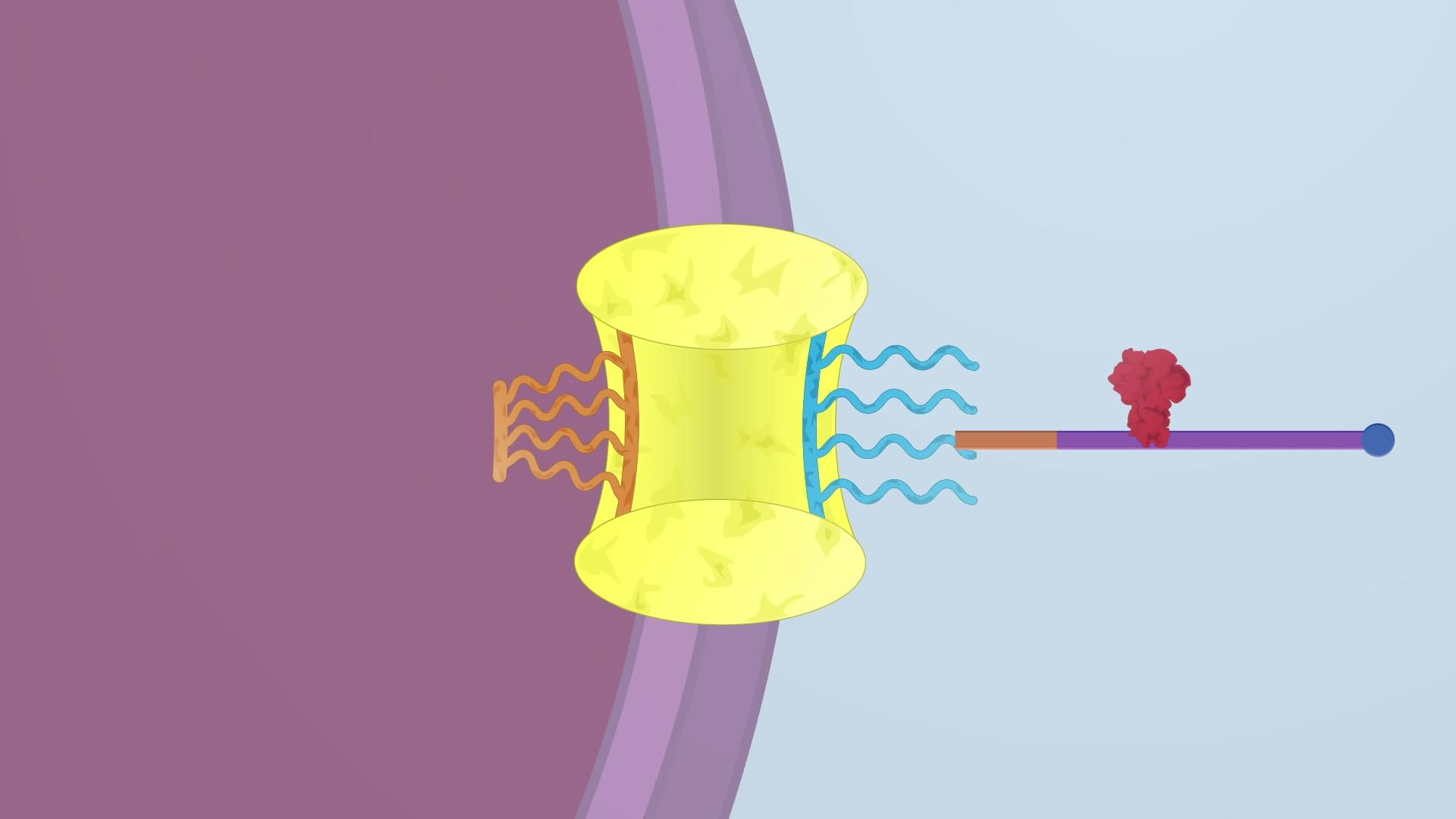
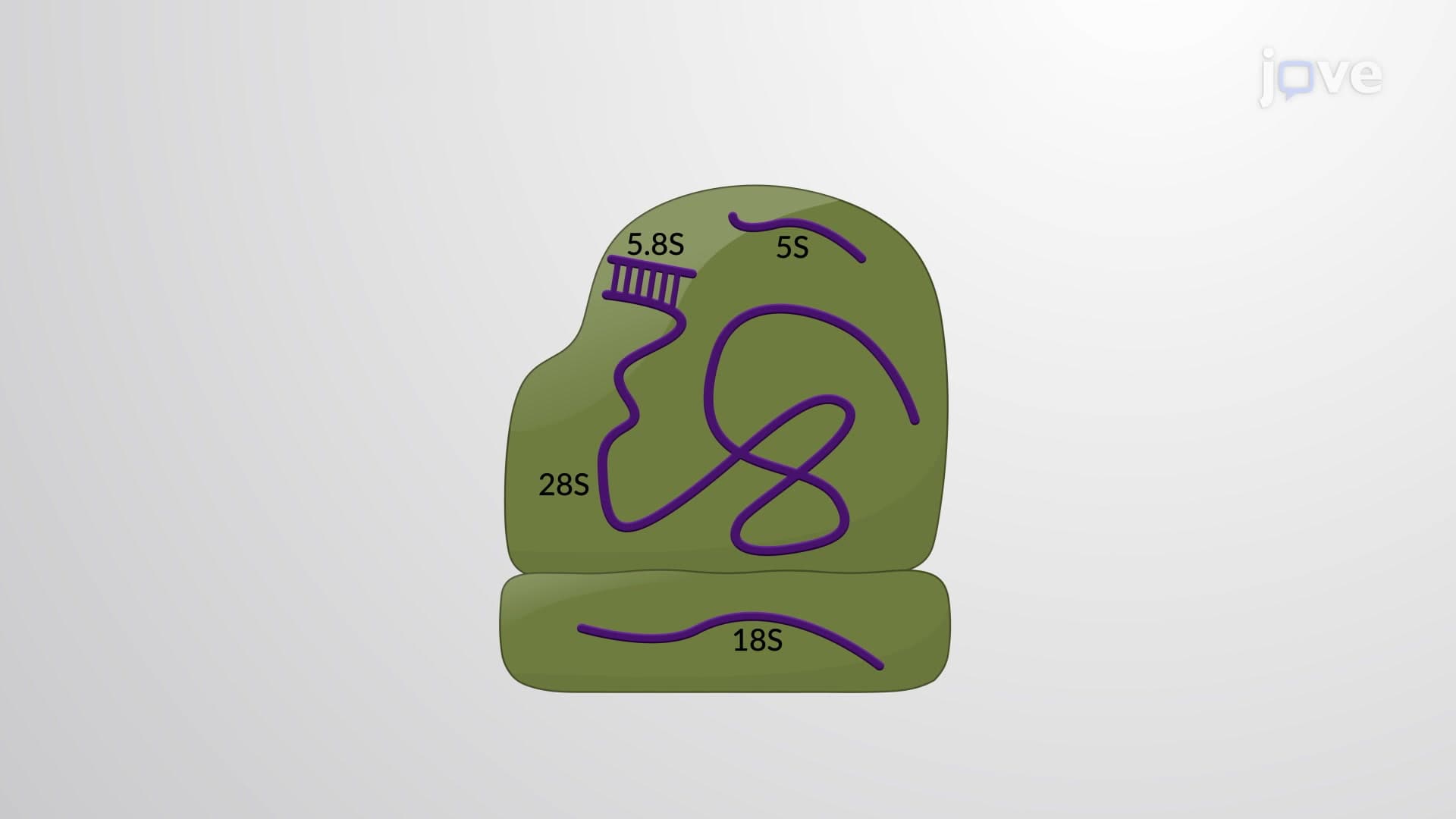
Unlike DNA's double helix, RNA typically remains single-stranded, though it can form complex secondary structures through intramolecular base pairing. This RNA structure biology concept enables messenger RNA to carry genetic information from nucleus to ribosome, transfer RNA to deliver amino acids during protein synthesis, and ribosomal RNA to catalyze peptide bond formation. Understanding these structural relationships proves essential for students tackling biochemistry courses at institutions like UC Berkeley or preparing for graduate school entrance exams like the GRE Biology subject test.
Related Micro-courses