Loading subject page…


131,147 views
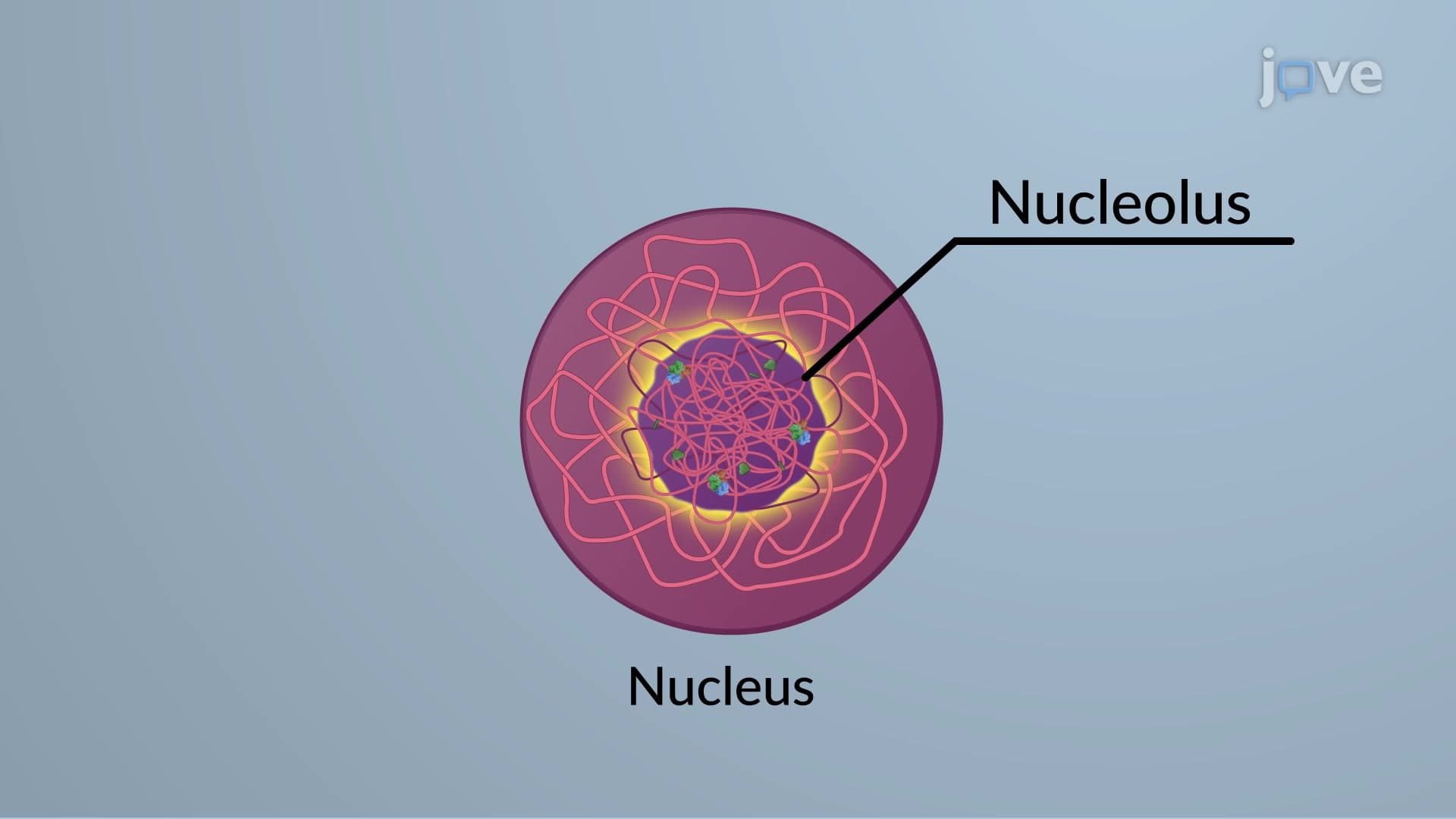

Video Summary: What Is the Nucleolus
Did you know that cancer cells often have abnormally large nucleoli, making this cellular structure a key diagnostic marker for pathologists at institutions like Johns Hopkins? The nucleolus serves as the cell's ribosome factory, orchestrating the complex process of ribosome biogenesis within the nucleus. This dynamic organelle not only produces the cellular machinery essential for protein synthesis but also regulates cell division and responds to cellular stress. Understanding what is the nucleolus reveals how this remarkable structure maintains cellular homeostasis and becomes dysregulated in diseases affecting millions of Americans annually. Watch the full video on JoVE Coach to master this concept with expert-led visuals and step-by-step explanations.
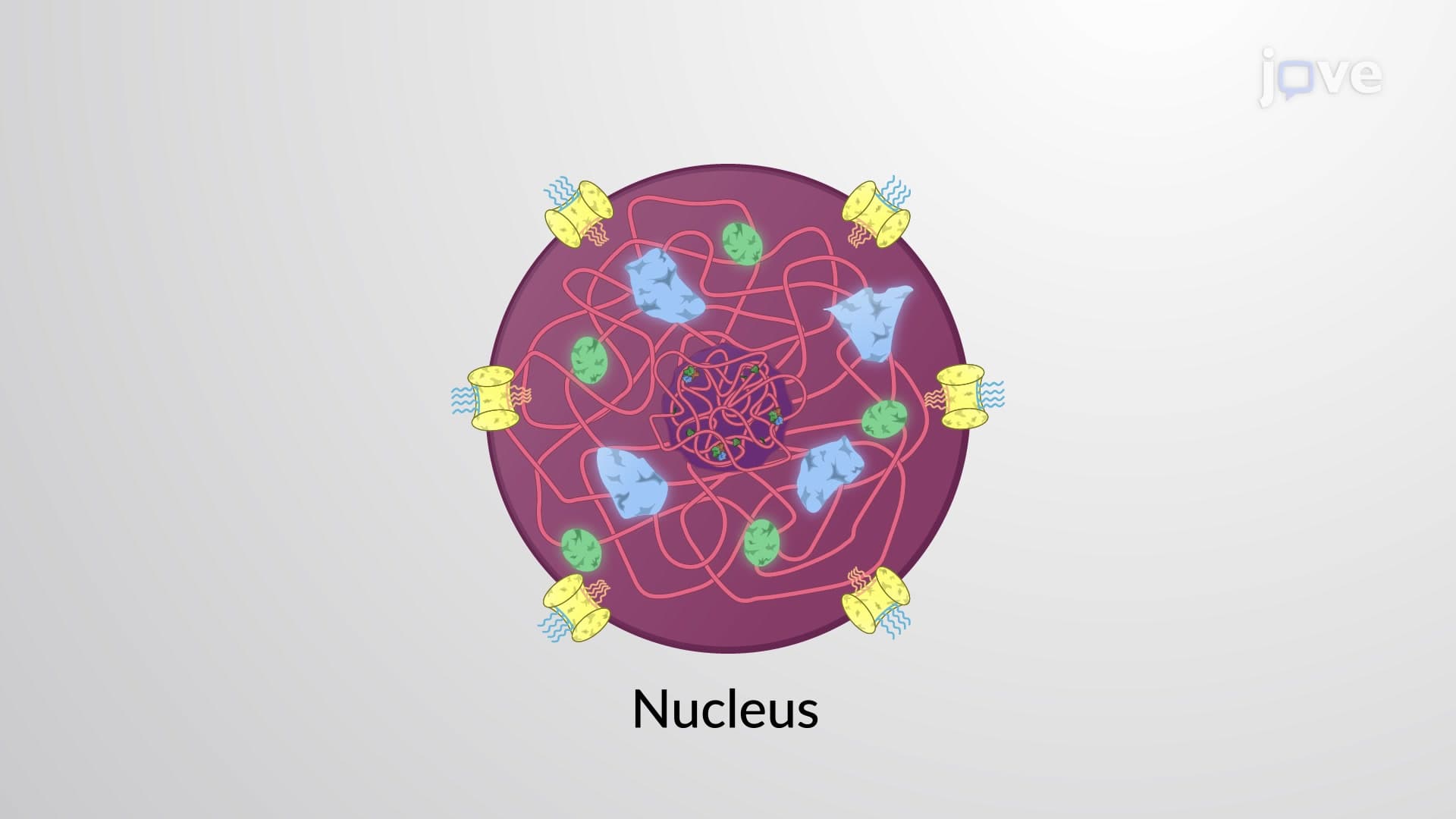
The nucleolus represents one of the most prominent and functionally important subnuclear structures in eukaryotic cells. Unlike membrane-bound organelles, the nucleolus forms through a process called liquid-liquid phase separation around specific chromosomal regions known as nucleolar organizer regions (NORs). These regions contain clusters of ribosomal RNA (rRNA) genes that serve as the foundation for nucleolar assembly and function.
The nucleolus exhibits a highly organized tripartite structure that reflects its functional specialization. The fibrillar centers contain the rRNA genes and represent sites where RNA polymerase I initiates transcription. Surrounding these are the dense fibrillar components, where early processing of pre-rRNA transcripts occurs through complex enzymatic modifications. The outermost granular component serves as the assembly site for ribosomal subunits, where processed rRNA combines with ribosomal proteins imported from the cytoplasm.
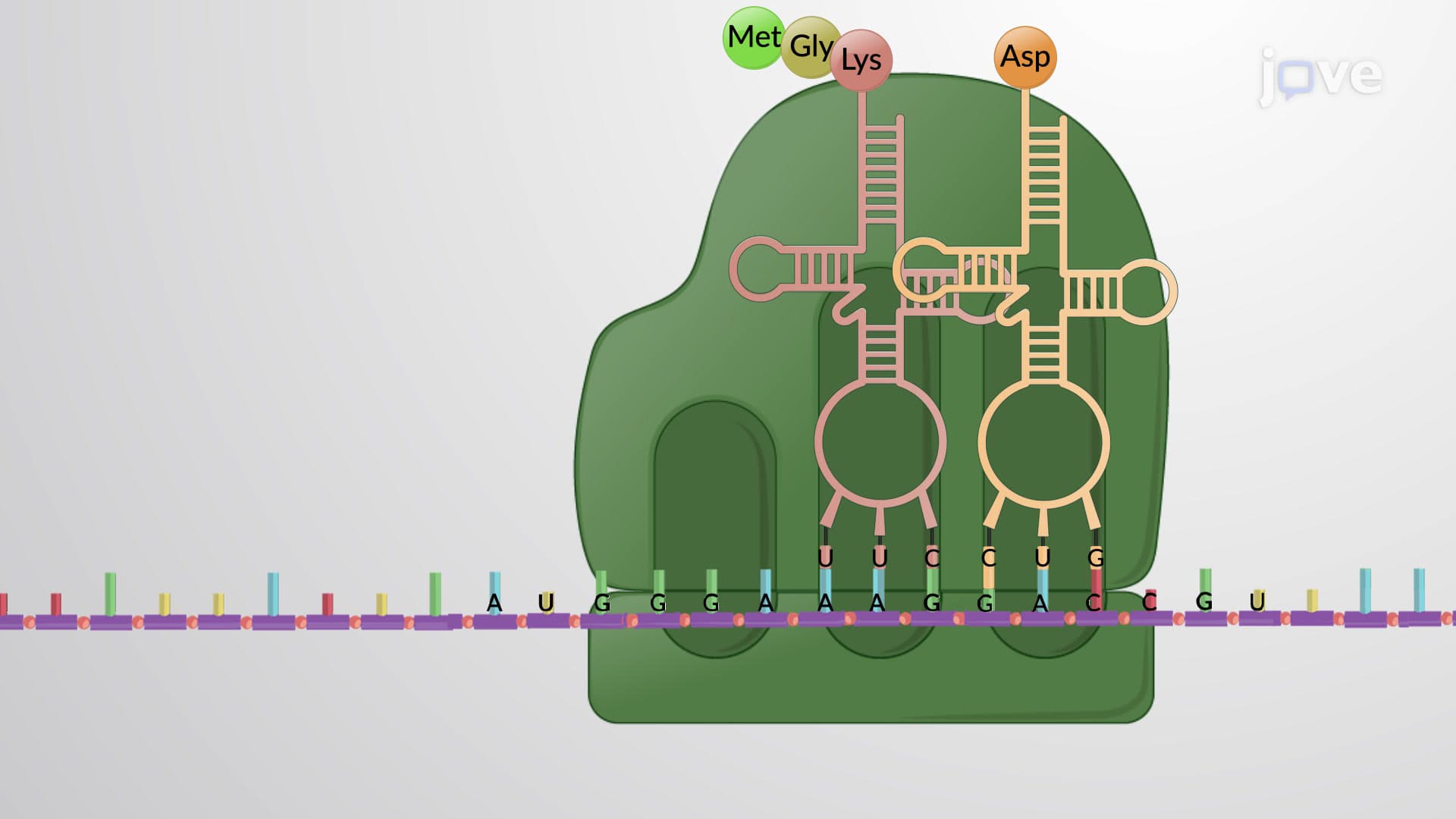
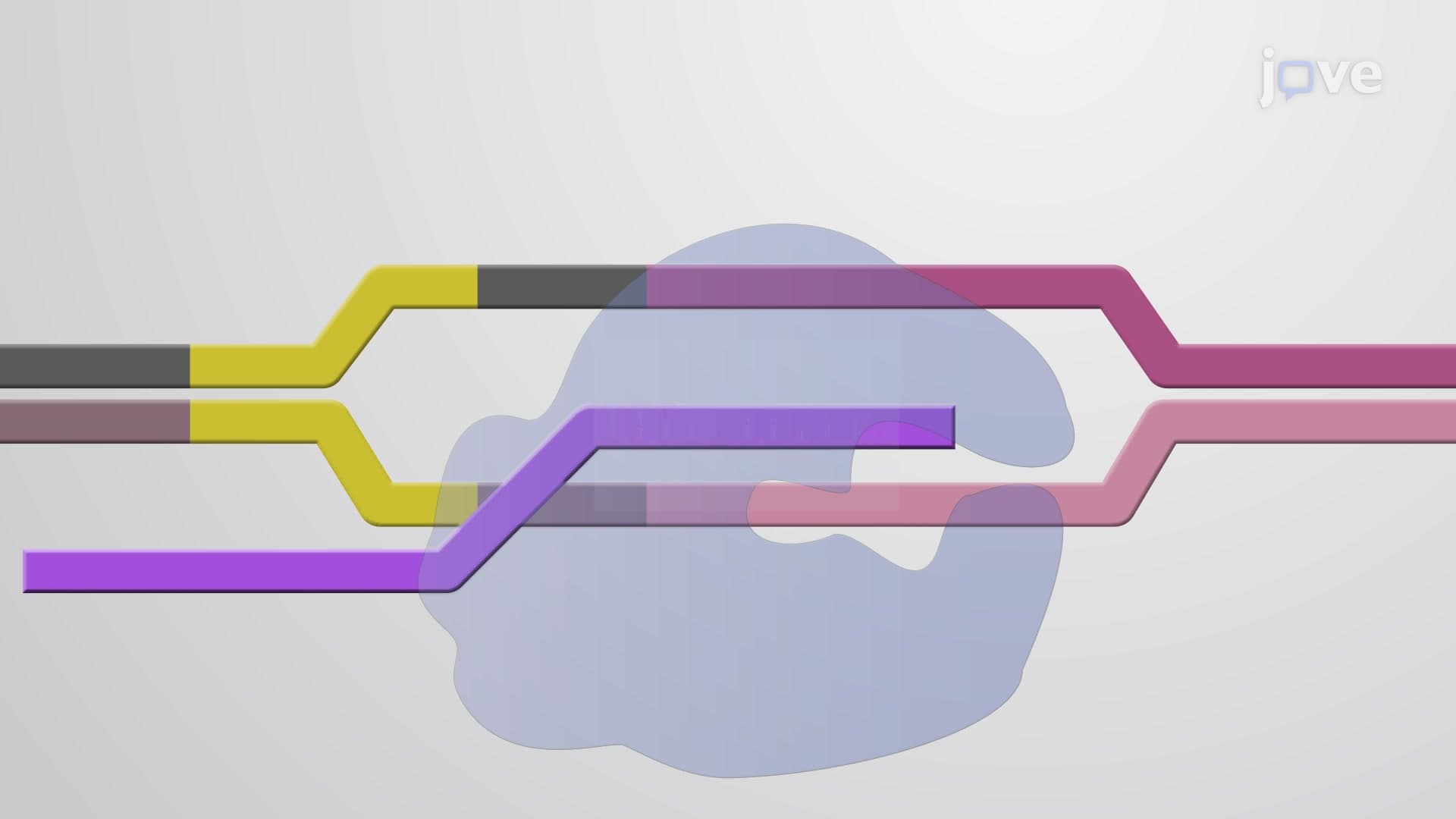
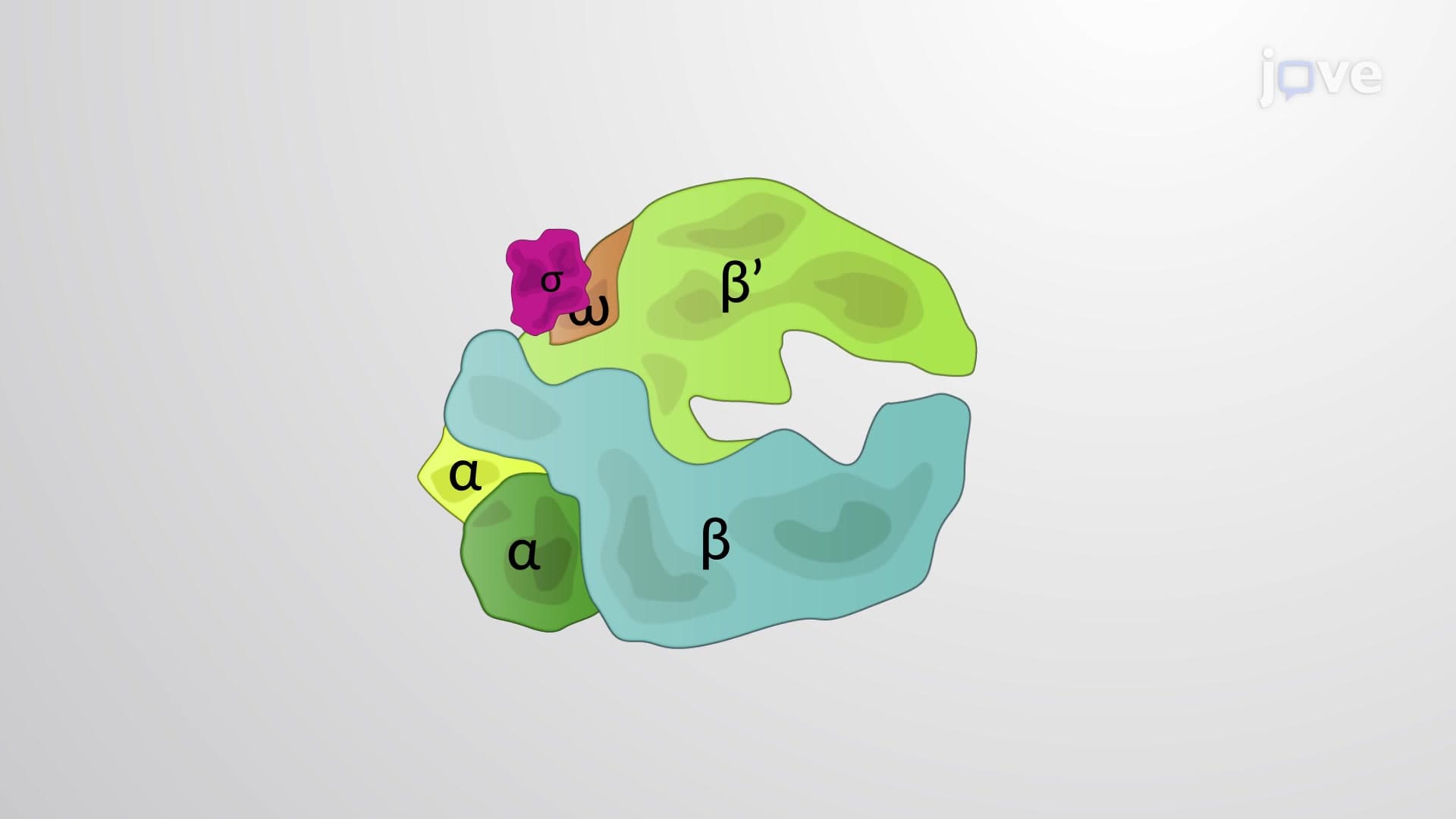
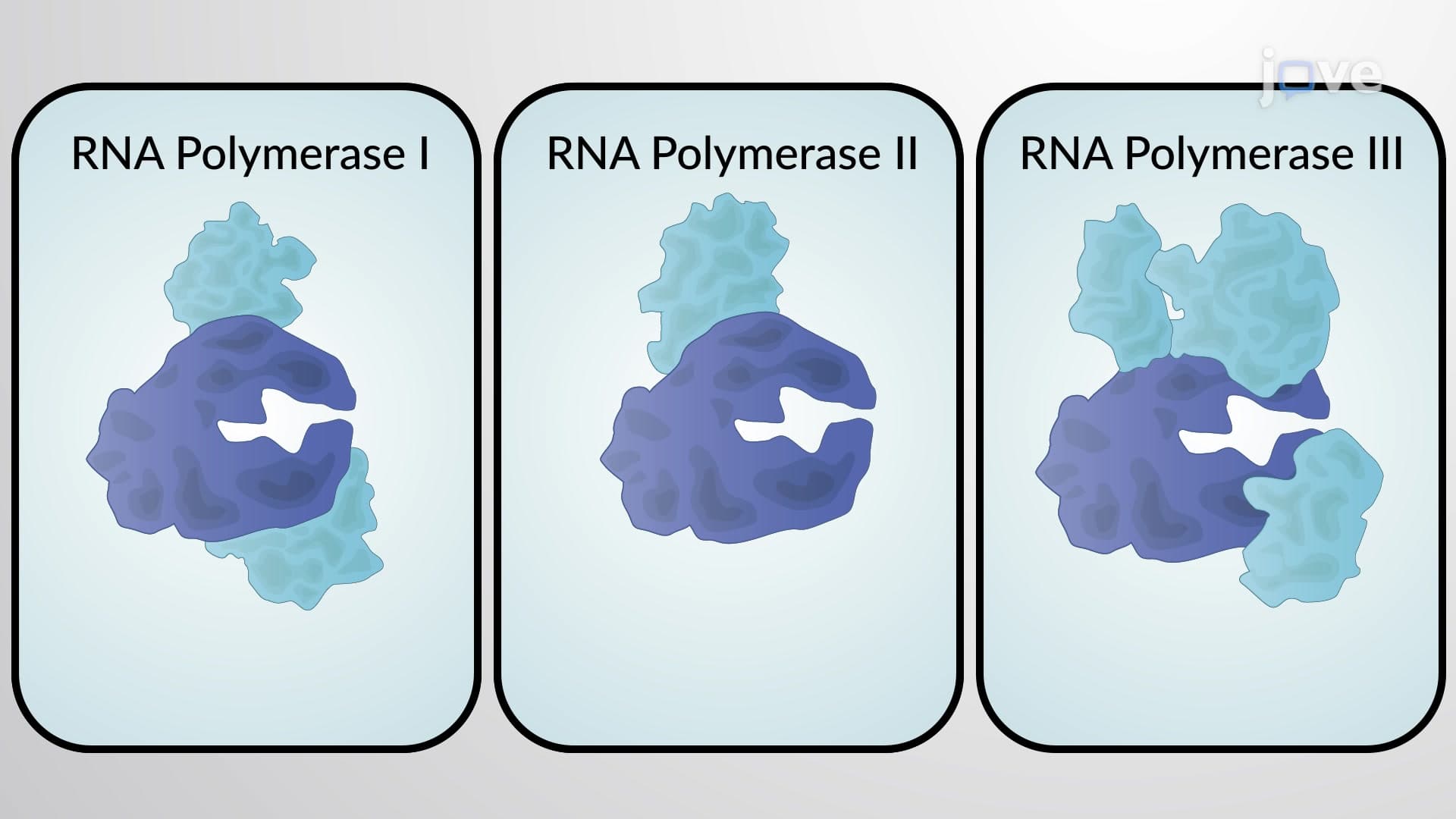
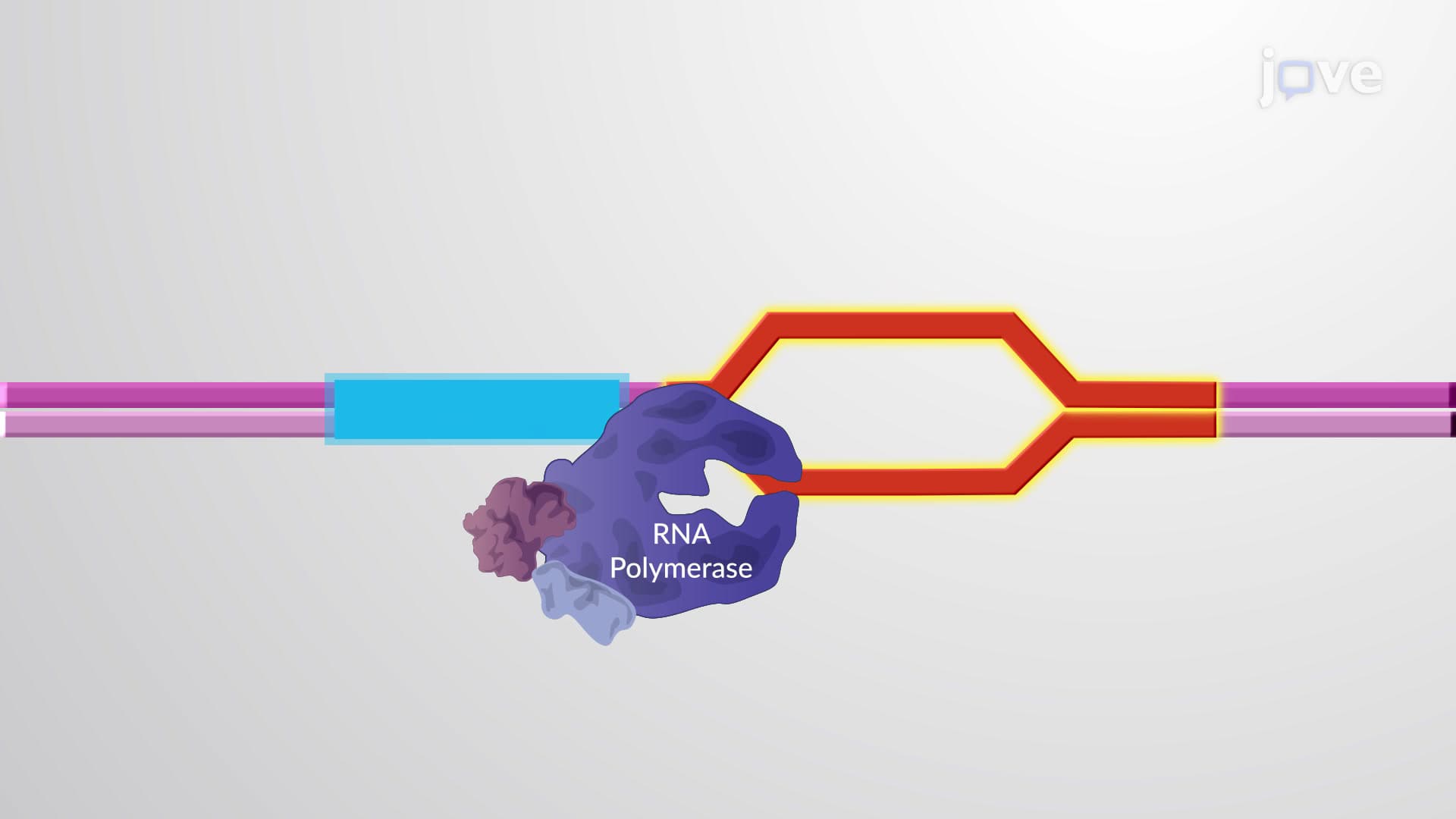
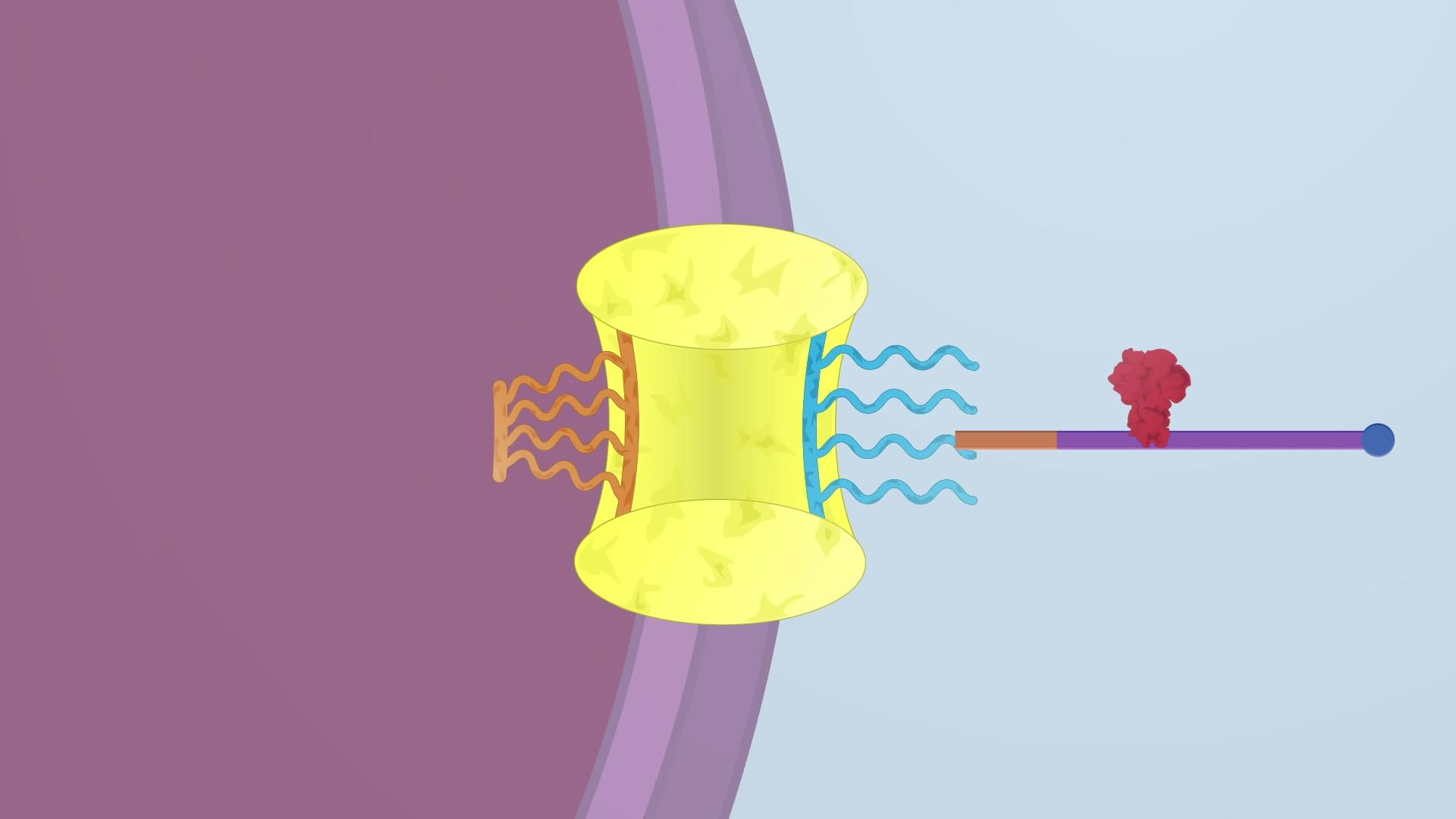
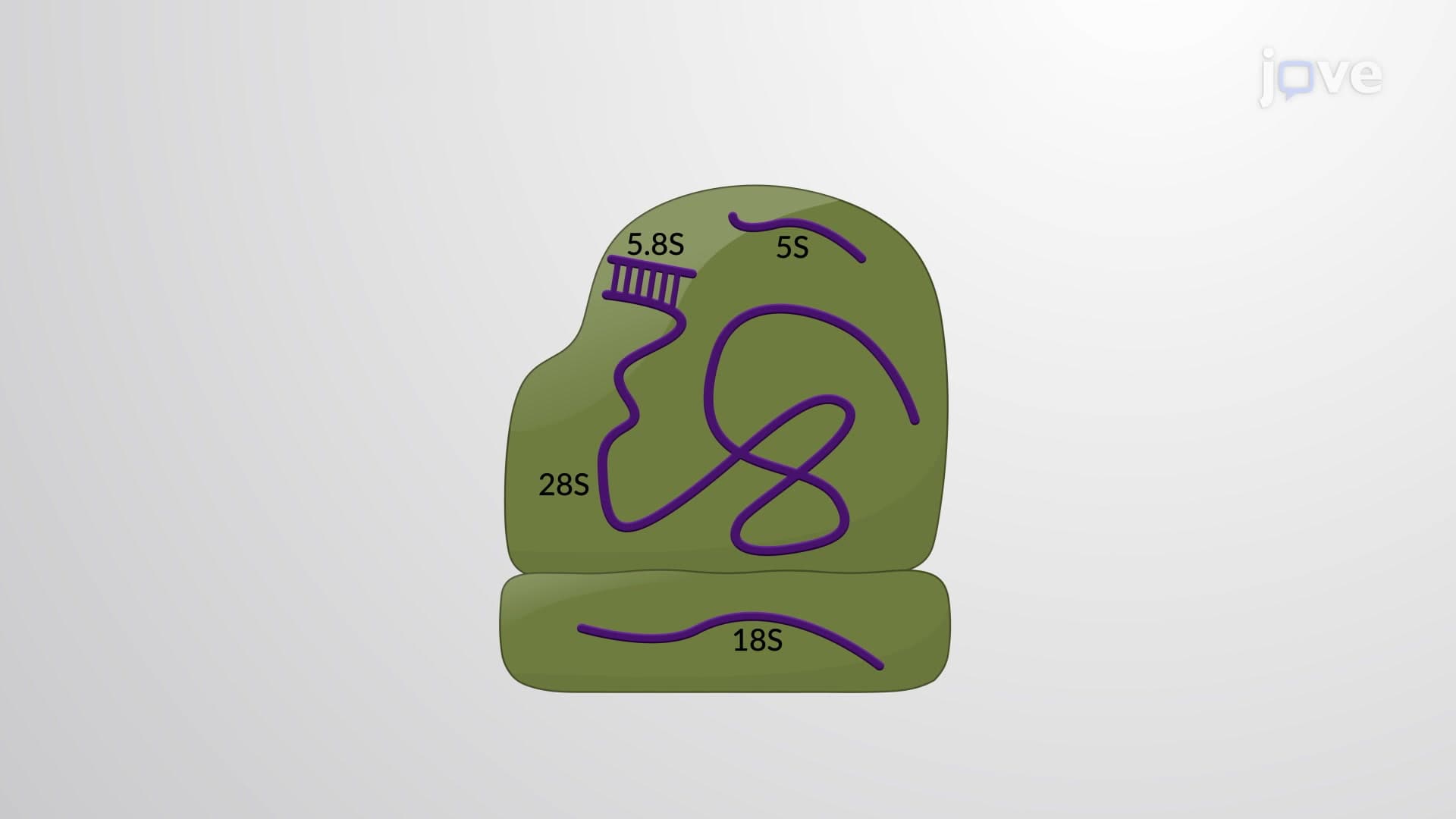
The nucleolus orchestrates the intricate process of ribosome production, which begins with the transcription of a large precursor rRNA molecule by RNA polymerase I. This 45S pre-rRNA undergoes extensive processing, including chemical modifications, cleavage events, and folding assistance from numerous small nucleolar ribonucleoproteins (snoRNPs). The process culminates in the assembly of the large 60S and small 40S ribosomal subunits, which are then exported to the cytoplasm for protein synthesis.
This process is remarkably efficient and prolific, a single human cell can produce thousands of ribosomes per minute during periods of active growth. The nucleolus adapts its size and activity based on cellular demands, explaining why rapidly dividing cells like those in bone marrow or intestinal crypts display particularly prominent nucleoli.
Understanding nucleolar function has profound implications for medical diagnosis and treatment. Pathologists at major medical centers like the Mayo Clinic routinely examine nucleolar morphology as a diagnostic criterion for cancer, as malignant cells typically exhibit enlarged, irregular nucleoli reflecting their increased ribosome production needs.
Research at institutions like the National Cancer Institute has identified the nucleolus as a promising therapeutic target. Several experimental cancer drugs work by disrupting nucleolar function, selectively targeting rapidly dividing cancer cells while sparing normal tissues. Additionally, nucleolar dysfunction contributes to neurodegenerative diseases, including certain forms of Alzheimer's disease and amyotrophic lateral sclerosis (ALS), making it relevant to current clinical research efforts.
For students preparing for advanced examinations like the MCAT or AP Biology, understanding nucleolar structure and function provides crucial insights into cellular organization, gene expression regulation, and disease mechanisms that frequently appear in standardized assessments.
Related Micro-courses