Loading subject page…


131,147 views

Video Summary: What Is Transcription
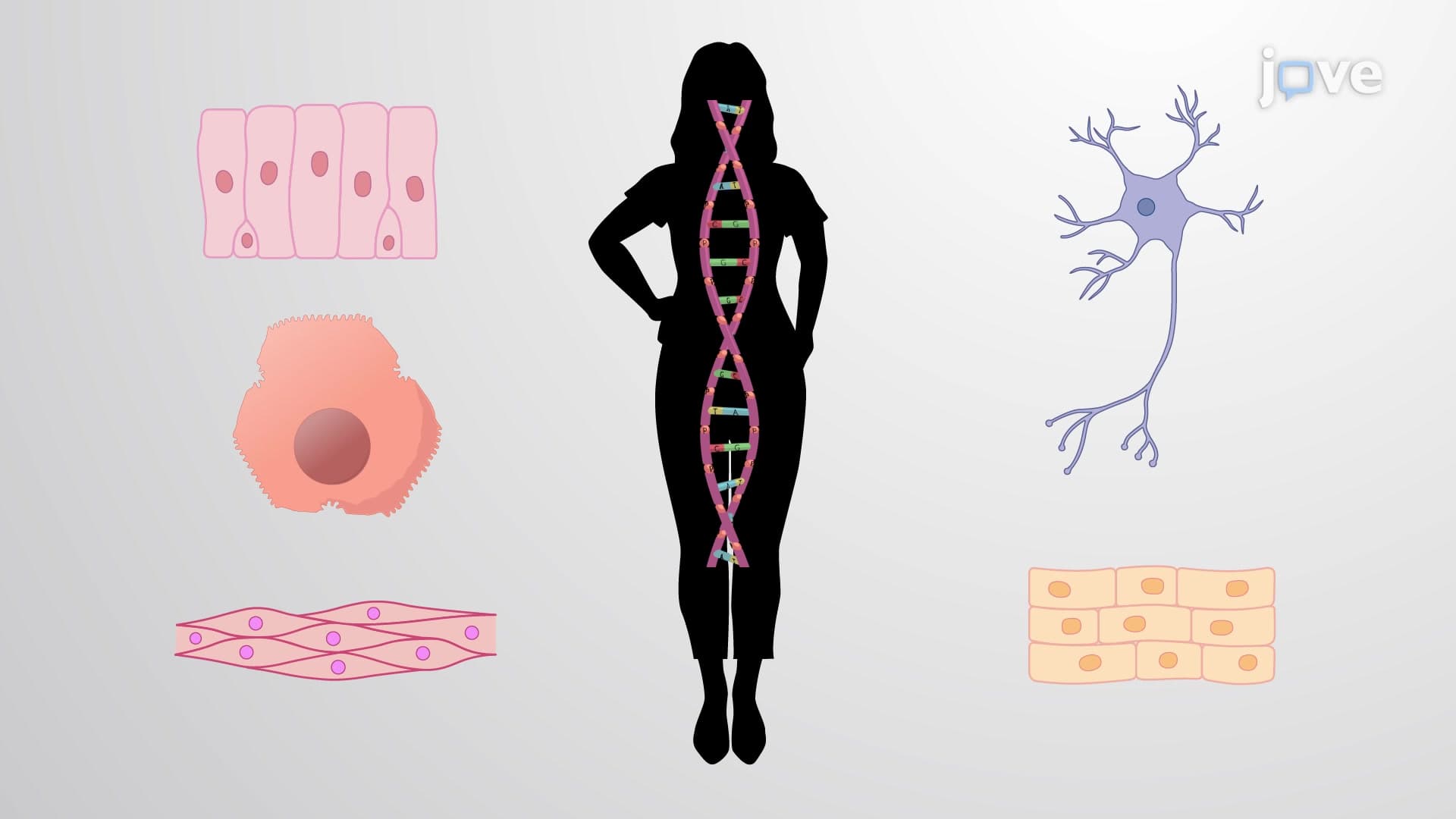
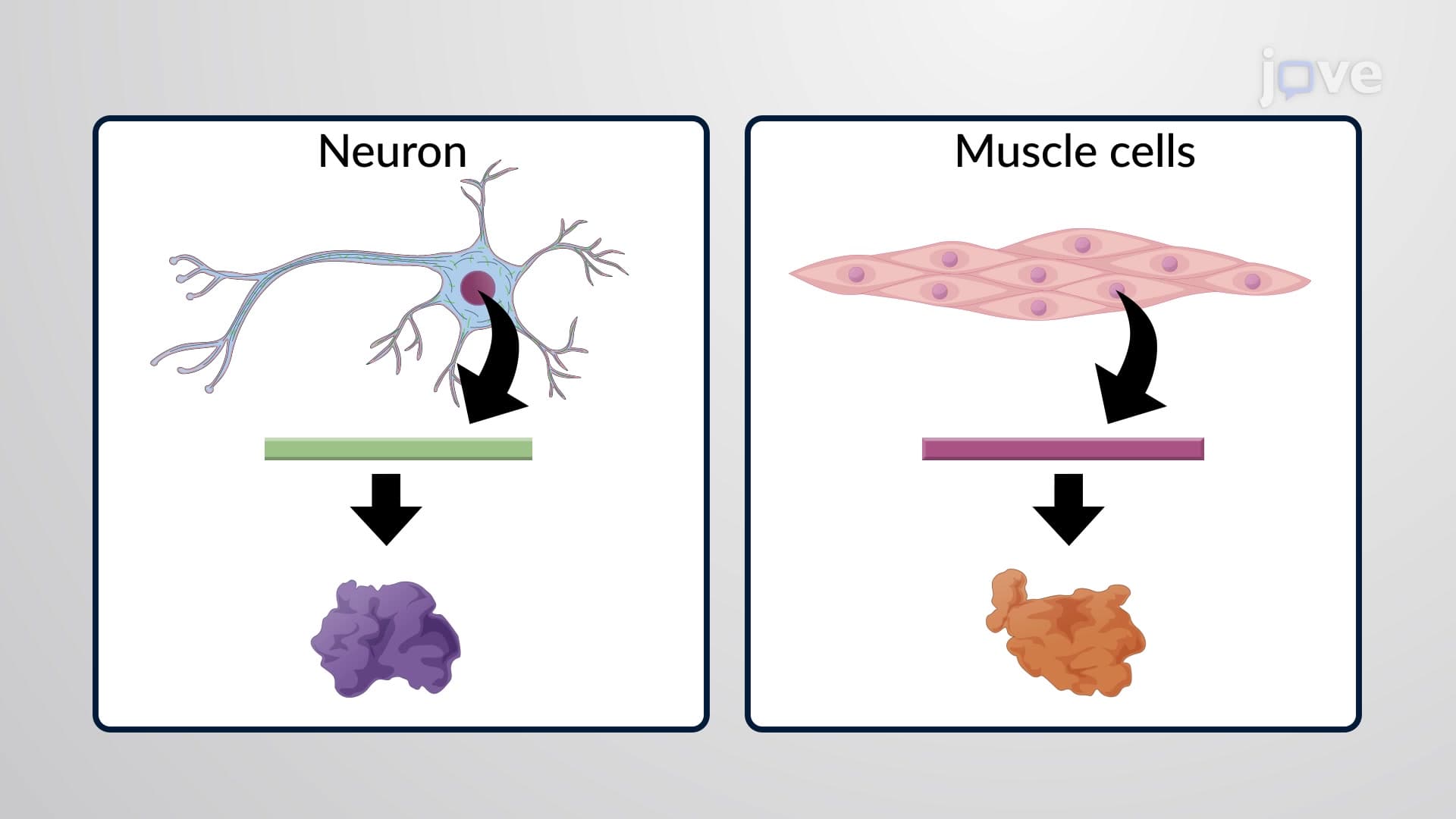
Every cell in your body contains the same DNA, yet a muscle cell looks nothing like a brain cell-this happens because of transcription explained biology. This fundamental process converts genetic blueprints into actionable instructions, much like how architectural plans at Pfizer's research facilities get converted into actual drug manufacturing protocols. Transcription in molecular biology serves as the critical first step in gene expression, determining which proteins get made when and where. Watch the full video on JoVE Coach to master this concept with expert-led visuals and step-by-step explanations.
Transcription represents one of biology's most elegant processes-the conversion of genetic information stored in DNA into functional RNA molecules. Think of it as nature's photocopying system, where specific sections of your genetic manual get copied into working documents that cells can actually use. This process occurs thousands of times per second in every cell of your body, from the neurons processing this information to the immune cells protecting you from pathogens.
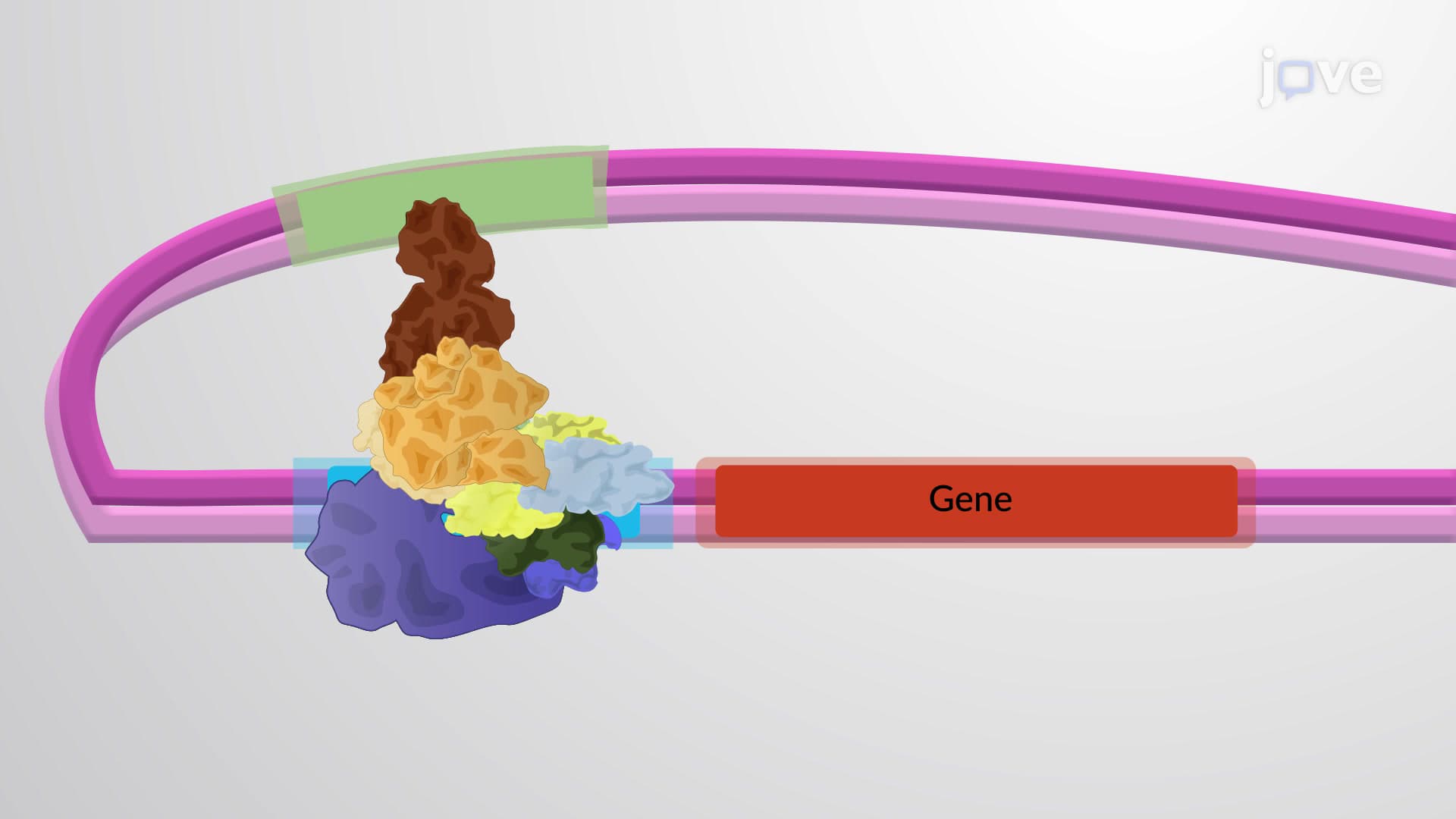
The transcription machinery begins its work at specialized DNA regions called promoters. These sequences act like cellular address labels, telling RNA polymerase exactly where to start copying. The most famous promoter element is the TATA box, found about 25-30 base pairs upstream from where transcription actually begins. At major pharmaceutical companies like Genentech, researchers specifically target these promoter regions when designing gene therapies, demonstrating their critical importance in medical applications.
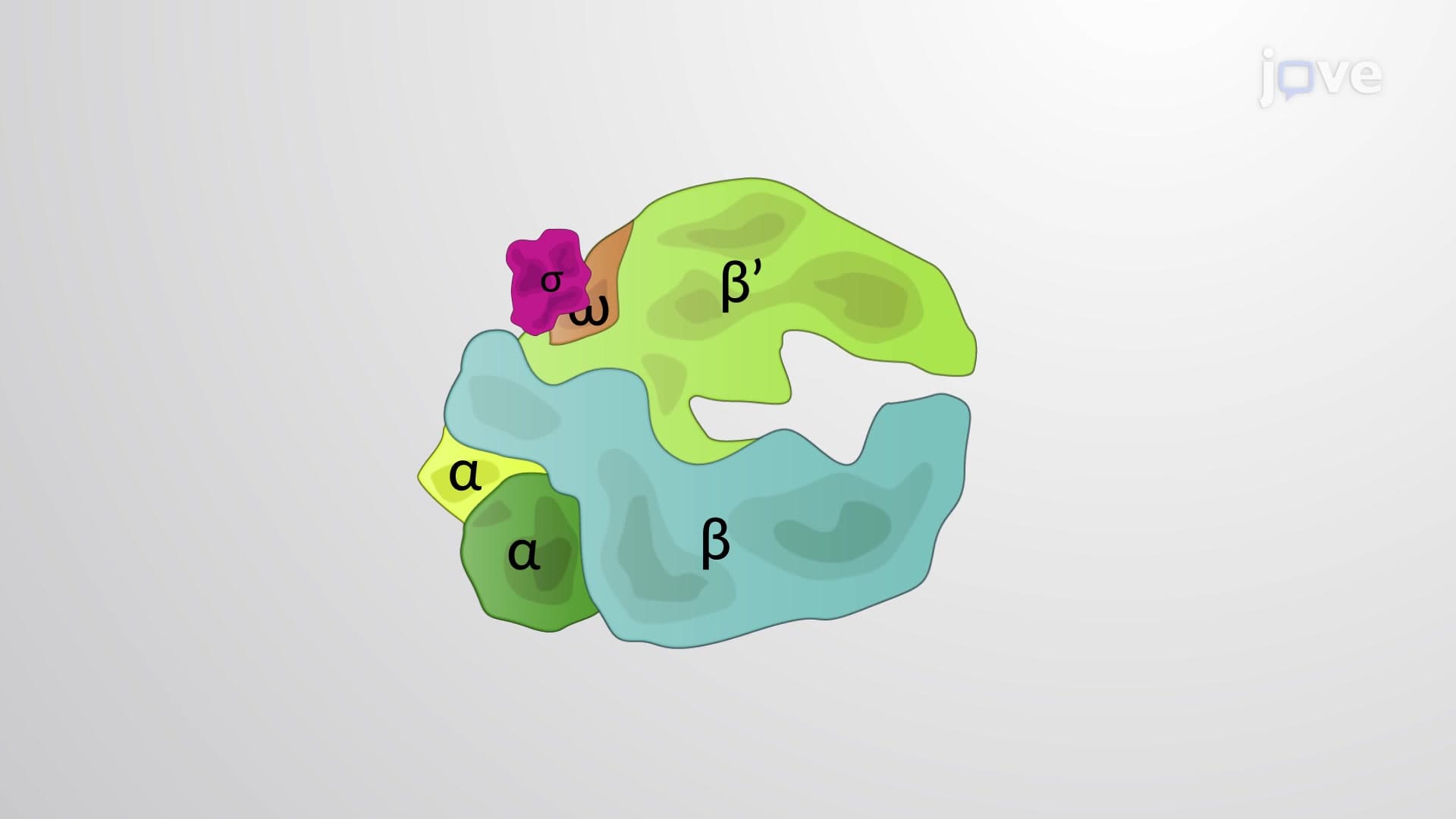
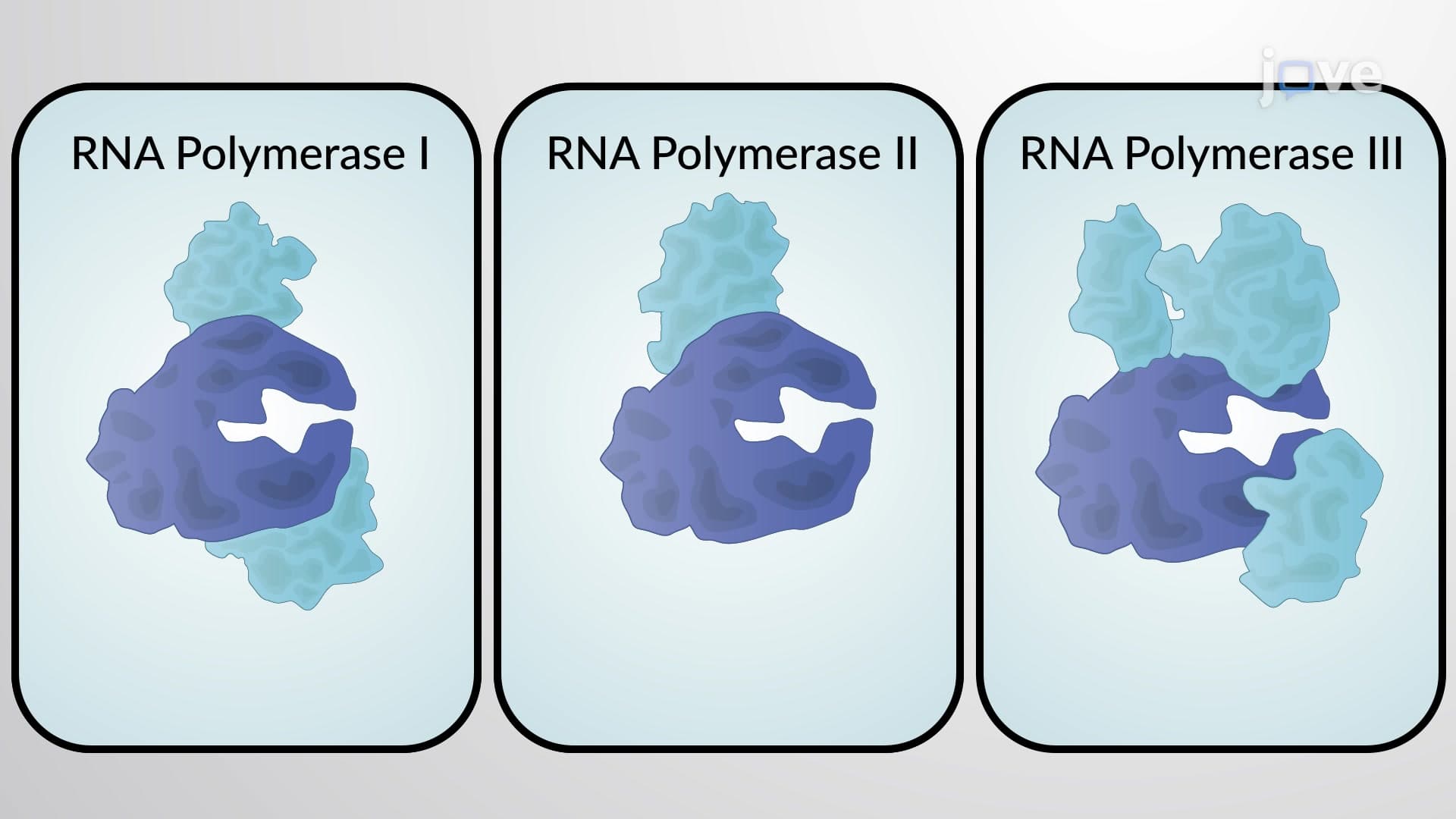
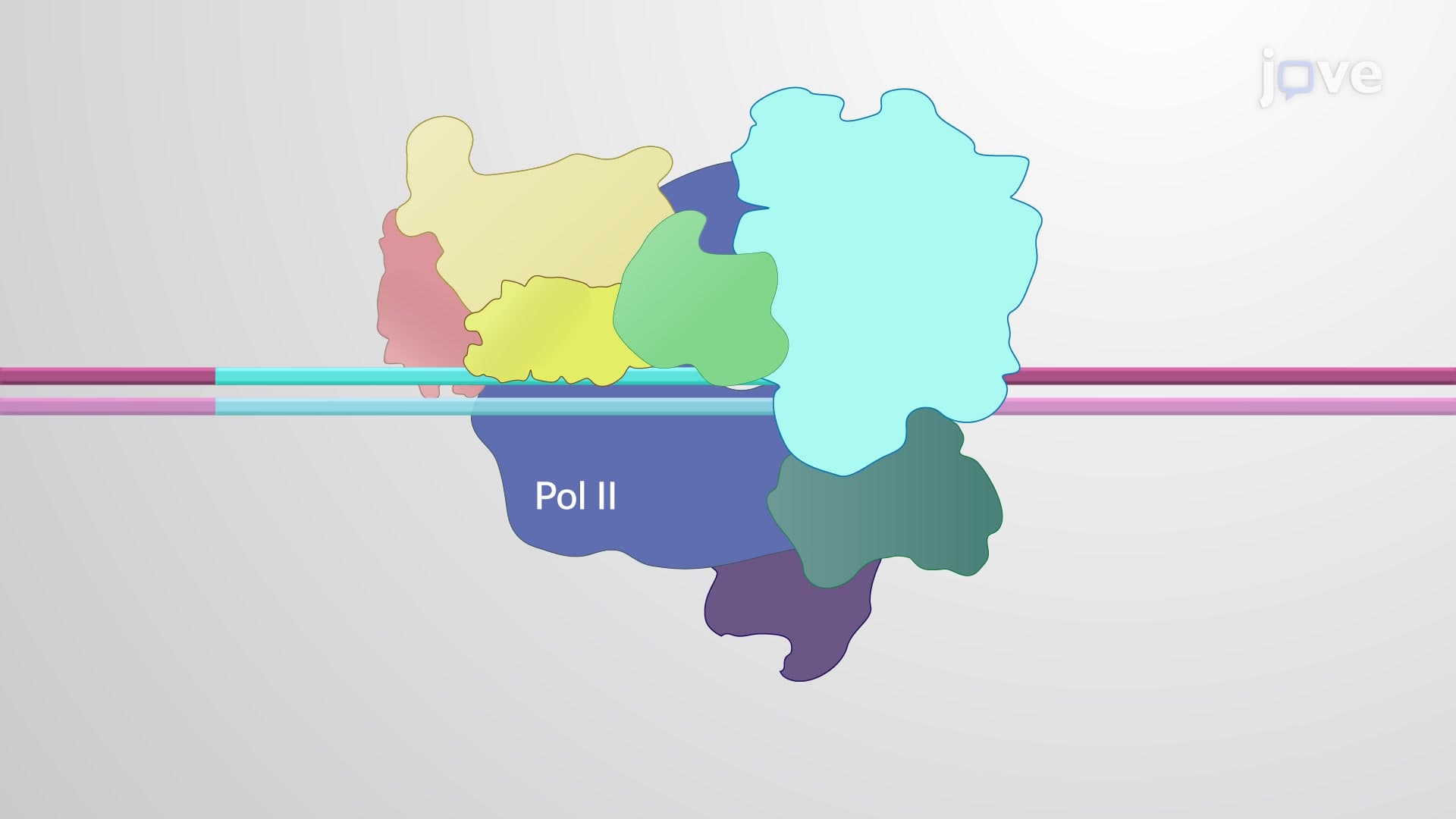
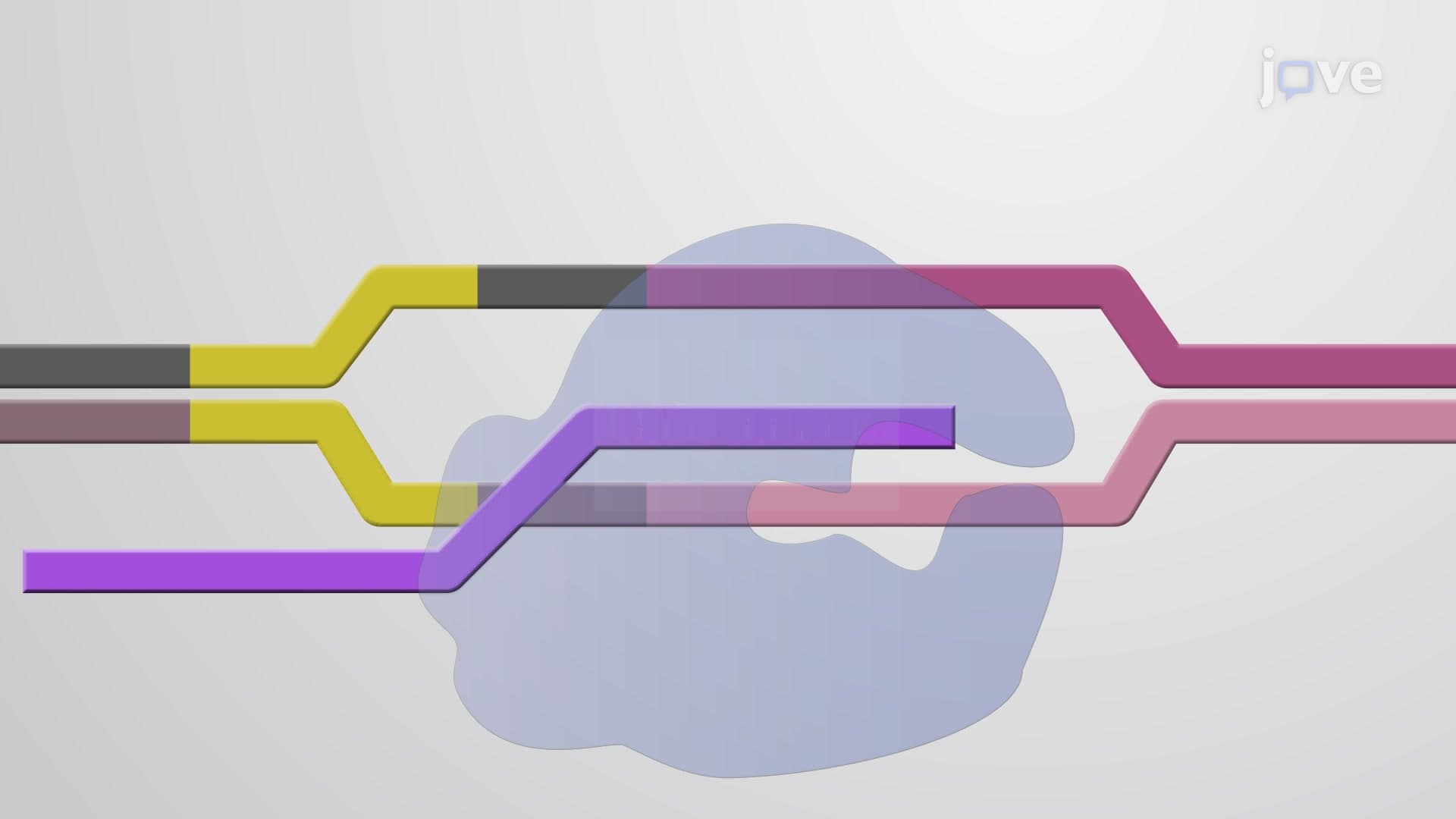
General transcription factors serve as molecular matchmakers, helping RNA polymerase recognize and bind to the correct starting position. This pre-initiation complex formation resembles a highly coordinated assembly line-each component must arrive in the correct order for successful transcription to occur.
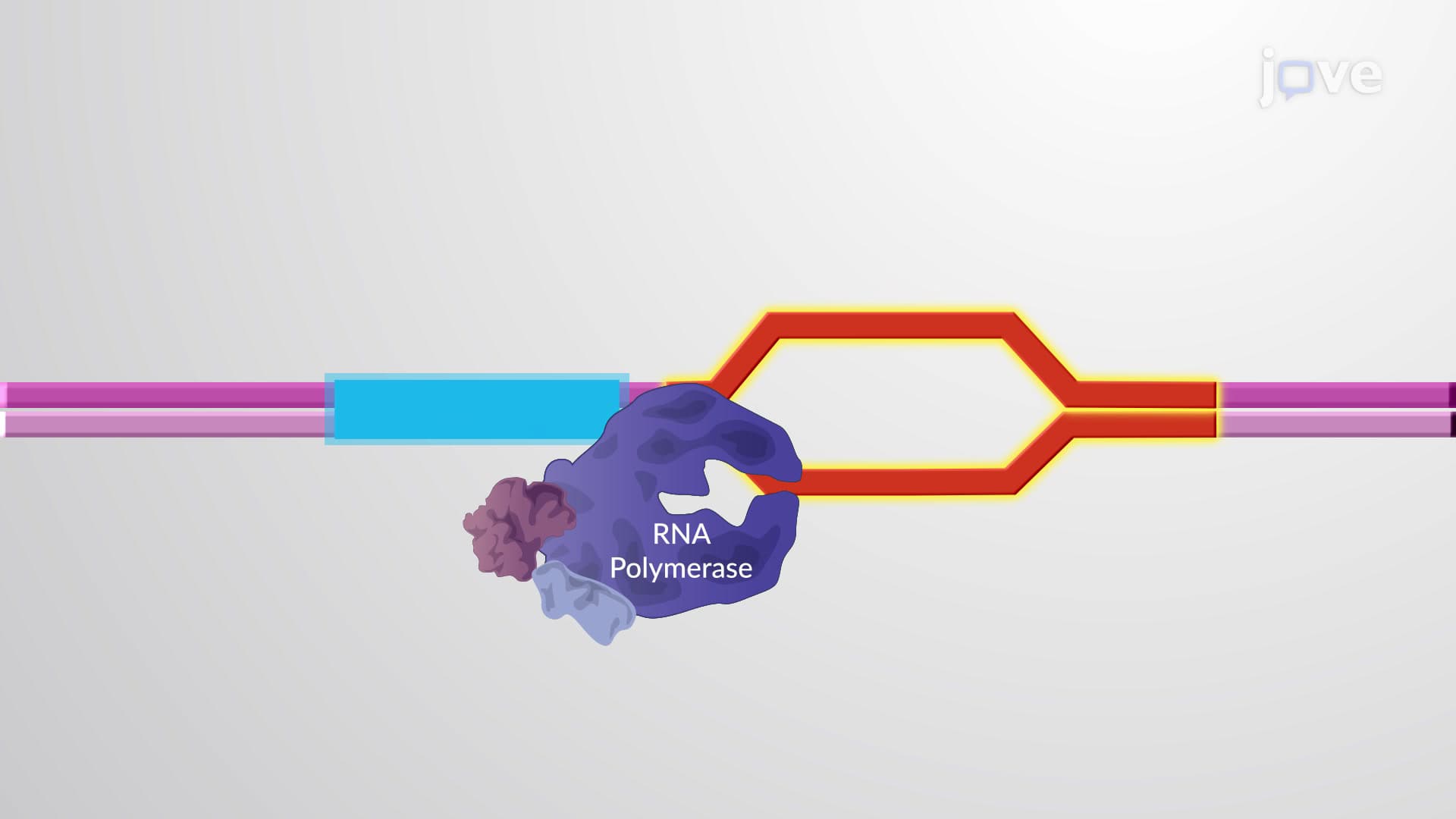
Once positioned correctly, RNA polymerase begins the actual copying process, moving along the DNA template strand in a 3' to 5' direction while synthesizing the new RNA strand in a 5' to 3' direction. This directional requirement explains why certain genetic mutations have more severe effects than others-errors that disrupt this directional flow can completely halt protein production.
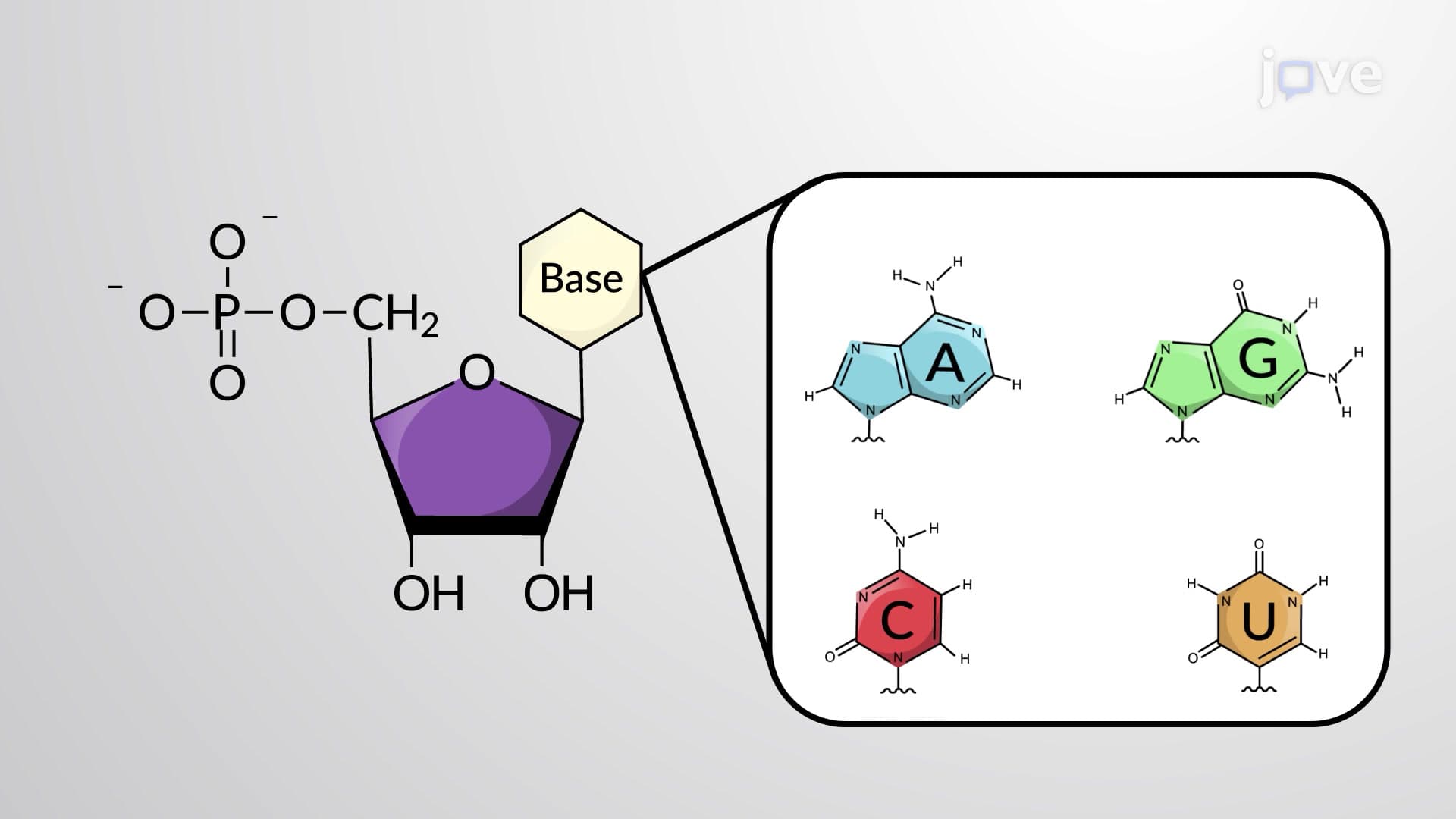
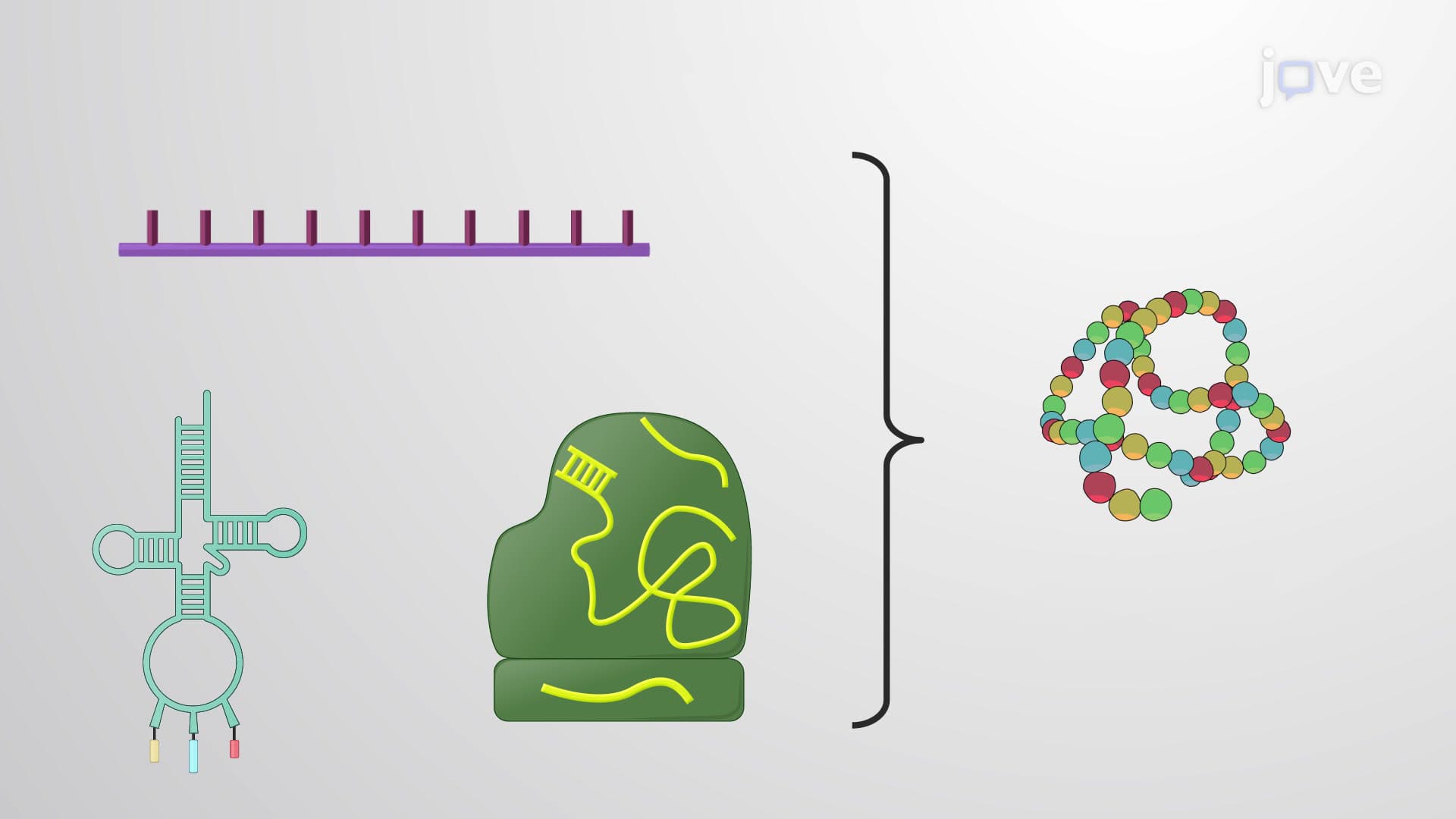
The newly synthesized mRNA differs from its DNA template in one crucial way: uracil (U) replaces thymine (T). This substitution might seem minor, but it allows RNA to fold into complex three-dimensional structures that DNA cannot achieve, enabling RNA's diverse cellular functions beyond just information storage.
The elongation phase continues until RNA polymerase encounters specific termination sequences. These molecular stop signs ensure that each gene gets copied completely but doesn't interfere with neighboring genes. Understanding these termination mechanisms proves essential for AP Biology students, as questions about gene regulation frequently appear on standardized tests like the MCAT and AP Biology exam.
Transcription errors can lead to serious consequences-consider sickle cell anemia, where a single base change in the beta-globin gene's transcription leads to defective hemoglobin production. This real-world example demonstrates why mastering transcription concepts is crucial for future healthcare professionals taking the MCAT or pursuing medical careers.
Related Micro-courses