Loading video…


 18 Concepts
 131.2K views

Video Summary: What Is Transcription Elongation Factors
Every minute, your cells produce thousands of RNA molecules, but did you know that RNA polymerase II would frequently stall or terminate prematurely without specialized helper proteins? Transcription elongation factors are essential regulatory proteins that ensure RNA polymerase II efficiently synthesizes complete RNA transcripts during gene expression. These factors help resolve obstacles like chromatin barriers and prevent premature termination-critical processes studied extensively at institutions like Johns Hopkins University School of Medicine in cancer research. Watch the full video on JoVE Coach to master this concept with expert-led visuals and step-by-step explanations.
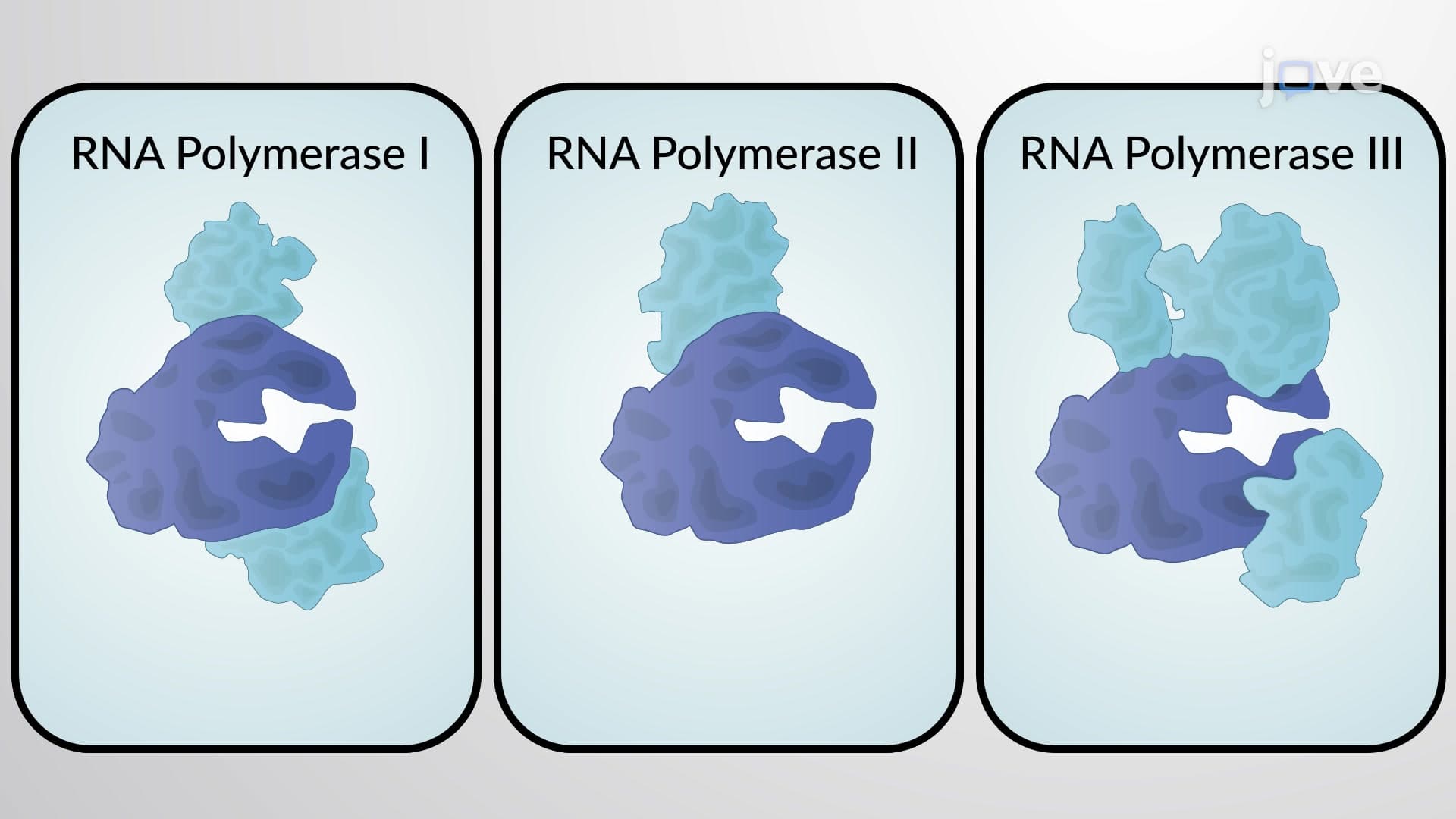
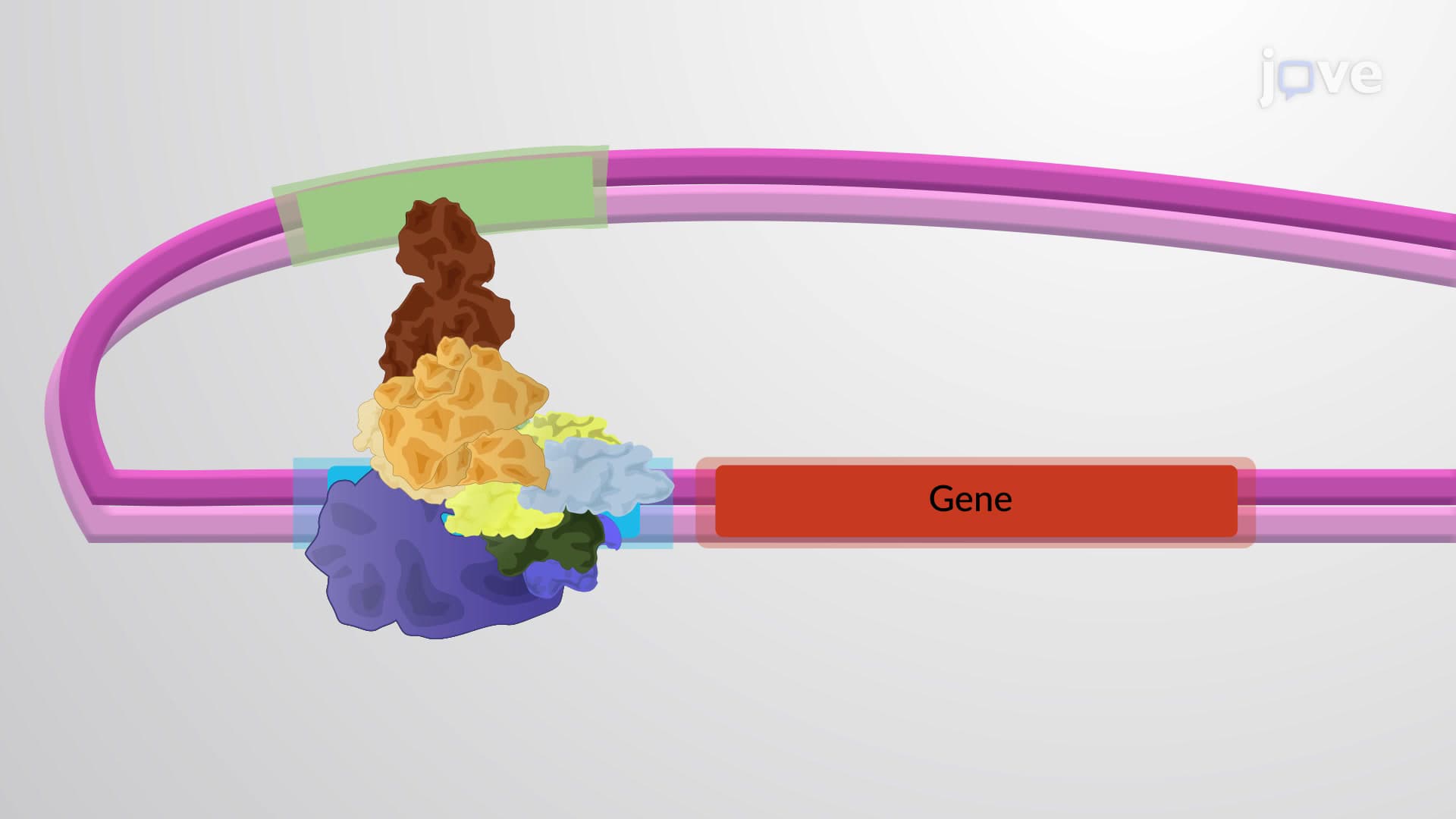
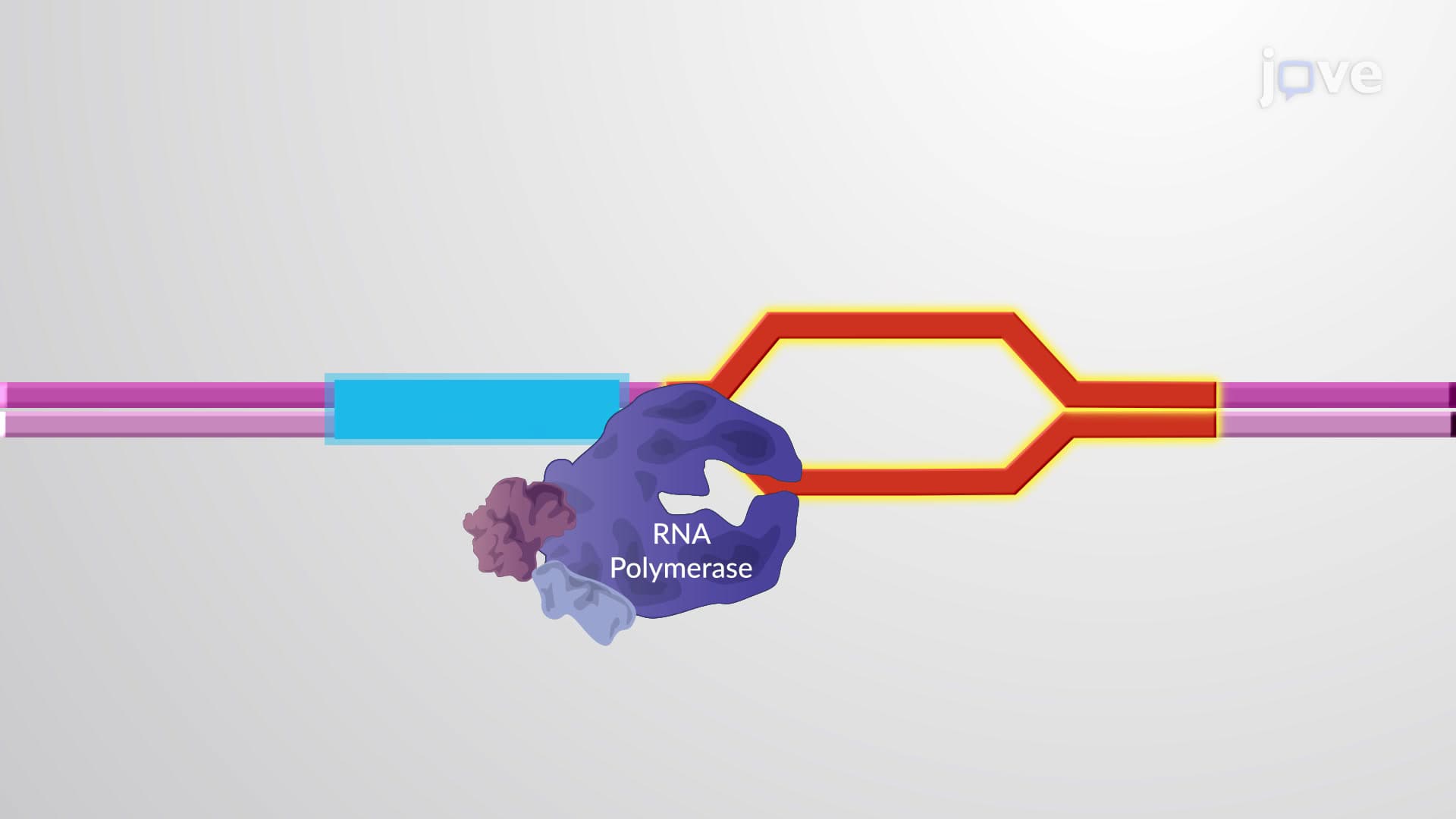
Transcription elongation factors represent a sophisticated cellular machinery that transforms the basic process of RNA synthesis into a highly regulated, efficient system. These proteins act as molecular facilitators, ensuring that RNA polymerase II-the enzyme responsible for transcribing protein-coding genes-can successfully navigate the complex cellular environment to produce complete, functional RNA molecules.
The cellular toolkit includes several critical elongation factors, each with specialized functions. TFIIS serves as a rescue factor, stimulating RNA cleavage when polymerase becomes stalled, allowing it to resume transcription. This mechanism proves particularly important when polymerase encounters difficult DNA sequences or chromatin barriers. P-TEFb acts as a positive regulator, phosphorylating specific sites on RNA polymerase II's C-terminal domain, effectively switching the enzyme from a paused state to active elongation mode. Spt5 functions as a stabilizing factor, maintaining the integrity of the transcription complex throughout the elongation process.
These factors work together in a coordinated fashion, responding to cellular signals and environmental conditions. For instance, during cellular stress responses studied at major research universities like Stanford and MIT, elongation factors can rapidly adjust gene expression by modulating polymerase activity without requiring new protein synthesis.
Understanding elongation factors proves crucial for students preparing for advanced examinations like the MCAT, where transcription regulation frequently appears in biological sciences sections. The concept also features prominently in AP Biology courses, particularly when discussing gene expression control mechanisms. College-level cell biology courses at institutions like UCLA and Harvard extensively cover these factors when examining how cells respond to developmental signals and environmental changes.
From a clinical perspective, dysregulation of transcription elongation factors contributes to various diseases, making them attractive therapeutic targets. Cancer researchers at institutions like Memorial Sloan Kettering Cancer Center study how aberrant elongation factor activity promotes tumor growth, leading to the development of targeted therapies currently in clinical trials across the United States.
The study of elongation factors extends beyond basic research into practical applications in biotechnology and medicine. Pharmaceutical companies are developing small molecule inhibitors targeting specific elongation factors as potential cancer treatments. Additionally, understanding these mechanisms helps explain how certain viruses, including HIV, hijack cellular transcription machinery-knowledge that informs antiviral drug development efforts at organizations like the CDC and NIH.
Related Micro-courses