Loading video…


 18 Concepts
 131.1K views

Video Summary: What Is Transfer RNA Synthesis
Every time your body builds a protein-from muscle fibers during exercise to antibodies fighting infection-transfer RNA synthesis makes it possible by creating the molecular adapters that decode genetic instructions. This complex cellular process transforms DNA blueprints into the tRNA molecules that carry amino acids to ribosomes, much like how specialized delivery trucks transport specific cargo to construction sites across American cities. Understanding what is transfer RNA synthesis reveals how cells maintain the precision needed for life-sustaining protein production. Watch the full video on JoVE Coach to master this concept with expert-led visuals and step-by-step explanations.
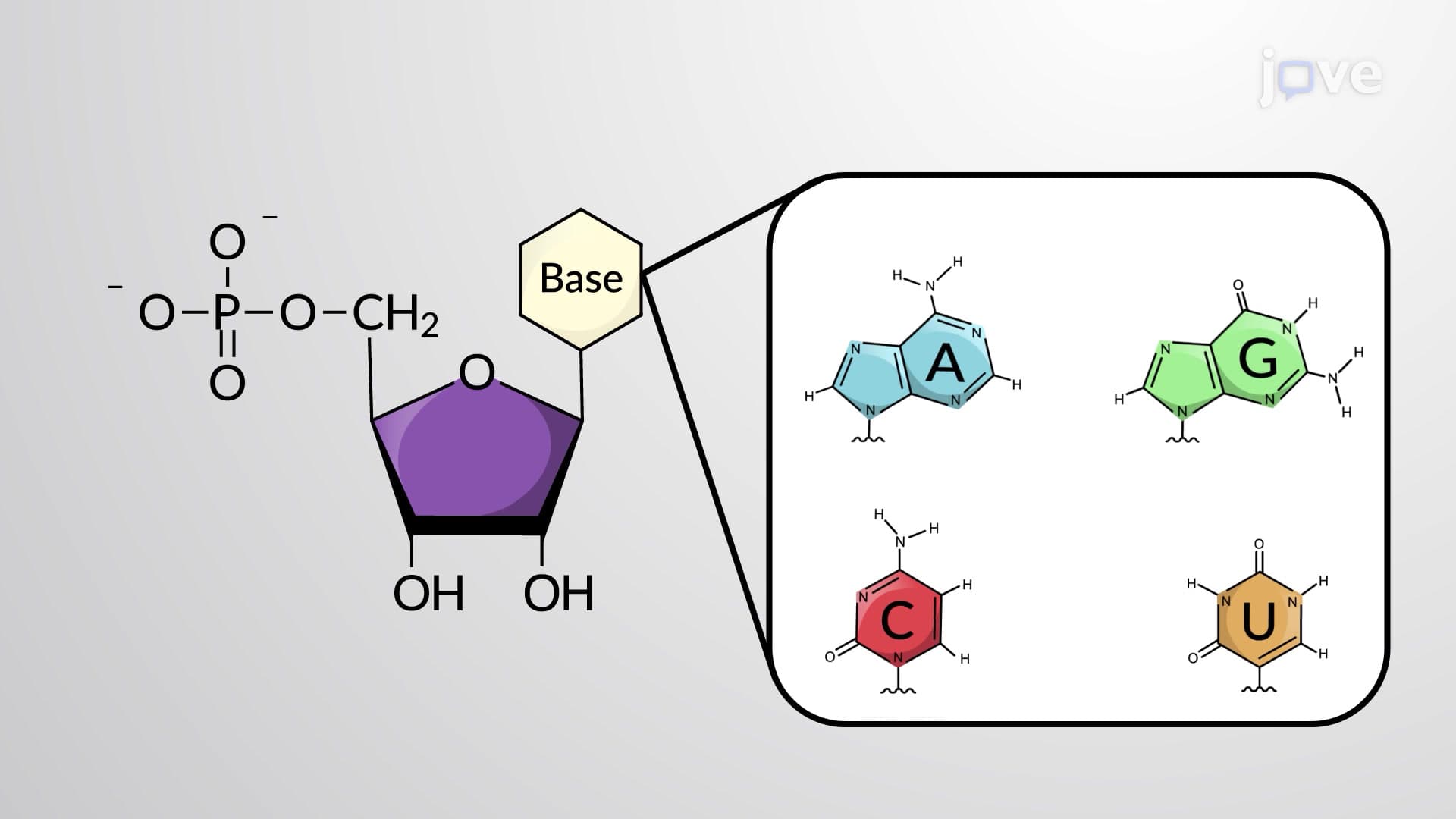
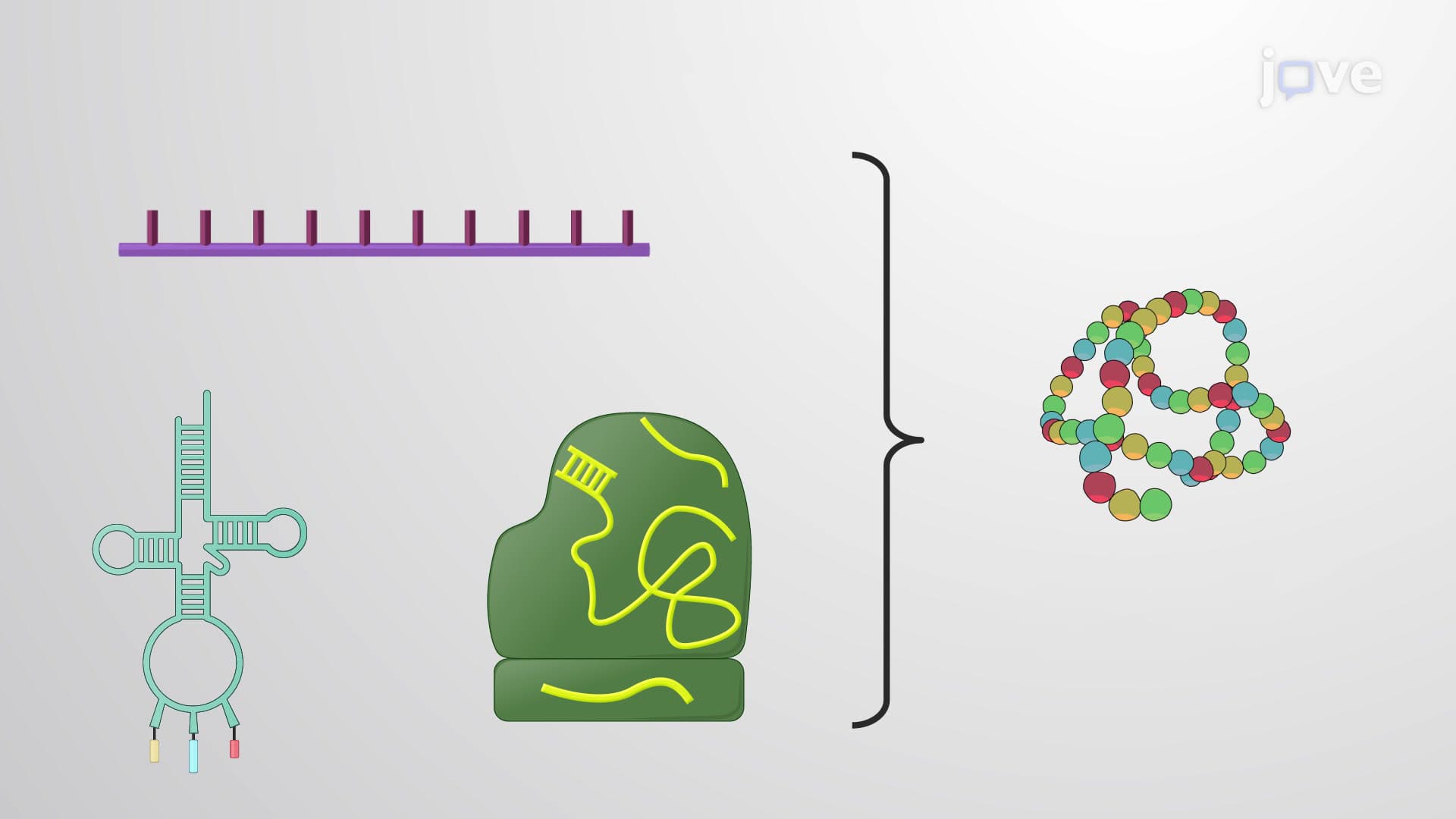
Transfer RNA synthesis represents one of biology's most precise manufacturing processes, creating the molecular interpreters that bridge the gap between genetic information and protein production. Unlike messenger RNA that carries genetic instructions, tRNA molecules serve as physical adapters, each designed to recognize specific genetic codons while carrying the corresponding amino acid building blocks.
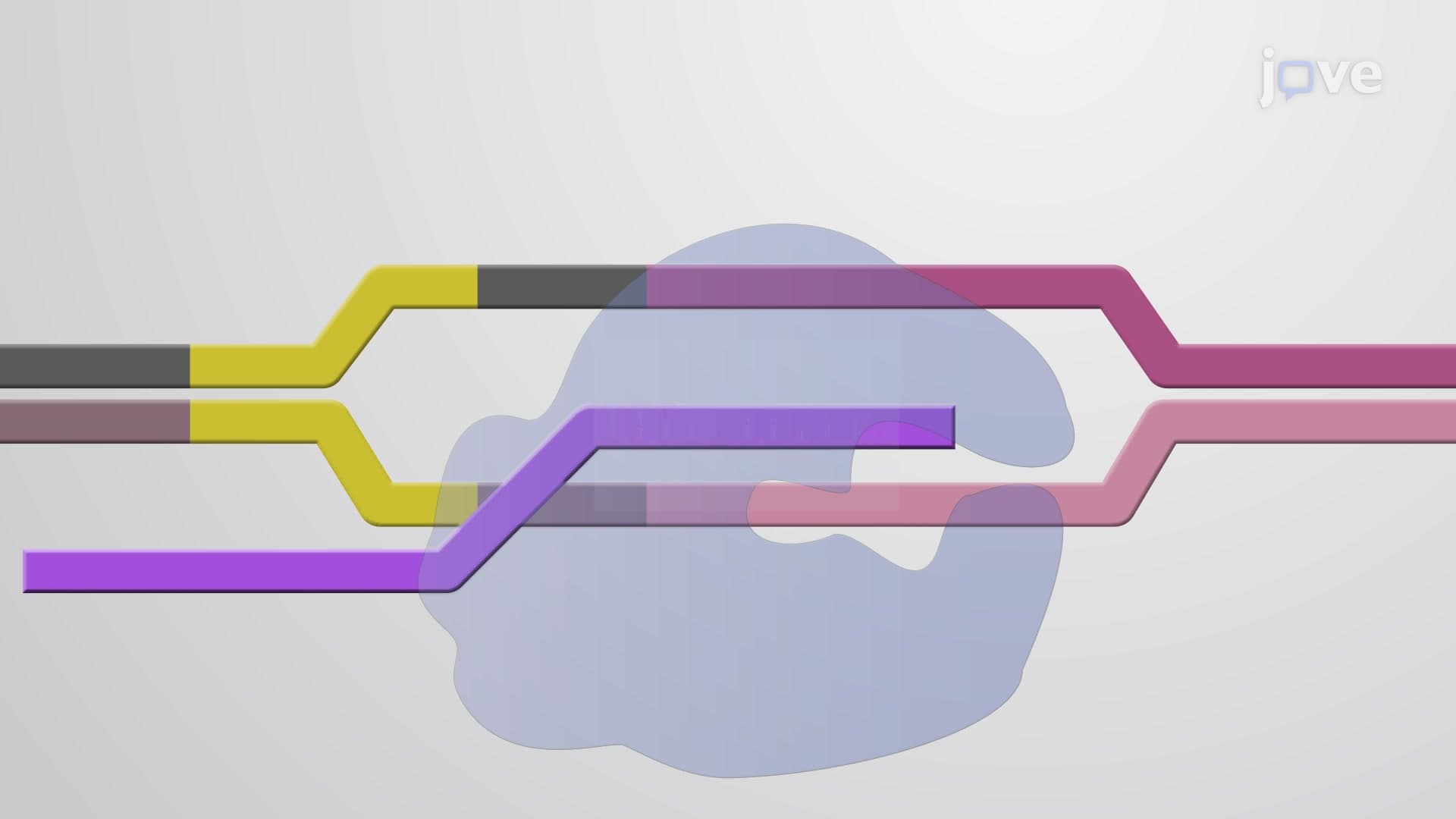
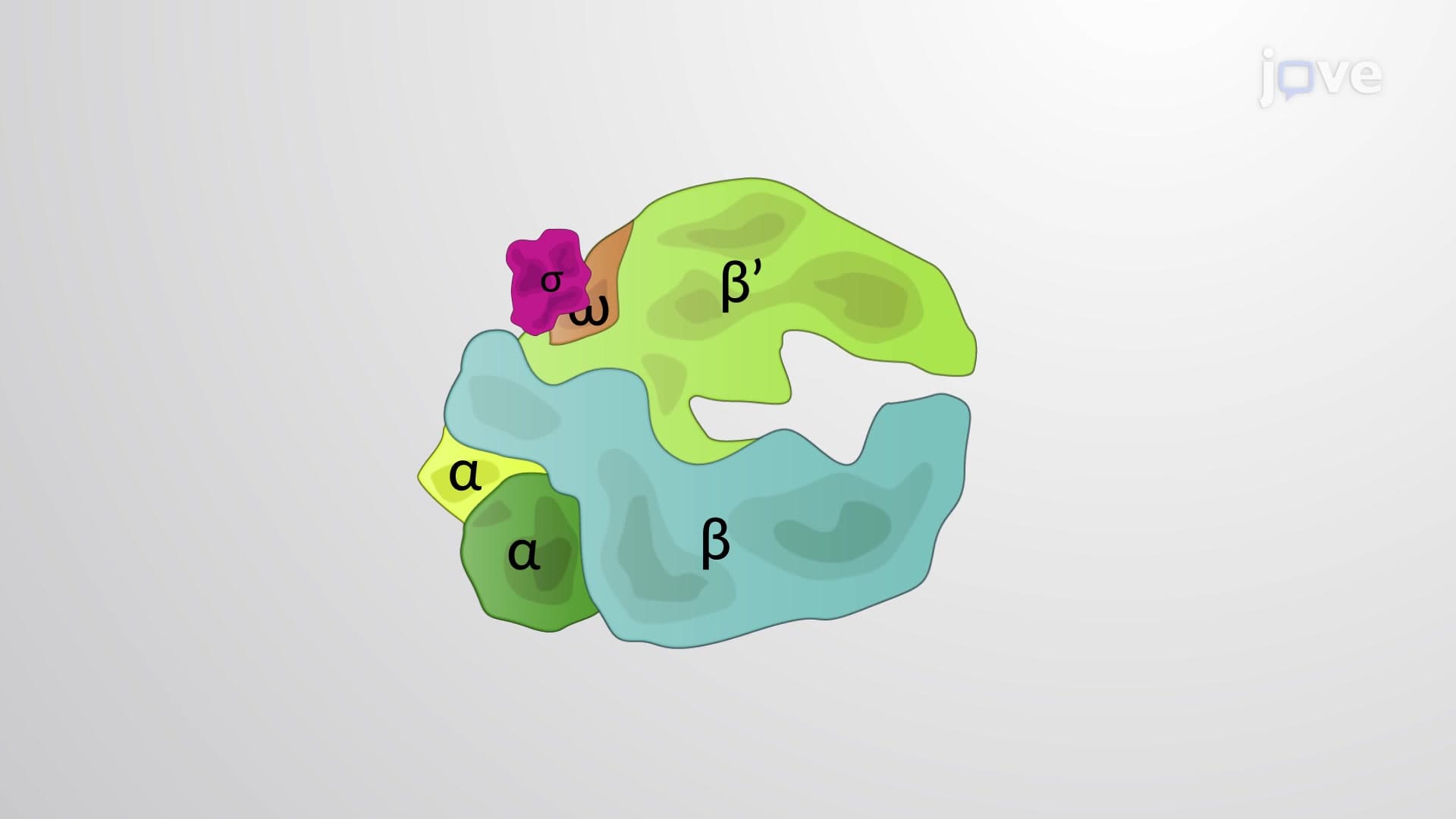
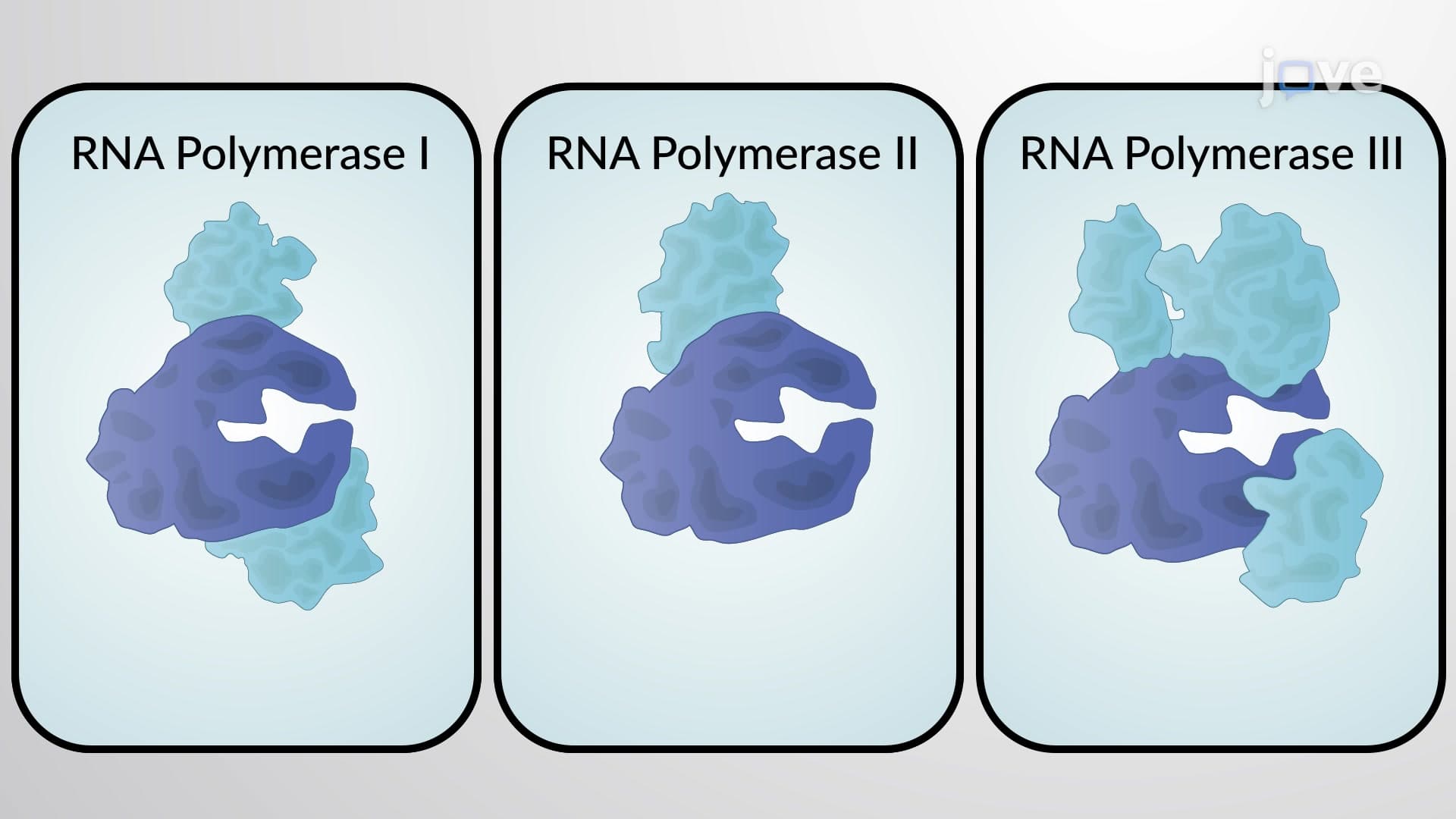
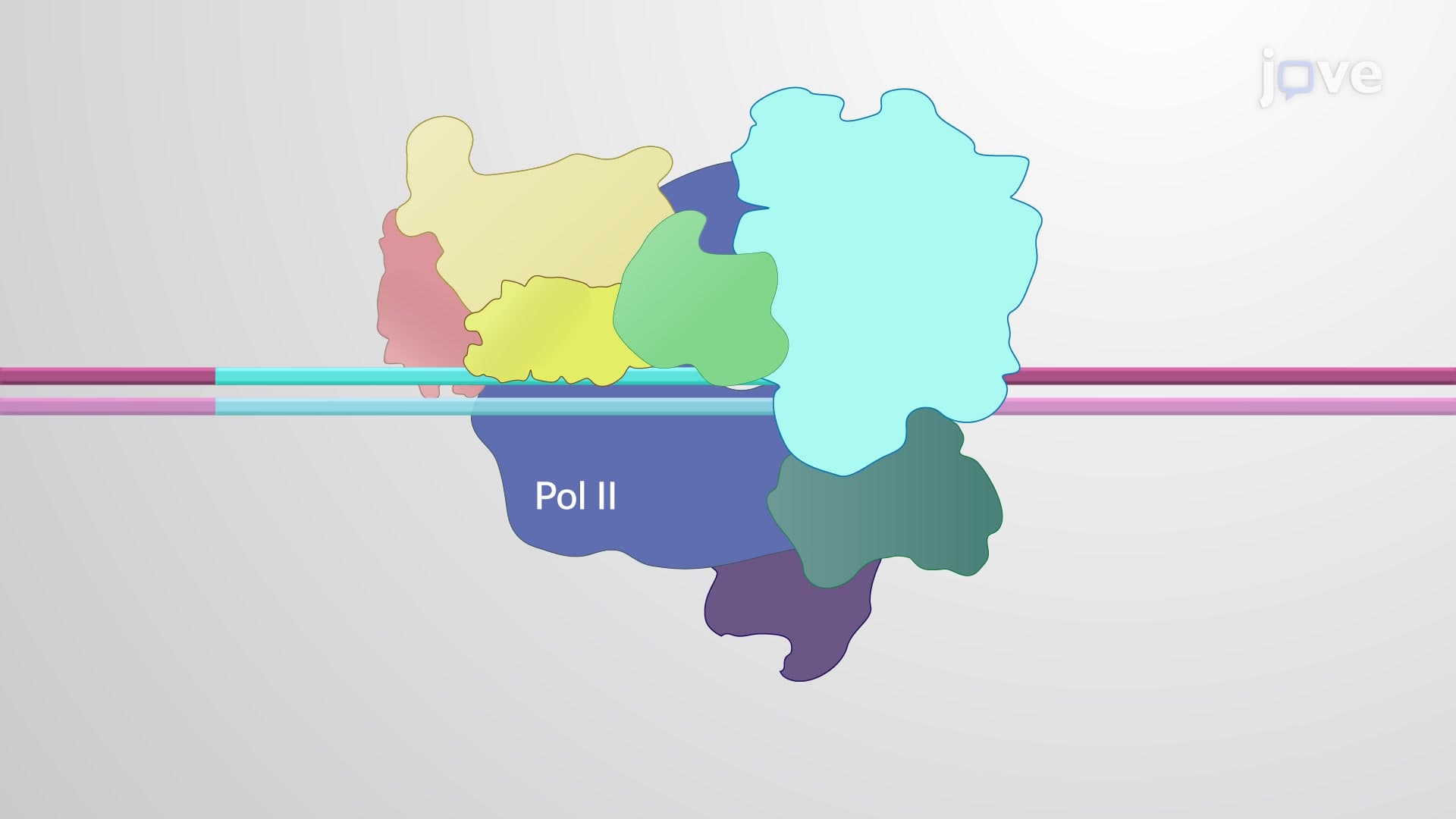
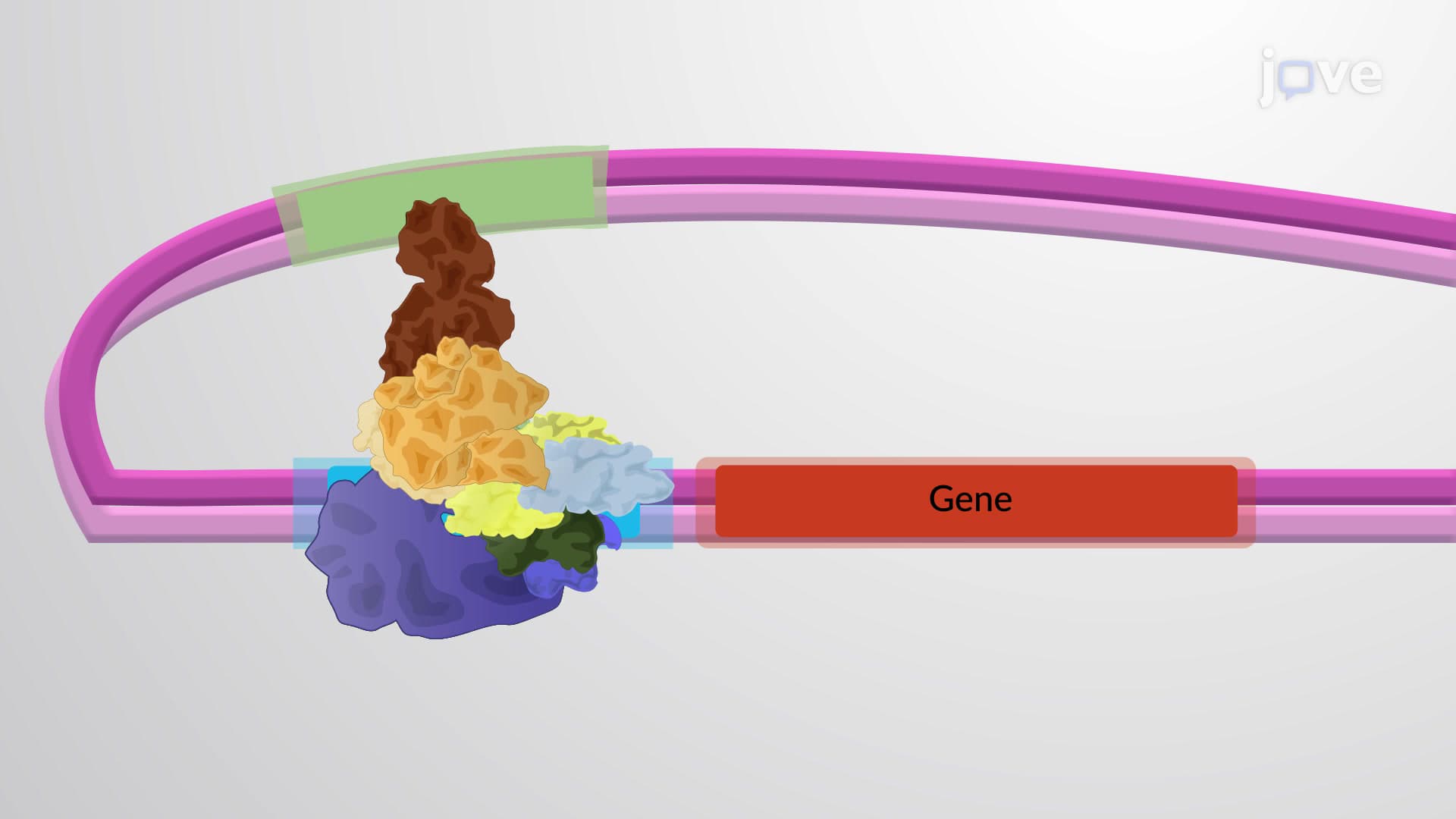
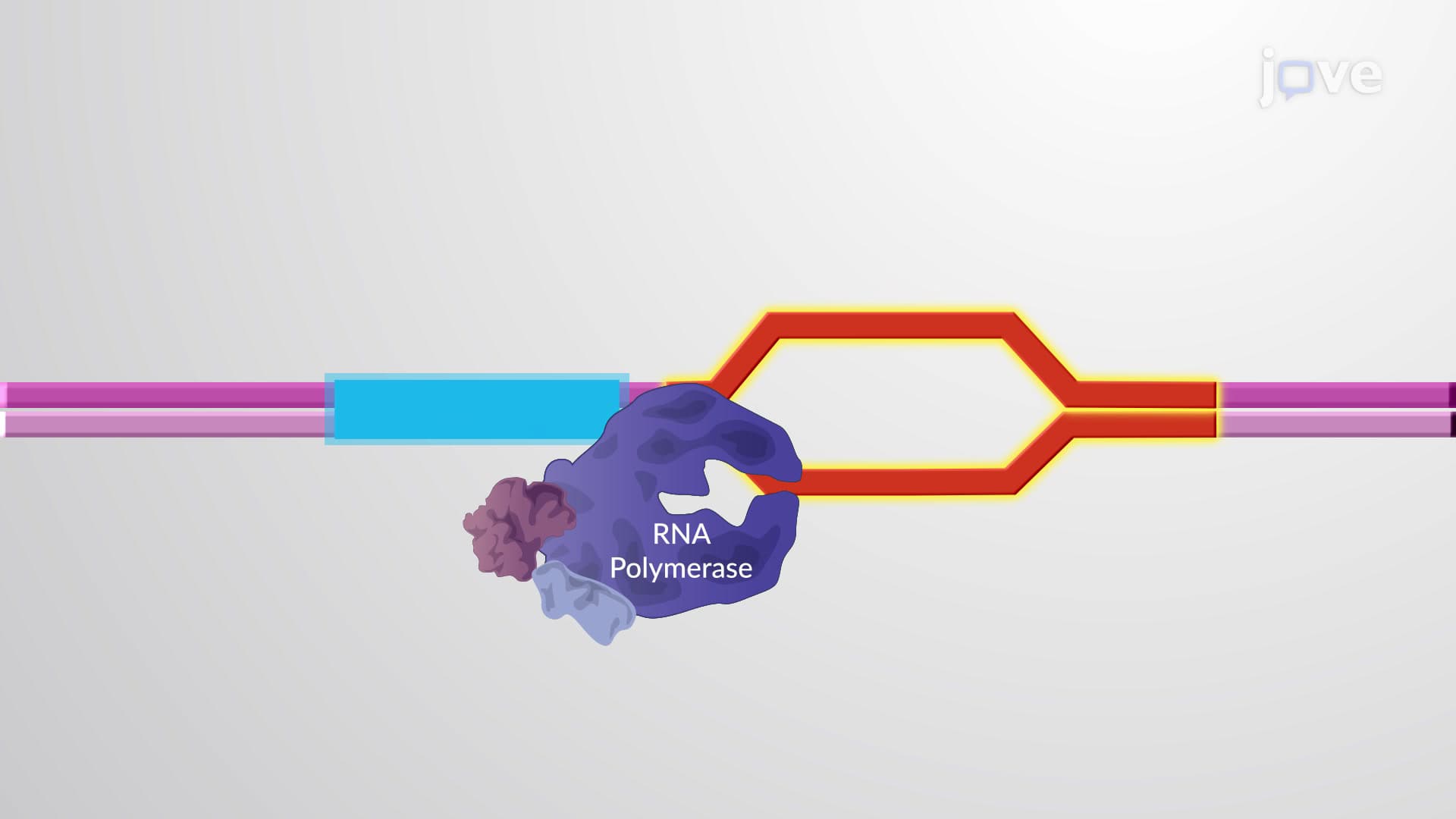
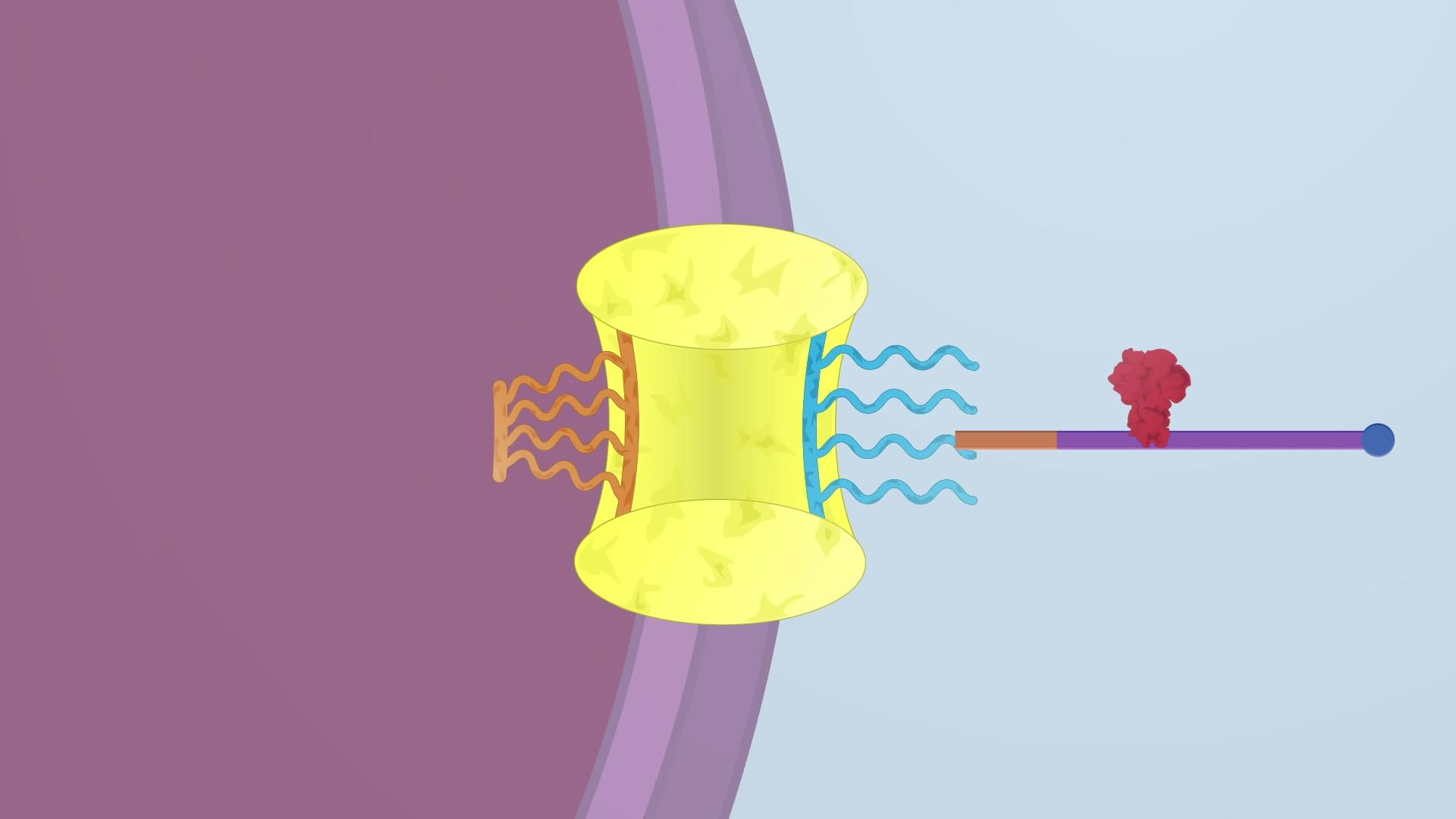
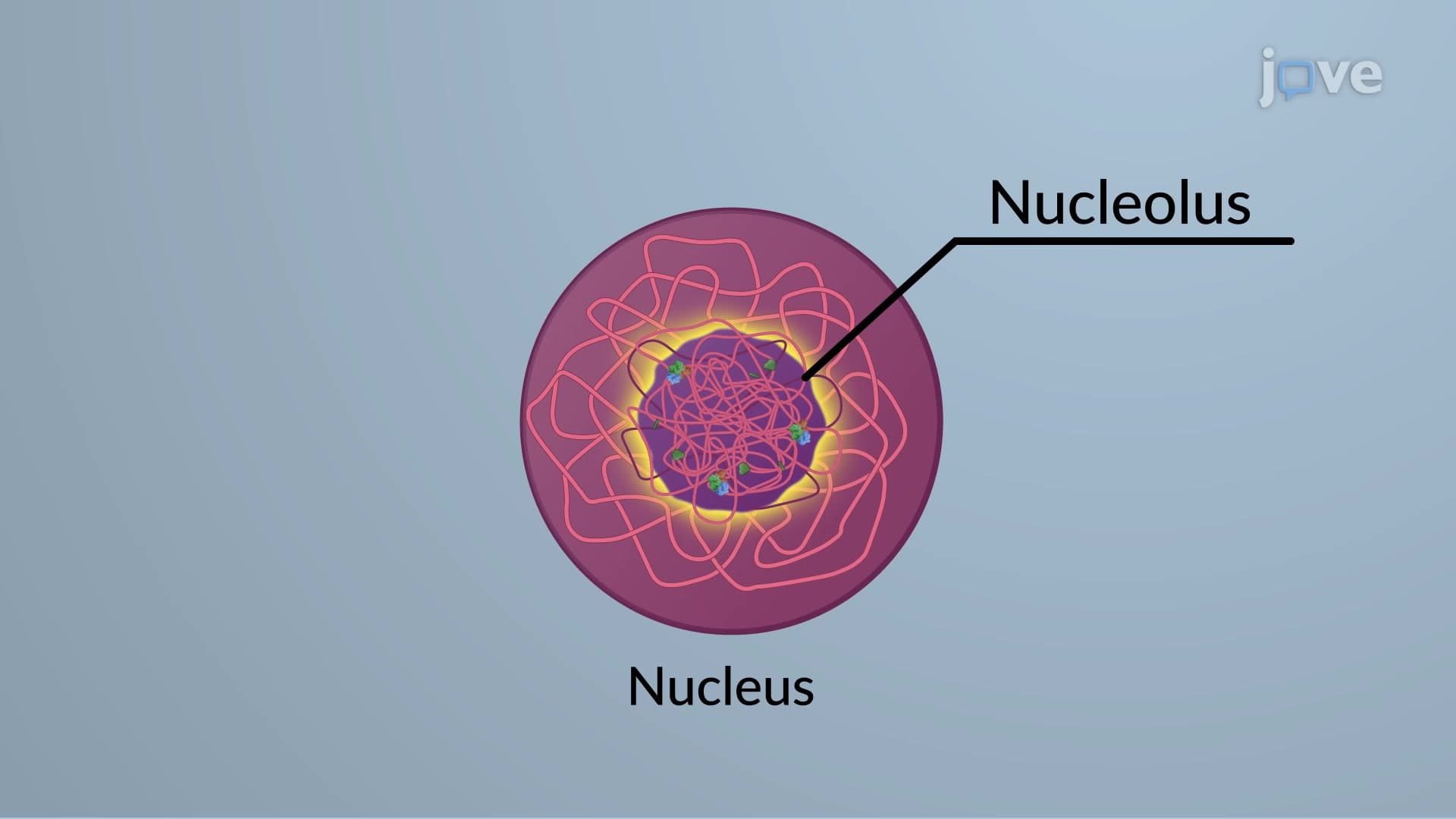
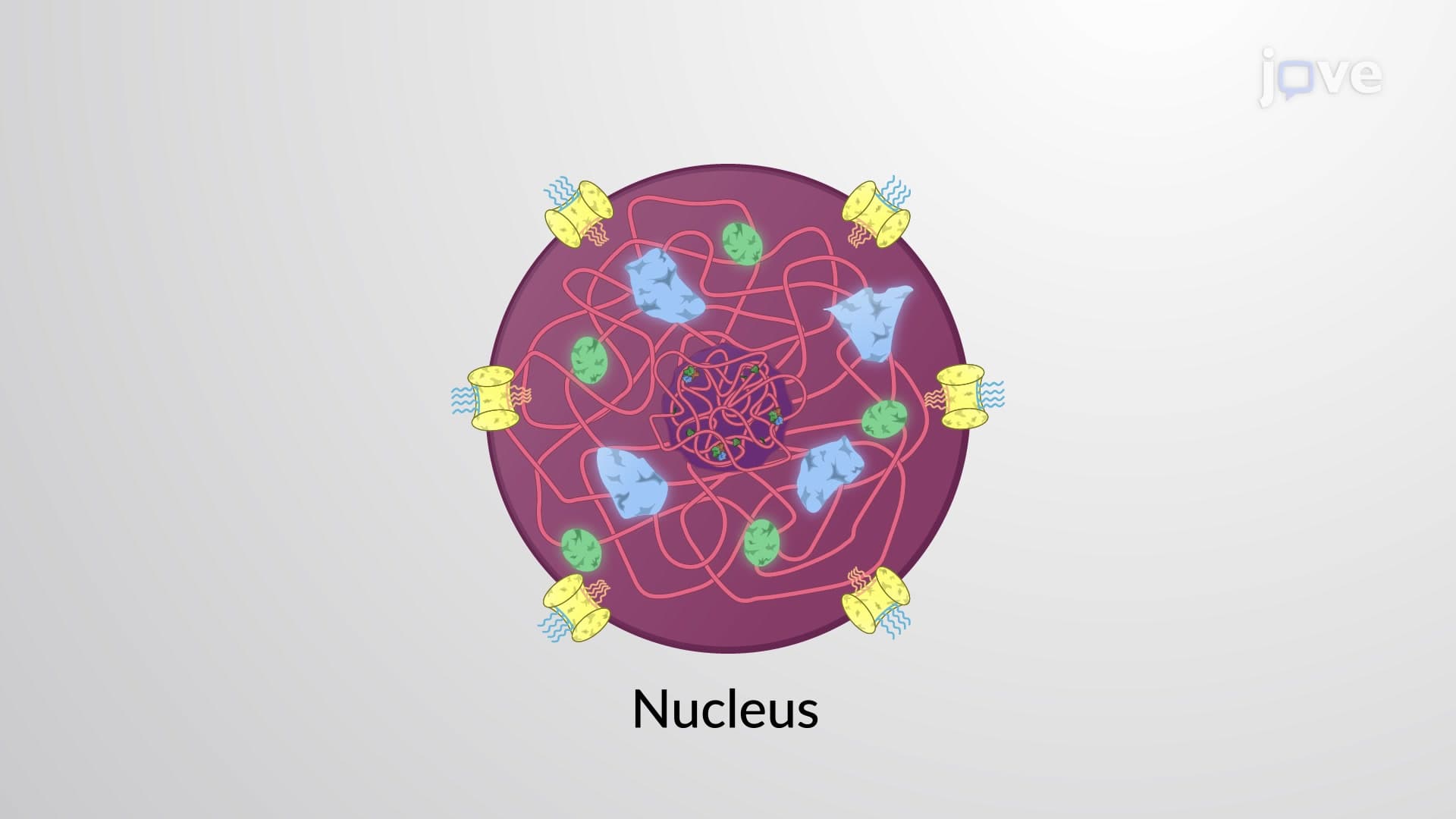
The synthesis begins when RNA polymerase III, a specialized enzyme distinct from the RNA polymerase II that makes mRNA, transcribes tRNA genes. This process occurs in the nucleus of eukaryotic cells, where approximately 500 tRNA genes scattered throughout the human genome are selectively activated. The initial transcript, called precursor tRNA, is longer than the final product and requires extensive processing-similar to how raw materials must be refined before becoming finished products in American manufacturing plants.
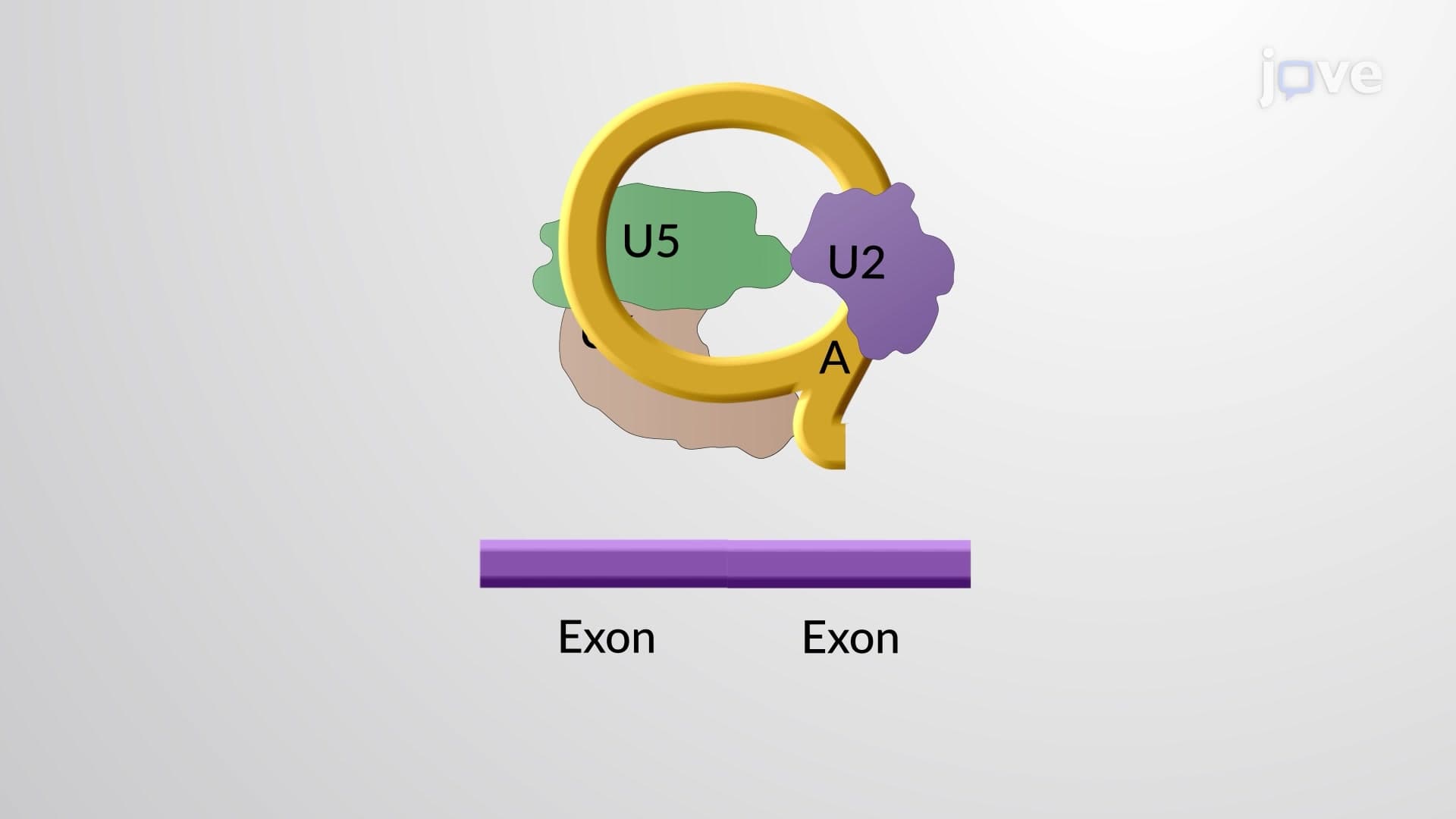
The transformation of precursor tRNA into mature, functional tRNA involves multiple sophisticated modifications. Enzymes remove excess sequences from both the 5' leader and 3' trailer regions, while specialized ribonucleases excise introns present in some tRNA genes. Perhaps most critically, the enzyme tRNA nucleotidyltransferase adds the characteristic CCA sequence to the 3' end-the attachment site where amino acids will later bind. Additionally, over 100 different types of base modifications can occur, creating pseudouridines, methylated bases, and other chemical variants that enhance tRNA stability and function.
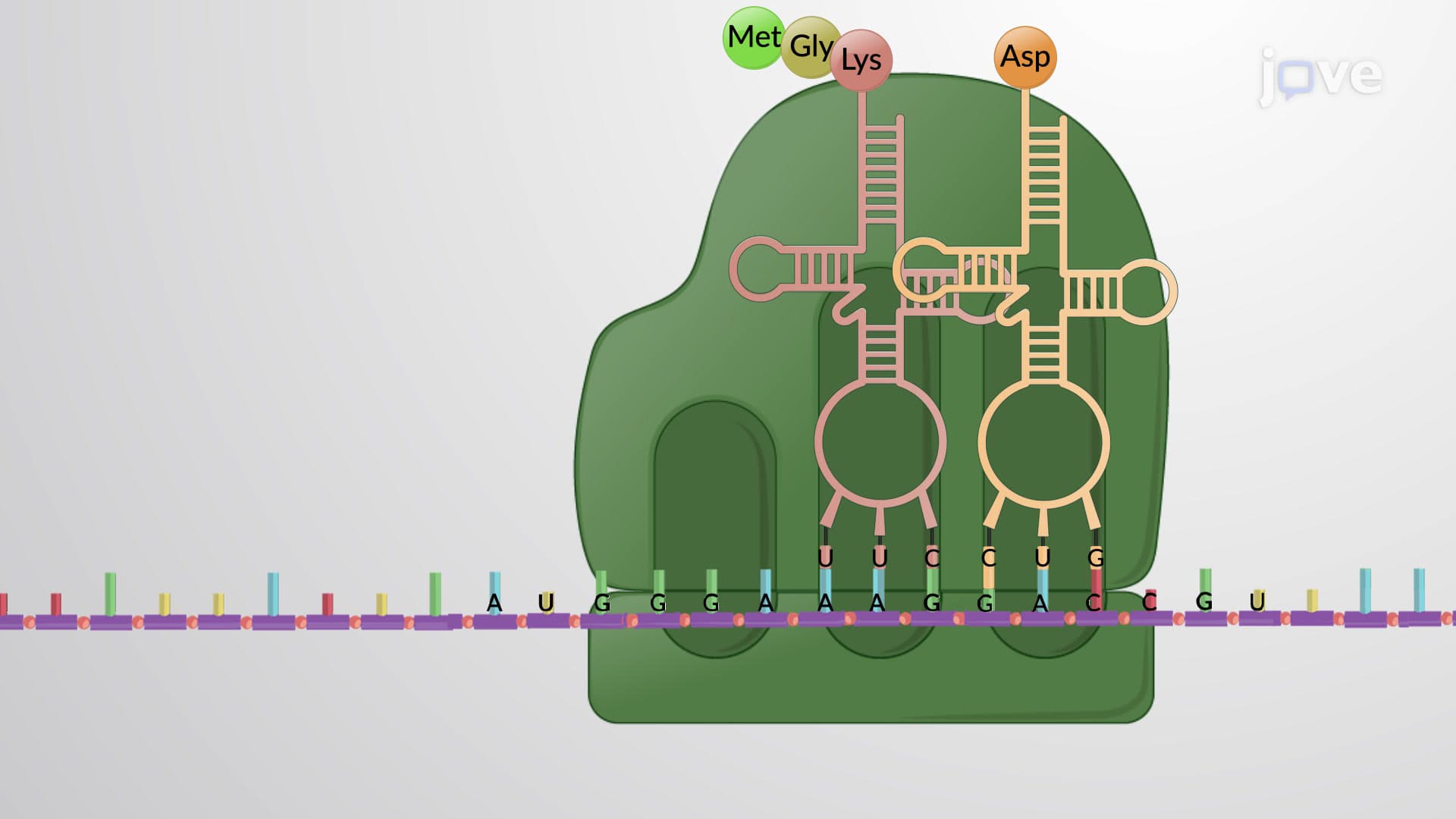
Mature tRNA adopts a distinctive cloverleaf pattern when viewed in two dimensions, folding into an L-shaped three-dimensional structure approximately 70-90 nucleotides long. This architecture positions the anticodon loop-which reads mRNA codons-at one end, while the amino acid attachment site occupies the opposite end. This design allows tRNA to simultaneously interact with both the genetic message and the protein synthesis machinery, much like a specialized adapter that connects different types of electronic equipment.
Understanding tRNA synthesis has profound implications for American healthcare and biotechnology. Many antibiotics, including streptomycin and chloramphenicol, target bacterial tRNA processing pathways while sparing human cells. In research institutions like MIT and Stanford, scientists engineer modified tRNAs to incorporate non-natural amino acids into proteins, advancing drug development and materials science. This knowledge also proves essential for students preparing for advanced placement biology exams, MCAT sections on molecular biology, and undergraduate biochemistry courses across American universities.
Related Micro-courses