Loading subject page…


3,593 views

Video Summary: What are Types of Non Structural
Ever wonder why perfectly good concrete sometimes develops mysterious cracks shortly after pouring? The types of non structural cracks in concrete occur due to material behavior rather than load-bearing issues, making them a critical concern for construction projects. From plastic settlement above rebar to thermal cracking from hydration heat, these defects can appear in everything from sidewalks in Phoenix to bridge decks in Chicago. Understanding what causes plastic shrinkage, drying shrinkage, thermal cracking, and crazing helps engineers prevent costly repairs and structural complications. Watch the full video on JoVE Coach to master this concept with expert-led visuals and step-by-step explanations.
Types of non structural cracks represent material-related defects that develop independently of applied loads or structural inadequacies. Unlike structural cracks that indicate capacity issues, these surface-level imperfections stem from concrete's inherent behavior during curing and environmental exposure. Civil engineering students encounter these concepts in materials courses, while they frequently appear on AP Physics and college structural engineering exams.
Plastic settlement cracks form when fresh concrete undergoes bleeding-water migration upward displaces heavier aggregates downward. When reinforcing steel obstructs this natural settling, differential movement creates tensile stress concentrations directly above the rebar. The Golden Gate Bridge's original deck construction exemplified this challenge, requiring increased concrete cover to minimize settlement-induced cracking.
Plastic shrinkage occurs simultaneously through rapid surface water evaporation. Hot, dry, or windy conditions accelerate moisture loss, creating tensile stresses in the surface layer while interior concrete remains plastic. Arizona highway projects commonly experience this phenomenon, developing characteristic random or diagonal crack networks within hours of placement.
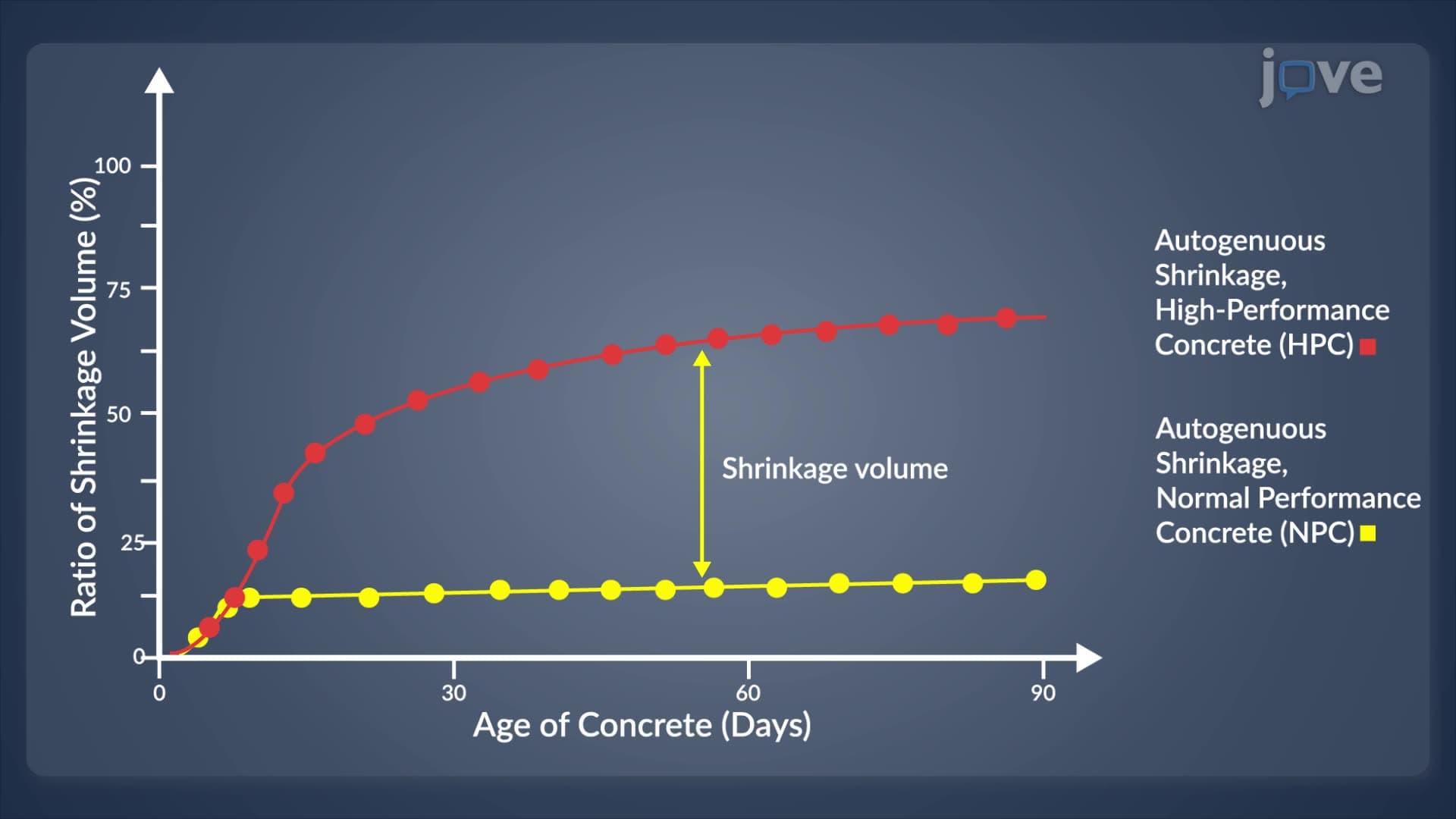
Long-term drying shrinkage affects hardened concrete as internal moisture gradually evaporates. External restraint from foundations, adjacent structures, or internal reinforcement prevents free contraction, generating surface tensile stresses. Control joints-like those visible in sidewalks throughout American cities-accommodate this movement by providing predetermined crack locations.
Thermal cracking presents unique challenges during concrete's early age. Cement hydration generates significant heat, creating temperature differentials between the cooling surface and warmer interior. When surface contraction becomes restrained by the interior mass, tensile stresses exceed concrete's limited tensile strength. The Hoover Dam's construction pioneered cooling pipe systems to manage this thermal gradient, preventing massive thermal cracking.
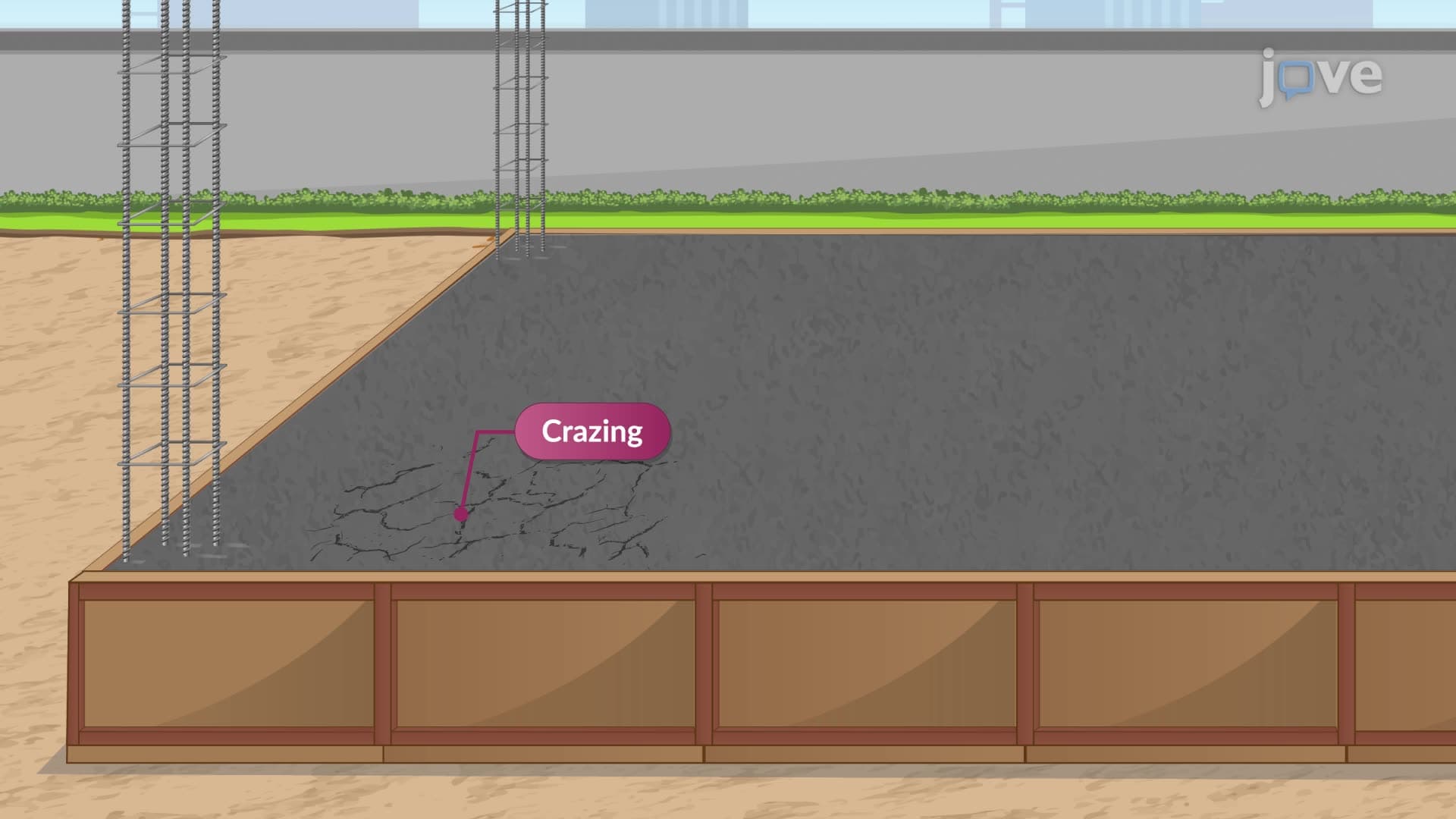
Crazing manifests as fine, interconnected hairline cracks resembling dried mud patterns. Over-troweling concrete surfaces concentrates cement paste at the top, creating a weak, shrinkage-prone layer. While primarily aesthetic, crazing indicates improper finishing techniques and can compromise durability in freeze-thaw environments common across northern US states.
Related Micro-courses