Loading concepts…


21 Concepts
14 Concepts
11 Concepts
11 Concepts
16 Concepts
8 Concepts
18 Concepts
12 Concepts
6 Concepts
12 Concepts
6 Concepts
5 Concepts
6 Concepts
9 Concepts
8 Concepts
8 Concepts
7 Concepts
9 Concepts
10 Concepts
8 Concepts
13 Concepts
5 Concepts
11 Concepts
10 Concepts
7 Concepts
6 Concepts
9 Concepts
10 Concepts
6 Concepts
9 Concepts
 6 Concepts
 2.5K Views
 Popular topics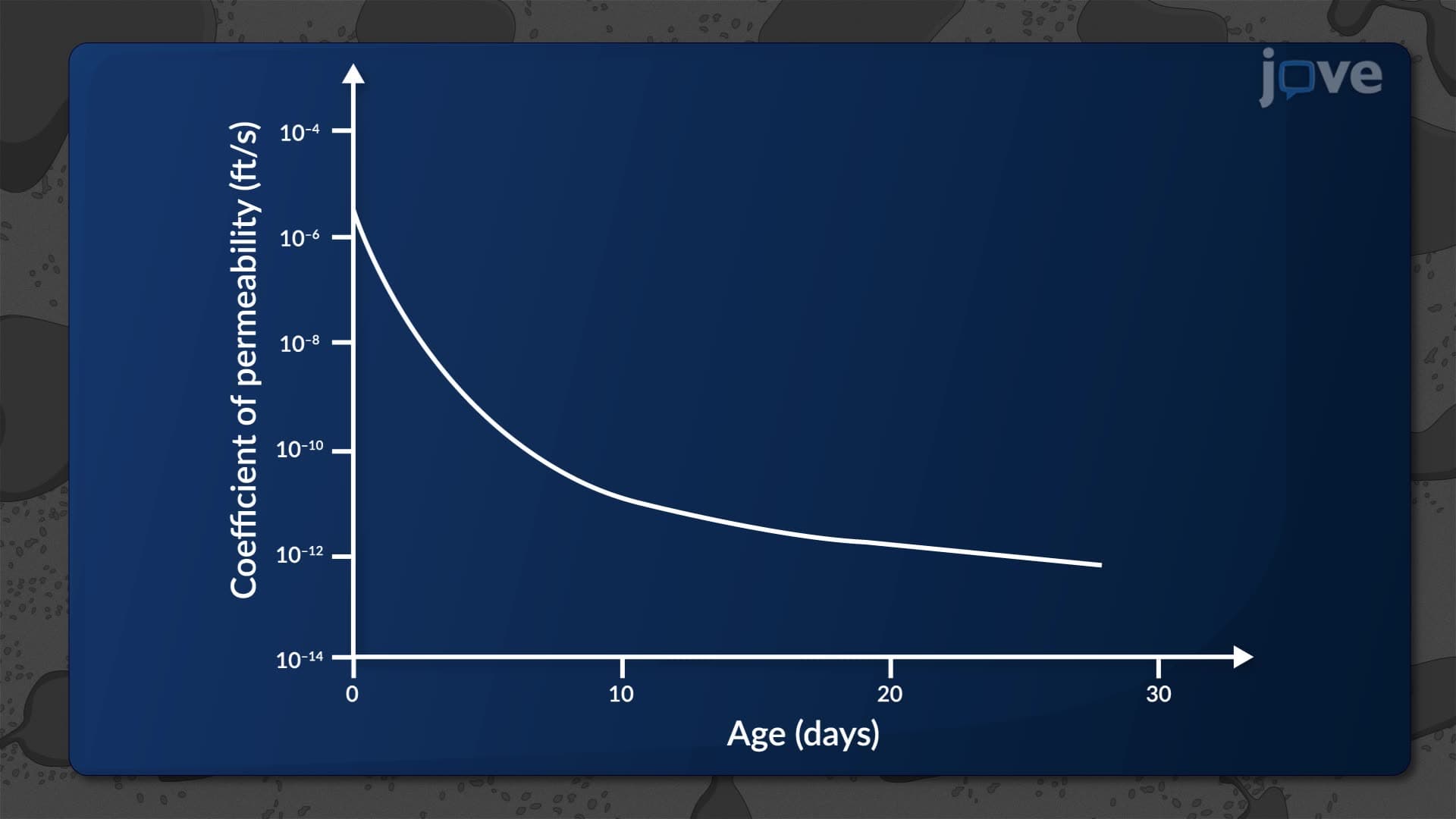
The permeability of concrete determines how easily water and chemicals penetrate the material, directly affecting structural durability and performance. This comprehensive course examines concrete's resistance to water infiltration and explores how permeability influences sulfate attack, seawater exposure, acid degradation, alkali-aggregate reactions, and steel reinforcement corrosion. Through practical examples from US infrastructure projects, students learn testing methods and protective strategies essential for designing long-lasting concrete structures with JoVE Coach.
1. Fundamental Concrete Permeability and Testing Methods Concrete permeability measures how readily liquids and gases move through the material's pore structure. Standard laboratory testing involves sealing all surfaces except the top of a concrete sample, then applying pressurized water until steady-state conditions develop after approximately ten days. The volume of water penetrating through a specific thickness over time determines permeability coefficients. For normal-weight aggregate concrete, permeability depends primarily on cement paste porosity, particularly the presence of capillary pores versus smaller gel pores. Lower water-cement ratios below 0.6 significantly reduce permeability by creating segmented capillaries that impede fluid flow, making concrete more durable for water-retaining structures.
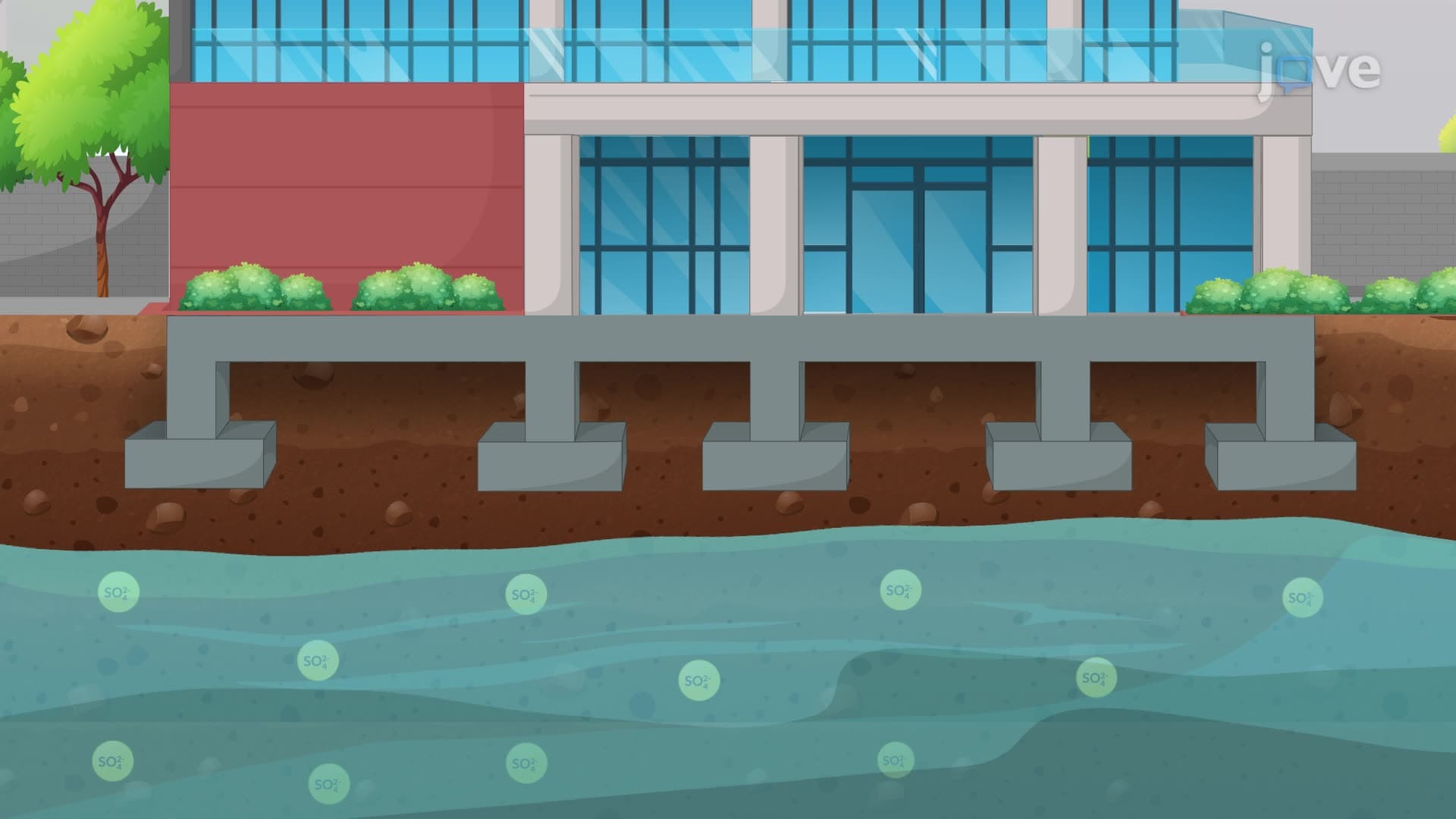
2. Sulfate Attack Mechanisms and Prevention Strategies Sulfate attack manifests as distinctive whitish discoloration at concrete edges and corners, followed by progressive cracking and surface spalling. Common sulfate sources include soil groundwater containing sodium, potassium, magnesium, and calcium sulfates that penetrate permeable concrete. Chemical reactions form expansive calcium sulfate and calcium sulfoaluminate compounds, creating internal pressure that causes concrete expansion and structural damage. Laboratory resistance testing involves immersing specimens in sulfate solutions through wet-dry cycles, measuring strength loss and expansion. Prevention strategies include using sulfate-resistant cement, reducing calcium hydroxide content, and casting dense concrete with low water-cement ratios to minimize infiltration pathways.
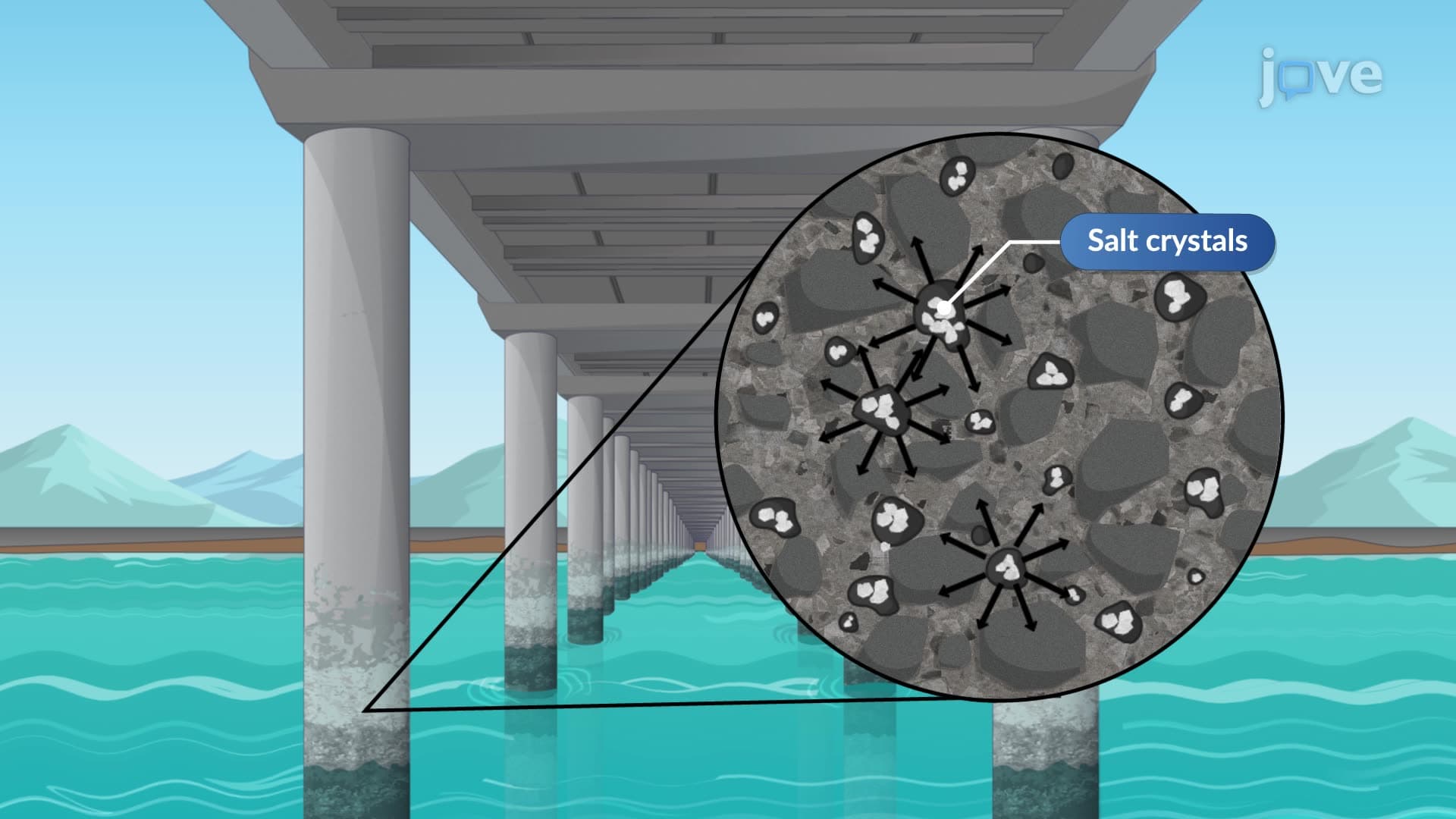
3. Seawater Exposure Effects on Coastal Infrastructure Seawater exposure creates complex deterioration patterns in concrete structures along US coastlines, from California's Pacific Coast Highway bridges to Florida's oceanfront buildings. Above the waterline, salt crystallization pressure within pores causes expansion damage, while submerged concrete experiences dissolution of ettringite and gypsum crystals, increasing porosity and reducing strength. Tidal zones suffer most severely from constant wet-dry cycles that accelerate chemical reactions. However, magnesium hydroxide formation from seawater magnesium sulfate can sometimes clog pores and provide protection. Design standards require 2-3 inches of reinforcement cover and well-compacted concrete with minimum cement contents of 600 lbs/yd³ above waterline and 500 lbs/yd³ below.
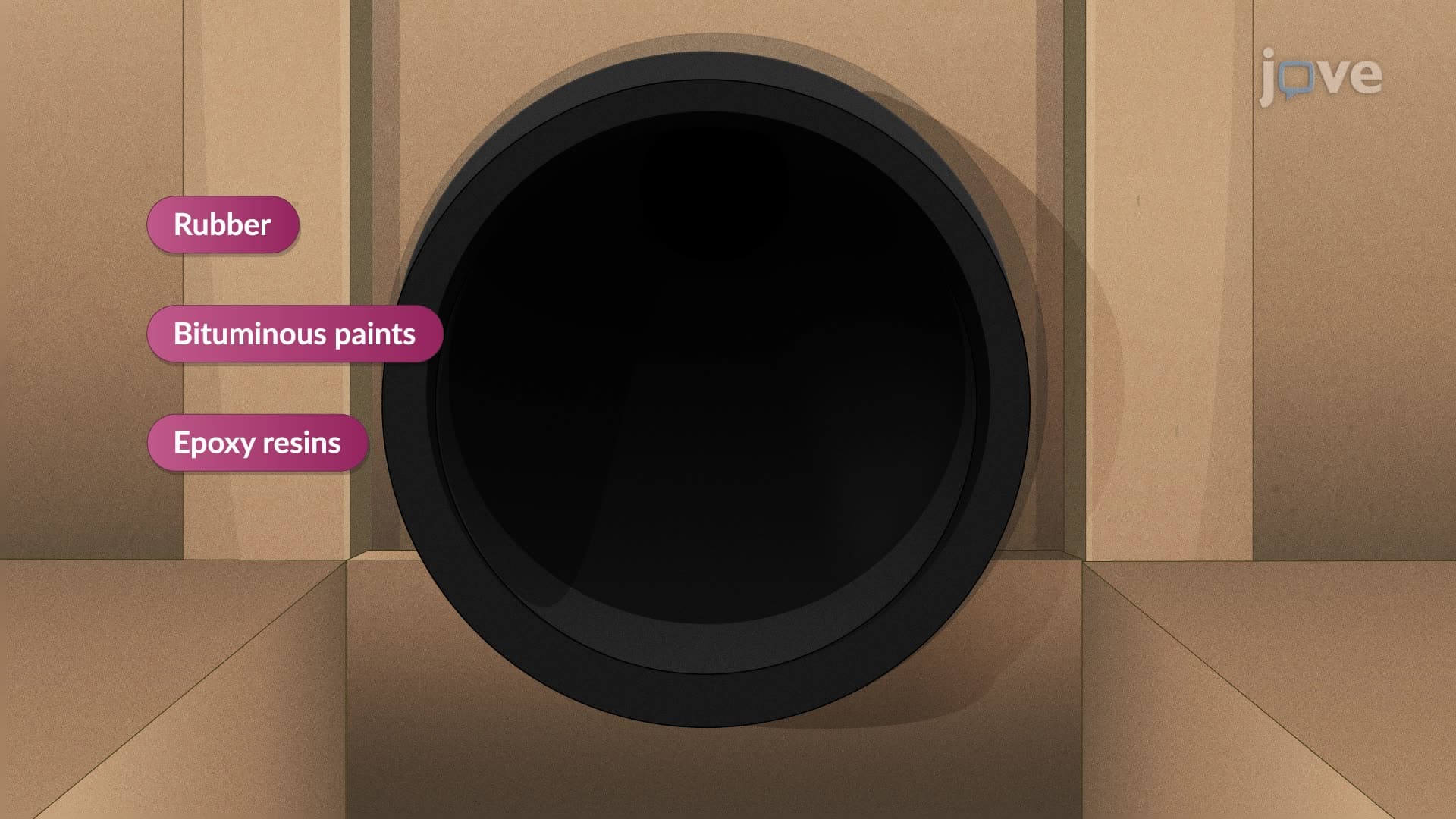
4. Acid Attack and Chemical Degradation Processes Acid attack dissolves hydrated cement paste when pH levels drop below 6.5, with accelerated deterioration below pH 4.5. Common sources include carbon dioxide in melted ice water (15-60 ppm), highly corrosive peaty water (over 60 ppm CO₂), and sulfuric acid from bacterial conversion of hydrogen sulfide in sewage systems. Municipal wastewater treatment plants across the US frequently encounter this problem in concrete sewers, where anaerobic bacteria create aggressive chemical environments. Protection methods include calcium hydroxide stabilization using diluted sodium silicate to form protective calcium silicates, and surface treatments with coal-tar pitch, rubber-based paints, or epoxy resins that create barrier layers against acid penetration.
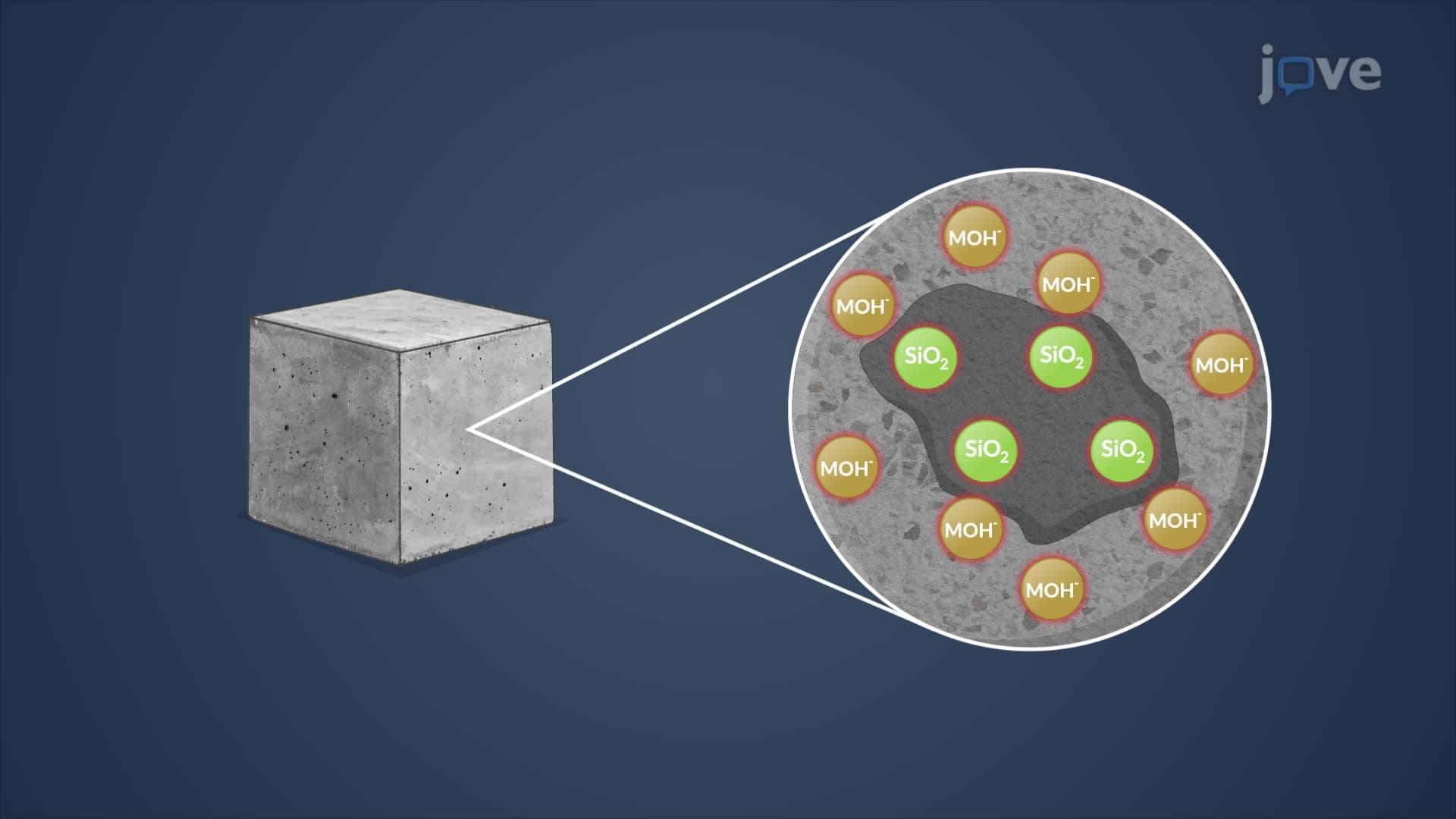
5. Alkali-Aggregate Reactions and Internal Concrete Damage Alkali-aggregate reactions occur when siliceous minerals in aggregates react with alkaline hydroxides from cement, forming expansive alkali-silica gel that attracts water and swells. This internal pressure causes cement paste cracking and progressive structural deterioration, particularly problematic with certain aggregate sources in the western United States. Fine siliceous particles cause rapid expansion within weeks, while larger particles may take years to manifest damage. Reaction rates depend on aggregate porosity, cement alkali content, moisture availability, and cement paste permeability. Optimal conditions occur at 50-100°F during wet-dry cycles. Prevention strategies include using low-alkali cement, incorporating pozzolans, and adding at least 30% limestone coarse aggregate by mass to dilute reactive silica content.
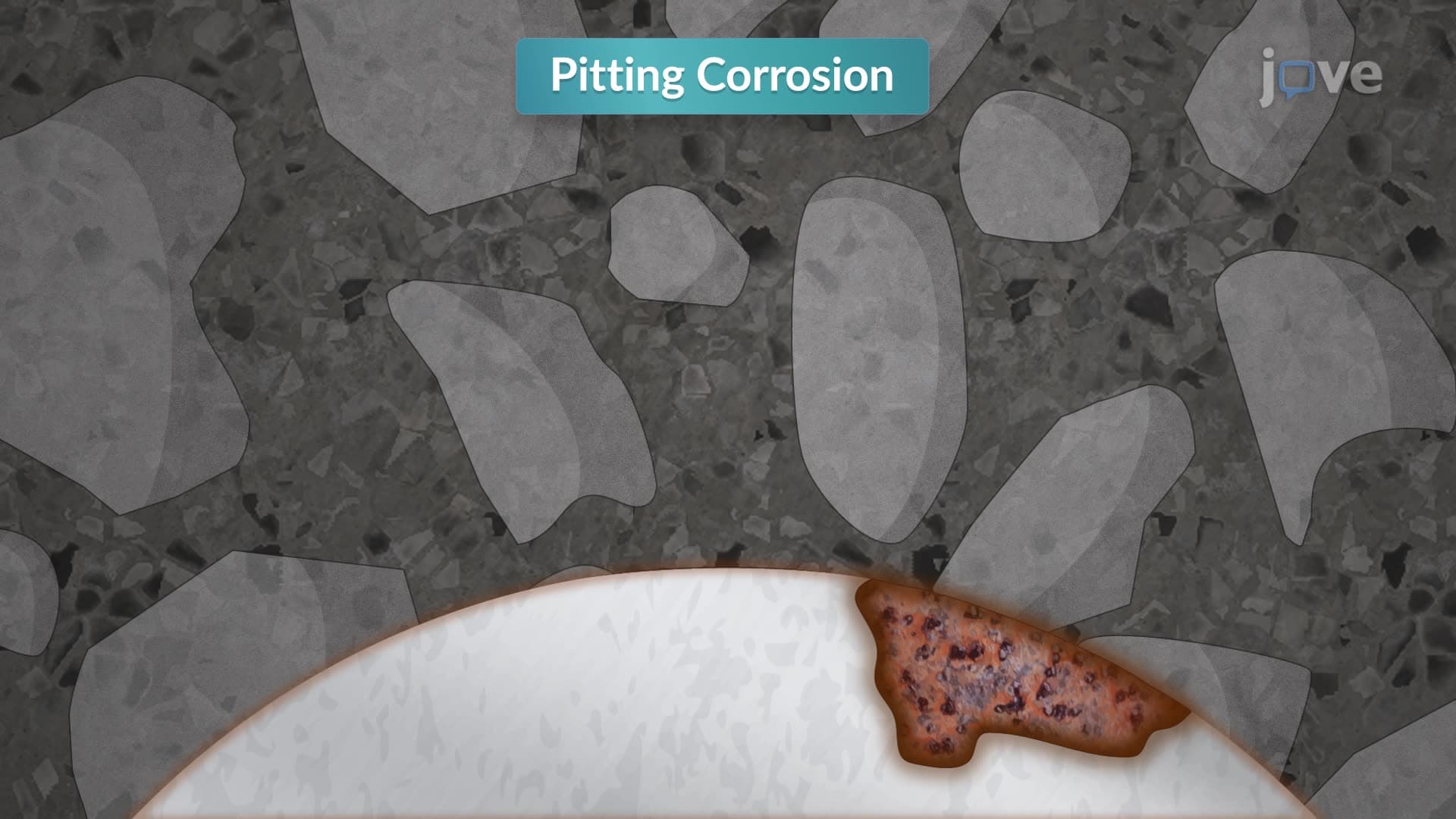
6. Steel Reinforcement Corrosion in Permeable Concrete Steel reinforcement corrosion begins when concrete's protective alkaline environment (pH ~13) becomes compromised through chloride ingress or carbonation. The electrochemical corrosion process involves anodic regions where ferrous ions dissolve into pore solution, and cathodic regions where electrons react with water and oxygen to form hydroxyl ions. Salt solutions in hydrated cement act as electrolytes, facilitating ion transfer between anodic and cathodic sites. Chloride ions form hydrochloric acid at anodic locations, breaking down protective iron oxide layers and causing destructive pitting corrosion. Rust formation increases steel volume up to six times, creating internal pressure that causes concrete cracking and spalling. Protection methods include epoxy-coated or galvanized reinforcement, adequate concrete cover, and reducing permeability through proper mix design and construction practices.