Loading concepts…


21 Concepts
14 Concepts
11 Concepts
11 Concepts
16 Concepts
8 Concepts
18 Concepts
12 Concepts
6 Concepts
12 Concepts
6 Concepts
5 Concepts
6 Concepts
9 Concepts
8 Concepts
8 Concepts
7 Concepts
9 Concepts
10 Concepts
8 Concepts
13 Concepts
5 Concepts
11 Concepts
10 Concepts
7 Concepts
6 Concepts
9 Concepts
10 Concepts
6 Concepts
9 Concepts
 12 Concepts
 2.7K Views
 Popular topics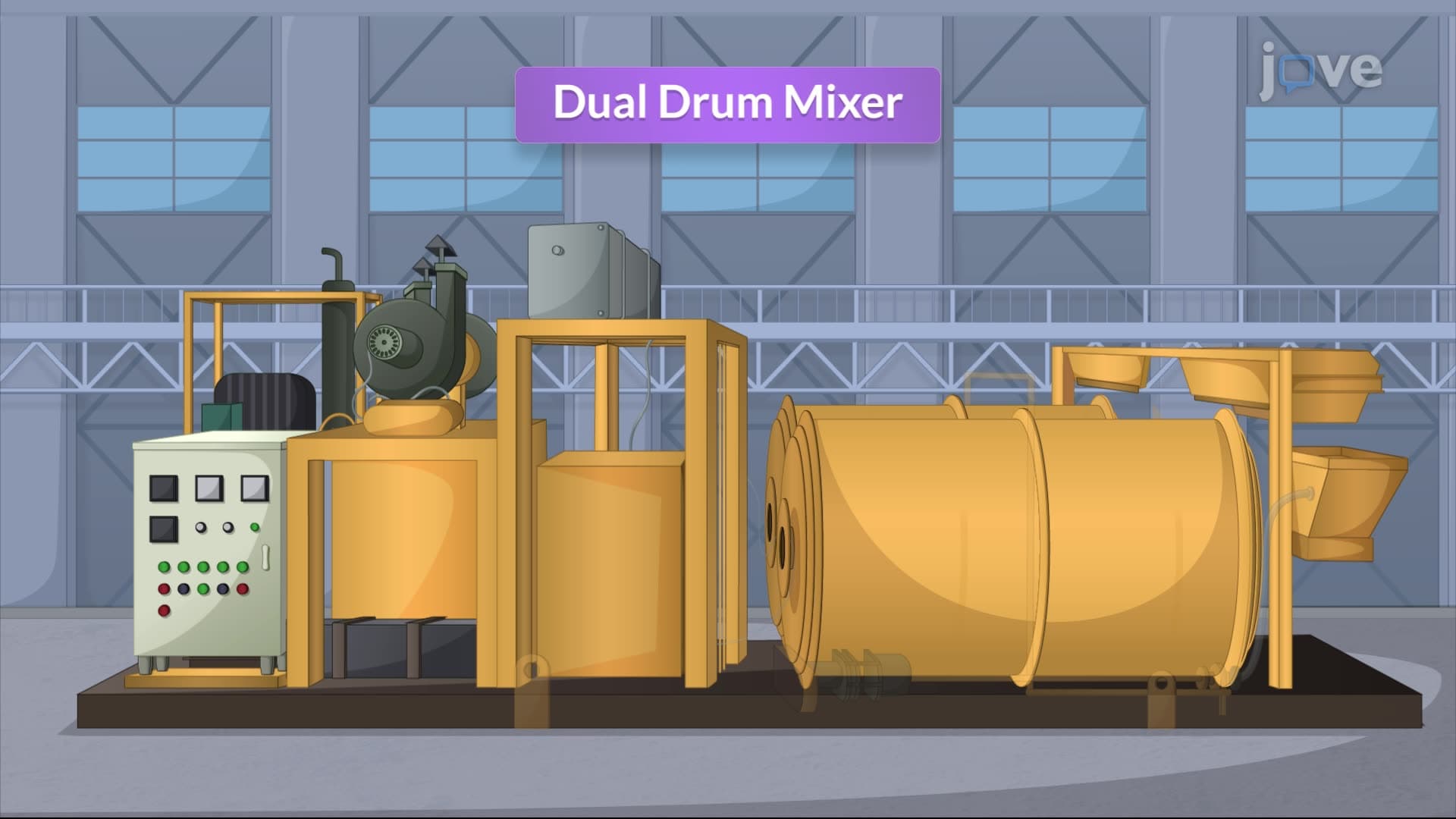

Concrete mixing involves systematically combining cement, aggregates, and water to create uniform mixtures using batch or continuous mixers. This comprehensive guide covers essential procedures for mixing placing and curing concrete, from initial batching through final curing methods. Students will explore modern techniques including ready-mixed concrete, pumped concrete systems, and specialized placement methods like shotcrete. The course examines concrete placement curing relationships and accelerated curing processes used in US construction projects. JoVE Coach provides interactive learning tools to master these fundamental civil engineering principles.
1. Concrete Mixing Fundamentals and Equipment Types Concrete mixing ensures uniform distribution of cement paste around aggregates through mechanical action. Batch mixers process complete batches sequentially, including tilting drum mixers that discharge by rotating the drum, and non-tilting varieties using chutes or reverse rotation. Pan-type mixers use paddles for thorough blending, while dual drum systems employ two-stage mixing processes. Continuous mixers provide steady concrete flow for large projects like highway construction. US construction standards require specific mixing sequences, starting with 10% water, adding solids with 80% remaining water, then final water addition during initial mixing phases.
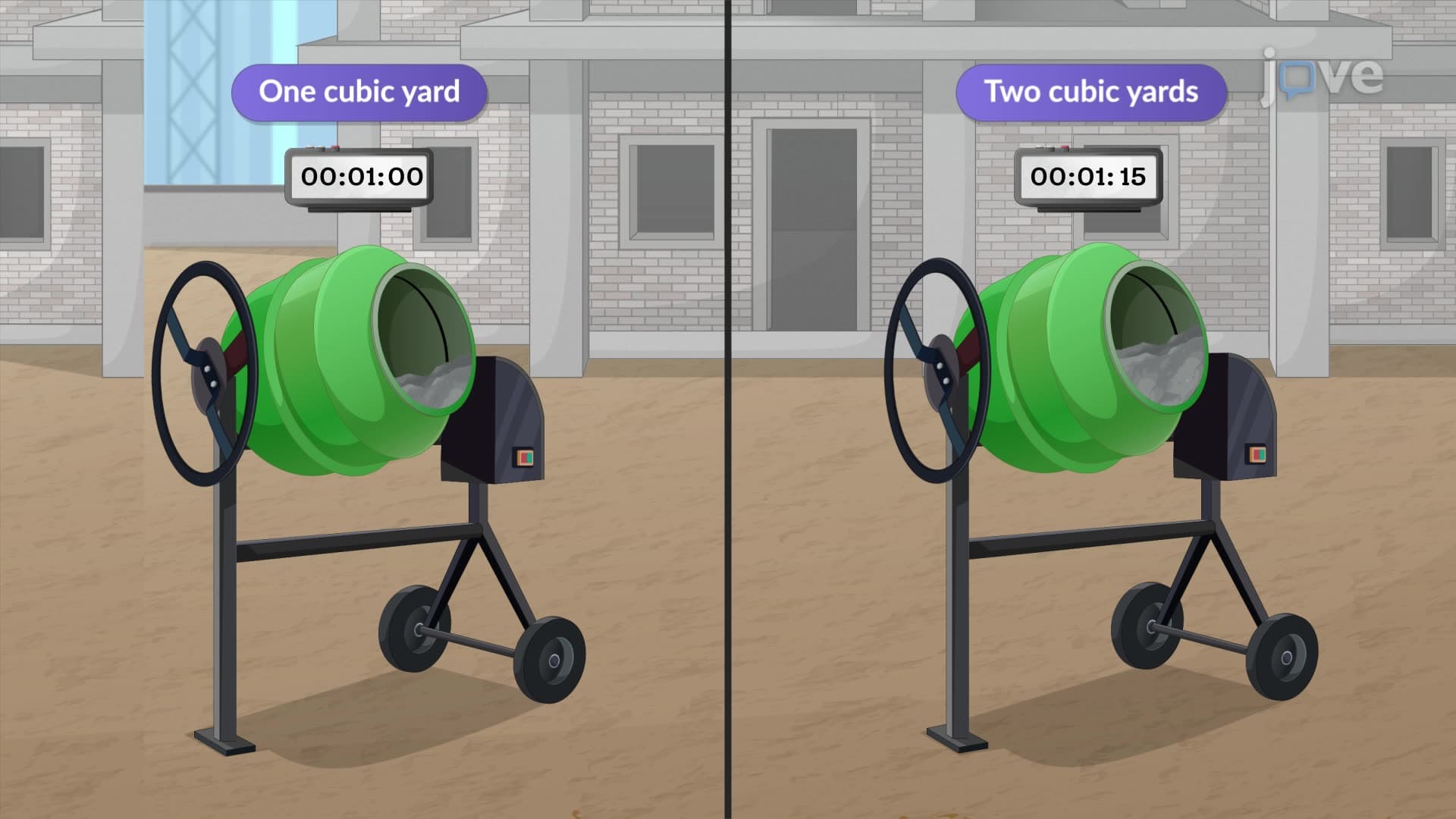
2. Optimal Mixing Times and Quality Control Proper mixing duration prevents segregation and ensures concrete strength development. Minimum mixing time equals one minute for one cubic yard capacity, increasing by fifteen seconds per additional cubic yard. Under-mixing below 1-1.5 minutes creates non-uniform concrete with reduced strength, while over-mixing causes water evaporation, aggregate grinding, and decreased workability. Factors affecting mixing time include mixer type, rotation speed, and ingredient charging methods. Quality control involves collecting samples at discharge points to verify consistency, particularly important for large infrastructure projects like bridges and high-rise buildings constructed across US cities.
3. Ready-Mixed Concrete Systems and Transportation Ready-mixed concrete preparation occurs at centralized batching plants before site delivery, ensuring consistent quality for US construction projects. Central-mixed concrete completes mixing at plants before transport in agitator trucks rotating 2-6 rpm. Transit-mixed concrete batches ingredients at plants but completes mixing during transport at 4-16 rpm. Shrink-mixed systems partially mix at plants and finish mixing en route. ASTM standards limit mixer trucks to 300 revolutions maximum and require concrete placement within 90 minutes of initial mixing, critical for maintaining workability in projects from residential developments to major infrastructure construction.
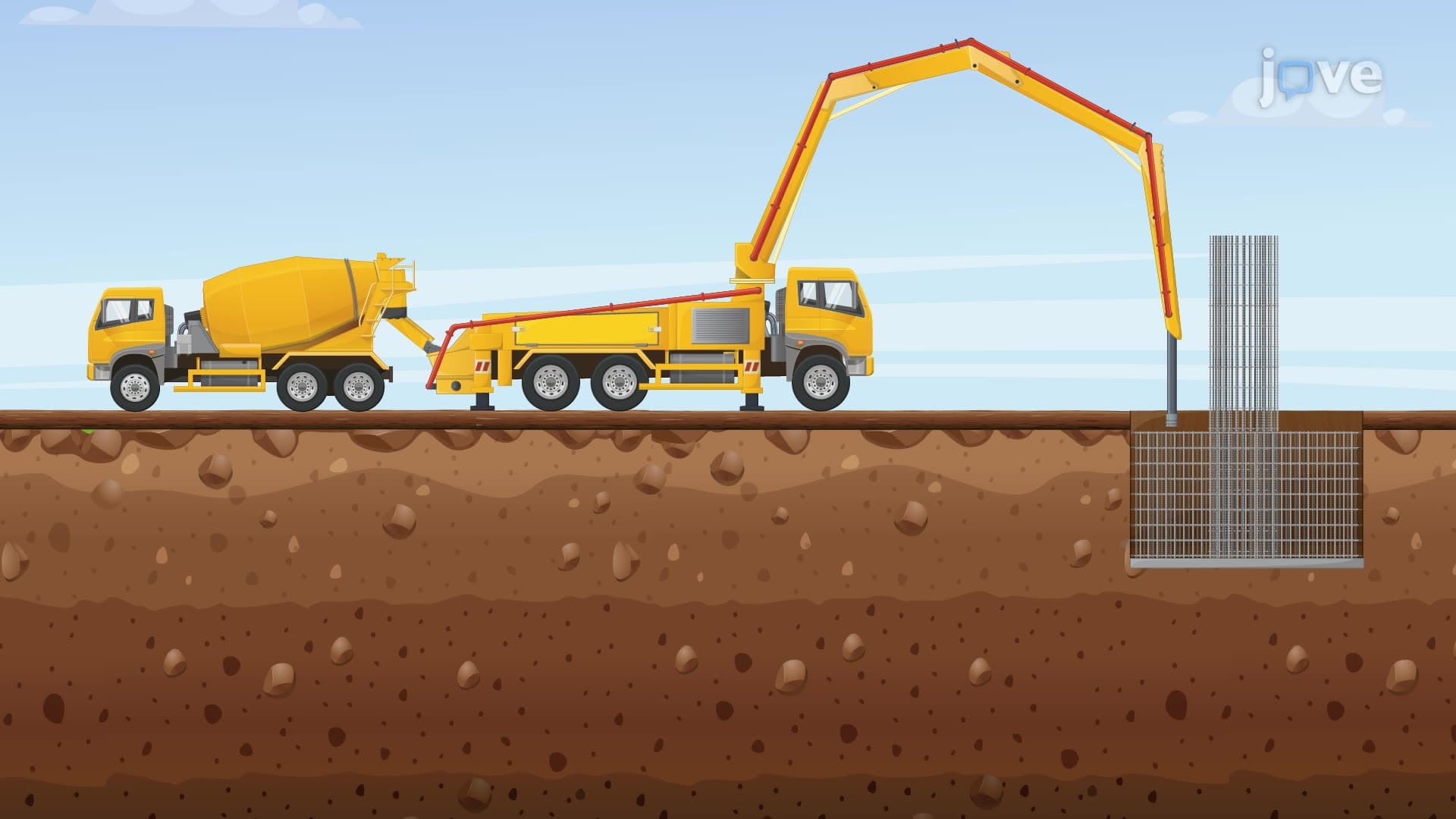
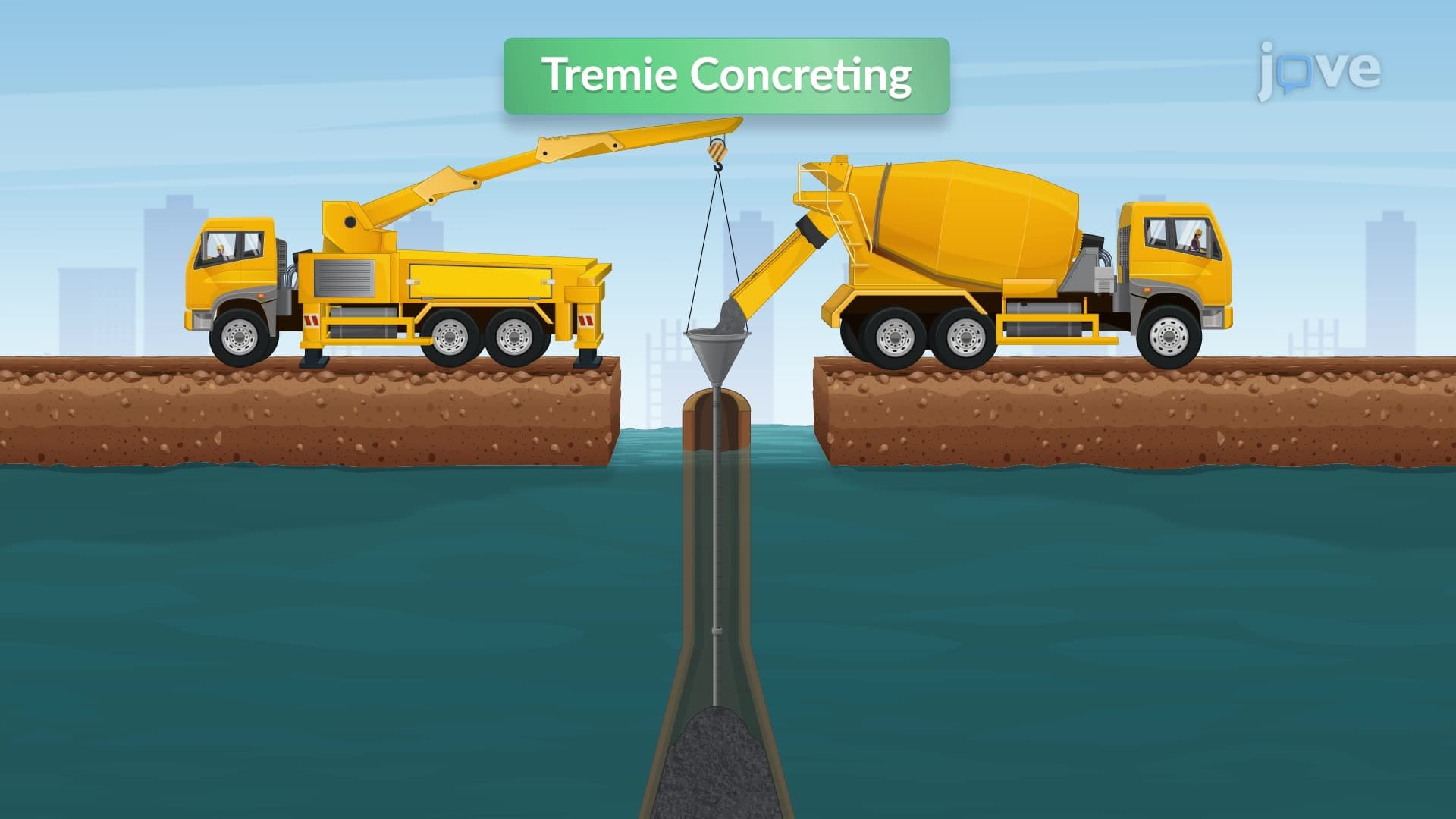
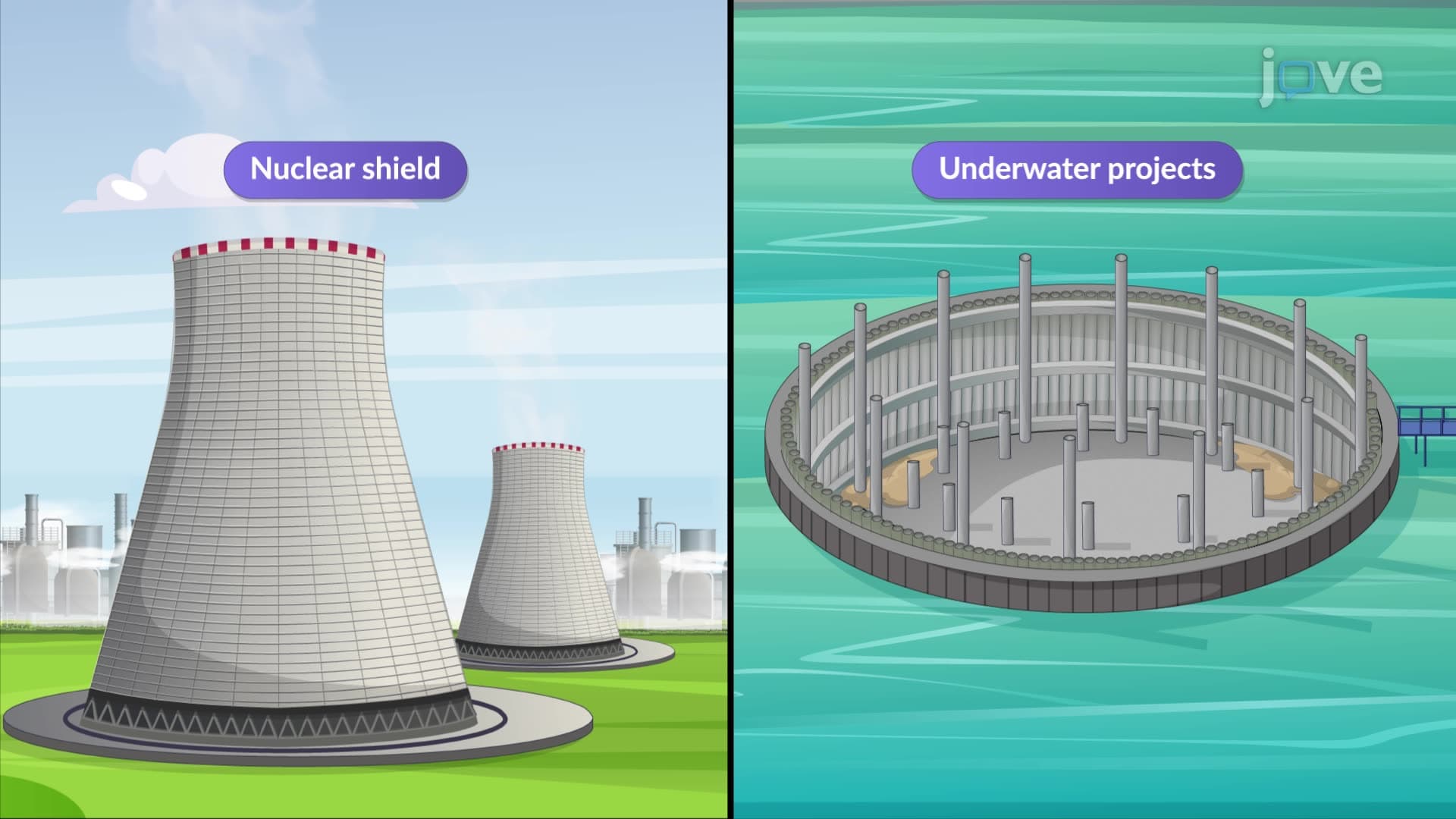
4. Concrete Pumping and Specialized Placement Methods Pumped concrete systems transport material through pipelines to difficult access locations like deep foundations or high-rise construction. Direct-acting pumps use piston movement to push concrete through pipelines, while truck-mounted squeeze pumps employ rotating blades and rollers for delivery through flexible hoses with folding booms. Pipe diameter must exceed three times maximum aggregate size, with optimal concrete slump between 1.5-4 inches. Specialized placement includes tremie concreting for underwater construction using water-tight pipes, and slip-forming for continuous placement in projects like highway barriers and nuclear containment structures throughout US construction sites.
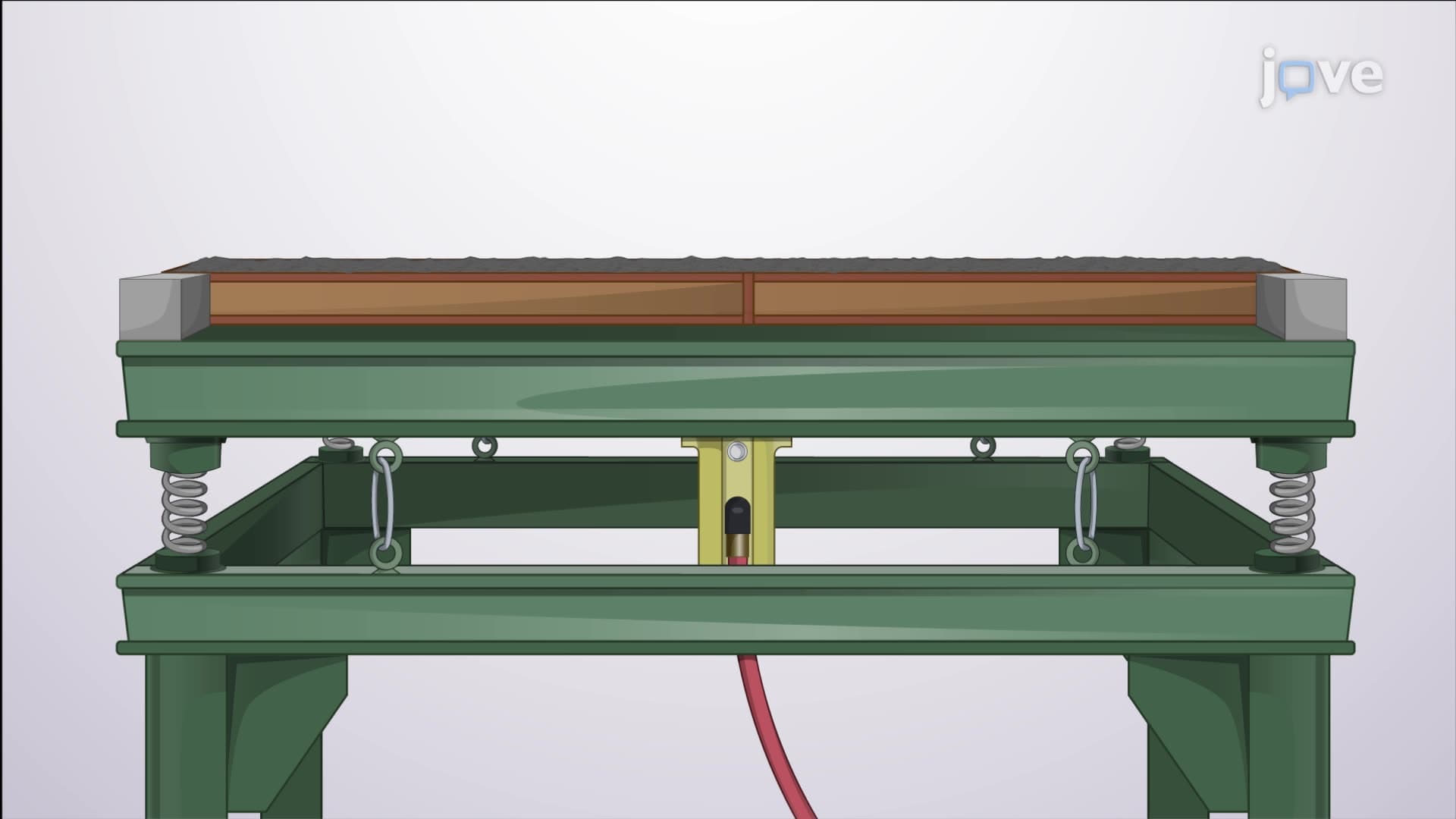
5. Concrete Consolidation and Vibration Techniques Mechanical vibration removes entrapped air and creates dense concrete mass essential for structural integrity. Internal poker vibrators plunge through concrete thickness at 2-3 foot intervals for 5 seconds to 2 minutes, depending on consistency. External vibrators attach to formwork via elastic supports for precast elements and thin sections. Vibrating tables provide uniform consolidation for precast concrete units in manufacturing facilities. Proper vibration technique requires gradual vibrator withdrawal to prevent void formation, critical for achieving design strength in structural elements from residential foundations to commercial building construction across US markets.
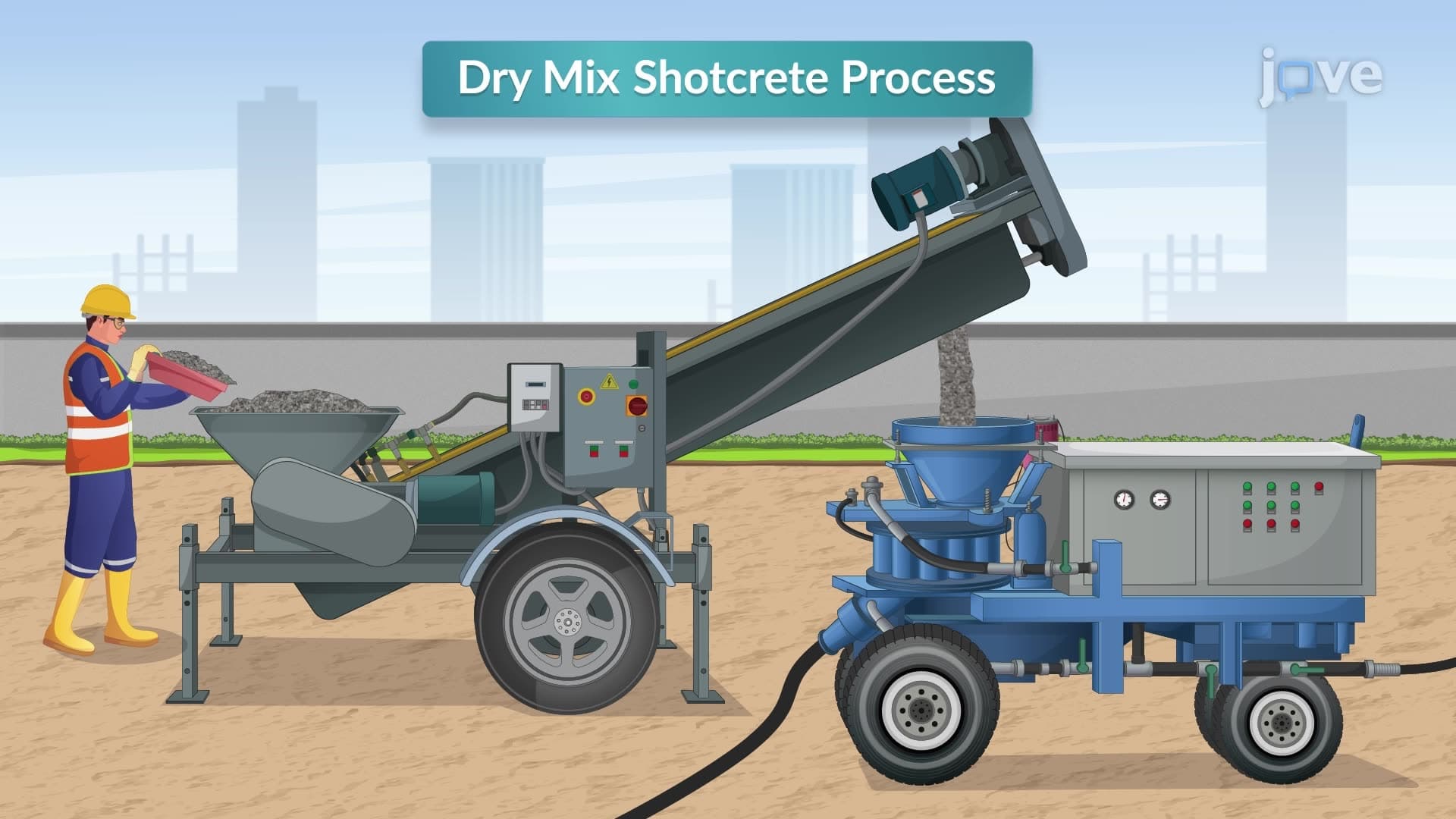
6. Shotcrete and Preplaced Aggregate Concrete Applications Shotcrete involves high-velocity spraying of mortar or small aggregate concrete onto surfaces, achieving compaction through impact force. Dry mix shotcrete combines cement and moist aggregates before pneumatic delivery, adding pressurized water at the nozzle. Wet mix systems pre-blend all ingredients before pneumatic conveyance with compressed air injection at delivery. Preplaced aggregate concrete places gap-graded coarse aggregates first, then injects mortar through slotted pipes to fill voids. These methods excel in tunnel construction, slope stabilization, and repair work, with applications ranging from subway construction in major US cities to dam rehabilitation projects.
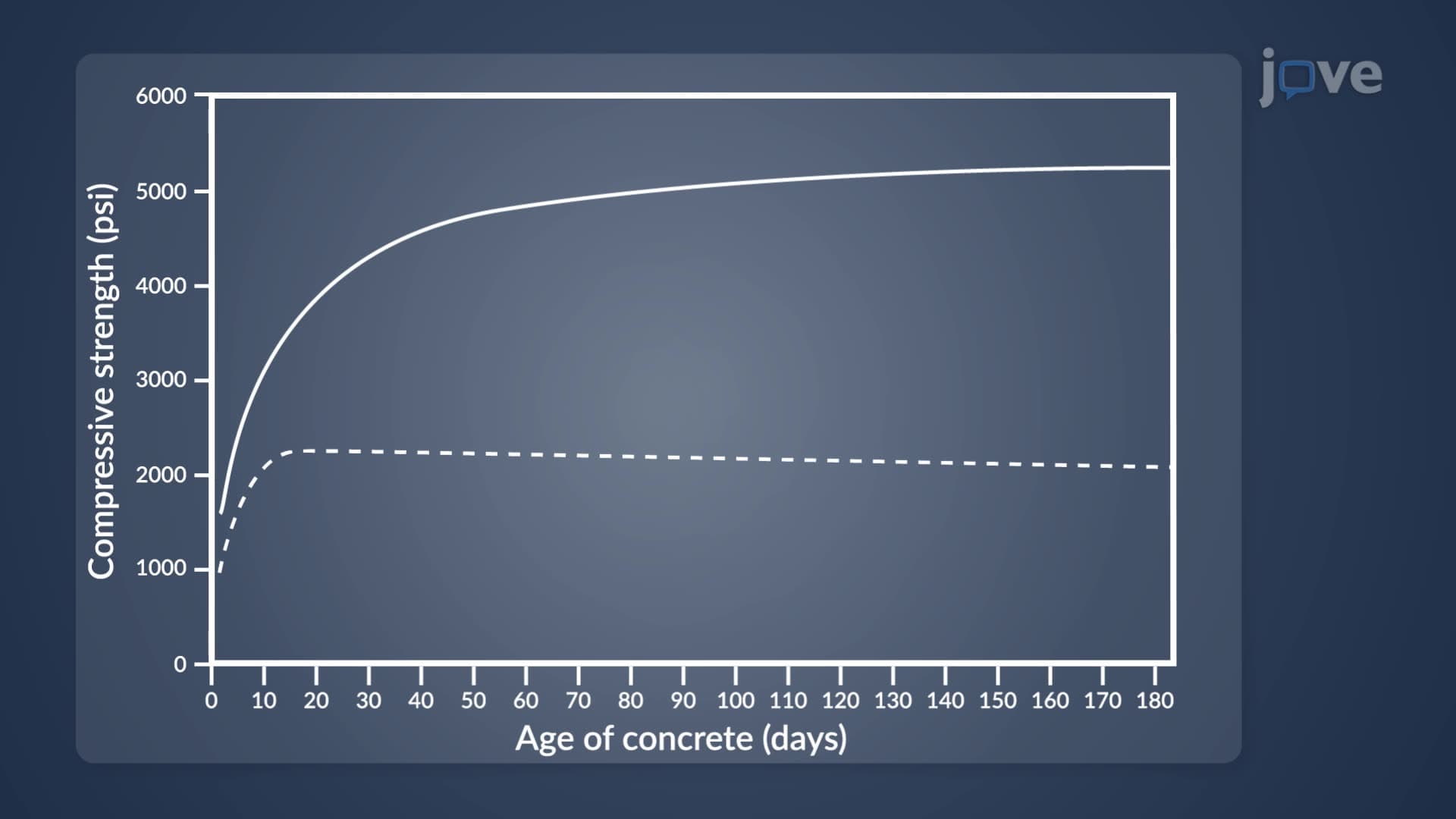
7. Concrete Curing Principles and Environmental Factors Concrete curing maintains adequate moisture and temperature for continued cement hydration after final set. Environmental factors including air temperature, humidity, and wind cause surface water evaporation, potentially reducing final strength to 50% of properly cured concrete. Internal drying occurs in sealed concrete with water-cement ratios below 0.5. Effective curing prevents shrinkage cracking and ensures concrete achieves design strength over time. Duration directly correlates with compressive strength development, making proper curing critical for structural elements in US construction from residential slabs to bridge decks requiring decades of service life.
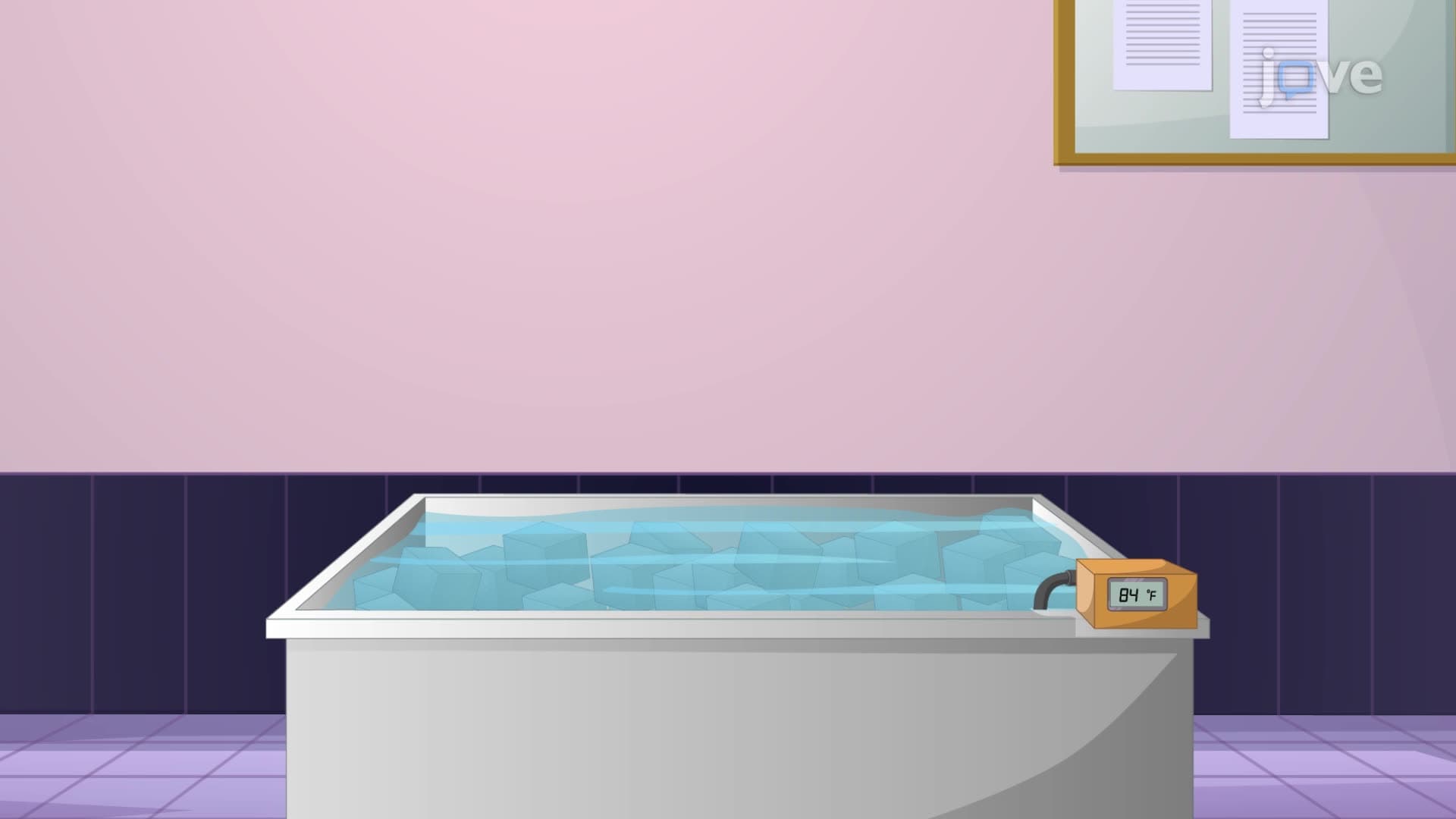
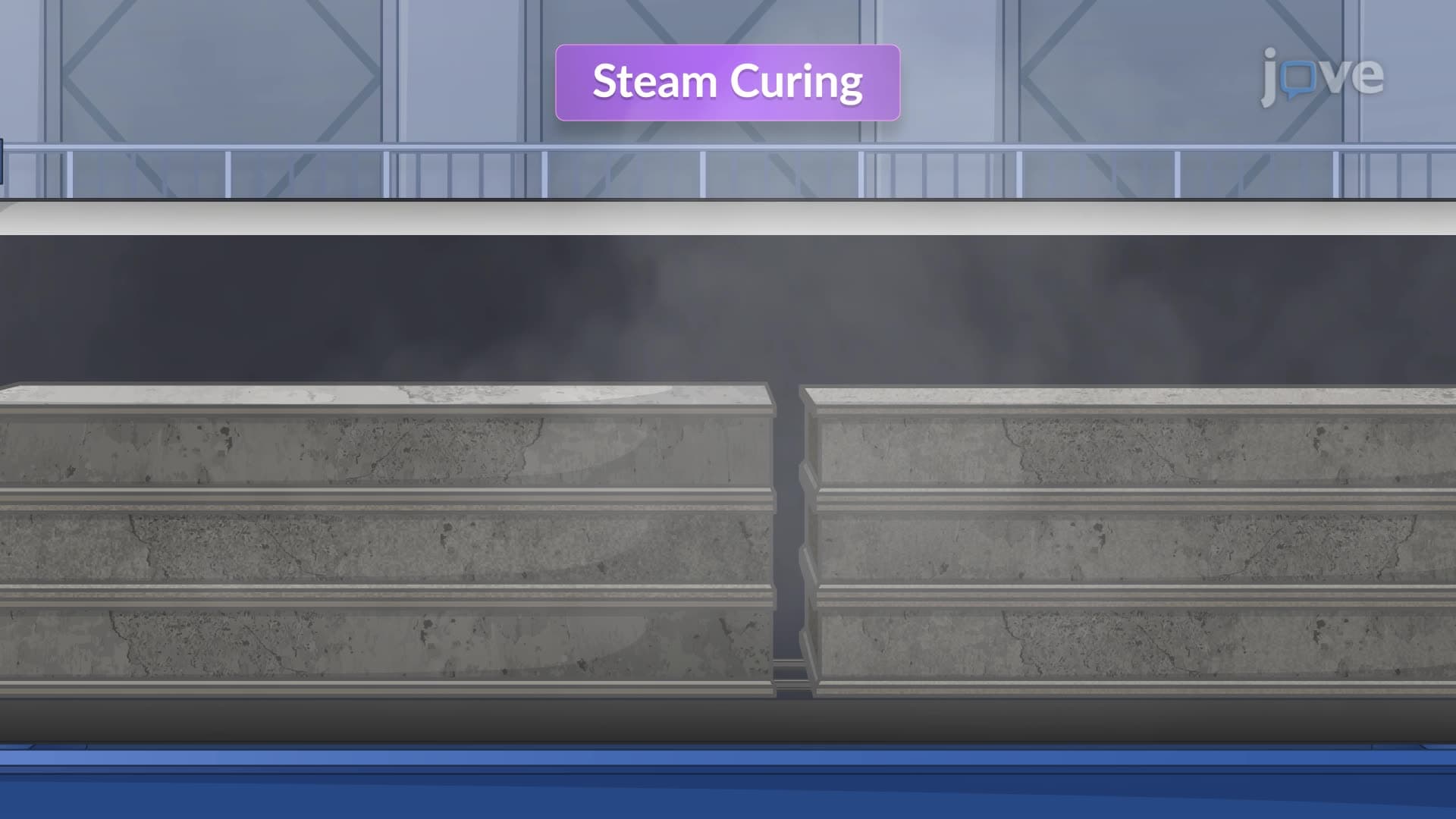
8. Standard and Accelerated Curing Methods Standard curing methods include maintaining moist conditions through form retention, water spraying, ponding, or covering with saturated materials like wet burlap. Impervious membranes using plastic sheets or curing compounds minimize moisture evaporation while preventing external moisture ingress. Accelerated curing applies heat and moisture for higher early strength, particularly in precast concrete manufacturing. Steam curing cycles include initial delay, controlled heating at 40-60°F per hour to maximum temperatures of 150-180°F, temperature maintenance, and cooling periods. Electric curing uses alternating current through electrodes or heating blankets, enabling winter construction and rapid strength gain for time-sensitive US construction projects.