Loading concepts…


21 Concepts
14 Concepts
11 Concepts
11 Concepts
16 Concepts
8 Concepts
18 Concepts
12 Concepts
6 Concepts
12 Concepts
6 Concepts
5 Concepts
6 Concepts
9 Concepts
8 Concepts
8 Concepts
7 Concepts
9 Concepts
10 Concepts
8 Concepts
13 Concepts
5 Concepts
11 Concepts
10 Concepts
7 Concepts
6 Concepts
9 Concepts
10 Concepts
6 Concepts
9 Concepts
 11 Concepts
 2.7K Views
 Popular topics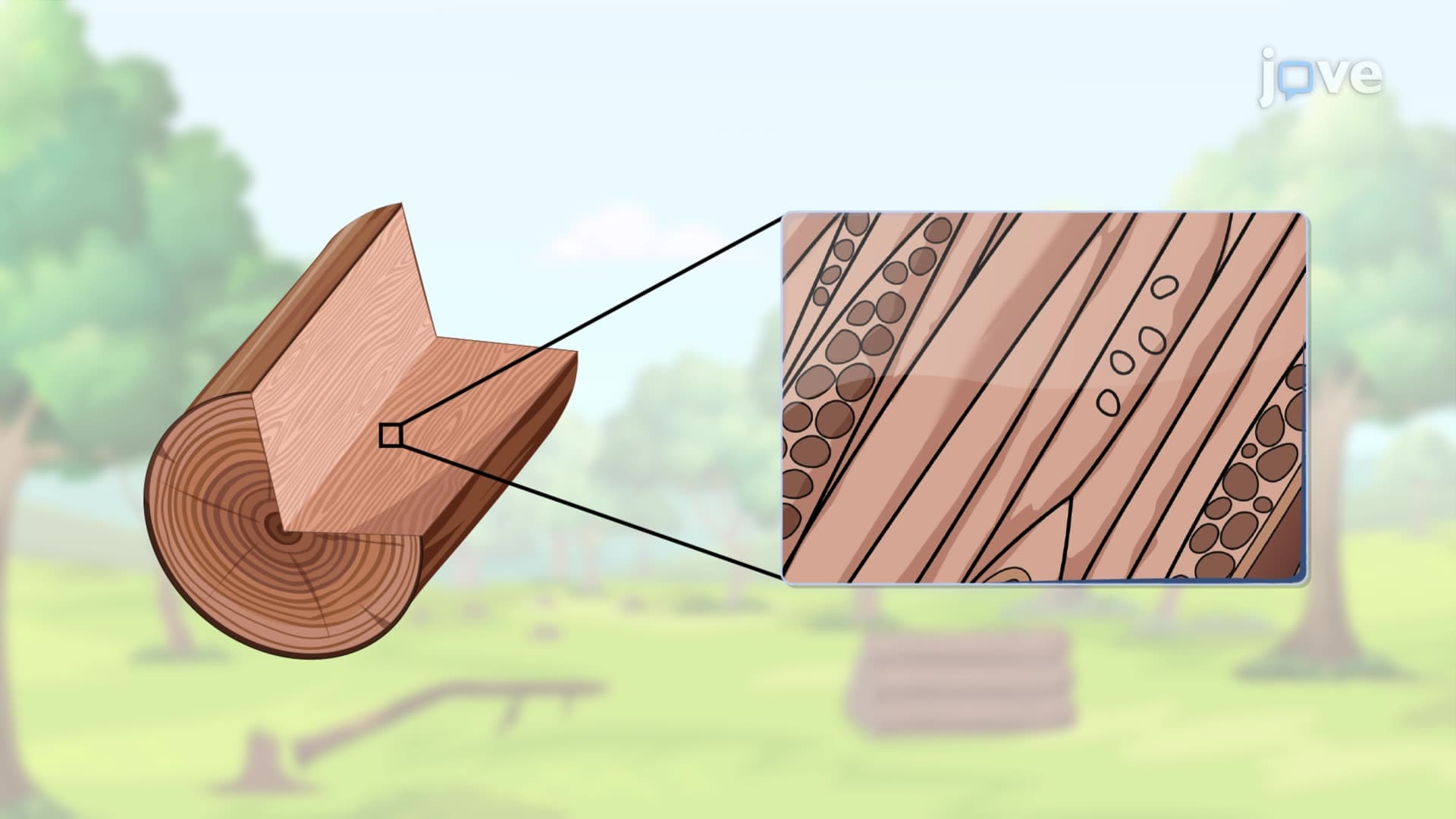


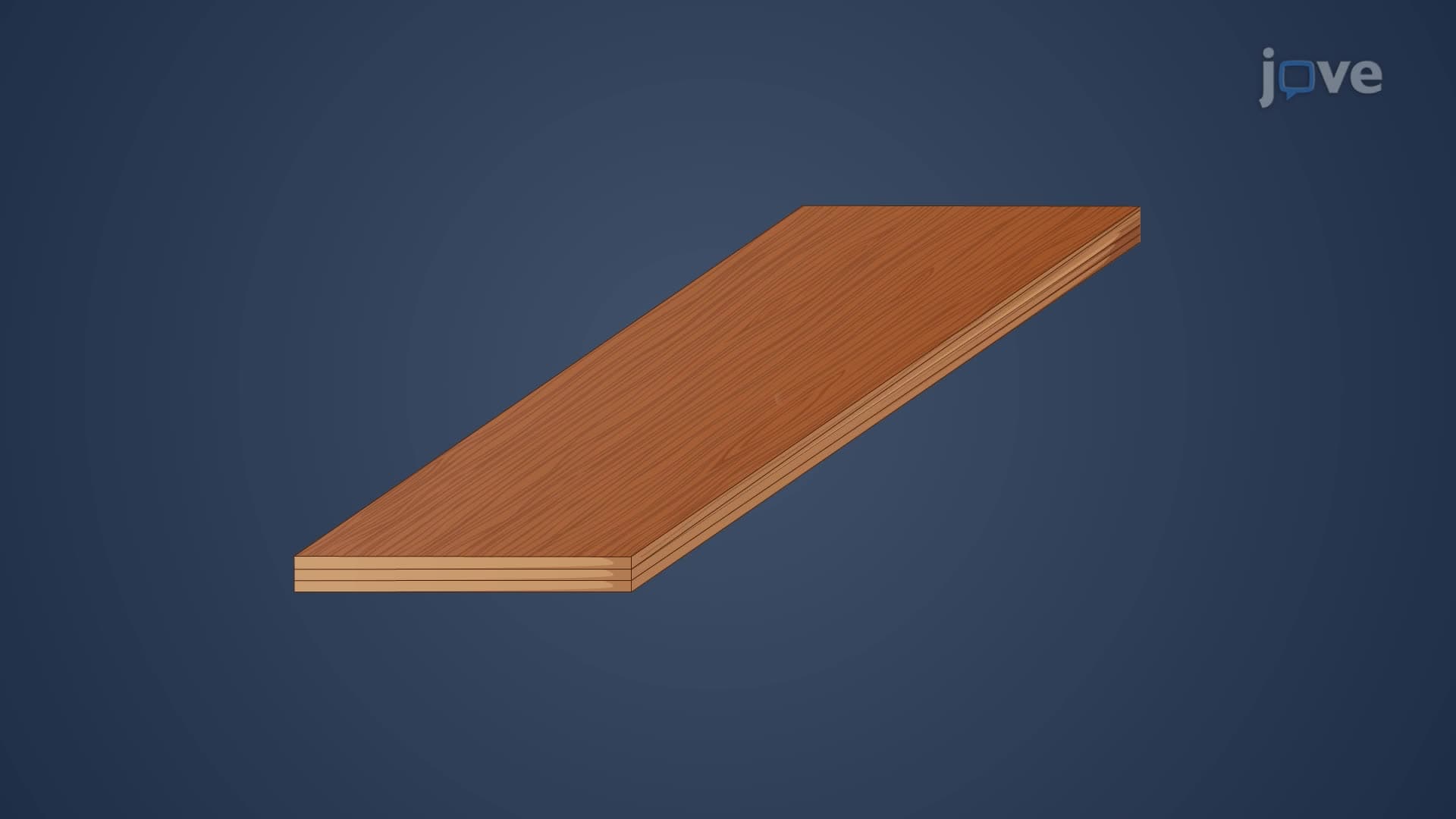
Wood serves as one of America's most versatile construction materials, from residential framing in suburban developments to engineered timber in modern skyscrapers. This comprehensive micro-course through JoVE Coach explores wood's cellular structure, classification systems, lumber processing, and structural properties essential for engineering applications. Students examine seasoning processes, surface treatments, common defects, fastening methods, and advanced wood products including veneer and panel systems used throughout the US construction industry.
1. Wood Anatomy and Cellular Structure Understanding wood begins with tree anatomy, where the cambium layer produces new growth rings annually. The cellular structure includes elongated tracheids in softwoods and a combination of fibers and vessels in hardwoods, creating the grain patterns visible in lumber. This cellular organization directly influences wood's mechanical properties, with strength varying dramatically between longitudinal and transverse directions. Growth rings, sapwood, and heartwood formation affect both appearance and structural characteristics. American species like Douglas fir and Southern pine demonstrate these principles in common construction applications, from residential framing in Texas subdivisions to commercial timber structures in Oregon.
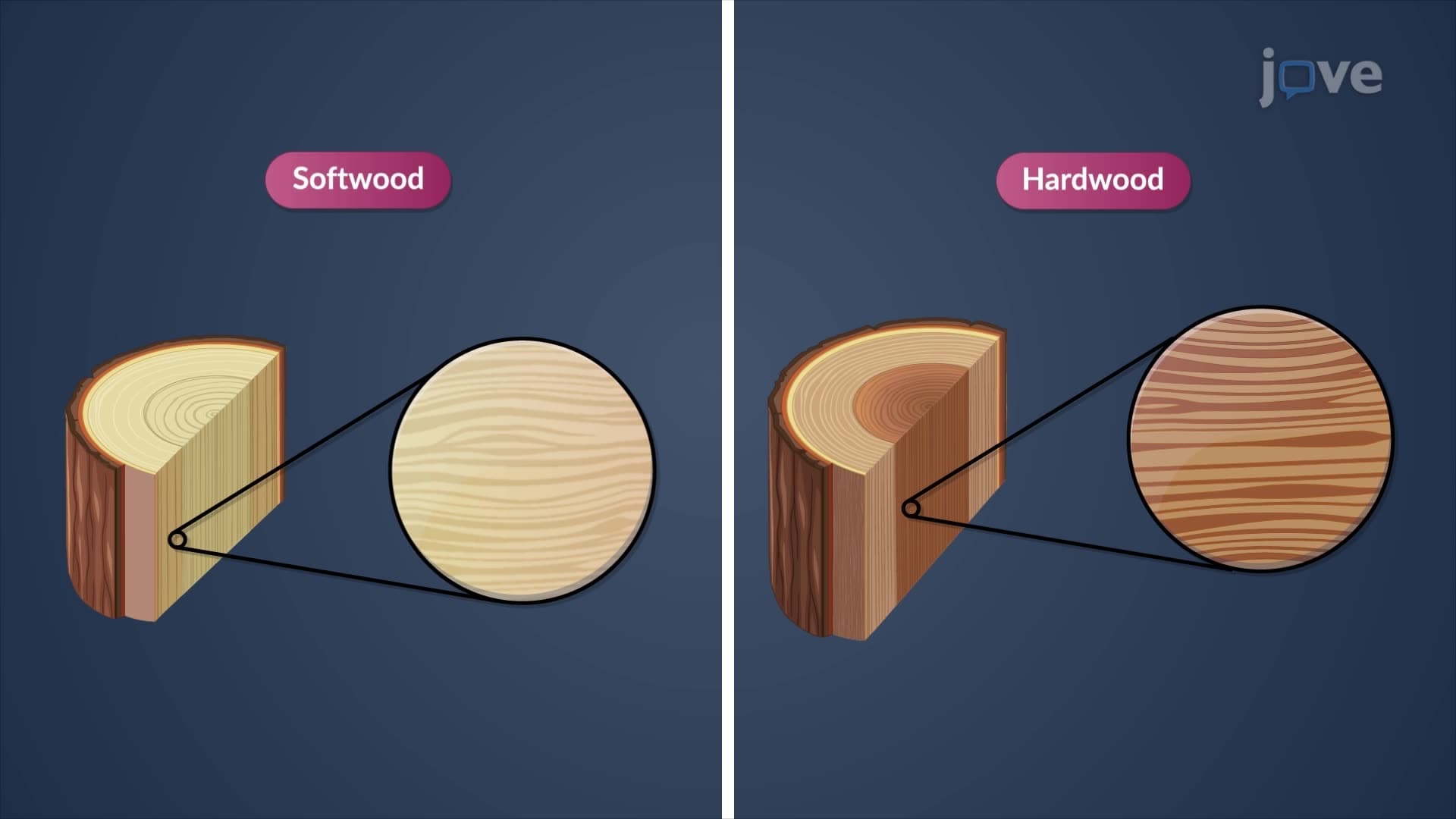
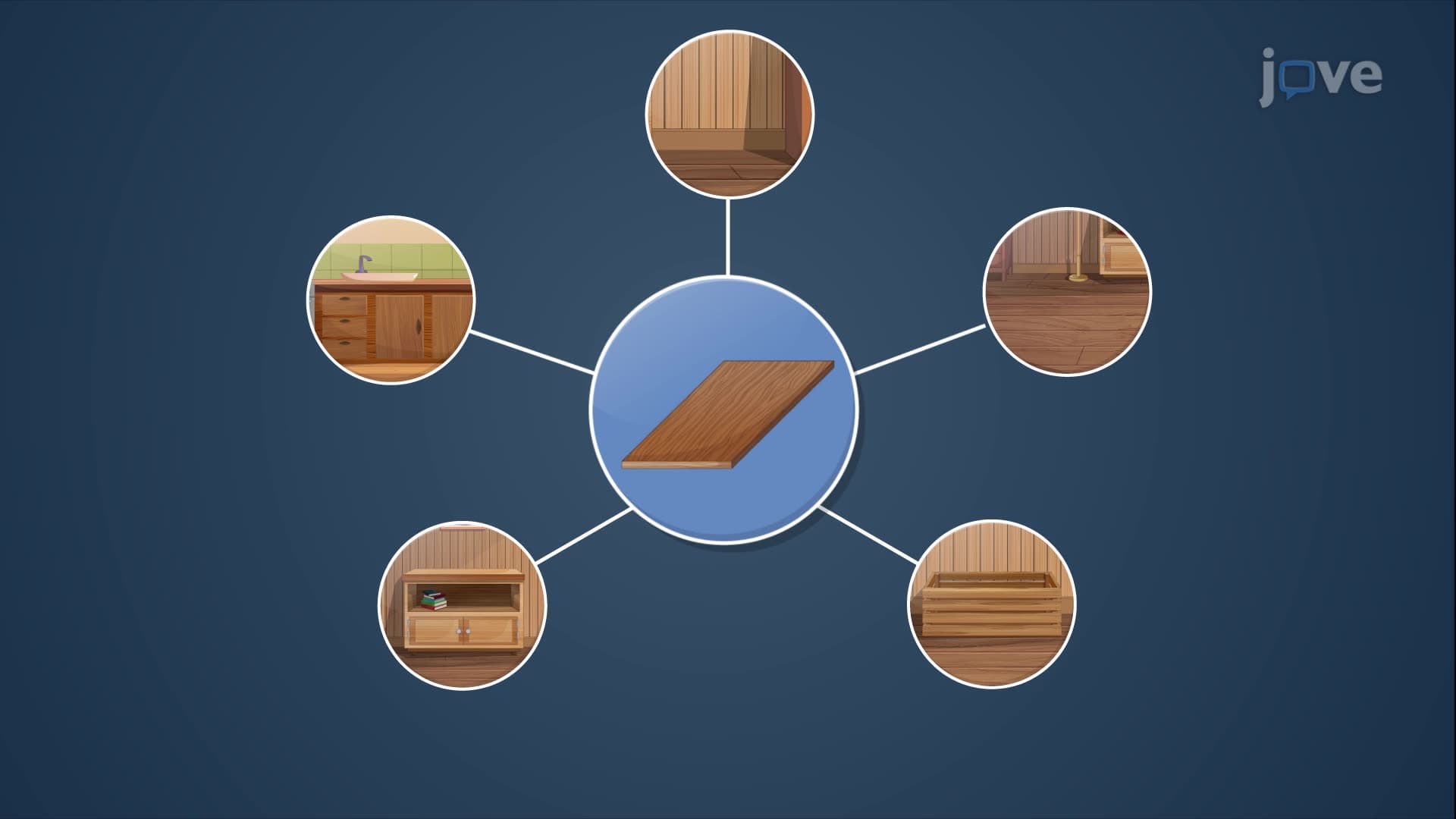
2. Softwood vs. Hardwood Classification and Applications The distinction between softwoods and hardwoods extends beyond leaf type to fundamental structural differences affecting construction use. Softwoods like pine, fir, and spruce feature simple cellular structures ideal for framing lumber, sheathing, and structural applications throughout American construction. Hardwoods including oak, maple, and cherry contain complex vessel systems creating attractive grain patterns perfect for flooring, cabinetry, and architectural millwork. Understanding moisture behavior differences helps predict shrinkage patterns, with softwoods reaching fiber saturation around 30% moisture content. These classifications directly impact lumber grading, pricing, and application selection in projects ranging from California tract homes to New England restoration work.
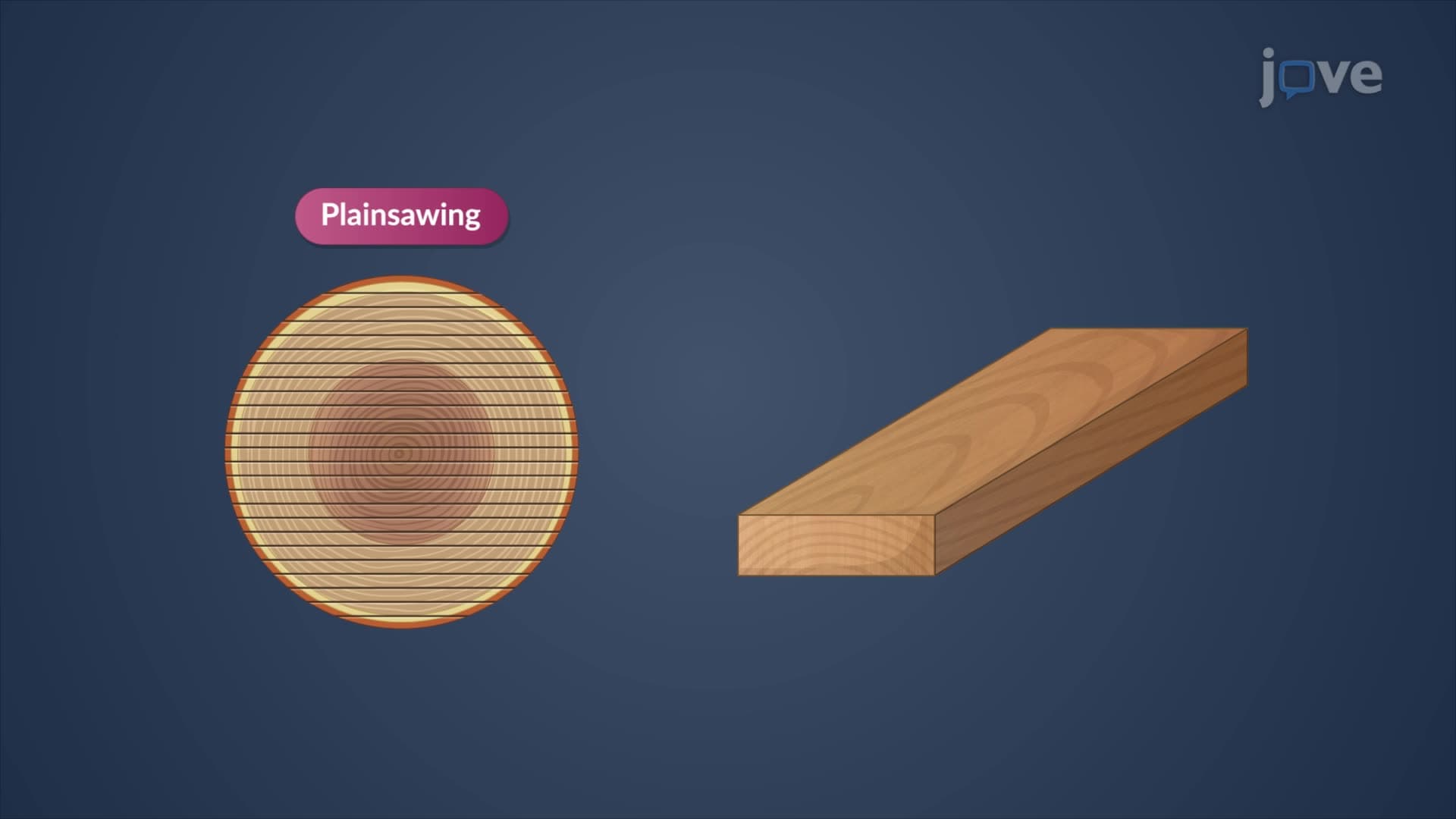
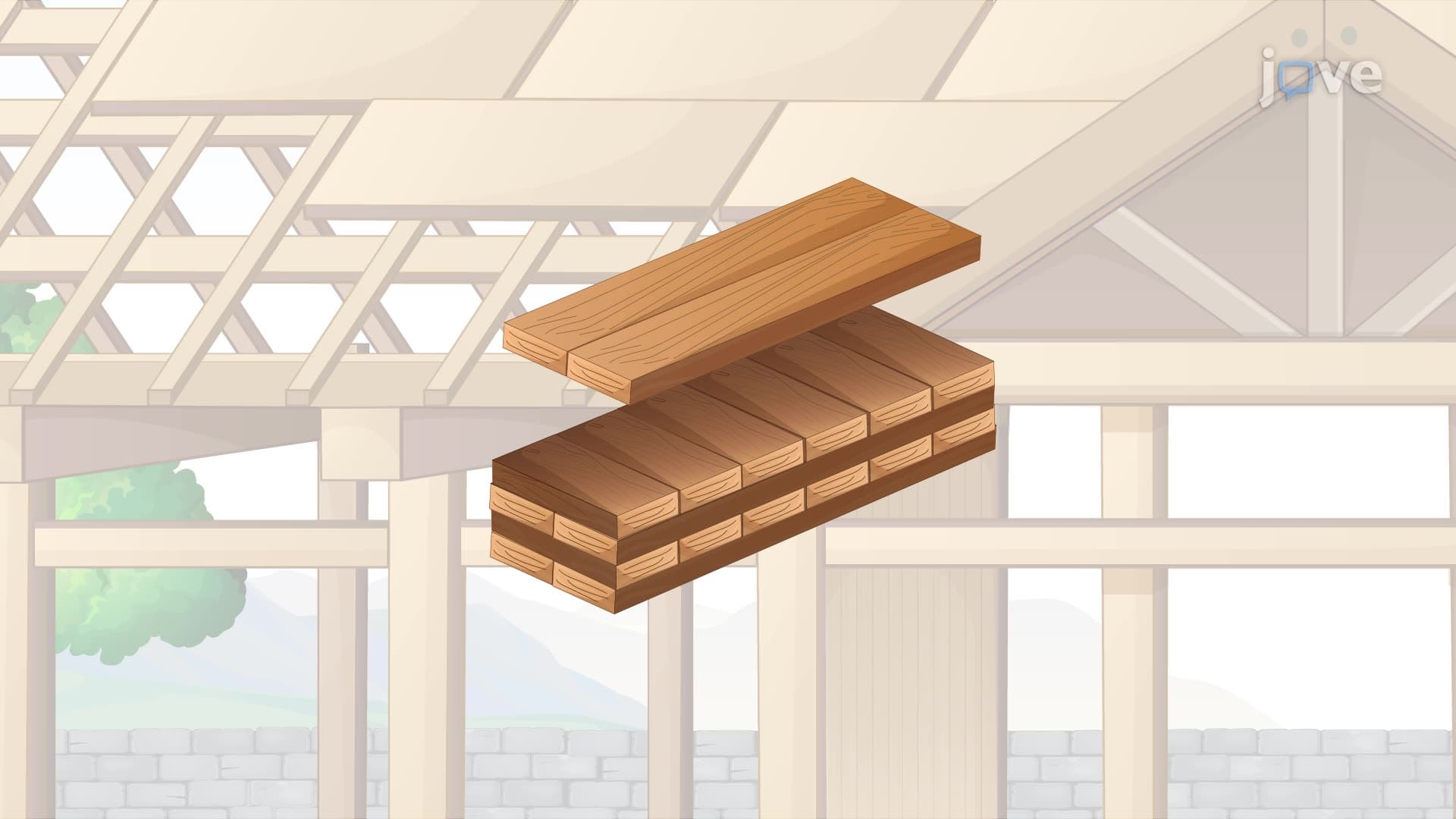
3. Lumber Processing and Dimensional Standards American lumber production follows standardized processes from log harvesting to finished products meeting specific dimensional requirements. Plainsawing produces structural lumber with flat grain patterns, while quartersawing and riftsawing create premium products for flooring and millwork applications. The US system categorizes lumber into boards (under 2 inches), dimension lumber (2-4 inches), and timber (5+ inches), with nominal versus actual dimensions accounting for processing and seasoning shrinkage. Understanding these standards proves essential for construction estimating and material selection, whether specifying 2x4 studs for residential framing or selecting engineered timbers for commercial projects across American building markets.
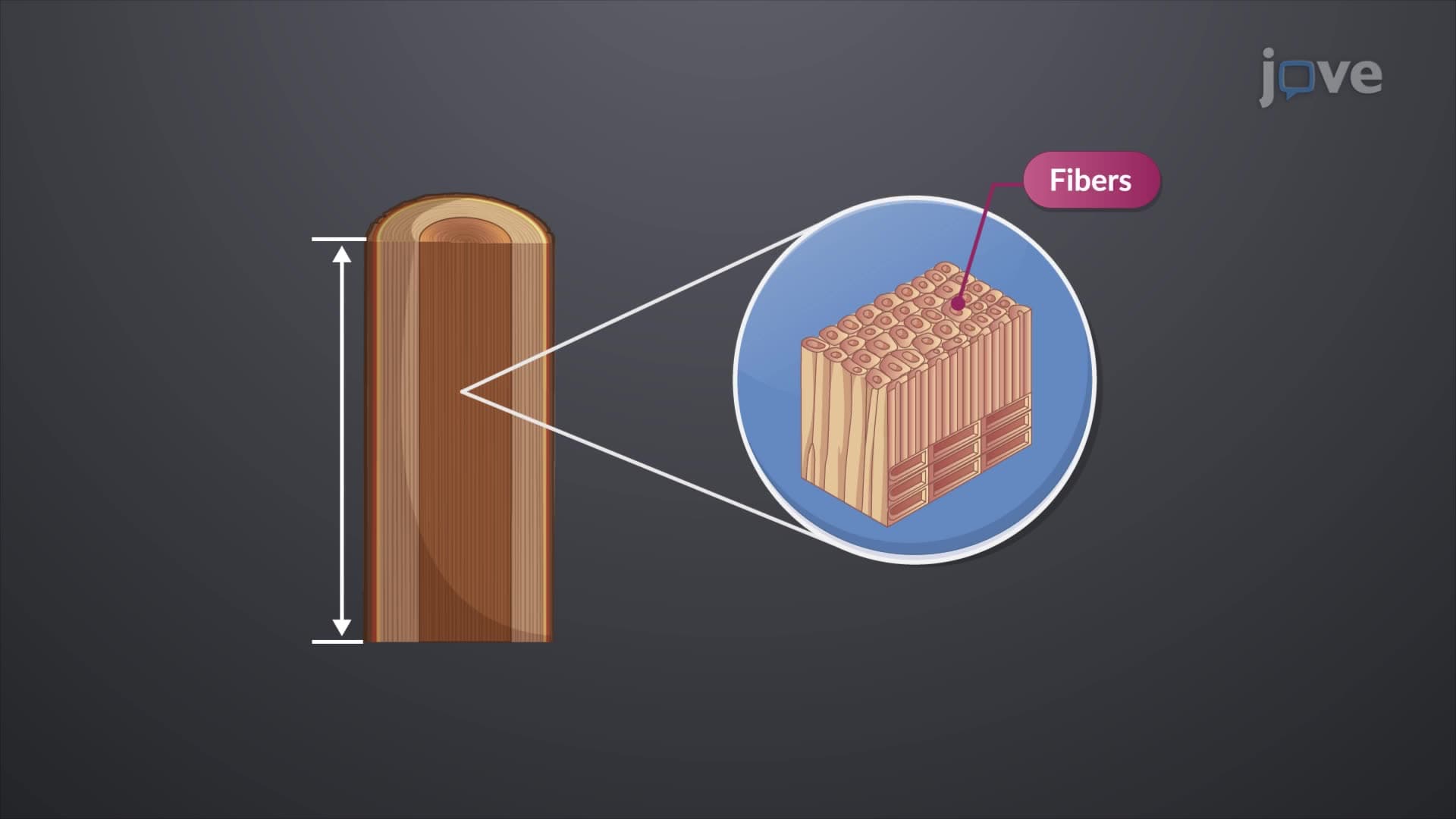
4. Structural Properties and Engineering Applications Wood's anisotropic nature creates strength variations up to 20 times greater parallel to grain versus perpendicular, fundamental to structural timber engineering design. Laboratory testing determines allowable stresses for bending, compression, tension, and shear, establishing design values used in American building codes. Hardwood fibers measuring 1/25 inch contrast with softwood fibers ranging 1/8 to 1/3 inch, affecting strength characteristics and applications. These properties guide structural design decisions from residential floor joists using Southern pine to glue-laminated beams in gymnasium construction. Understanding load-bearing capabilities helps engineers optimize member sizes while ensuring safety in structures from apartment buildings in Florida to warehouse facilities in Michigan.
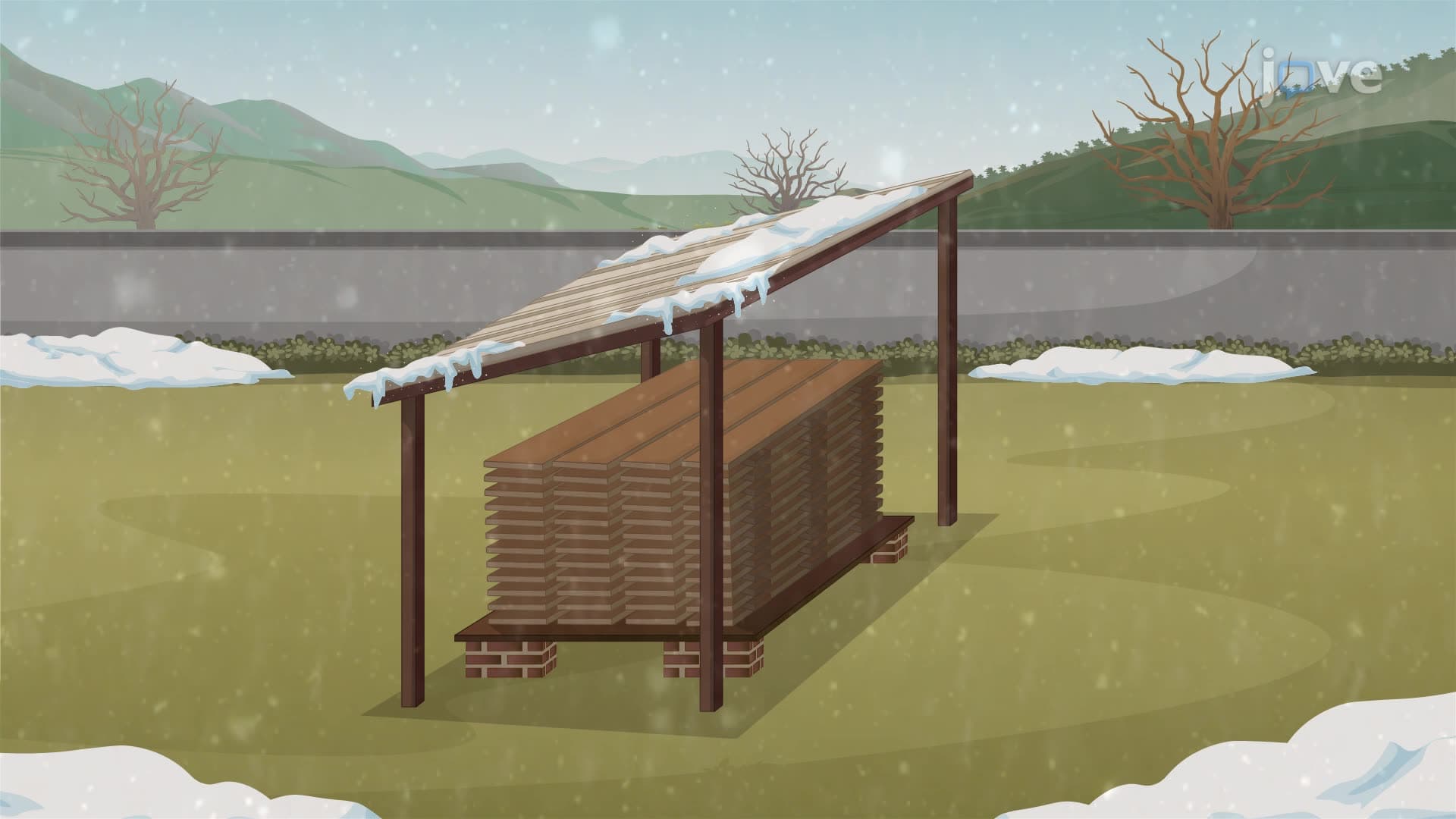
5. Seasoning and Moisture Control Proper seasoning prevents dimensional instability that could compromise structural integrity and aesthetic appearance in finished construction. Air drying involves careful stacking with adequate ventilation, while kiln drying provides controlled temperature and humidity for predictable results. Standard framing lumber reaches 19% moisture content for general stability, while structural applications require 15% moisture for enhanced dimensional control. Understanding equilibrium moisture content helps predict long-term behavior in different climates, from humid Gulf Coast conditions to arid Southwest environments. Proper seasoning techniques prevent problems like floor gaps in hardwood installations or structural movement in timber frame construction throughout American building projects.
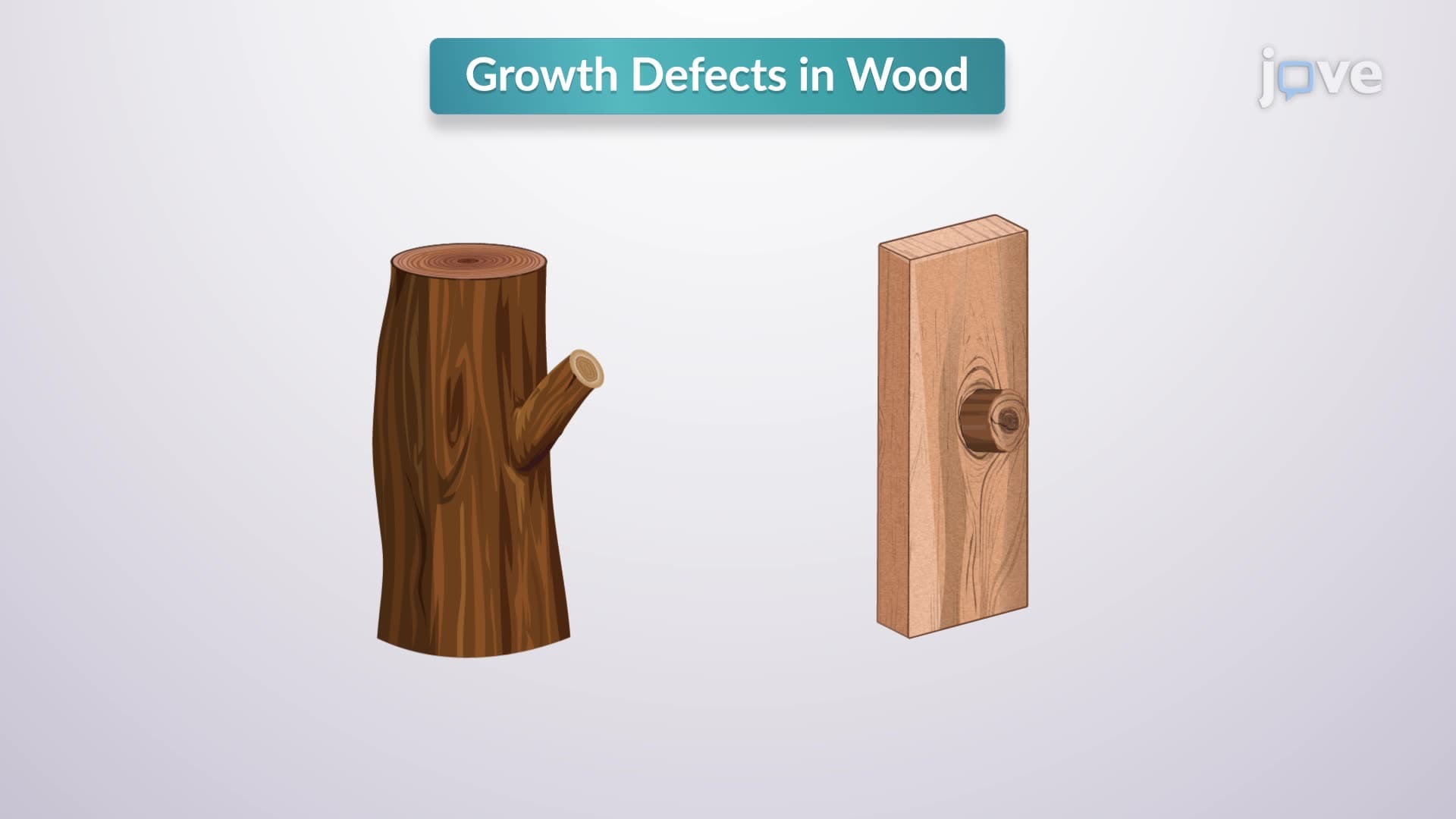
6. Wood Defects and Quality Assessment Recognizing lumber defects enables proper material selection and structural design decisions affecting both safety and economics. Natural defects include knots from branch attachments, shakes from growth stresses, and wane from inadequate processing. Manufacturing defects encompass checks from seasoning stresses, warping from uneven drying, and torn grain from improper machining. Each defect type impacts structural capacity differently, with knots reducing bending strength while surface stains affect only appearance. Quality grading systems help specifiers choose appropriate materials, from utility-grade framing lumber for concealed applications to clear architectural grades for exposed beamwork in restaurants, libraries, and other public buildings across America.