21 Concepts
14 Concepts
11 Concepts
11 Concepts
16 Concepts
8 Concepts
18 Concepts
12 Concepts
6 Concepts
12 Concepts
6 Concepts
5 Concepts
6 Concepts
9 Concepts
8 Concepts
8 Concepts
7 Concepts
9 Concepts
10 Concepts
8 Concepts
13 Concepts
5 Concepts
11 Concepts
10 Concepts
7 Concepts
6 Concepts
9 Concepts
10 Concepts
6 Concepts
9 Concepts
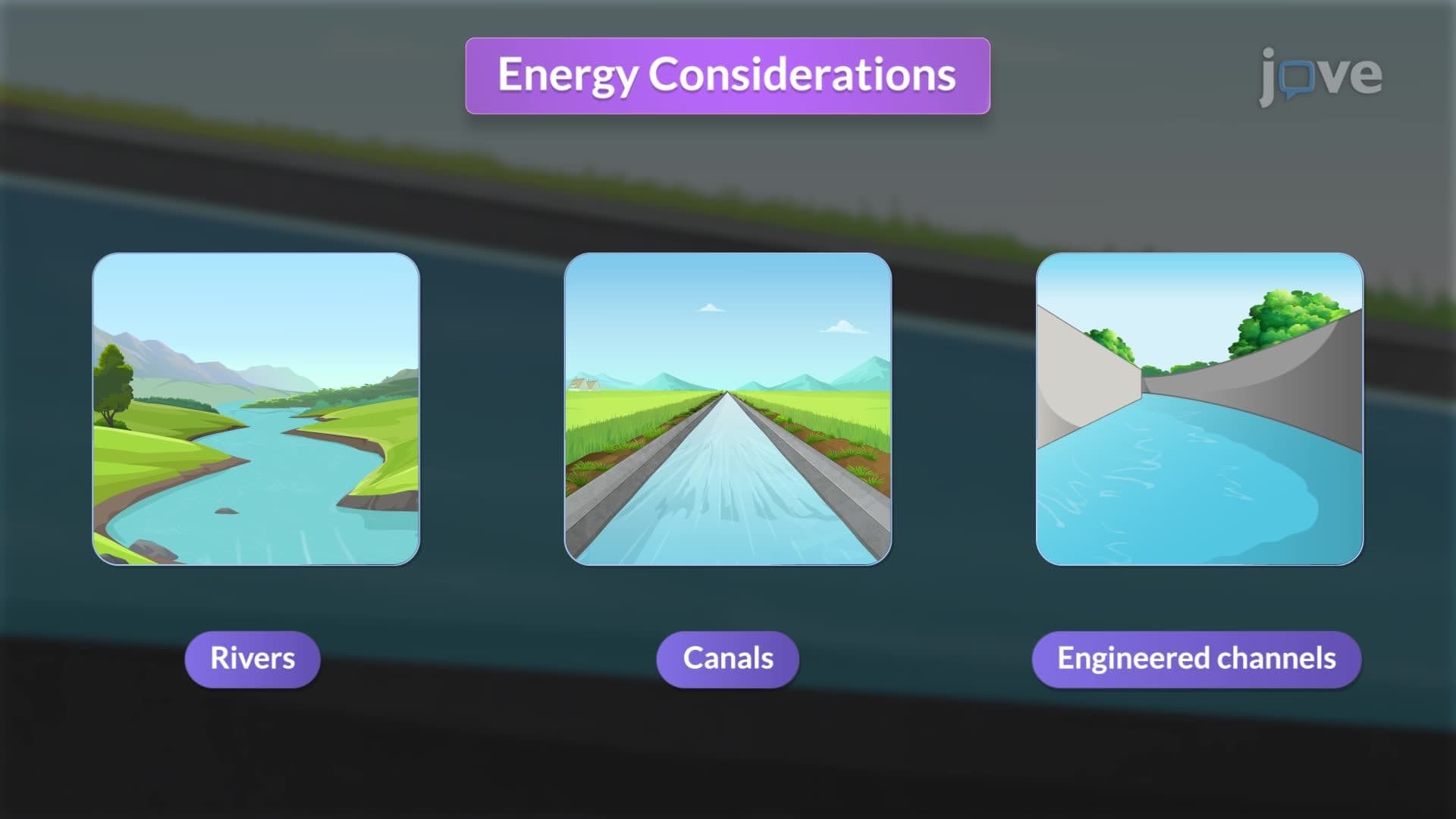
Open channel flow represents water movement with a free surface exposed to atmospheric pressure, fundamentally different from pressurized pipe systems. This comprehensive course covers energy principles, uniform flow analysis using Manning's equation channel calculations, and flow behavior in rivers, canals, and irrigation systems across the United States. Through JoVE Coach guidance, students master critical concepts from basic flow classification to complex hydraulic structures essential for water resource management.
1. Energy Principles and Flow Classification: Open channel flow analysis begins with understanding specific energy relationships that govern water behavior in rivers, canals, and constructed waterways. The Froude number serves as the primary classification tool, distinguishing between subcritical flow (Fr < 1) found in deep rivers like the lower Mississippi, critical flow (Fr = 1) occurring at dam spillways, and supercritical flow (Fr > 1) seen in steep mountain streams. Energy considerations help predict flow depth changes and velocity distributions essential for designing efficient water conveyance systems throughout American agricultural and urban infrastructure projects.
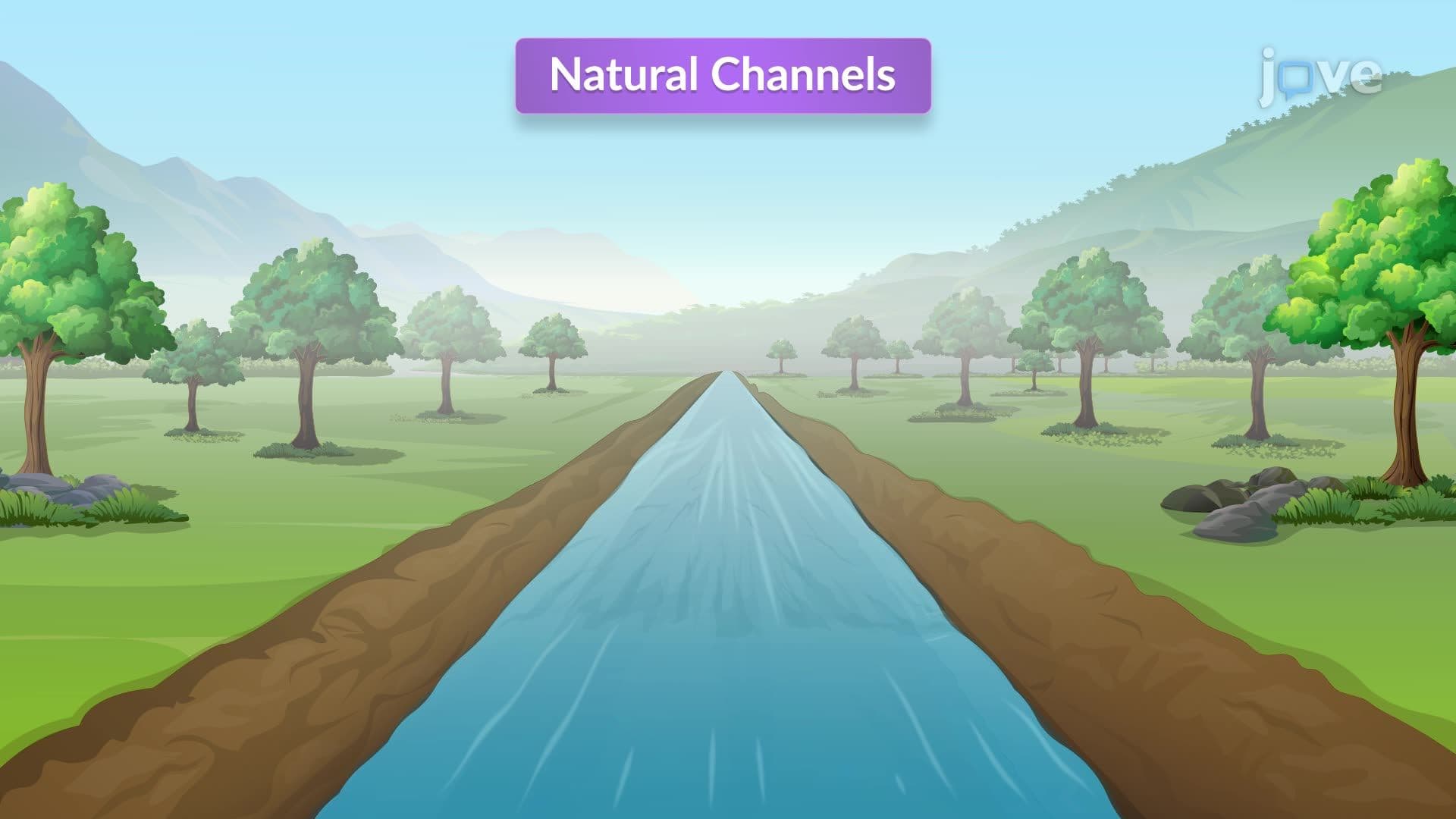
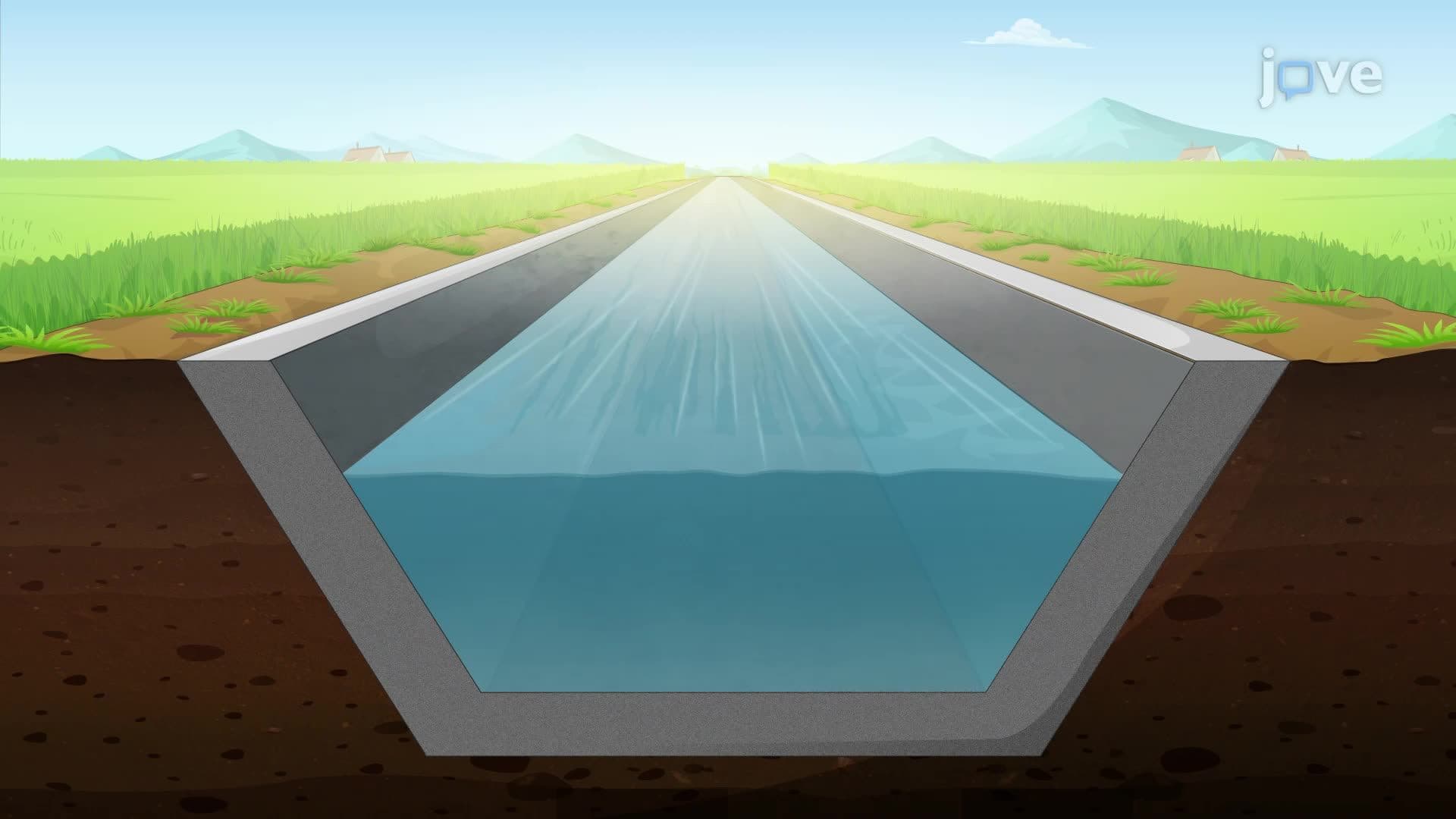
2. Manning's Equation Channel Design and Analysis: Manning's equation provides the fundamental tool for analysis of open channel flow in both natural waterways and engineered systems across the United States. This relationship incorporates channel roughness through Manning's coefficient, hydraulic radius calculations, and slope effects to determine flow rates and depths. Applications range from designing irrigation channels in California's Central Valley to analyzing flood capacity in the Everglades restoration project. The equation's versatility makes it indispensable for sizing drainage ditches, calculating stream flow in environmental impact studies, and optimizing channel cross-sections for maximum hydraulic efficiency.
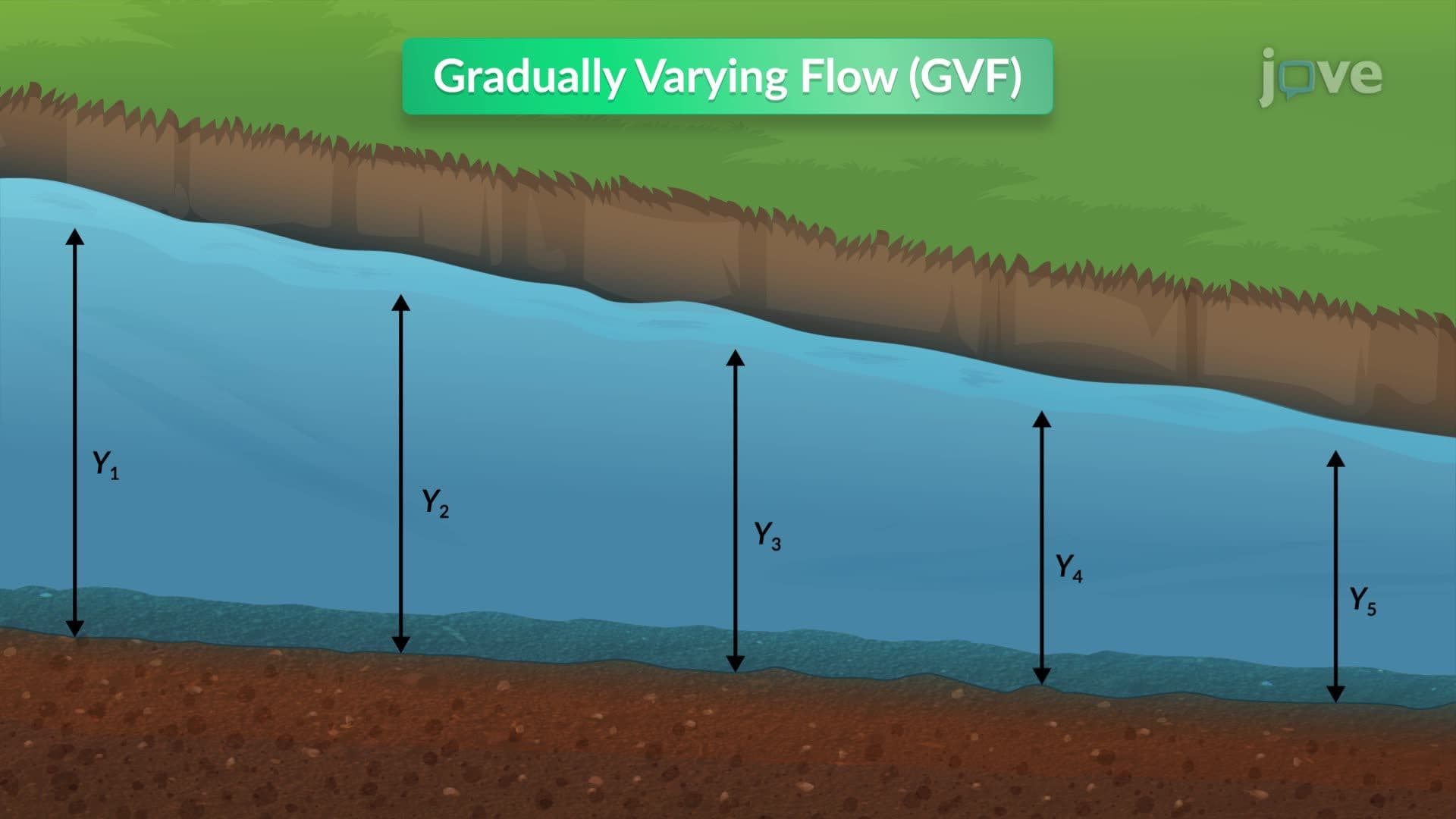
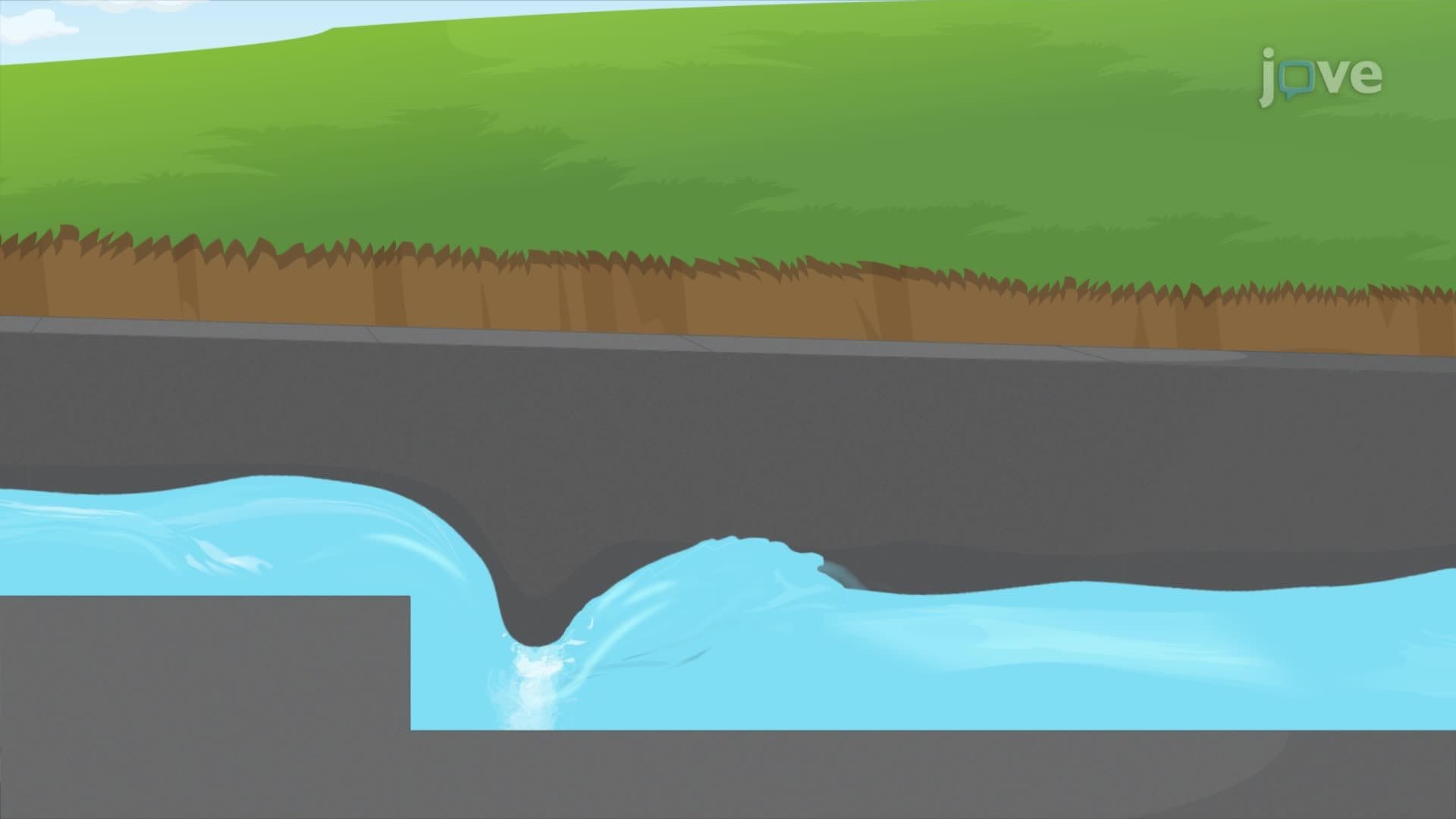
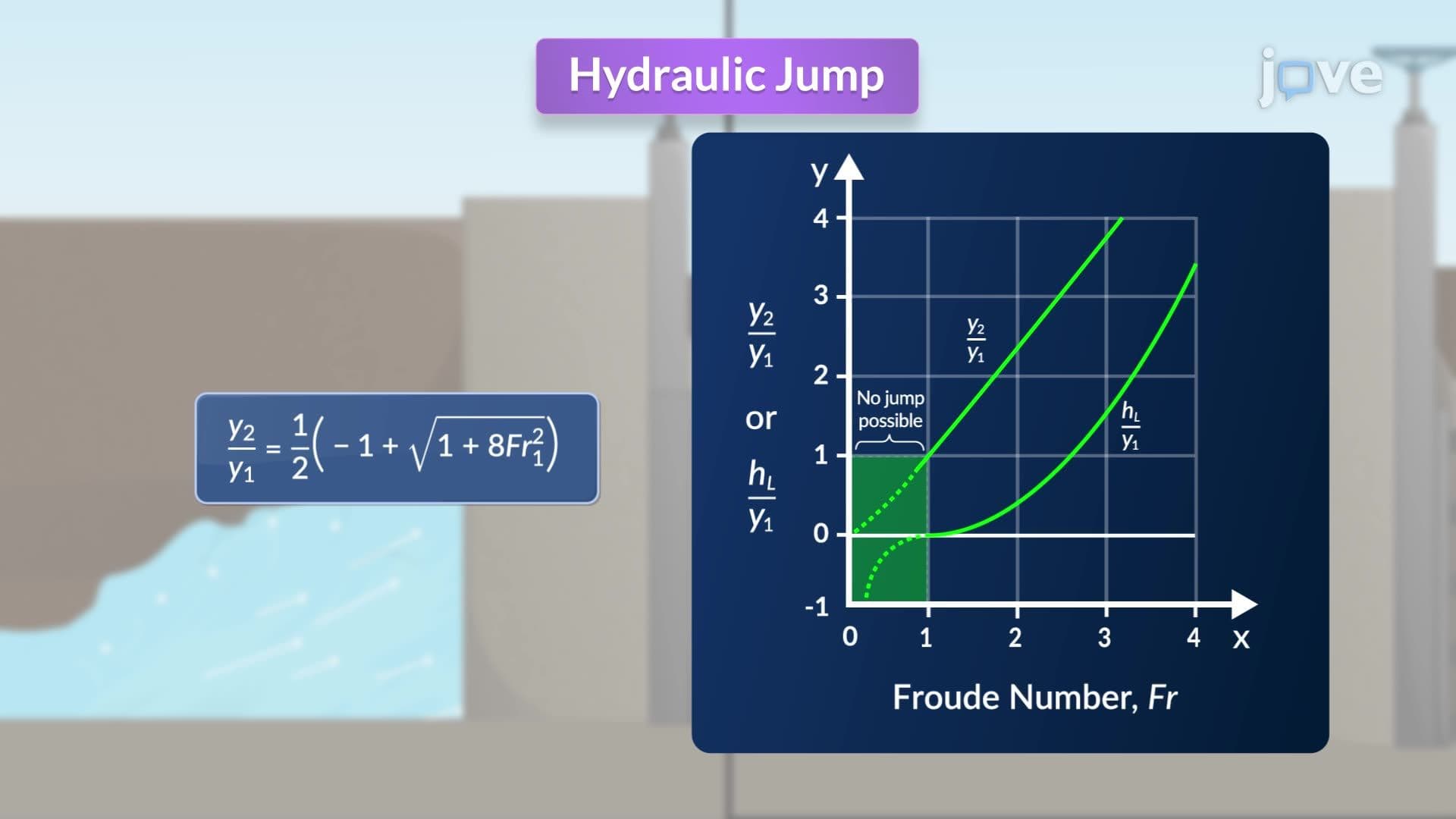
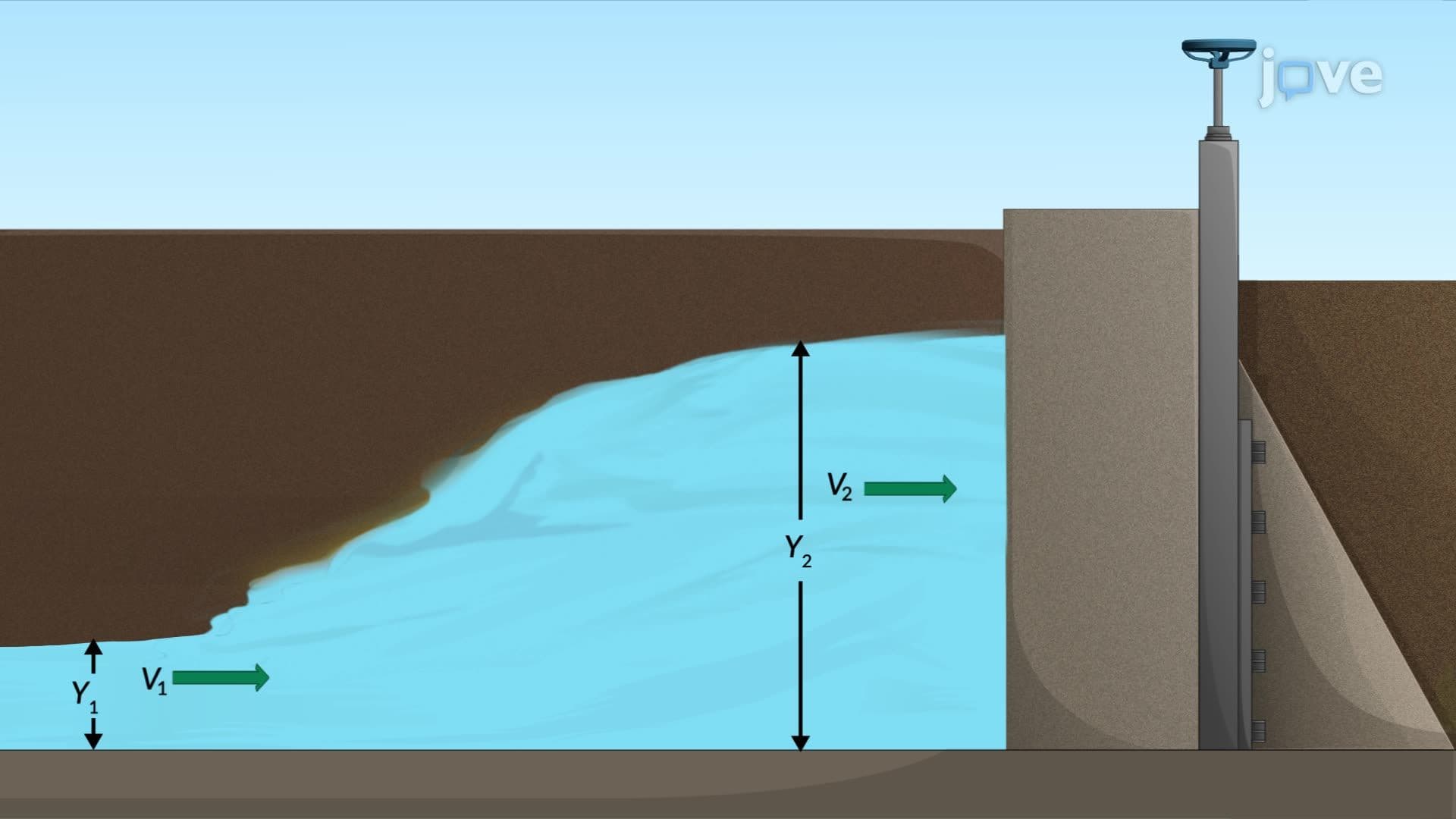
3. Gradually and Rapidly Varying Flow Phenomena: Flow variations in open channels occur over different spatial scales, requiring distinct analytical approaches for effective water resource management. Gradually varied flow develops over long distances in natural rivers like the Colorado River system, where depth changes respond to varying bed slopes and channel geometry. Rapidly varying flow creates dramatic transitions over short distances, exemplified by hydraulic jumps downstream of dam spillways at facilities like Hoover Dam. These phenomena are crucial for understanding scour patterns around bridge foundations, designing energy dissipation structures, and predicting flood wave propagation in American river systems.
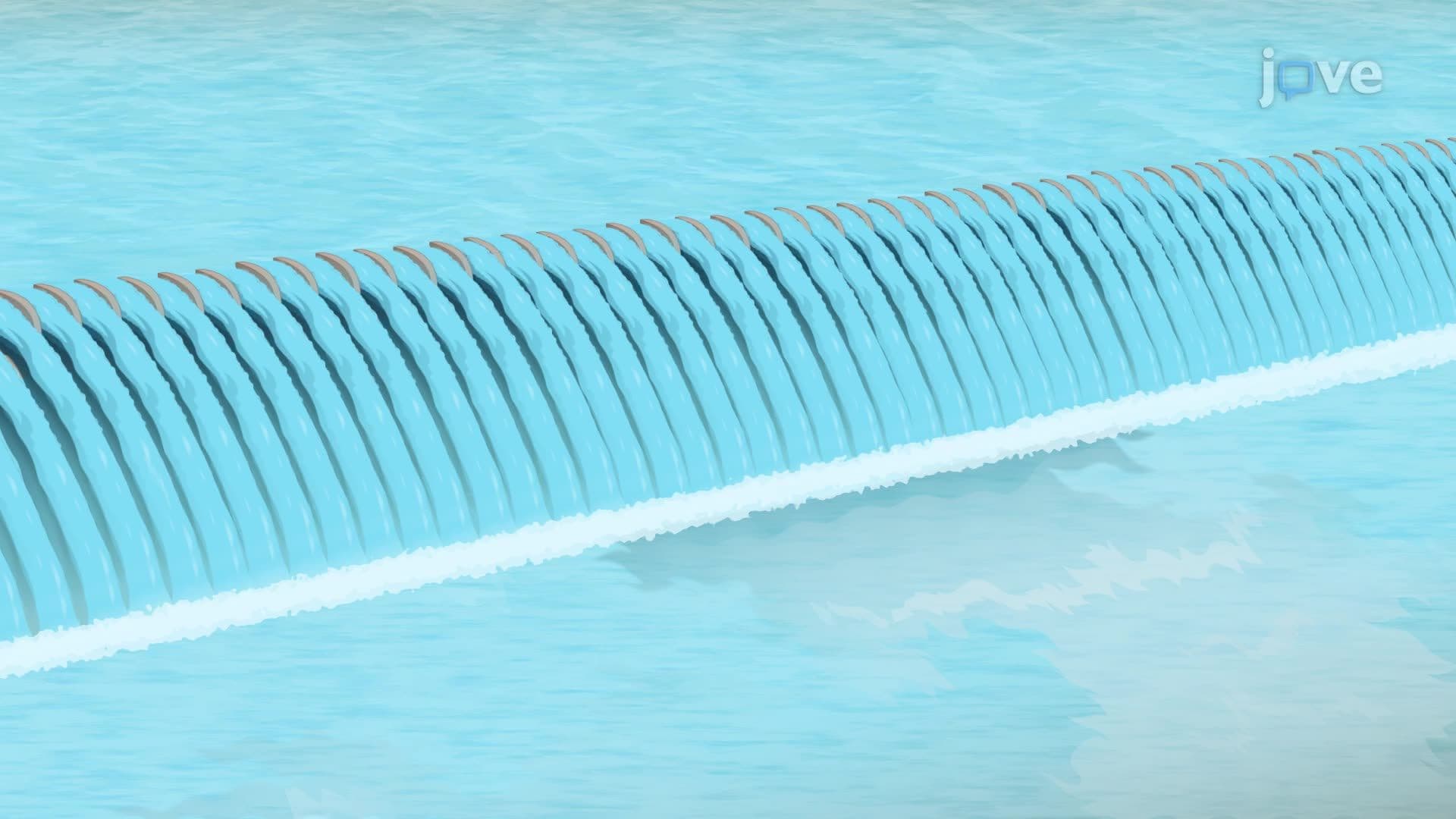
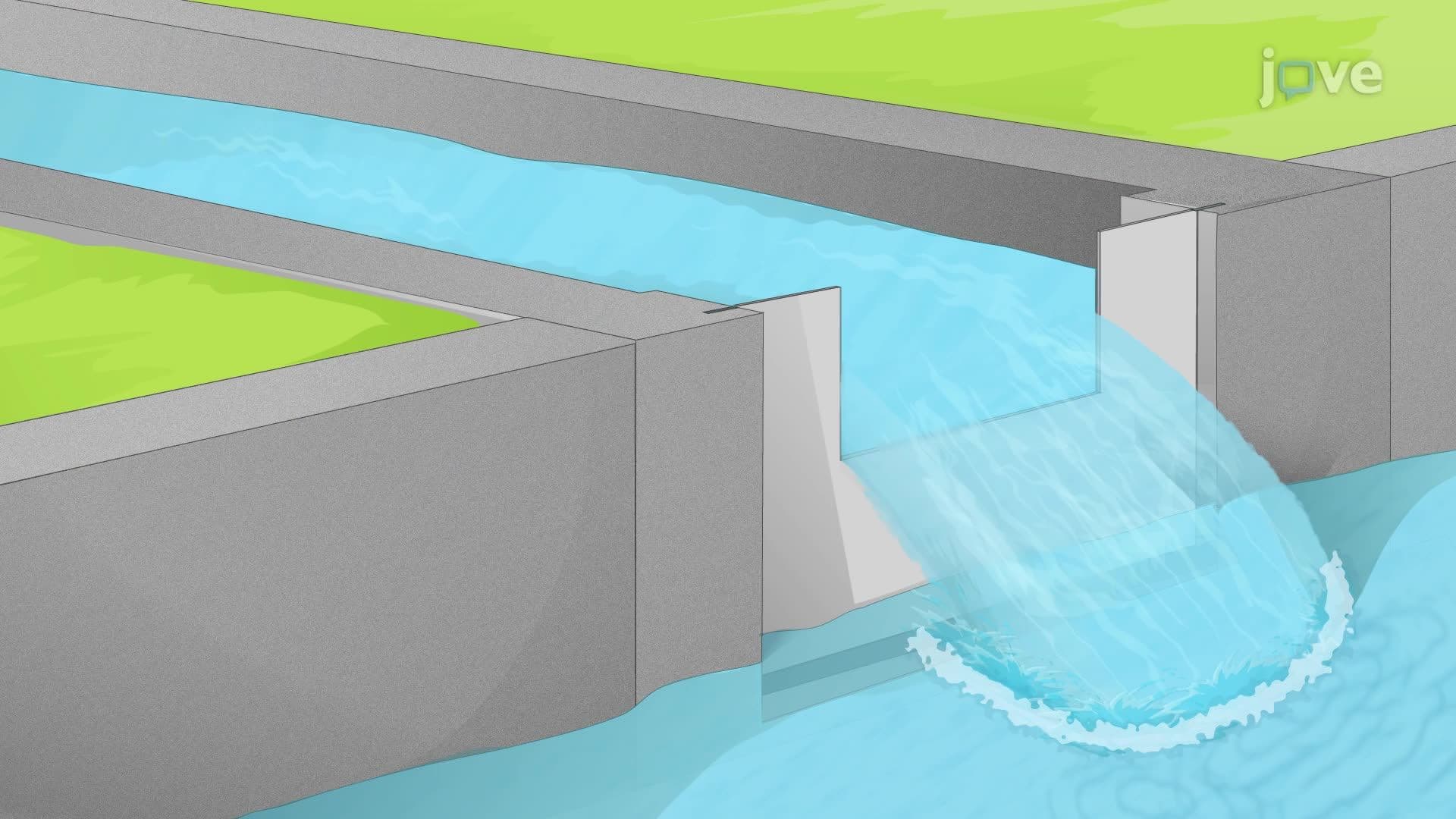
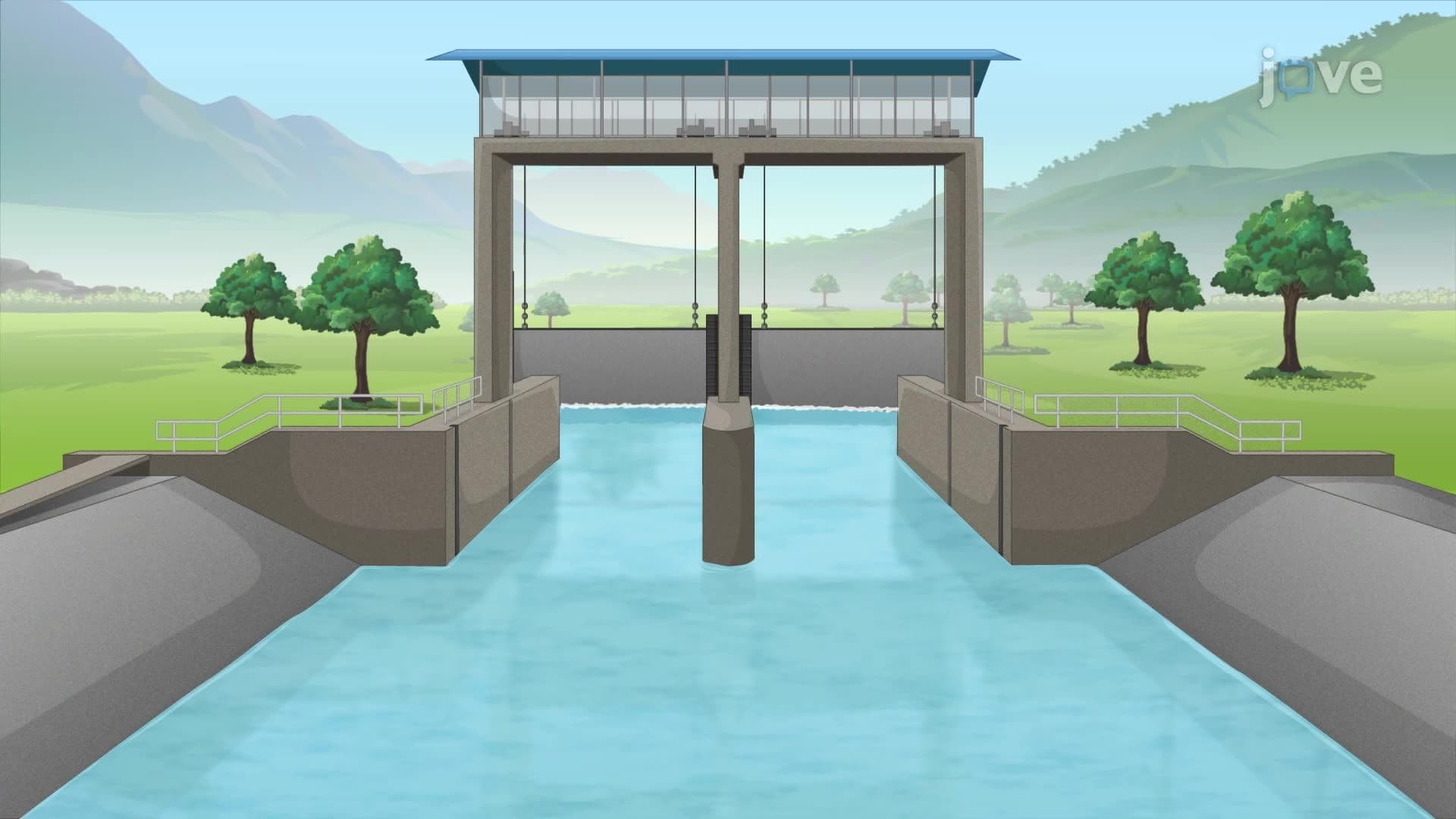
4. Hydraulic Structures and Flow Control Systems: Weirs, gates, and other hydraulic structures provide precise flow measurement and control capabilities essential for modern water management throughout the United States. Sharp-crested weirs offer accurate flow measurement in irrigation systems across the Southwest, while broad-crested weirs handle larger flows in flood control channels. Underflow gates regulate water distribution in canal networks, with applications ranging from the All-American Canal system to urban stormwater management facilities. Understanding these structures enables engineers to design effective flow control systems for agricultural irrigation, flood protection, and environmental flow requirements in restored ecosystems.