21 Concepts
14 Concepts
11 Concepts
11 Concepts
16 Concepts
8 Concepts
18 Concepts
12 Concepts
6 Concepts
12 Concepts
6 Concepts
5 Concepts
6 Concepts
9 Concepts
8 Concepts
8 Concepts
7 Concepts
9 Concepts
10 Concepts
8 Concepts
13 Concepts
5 Concepts
11 Concepts
10 Concepts
7 Concepts
6 Concepts
9 Concepts
10 Concepts
6 Concepts
9 Concepts
Fluid statics examines the behavior and properties of fluids at rest, focusing on hydrostatic pressure distribution, buoyancy forces, and pressure measurement techniques. This comprehensive study covers Pascal's law, Archimedes' principle, and manometry applications essential for engineering design, from dam construction to submarine stability analysis in US infrastructure projects.
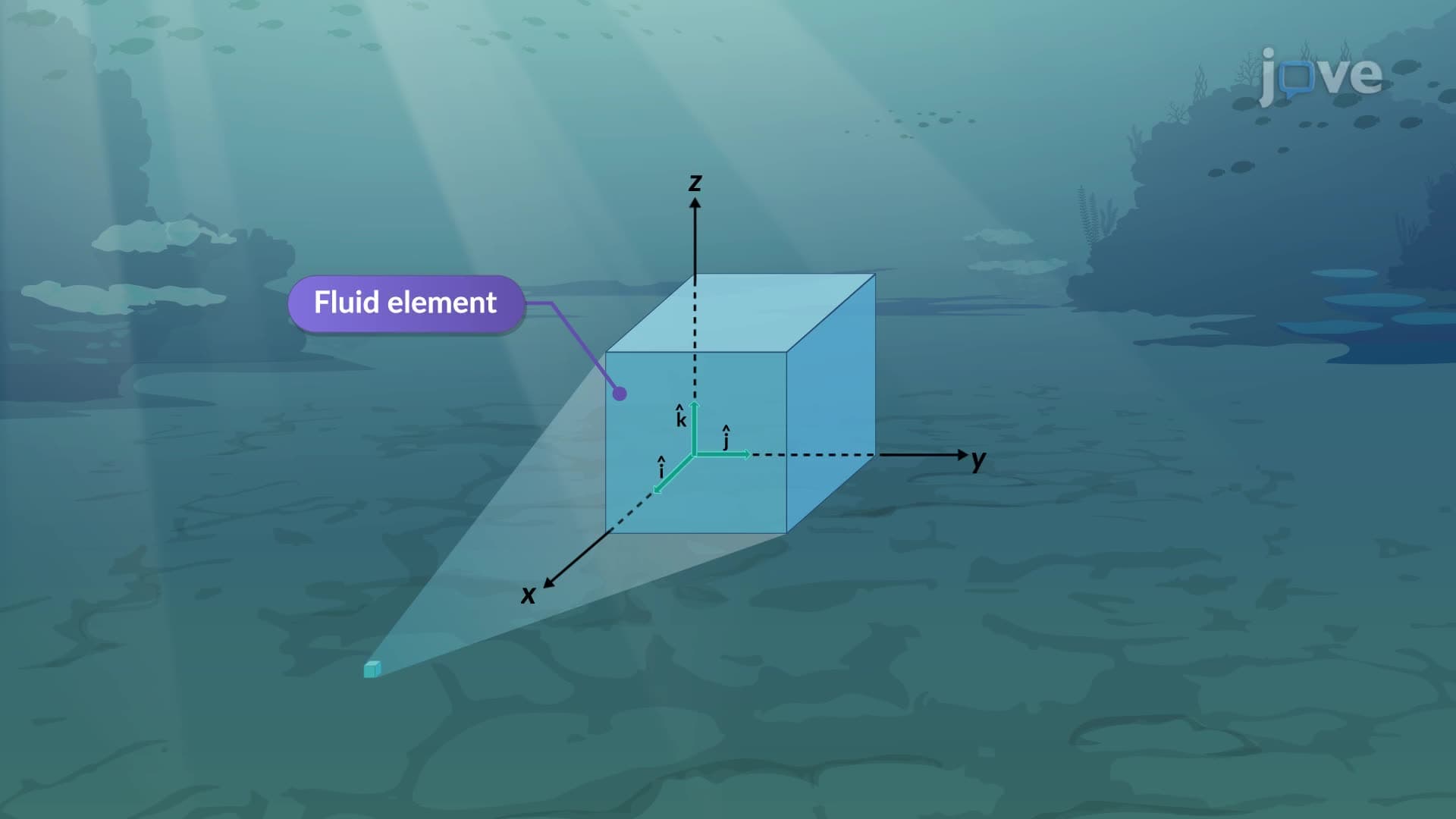
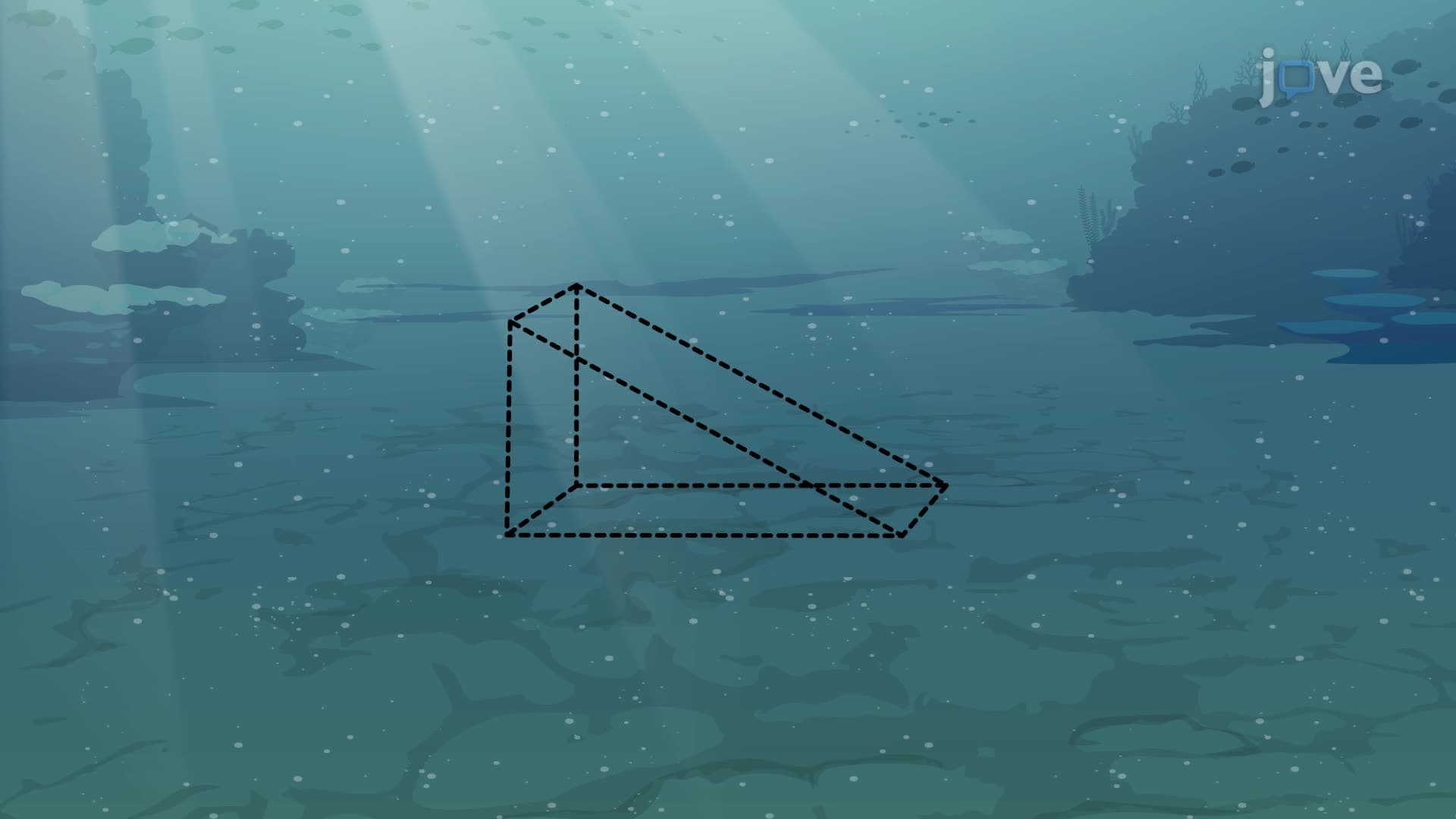
1. Pascal's Law and Pressure at a Point: Pascal's law demonstrates that pressure applied to any point in a confined fluid transmits equally in all directions. By analyzing forces on a triangular fluid element, we prove that pressure remains constant regardless of surface orientation. This principle explains how hydraulic systems work in car brakes, construction equipment, and aircraft landing gear. Understanding pressure distribution helps engineers design pressure vessels, water towers, and hydraulic machinery used throughout American infrastructure projects.
2. Pressure Field Equations: The fundamental pressure field equation relates pressure gradients to body forces and fluid acceleration. For stationary fluids, this simplifies to hydrostatic equations showing pressure increases linearly with depth. These equations form the foundation for calculating water pressure in municipal systems, designing submarine hulls, and determining loads on dam structures. American engineering standards rely heavily on these mathematical relationships for safe infrastructure design.
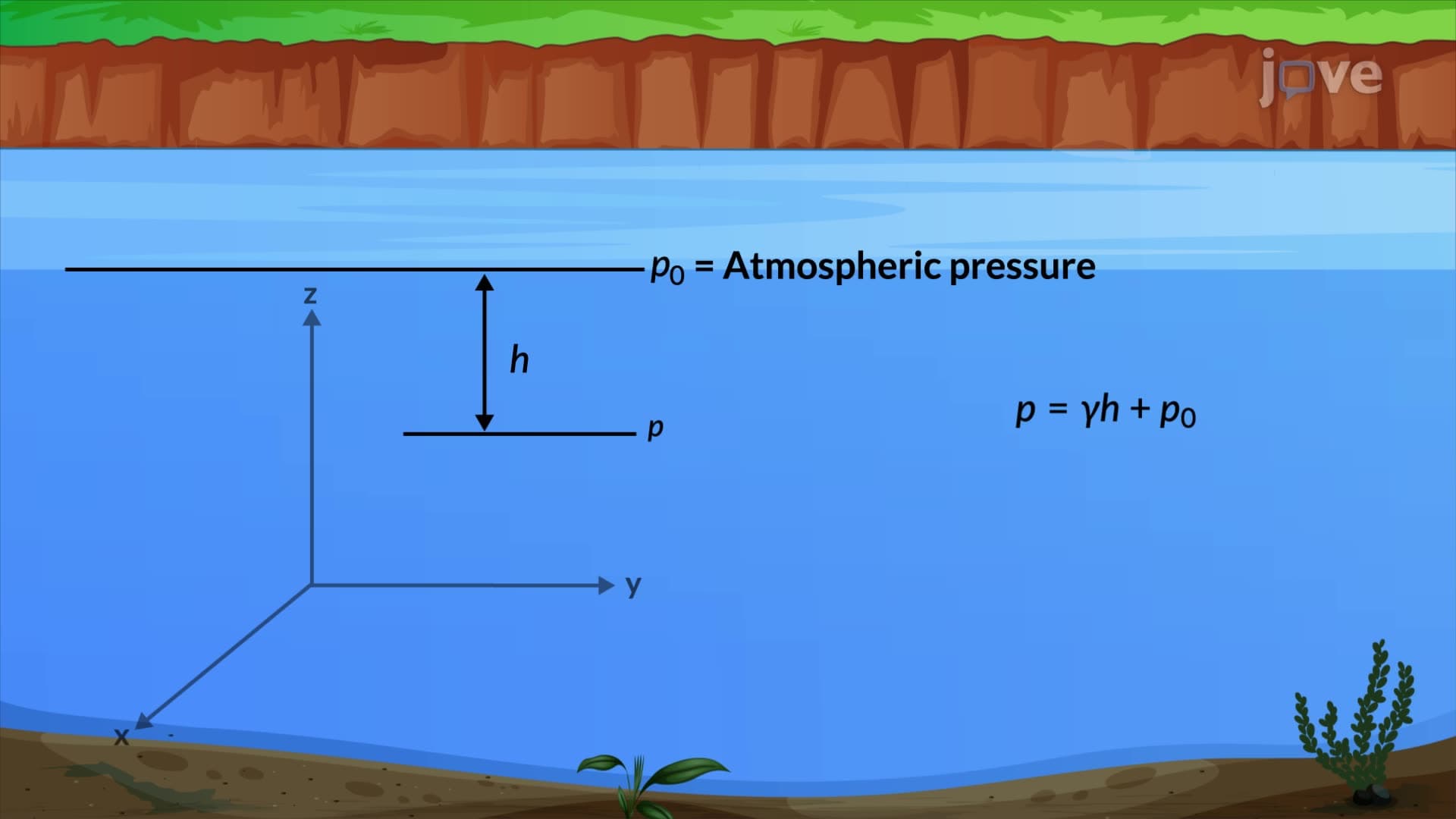
3. Hydrostatic Pressure Variation: Pressure in stationary fluids increases with depth according to the relationship p = p₀ + ρgh, where atmospheric pressure acts as the reference. This concept explains why deep-sea exploration requires specialized equipment and why water towers are elevated. Applications include designing swimming pools, calculating loads on retaining walls, and determining pressure requirements for municipal water distribution systems across American cities.
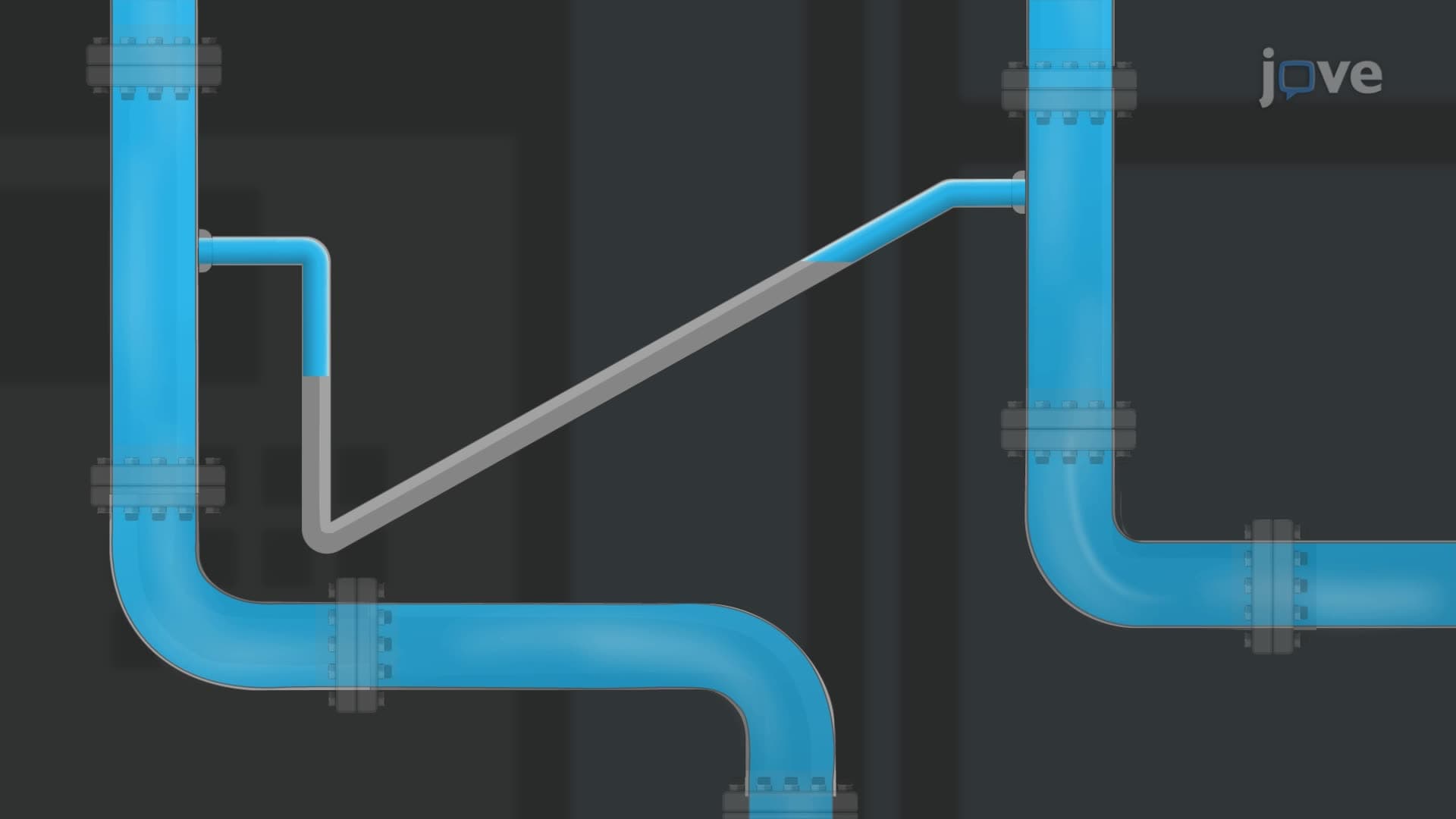
4. Pressure Measurement Techniques: Manometers measure fluid pressure using liquid columns in various configurations. Piezometer tubes provide direct pressure readings, while U-tube manometers compare pressures between different points. Inclined manometers offer increased sensitivity for small pressure differences. These instruments are essential in HVAC systems, process industries, and laboratory experiments. Modern digital pressure gauges build upon these fundamental principles for precise measurements in aerospace and automotive applications.
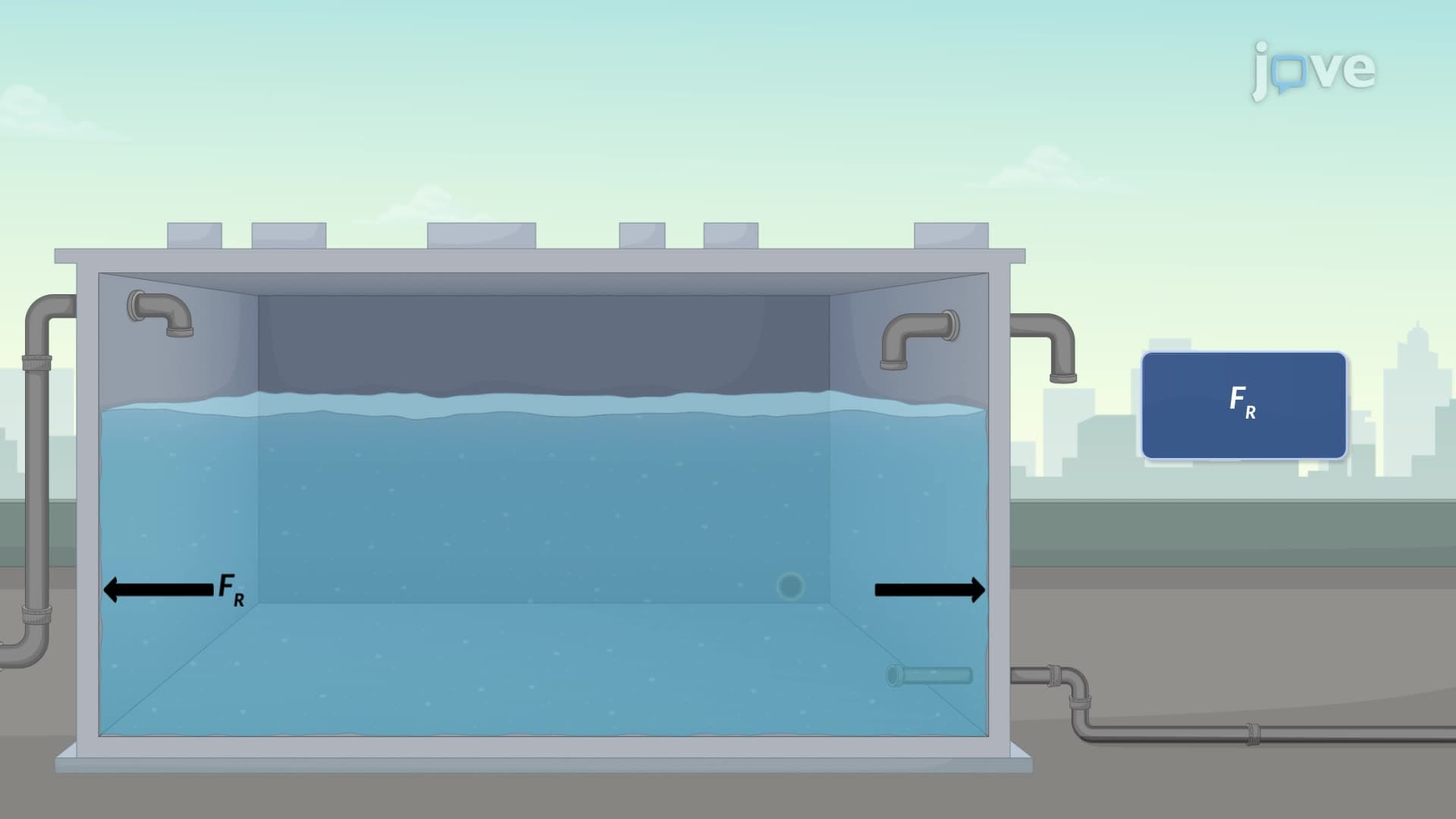
5. Hydrostatic Forces on Surfaces: Submerged surfaces experience forces calculated using pressure distribution and surface geometry. For plane surfaces, the resultant force equals pressure at the centroid multiplied by surface area, acting through the center of pressure. These calculations are crucial for designing dams, ship hulls, and underwater structures. American engineering projects like the Hoover Dam demonstrate practical applications of these principles in massive concrete structures resisting enormous hydrostatic forces.
6. Forces on Curved Surfaces: Curved submerged surfaces require vector analysis to determine resultant forces. The horizontal component equals force on the projected vertical area, while the vertical component includes the weight of fluid above the surface. Swimming pool designs, curved dam faces, and submarine hulls utilize these calculations. Understanding these forces ensures structural integrity in applications ranging from residential pools to nuclear reactor containment vessels used in American power plants.
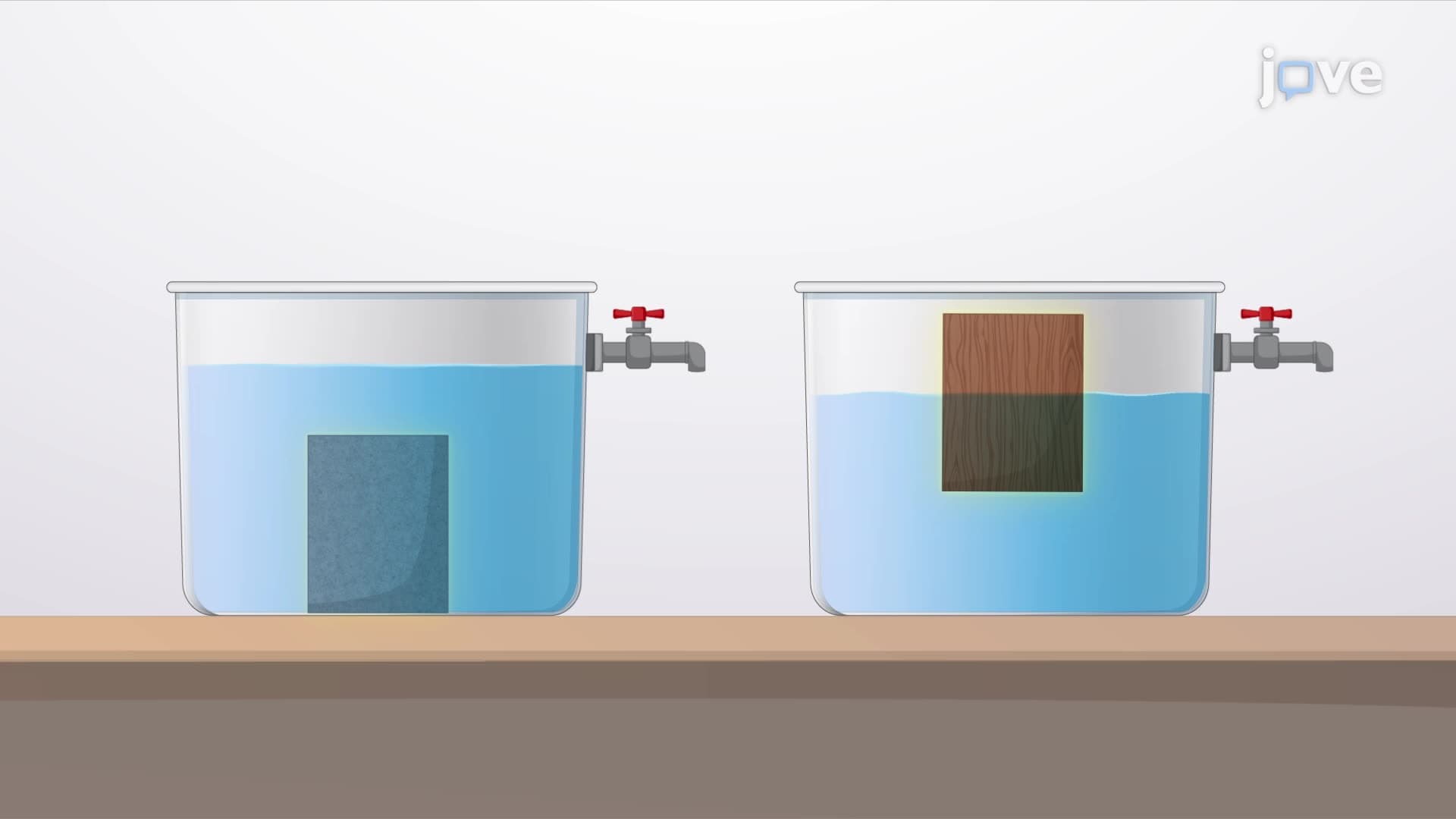
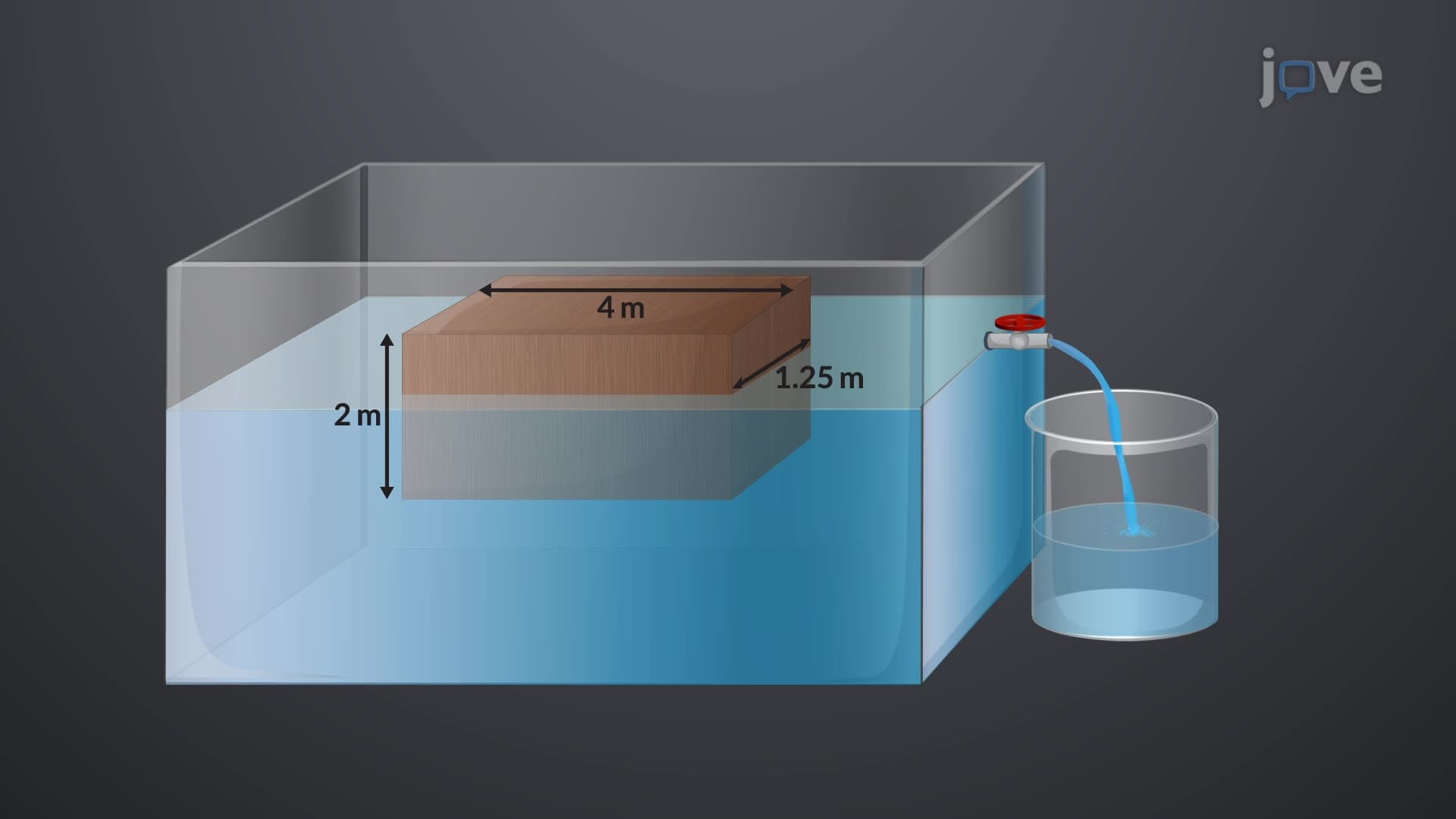
7. Buoyancy and Archimedes' Principle: Objects submerged in fluids experience upward buoyant forces equal to the weight of displaced fluid. This principle explains ship flotation, submarine operation, and hot air balloon flight. The center of buoyancy represents the centroid of displaced fluid volume, which shifts during object rotation. Applications include designing ship hulls, calculating payload capacities, and ensuring stability of floating platforms used in offshore drilling operations along American coastlines.
8. Stability of Floating Bodies: Floating object stability depends on the relative positions of the center of gravity and metacenter. Stable equilibrium occurs when restoring moments counteract tilting forces. This concept is vital for ship design, offshore platform stability, and floating bridge construction. American naval architecture and marine engineering rely on these principles to ensure vessel safety in various sea conditions, from recreational boats to aircraft carriers.