Loading video…

 8 Concepts
 7.6K views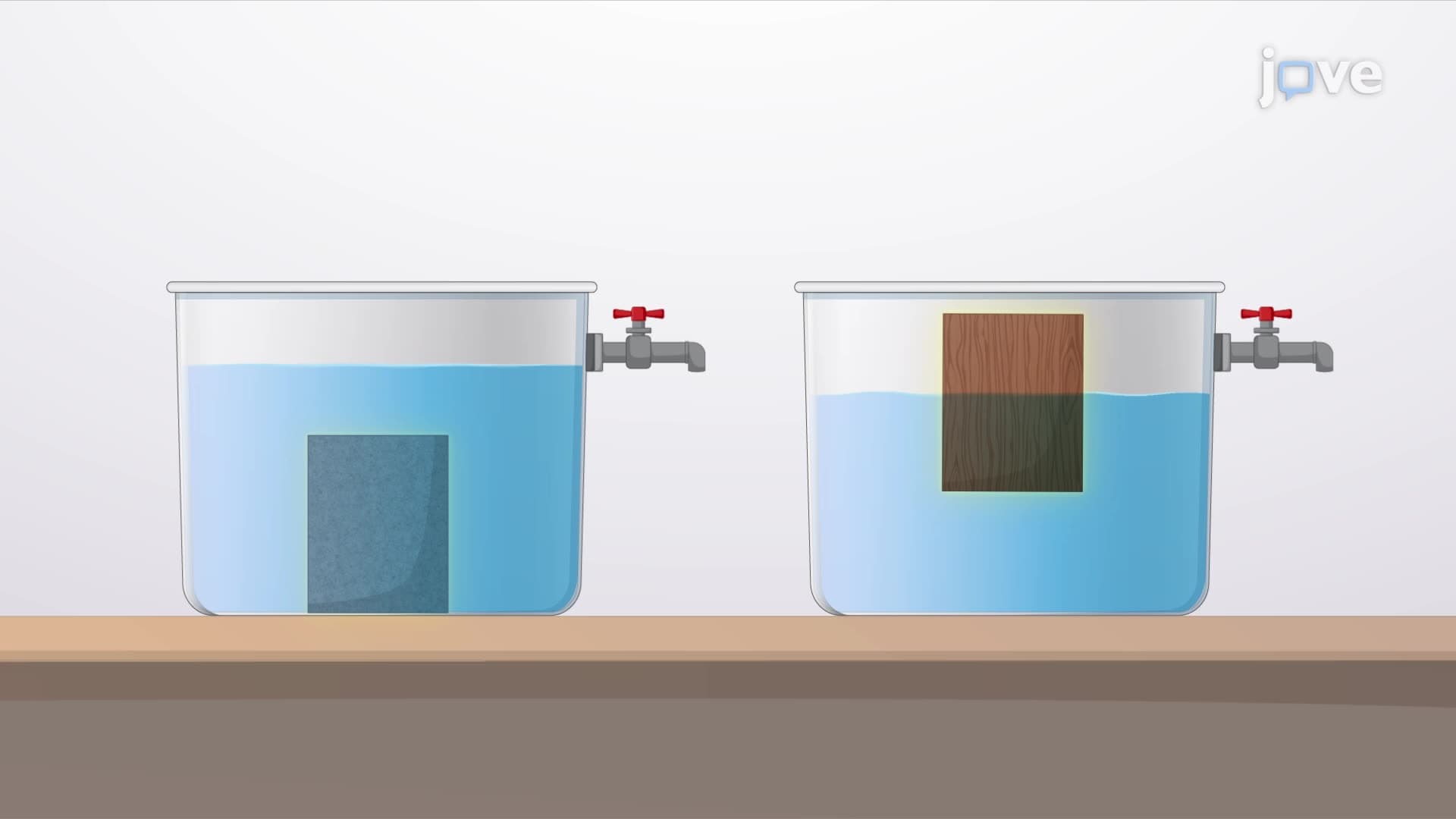

Video Summary: Buoyancy and Stability for Submerged Explained
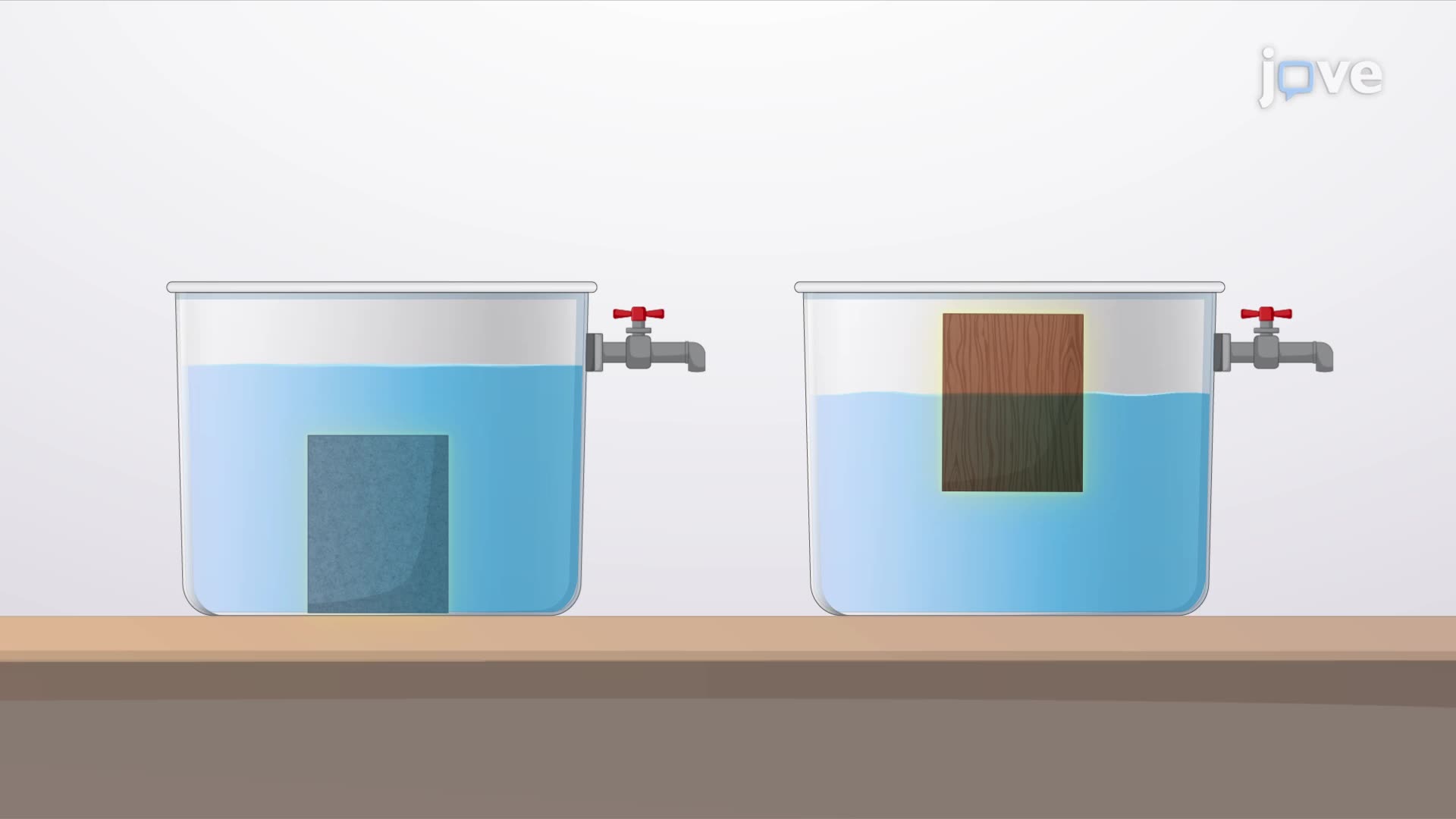
Why do massive steel ships float while small coins sink? The design example application of Archimedes principle reveals this fascinating phenomenon through buoyancy and stability calculations. When the USS Gerald R. Ford aircraft carrier displaces 100,000 tons of seawater, it demonstrates how buoyancy and stability for submerged objects work in engineering applications. Understanding metacenter positions and equilibrium conditions helps predict whether floating structures remain stable or capsize under various loading conditions. Watch the full video on JoVE Coach to master this concept with expert-led visuals and step-by-step explanations.
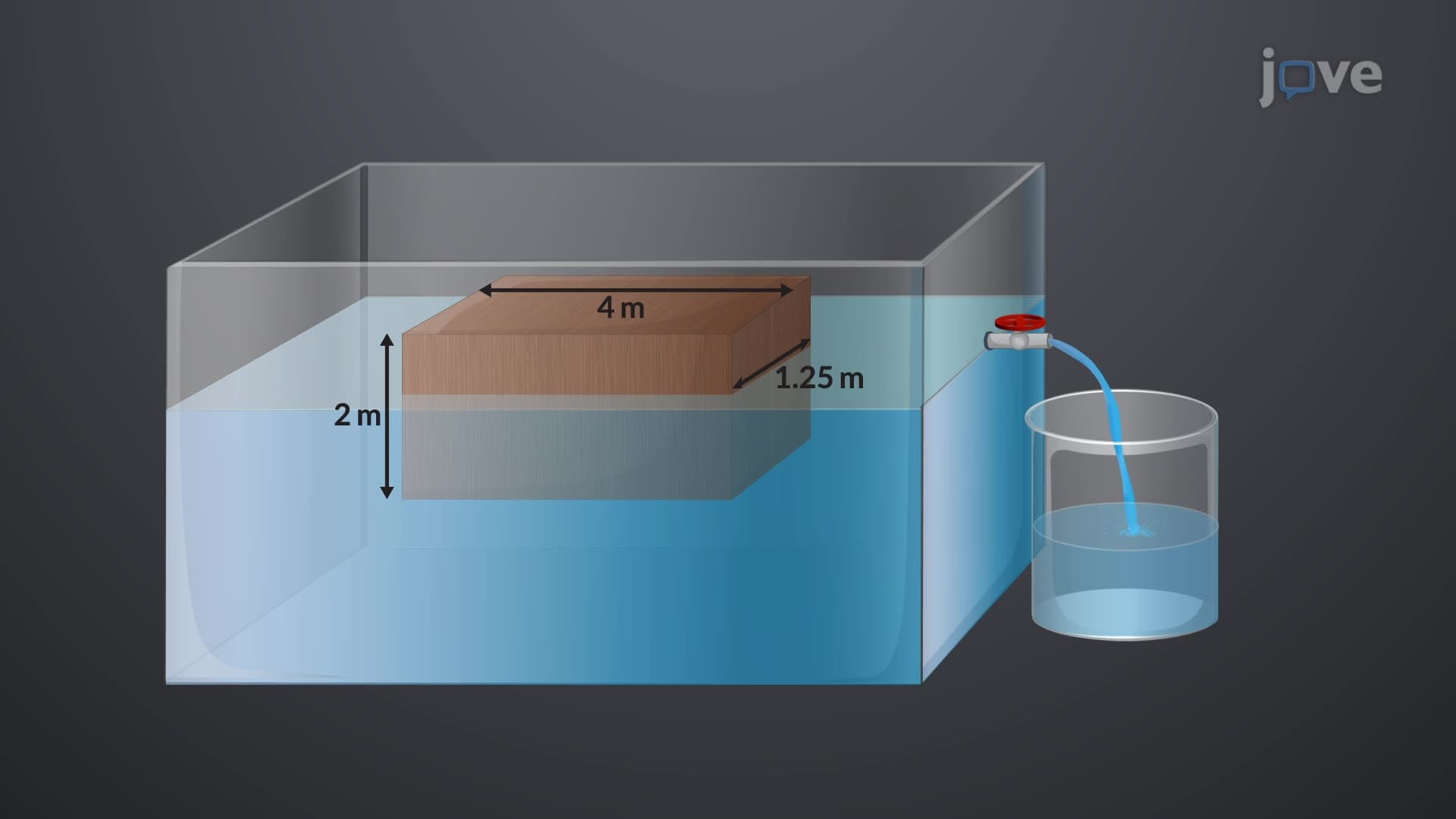
Buoyancy and stability for submerged objects represents a fundamental fluid mechanics principle governing countless engineering applications. When any object enters a fluid, it experiences an upward buoyant force equal to the weight of displaced fluid-a relationship first quantified by Archimedes over 2,000 years ago. This principle directly impacts modern engineering designs from submarine hulls to oil drilling platforms in the Gulf of Mexico.
The design example application of Archimedes principle extends far beyond simple floating objects. Naval architects designing USS Virginia-class submarines must precisely calculate buoyant forces to ensure proper diving and surfacing capabilities. The buoyant force (F_b = ρ_fluid × g × V_displaced) acts upward through the center of buoyancy-the centroid of the displaced fluid volume. For completely submerged vessels, this center remains fixed relative to the hull geometry, simplifying stability calculations compared to surface ships where waterline changes constantly.
Stability analysis requires understanding three critical points: center of gravity (CG), center of buoyancy (CB), and metacenter (M). For completely submerged bodies, stable equilibrium occurs when CG lies below CB. However, surface vessels follow different rules. The metacenter represents where the new buoyancy force line intersects the original centerline during small-angle tilting. Metacentric height (GM = distance from CG to M) determines stability: positive GM creates restoring moments, while negative GM causes capsizing.
US Coast Guard regulations mandate specific stability criteria for commercial vessels operating in American waters. Container ships loading at ports like Los Angeles must maintain adequate metacentric height throughout cargo operations. Similarly, offshore oil platforms in the Gulf of Mexico require sophisticated stability analyses accounting for wave loading, wind forces, and operational weight changes. The 2010 Deepwater Horizon incident highlighted how stability calculations directly impact safety and environmental protection in marine engineering applications.
These principles appear regularly on AP Physics exams, college fluid mechanics courses, and professional engineering licensing examinations. Students preparing for MCAT physics sections encounter buoyancy problems involving density relationships and force equilibrium. Understanding both the theoretical framework and practical engineering applications provides essential preparation for advanced STEM coursework and professional practice.
Related Micro-courses