Loading video…


 8 Concepts
 7.6K views

Video Summary: Hydrostatic Pressure Force on a Curved Surface Explained
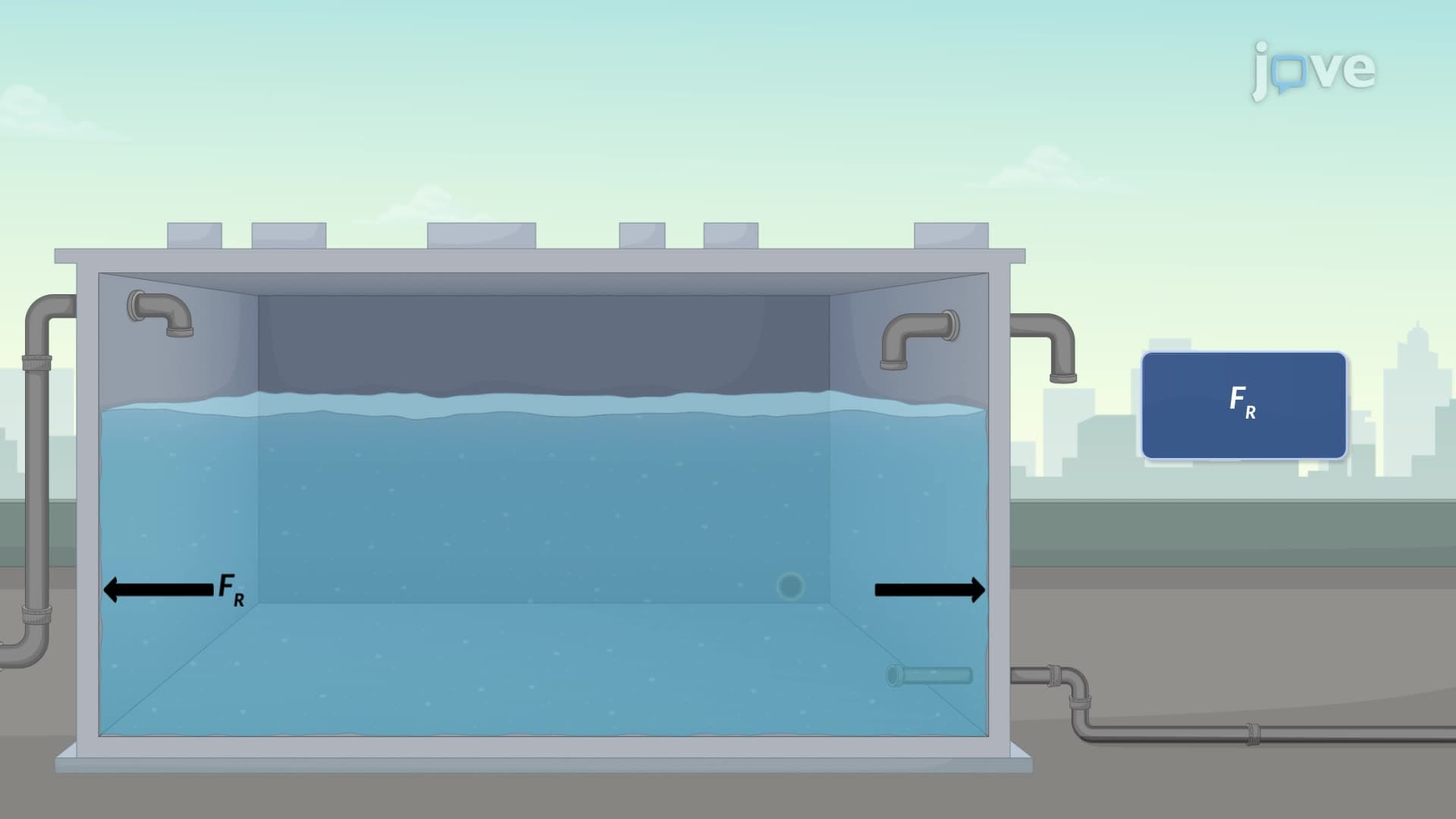
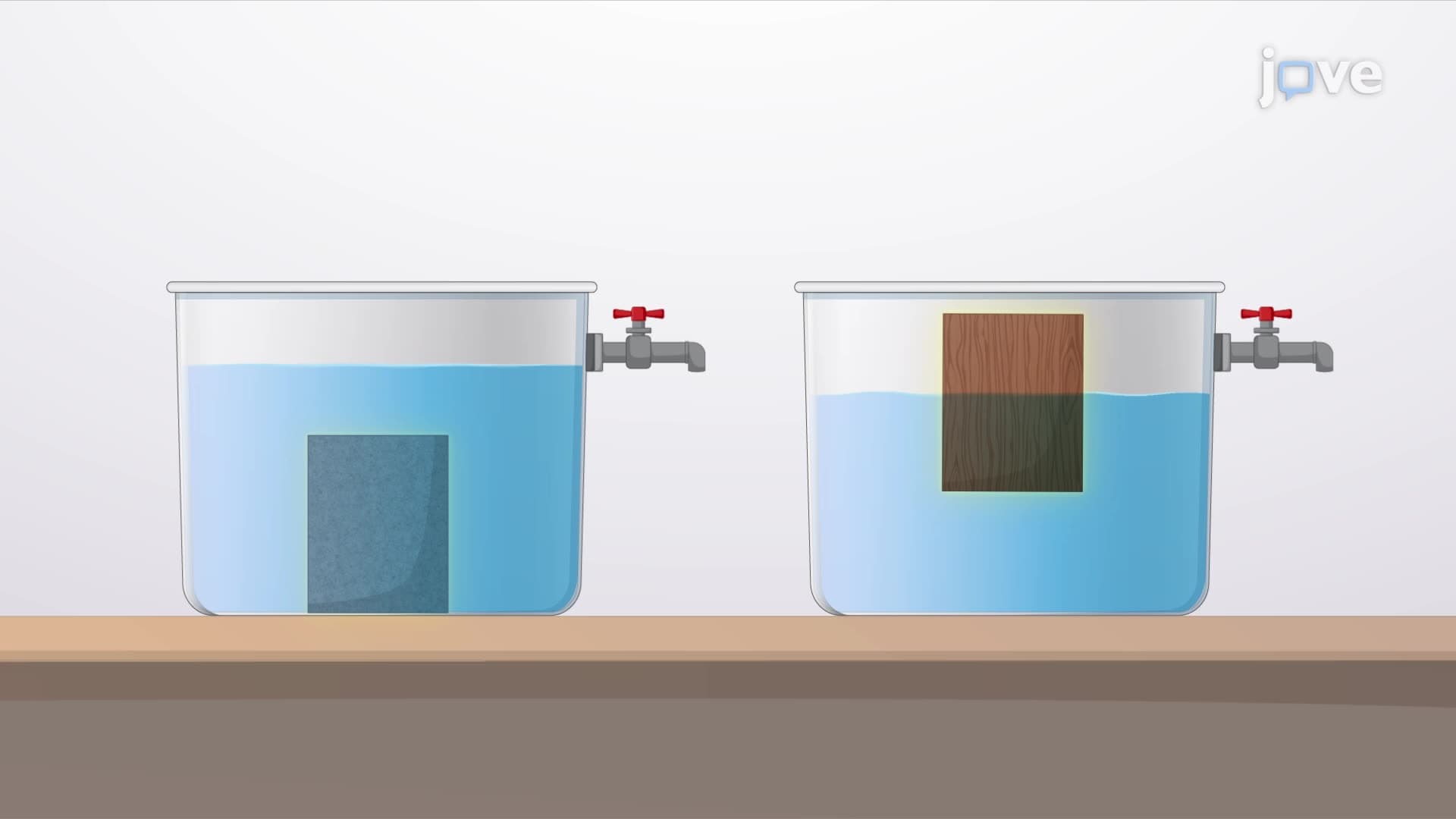
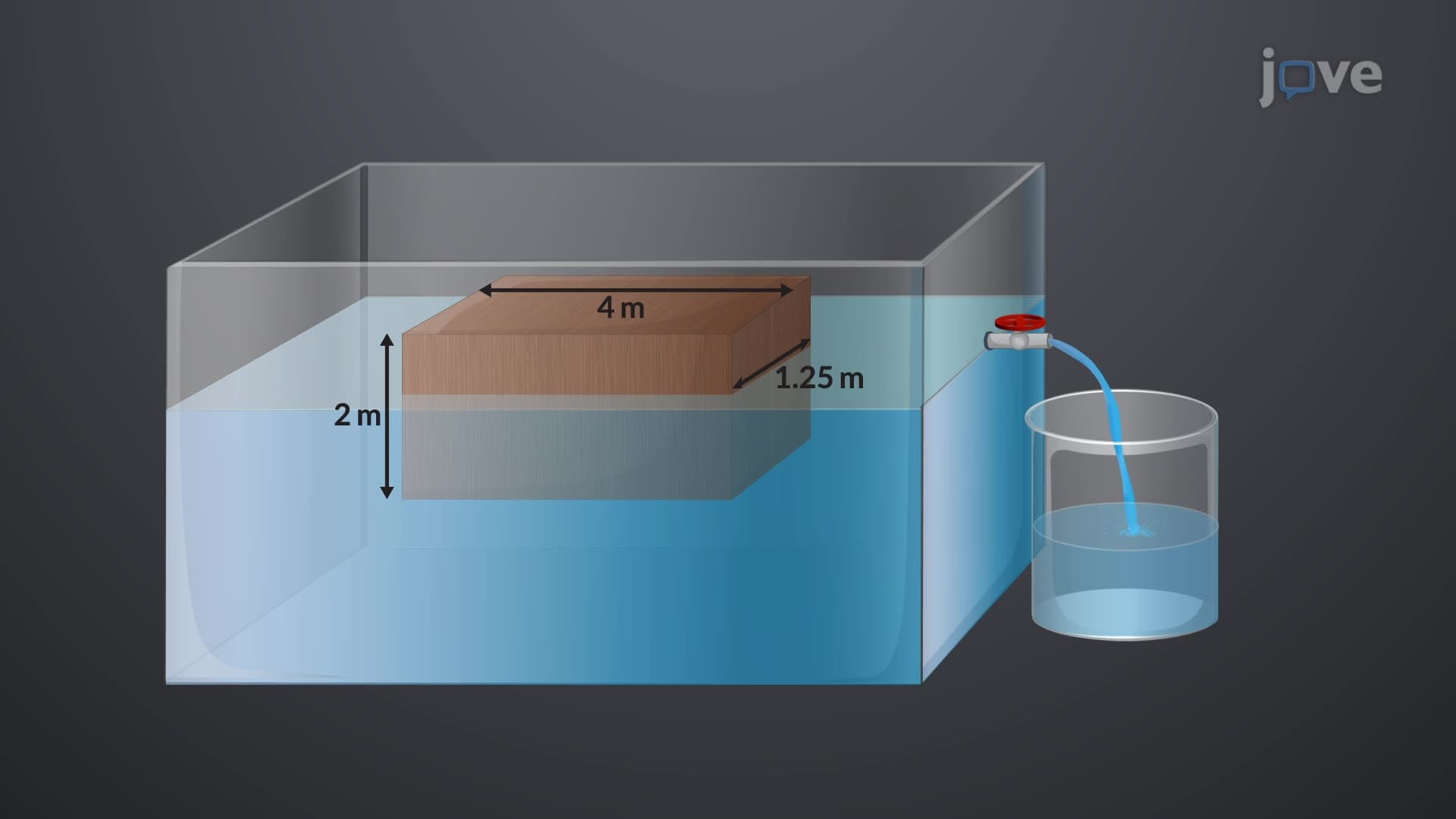
Ever wondered why submarine hulls are built with such specific curves? Buoyancy and stability for submerged objects depends critically on understanding how water pressure acts on curved surfaces. Consider the Golden Gate Bridge's underwater foundations, engineers must calculate the exact hydrostatic pressure force on curved surfaces to ensure structural integrity. The concept of Hydrostatic Pressure Force On a Curved Explained involves breaking down complex curved surface forces into manageable horizontal and vertical components, then combining them using the Pythagorean theorem. Watch the full video on JoVE Coach to master this concept with expert-led visuals and step-by-step explanations.
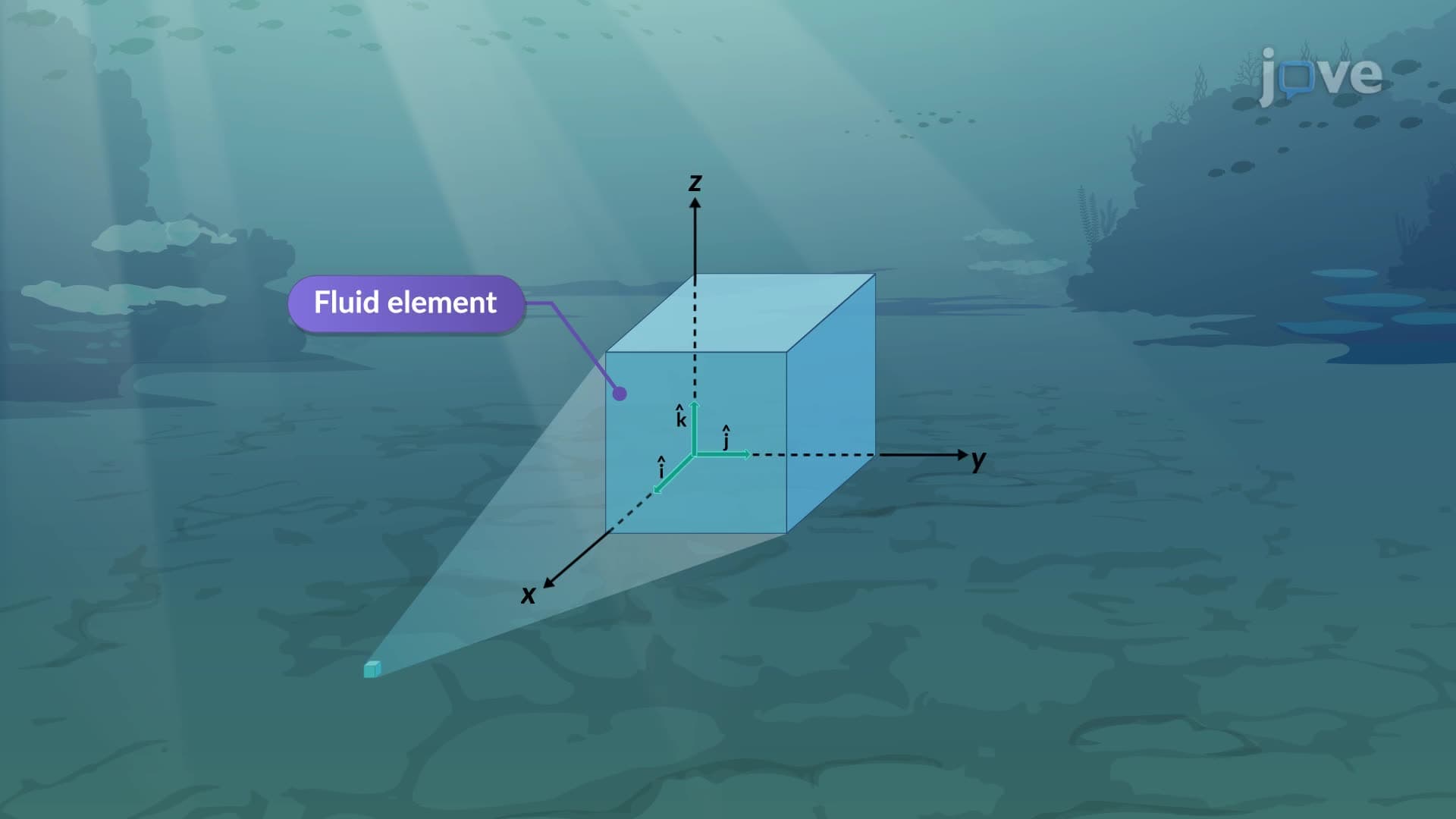
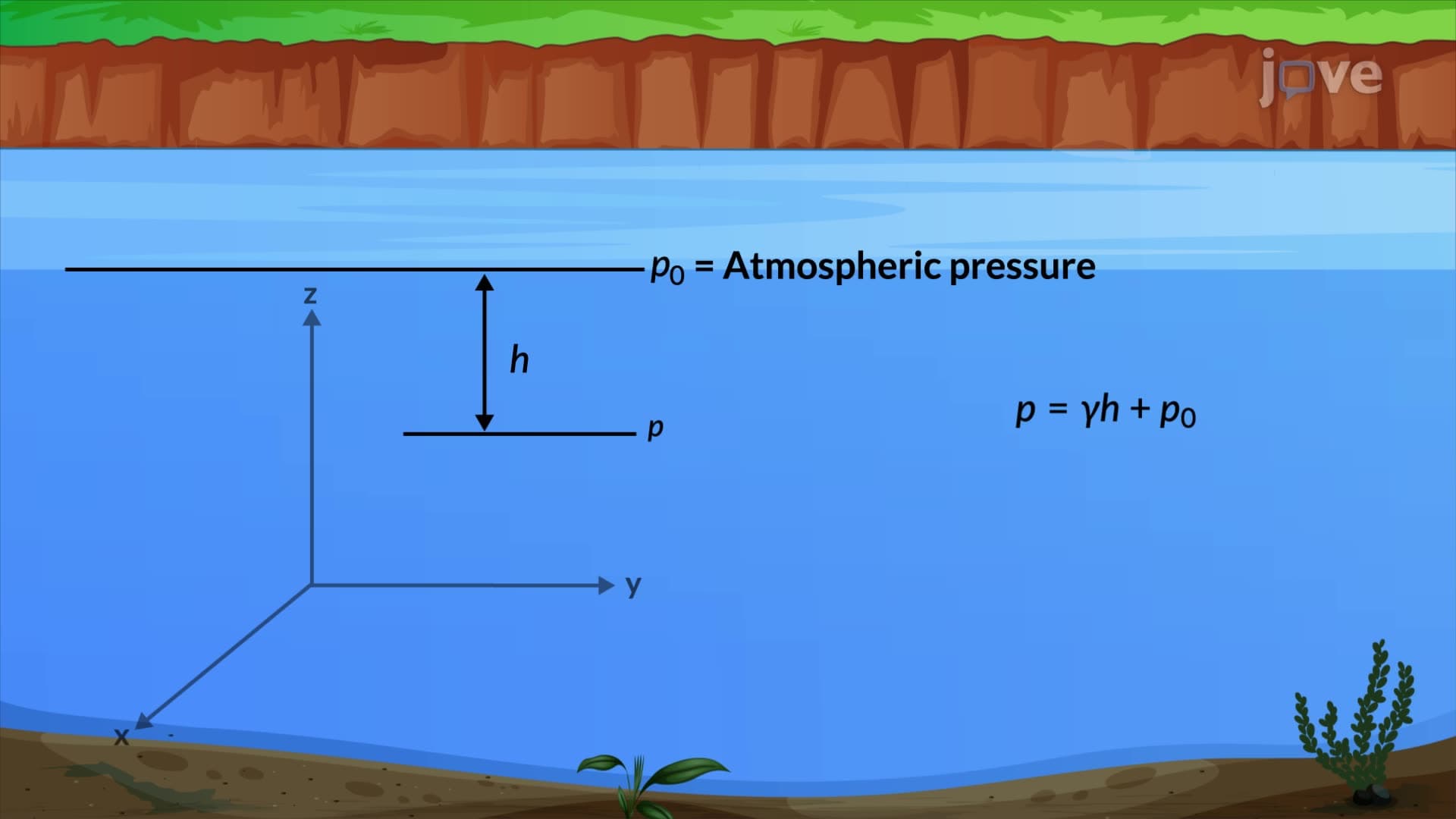
Hydrostatic Pressure Force On a Curved Explained represents one of the most challenging yet essential concepts in fluid mechanics. Unlike flat surfaces where pressure acts uniformly perpendicular to the surface, curved surfaces experience varying pressure directions that require sophisticated analysis techniques.
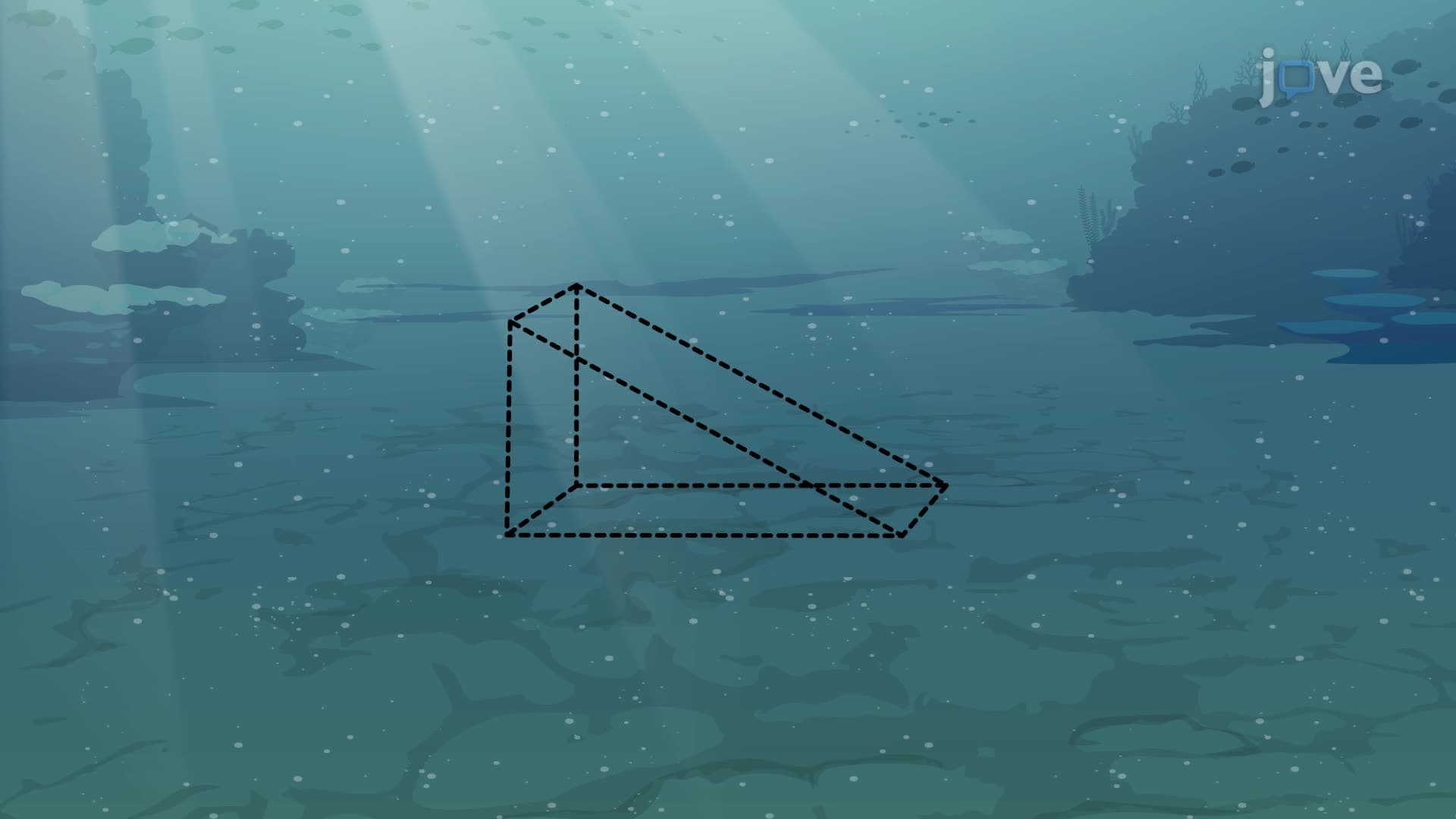
The key breakthrough in solving curved surface problems lies in the component method. Engineers isolate the curved surface by imagining horizontal and vertical planes that create an enclosed volume of fluid. The horizontal plane experiences purely horizontal forces, while the vertical plane experiences purely vertical forces. This separation transforms a complex three-dimensional problem into two manageable two-dimensional calculations.
For buoyancy and stability for submerged objects, this method proves invaluable. The horizontal force component equals the hydrostatic force that would act on the vertical projection of the curved surface. Meanwhile, the vertical force component combines the hydrostatic force on the horizontal projection plus the weight of the fluid volume directly above the curved surface.
Consider the Hoover Dam's curved face, its distinctive arch shape isn't just aesthetic. Engineers use buoyancy and stability for submerged principles to calculate how water pressure distributes across the curved concrete surface. The dam's curvature redirects horizontal water pressure into the canyon walls, demonstrating practical hydrostatic force analysis.
Similarly, submarine hull design relies heavily on these calculations. The USS Virginia-class submarines feature carefully engineered curved hulls that distribute water pressure efficiently. Navy engineers must understand how buoyancy and stability for submerged works to ensure these vessels can safely operate at extreme depths where hydrostatic pressures exceed 1,000 pounds per square inch.
Students encountering this topic in AP Physics, college fluid mechanics courses, or MCAT preparation should focus on the systematic approach. The buoyancy and stability for submerged tutorial method involves: (1) identifying the curved surface, (2) drawing horizontal and vertical planes to isolate fluid volume, (3) calculating horizontal force components, (4) calculating vertical force components including fluid weight, and (5) combining components using the Pythagorean theorem.
This buoyancy and stability for submerged concept frequently appears in engineering mechanics exams where students must demonstrate both theoretical understanding and practical calculation skills.
Related Micro-courses