21 Concepts
14 Concepts
11 Concepts
11 Concepts
16 Concepts
8 Concepts
18 Concepts
12 Concepts
6 Concepts
12 Concepts
6 Concepts
5 Concepts
6 Concepts
9 Concepts
8 Concepts
8 Concepts
7 Concepts
9 Concepts
10 Concepts
8 Concepts
13 Concepts
5 Concepts
11 Concepts
10 Concepts
7 Concepts
6 Concepts
9 Concepts
10 Concepts
6 Concepts
9 Concepts
Aggregates and water are fundamental components in concrete construction, comprising nearly 75% of concrete's volume. This comprehensive course covers concrete aggregate properties, gradation analysis, water quality requirements, and the critical role of aggregates and water in concrete mix design. Through detailed examination of testing methods and material characteristics, you'll master the engineering principles essential for producing durable concrete structures across American infrastructure projects, from highways to high-rise buildings, using proven JoVE Coach methodologies.
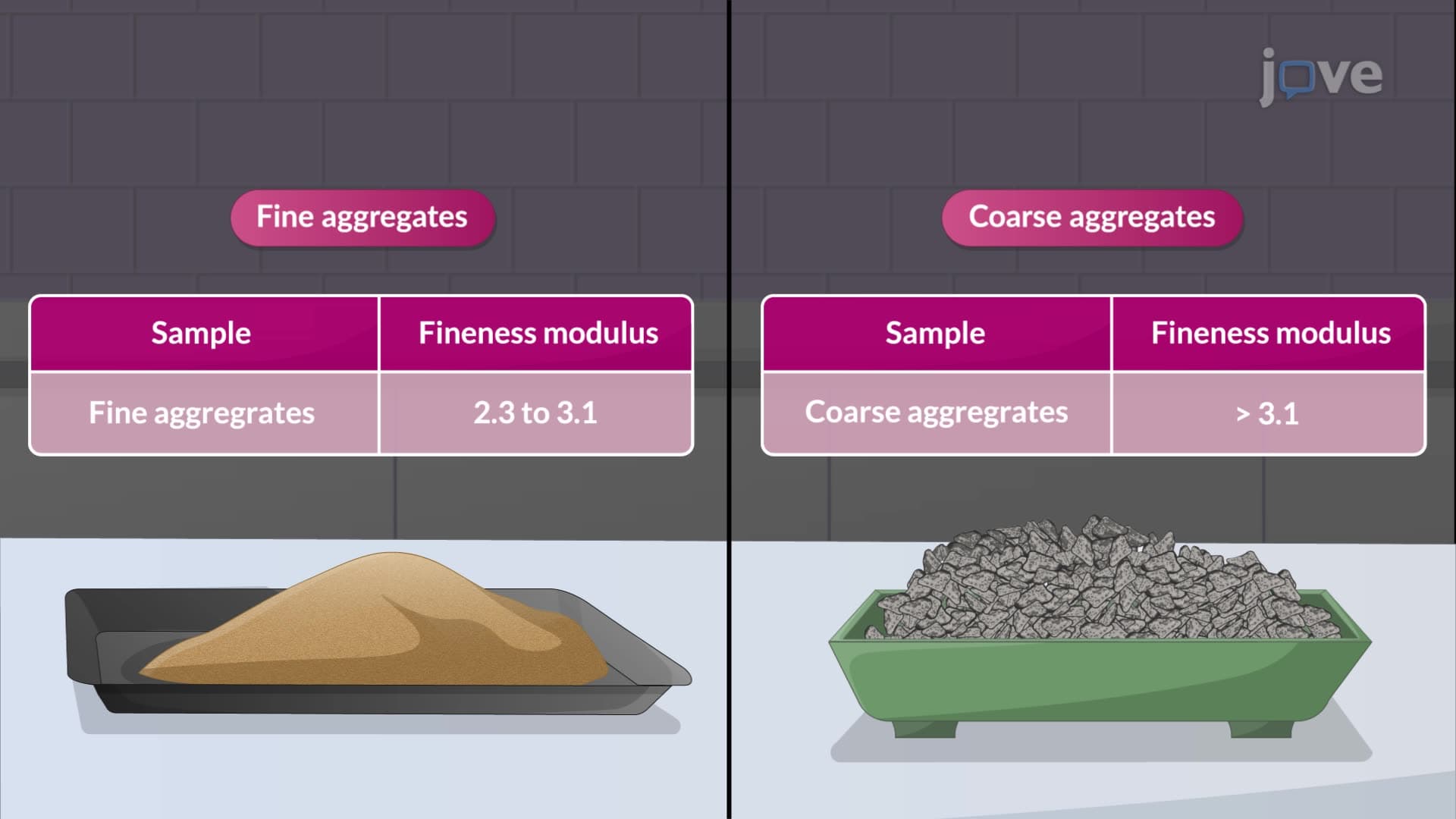
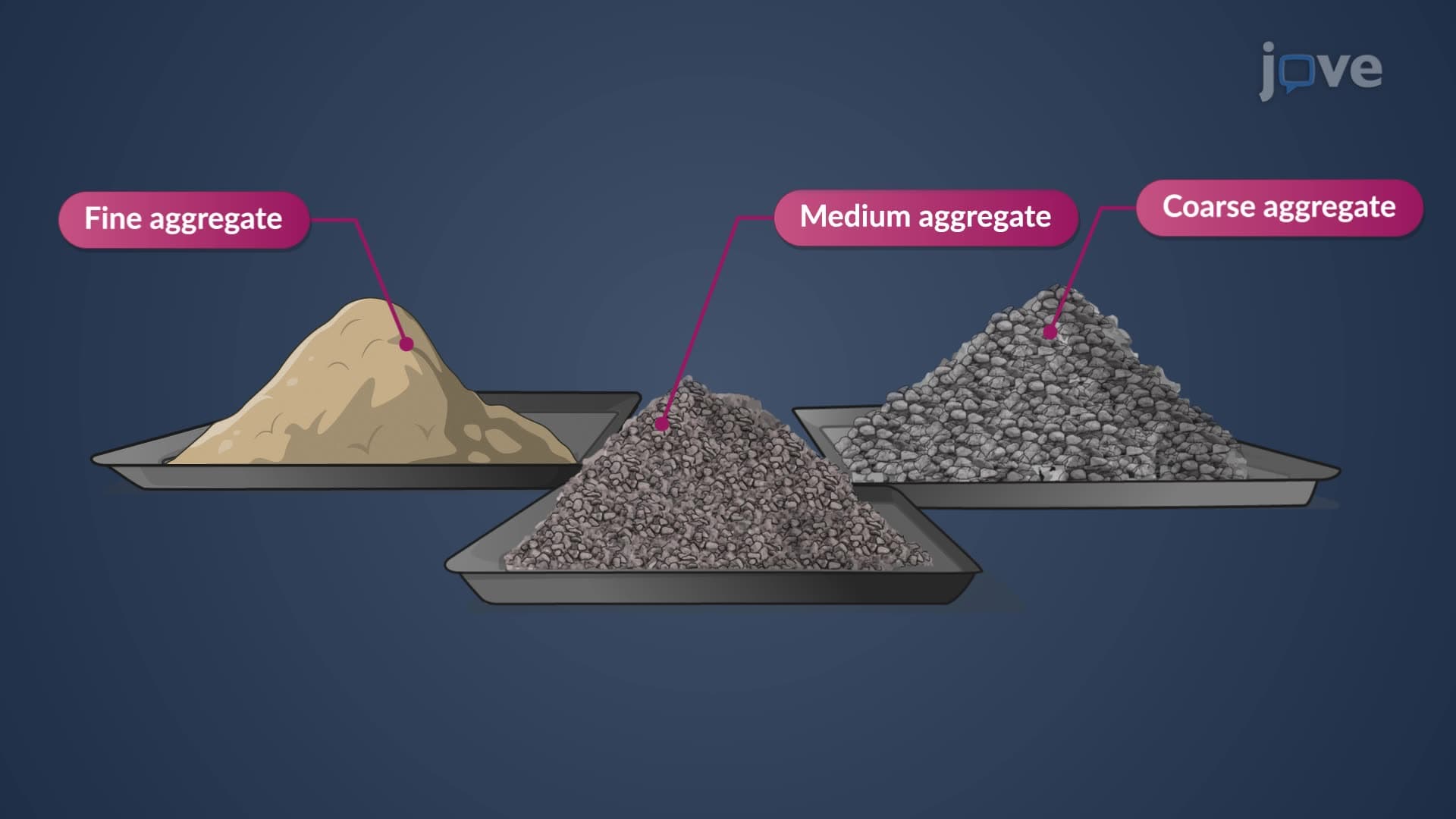
1. Aggregate Classification and Properties Natural and artificial aggregates form the backbone of concrete construction, classified by size (fine vs. coarse using ASTM No. 4 sieve), source (quarried stone, river sand, manufactured materials), and density (normal-weight, lightweight, heavyweight). Understanding these classifications helps engineers select appropriate materials for specific applications, from lightweight concrete for thermal insulation in buildings to heavyweight concrete for radiation shielding in nuclear facilities. The mineral composition, including quartz and feldspar, directly influences aggregate strength and durability in American construction projects.
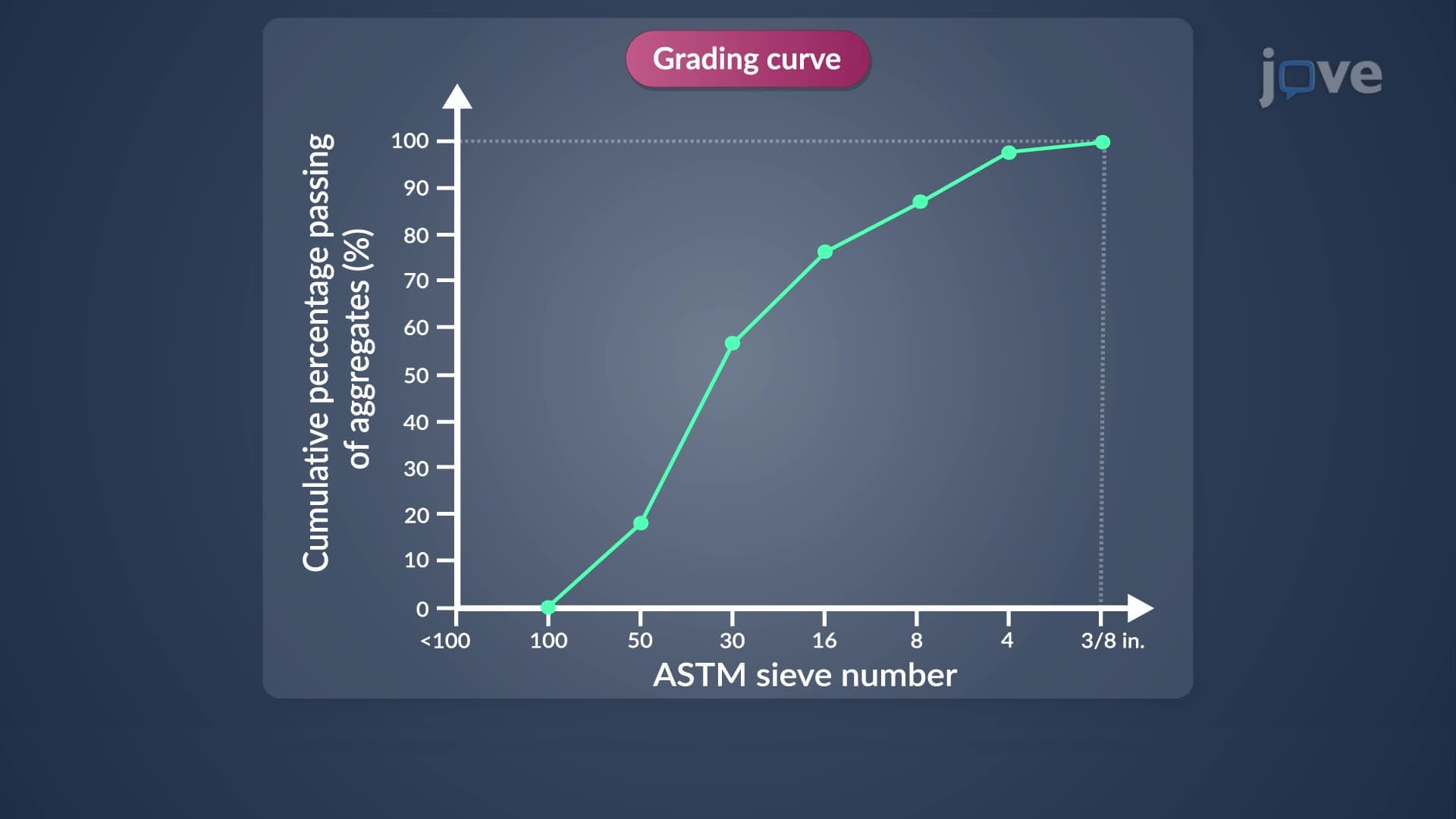
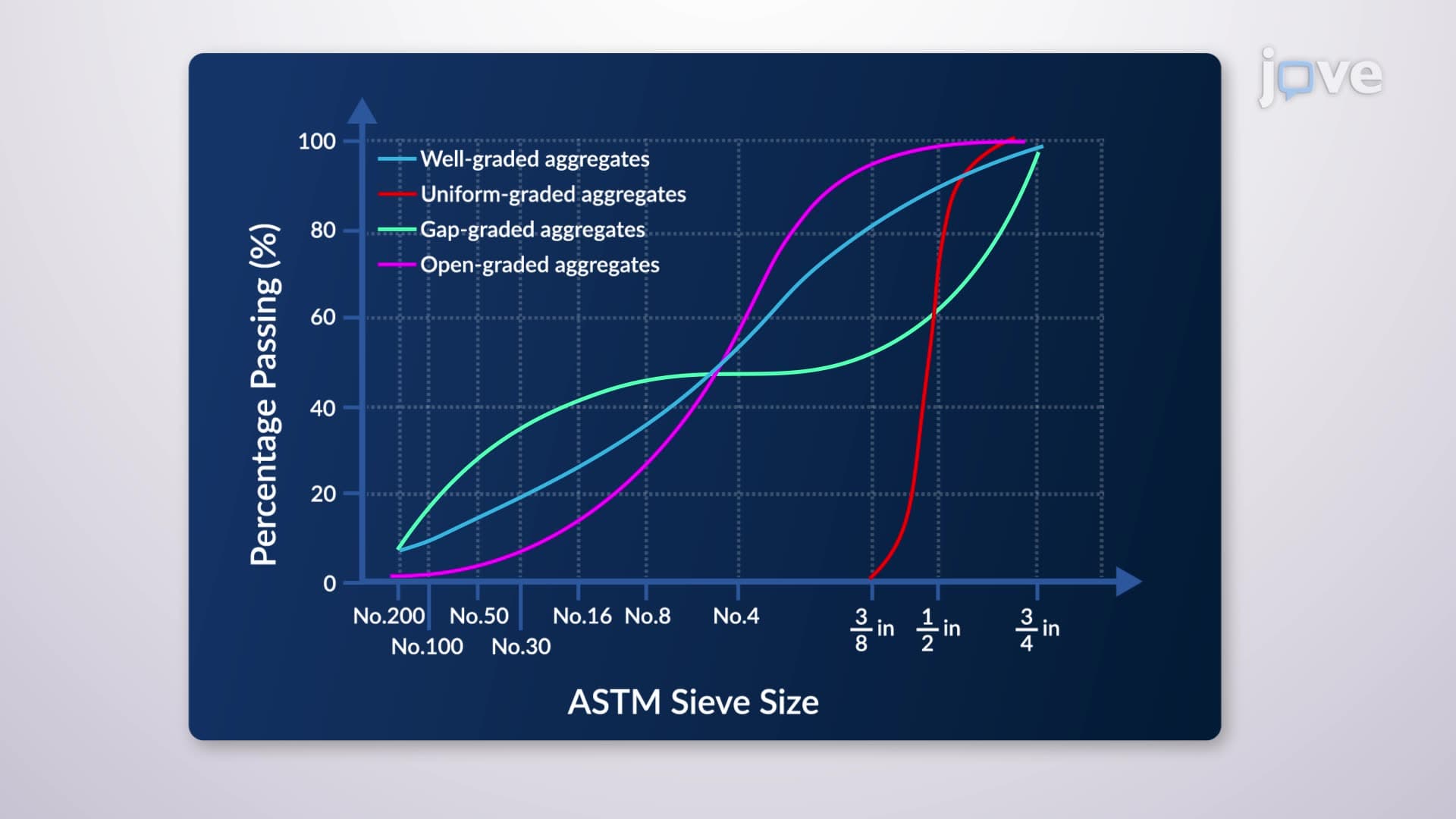
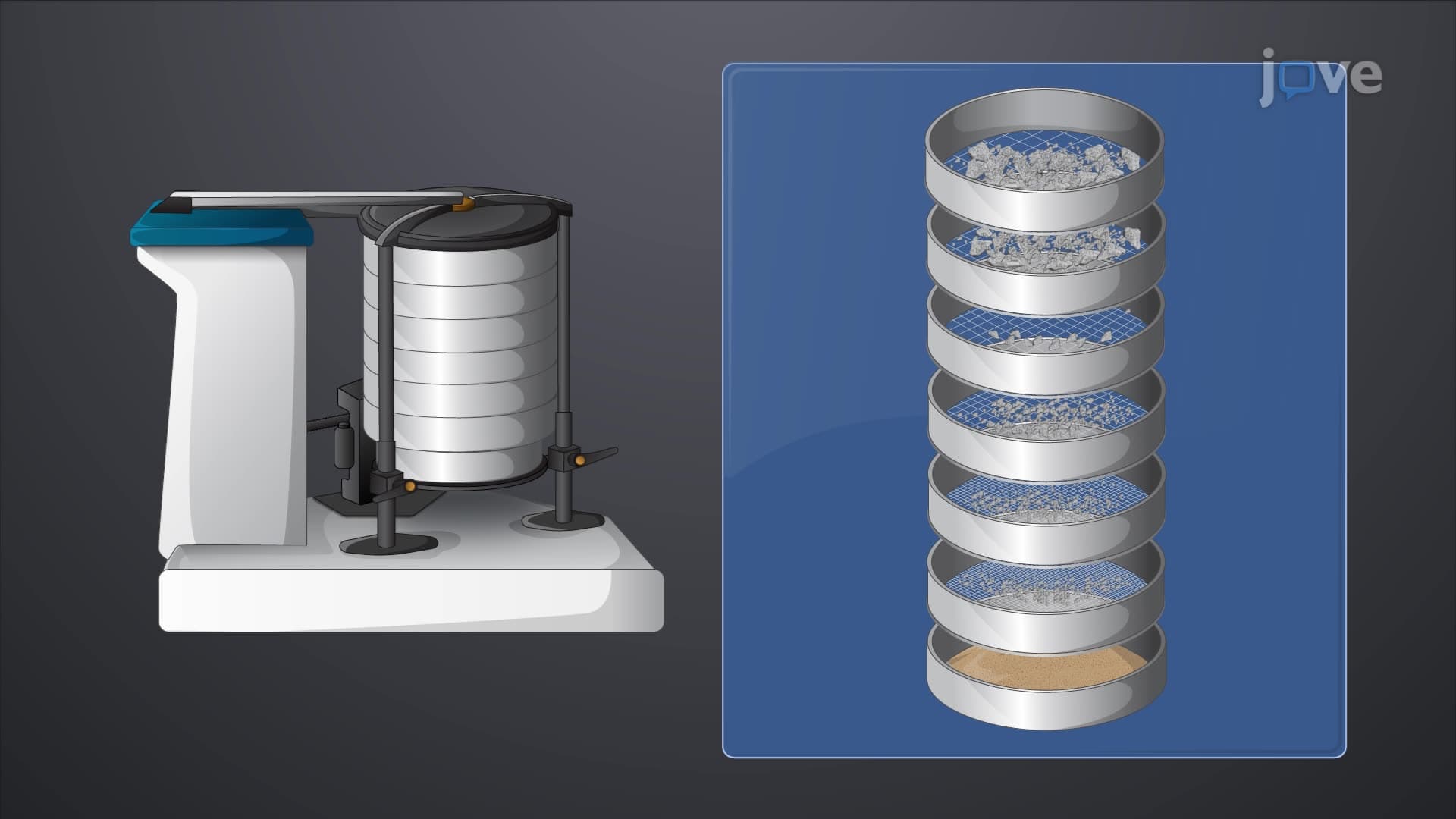
2. Sieve Analysis and Gradation Particle size distribution through sieve analysis determines aggregate gradation, critical for achieving optimal concrete performance. Well-graded aggregates create dense matrices with minimal voids, while uniform, gap-graded, or open-graded distributions serve specific engineering purposes. The fineness modulus (typically 2.3-3.1 for fine aggregates) provides a numerical index for gradation comparison. Engineers use semi-logarithmic grading curves to visualize particle distribution, ensuring compliance with ASTM standards for infrastructure projects like interstate highways and airport runways across the United States.
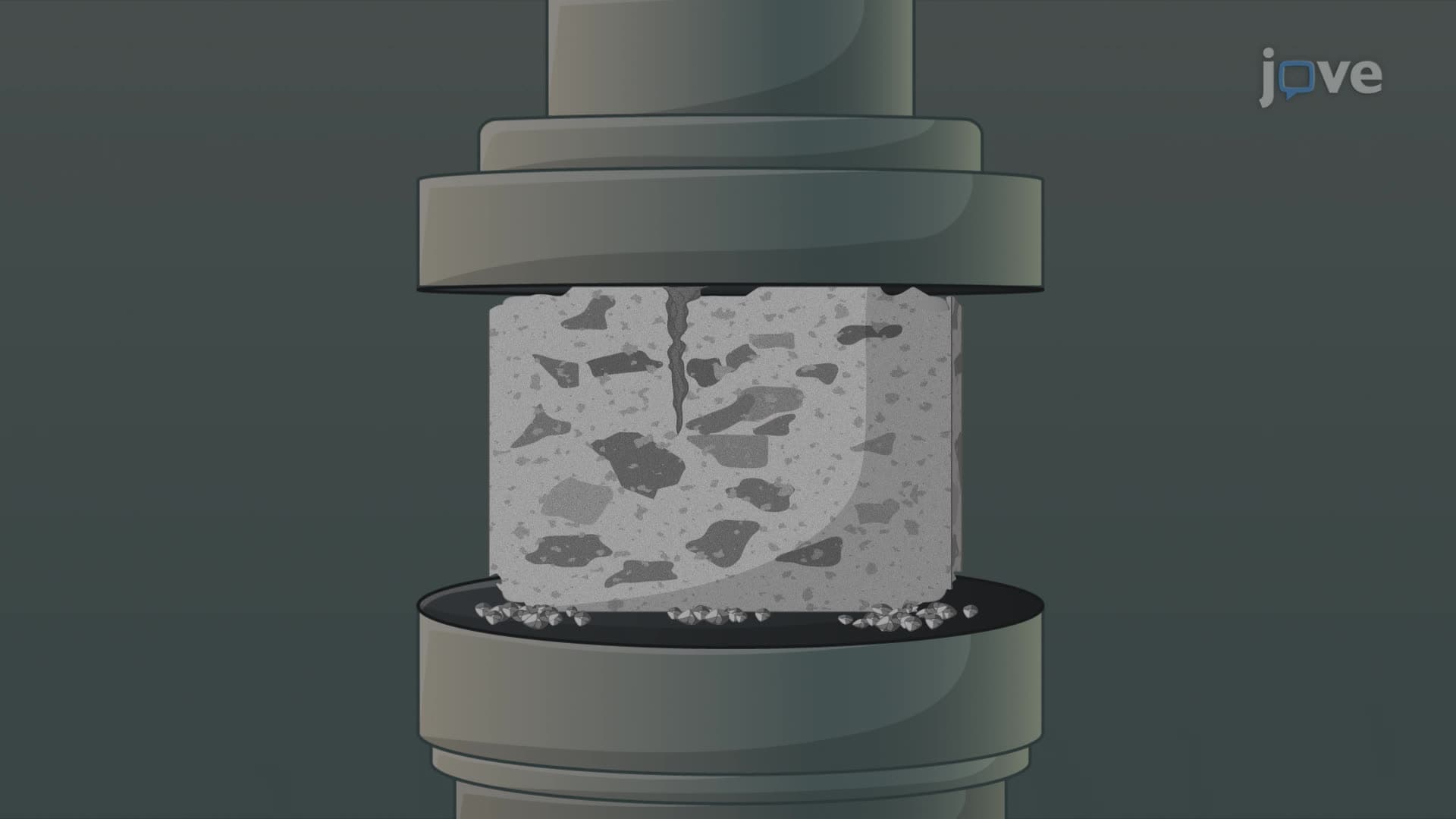
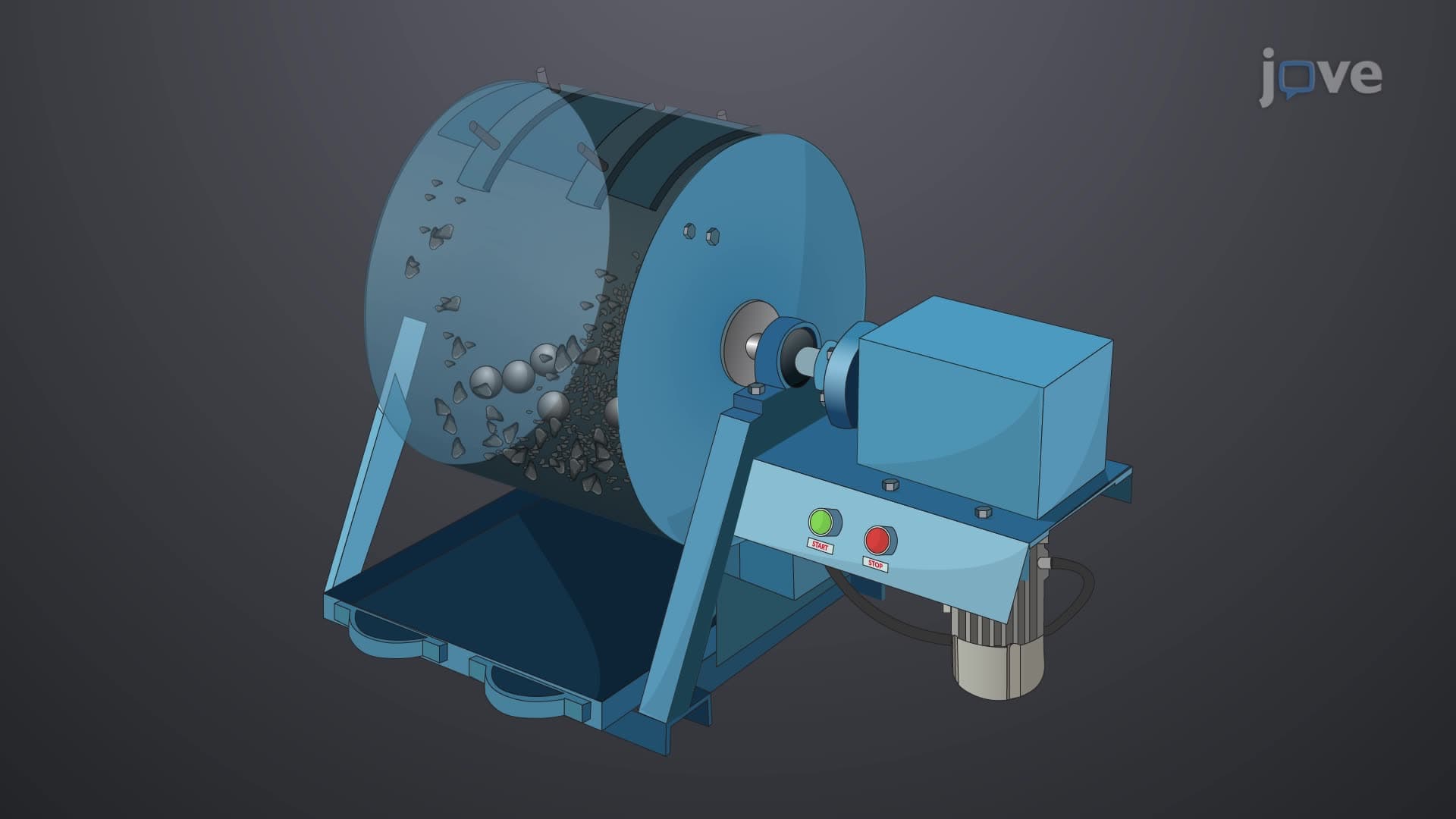
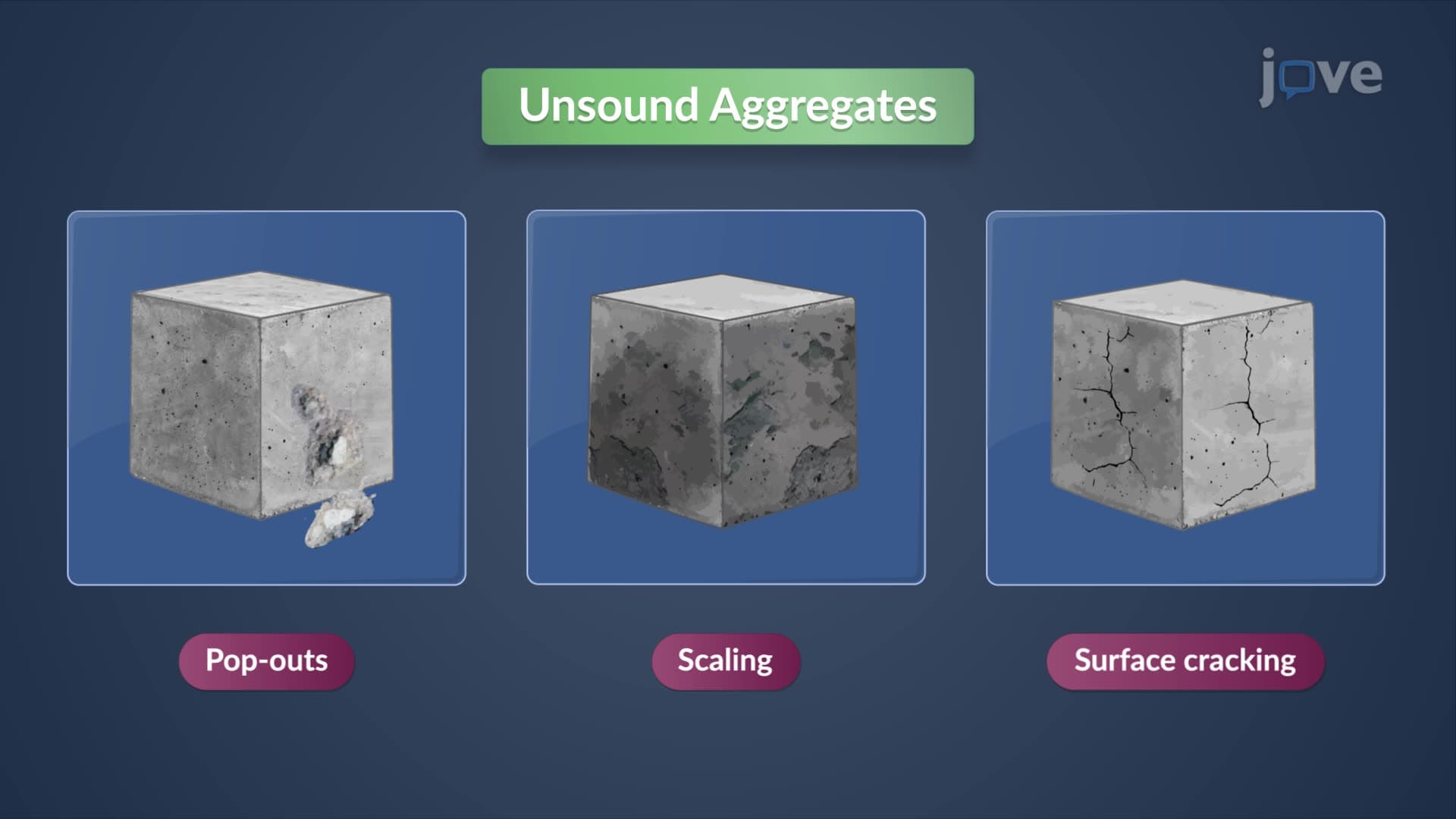
3. Aggregate Soundness and Durability Freeze-thaw cycles and salt crystallization cause volume changes that compromise aggregate integrity, particularly critical in northern U.S. climates. Soundness testing using sodium or magnesium sulfate solutions simulates weathering conditions, while toughness and hardness tests (Los Angeles abrasion, aggregate impact value) evaluate resistance to mechanical wear. These properties are essential for concrete pavements, bridge decks, and other infrastructure exposed to harsh environmental conditions, ensuring long-term performance in American transportation networks.
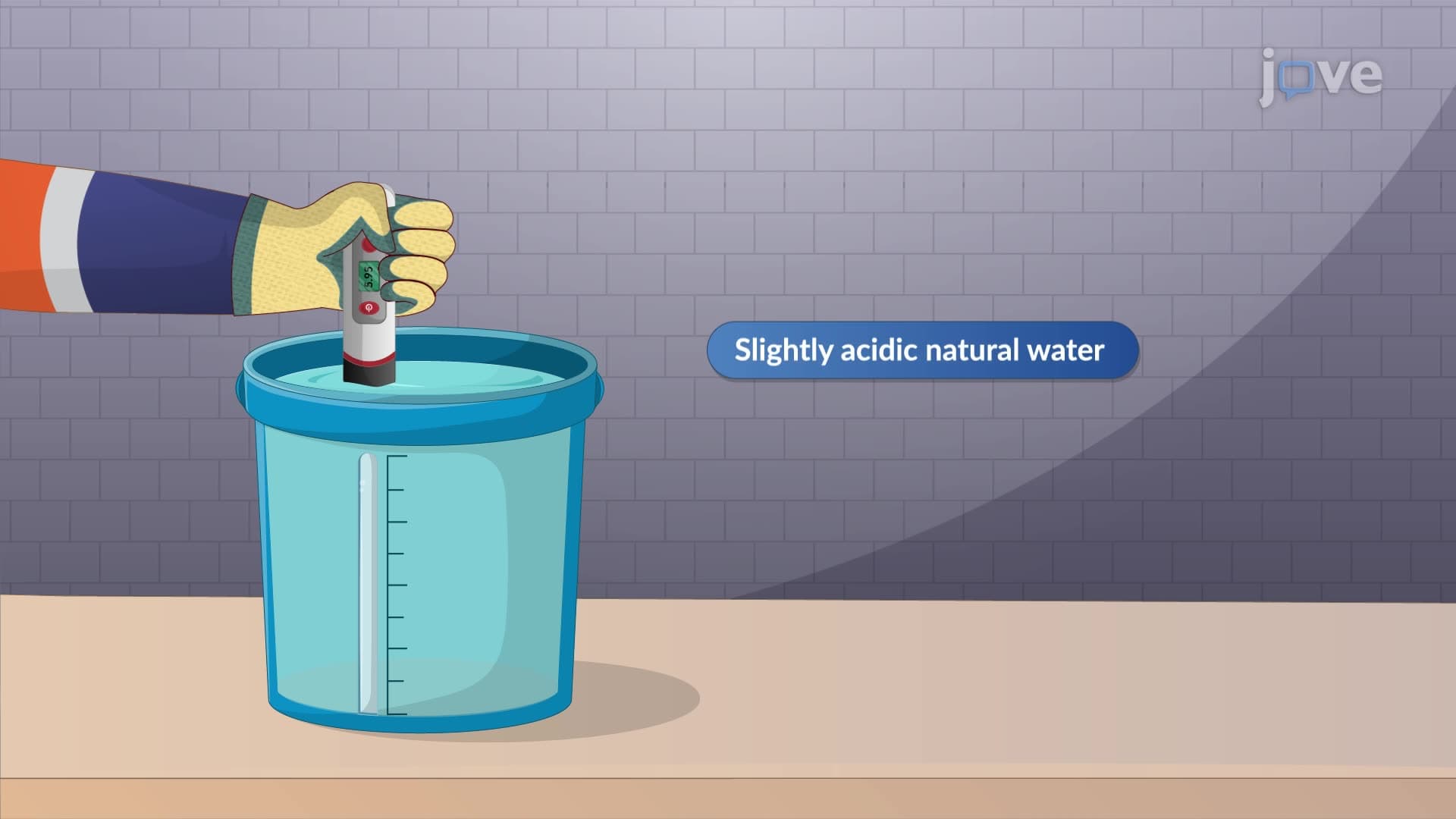
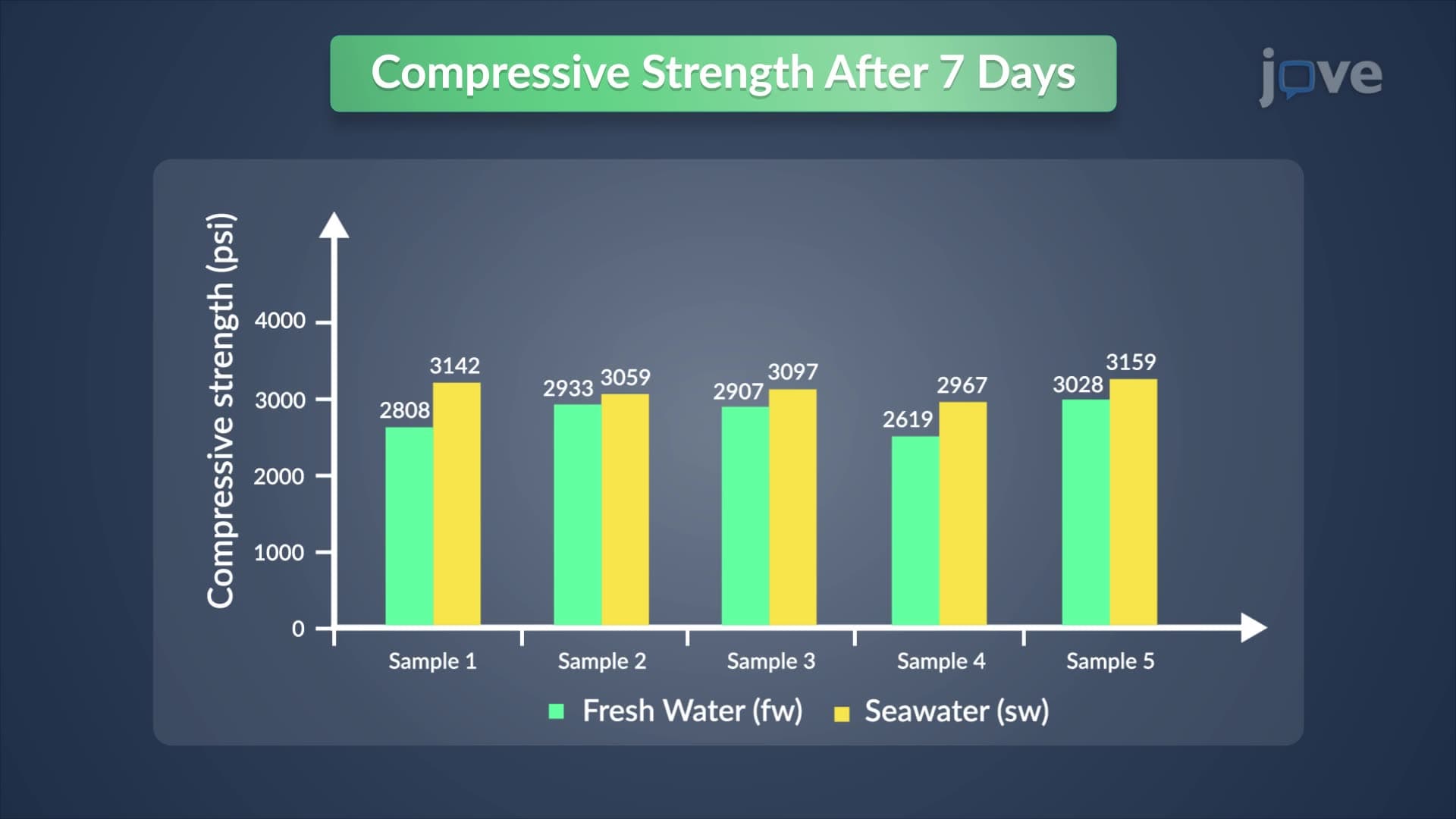
4. Water Quality and Testing Concrete mixing water must meet strict quality standards, with pH between 6-8 and minimal impurities that could compromise cement hydration or cause steel reinforcement corrosion. Potable water serves as the baseline standard, but alternatives like settled wash water or slightly acidic natural water may be suitable after testing. Seawater and brackish water require careful evaluation of chloride, sulfate, and alkali content. Quality verification involves comparing setting time and compressive strength of test mortars against distilled water standards, critical for coastal construction projects.
5. Aggregate Physical Properties Specific gravity, bulk density, porosity, and absorption characteristics influence concrete mix proportions and performance. Bulk specific gravity (typically 2.6-2.7 for natural aggregates) affects mix design calculations, while porosity and absorption impact durability and workability. Moisture content determination prevents mix water calculation errors, particularly important given sand bulking effects that can increase volume by 20-30%. These properties guide proportioning decisions for everything from residential foundations to major infrastructure projects like the Interstate Highway System.
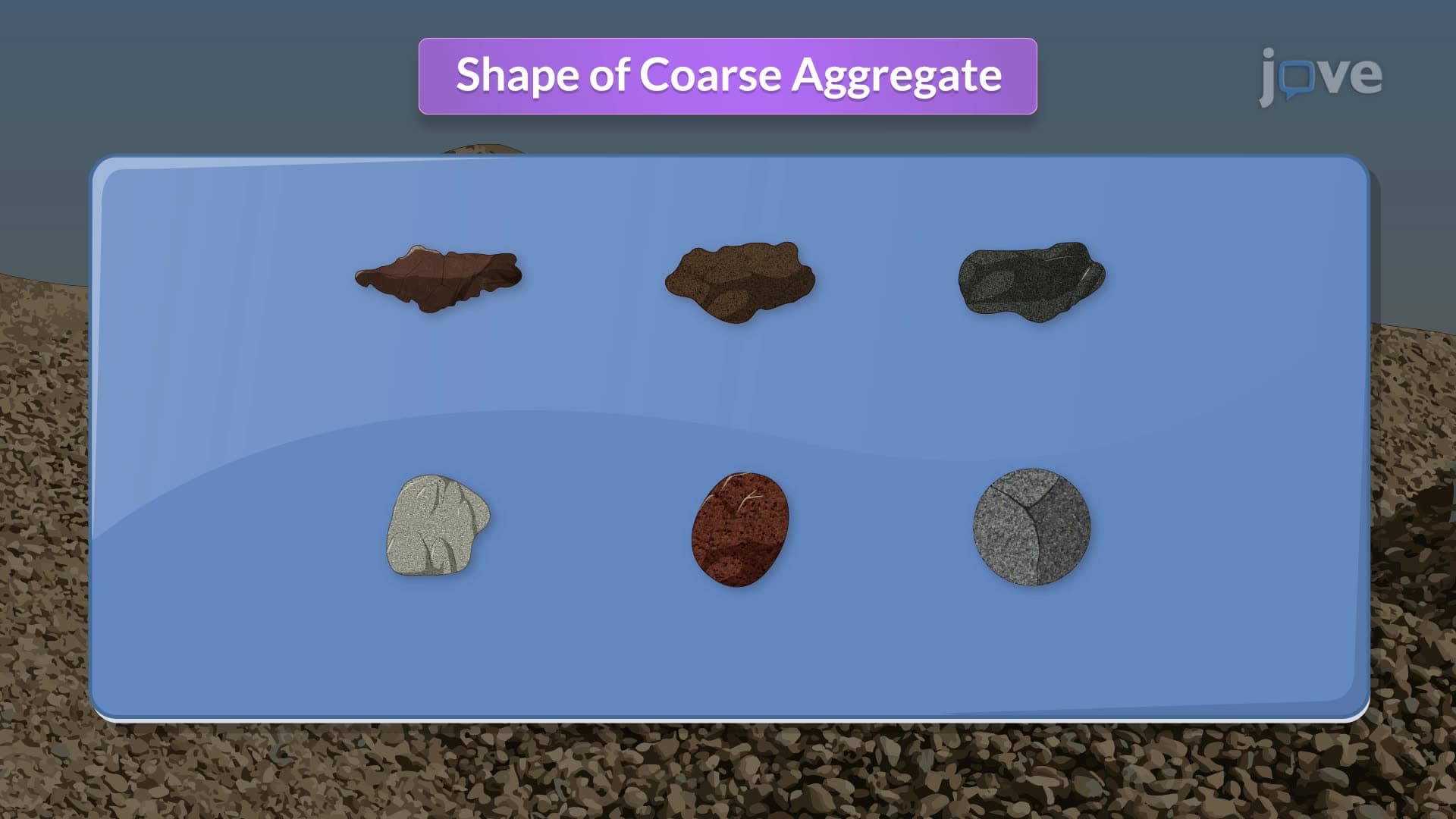
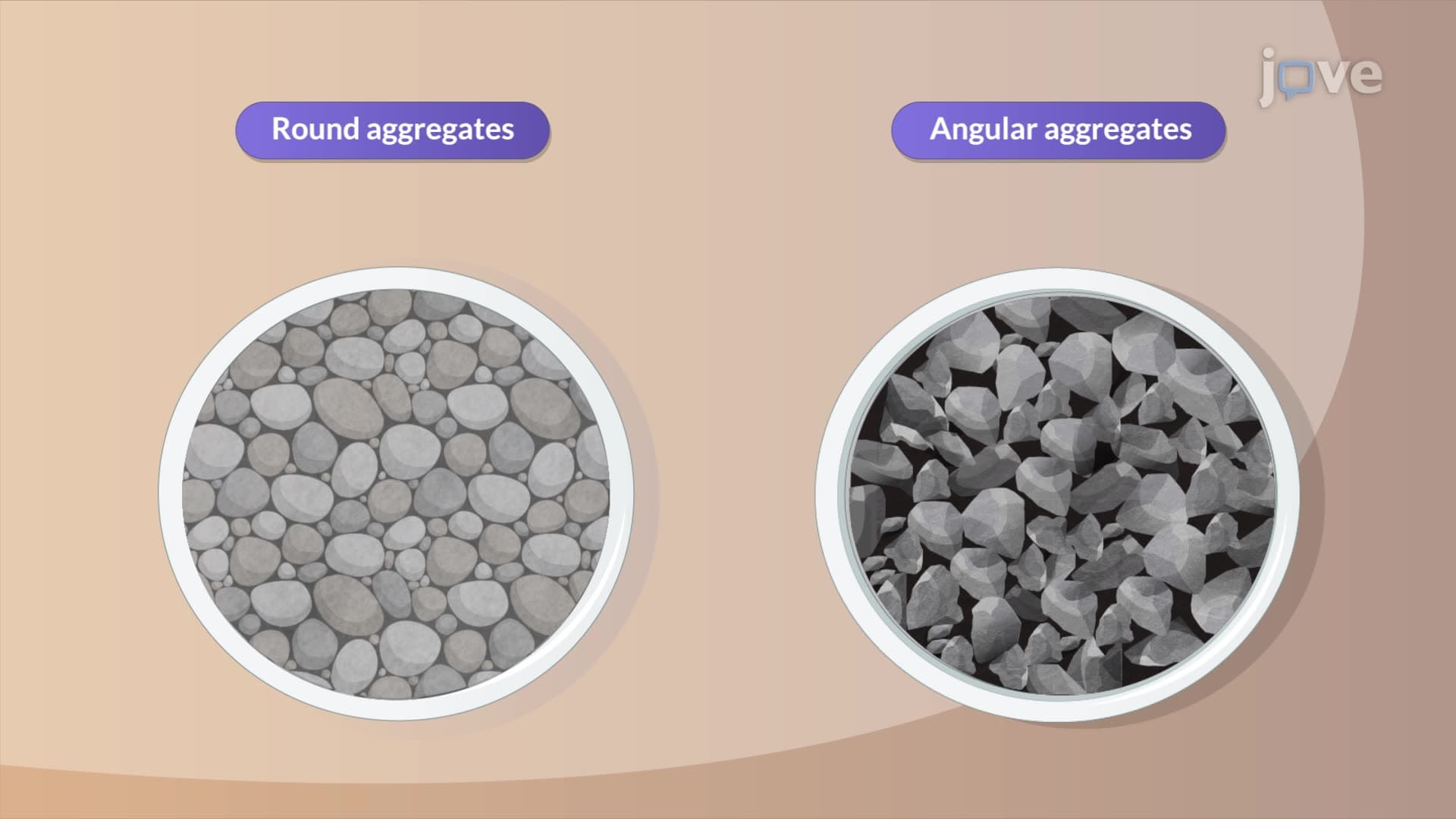
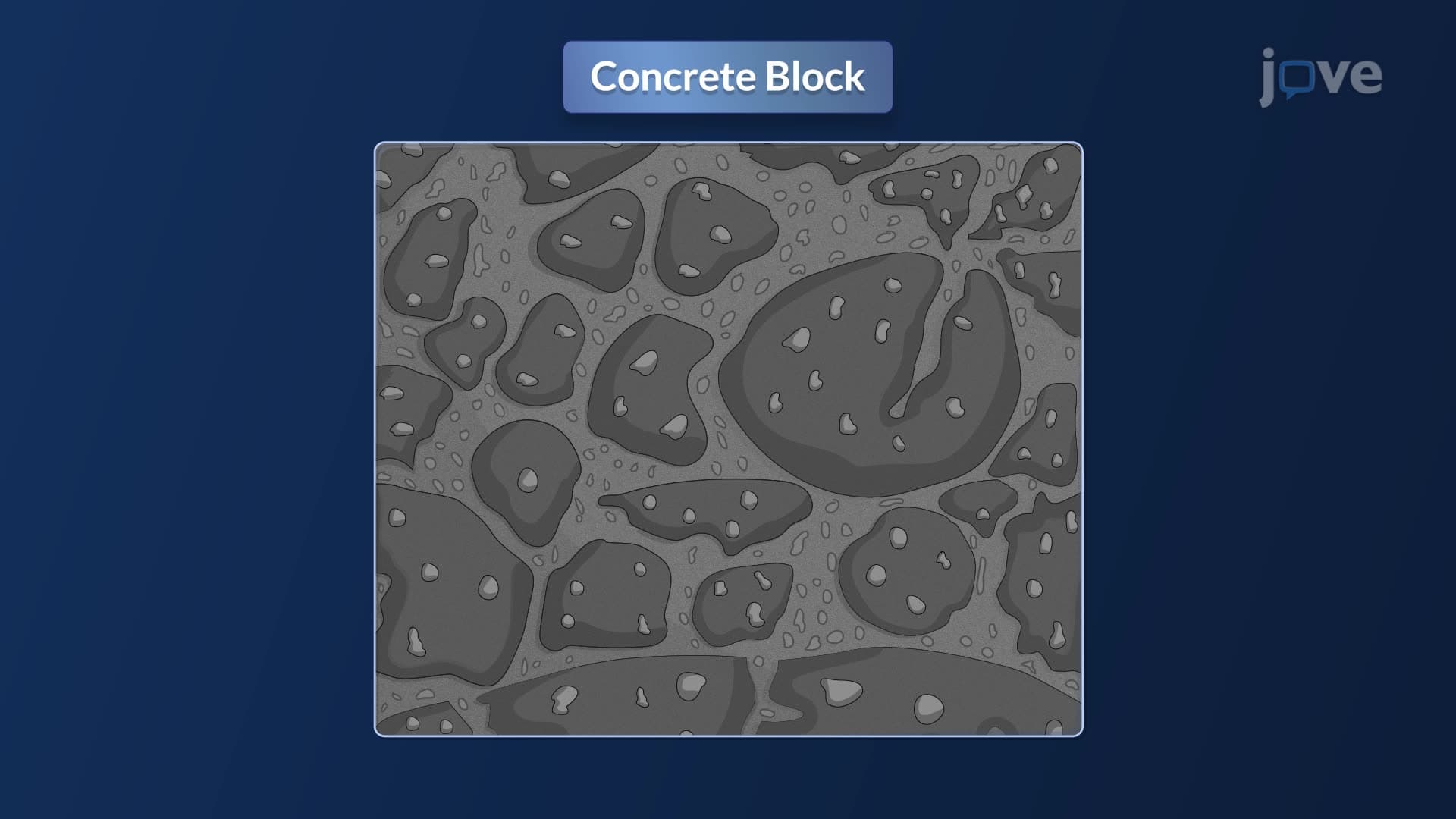
6. Shape, Texture, and Bonding Aggregate particle shape (roundness, sphericity) and surface texture significantly influence concrete workability and strength. Angular, rough-textured crushed stone provides superior bonding with cement paste compared to smooth, rounded river gravels, resulting in higher concrete strength. However, angular aggregates require more mixing energy and water for workability. Understanding these trade-offs helps engineers optimize mix designs for specific applications, from high-strength concrete for skyscrapers to workable mixes for large pours in dam construction projects across American river systems.