21 Concepts
14 Concepts
11 Concepts
11 Concepts
16 Concepts
8 Concepts
18 Concepts
12 Concepts
6 Concepts
12 Concepts
6 Concepts
5 Concepts
6 Concepts
9 Concepts
8 Concepts
8 Concepts
7 Concepts
9 Concepts
10 Concepts
8 Concepts
13 Concepts
5 Concepts
11 Concepts
10 Concepts
7 Concepts
6 Concepts
9 Concepts
10 Concepts
6 Concepts
9 Concepts
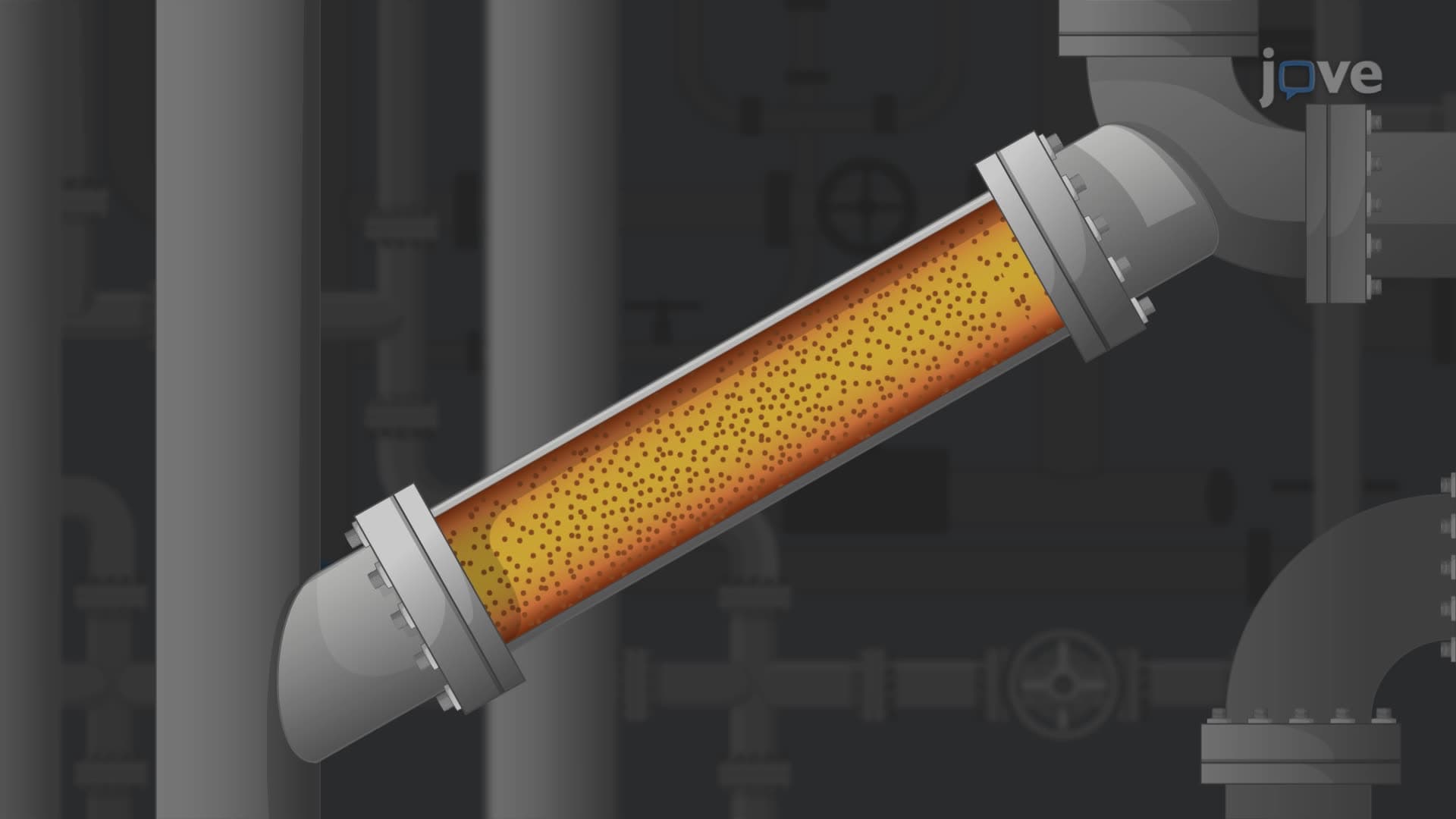
Differential analysis of fluid flow provides essential mathematical frameworks for understanding how fluids behave under various conditions. This comprehensive approach examines the Navier-Stokes equations, continuity equation, and potential flow theory to solve complex fluid motion problems encountered in engineering applications like pipeline design, water treatment systems, and groundwater management. Students will master these fundamental differential equations governing fluid motion through systematic analysis of laminar flows, irrotational flows, and viscous effects using JoVE Coach's interactive learning platform.
1. Euler's Equations and Inviscid Flow Analysis: Euler's equations represent the fundamental differential equations governing fluid motion when viscous effects are negligible. These equations derive from Newton's second law applied to fluid elements, incorporating pressure gradients and body forces like gravity while neglecting shear stresses. Engineers use Euler's equations to analyze high-Reynolds-number flows around aircraft wings and turbine blades. The equations integrate along streamlines to yield Bernoulli's equation, essential for analyzing flow in wind tunnels at NASA facilities and hydraulic systems in major US dams like Hoover Dam.
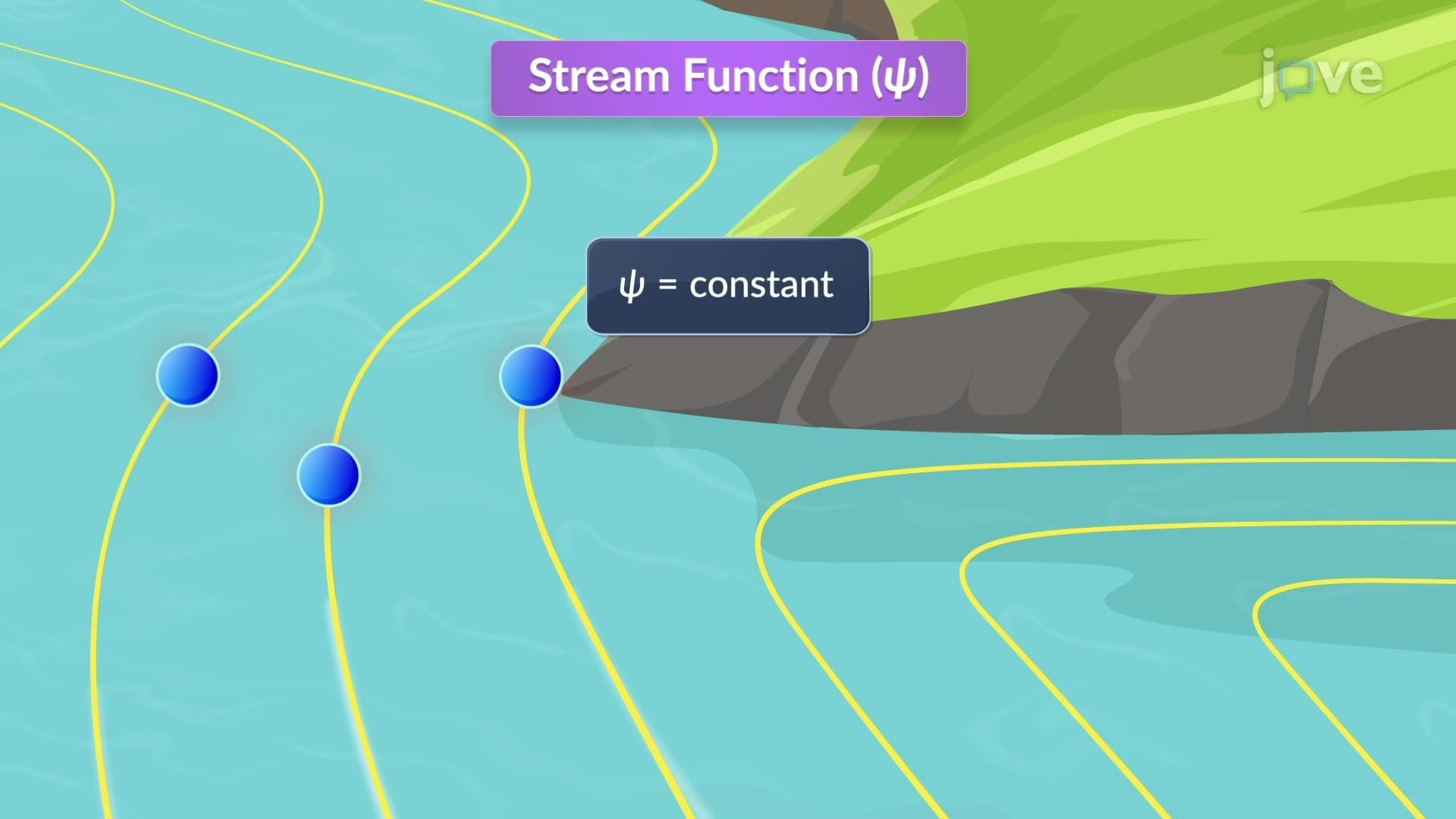
2. Stream Function and Continuity Equation: The stream function provides an elegant mathematical tool for analyzing two-dimensional incompressible flows while automatically satisfying mass conservation. In this approach, horizontal velocity equals the partial derivative of stream function with respect to vertical direction, while vertical velocity equals the negative partial derivative with respect to horizontal direction. This concept proves invaluable for analyzing flows around bridge piers in rivers like the Mississippi, groundwater seepage beneath levees in Louisiana, and air flow patterns around buildings in urban planning studies conducted by city engineers across major US metropolitan areas.
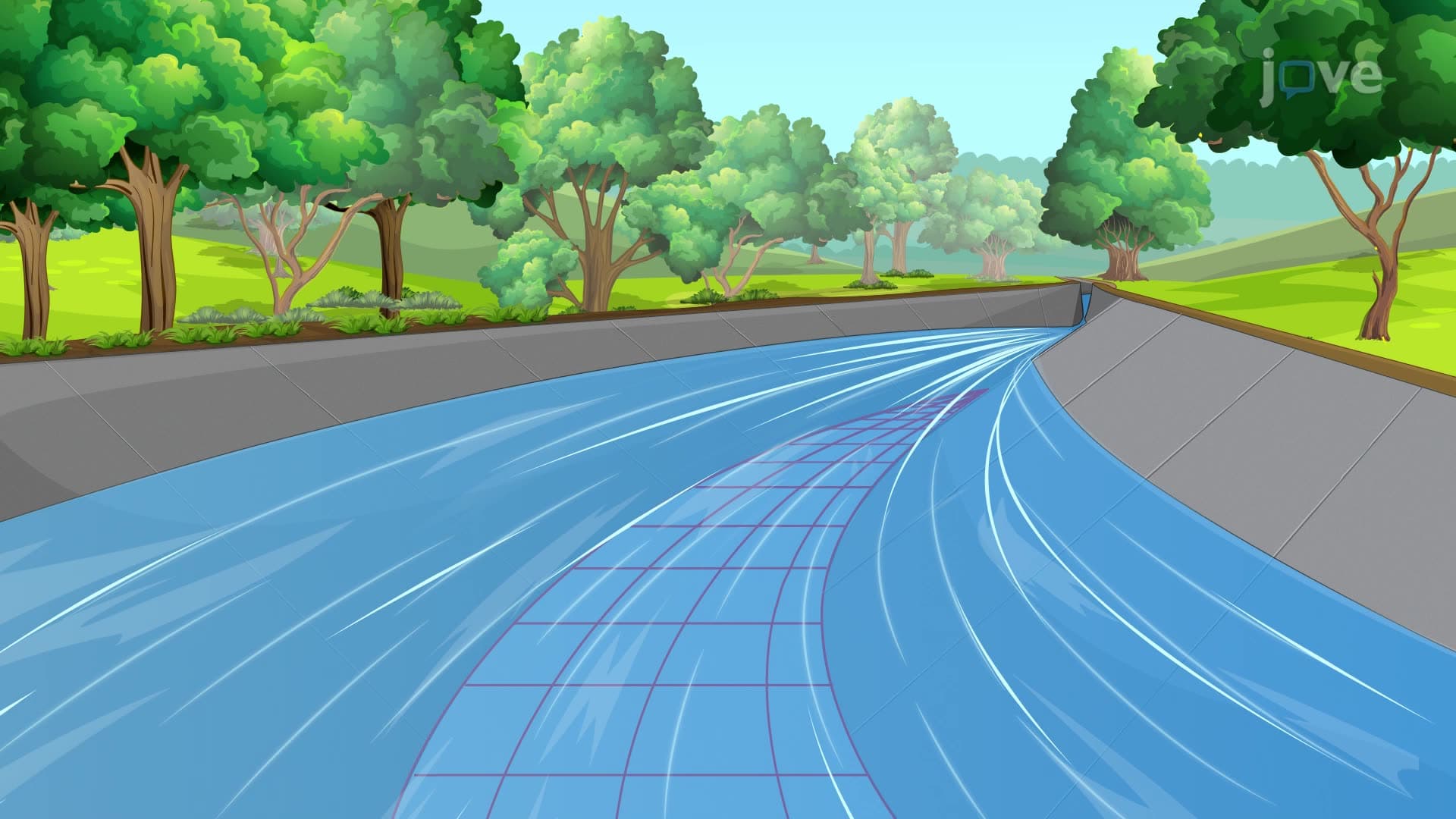
3. Irrotational Flow and Velocity Potential: Irrotational flow occurs when fluid particles translate without rotating, characterized by zero vorticity and curl of the velocity field. The velocity potential function describes such flows, where velocity components equal the gradient of this potential. Engineers apply this concept when analyzing flow around streamlined bodies like submarine hulls designed at Naval Surface Warfare Centers, airflow over wind turbine blades manufactured in Iowa and Texas, and water flow through spillways at Corps of Engineers facilities. The velocity potential satisfies Laplace's equation, providing a powerful analytical framework for solving complex flow problems.
4. Navier-Stokes Equations for Viscous Flows: The Navier-Stokes equations represent the most comprehensive differential equations governing fluid motion, incorporating viscous effects, pressure gradients, and inertial forces. These nonlinear partial differential equations describe how shear stresses develop proportionally to velocity gradients in Newtonian fluids. Applications include analyzing blood flow in cardiovascular research at Mayo Clinic, oil transport through Alaskan pipelines, and atmospheric boundary layer studies conducted by NOAA meteorologists. The equations simplify under specific conditions, enabling analytical solutions for flows between parallel plates and circular pipes commonly encountered in industrial applications.
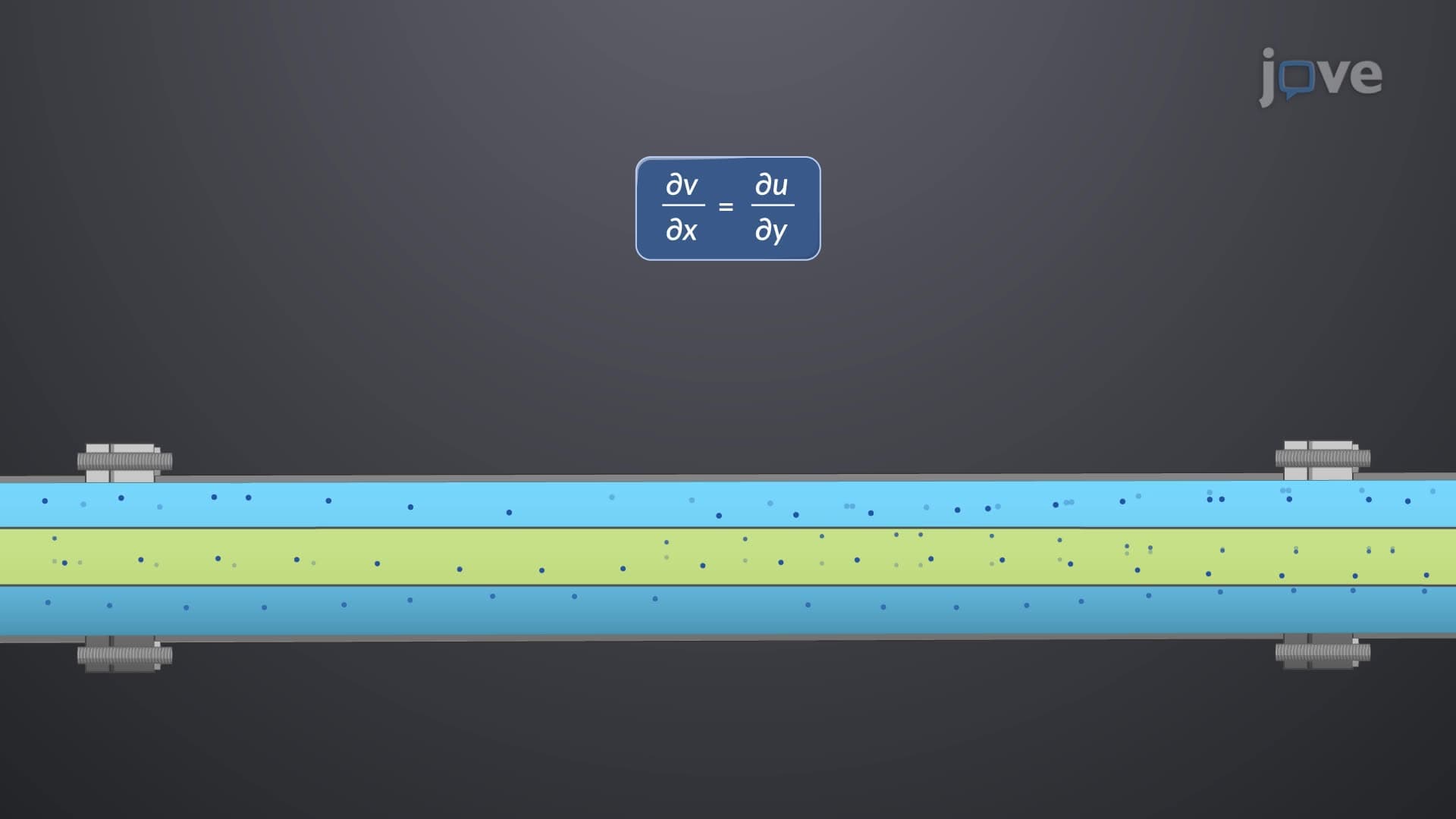
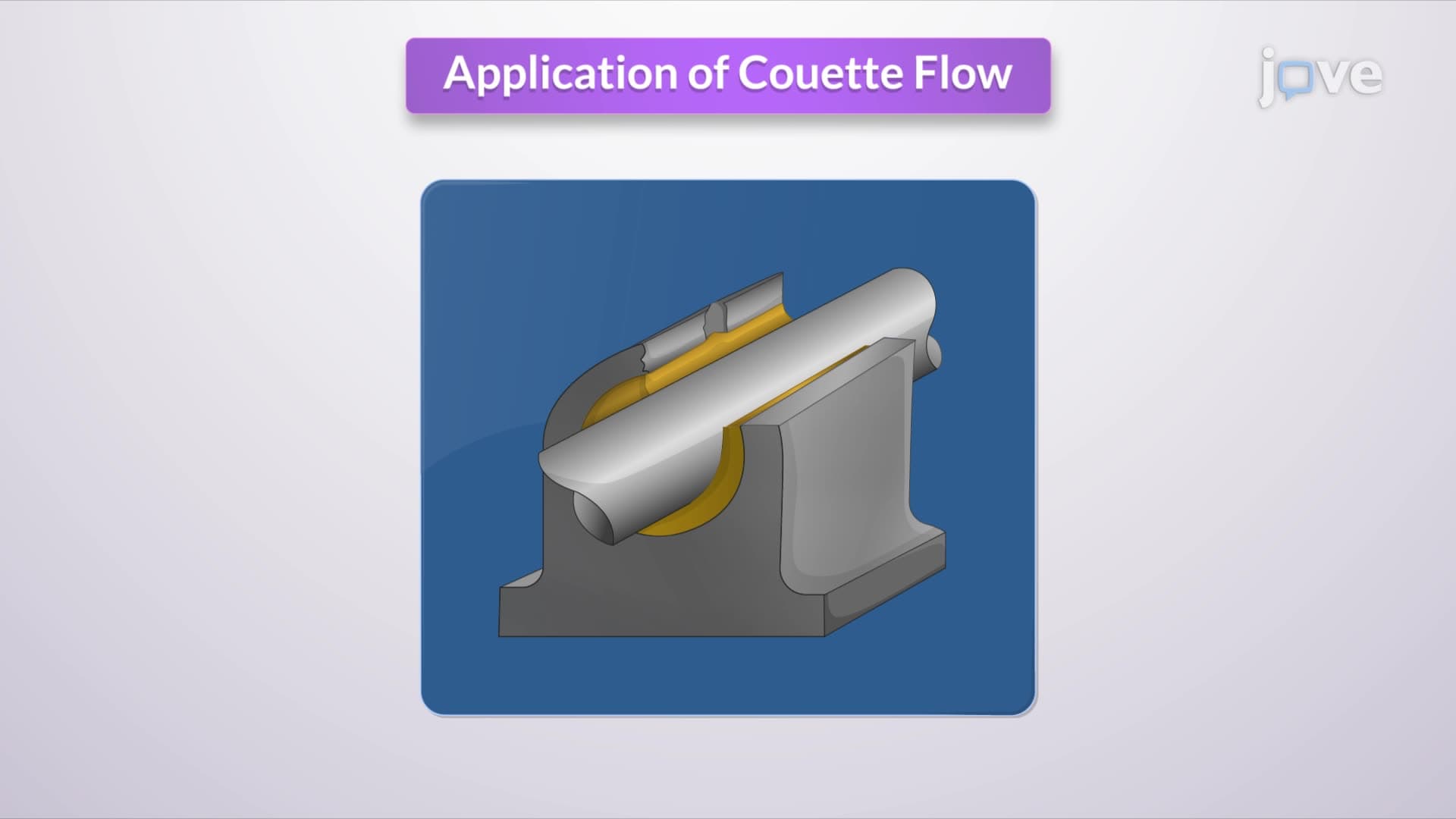
5. Laminar Flow Solutions and Engineering Applications: Analytical solutions to simplified Navier-Stokes equations provide exact descriptions of laminar flows in common geometries. Hagen-Poiseuille flow describes steady flow through circular pipes, revealing parabolic velocity profiles and flow rates proportional to the fourth power of pipe radius. Couette flow between parallel plates models lubrication in journal bearings used in water treatment plants throughout California's Central Valley. These solutions guide pipeline design for petroleum transport from Texas refineries, irrigation channel optimization in agricultural regions, and microfluidic device development in biomedical research laboratories at Stanford and MIT.