Loading video…


 10 Concepts
 7.3K views

Video Summary: What are Navier Stokes Equations
Ever wonder how engineers design the Boeing 787's wing to cut through air efficiently? Steady laminar flow between parallel plates demonstrates the fundamental principles behind the Navier-Stokes equations, which govern all fluid motion from aircraft wings to blood flow in arteries. These mathematical equations reveal how viscous fluids behave under different conditions, balancing forces like pressure, gravity, and internal friction. Understanding what are Navier Stokes equations unlocks the physics behind everything from NASA wind tunnel testing to cardiovascular device design. Watch the full video on JoVE Coach to master this concept with expert-led visuals and step-by-step explanations.
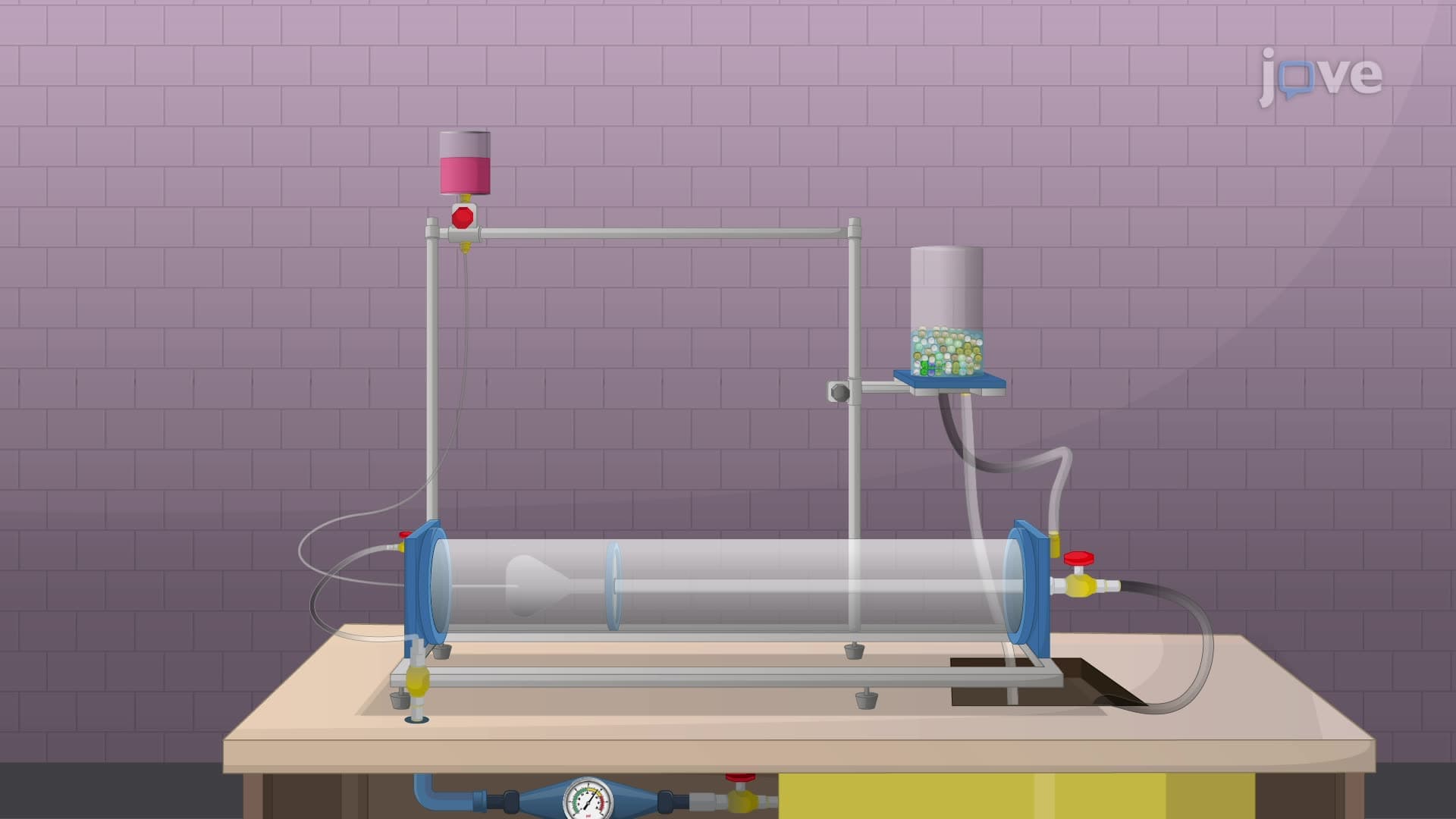
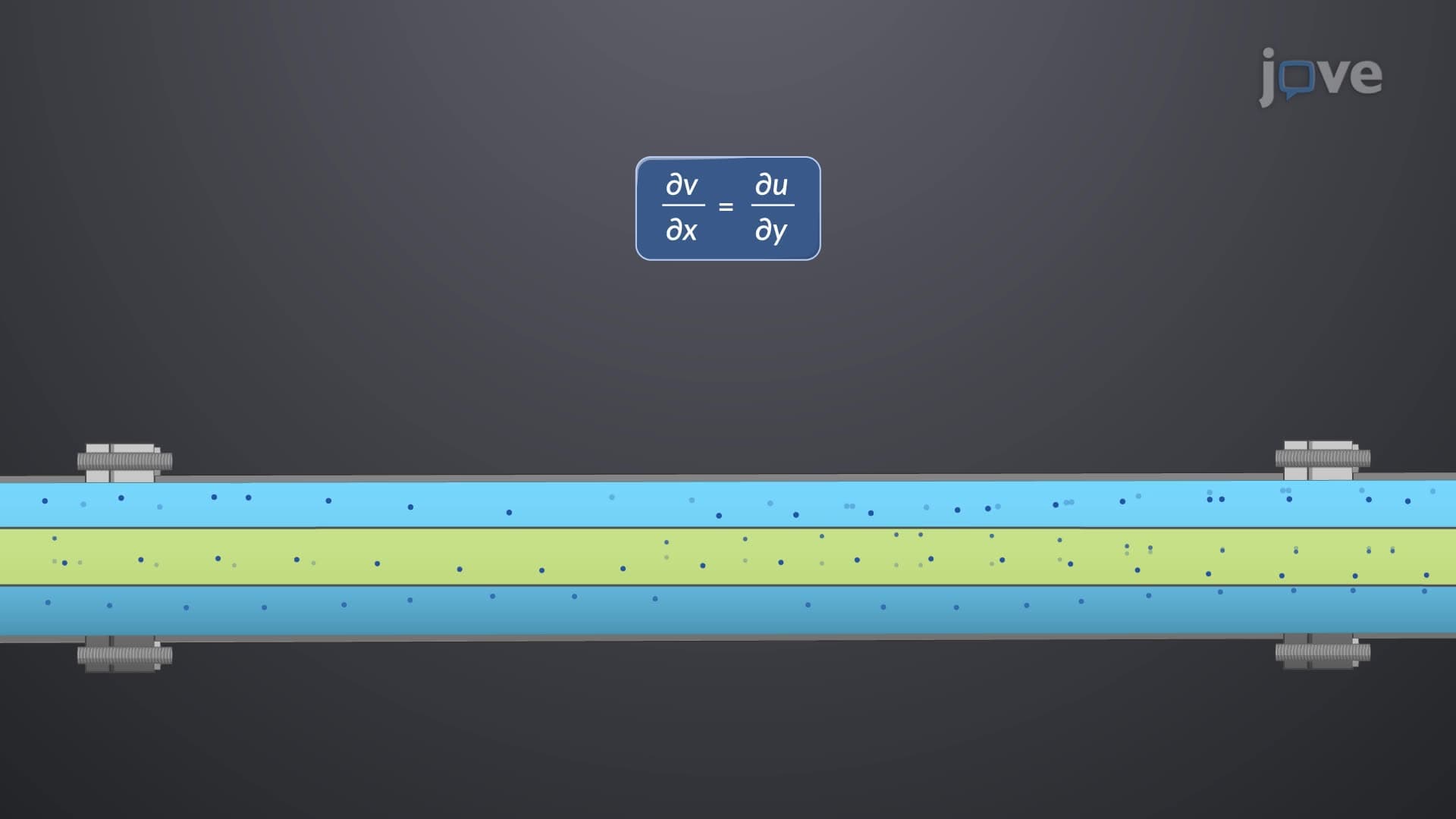
The Navier-Stokes equations represent one of the most important achievements in fluid mechanics, describing how viscous fluids behave under various conditions. These equations emerge from a fundamental principle: in viscous fluids, stress and deformation are intimately connected. When you observe steady laminar flow between parallel plates-imagine honey slowly flowing between two glass sheets-you're witnessing the Navier-Stokes equations in action.
In incompressible Newtonian fluids like water or air at moderate speeds, shear stress varies linearly with the rate of deformation. This relationship forms the cornerstone of the Navier-Stokes framework. Normal stresses depend on both pressure and directional deformation rates, while shear stresses describe how fluid layers slide past each other tangentially.
Consider steady laminar flow between parallel plates in a laboratory setting-this scenario frequently appears in AP Physics C exams and college fluid mechanics courses. The velocity profile develops predictably, with the fluid moving fastest at the center and approaching zero velocity near the walls due to the no-slip condition.
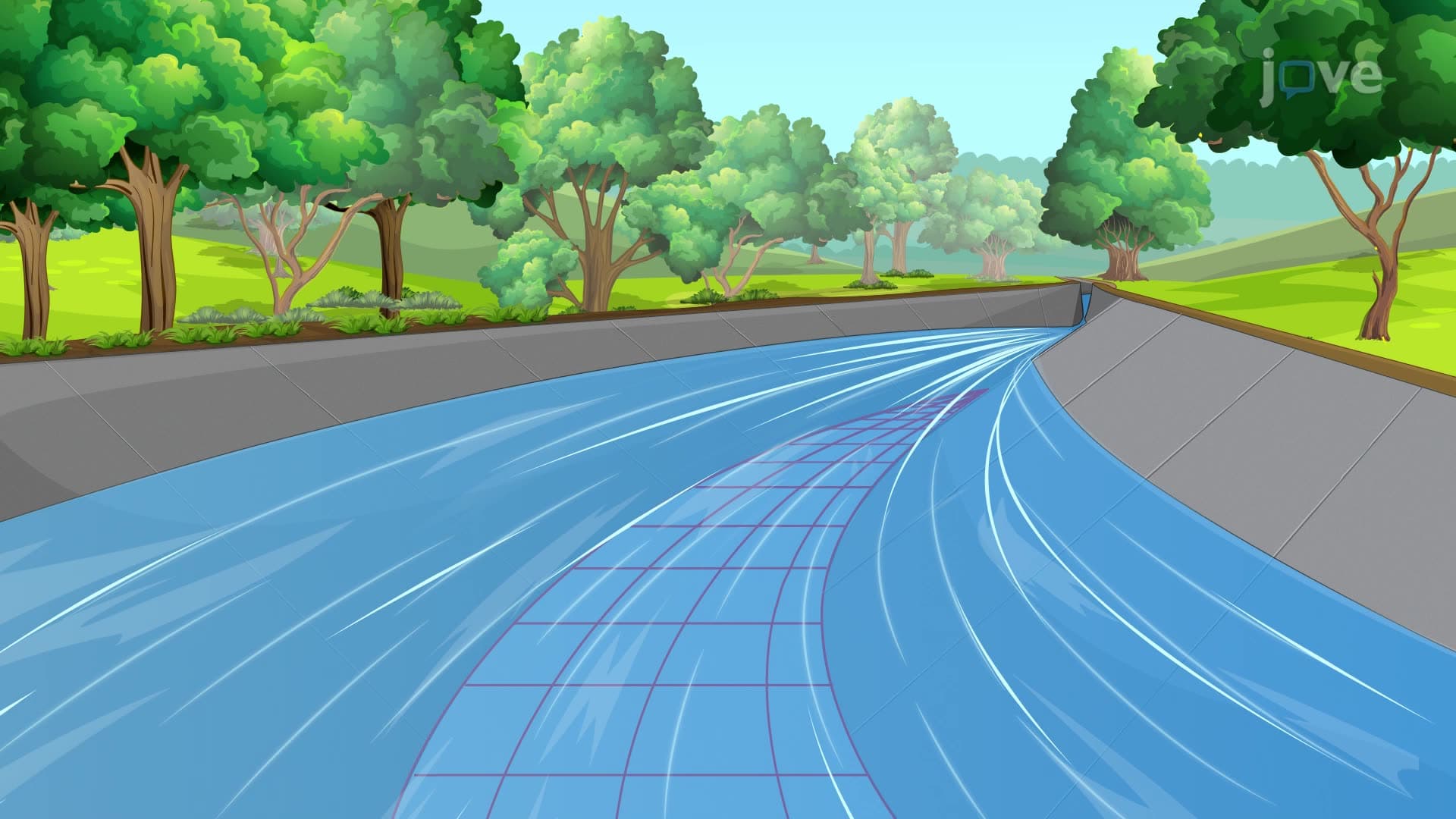
The Navier-Stokes equations balance multiple forces acting on fluid elements. The inertia term captures how moving fluids resist acceleration changes-think of how a river maintains its flow momentum. Pressure gradient terms drive fluid movement from high-pressure to low-pressure regions, similar to how weather systems move across the United States. Viscous terms represent internal friction, like the resistance you feel stirring thick maple syrup.
Each directional component of the equations accounts for both internal forces (viscosity) and external forces (gravity, electromagnetic fields). This comprehensive approach allows engineers to predict fluid behavior in complex scenarios, from designing more efficient heart pumps at the Mayo Clinic to optimizing fuel injection systems in Ford's automotive plants.
For steady laminar flow between parallel plates, the Navier-Stokes equations simplify dramatically. Time-dependent terms vanish, and the flow becomes one-dimensional, making the mathematics tractable for undergraduate engineering students. This simplification appears frequently in MCAT physics passages and engineering licensure exams.
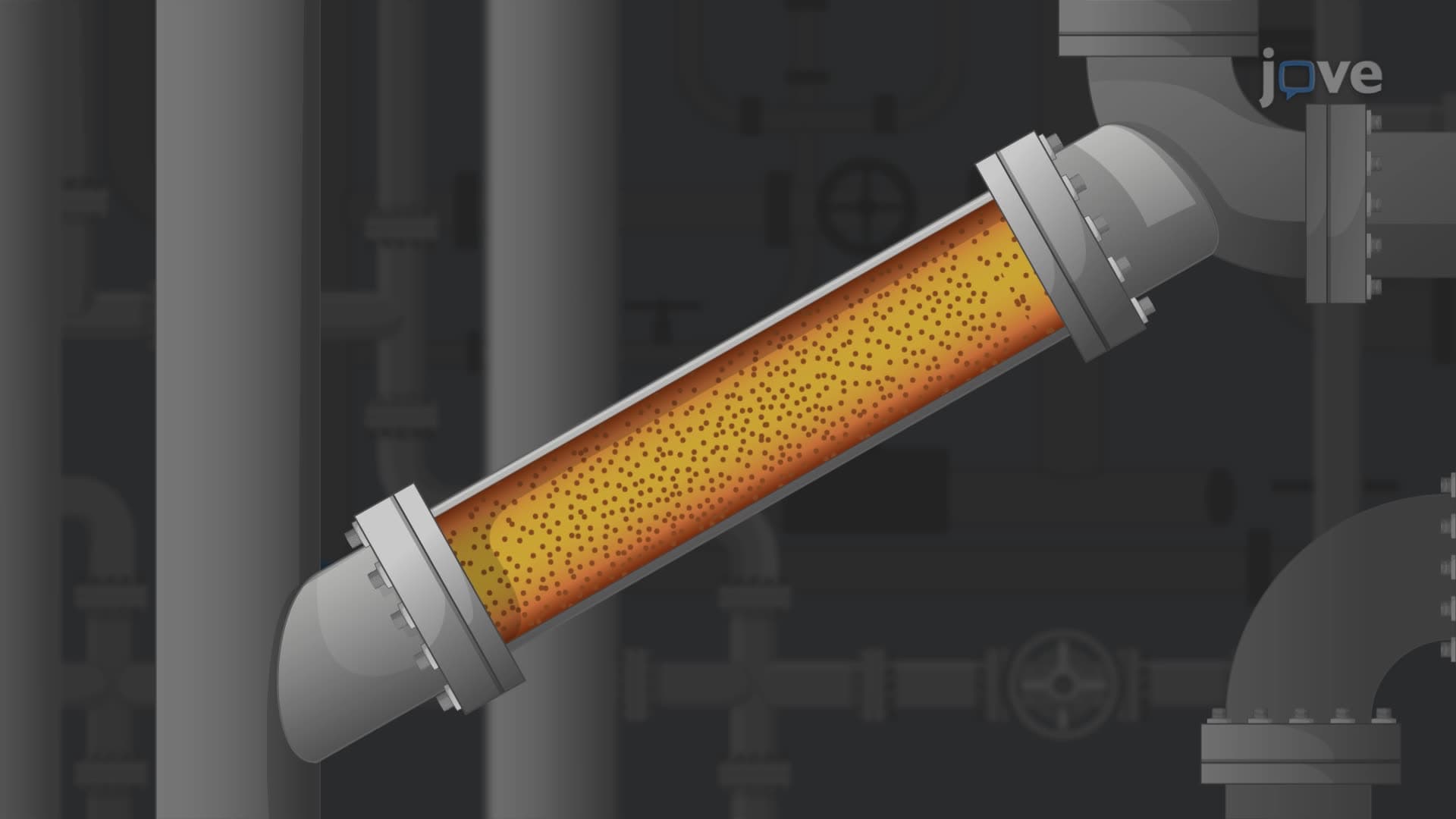
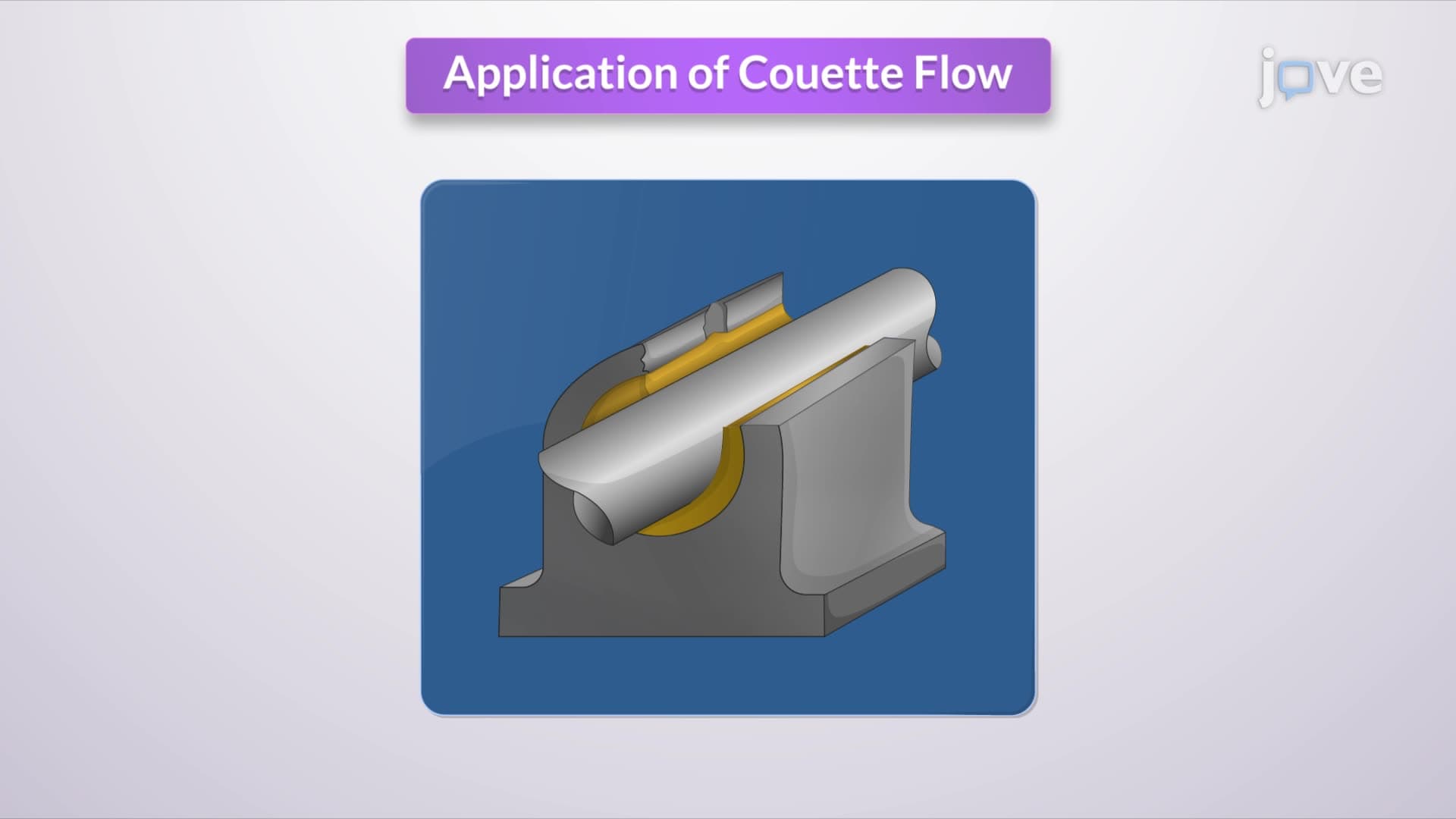
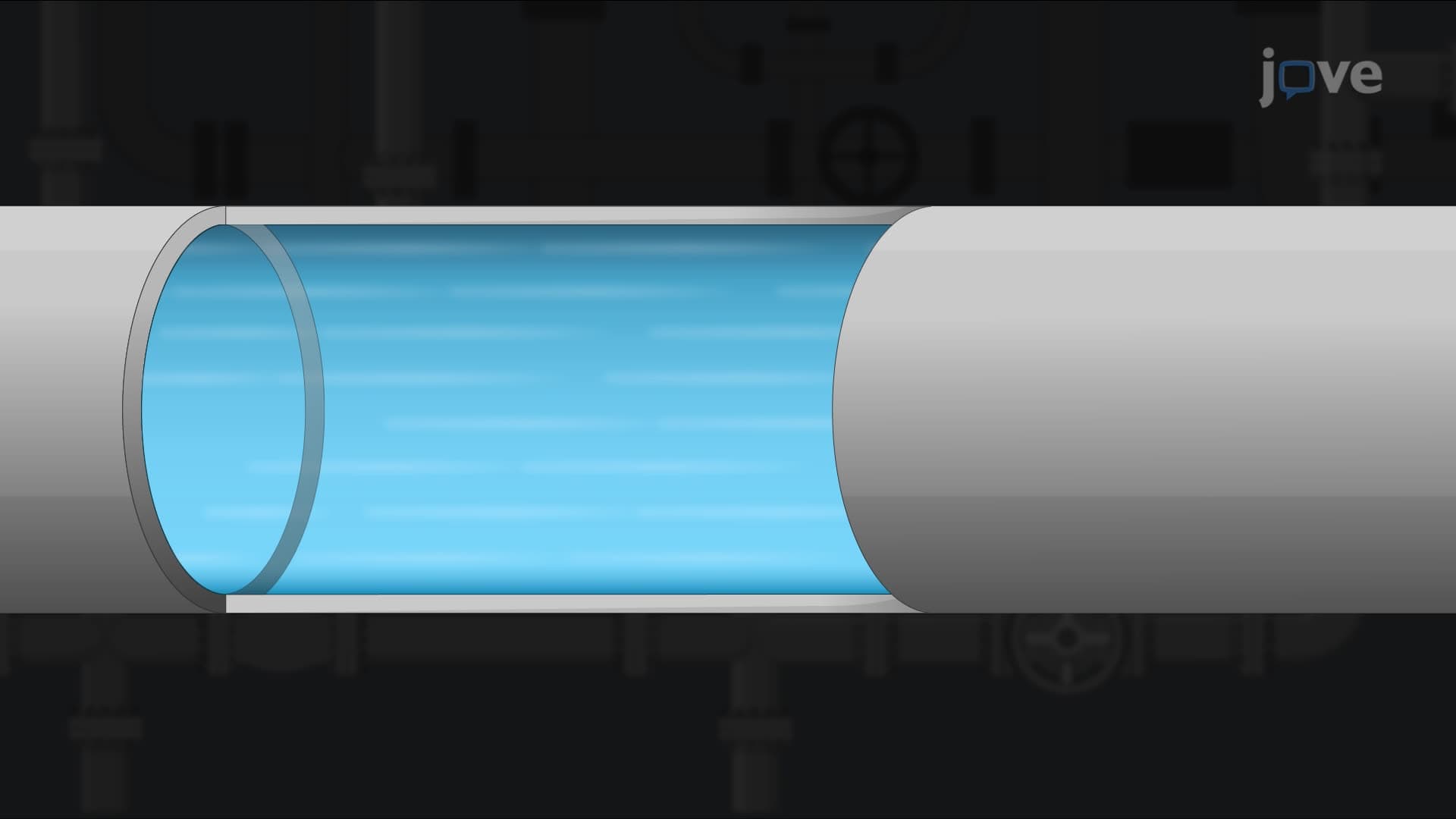
Real applications include microfluidic devices used in medical diagnostics, oil flow in pipelines across Texas and Alaska, and air conditioning systems in skyscrapers. Understanding these simplified cases builds intuition for more complex three-dimensional flows encountered in aerospace and biomedical engineering careers.
Related Micro-courses