Loading video…


 10 Concepts
 7.3K views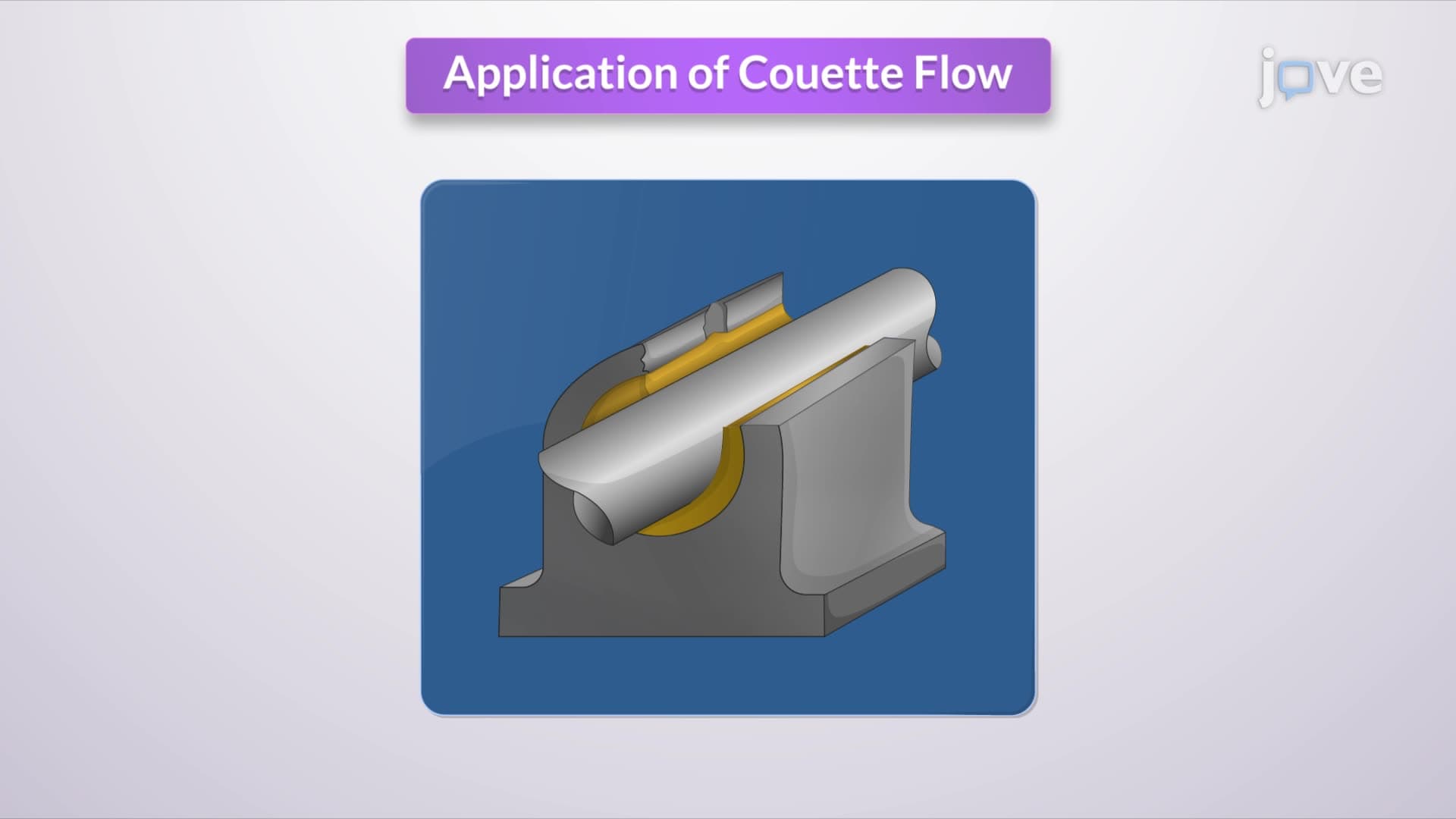

Video Summary: What Is Couette Flow
Ever wonder how the oil in your car's engine flows smoothly between moving parts? Steady laminar flow creates this precise motion, with Couette flow demonstrating how fluid moves between two parallel surfaces when one remains stationary and the other moves at constant speed. This fundamental fluid mechanics principle explains the behavior of lubricants in automotive water pump bearings across the United States. Watch the full video on JoVE Coach to master this concept with expert-led visuals and step-by-step explanations.
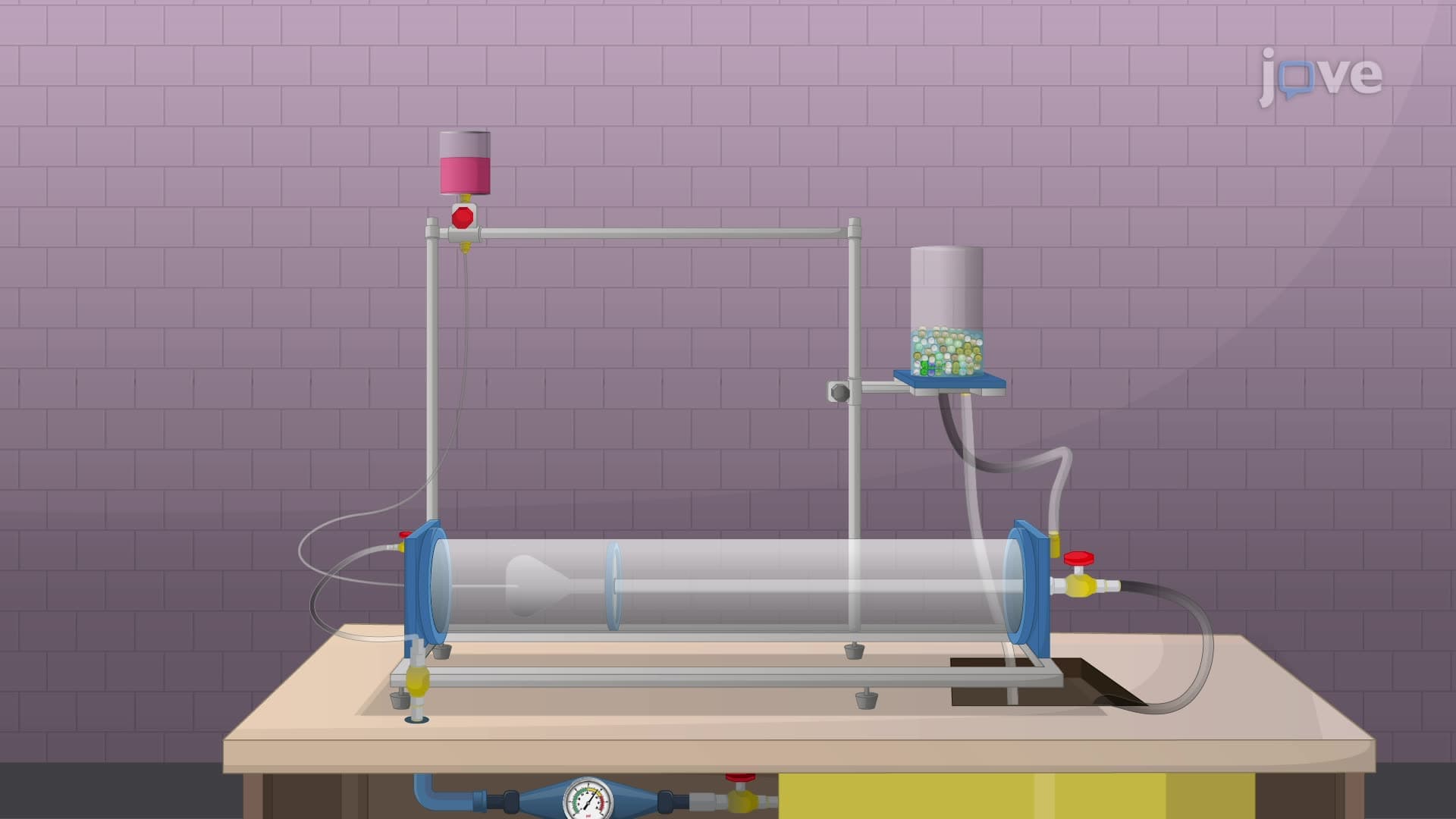
Couette flow represents one of the most elegant examples of steady laminar flow in fluid mechanics. This flow pattern occurs when fluid moves between two parallel plates, with one plate remaining stationary while the other moves at constant velocity. The resulting motion creates a linear velocity profile that students can visualize and calculate with relative ease compared to more complex flow scenarios.
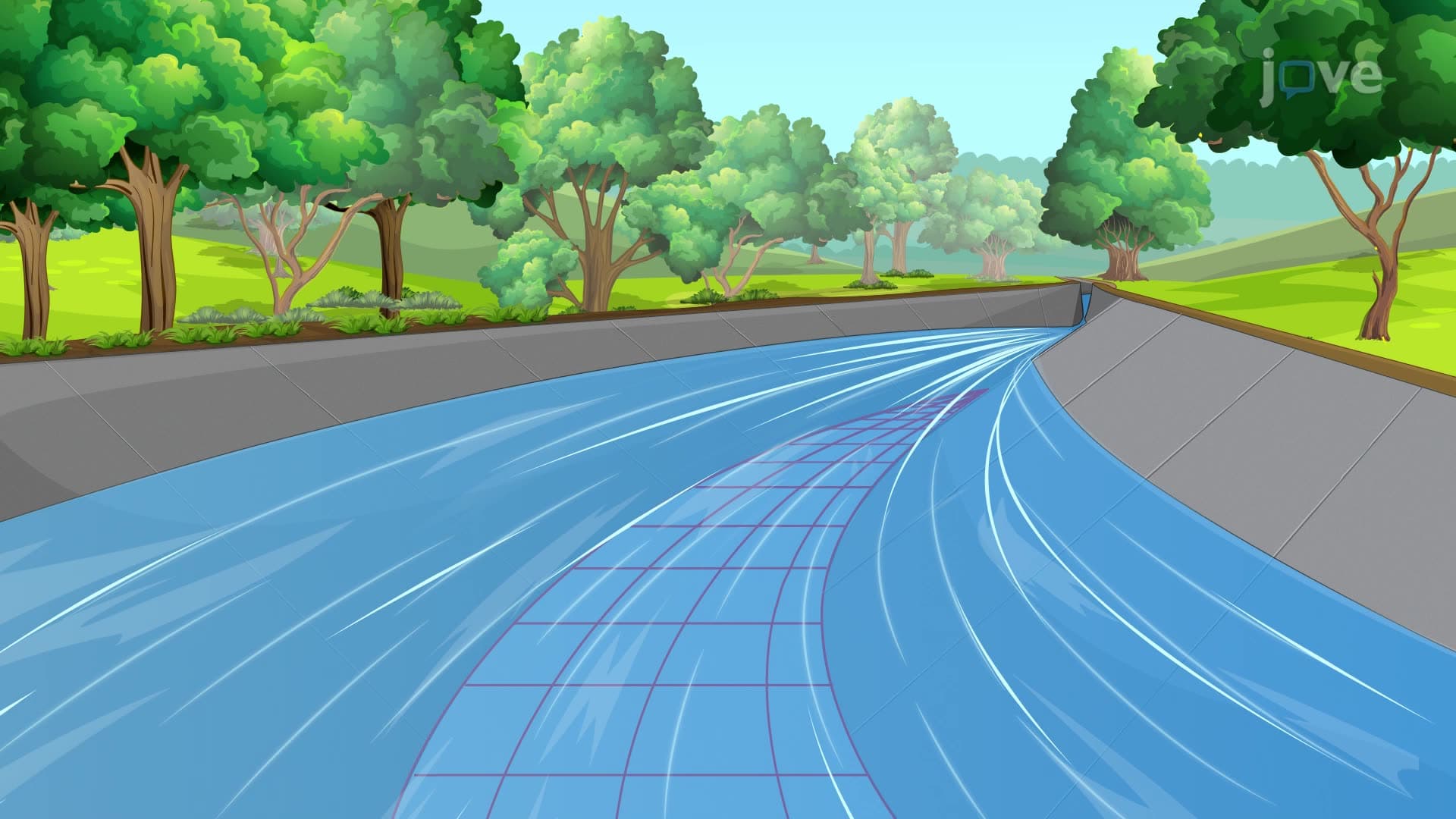
The steady laminar flow definition encompasses fluid motion where streamlines remain parallel and undisturbed over time. In Couette flow specifically, this translates to smooth, predictable motion without turbulent mixing or chaotic behavior. Students preparing for AP Physics or introductory college fluid mechanics courses will encounter this as a foundational concept that bridges theoretical understanding with practical applications.
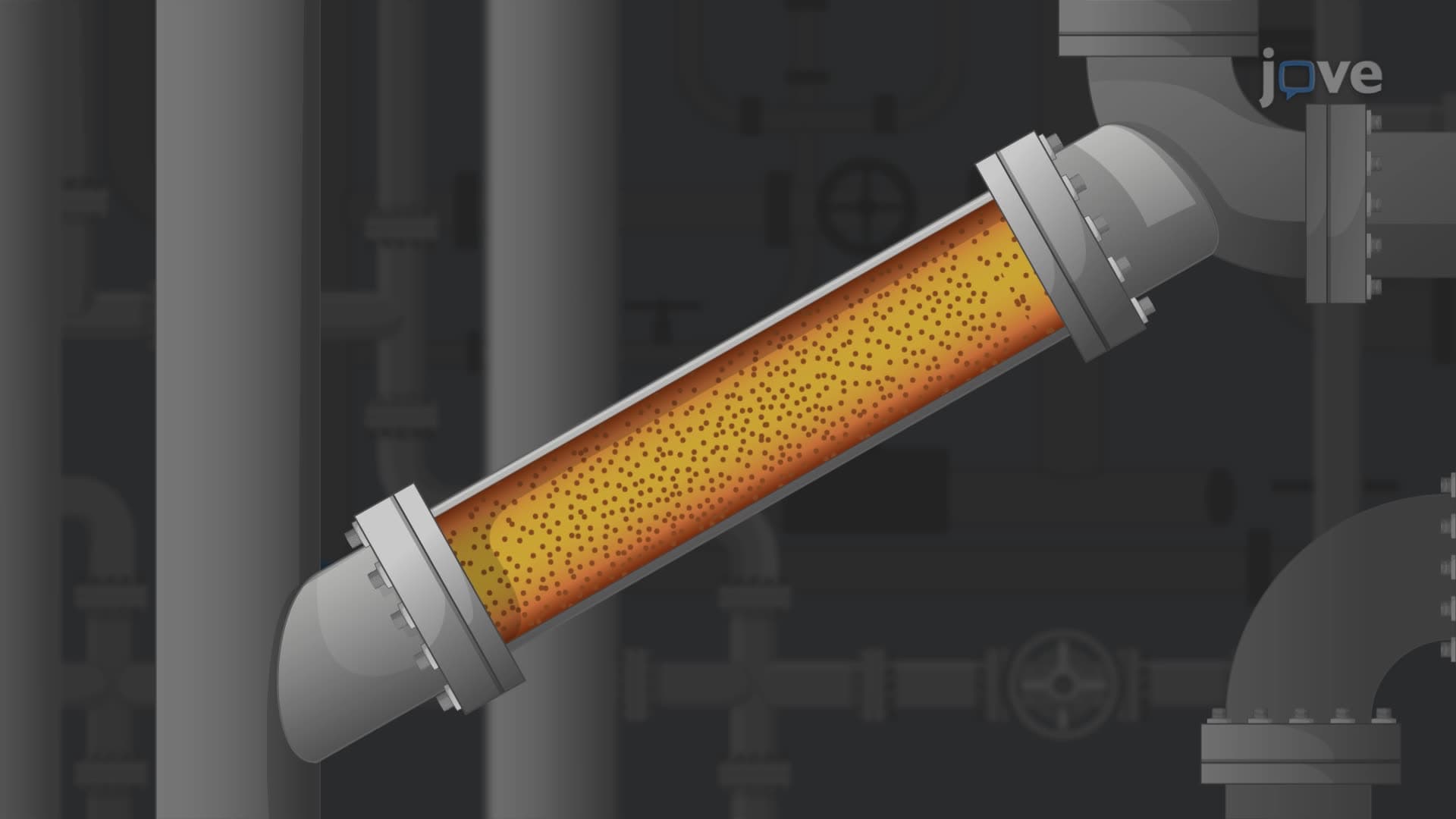
What is steady laminar flow in detail? This flow regime maintains consistent velocity gradients perpendicular to the flow direction, with fluid particles following orderly paths. The Reynolds number remains low, typically below 2,300 for most practical applications, ensuring stability and predictability that engineers rely upon in design calculations.
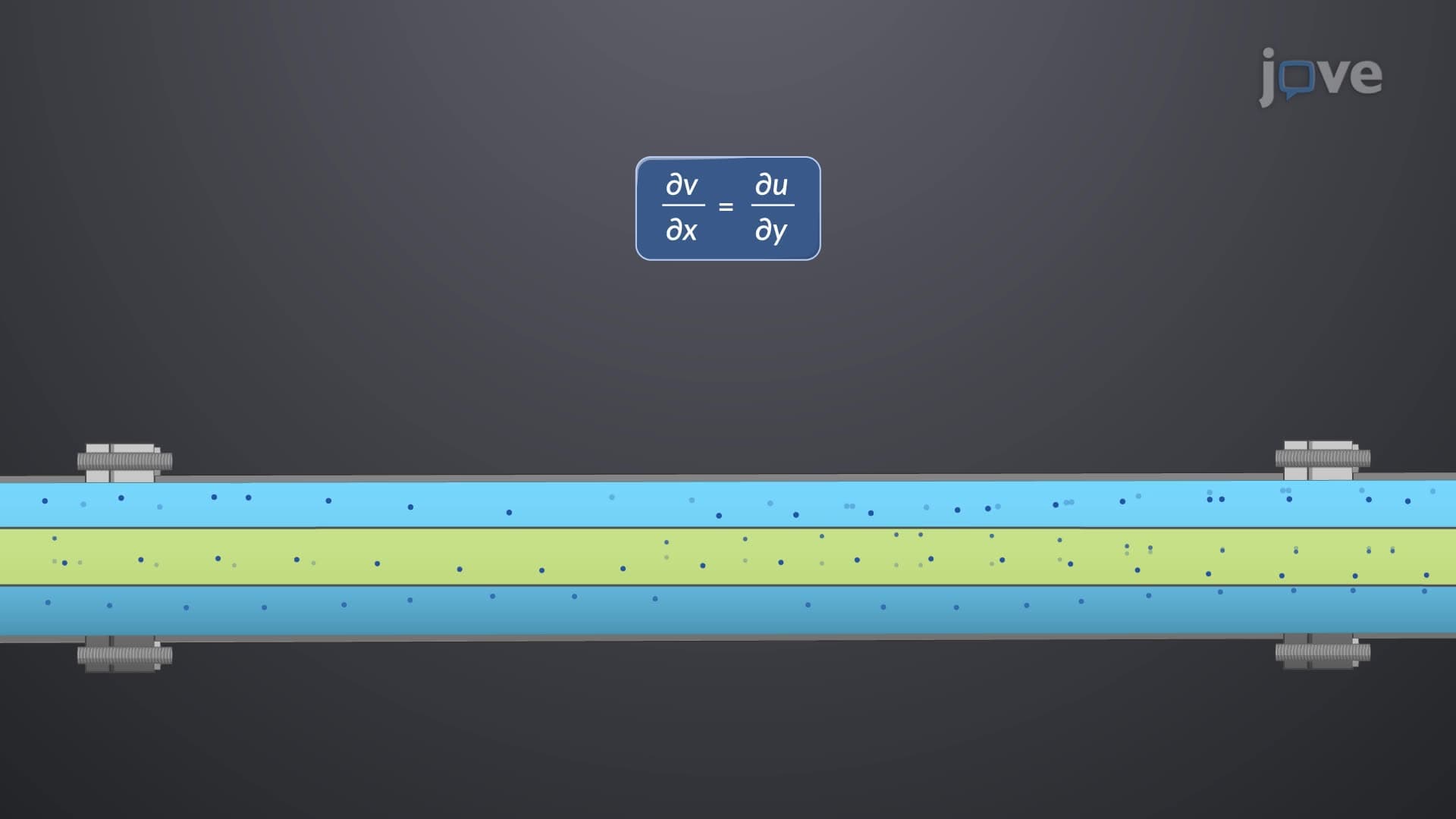
The beauty of Couette flow lies in its mathematical simplicity. The Navier-Stokes equations reduce to a straightforward form when applied to this geometry, making it an excellent teaching tool for MCAT preparation and engineering coursework. A key dimensionless parameter governs flow variations, with zero values indicating pure shear-driven motion without pressure effects.
Students studying for college fluid mechanics exams should understand that when no pressure gradient exists along the flow direction, the velocity profile becomes perfectly linear. This creates a direct relationship between position and velocity that appears frequently in homework problems and standardized tests.
Couette flow principles govern lubrication systems throughout American manufacturing and automotive industries. Water pump bearings in vehicles from Ford, General Motors, and Tesla utilize thin lubricant films that behave according to Couette flow dynamics. The rotating shaft creates shear motion within the stationary housing, generating the linear velocity profiles students learn in classroom settings.
Similarly, industrial machinery across the United States-from Boeing aircraft engines to Caterpillar construction equipment-relies on bearing systems where Couette flow determines lubricant behavior, heat generation, and component longevity.
Related Micro-courses