Loading video…


 10 Concepts
 7.3K views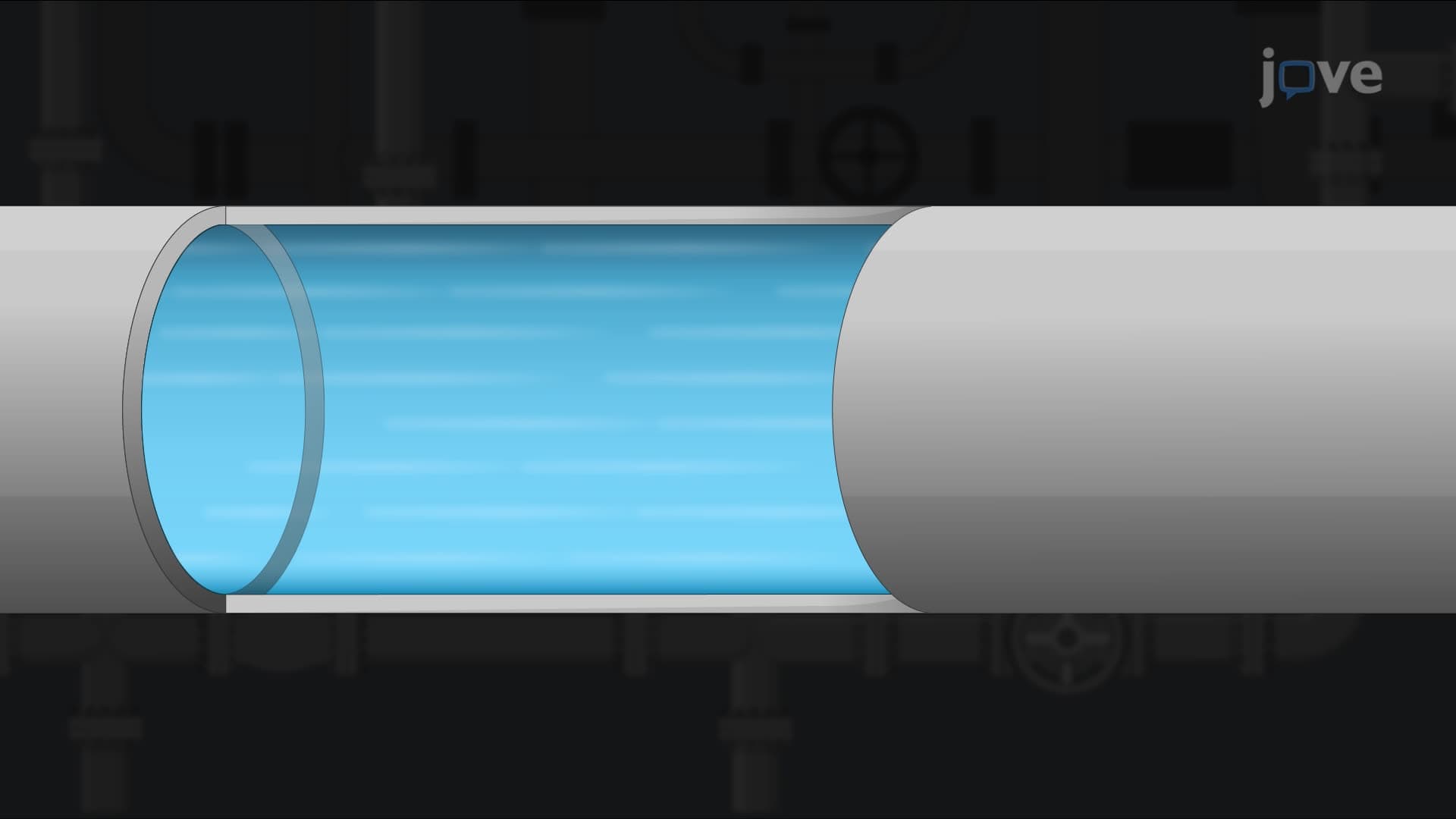

Video Summary: What Is Steady Laminar Flow
Ever wondered why oil flows differently through a straw versus a garden hose? A design example flow of oil through pipes demonstrates steady laminar flow principles that govern everything from blood circulation to petroleum transport across US refineries. What is steady laminar flow reveals how fluids move in organized layers, with fastest movement at the center and zero velocity at pipe walls. Watch the full video on JoVE Coach to master this concept with expert-led visuals and step-by-step explanations.
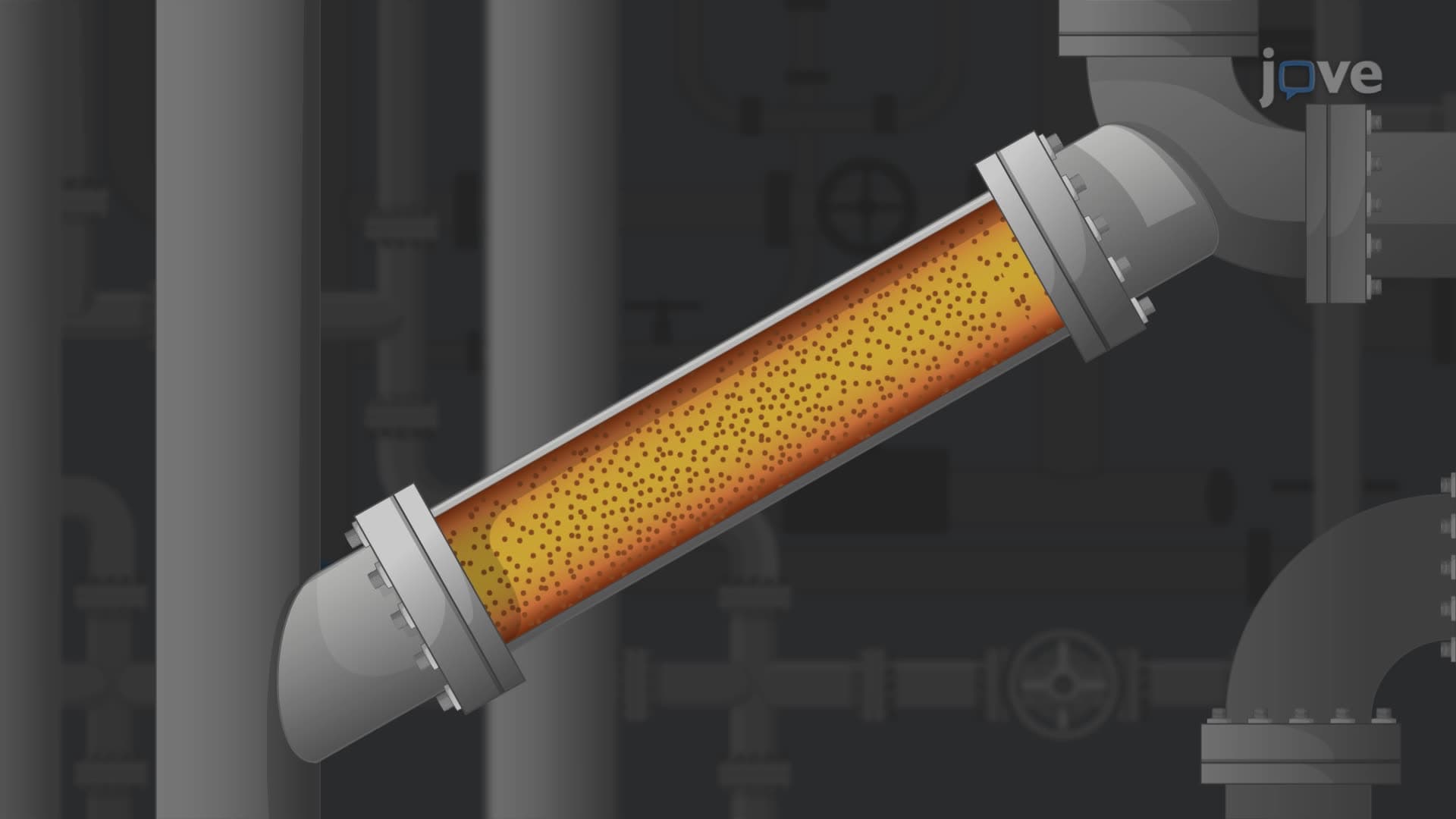
Design example flow of oil through pipelines perfectly illustrates steady laminar flow principles that engineering students encounter in fluid mechanics courses. This fundamental concept describes fluid motion where particles move in smooth, parallel layers without mixing between adjacent streams. Unlike turbulent flow with chaotic mixing, laminar flow maintains organized velocity profiles that follow predictable mathematical patterns.
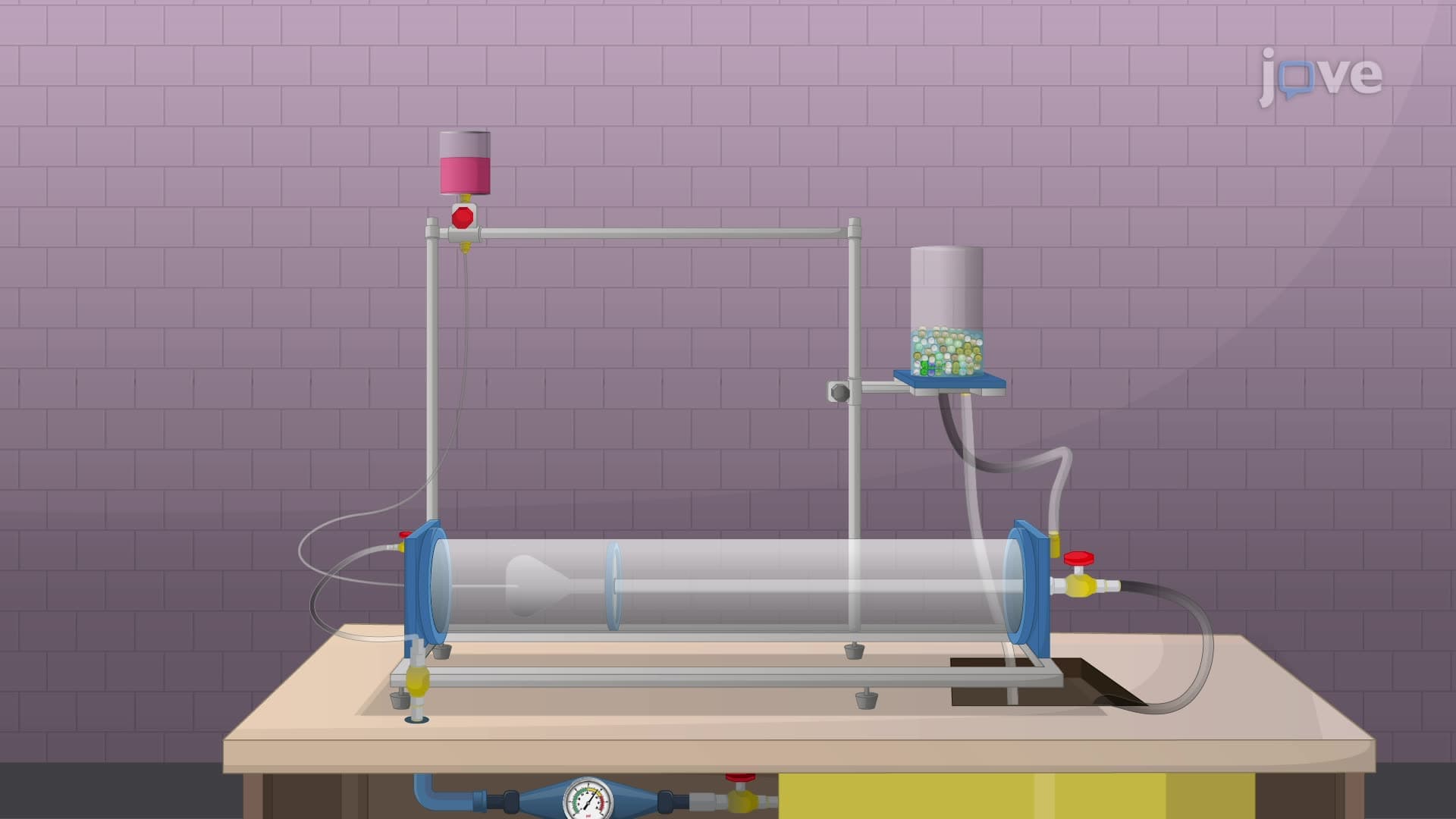
The design example flow of oil tutorial typically begins with Hagen-Poiseuille flow analysis in cylindrical tubes. When incompressible fluid flows through a straight pipe of constant radius, the velocity distribution forms a characteristic parabolic shape. At the tube center, velocity reaches its maximum value, while fluid particles touching the pipe wall experience zero velocity due to the no-slip boundary condition.
This velocity profile follows the equation: v(r) = v_max[1 - (r/R)²], where r represents radial distance from the center and R is the tube radius. The design example flow of oil concept demonstrates that mean velocity equals exactly half the maximum velocity, a relationship crucial for engineering calculations in petroleum transport systems across US refineries.
How design example flow of oil works becomes clear through Poiseuille's law, which quantifies flow rate relationships. The volumetric flow rate Q depends on the fourth power of tube radius, making pipe diameter critically important in system design. Doubling the radius increases flow rate by 16 times, explaining why major oil pipelines like the Alaska Pipeline use large-diameter pipes for efficient transport.
US engineering students studying for AP Physics or college fluid mechanics courses should understand that Poiseuille's law applies when Reynolds number stays below 2,300, ensuring laminar conditions. Above this threshold, flow becomes turbulent with dramatically different behavior patterns.
The design example flow basics extend beyond theoretical calculations to practical engineering solutions. Medical device manufacturers use laminar flow principles when designing IV drips and blood flow analyzers. Pharmaceutical companies rely on these concepts for precise liquid dosing systems, while automotive engineers apply them to fuel injection system design.
Students preparing for MCAT physics sections encounter laminar flow in cardiovascular system analysis, where blood flow through capillaries follows similar parabolic velocity profiles. Understanding these fundamentals helps future medical professionals comprehend circulatory system mechanics and diagnostic equipment operation.
Related Micro-courses