Loading video…


 10 Concepts
 7.3K views

Video Summary: Eulers Equations of Motion Tutorial
Ever wonder how NASA engineers predict spacecraft trajectories through fluid atmospheres? The stream function serves as a mathematical compass for tracking fluid particle paths, essential in aerospace applications like designing the Space Shuttle's atmospheric reentry profile. This Euler's Equations of Motion Tutorial reveals how inviscid flow principles govern everything from water flowing around bridge pillars to air moving over aircraft wings. By mastering these foundational equations, you'll understand how pressure gradients and body forces drive fluid motion without viscous interference. Watch the full video on JoVE Coach to master this concept with expert-led visuals and step-by-step explanations.
Euler's equations represent the cornerstone of inviscid fluid mechanics, providing a mathematical framework that engineers use daily in aerospace, civil, and mechanical applications. These equations emerge when viscous effects become negligible-a common assumption for high-speed flows or low-viscosity fluids like air and water under specific conditions.
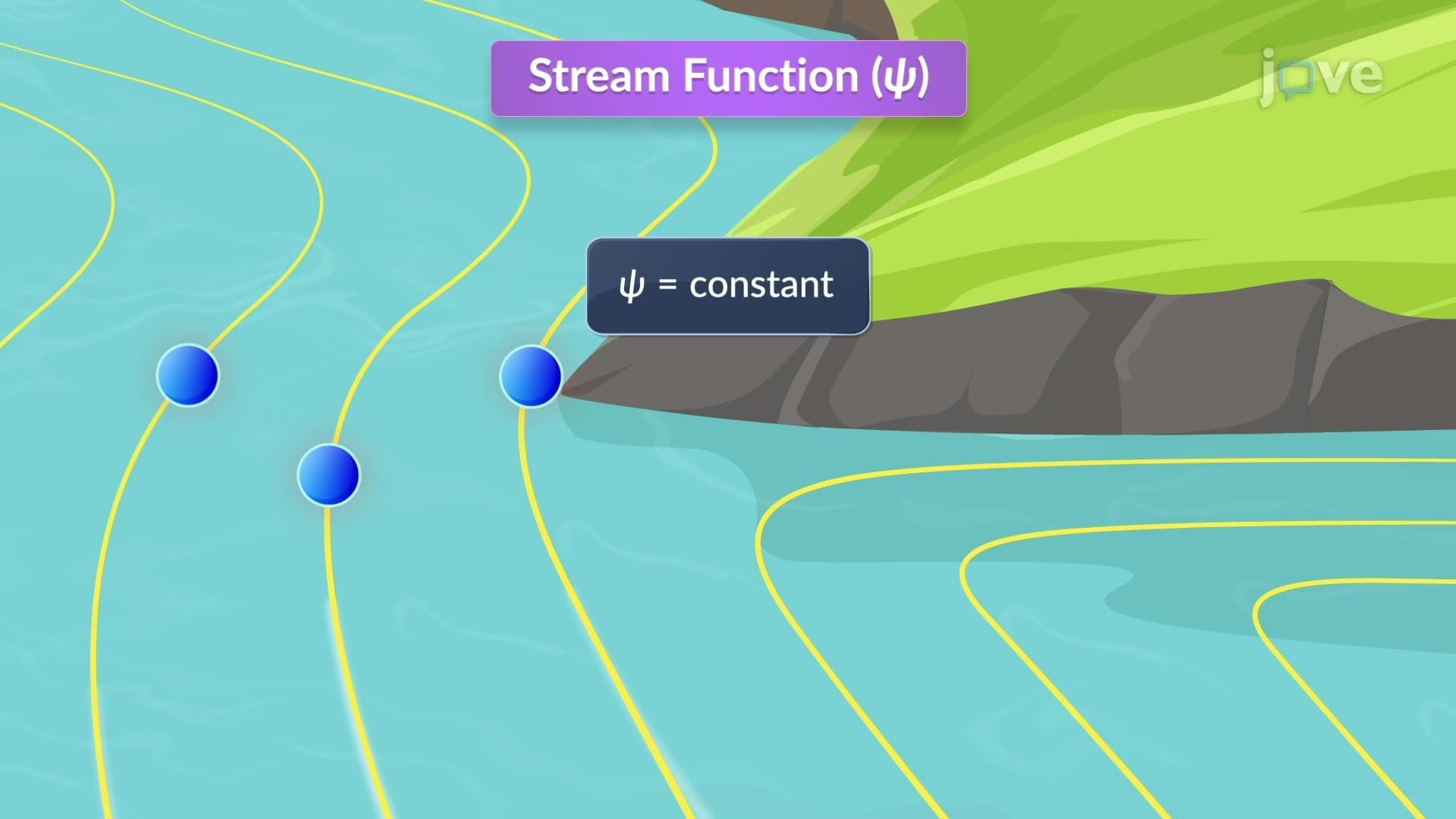
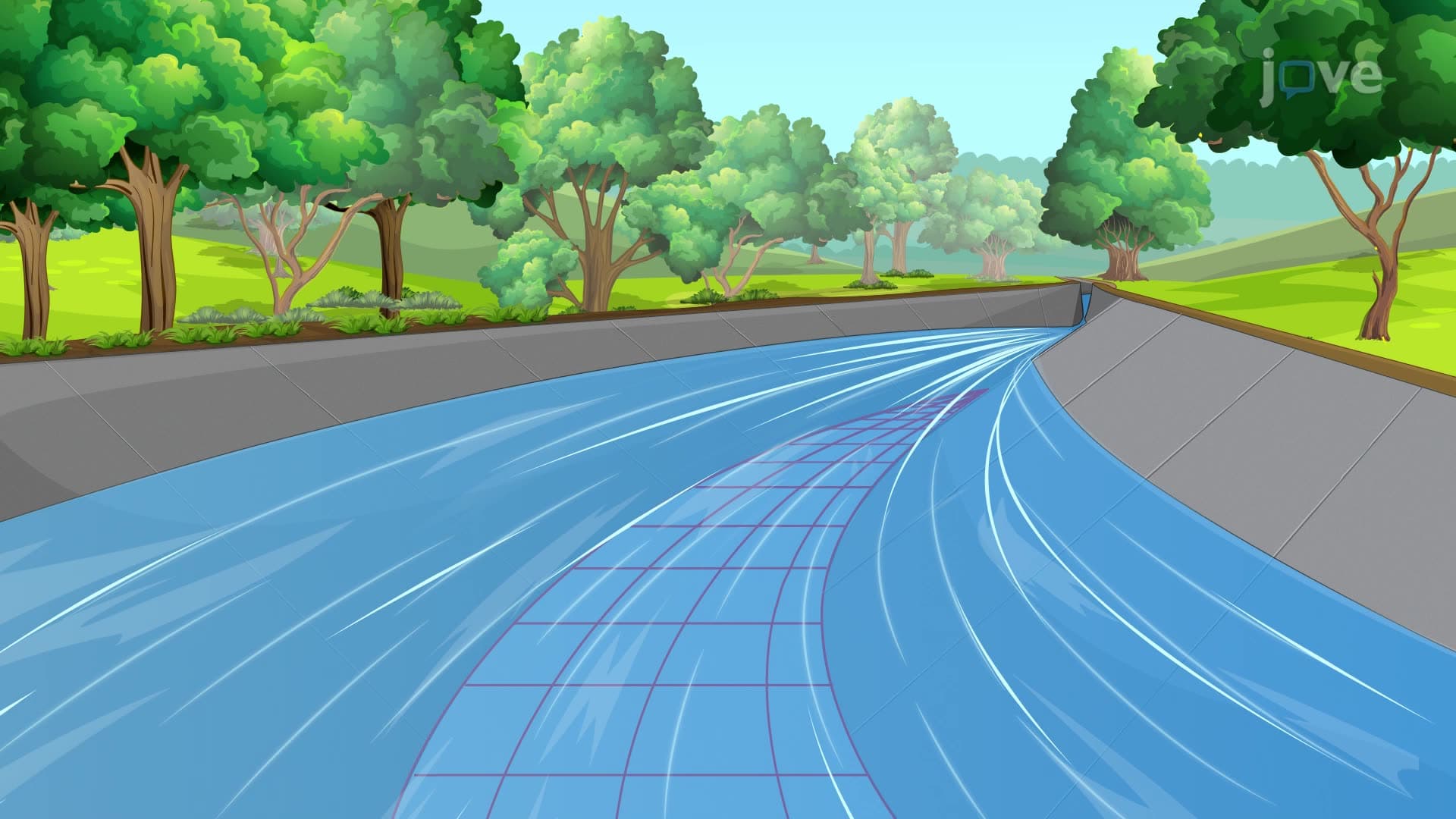
The stream function definition centers on a scalar function that describes fluid flow patterns without explicitly tracking individual particles. When examining what is stream function in detail, we discover it serves as a mathematical tool that automatically satisfies the continuity equation for incompressible flow. This stream function overview reveals its power: streamlines represent constant values of the stream function, making flow visualization intuitive for engineers designing everything from hydroelectric turbines at Hoover Dam to wind patterns around Chicago's Willis Tower.
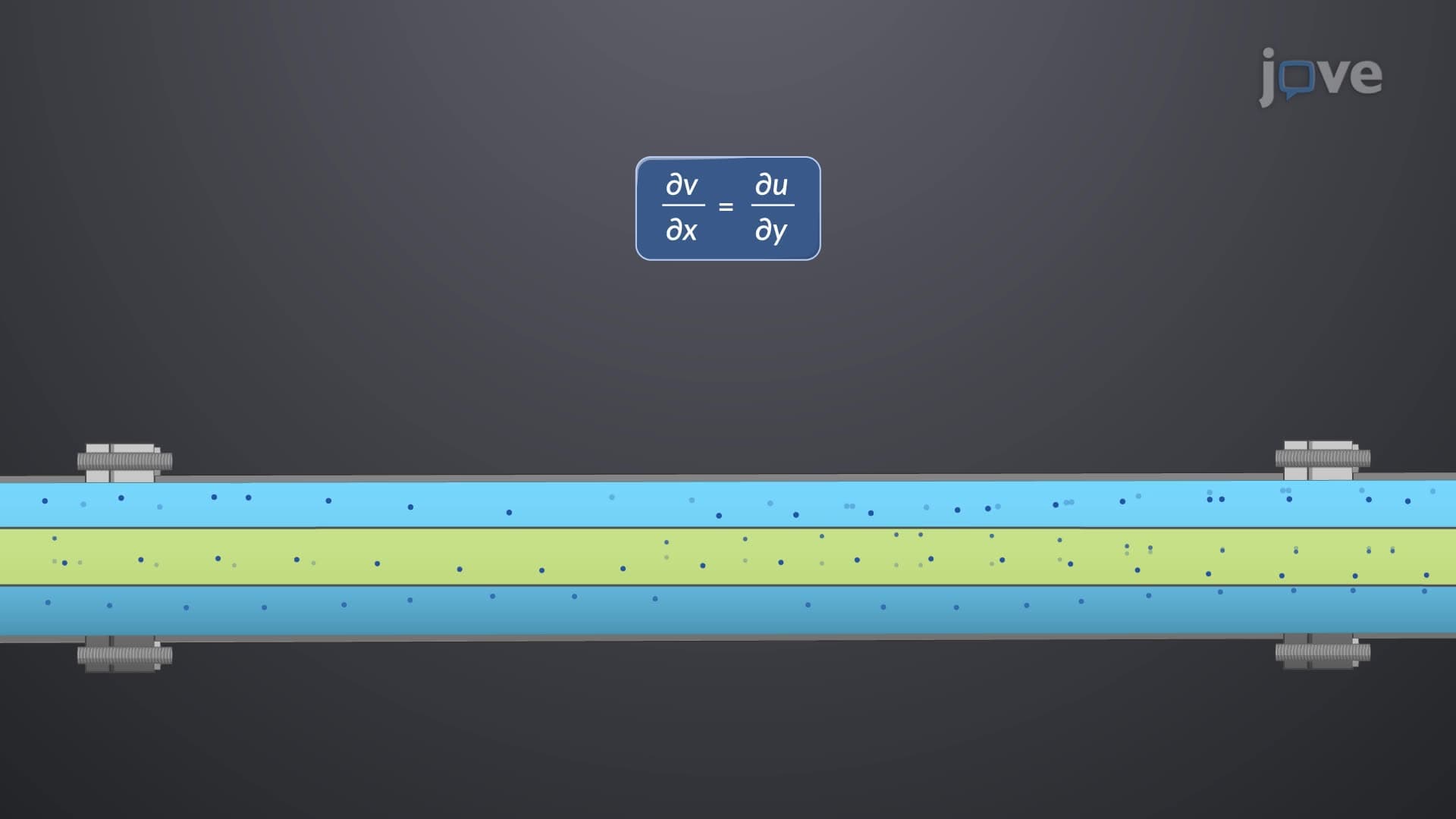
In inviscid flows, pressure becomes independent of direction-a critical insight for understanding stream function applications. This directional independence means engineers can analyze pressure at any point without considering stress orientation, simplifying calculations for projects like designing pipeline networks across Texas oil fields or predicting air pressure distributions over California's Central Valley during agricultural spraying operations.
These concepts frequently appear in AP Physics C: Mechanics exams and college-level fluid mechanics courses at institutions like MIT and Stanford. Students preparing for MCAT physics sections encounter stream function basics when analyzing circulatory system flow, while engineering majors apply these principles in capstone projects involving everything from HVAC system design to aerodynamic analysis of NASCAR vehicles at Daytona International Speedway.
The stream function concept proves invaluable for solving complex flow problems that would otherwise require advanced computational methods. This stream function study guide approach transforms abstract mathematical concepts into practical engineering tools, enabling future professionals to tackle challenges in renewable energy, transportation, and environmental engineering across American industries.
Related Micro-courses