Loading video…


 10 Concepts
 7.3K views

Video Summary: Design Example Flow of Oil Explained
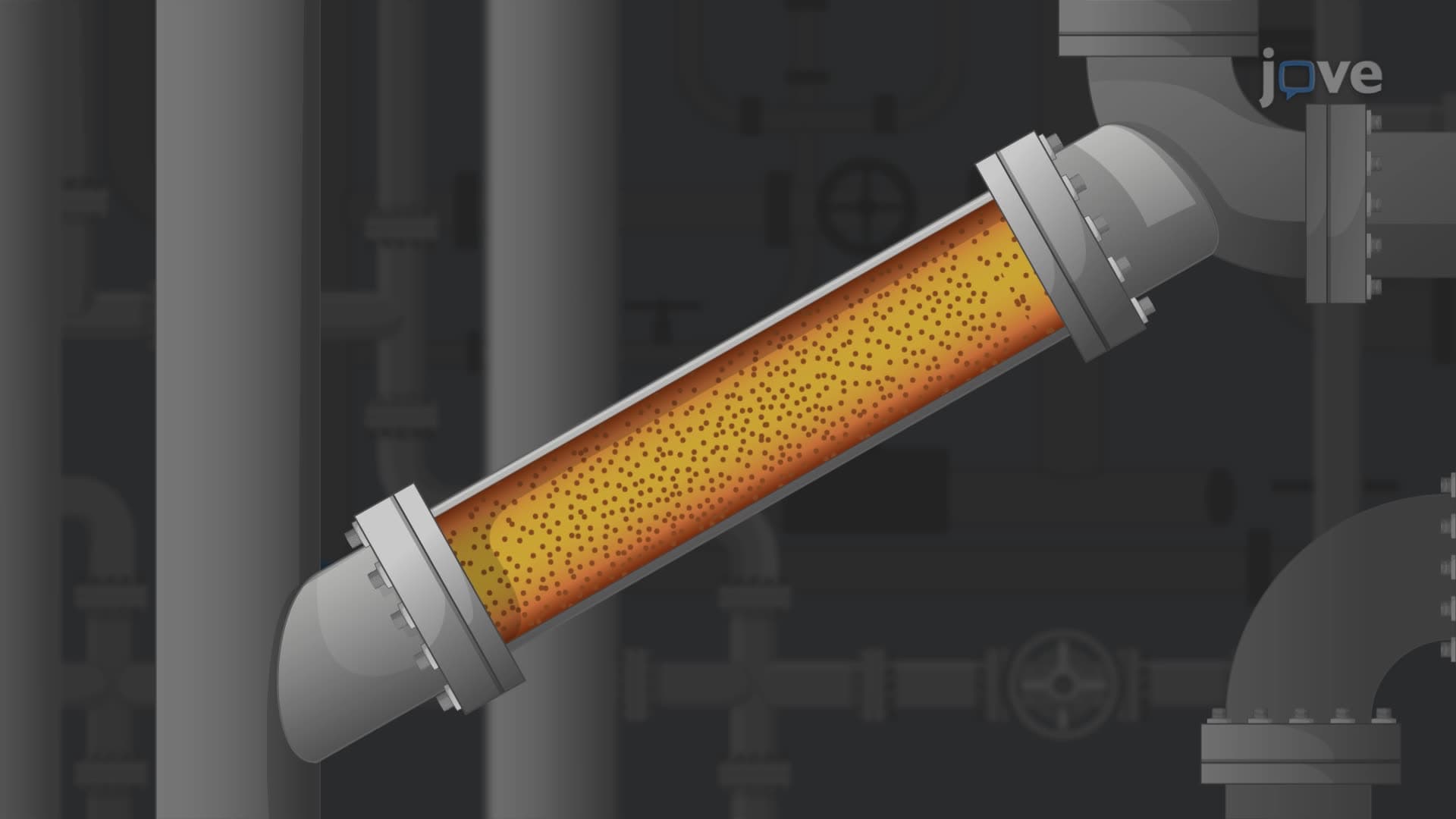
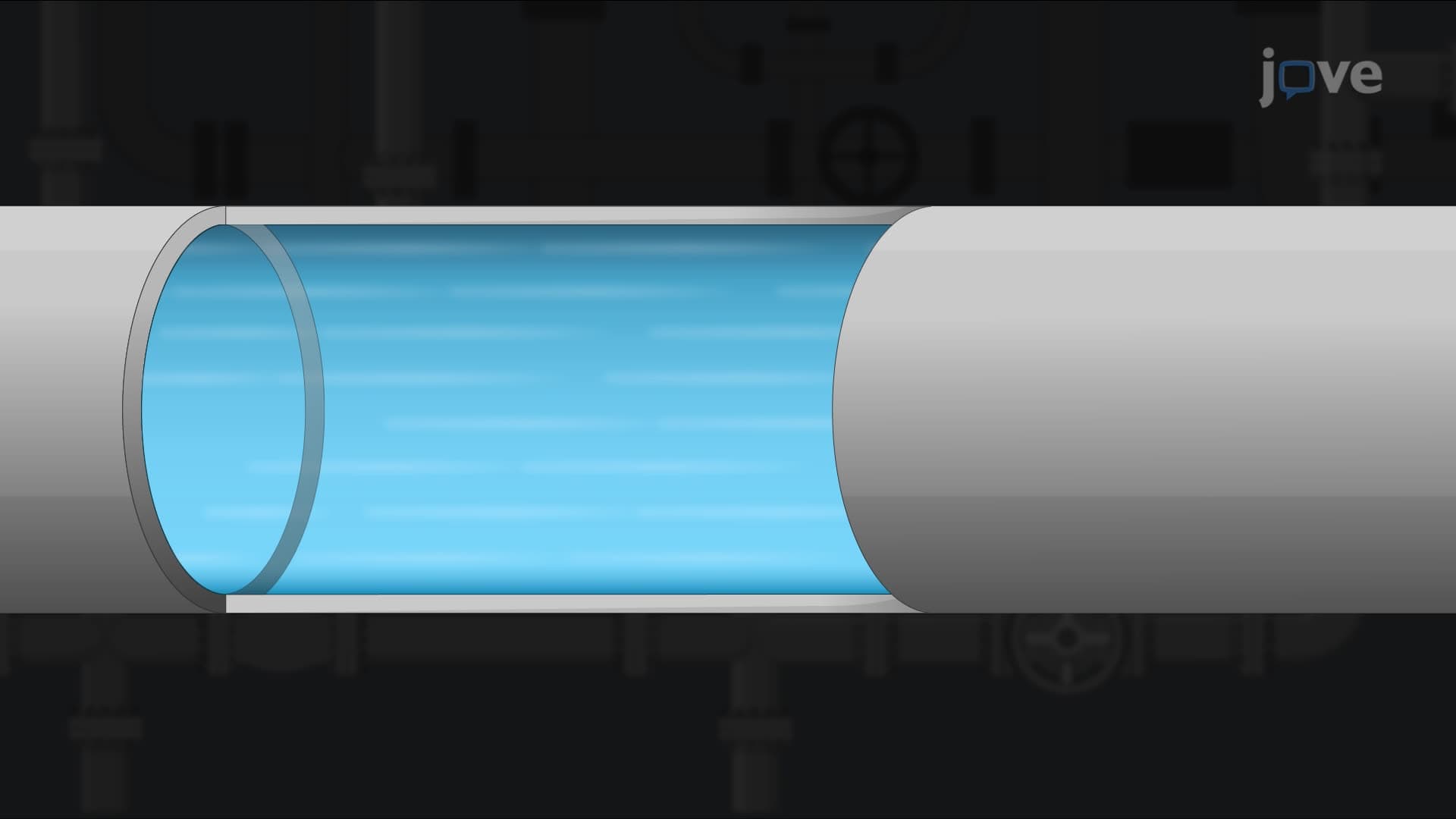
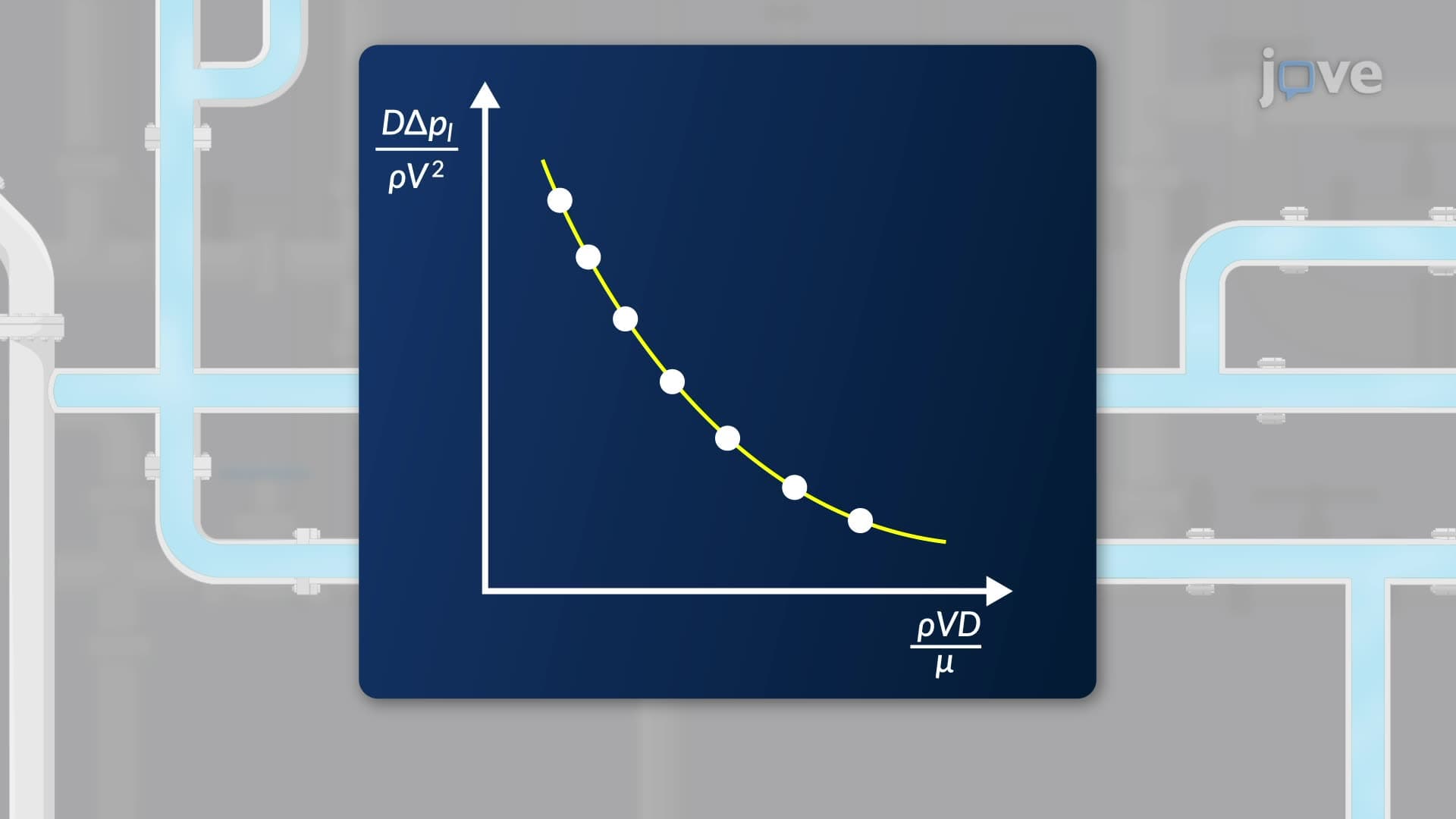
When engineers at ExxonMobil design pipelines to transport crude oil across Texas, dimensional analysis becomes their mathematical lifeline for ensuring safe, efficient flow. This systematic method checks that equations make physical sense by verifying units match on both sides-preventing costly engineering disasters. The Design Example Flow of Oil Explained demonstrates how dimensional analysis validates the Hagen-Poiseuille equation, ensuring pressure calculations are mathematically sound before billion-dollar pipeline construction begins. Watch the full video on JoVE Coach to master this concept with expert-led visuals and step-by-step explanations.
Dimensional analysis serves as engineering's quality control system, ensuring mathematical equations reflect physical reality. This powerful technique examines the dimensions (fundamental units) of physical quantities to verify equation validity, solve problems, and convert between unit systems.
The dimensional analysis definition centers on the principle of dimensional homogeneity-valid physical equations must have identical dimensions on both sides. In the oil pipeline example, when calculating pressure drop using Hagen-Poiseuille's law, dimensional analysis confirms that pressure (force per unit area) equals the combination of viscosity, flow rate, pipe length, and radius terms.
The seven fundamental SI dimensions form the foundation: length [L], mass [M], time [T], electric current [I], temperature [Θ], amount of substance [N], and luminous intensity [J]. For mechanical engineering applications like pipeline design, the primary focus involves [M], [L], and [T] combinations.
What is dimensional analysis in detail becomes clear through systematic problem-solving steps. First, identify all relevant variables and their dimensions. In oil flow calculations, this includes fluid velocity [LT⁻¹], dynamic viscosity [ML⁻¹T⁻¹], density [ML⁻³], and pipe radius [L].
Second, apply the Buckingham π theorem to determine dimensionless groups. The Reynolds number (ρvd/μ) emerges as a crucial dimensionless parameter, helping engineers predict flow patterns. College physics and engineering students encounter this extensively in AP Physics C and introductory fluid mechanics courses.
Major US companies like Chevron and ConocoPhillips rely on dimensional analysis for pipeline safety. When designing the Trans-Alaska Pipeline, engineers used these principles to validate flow calculations across 800 miles of varying terrain and temperature conditions.
The technique proves invaluable during MCAT physics sections, AP Physics exams, and college-level thermodynamics courses. Students learn to quickly check homework solutions by verifying dimensional consistency-a skill that prevents errors on high-stakes exams and future engineering projects.
Dimensional analysis extends beyond simple unit checking. It helps derive new relationships, scale experimental results, and identify missing variables in complex systems. For petroleum engineering students at universities like Texas A&M or Colorado School of Mines, mastering these techniques proves essential for understanding reservoir mechanics, pipeline design, and refinery operations.
Related Micro-courses