21 Concepts
14 Concepts
11 Concepts
11 Concepts
16 Concepts
8 Concepts
18 Concepts
12 Concepts
6 Concepts
12 Concepts
6 Concepts
5 Concepts
6 Concepts
9 Concepts
8 Concepts
8 Concepts
7 Concepts
9 Concepts
10 Concepts
8 Concepts
13 Concepts
5 Concepts
11 Concepts
10 Concepts
7 Concepts
6 Concepts
9 Concepts
10 Concepts
6 Concepts
9 Concepts
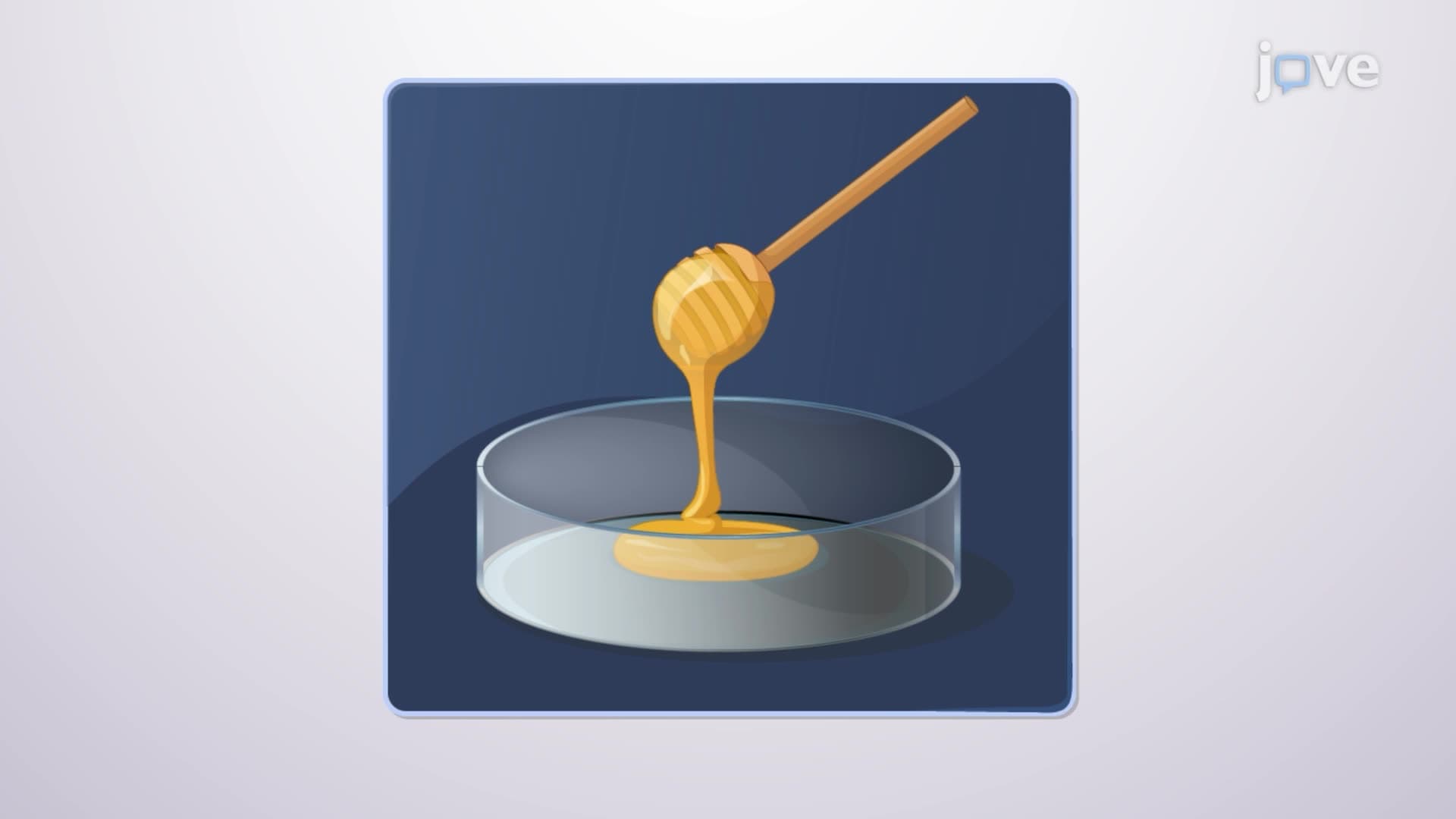
Fluid properties form the foundation of understanding how liquids and gases behave in engineering systems across the United States. This comprehensive course explores essential physical properties of fluids including fluid density viscosity, compressibility, surface tension, and vapor pressure through practical applications like pipeline design, hydraulic systems, and lubrication engineering. Master these fundamental concepts with JoVE Coach.
1. Fundamental Fluid Characteristics and Molecular Behavior Understanding what distinguishes fluids from solids begins with molecular structure. Unlike solids where molecules are tightly packed with strong intermolecular forces, fluids have larger molecular spacing and weaker forces allowing continuous deformation under shear stress. This explains why oil flows through pipelines while steel pipes maintain their shape. Liquids like water in municipal systems maintain constant volume but conform to container shape, while gases like natural gas expand to fill entire storage tanks, demonstrating high compressibility compared to liquids.
2. Density, Specific Weight, and Specific Gravity Applications Density measurements are crucial for designing everything from aircraft fuel systems to water treatment plants. When engineers calculate how much jet fuel an aircraft can carry, they use density (mass per unit volume) to determine weight limitations. Specific weight helps determine pressure in tall buildings' water systems, while specific gravity allows quick comparison between fluids - explaining why oil spills float on ocean water (specific gravity less than 1.0) and why mercury thermometers work effectively (specific gravity 13.6 times that of water).
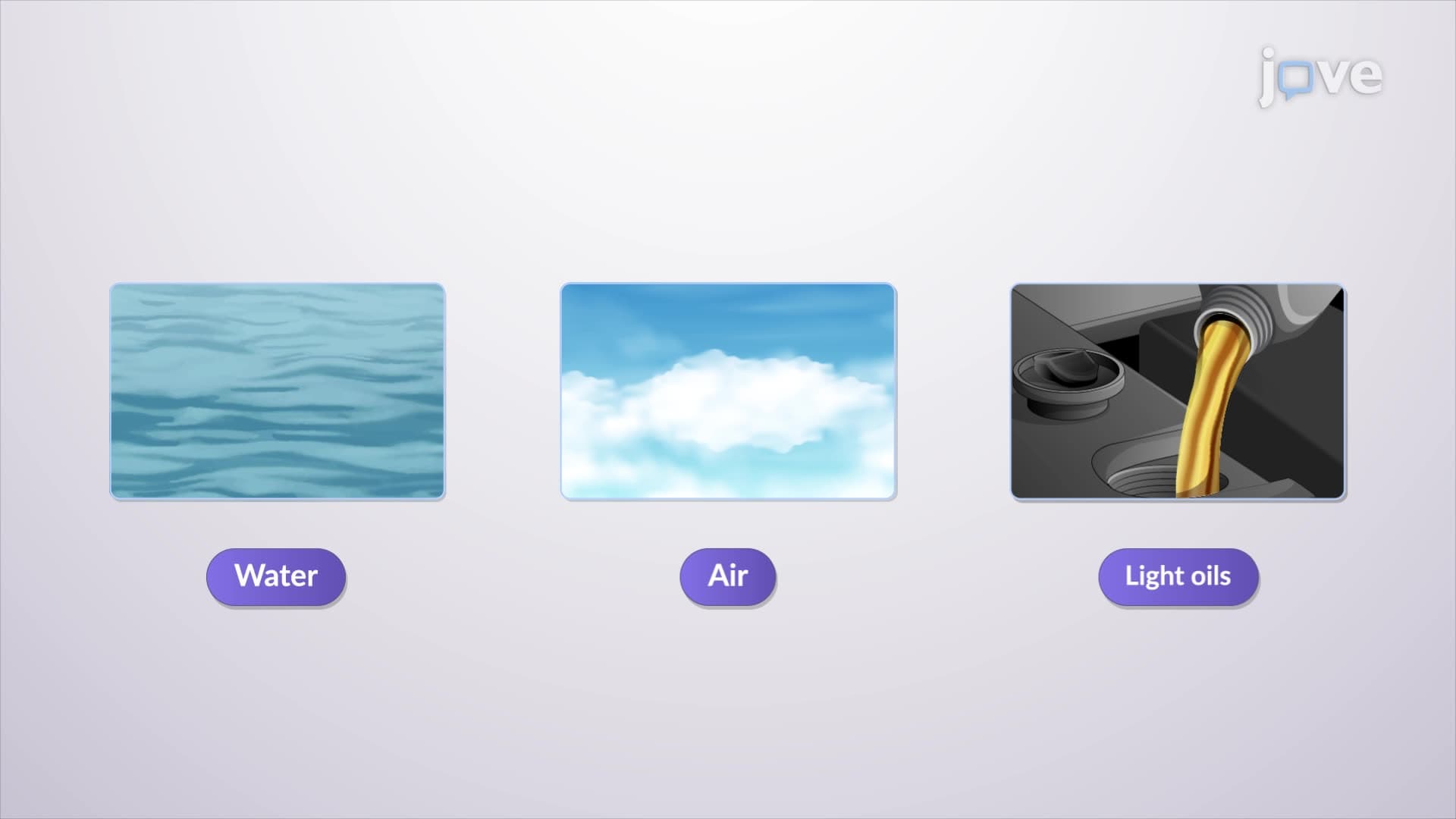
3. Viscosity Effects in Engineering Systems Dynamic viscosity determines how much force is needed to pump fluids through systems like the Trans-Alaska Pipeline, where engineers must account for oil's resistance to flow. Kinematic viscosity (dynamic viscosity divided by density) helps predict how quickly spilled oil will spread across water surfaces during environmental cleanup operations. Temperature effects are critical - motor oil must maintain proper viscosity whether starting a car in Minnesota winter (-30°F) or Arizona summer (120°F), explaining why multi-grade oils like 5W-30 are standard in American vehicles.
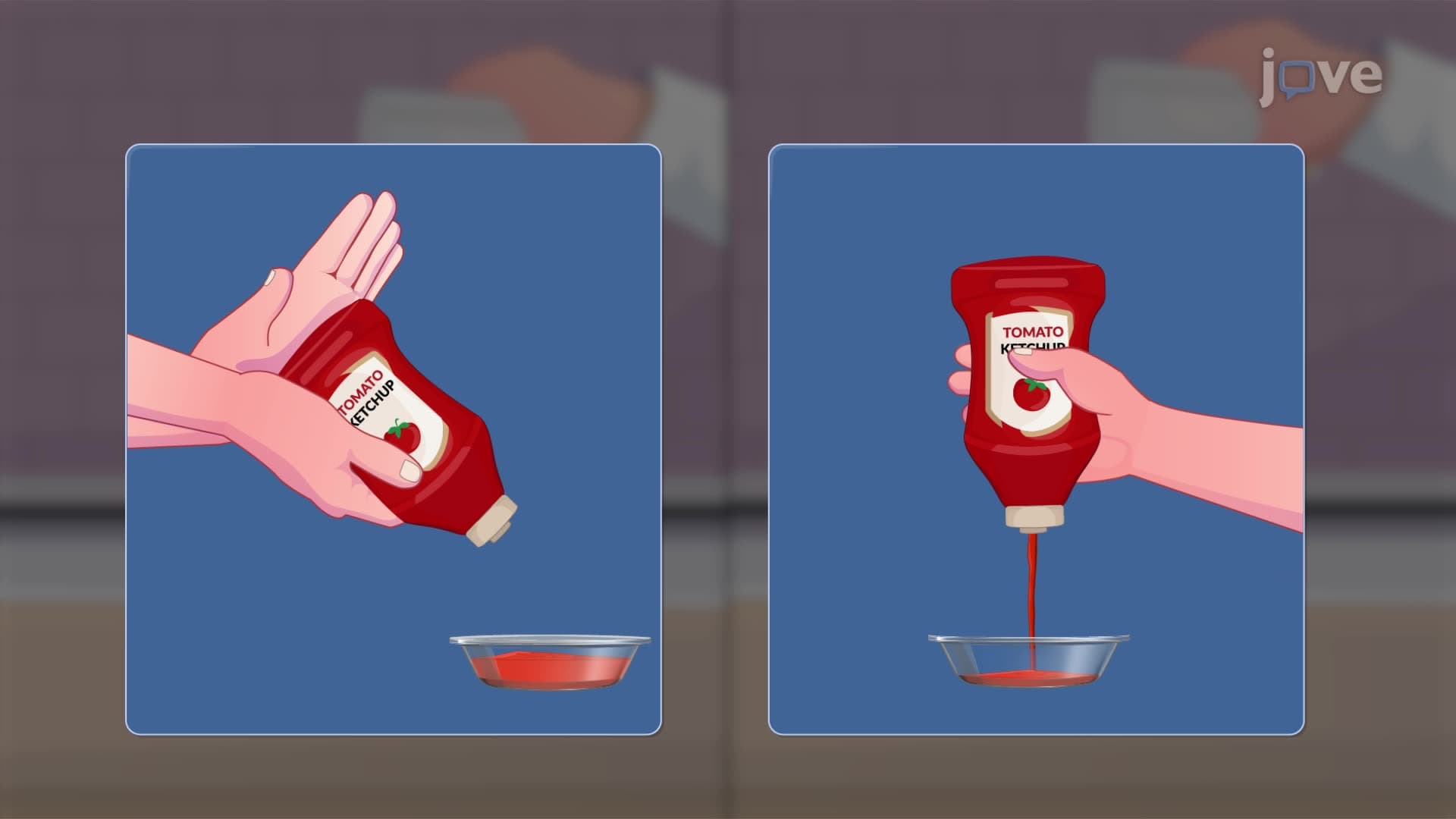
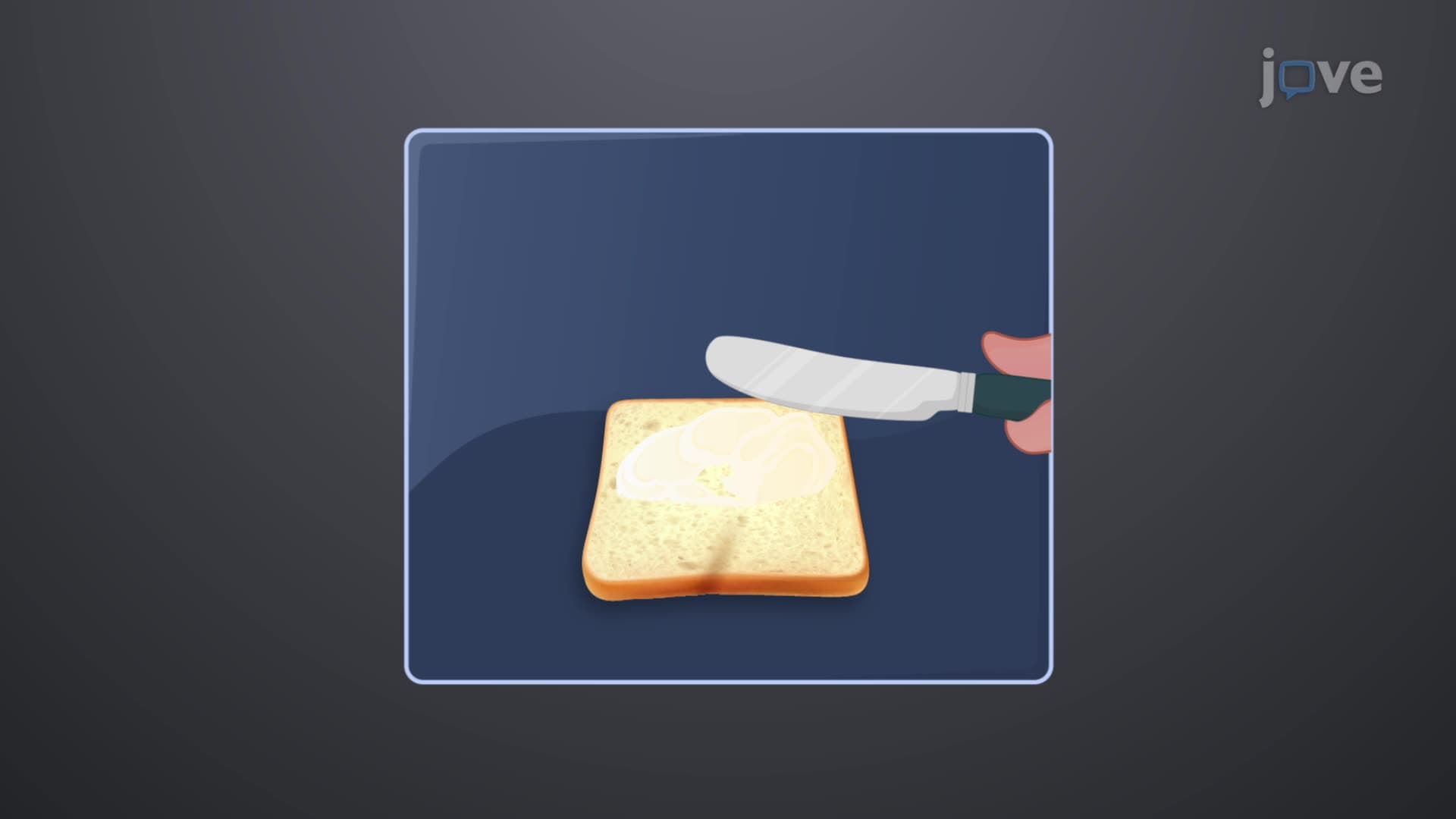
4. Newtonian vs Non-Newtonian Fluid Classification Most common fluids like water, gasoline, and air behave as Newtonian fluids with constant viscosity, making flow calculations predictable for municipal water systems and aircraft design. However, many industrial and consumer products are non-Newtonian: latex paint becomes less viscous when brushed (shear-thinning), allowing smooth application then returning to high viscosity to prevent dripping. Cornstarch mixtures used in some body armor become more viscous under impact (shear-thickening), while toothpaste requires initial force to squeeze from tubes but flows smoothly once yield stress is exceeded (Bingham plastic behavior).
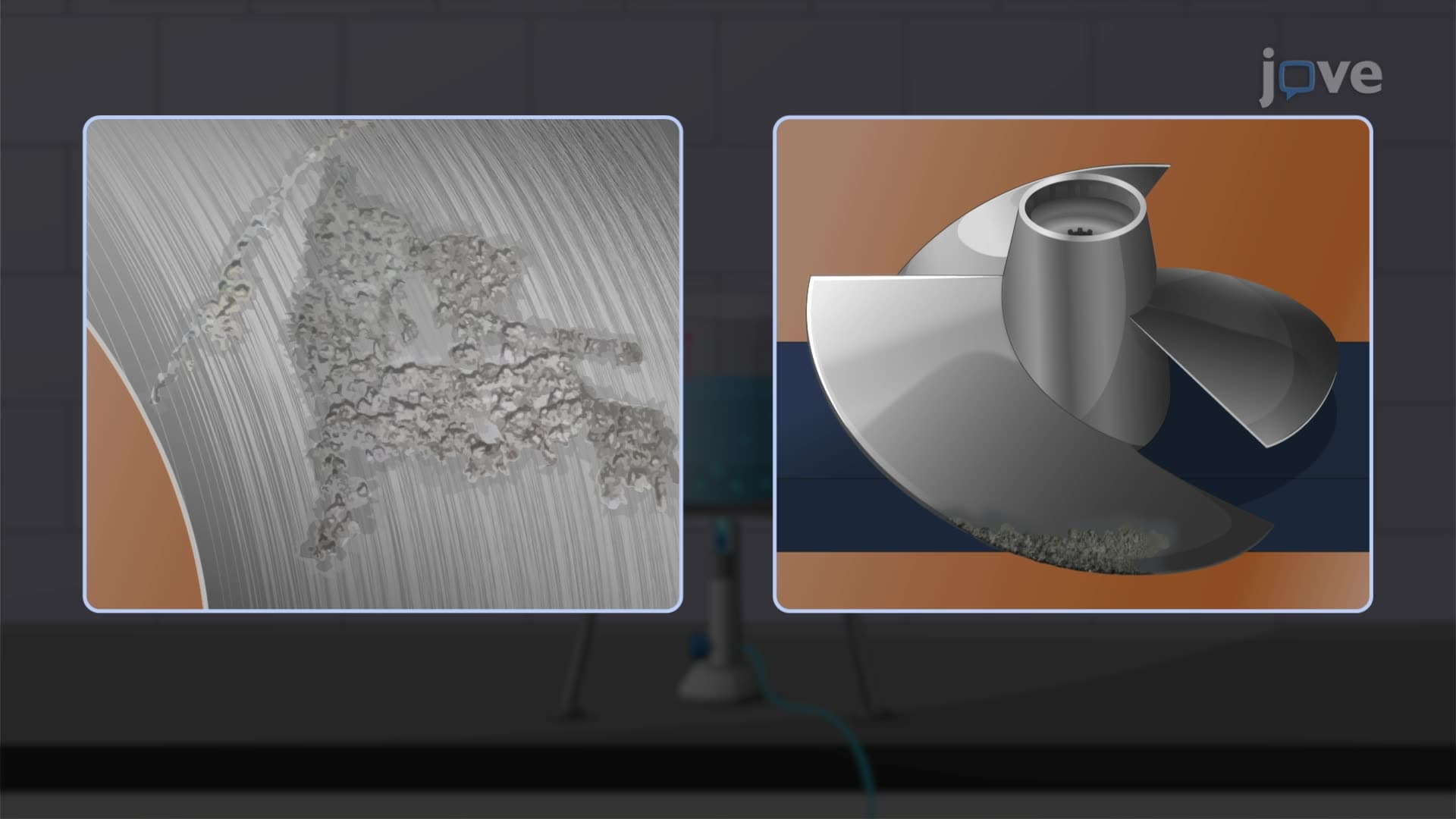
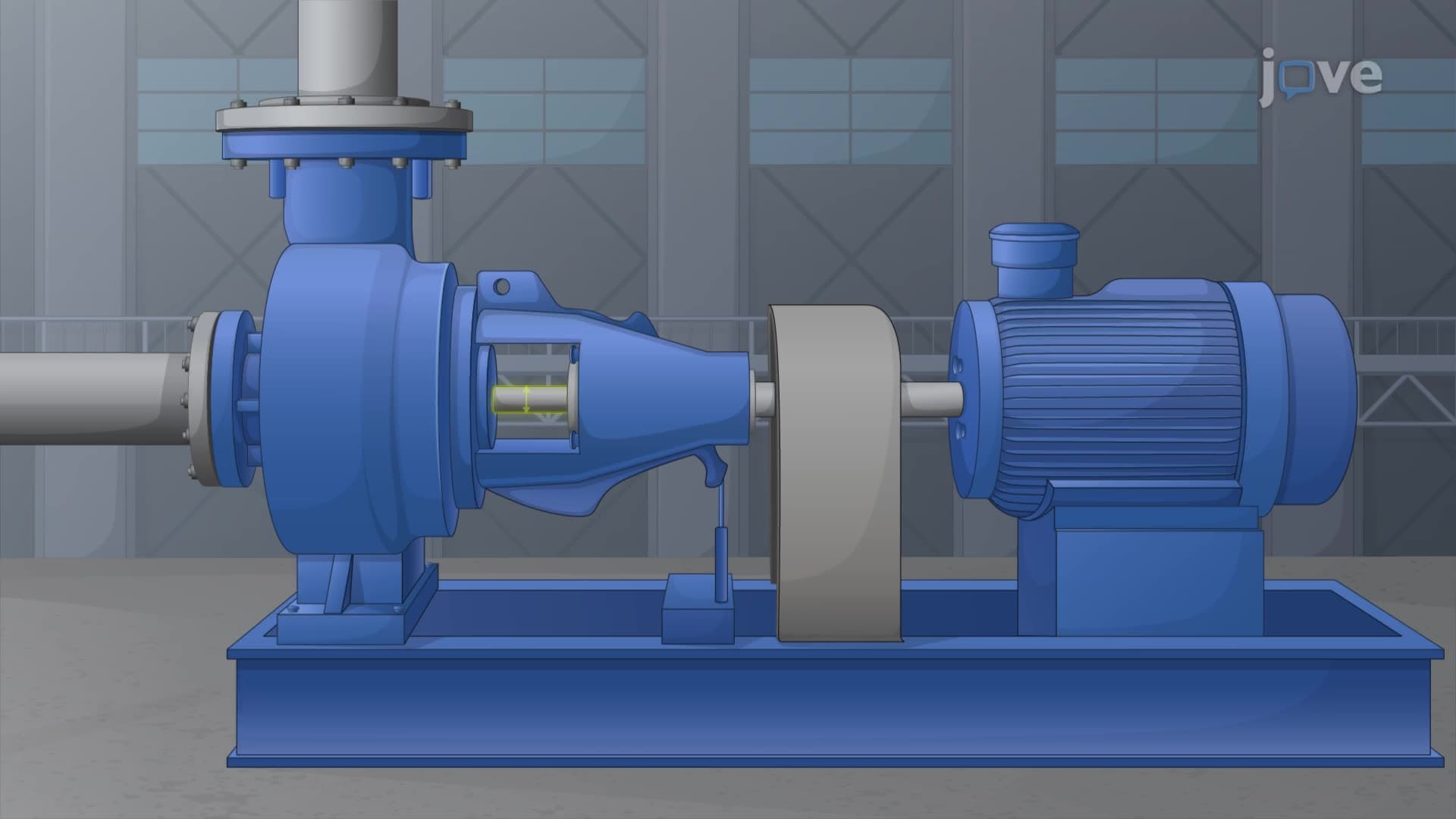
5. Vapor Pressure and Cavitation Prevention Vapor pressure determines when liquids boil and is essential for preventing cavitation damage in pumps and turbines. Water boils at 212°F at sea level because its vapor pressure equals atmospheric pressure (14.7 psia), but in Denver's lower atmospheric pressure (12.2 psia), water boils at 202°F, affecting cooking times and industrial processes. Pump designers must ensure system pressure stays above the fluid's vapor pressure to prevent vapor bubble formation and collapse, which can destroy impeller blades in everything from residential water pumps to massive hydroelectric turbines at Hoover Dam.
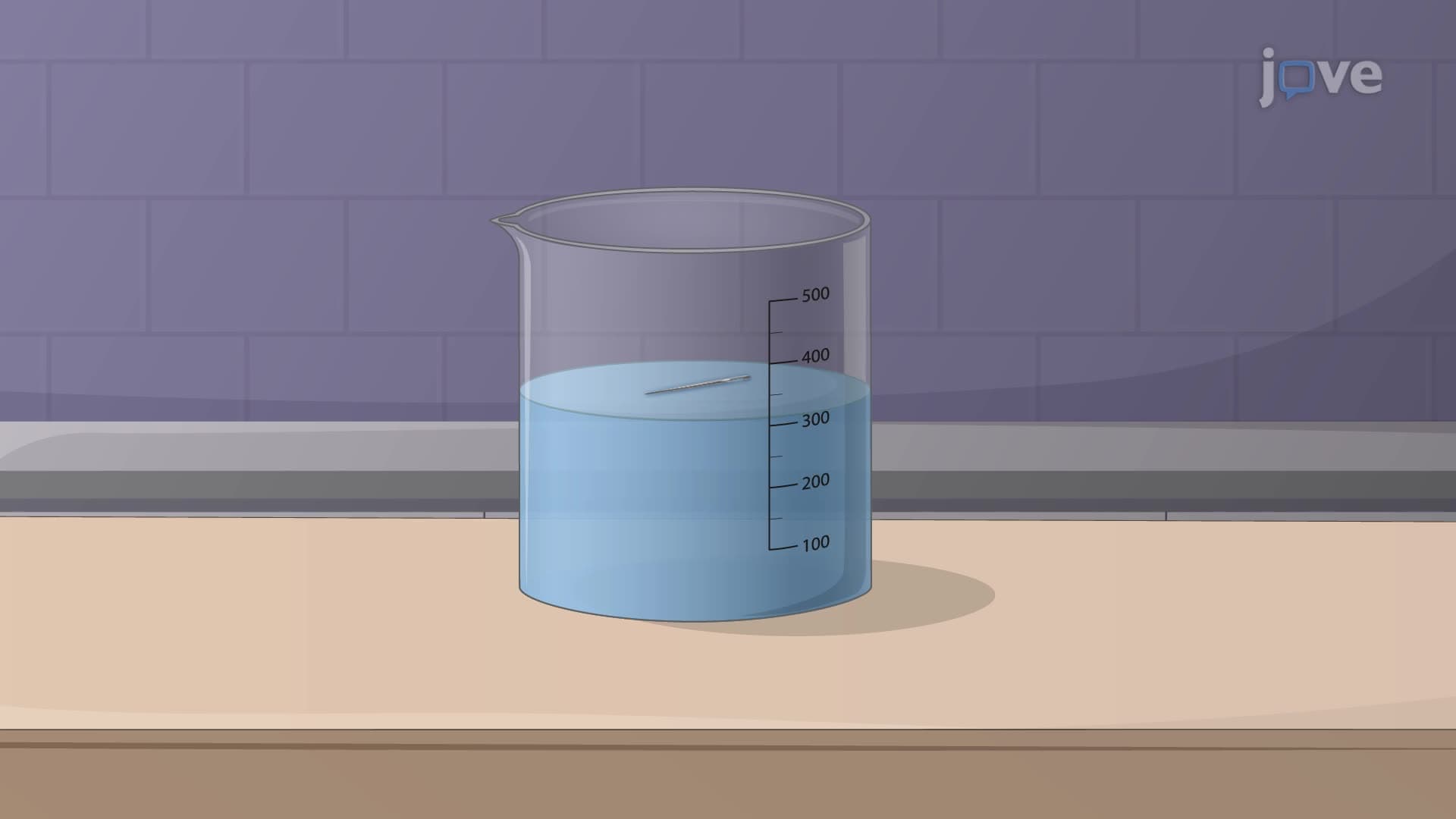
6. Surface Tension in Natural and Engineered Systems Surface tension creates a "skin" on liquid surfaces, allowing insects to walk on water and enabling formation of raindrops. This property is crucial in irrigation design where proper droplet formation ensures efficient water distribution across agricultural fields throughout California's Central Valley. Surface tension decreases with temperature, explaining why hot coffee spreads more easily when spilled than cold coffee. Industrial applications include inkjet printing, where surface tension helps control droplet formation, and oil recovery operations where surfactants reduce surface tension to improve oil flow through reservoir rock.
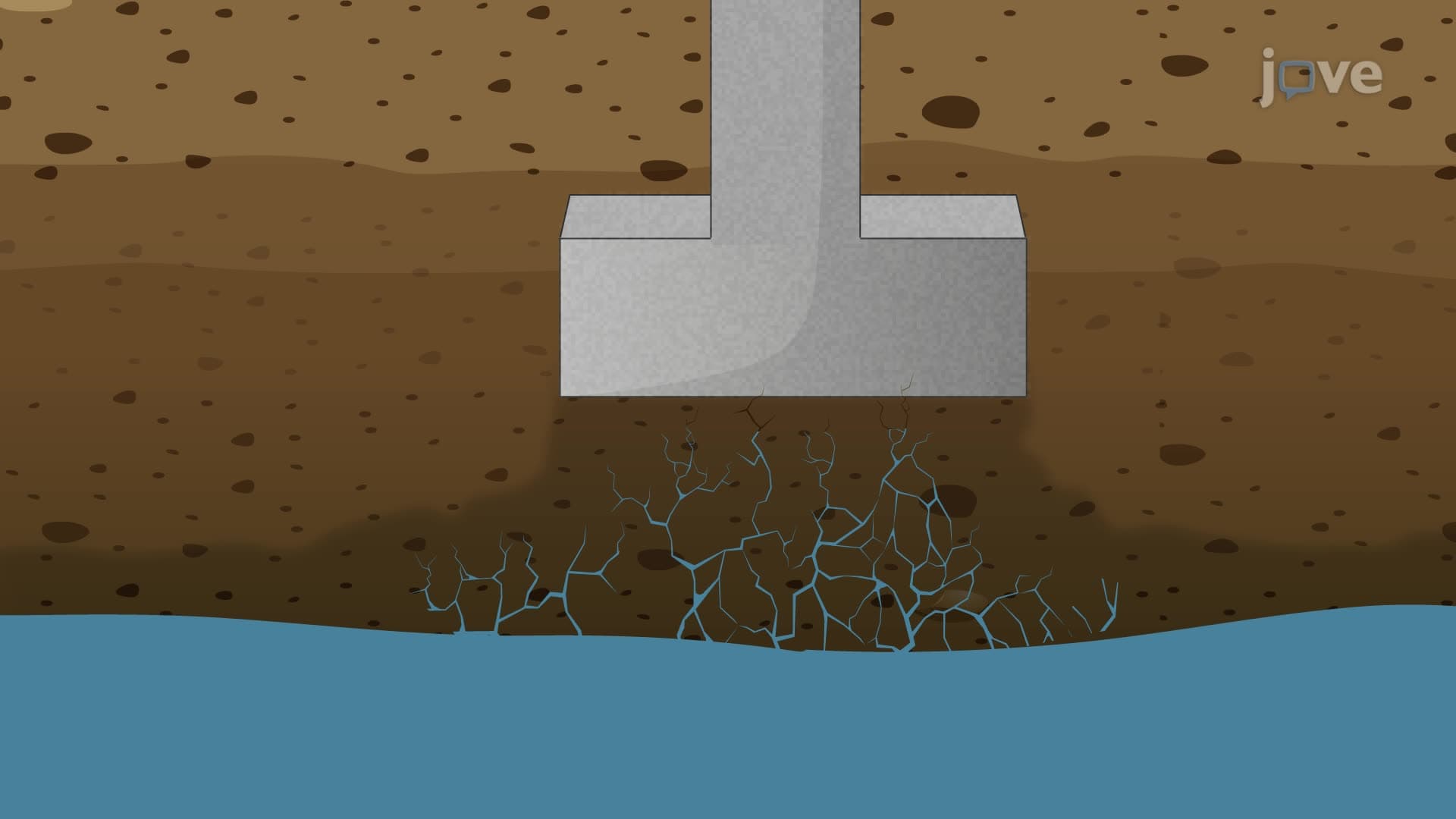
7. Capillary Action in Engineering Applications Capillary action drives liquid movement in narrow spaces without external pumps, fundamental to many biological and technological systems. Paper towels absorb spills through capillary action in fiber spaces, while concrete structures can suffer damage when water rises through capillary pores and freezes. Microfluidic devices used in medical diagnostics rely on precise capillary control to move small fluid samples through analysis channels. The height liquid rises depends on tube diameter, surface tension, contact angle, and fluid density - principles used in designing everything from fuel injection systems to medical test strips.