Loading video…


 9 Concepts
 7.1K views

Video Summary: What Is Newtonian Fluid Problem Solving
Ever wonder why honey flows so differently from water when you pour it? Newtonian fluid problem solving explains this fundamental behavior by analyzing how fluids with constant viscosity respond predictably to applied forces. Unlike honey (a non-Newtonian fluid), water maintains the same viscosity regardless of stirring speed or applied stress. What is Newtonian fluid problem solving demonstrates the linear relationship between shear stress and velocity gradients in common fluids like the motor oil in your car's engine. Watch the full video on JoVE Coach to master this concept with expert-led visuals and step-by-step explanations.
What is Newtonian fluid problem solving represents one of the most fundamental concepts in fluid mechanics, essential for students preparing for AP Physics, college engineering courses, and the MCAT. Named after Sir Isaac Newton, these fluids exhibit a direct proportional relationship between applied shear stress and the resulting shear rate. This predictable behavior makes Newtonian fluids ideal for mathematical modeling and engineering calculations.
The core principle governing Newtonian fluid problem solving lies in Newton's law of viscosity: τ = μ(du/dy), where τ represents shear stress, μ is dynamic viscosity, and du/dy is the velocity gradient. This equation demonstrates that shear stress increases linearly with the rate of deformation, creating a straight-line relationship on stress-strain graphs. Common examples include water flowing through pipes in municipal water systems, air moving over aircraft wings during flight, and engine oil circulating through automotive systems.
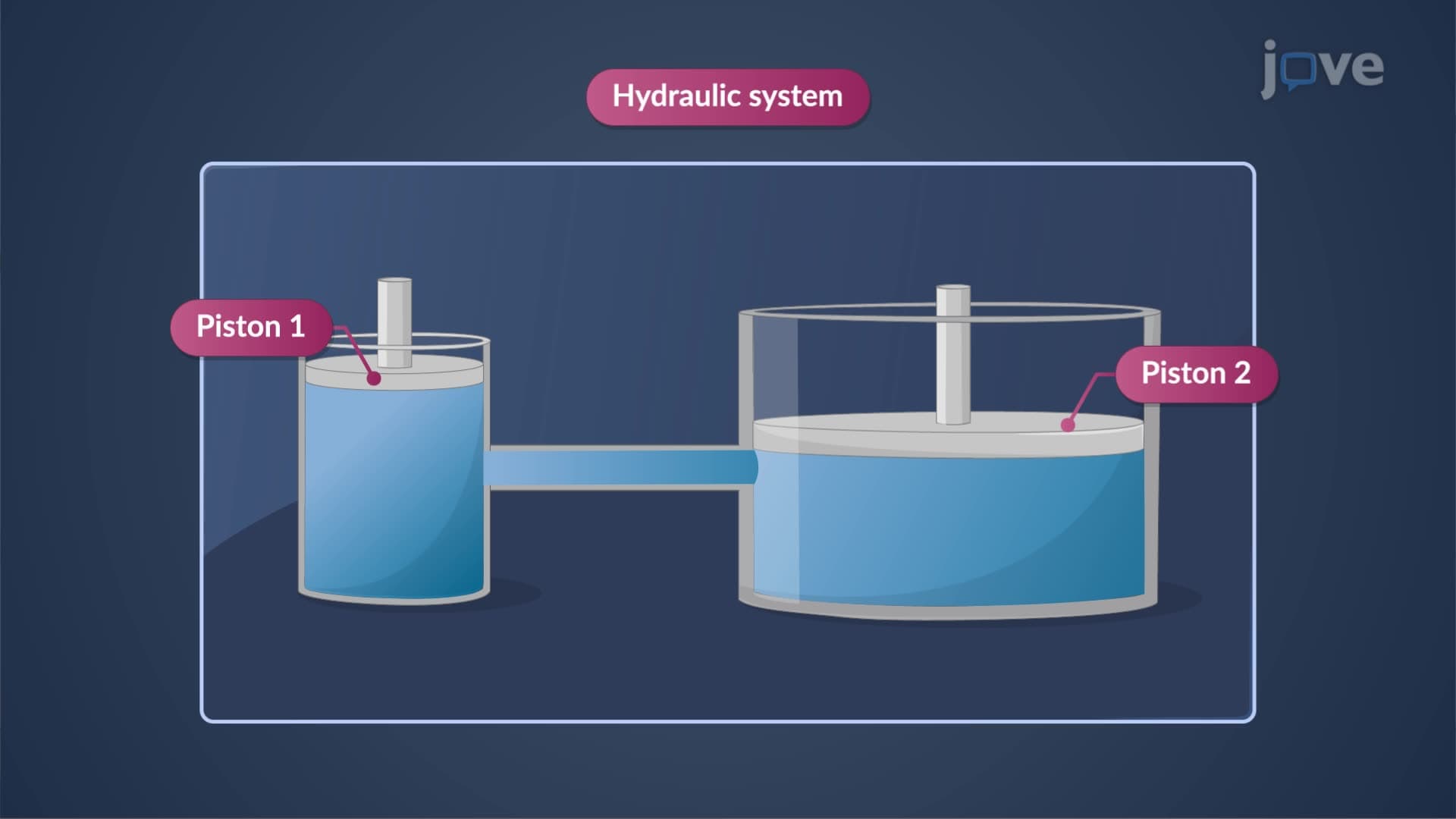
Newtonian fluid problem solving concepts appear frequently in US industrial applications. Hydraulic systems in construction equipment rely on these principles to calculate pressure drops and flow rates. In the petroleum industry, engineers use Newtonian fluid analysis to design pipeline systems for transporting crude oil and natural gas. Medical applications include blood flow analysis in large arteries, where blood behaves approximately as a Newtonian fluid under normal physiological conditions.
Students encounter Newtonian fluid problem solving in various academic contexts, from high school physics to college-level fluid mechanics courses. Typical problems involve calculating shear stress between parallel plates, determining flow rates in circular pipes using the Hagen-Poiseuille equation, or analyzing pressure gradients in fluid systems. Success requires mastering unit conversions, understanding boundary conditions, and applying conservation principles. These skills prove invaluable for standardized tests like the AP Physics exam and engineering entrance assessments.
Related Micro-courses