Loading concepts…


21 Concepts
14 Concepts
11 Concepts
11 Concepts
16 Concepts
8 Concepts
18 Concepts
12 Concepts
6 Concepts
12 Concepts
6 Concepts
5 Concepts
6 Concepts
9 Concepts
8 Concepts
8 Concepts
7 Concepts
9 Concepts
10 Concepts
8 Concepts
13 Concepts
5 Concepts
11 Concepts
10 Concepts
7 Concepts
6 Concepts
9 Concepts
10 Concepts
6 Concepts
9 Concepts
 11 Concepts
 3.8K Views
 Popular topics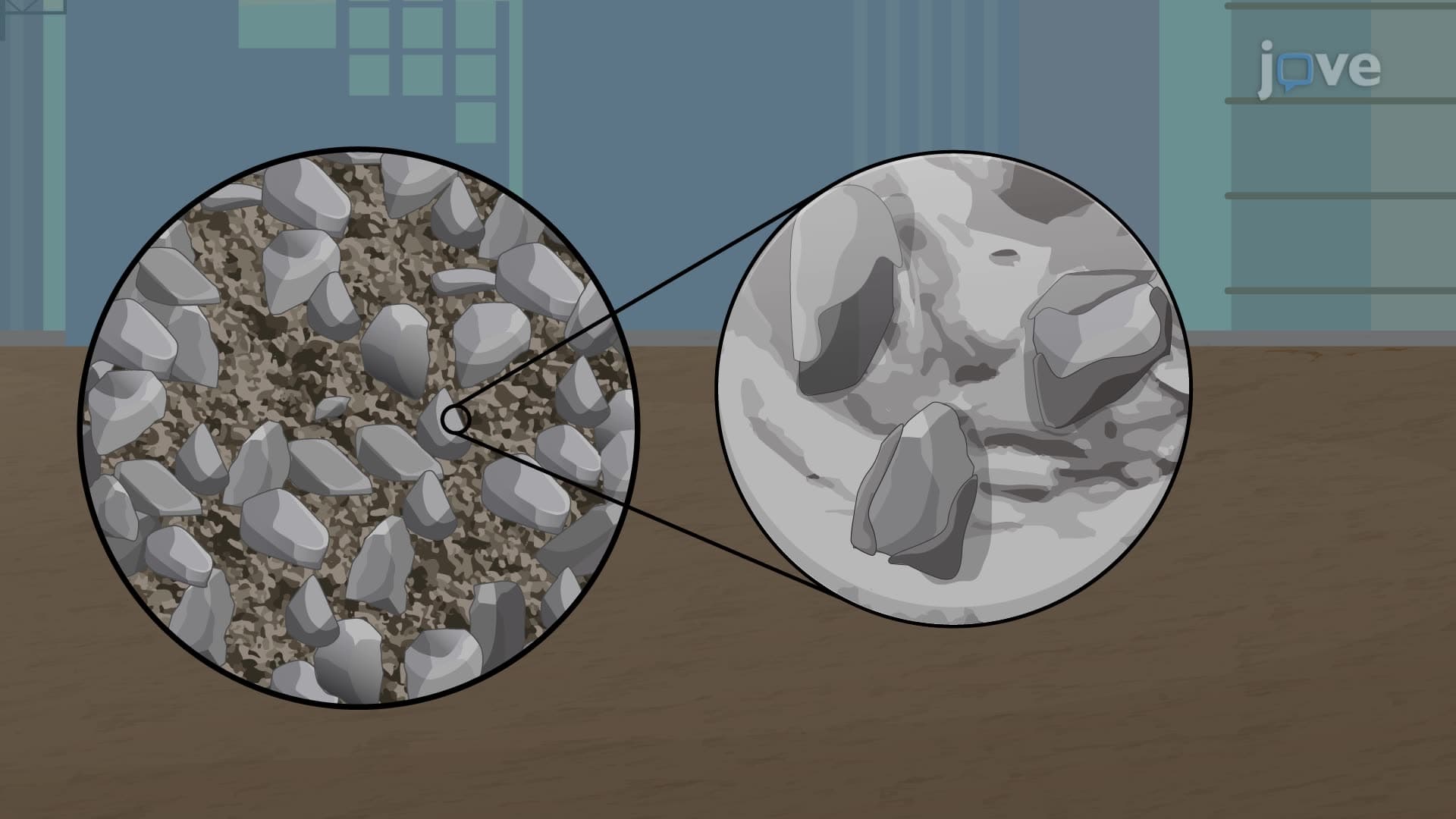
This introduction to concrete explores the fundamental properties and composition of America's most widely used construction material. Through comprehensive analysis of cement hydration, aggregate selection, and material properties, students discover how concrete forms the backbone of US infrastructure-from interstate highways and suspension bridges to skyscrapers and airport runways. Master the essential concrete materials basics with JoVE Coach's structured approach to understanding this critical engineering material.
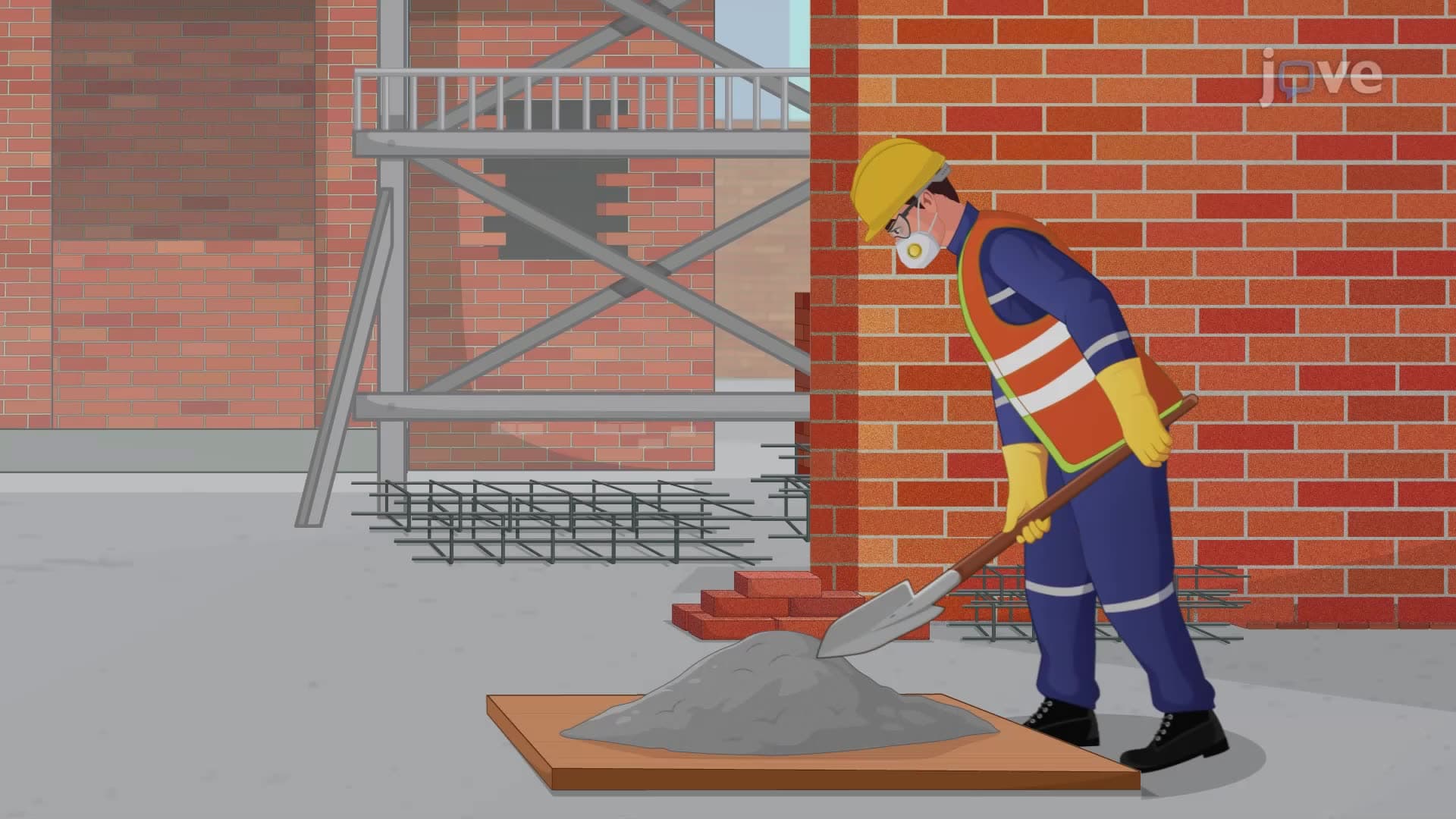
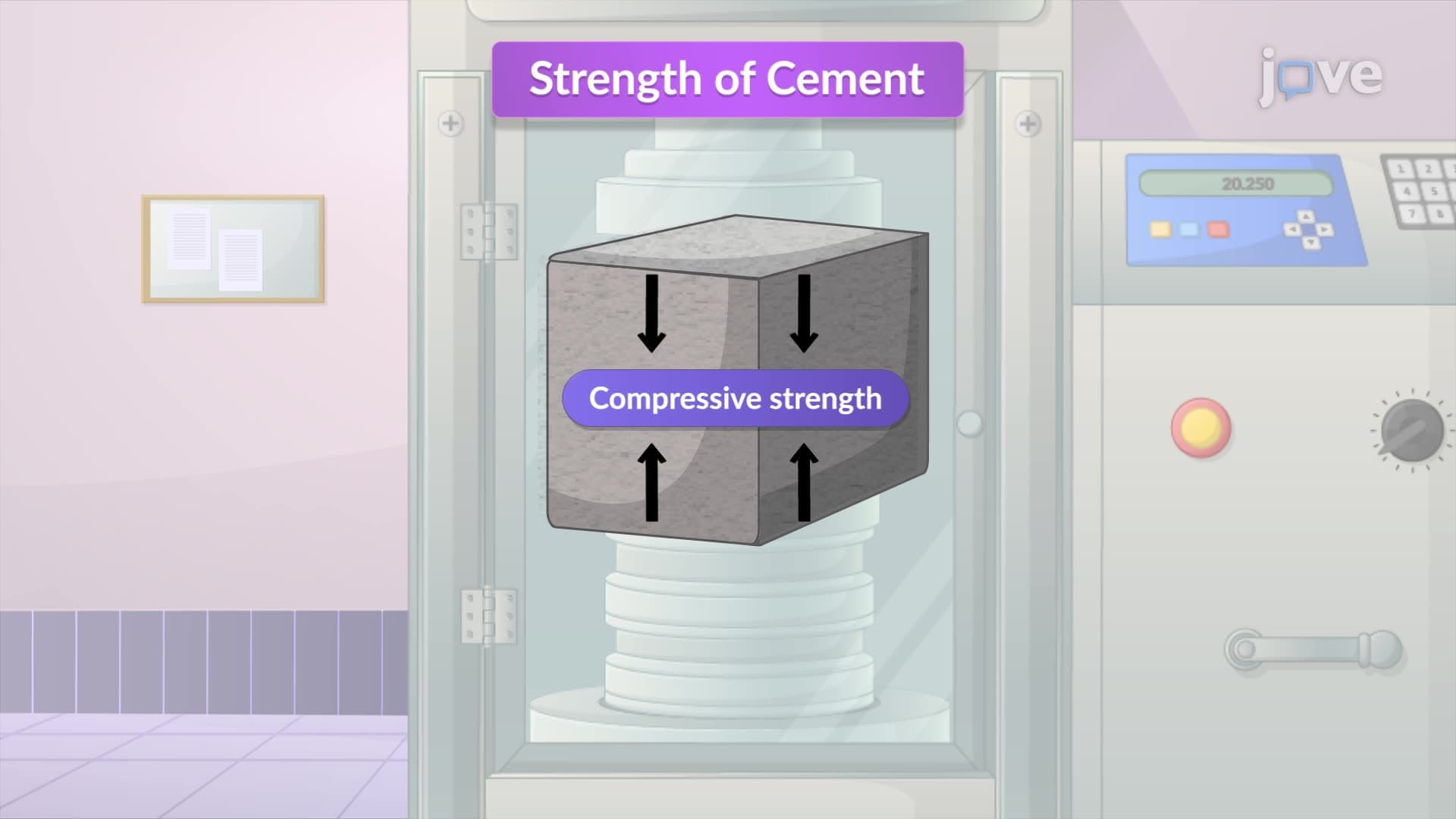
1. Concrete Composition and Structure: Concrete combines cementitious materials (primarily Portland cement), fine aggregates (sand), coarse aggregates (gravel), and water in precise proportions. This introduction to concrete as a construction material reveals how smaller aggregates fill voids between larger ones, while cement-water paste coats all particles. The resulting matrix hardens into a rock-like mass with exceptional compressive strength but limited tensile capacity-explaining why steel reinforcement is essential in structures like the Golden Gate Bridge or One World Trade Center.
2. Portland Cement Manufacturing and Chemistry: Portland cement production involves heating limestone and clay materials in rotary kilns at temperatures exceeding 2700°F, creating clinker that's ground with gypsum into fine powder. The four primary compounds-tricalcium silicate (C₃S), dicalcium silicate (C₂S), tricalcium aluminate (C₃A), and tetracalcium aluminoferrite (C₄AF)-each contribute differently to strength and setting characteristics. Understanding these concrete constituents helps engineers select appropriate cement types for projects ranging from rapid highway repairs to massive dam construction.
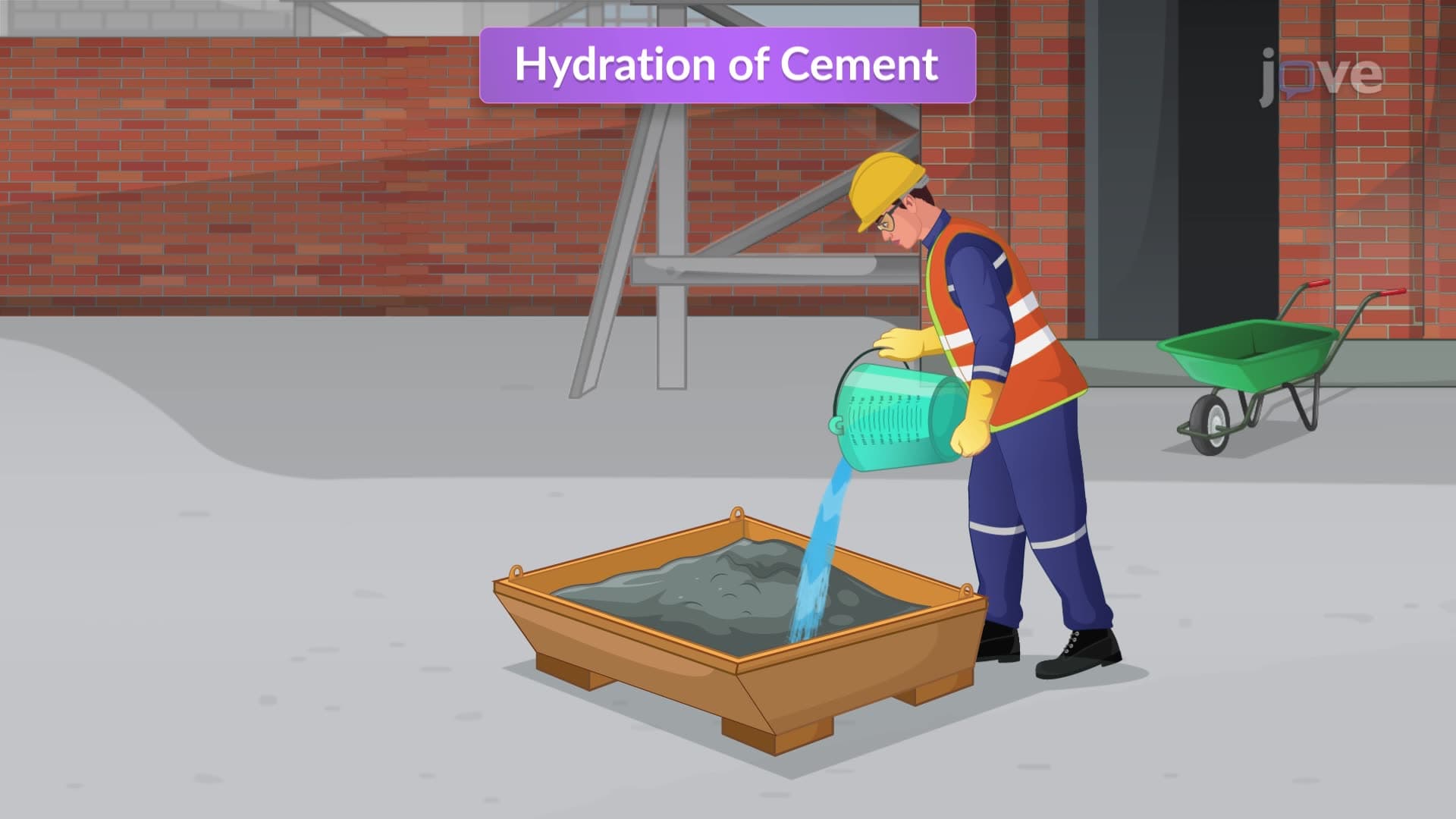
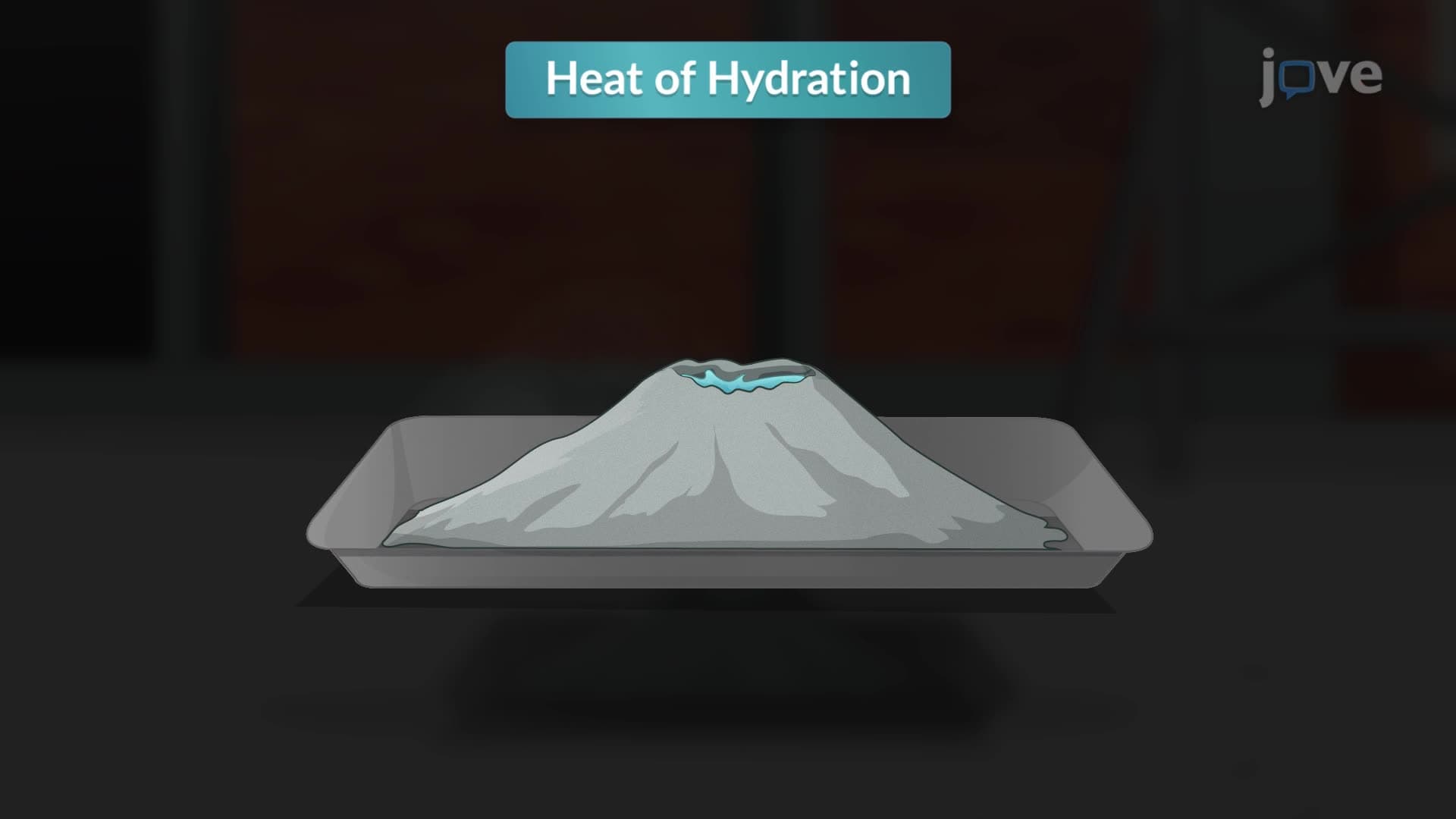
3. Cement Hydration Process: When water contacts cement particles, chemical reactions produce calcium silicate hydrate (C-S-H) gel-the primary binding agent providing concrete's strength. The hydration process releases heat in predictable patterns: rapid initial heat from aluminate reactions, followed by sustained heat from silicate hydration. This exothermic process continues for months, with approximately 50% of total heat released within three days and 90% within six months, critical for mass concrete pours like Hoover Dam.
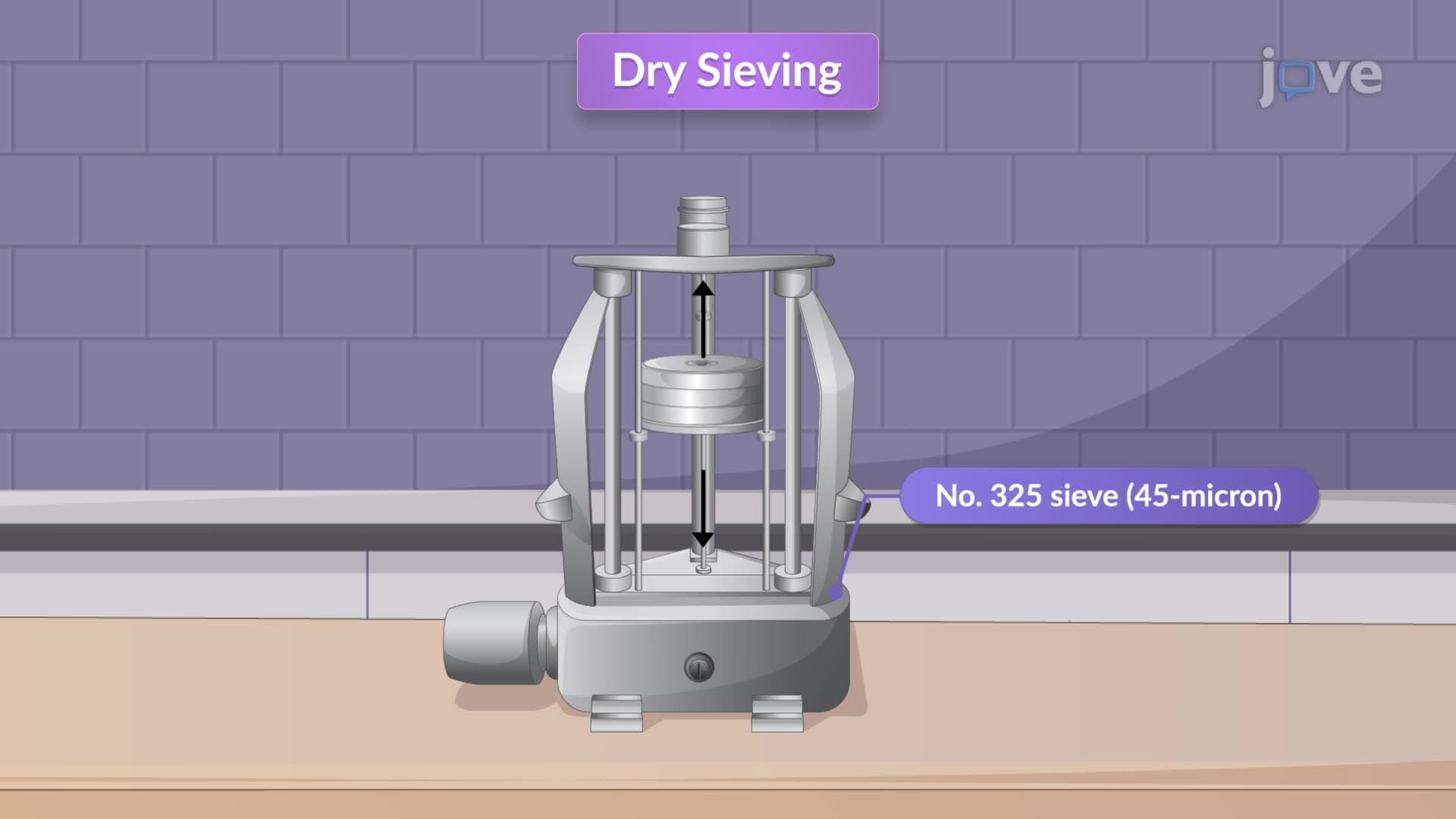
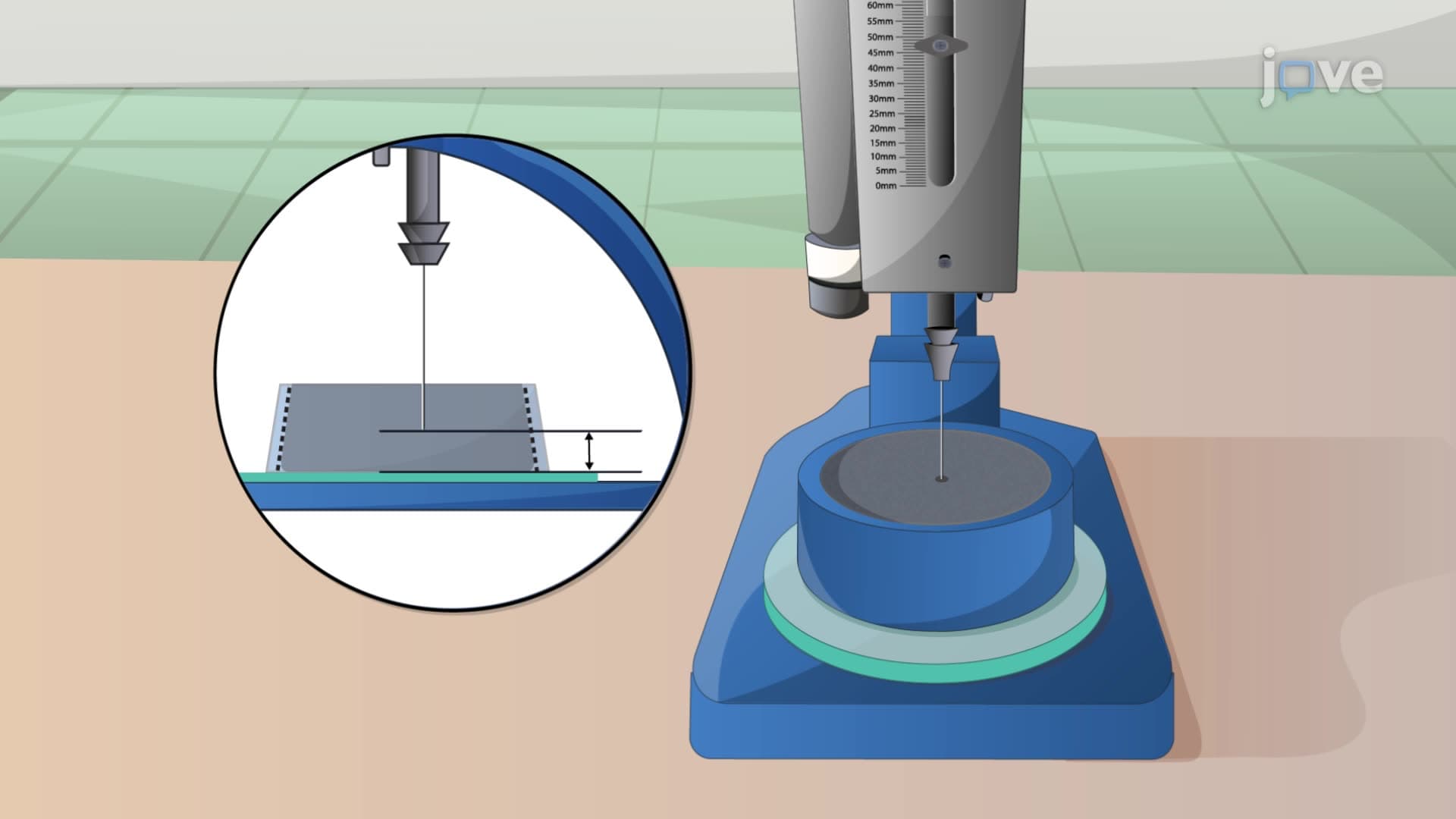
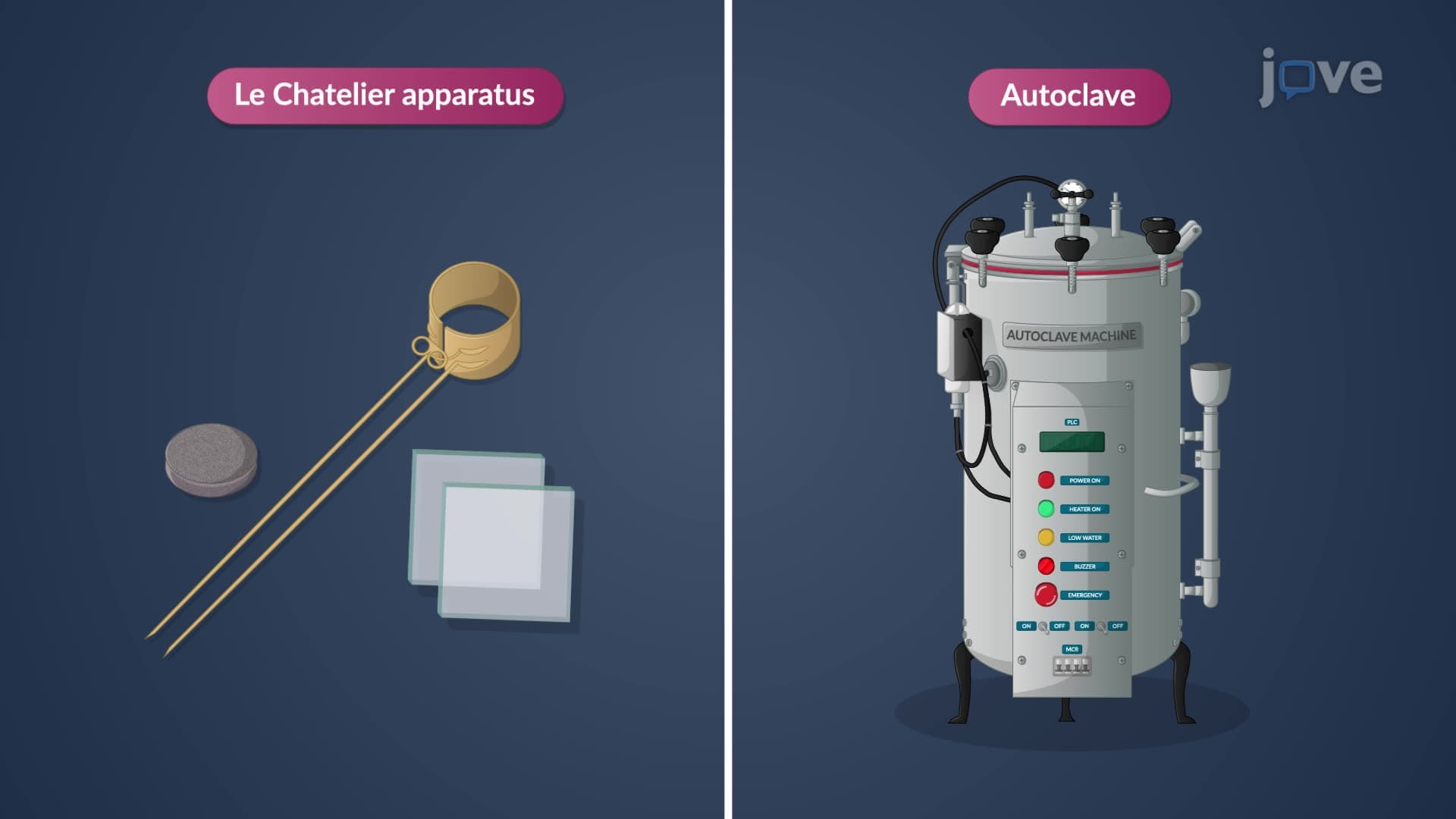
4. Physical Properties and Testing: Cement fineness, measured through Blaine air permeability tests, directly affects hydration rate and early strength development-finer particles provide greater surface area for chemical reactions. Setting time determination using Vicat apparatus ensures cement transitions from plastic to rigid state within acceptable timeframes (initial setting ≥60 minutes, final setting ≤10 hours per ASTM standards). Soundness testing prevents destructive expansion from delayed hydration of free lime and magnesia compounds.
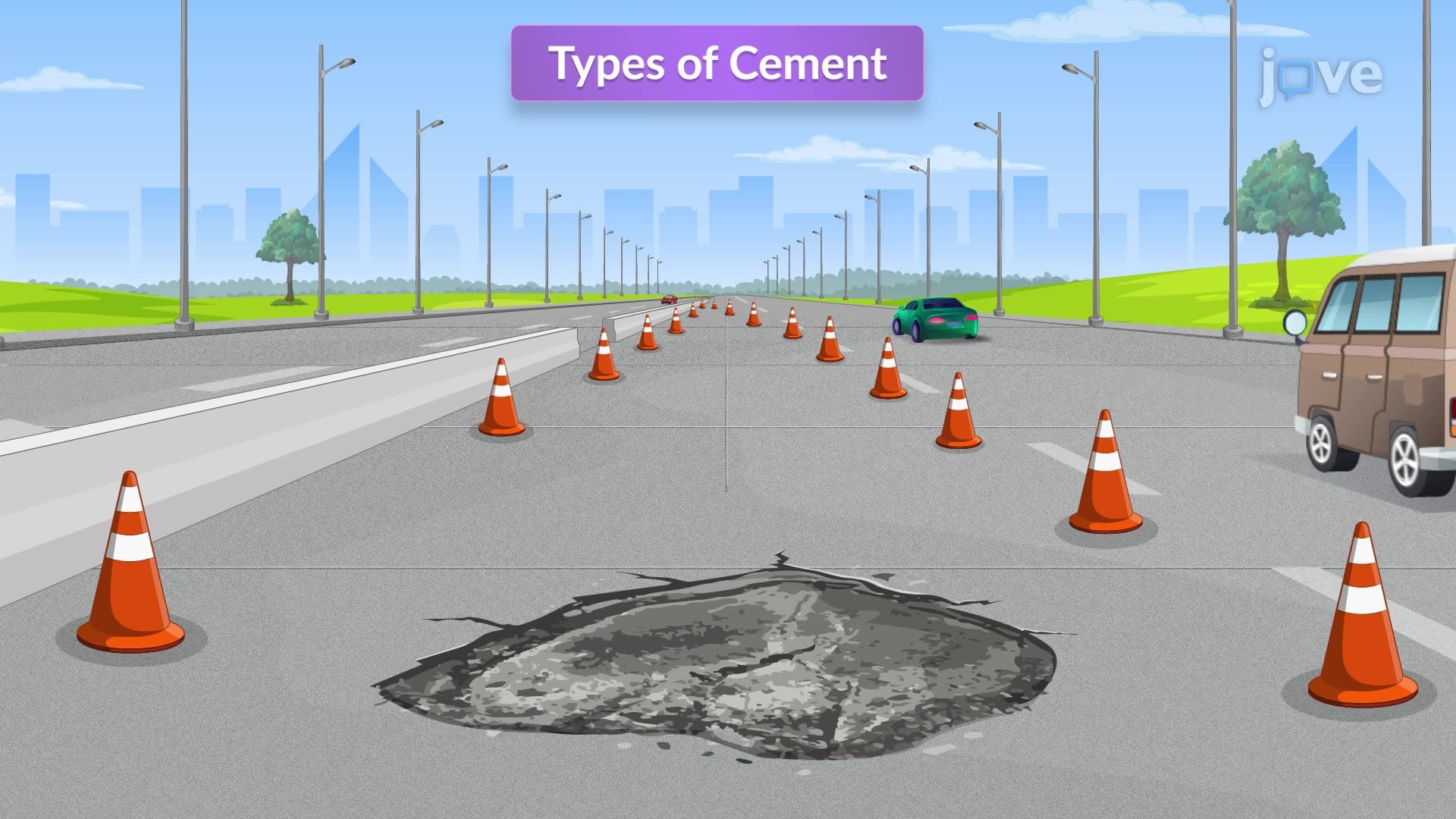
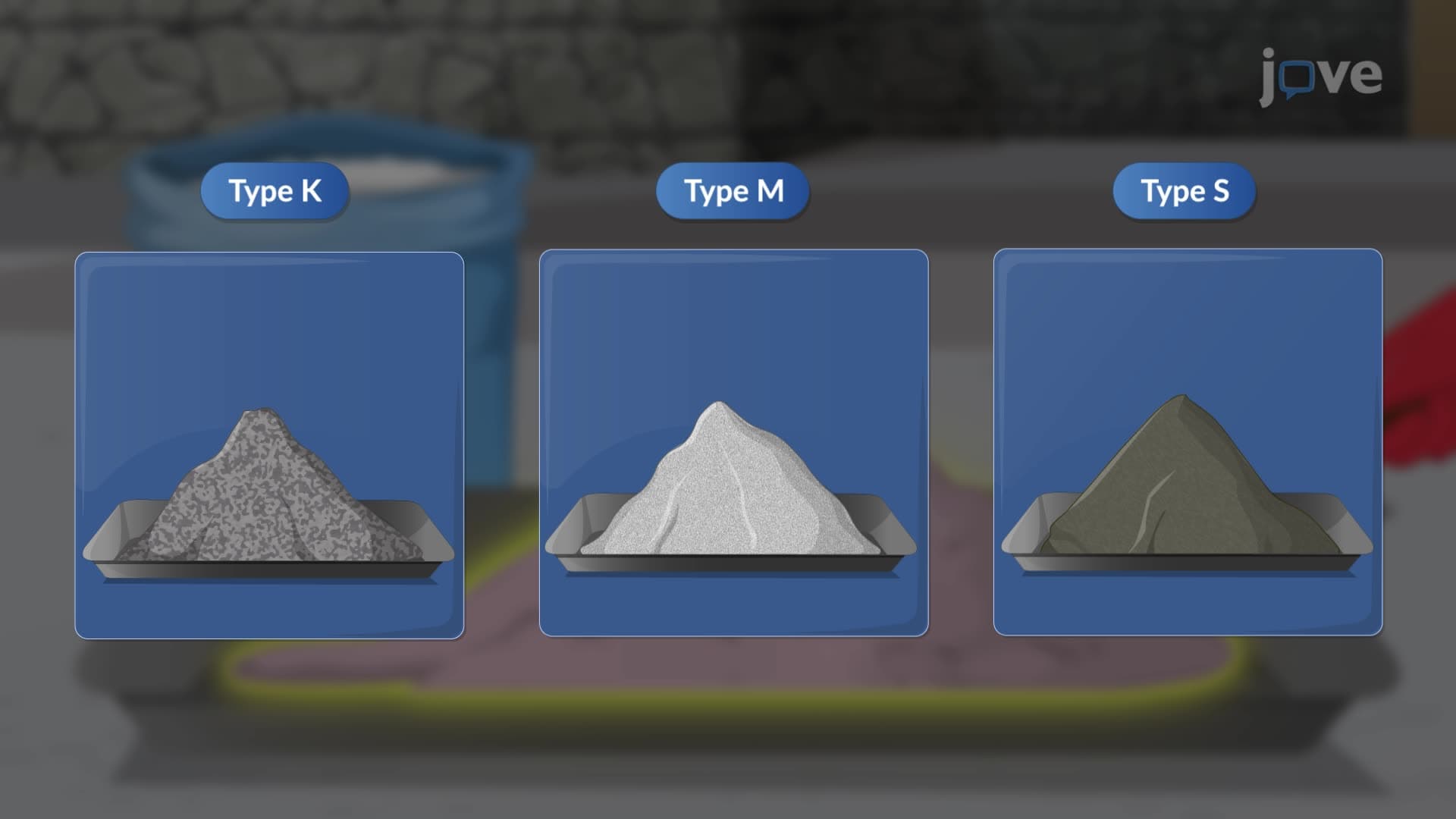
5. Specialized Cement Types and Applications: Different construction scenarios require specific cement properties: Type III (rapid-hardening) for emergency highway repairs minimizing traffic disruption; Type IV (low-heat) for massive structures preventing thermal cracking; Type V (sulfate-resistant) for sewage treatment facilities and marine environments. The water cement ratio significantly influences final strength and durability, with lower ratios producing stronger, less permeable concrete essential for structures like nuclear containment buildings.
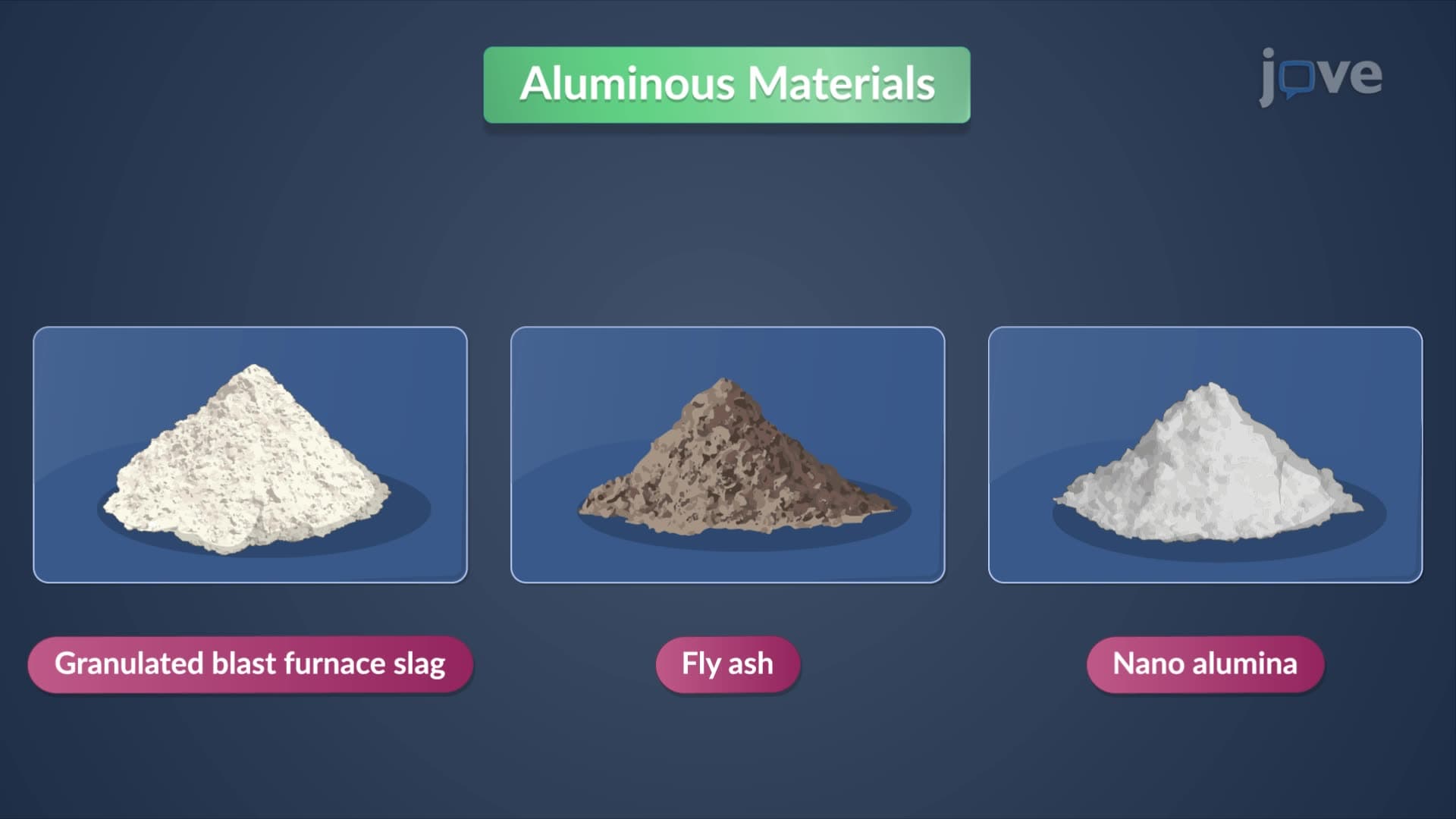
6. Pozzolanic Materials and Sustainability: Pozzolans-including fly ash from coal-fired power plants and silica fume from silicon production-react with calcium hydroxide from cement hydration to form additional cementitious compounds. These supplementary materials reduce Portland cement consumption, lower heat of hydration, and improve long-term strength and durability. Pozzolan incorporation supports sustainable construction practices while enhancing concrete performance in aggressive environments like coastal structures and chemical processing facilities.