21 Concepts
14 Concepts
11 Concepts
11 Concepts
16 Concepts
8 Concepts
18 Concepts
12 Concepts
6 Concepts
12 Concepts
6 Concepts
5 Concepts
6 Concepts
9 Concepts
8 Concepts
8 Concepts
7 Concepts
9 Concepts
10 Concepts
8 Concepts
13 Concepts
5 Concepts
11 Concepts
10 Concepts
7 Concepts
6 Concepts
9 Concepts
10 Concepts
6 Concepts
9 Concepts
Understanding the strength of concrete is fundamental to structural engineering and construction applications throughout the United States. This comprehensive course explores how concrete behaves under various loading conditions, from compression in high-rise buildings to tension in bridge decks. Students will examine the microstructural factors that determine concrete performance, including porosity, water-cement ratios, and reinforcement methods used in American construction projects, with practical insights from JoVE Coach.
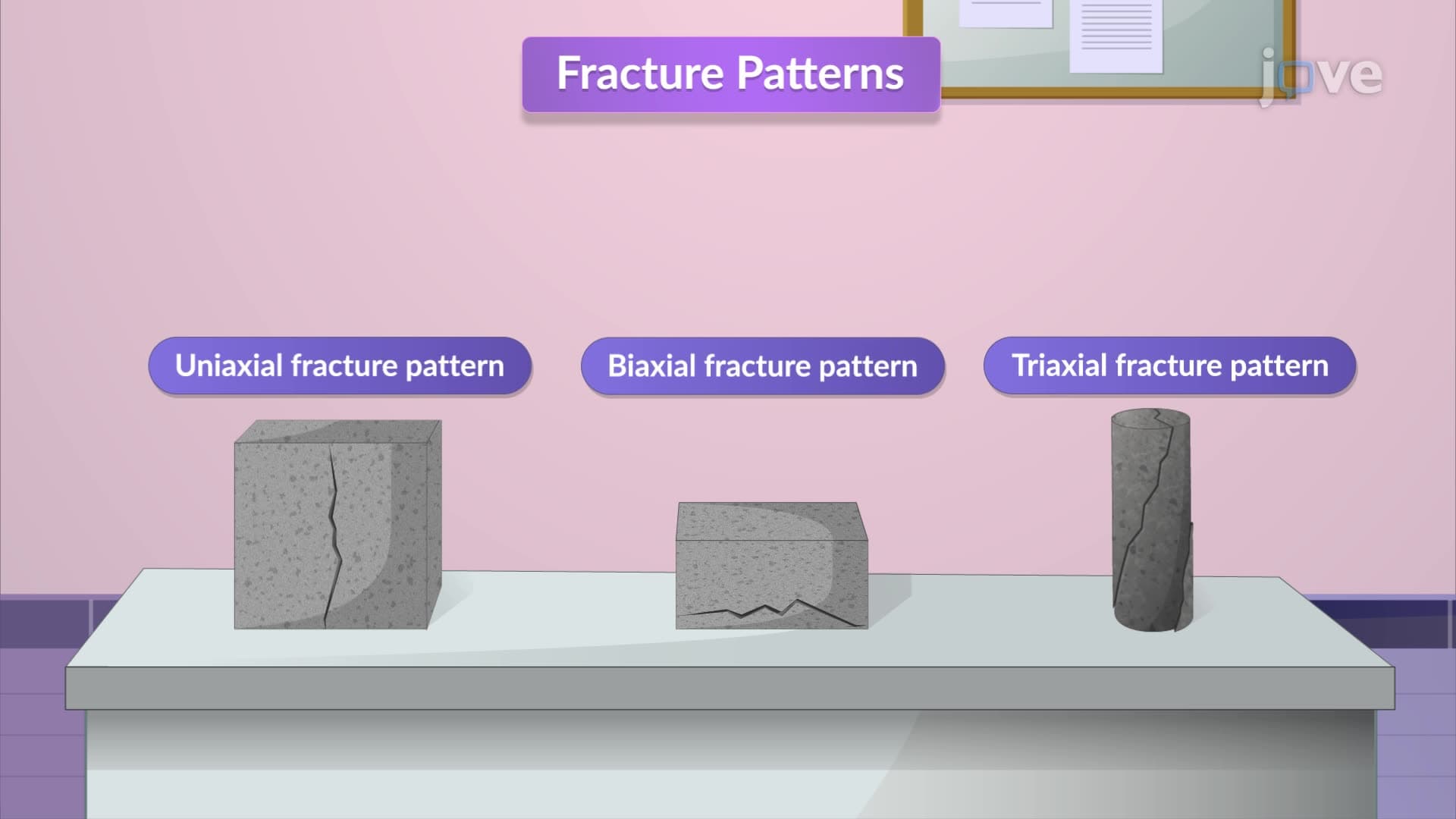
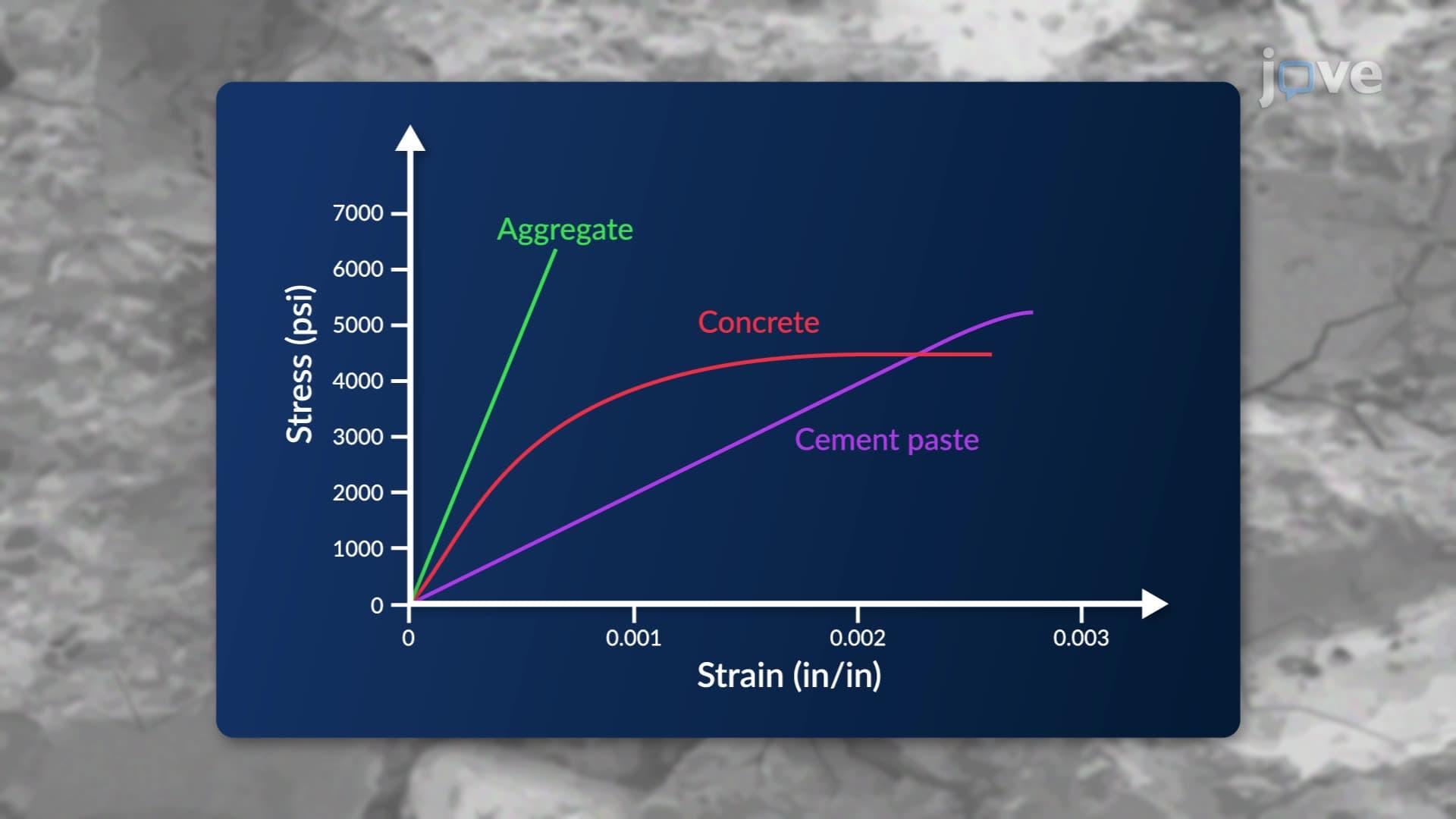
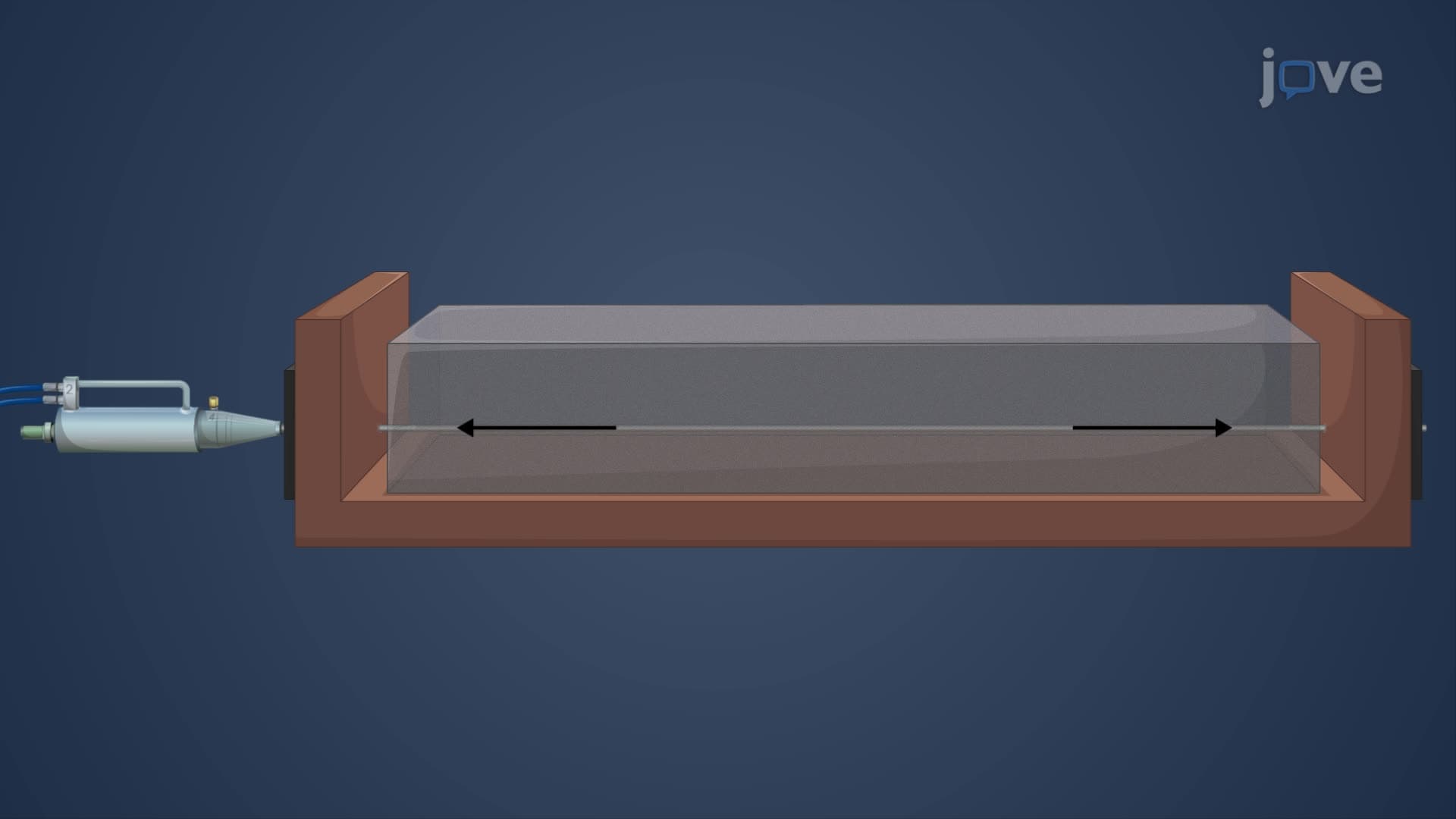
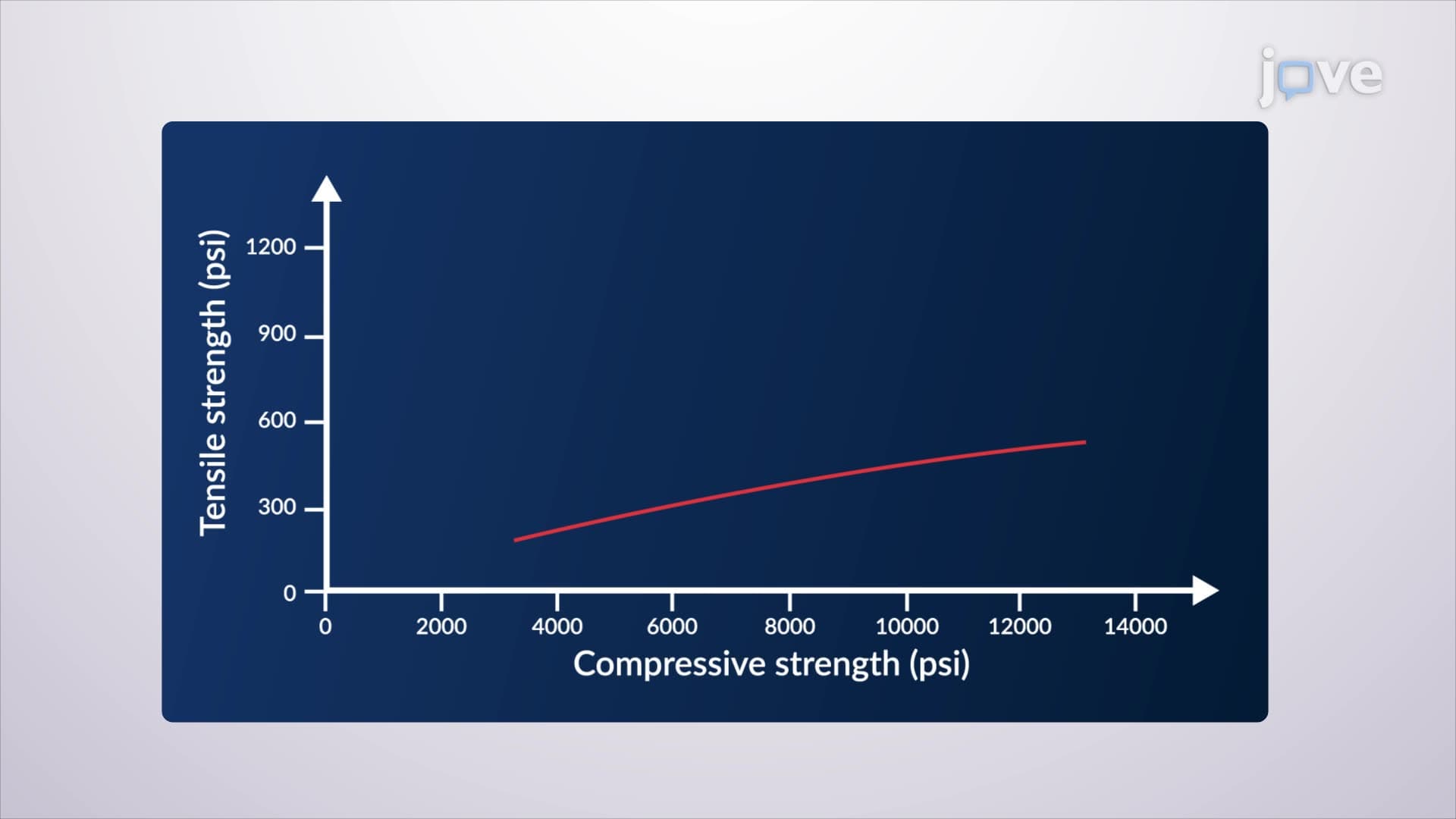
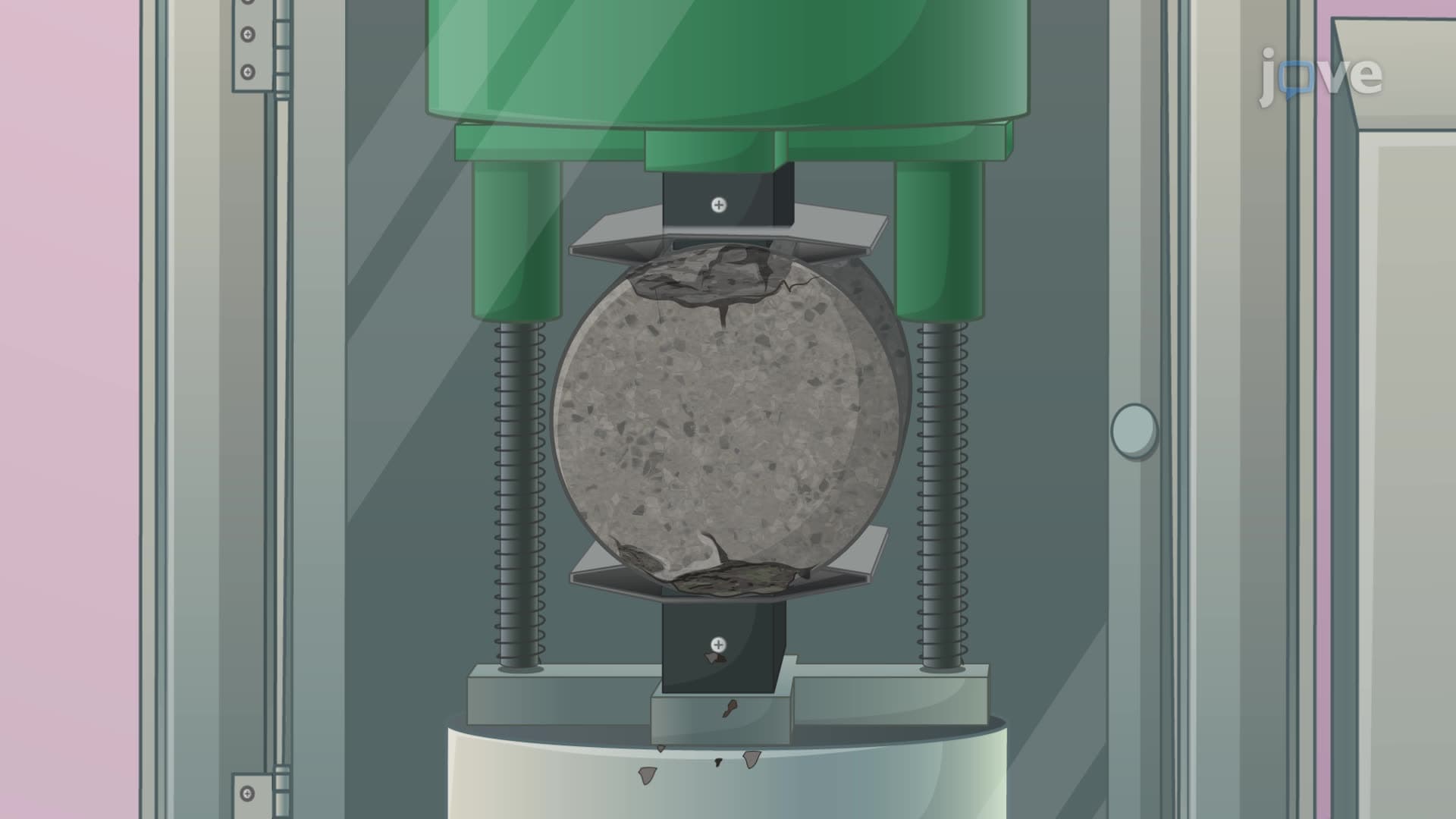
1. Compressive and Tensile Behavior: Concrete exhibits exceptional compressive strength but limited tensile capacity, explaining why the Hoover Dam uses mass concrete design while suspension bridges require steel cables. Under compression, concrete develops parallel cracks due to lateral tensile stresses, ultimately failing in columnar fragments. The compressive strength typically ranges from 3,000 to 8,000 psi in American construction, while tensile strength remains only 10-15% of compressive values. Understanding this behavior is crucial for designing safe structures like the concrete foundations of wind turbines across the Great Plains.
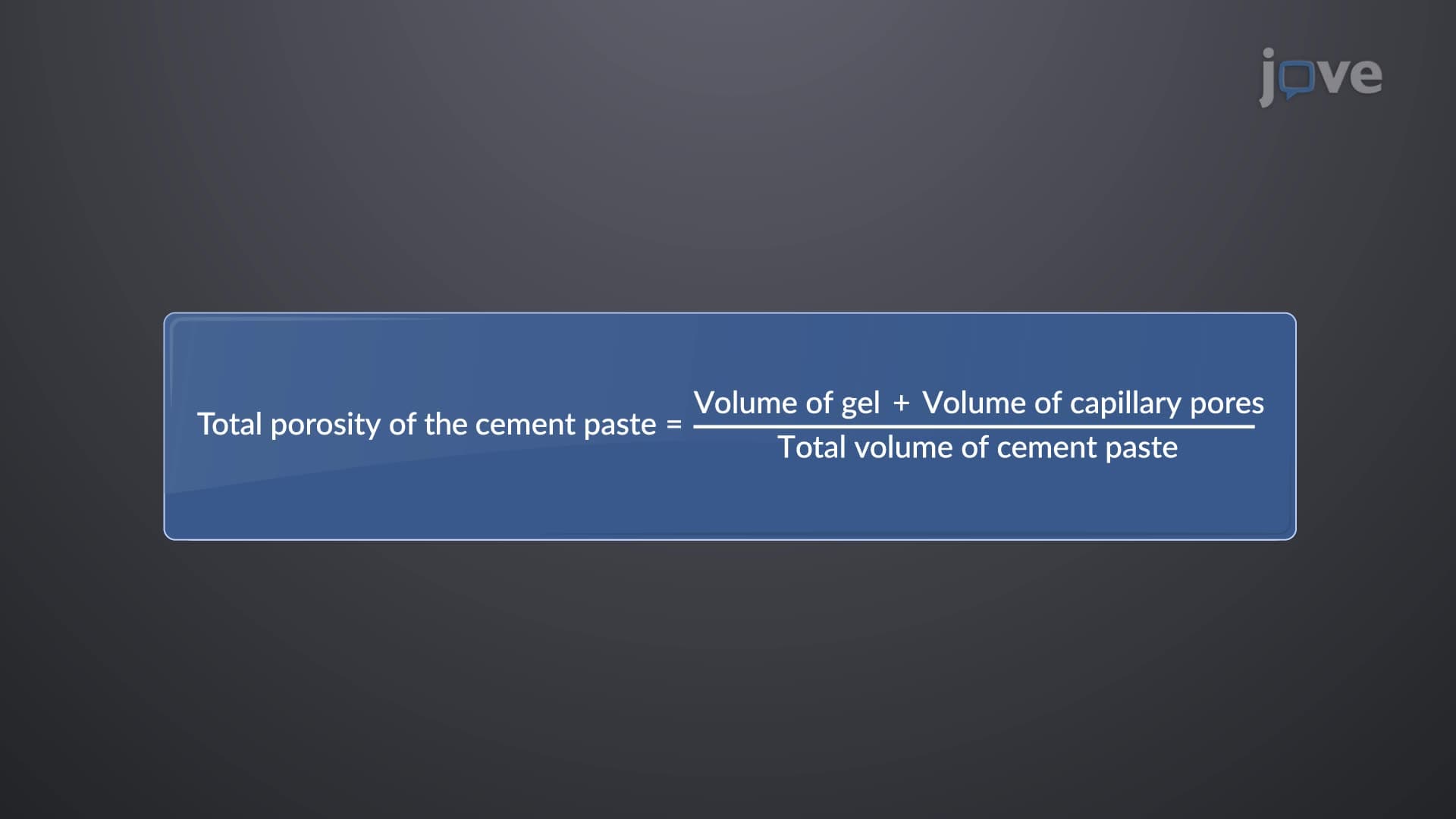
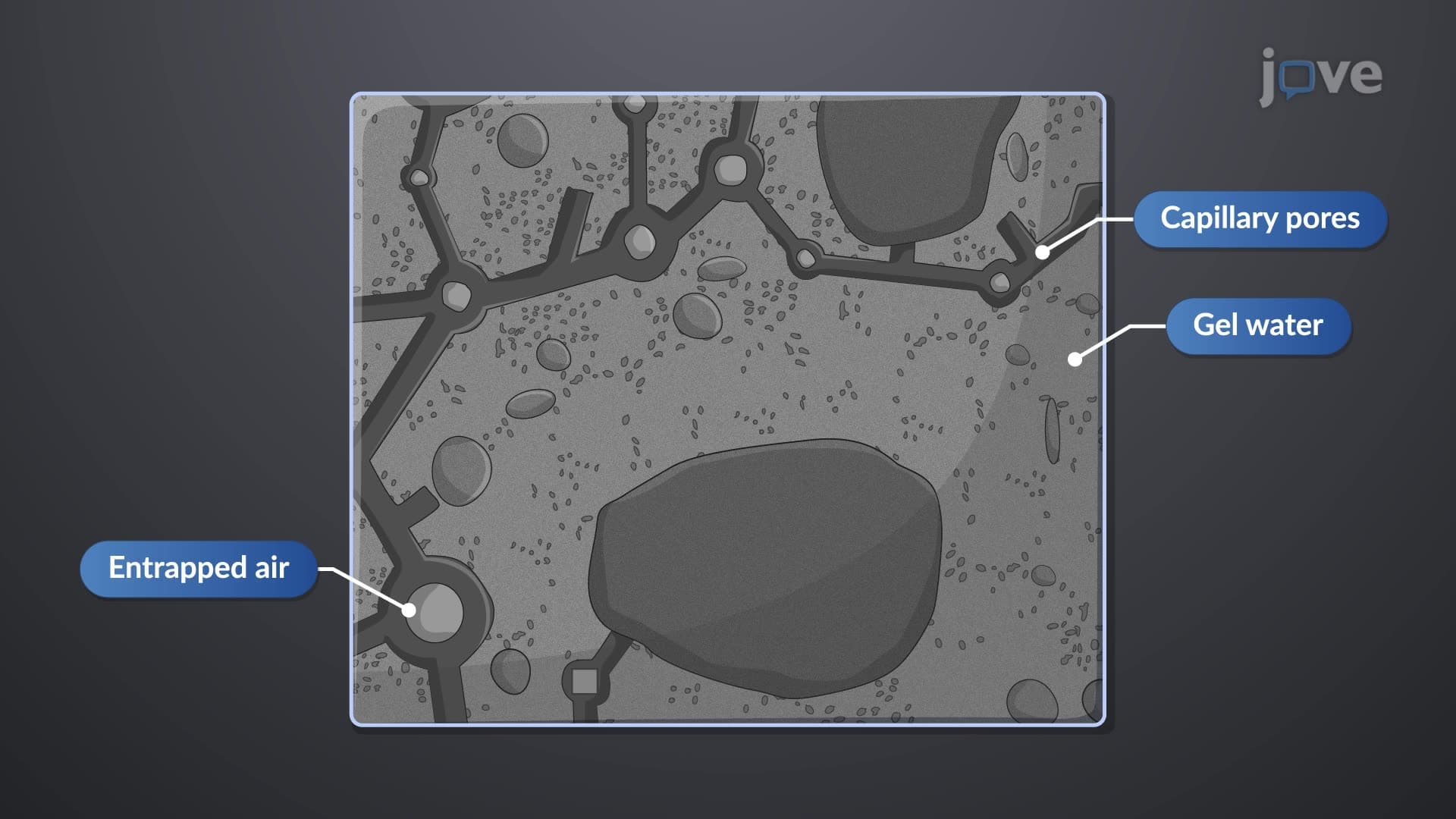
2. Microstructural Factors and Porosity: The internal structure of concrete directly influences its strength through gel pores, capillary pores, and entrapped air voids. Gel water occupies about 28% of cement gel volume, while capillary pores can constitute 18.5% of original cement volume when excess water is present. Proper curing reduces porosity by allowing continued hydration, as seen in the construction of major infrastructure projects like Interstate highway systems. The pore size distribution, ranging from 0.4 to 200 microinches, determines permeability and freeze-thaw resistance critical for northern climates.
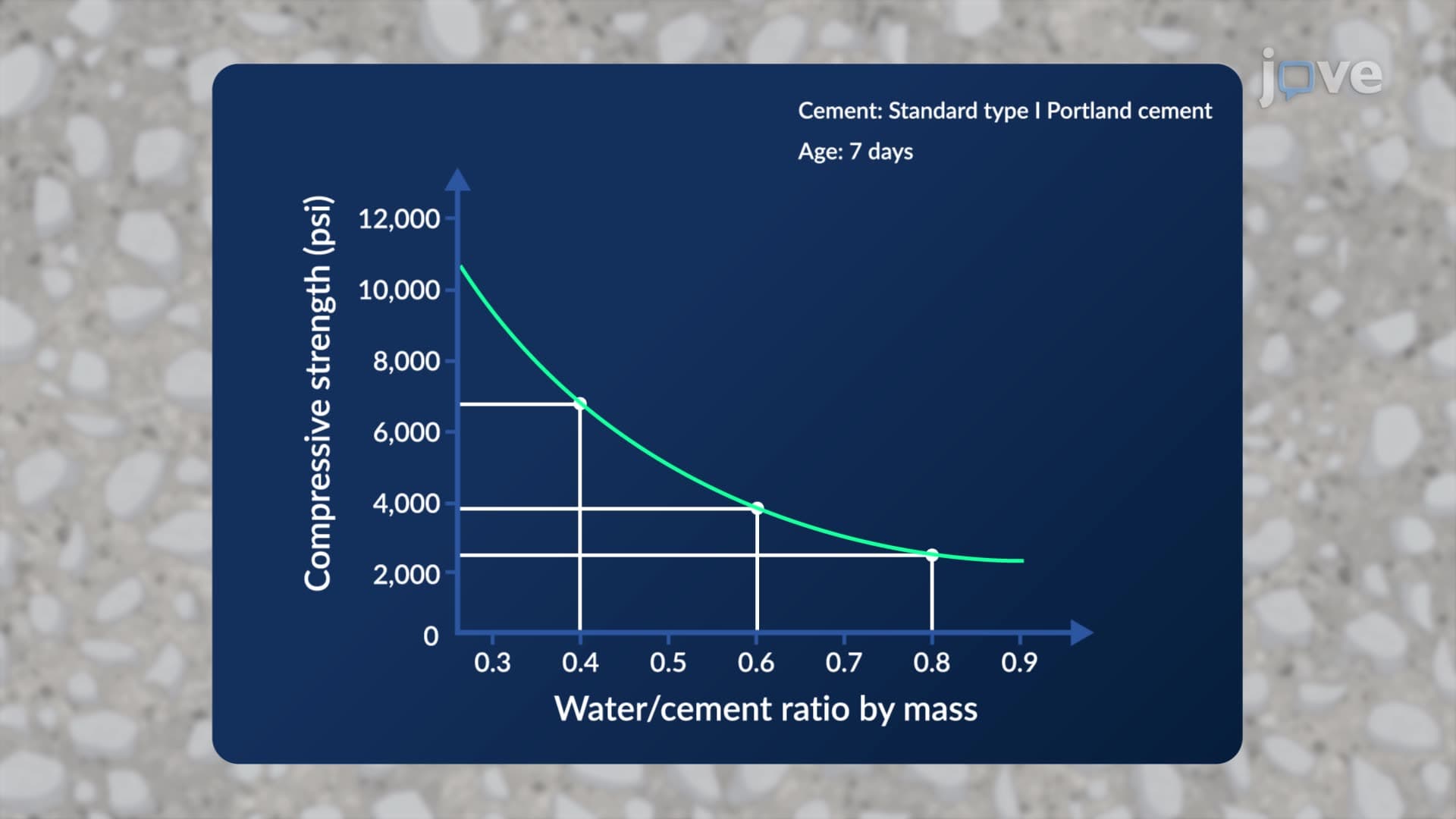
3. Water-Cement Ratio and Mix Design: The water-cement ratio governs all favorable concrete characteristics according to Abrams' Law, with typical values ranging from 0.45 to 0.60 in American practice. Lower ratios increase strength but reduce workability, requiring careful balance in projects like the construction of nuclear power plant containment structures. Excess water beyond hydration needs creates capillary voids, weakening the concrete matrix. This principle guides specifications for critical infrastructure, from airport runways at major hubs like LAX to foundation systems in earthquake-prone California.
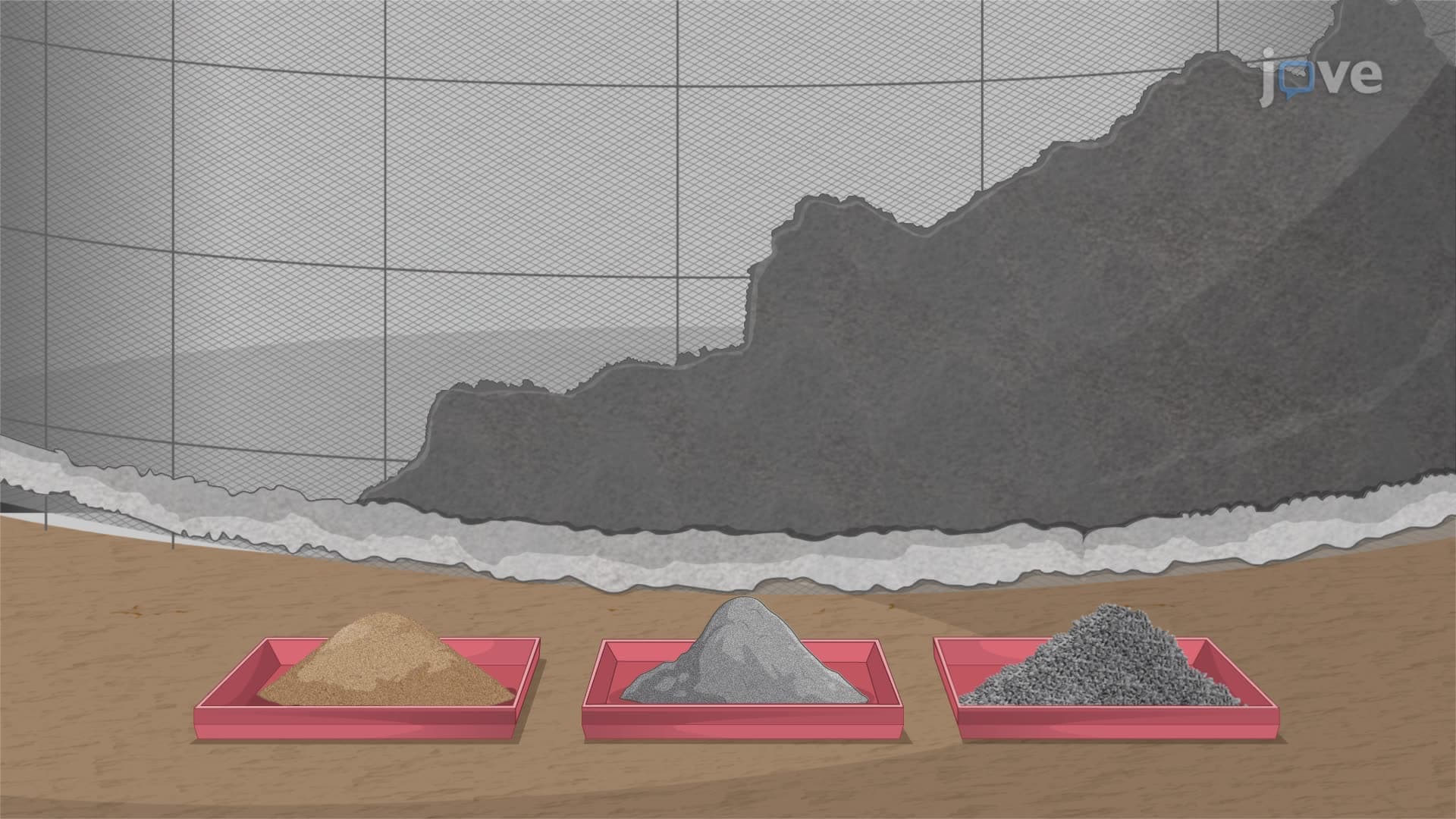
4. Aggregate Effects and Transition Zones: The aggregate-cement ratio and aggregate characteristics significantly impact concrete performance, with angular crushed stone providing better bonding than rounded river gravel. The interfacial transition zone between cement paste and aggregate represents the weakest link, being more porous due to localized high water-cement ratios during mixing. This knowledge influences material selection for projects ranging from the concrete sections of the Golden Gate Bridge approaches to precast elements in modern stadium construction, where aggregate type affects both strength and durability.
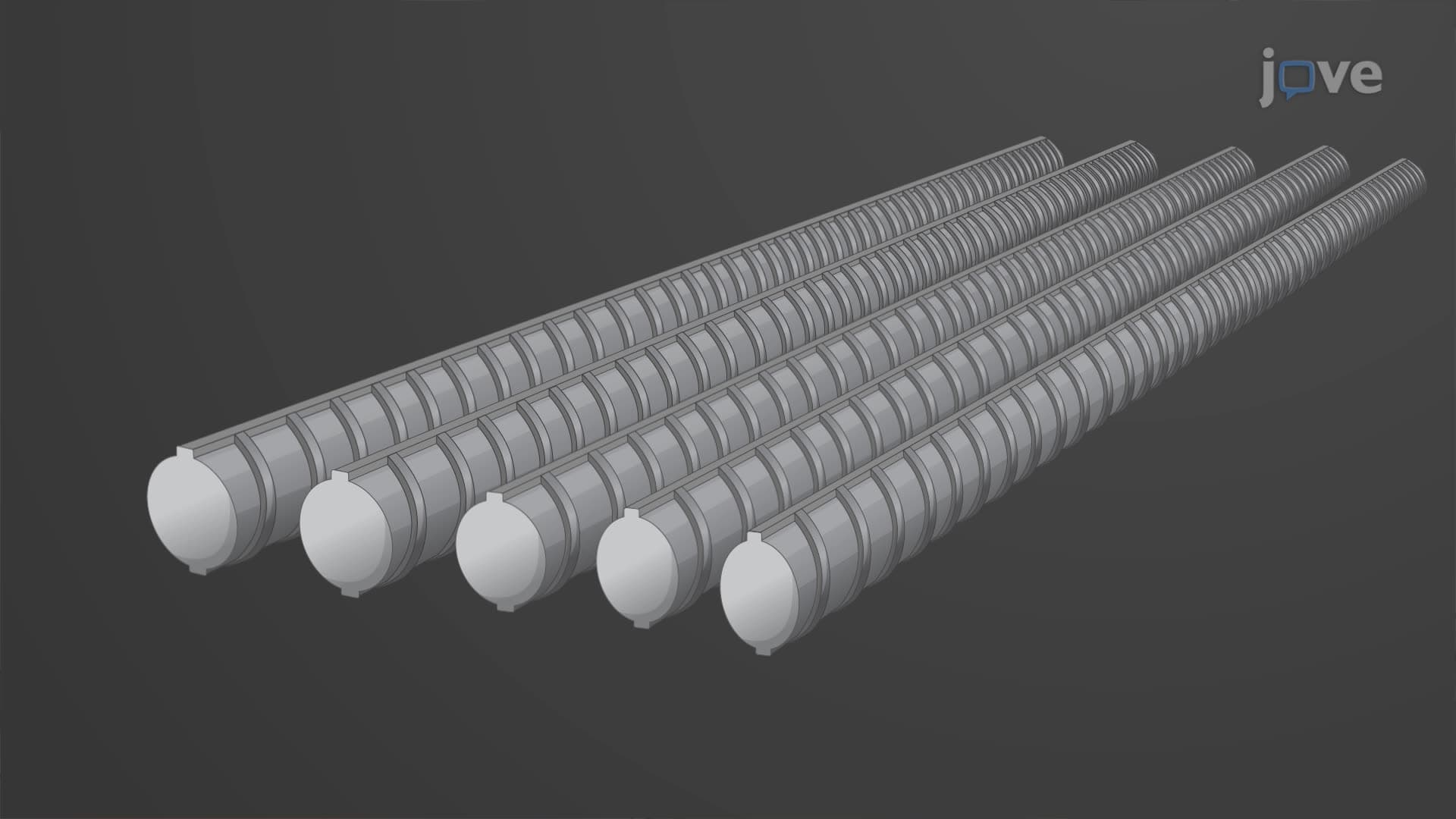
5. Advanced Reinforcement Systems: Beyond conventional steel rebar, modern concrete utilizes fiber reinforcement, prestressing, and ferrocement techniques for specialized applications. Fiber-reinforced concrete with steel, polypropylene, or glass fibers improves impact resistance and crack control, essential for airport pavements and industrial floors. Prestressed concrete, used in bridge girders and parking garage construction, applies initial compression to counteract service loads. These advanced systems enable longer spans and reduced member sizes in structures like convention centers and sports arenas across America.
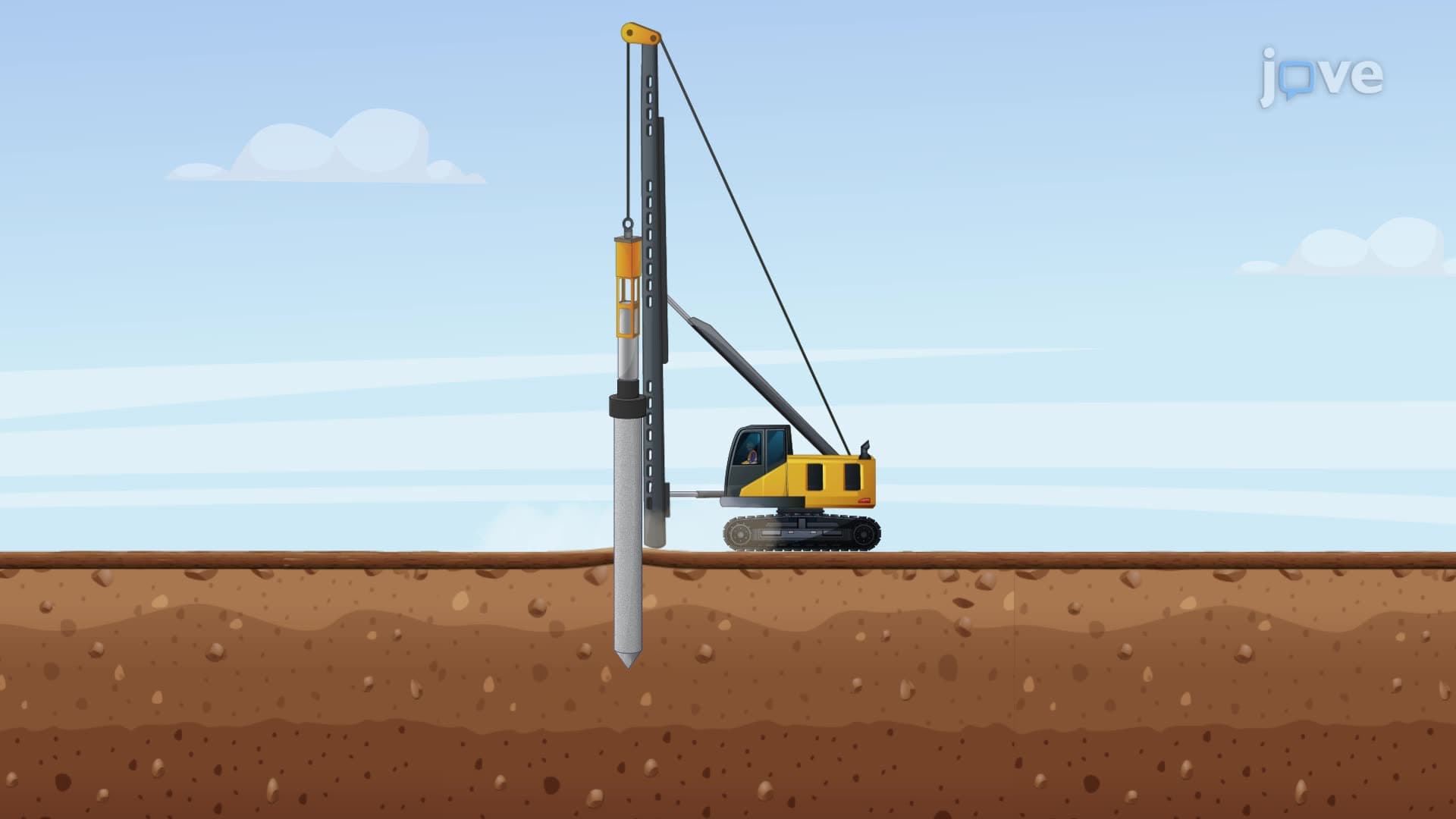
6. Testing and Quality Control Methods: Non-destructive testing methods including rebound hammer and penetration resistance tests allow engineers to evaluate concrete strength in existing structures without damage. The Schmidt hammer provides rebound numbers correlating to surface hardness, while the Windsor Probe test measures penetration resistance. These techniques are essential for infrastructure assessment programs, from evaluating aging highway bridges on the Interstate system to assessing the structural integrity of historic buildings like those found in downtown areas of major American cities.