Loading video…


 18 Concepts
 6.3K views

Video Summary: What Is Transition Zone
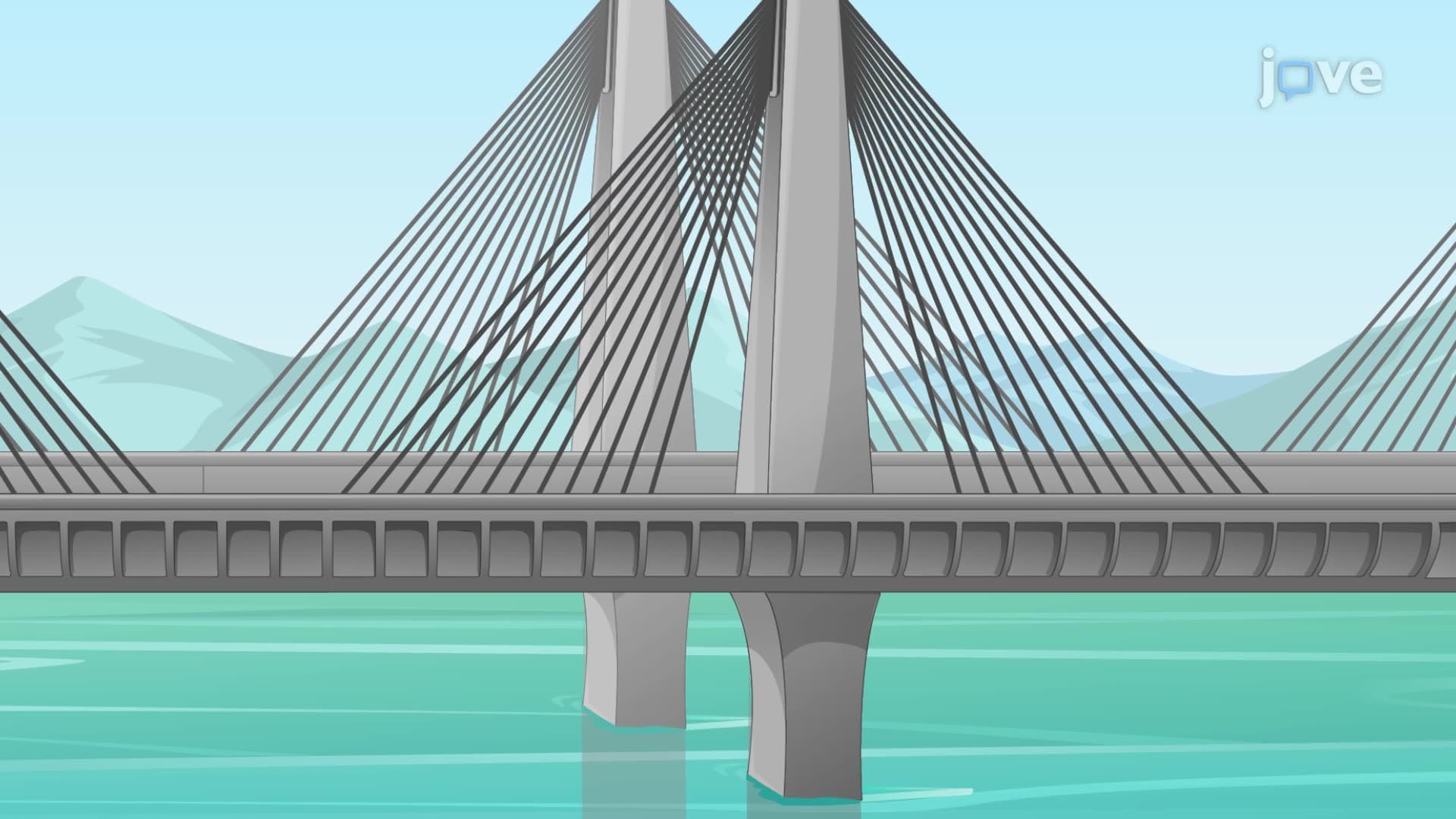
Ever wonder why concrete structures like the Golden Gate Bridge can withstand decades of stress while some sidewalks crack within years? The transition zone, the critical interface where aggregate particles meet cement paste in concrete, holds the answer to this engineering mystery. This porous, weaker region significantly impacts concrete's overall strength and durability in everything from highway overpasses to residential foundations across America. Watch the full video on JoVE Coach to master this concept with expert-led visuals and step-by-step explanations.
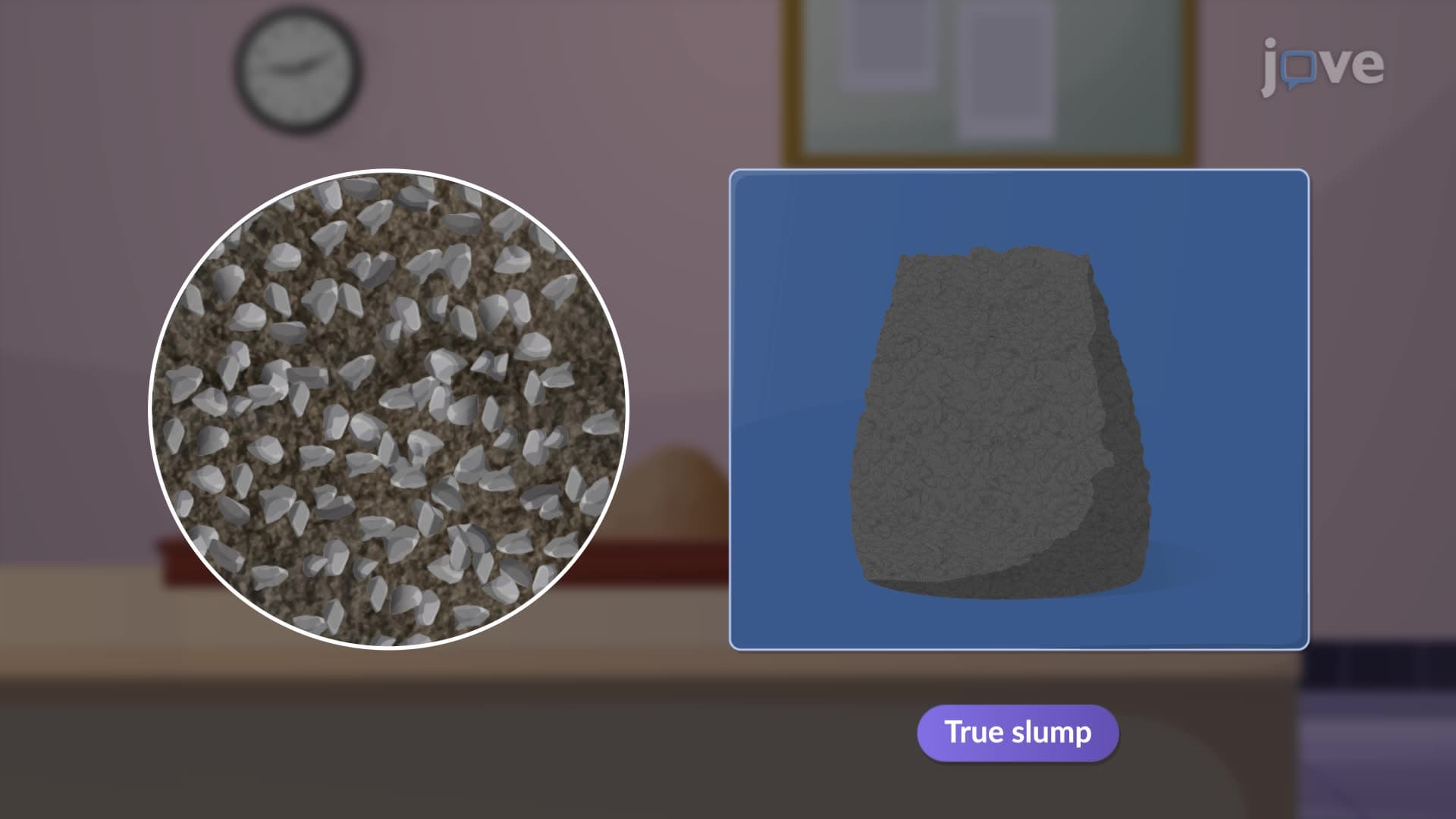
The transition zone represents one of concrete's most critical yet often overlooked components in civil engineering and materials science. This microscopic region, typically 10-50 micrometers thick, forms the boundary between coarse aggregate particles and the surrounding cement paste matrix. Understanding this interface is essential for students preparing for AP Chemistry, college-level materials science courses, and professional engineering examinations.
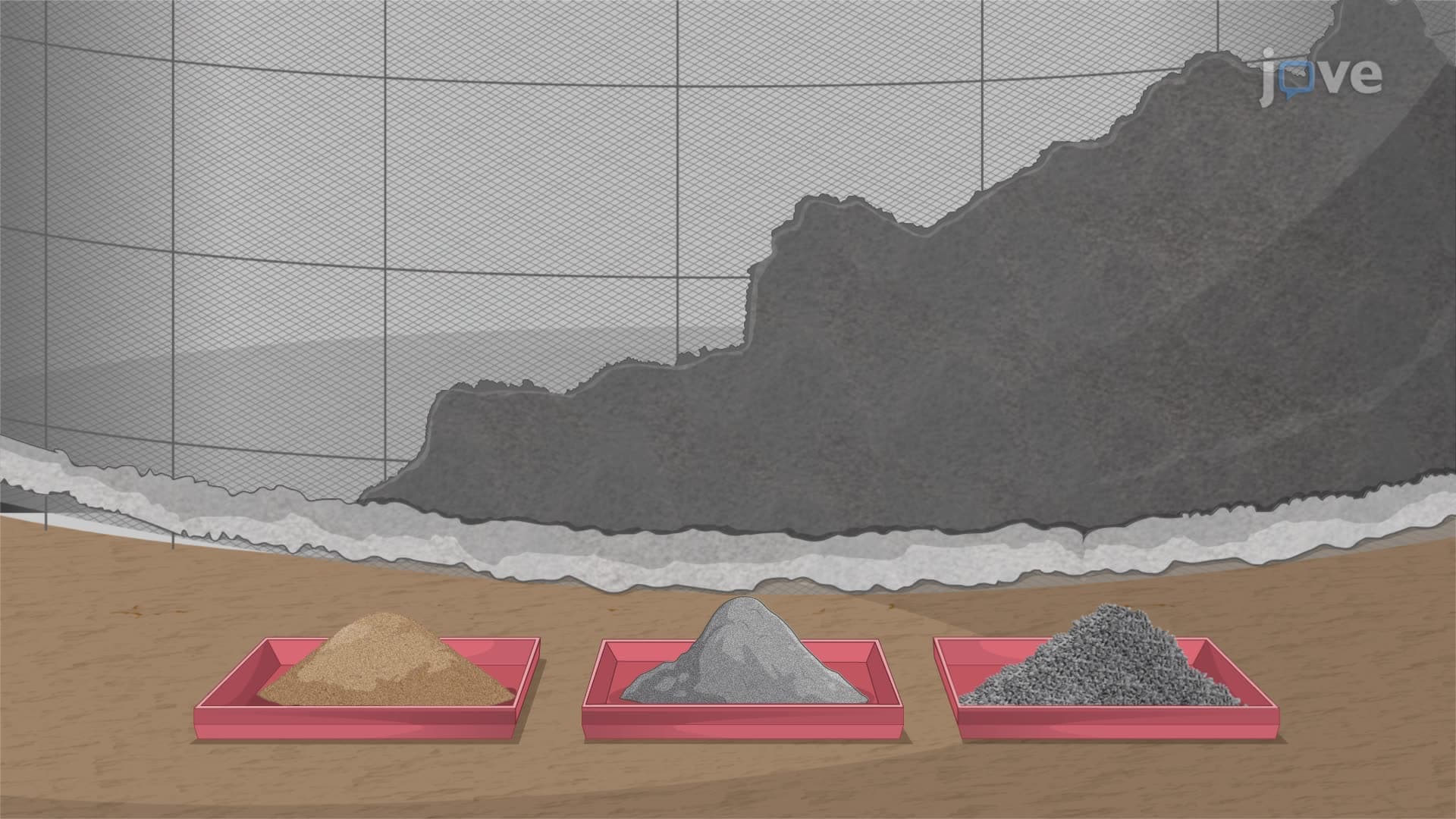
During concrete mixing and placement, the transition zone definition becomes apparent through distinct water distribution patterns. Fresh concrete experiences what engineers call the "wall effect", larger aggregate particles create localized zones where water accumulates, resulting in higher water-cement ratios near aggregate surfaces compared to bulk paste regions. This phenomenon occurs because aggregate particles cannot pack as efficiently against each other, leaving voids that fill with excess water.
This water concentration has profound implications for structural integrity. When students encounter what is transition zone in detail questions on exams like the Fundamentals of Engineering (FE) exam, they must recognize that these water-rich regions become the concrete's weakest links. Real-world examples include premature cracking in parking structures at major US airports, where repetitive loading exploits these weak interfacial zones.
The transition zone's weakness stems from its unique crystallization patterns. As cement hydration proceeds, dissolved ions including calcium, sulfate, and hydroxyl precipitate to form primary hydration products. However, the elevated water-cement ratio in transition zones allows these compounds to form larger, more porous crystal structures than those found in denser paste regions.
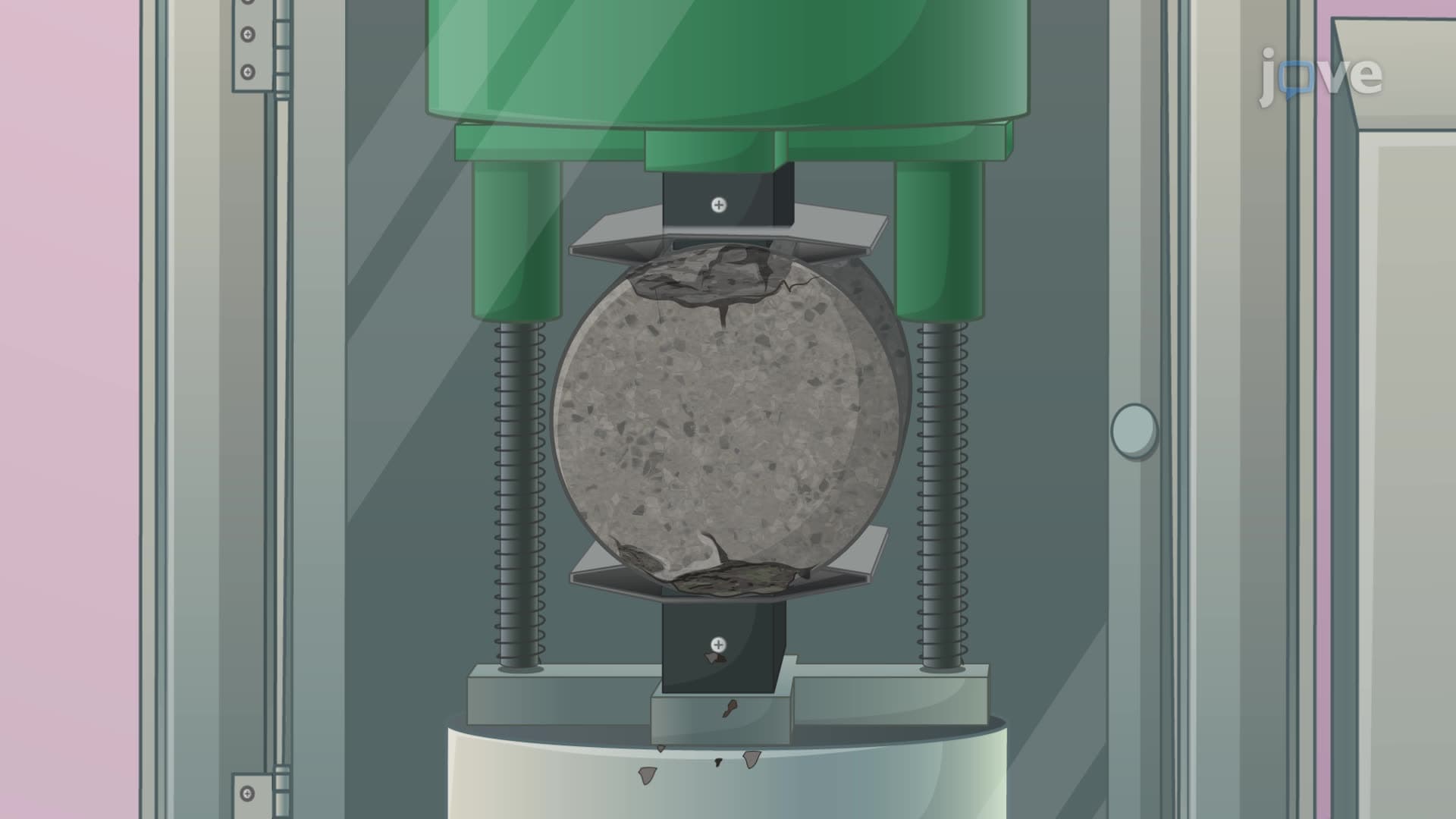
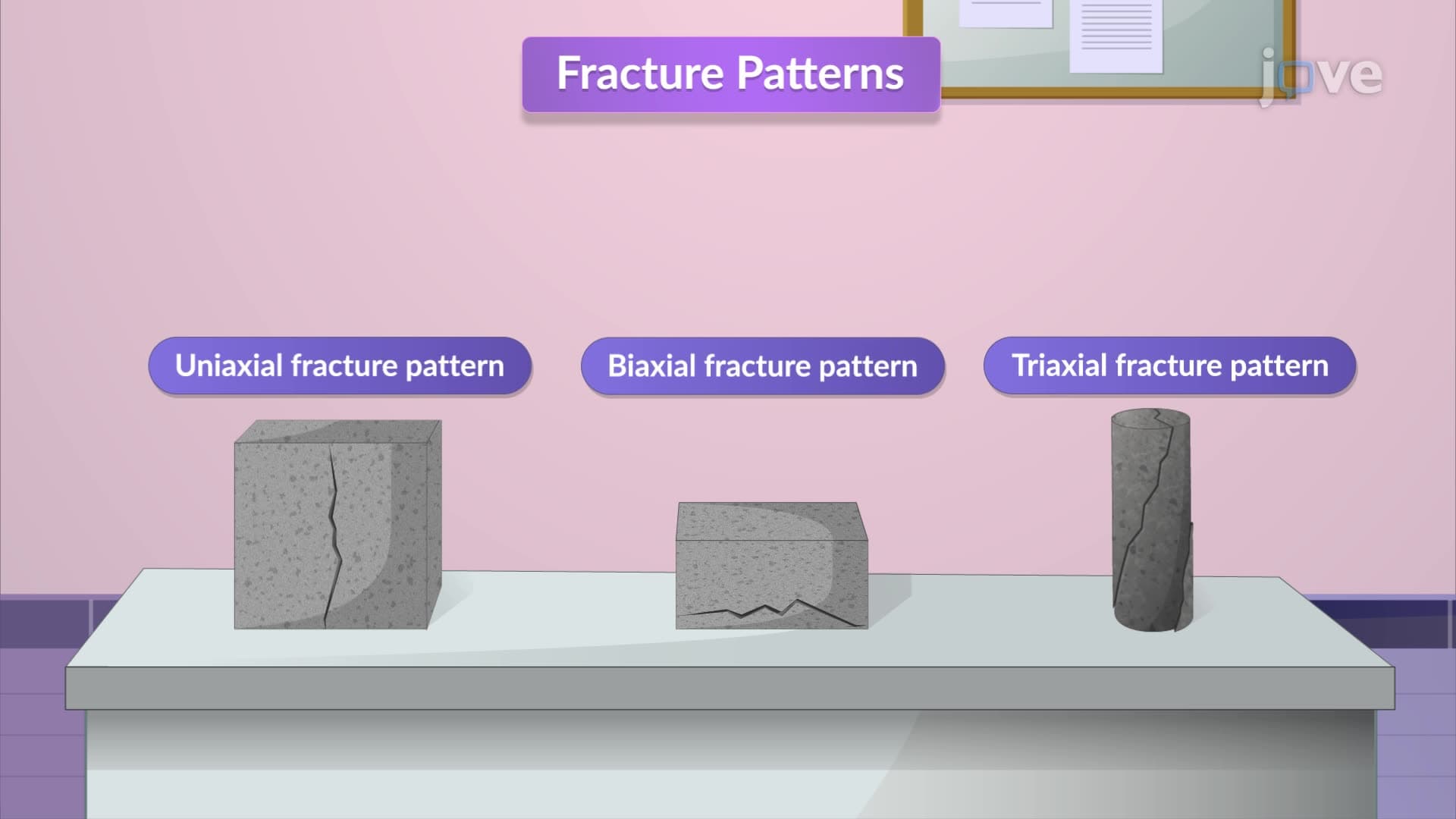
Calcium hydroxide, one of concrete's primary hydration products, exhibits particularly problematic behavior in transition zones. These crystals often grow in oriented, plate-like formations perpendicular to aggregate surfaces, creating preferential crack propagation paths. This crystallographic arrangement explains why concrete often fails along aggregate-paste interfaces rather than through the aggregate itself, a key concept for students studying fracture mechanics in advanced materials courses.
Despite initial weakness, transition zones undergo continuous improvement through secondary hydration processes. Over months and years, poorly crystallized calcium silicate hydrate (C-S-H) gradually fills spaces between large initial crystals, accompanied by smaller ettringite and calcium hydroxide formations. This densification process partially explains why concrete structures like the Hoover Dam, built in the 1930s, continue gaining strength decades after construction.
For students preparing for graduate-level concrete technology courses or professional engineering licensure, understanding this time-dependent strengthening mechanism is crucial for predicting long-term structural performance and designing durable infrastructure systems.
Related Micro-courses