Loading video…


 18 Concepts
 6.3K views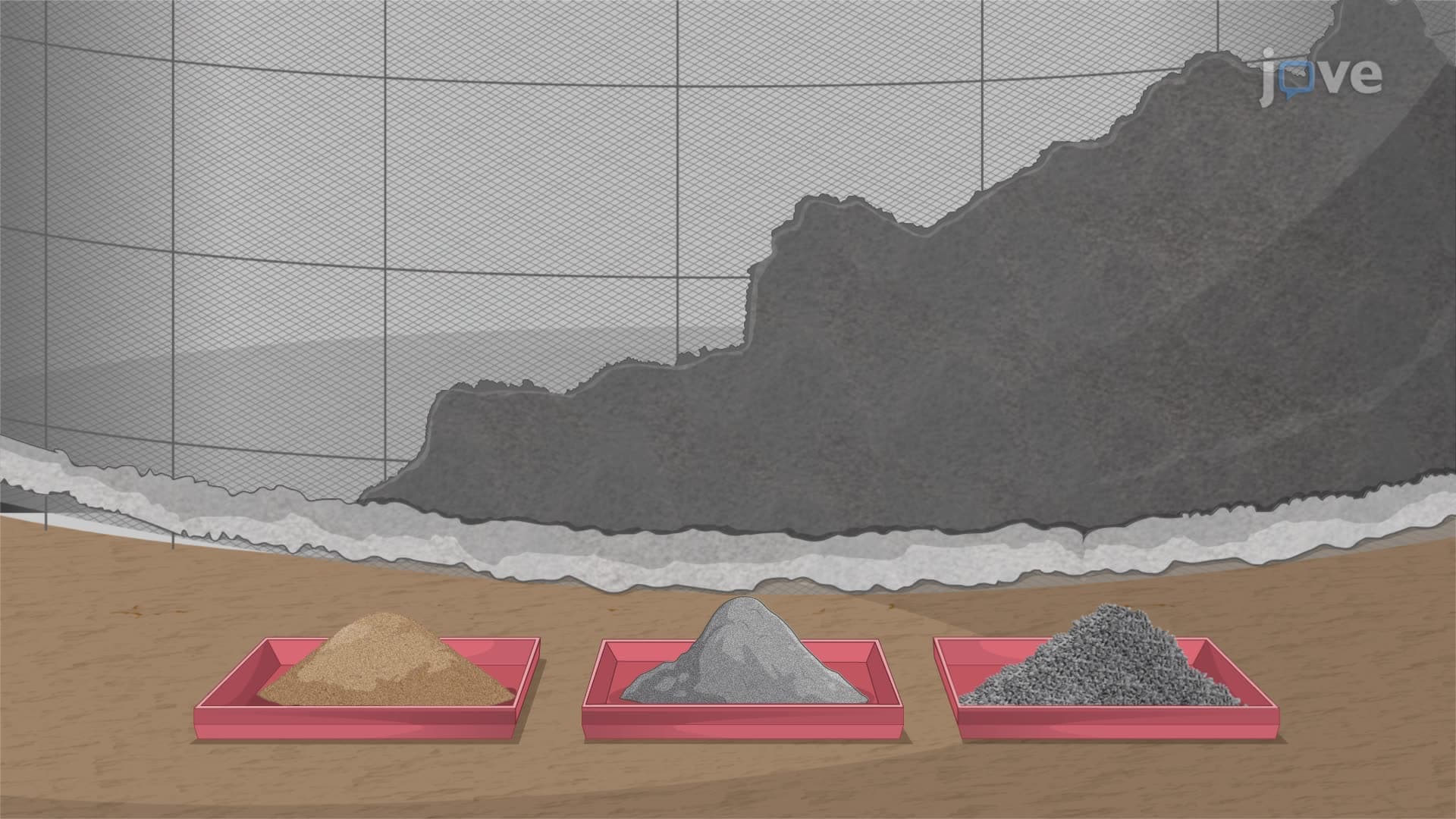

Video Summary: What Is Ferrocement
Did you know that the same material used to build the iconic Gateway Arch in St. Louis also creates ultra-thin swimming pools and water tanks? Ferrocement is a revolutionary construction material that combines multiple layers of fine mesh with cement mortar to create structures that are significantly thinner yet stronger than traditional reinforced concrete. Unlike conventional concrete construction that requires heavy steel rebar and bulky forms, ferrocement can be molded by hand into virtually any shape imaginable. Watch the full video on JoVE Coach to master this concept with expert-led visuals and step-by-step explanations.
Ferrocement represents a paradigm shift in construction engineering, combining the compressive strength of cement with the tensile properties of fine mesh reinforcement. This innovative material system consists of multiple closely spaced layers of mesh completely encased in cement mortar, creating a composite material that outperforms traditional concrete in specific applications. The technology emerged from the need for lightweight, durable construction materials that could be shaped without expensive formwork.
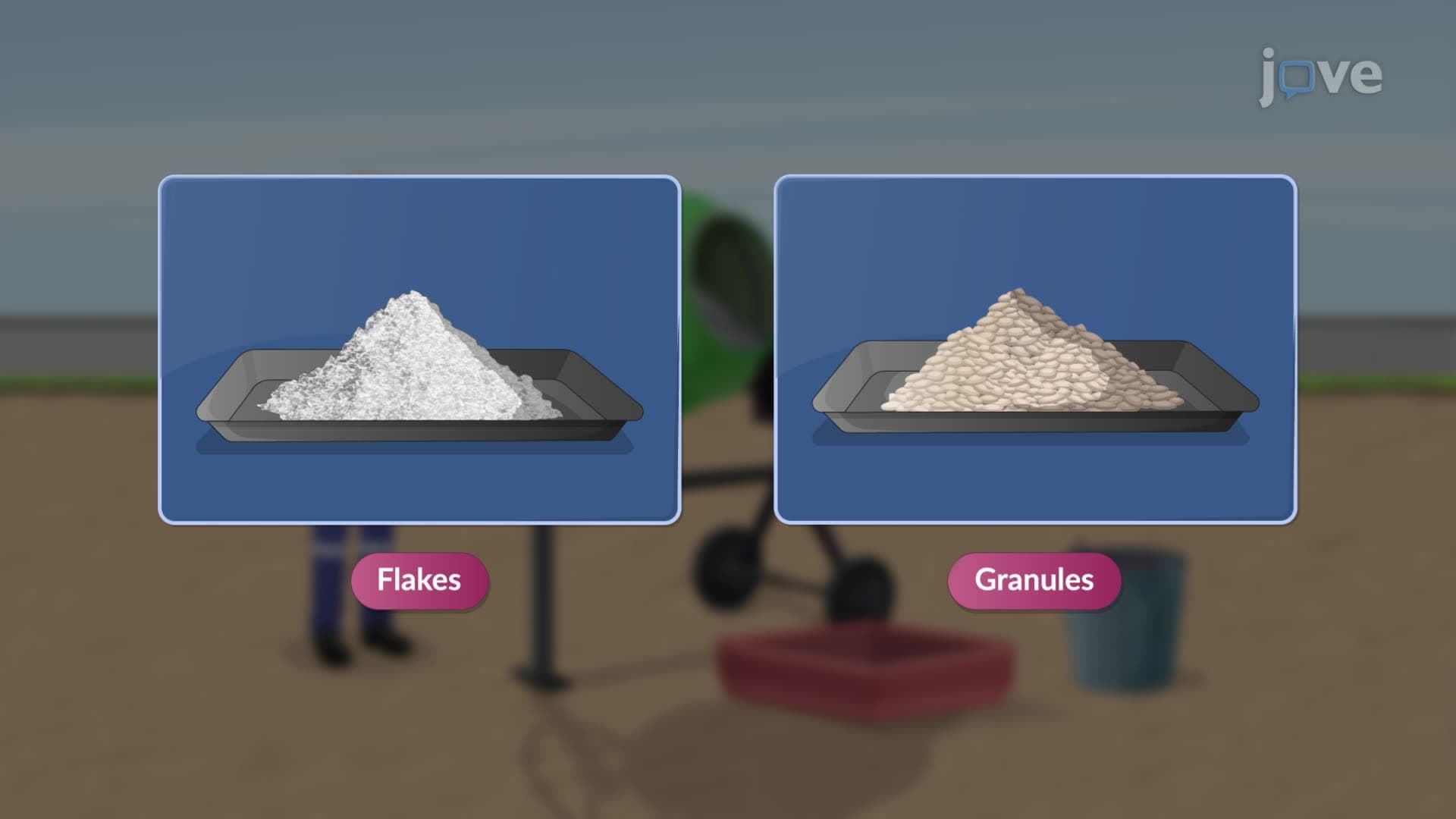
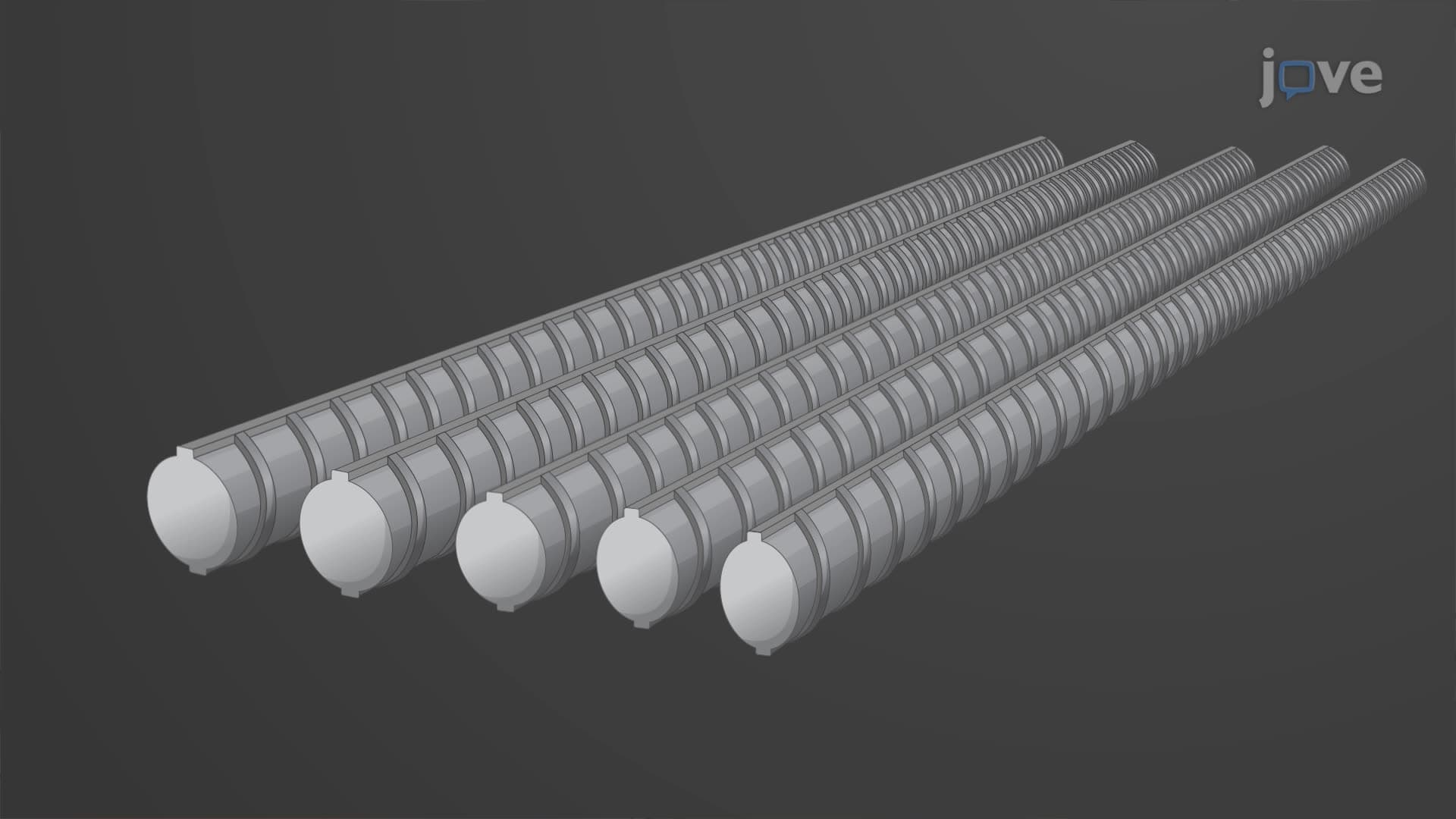
The mortar matrix in ferrocement typically uses Portland cement-the same standard cement specified in American Concrete Institute (ACI) guidelines-combined with well-graded sand and occasionally small aggregate. The particle size distribution must be carefully controlled to ensure proper penetration through the mesh layers. The reinforcement system distinguishes ferrocement from conventional concrete, utilizing fine mesh materials rather than large-diameter rebar.
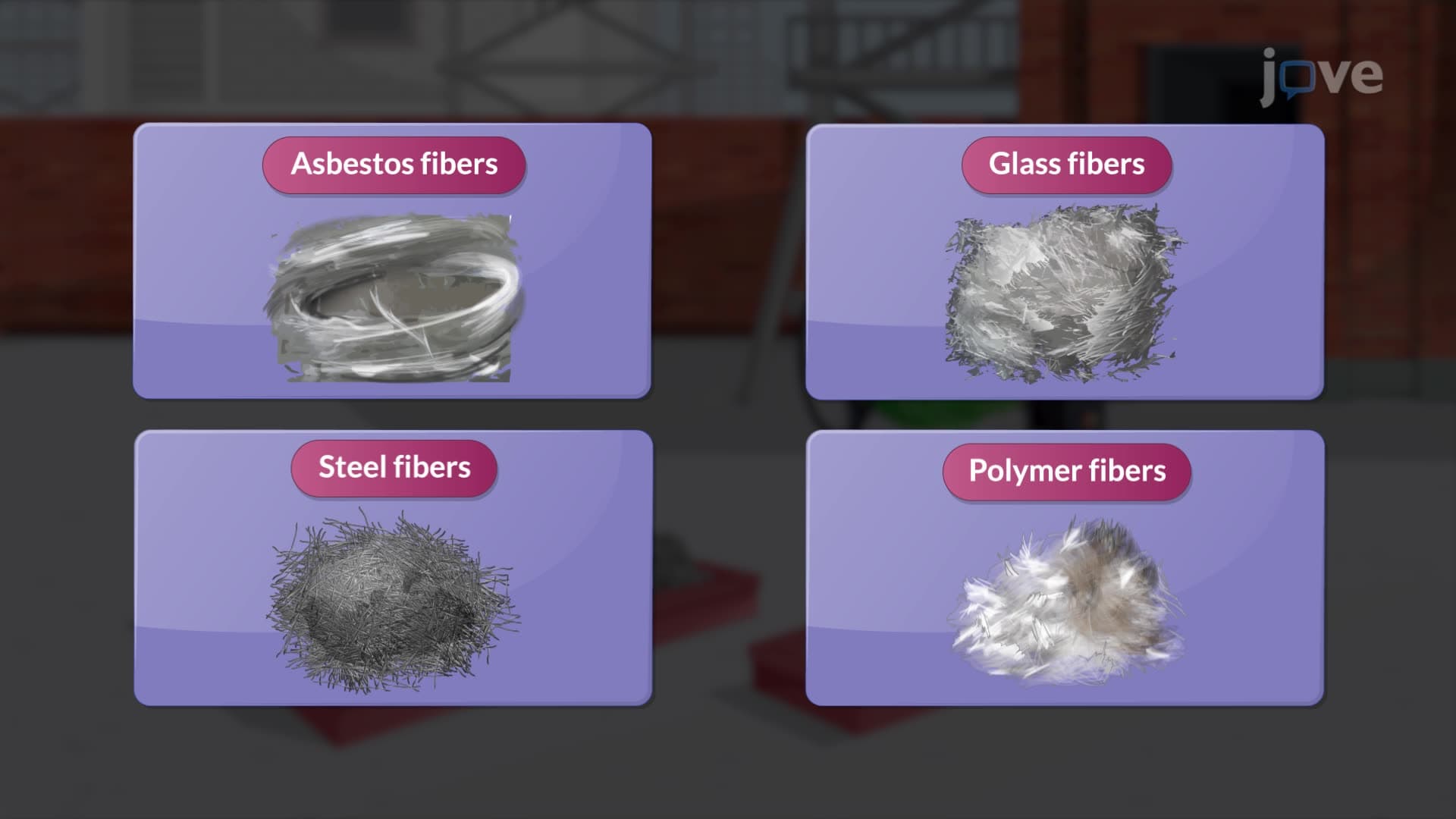
Reinforcement options include welded wire mesh (common in US construction), expanded metal lath (used in plastering applications), chicken wire mesh, and perforated metal sheets. Advanced applications incorporate non-metallic reinforcement such as glass fiber mesh or natural organic fibers arranged in two-dimensional configurations. This diversity allows engineers to optimize the reinforcement system for specific load conditions and environmental exposures.
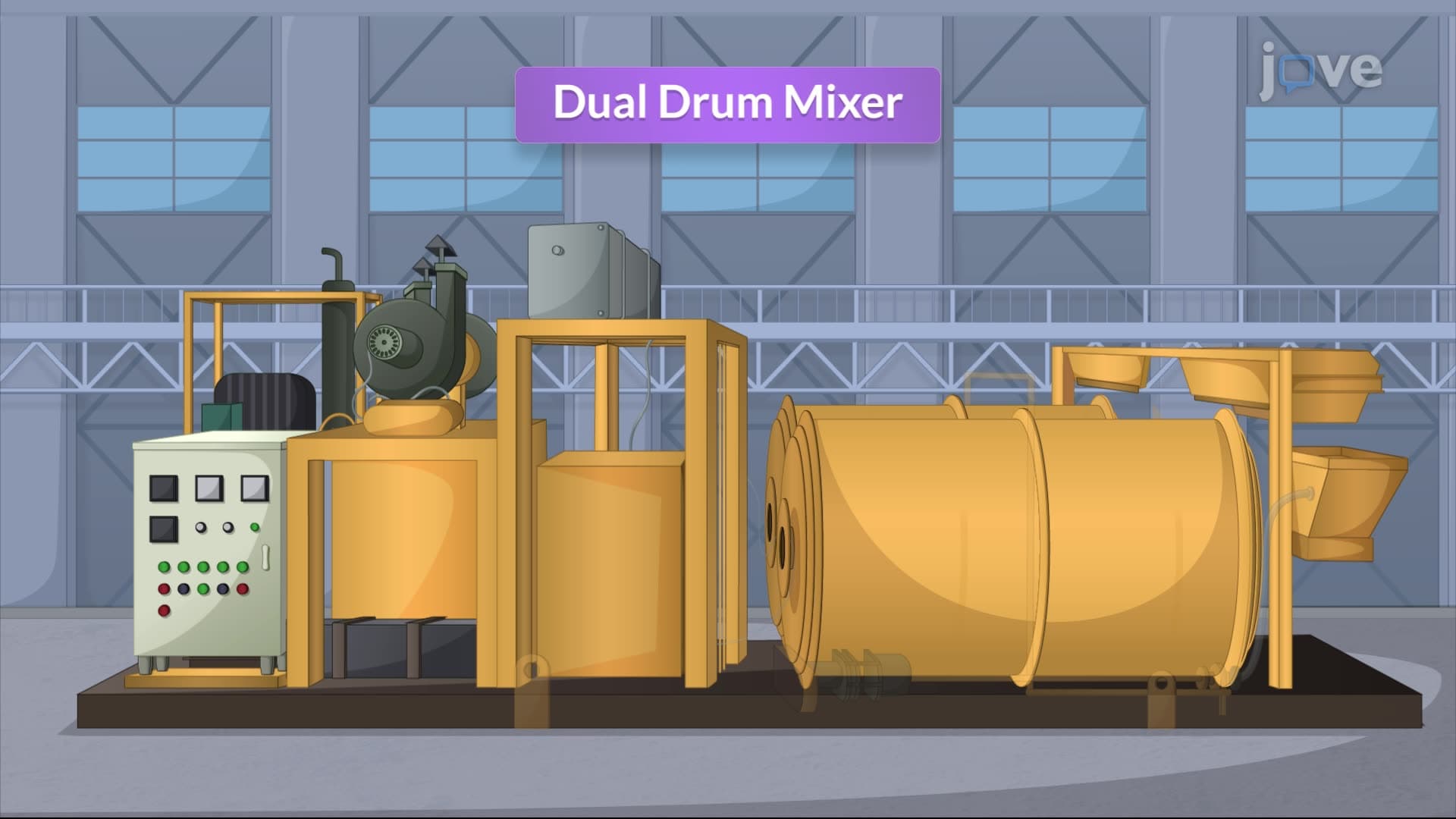
The construction process eliminates traditional formwork requirements, allowing builders to shape ferrocement by hand application techniques. Workers apply mortar through spray methods (shotcreting), hand plastering, or trowel application, ensuring complete encasement of the mesh system. This flexibility enables complex geometries impossible with conventional concrete construction.
In the United States, ferrocement finds application in swimming pool construction, particularly for free-form designs popular in California and Florida. Water storage tanks benefit from ferrocement's excellent crack resistance and waterproofing properties. Agricultural applications include silos and grain storage facilities, where the material's durability and moldability provide economic advantages. Architectural applications showcase ferrocement's potential for unique roof systems and sculptural elements.
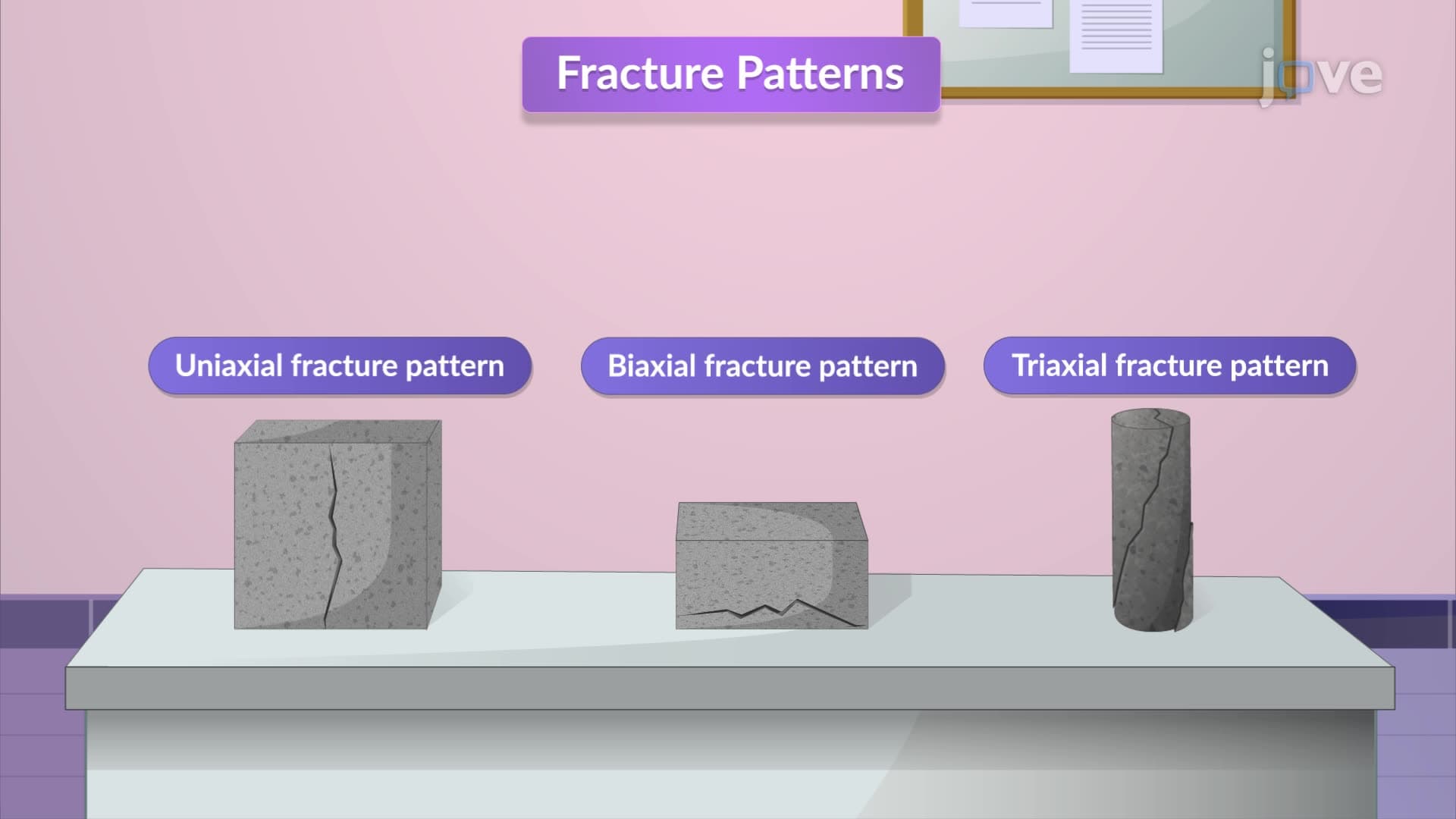
Students preparing for AP Physics or college-level materials science courses should understand that ferrocement's superior tensile strength results from the high surface area of mesh reinforcement distributed throughout the cement matrix. This configuration provides better crack distribution compared to conventional reinforced concrete, where cracks tend to concentrate around larger reinforcing bars. The reduced weight-to-strength ratio makes ferrocement particularly valuable in seismic regions and applications requiring minimal dead load.
Related Micro-courses