Loading subject page…


6,266 views


Video Summary: What Is Aggregate Cement Ratio
Ever wonder why some concrete sidewalks in New York City crack while others last decades? The secret lies in the aggregate cement ratio, which determines the weight relationship between total aggregates and cement in concrete mixtures. This fundamental ratio directly impacts concrete strength, workability, and durability in construction projects from residential driveways to major infrastructure like the Golden Gate Bridge. Watch the full video on JoVE Coach to master this concept with expert-led visuals and step-by-step explanations.
The aggregate cement ratio represents a fundamental parameter in concrete technology that civil engineers and construction professionals use daily across American infrastructure projects. This ratio expresses the weight relationship between all aggregates (both fine sand and coarse gravel or crushed stone) to the amount of cement in a concrete mixture. Understanding this concept is crucial for students preparing for AP Chemistry, college-level materials science courses, and professional engineering examinations.
When the aggregate cement ratio increases, the concrete mixture becomes "leaner," containing proportionally less cement paste to lubricate aggregate particles during mixing and placement. This reduction in cement paste significantly decreases workability, making the concrete harder to pour and finish. Construction crews working on projects like highway construction in Texas or building foundations in California must carefully balance this ratio to ensure proper placement while maintaining structural integrity.
Conversely, lower aggregate cement ratios create "rich mixes" with abundant cement paste, improving workability but increasing material costs. The Denver International Airport's concrete runways exemplify careful aggregate cement ratio optimization, balancing workability during construction with long-term durability requirements for heavy aircraft loads.
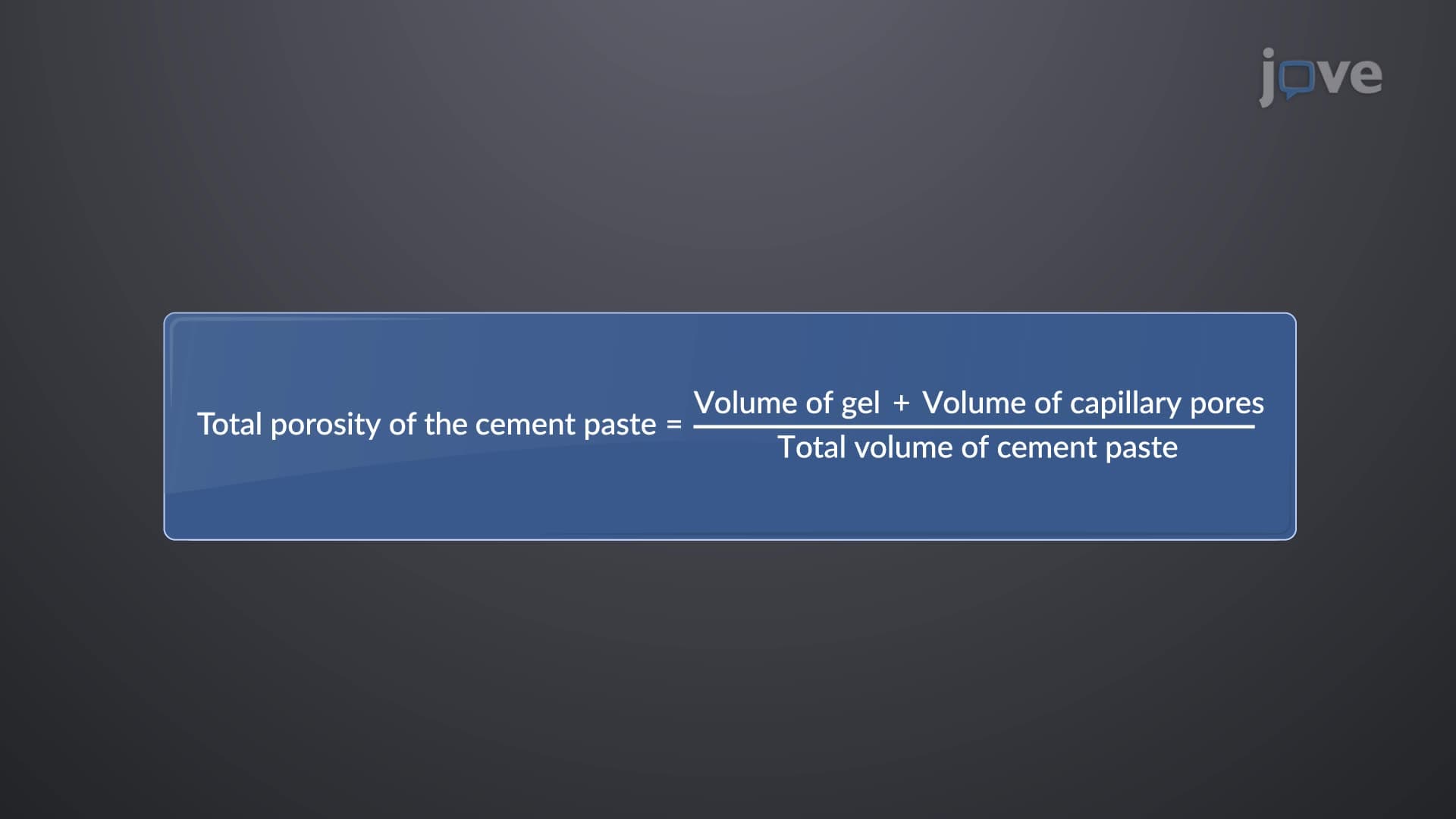
The aggregate cement ratio directly influences concrete strength through its effect on total porosity. Higher aggregate cement ratios, when water-cement ratio remains constant, typically produce stronger concrete because less cement paste occupies the total volume, reducing overall porosity. This principle explains why lean concrete mixes often achieve higher compressive strengths in laboratory testing.
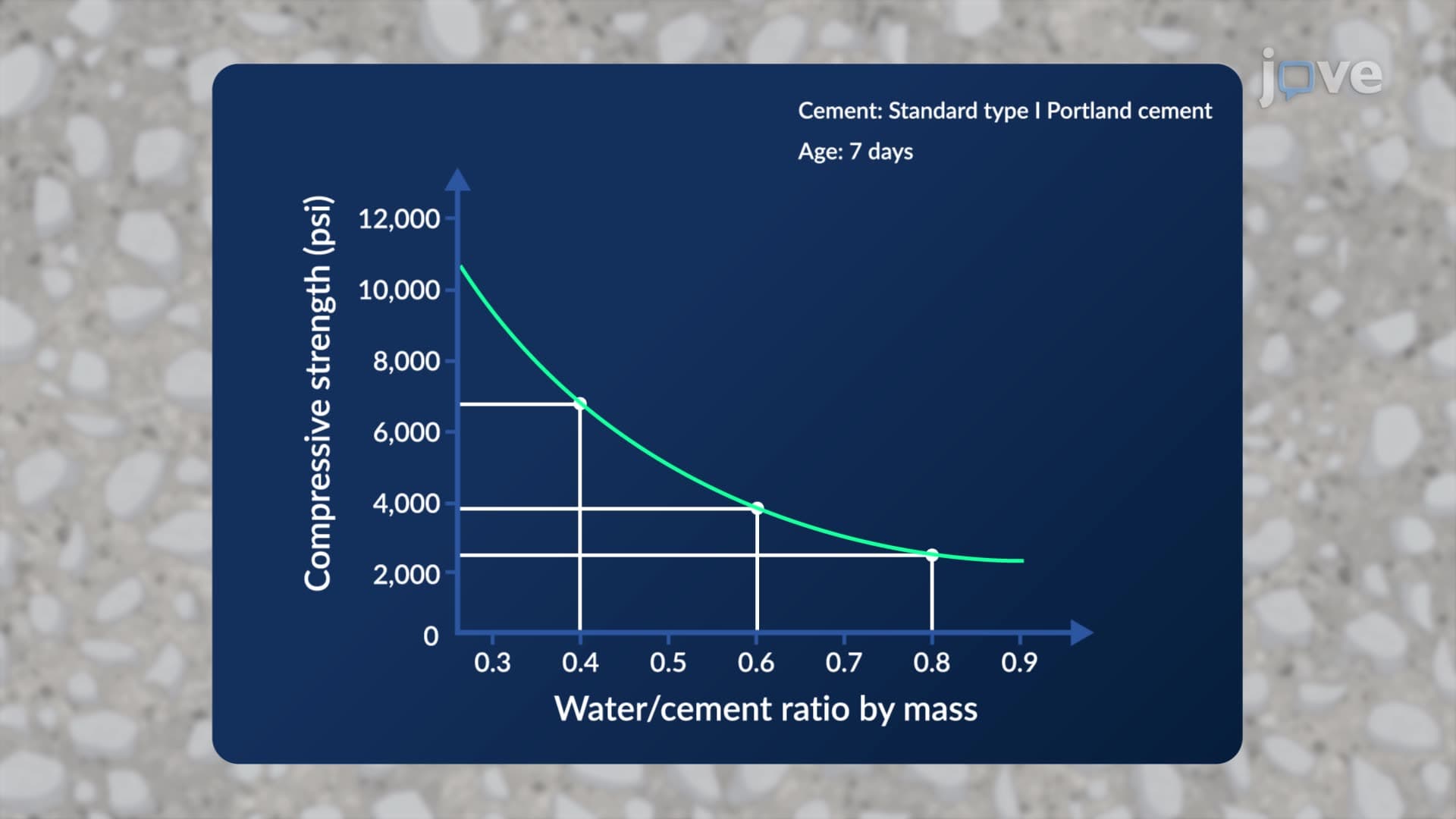
Students studying for the Fundamentals of Engineering (FE) exam frequently encounter problems involving these relationships. For instance, reducing the aggregate cement ratio while maintaining constant water content effectively decreases the water-cement ratio, potentially improving strength but requiring careful consistency management.
The American Concrete Institute (ACI) provides detailed guidelines for aggregate cement ratio selection based on specific applications. Highway concrete in Minnesota requires different ratios than residential sidewalks in Arizona due to freeze-thaw considerations and loading requirements. Understanding these variations helps students connect theoretical knowledge to real-world engineering practice, essential for success in structural engineering coursework and professional practice.
Related Micro-courses