Loading subject page…


6,266 views


Video Summary: What Is Pore Size Distribution
Did you know that concrete structures like the Golden Gate Bridge can last over 80 years partly due to pore size distribution management? Pore size distribution refers to the range and arrangement of microscopic spaces within hardened cement paste that directly impact concrete's strength and durability. In construction projects across the US, understanding what is pore size distribution helps engineers design buildings that resist freeze-thaw damage in places like Minnesota winters. Watch the full video on JoVE Coach to master this concept with expert-led visuals and step-by-step explanations.
Pore size distribution represents the statistical measurement of void spaces within hardened concrete, ranging from nanometer-scale gel pores to larger capillary voids. This concept is fundamental to materials science and civil engineering, appearing regularly in AP Chemistry courses and undergraduate materials engineering curricula across US universities like MIT and Stanford.
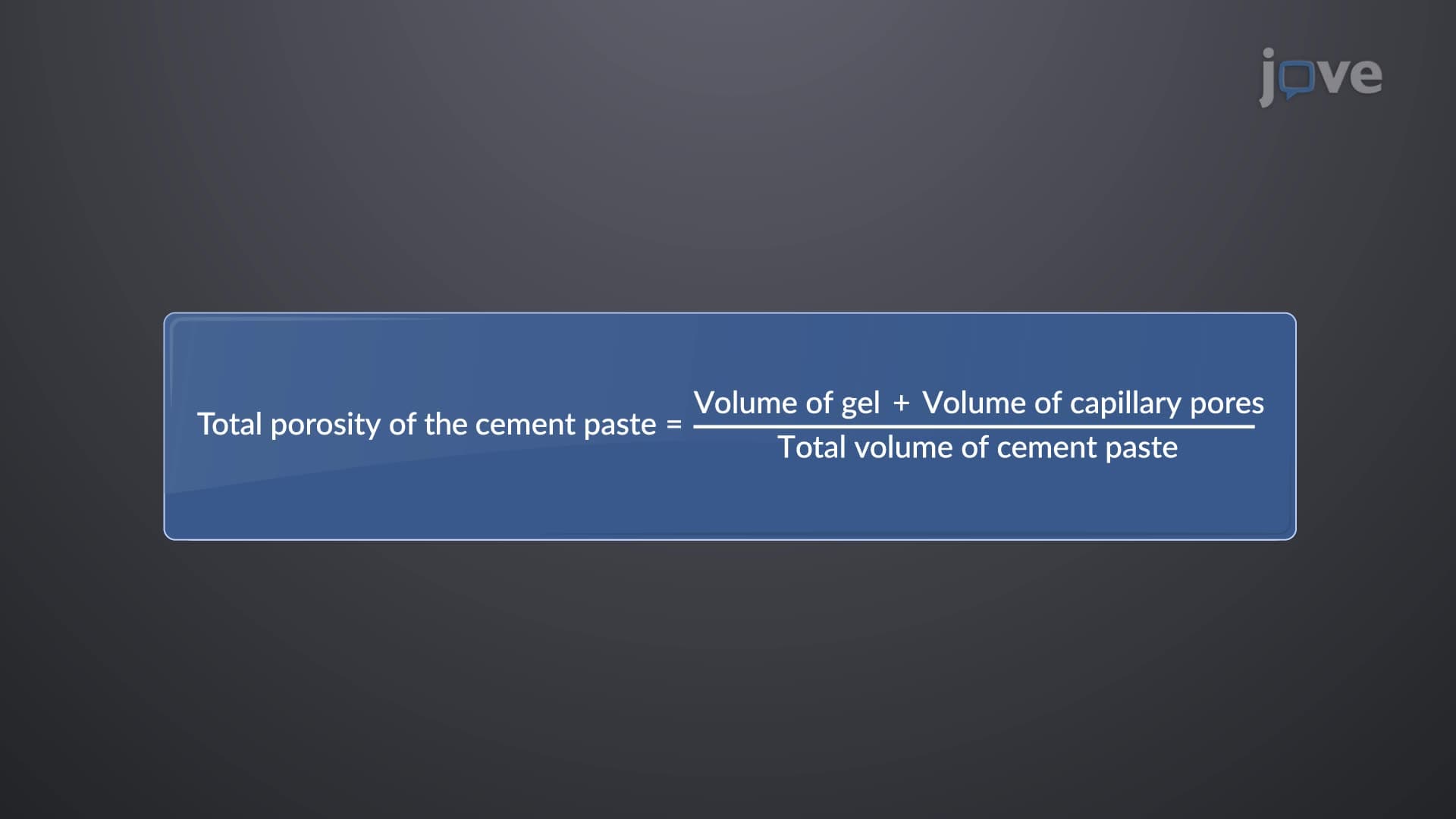
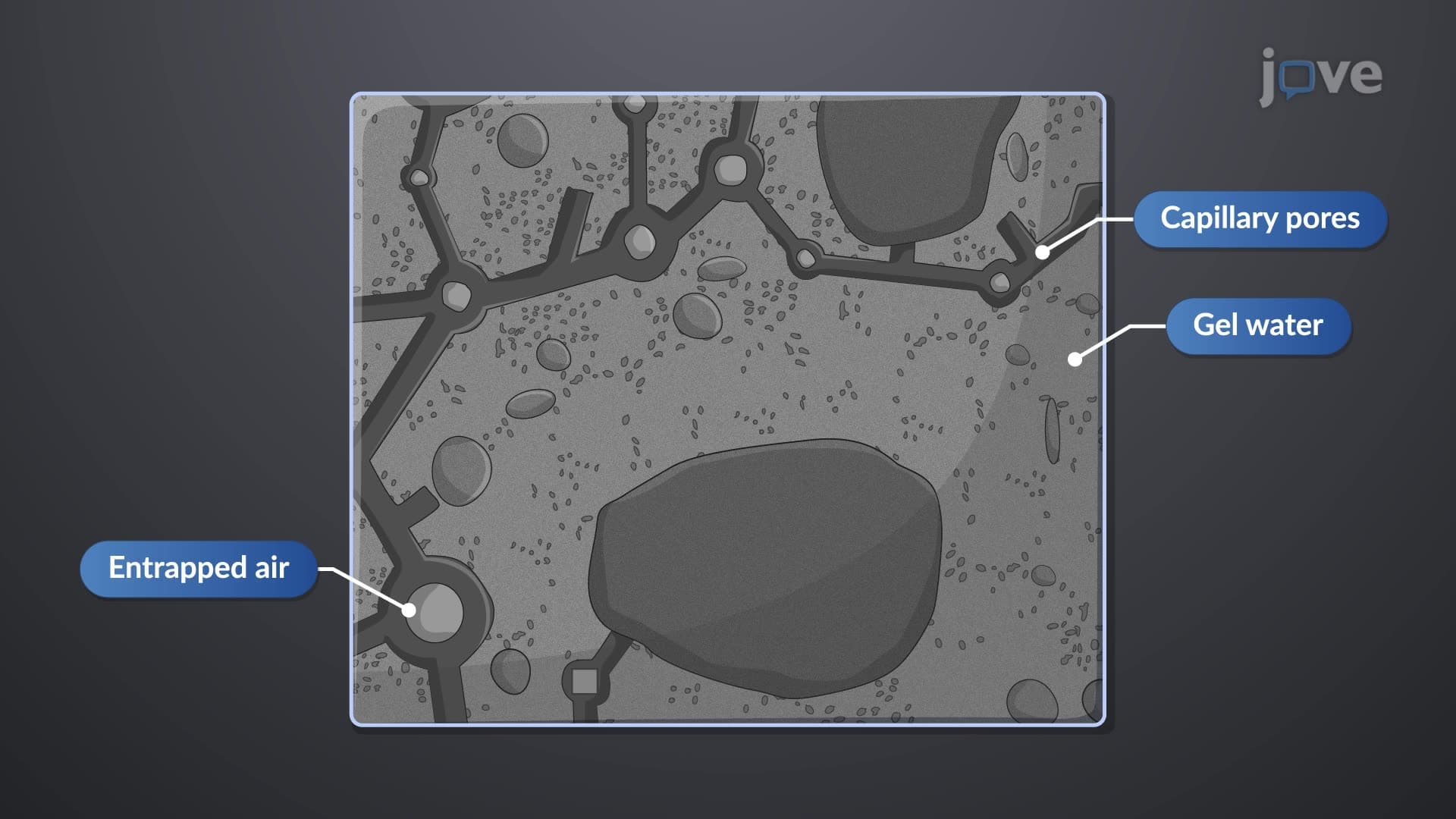
Cement paste contains three distinct pore categories. Gel pores, the smallest at less than 0.1 microinches, form between cement hydration products. Capillary pores range from 0.4 microinches in well-hydrated, low water-cement ratio pastes to 200 microinches in high water-cement ratio systems during early hydration. Macropores exceed 2 microinches and critically influence strength properties. Students preparing for the MCAT or engineering licensure exams should remember that pore size directly correlates with transport properties-smaller, disconnected pores reduce permeability while large, connected networks increase vulnerability.
The hydration process transforms the pore structure dramatically. Initially, fresh cement paste contains large, interconnected capillary spaces filled with water. As hydration progresses, cement gel formation gradually fills these voids, creating a denser matrix. In practice, this explains why the Hoover Dam's concrete continues strengthening decades after construction-ongoing hydration reduces porosity over time. Civil engineering students at universities like UC Berkeley study this phenomenon when designing long-term infrastructure projects.
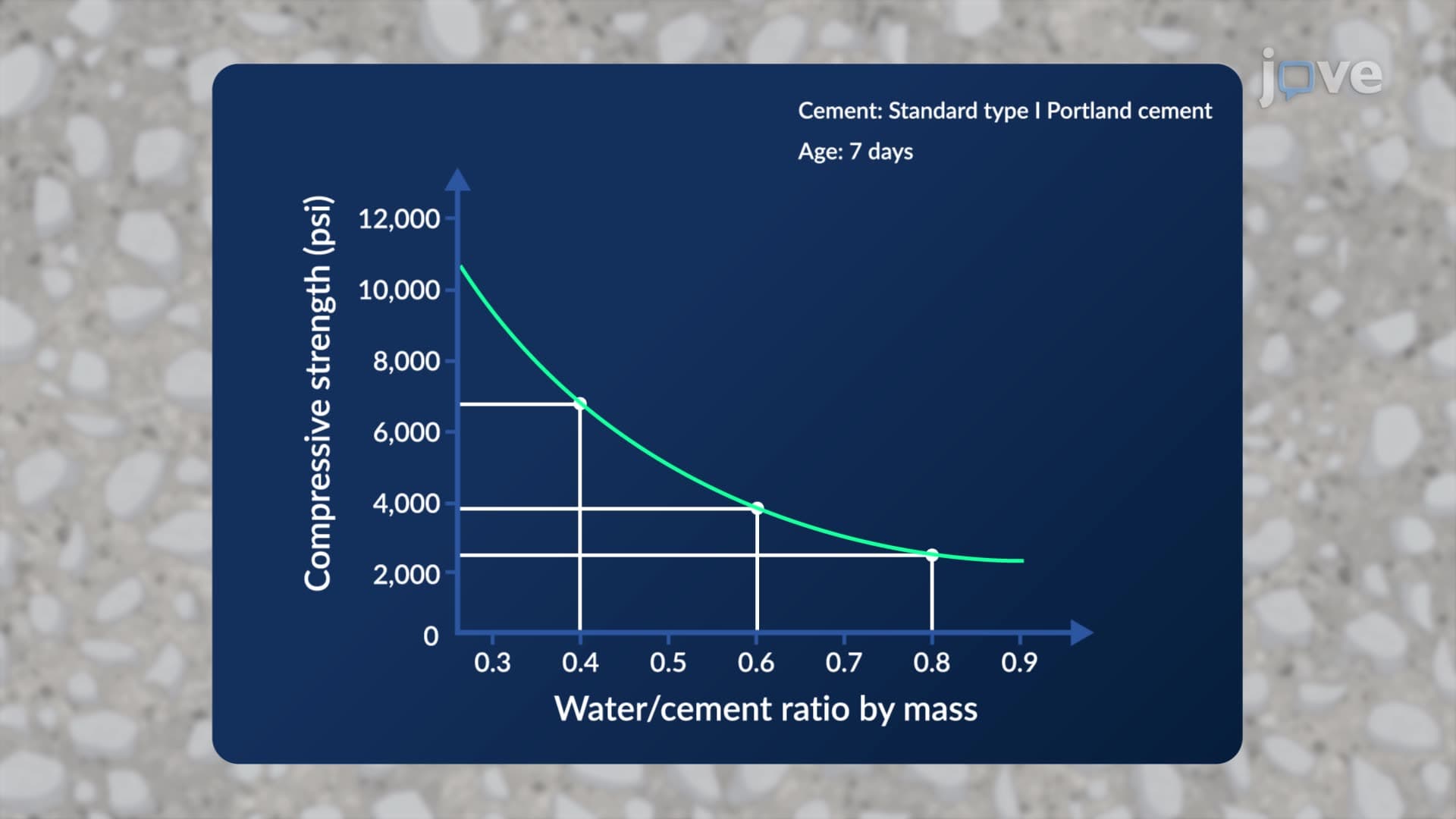
Understanding pore size distribution guides real-world engineering decisions. For instance, highway departments in northern states like Wisconsin specify low water-cement ratios to minimize freeze-thaw damage. When water freezes in large pores, expansion forces can crack concrete. The Federal Highway Administration uses pore size analysis to predict pavement longevity and maintenance schedules. This knowledge appears in Professional Engineering (PE) license examinations and construction management coursework nationwide.
Related Micro-courses