Loading video…


 18 Concepts
 6.3K views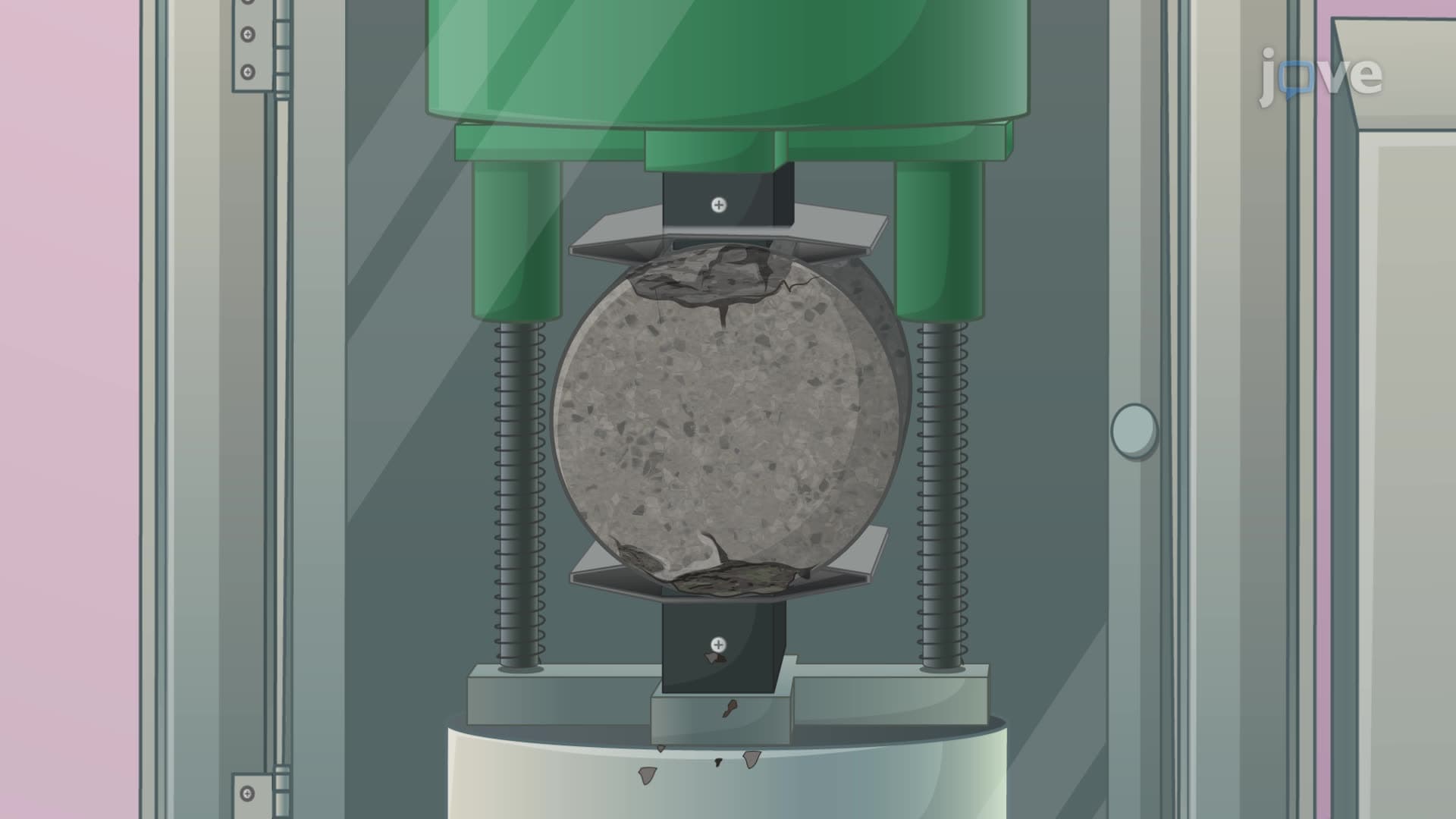

Video Summary: Tensile Strength Considerations of Concrete Explained
Why does concrete crack in your driveway even though it should theoretically be incredibly strong? Tensile strength considerations of concrete reveal a shocking truth: real concrete is 1,000 times weaker than theoretical predictions due to microscopic cracks that amplify stress. Consider the 2007 Minneapolis I-35W bridge collapse, where concrete failure analysis became crucial for understanding structural integrity. These tiny flaws create stress concentration points that cause sudden, brittle failure without warning. Watch the full video on JoVE Coach to master this concept with expert-led visuals and step-by-step explanations.
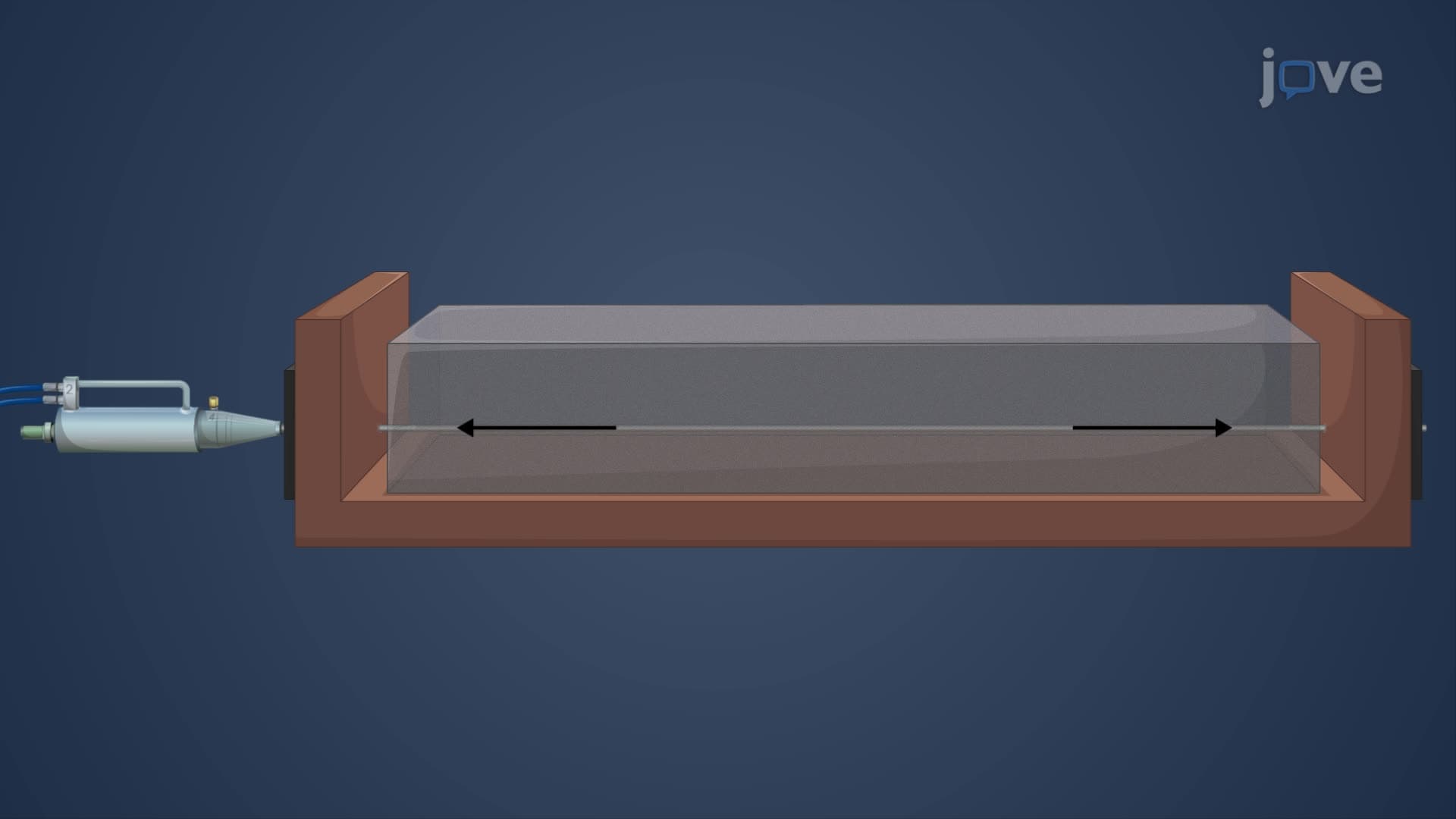
Concrete's tensile behavior presents one of materials science's most fascinating contradictions. While theoretical calculations suggest concrete should withstand enormous tensile forces, real-world testing reveals strengths that are dramatically lower-often by a factor of 1,000. This massive discrepancy forms the foundation of tensile strength considerations of concrete, a critical concept for civil engineering students and professionals designing everything from highway overpasses to skyscraper foundations.
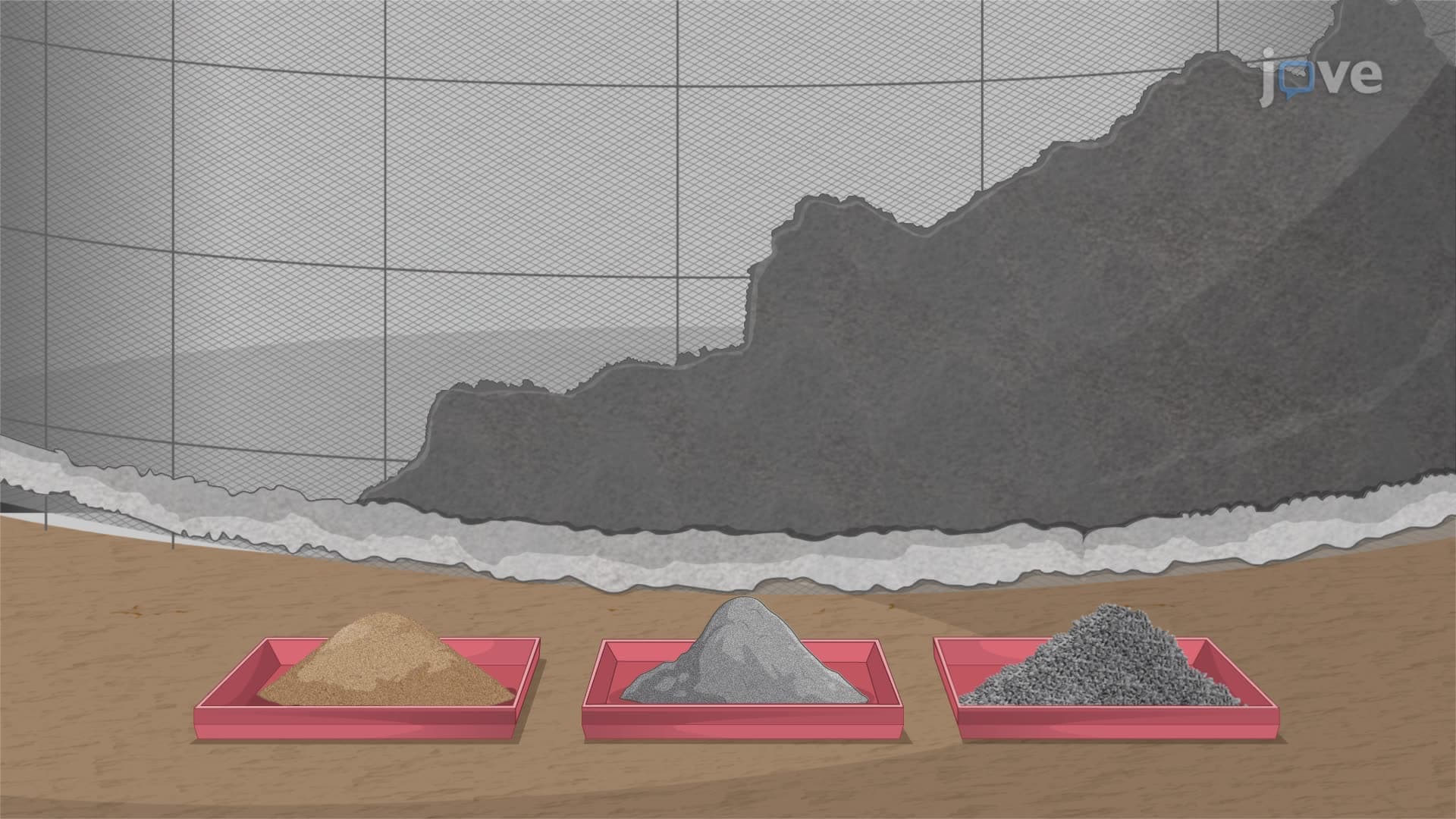
The explanation lies in Griffith's groundbreaking theory, developed in the 1920s, which revolutionized our understanding of material failure. Even in carefully controlled laboratory conditions where aggregate composition is standardized to minimize variables, concrete consistently underperforms its theoretical potential due to the inevitable presence of microscopic flaws.
These microscopic cracks act as stress concentrators, creating localized areas where applied forces become magnified far beyond the average stress in the material. When tensile load is applied to concrete, stress concentrates at crack tips in a phenomenon described by fracture mechanics principles. The sharper and deeper the crack, the greater the stress amplification factor becomes.
This concept directly applies to standardized tests like those covered in AP Physics and college-level Materials Science courses. Students preparing for the Fundamentals of Engineering (FE) exam frequently encounter problems involving stress concentration factors and their role in predicting material failure.
Specimen size significantly influences concrete's tensile strength, following what engineers call the "size effect." Larger concrete elements have statistically higher probabilities of containing critical-sized flaws that can initiate failure. This principle explains why small laboratory specimens often show higher strength values than full-scale structural elements.
Consider the design challenges faced during construction of major US infrastructure projects like the Hoover Dam or the Brooklyn Bridge retrofits. Engineers must account for these size effects when scaling up from laboratory test results to real-world applications, often applying safety factors that reflect the increased likelihood of critical flaws in larger structures.
Unlike ductile materials such as steel that deform gradually before failure, concrete exhibits brittle fracture behavior. This means concrete structures can fail suddenly without significant warning signs-a crucial consideration for structural engineers designing buildings in earthquake-prone regions like California or along the New Madrid fault system in the central United States.
Related Micro-courses