Loading video…


 18 Concepts
 6.3K views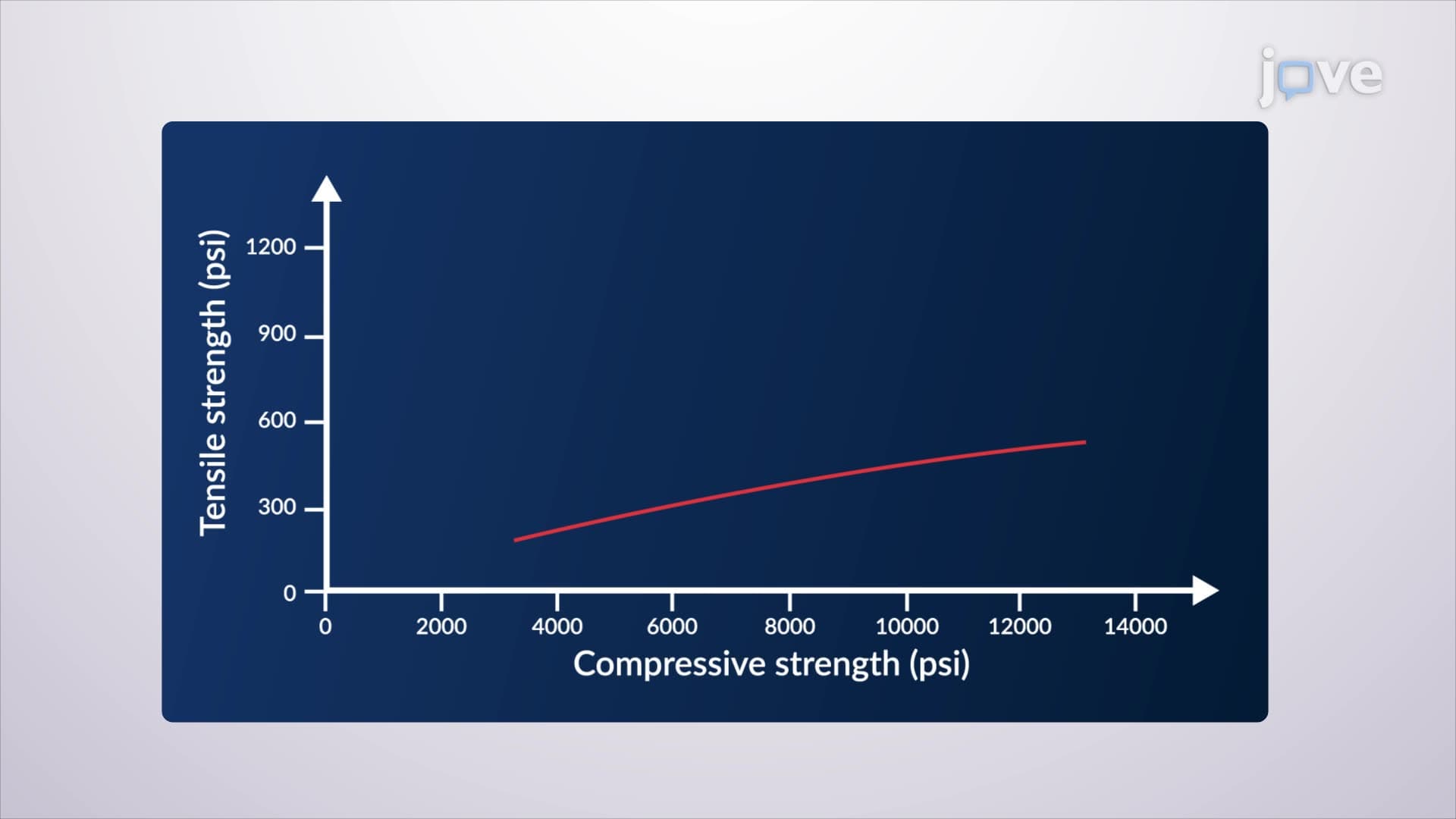

Video Summary: Relationship Between Tensile and Compressive Strength of Concrete
Ever wonder why concrete sidewalks crack but skyscrapers stand tall? The relationship between tensile and compressive strength of concrete reveals that concrete handles crushing forces far better than pulling forces-a critical insight for engineers designing everything from the Golden Gate Bridge to your local parking garage. Understanding the relationship between tensile and compressive strength of concrete explains why steel reinforcement is essential in construction projects across America. Watch the full video on JoVE Coach to master this concept with expert-led visuals and step-by-step explanations.
Concrete's mechanical behavior presents a fascinating paradox that every structural engineer must master. While concrete excels at resisting compressive forces-think of the massive loads carried by building foundations-it struggles significantly with tensile (pulling) forces. This fundamental characteristic shapes how we design and construct everything from highway overpasses to residential foundations across the United States.
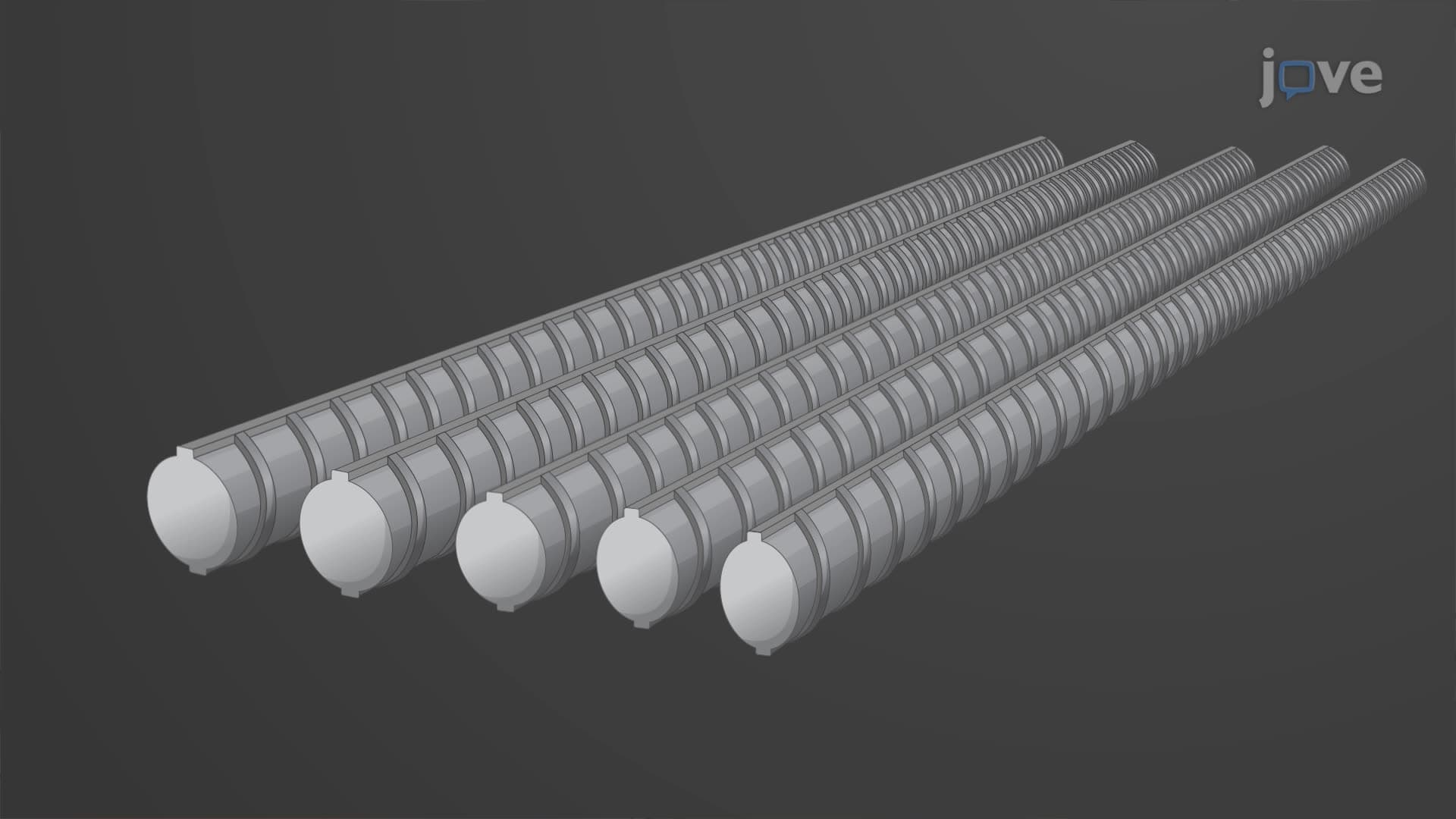
Unlike materials such as steel, concrete's tensile strength doesn't increase proportionally with its compressive strength. Typically, concrete's tensile strength ranges from only 8-12% of its compressive strength. This means that while high-strength concrete might achieve compressive strengths of 8,000 psi or higher (commonly used in skyscrapers like Chicago's Willis Tower), its tensile strength rarely exceeds 800-1,000 psi. This disparity explains why reinforced concrete-concrete strengthened with steel rebar-dominates American construction.
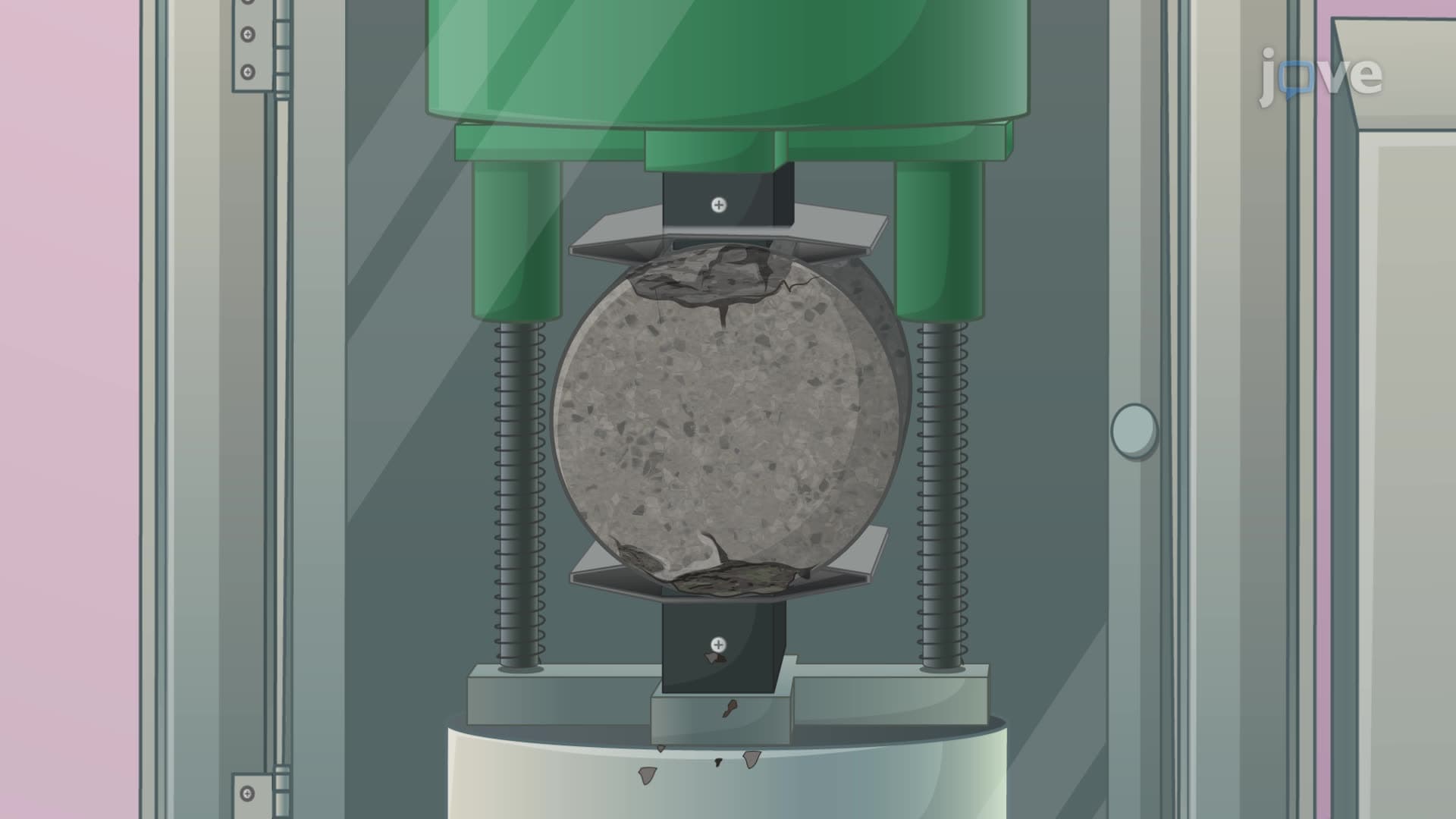
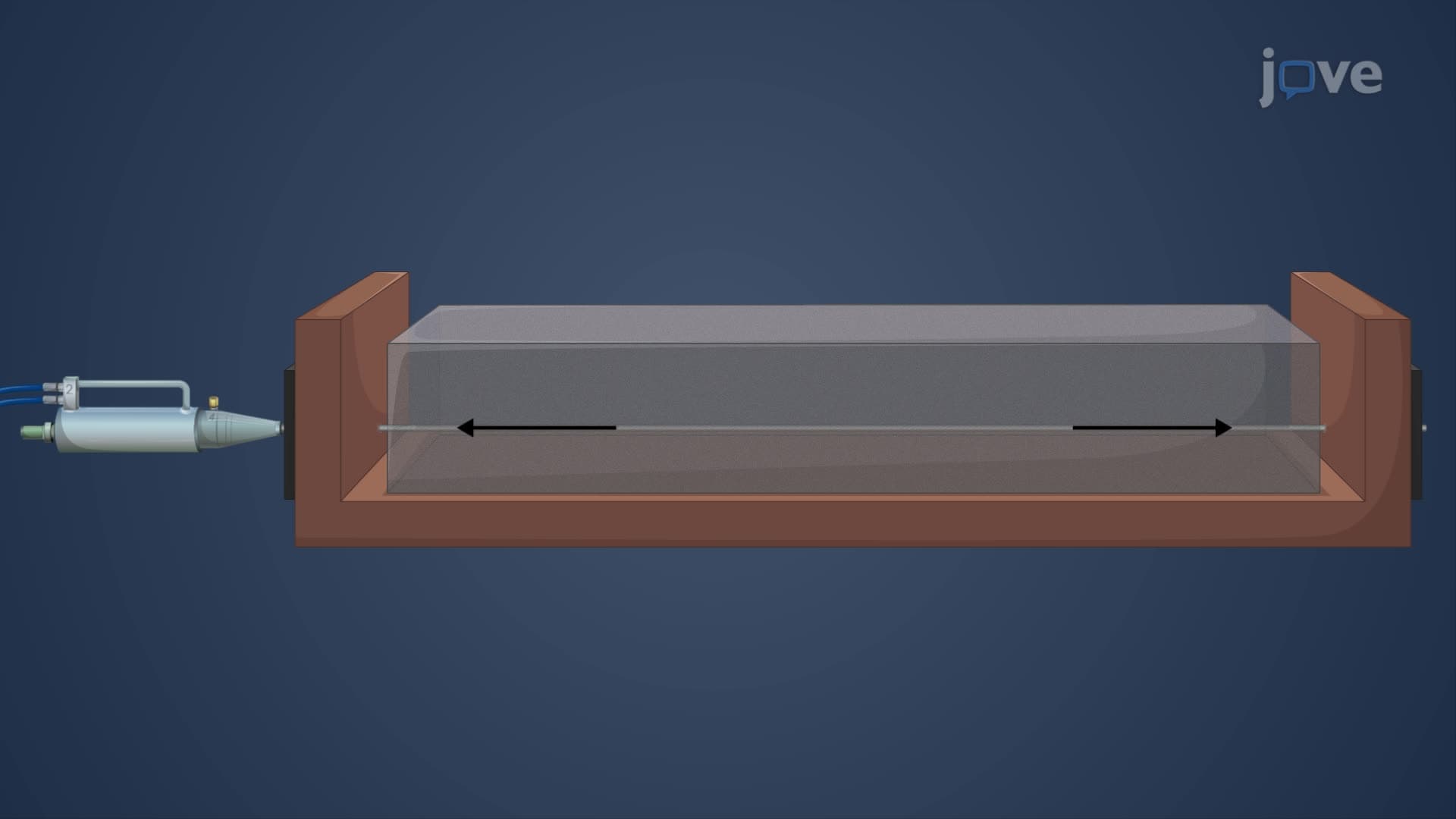
Direct tension testing of concrete presents significant technical hurdles that make it impractical for routine quality control. Gripping concrete specimens without introducing stress concentrations or eccentric loading proves extremely difficult, leading to unreliable results. Instead, engineers rely on two indirect methods: flexural testing (using beam specimens) and splitting tensile tests (Brazilian tests). These methods better represent real-world loading conditions and provide more consistent, repeatable results for construction quality assurance.
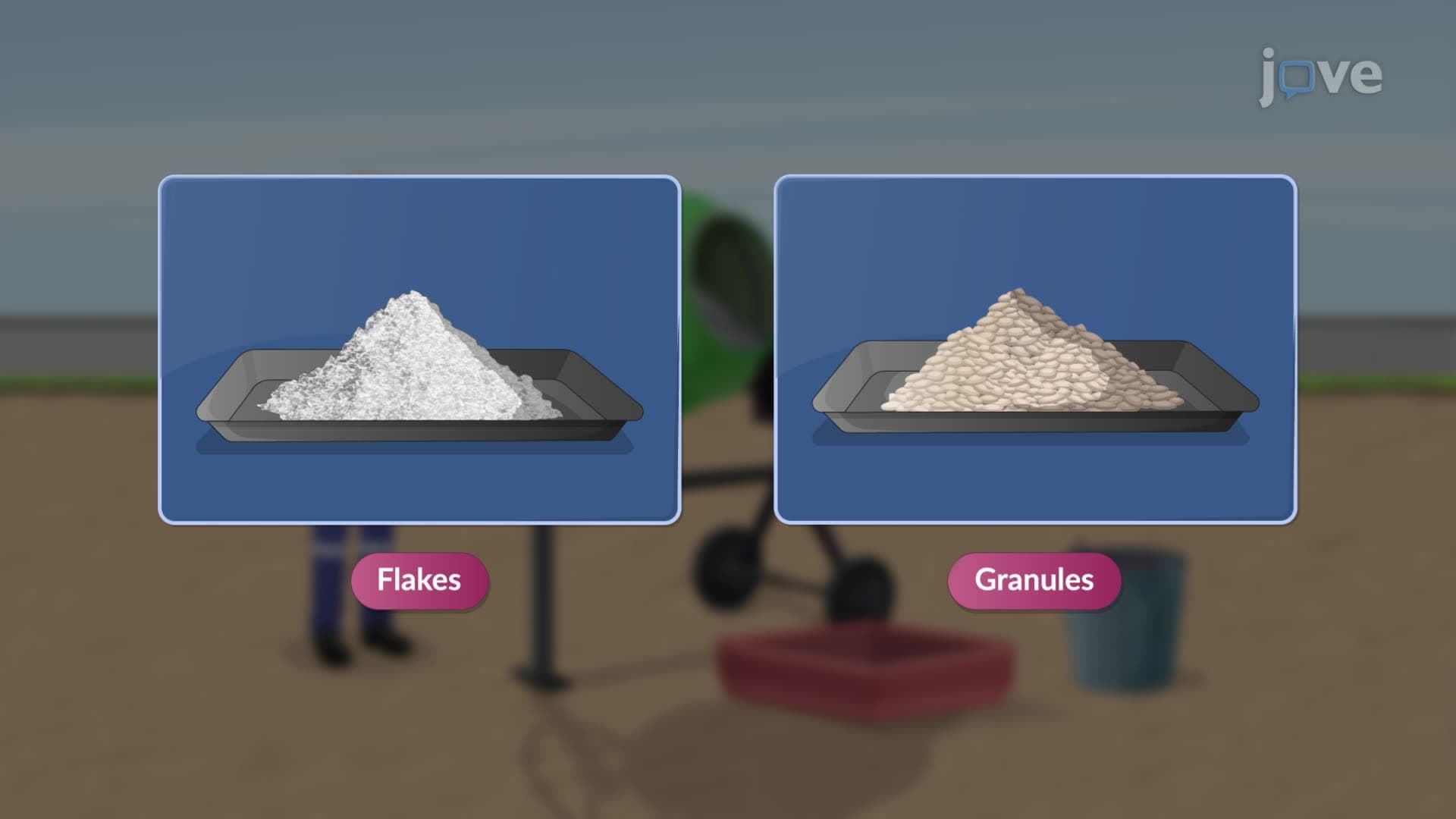
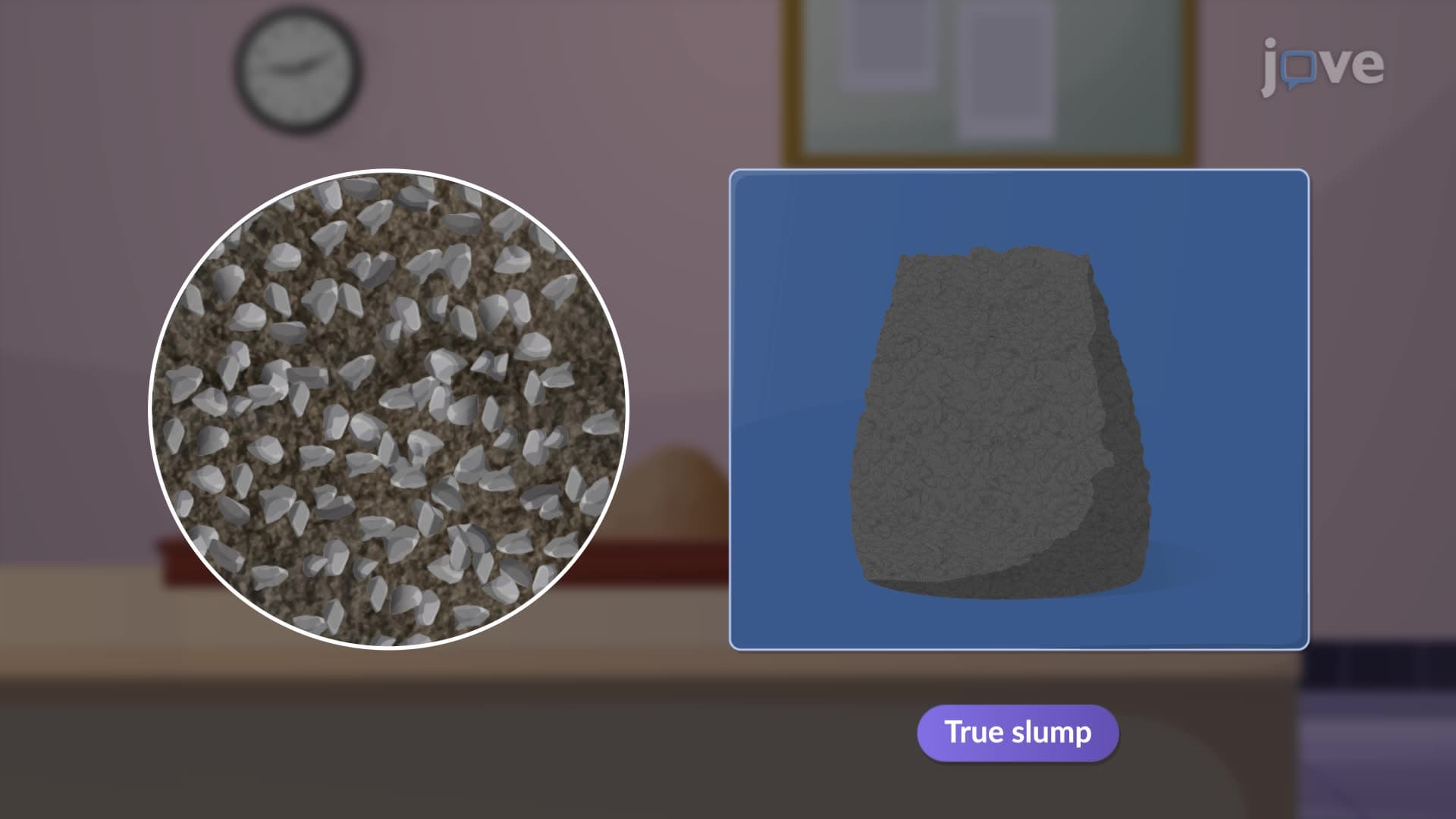
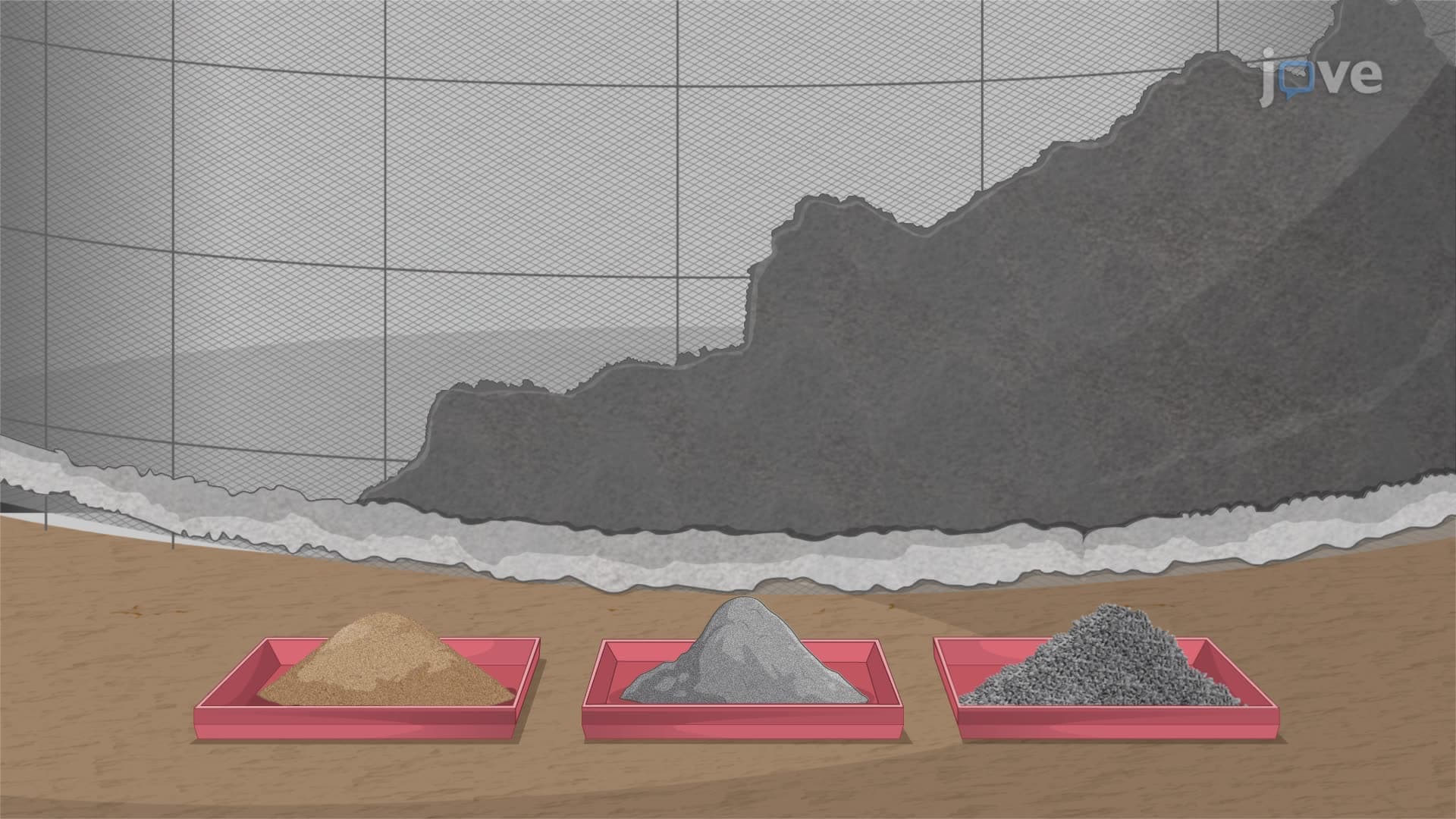
Several critical factors affect how tensile and compressive strengths relate in concrete. Aggregate shape plays a crucial role-angular crushed stone creates stronger mechanical bonds than smooth river gravel, particularly enhancing flexural strength. This explains why specifications for high-performance concrete in major infrastructure projects, such as those managed by the Federal Highway Administration, often require crushed aggregate.
Moisture conditions significantly impact strength development. Wet-cured concrete that's subsequently stored dry typically achieves higher compressive strength than continuously wet-stored concrete. However, this curing difference affects flexural strength relationships while leaving splitting tensile strength relatively unchanged-a nuance critical for understanding concrete behavior in various environmental conditions.
Specimen size effects also influence test results, with larger specimens more likely to contain critical flaws that lead to premature failure. This size effect is particularly important when extrapolating laboratory results to full-scale construction elements, a consideration emphasized in AP Physics and college-level materials science courses examining real-world engineering applications.
Related Micro-courses